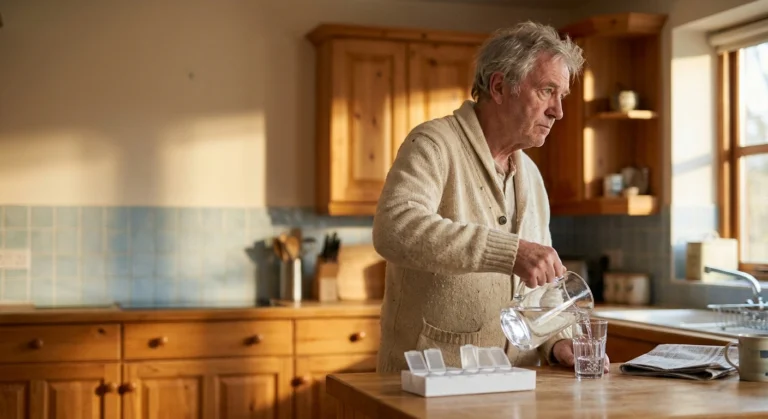
There’s a particular kind of silence that settles over my support group when someone brings up alcohol-related neuropathy. It’s different from the conversations about diabetes or chemo — there’s an extra layer of shame that people carry, like they somehow brought this on themselves and don’t deserve to ask for help.
I want to address that right up front. If you’re reading this because you suspect alcohol has damaged your nerves, you are not a bad person. You’re a person dealing with a medical condition, and you deserve the same compassion, information, and practical help as anyone else in that room.
I’ve worked with dozens of people over the years whose neuropathy is connected to alcohol use — some who drank heavily for decades, some who wouldn’t have considered themselves heavy drinkers at all. What I’ve learned is that alcohol’s role in alcoholic neuropathy is more common than most people realize, more complex than “just stop drinking,” and — here’s the part that matters most — more treatable than many assume, especially when you catch it early.
So let’s talk about it honestly.
Browse all our types and causes of neuropathy guides for more articles like this one.
What Is Alcoholic Neuropathy?
Alcoholic neuropathy is nerve damage caused by prolonged alcohol use. It’s a type of peripheral neuropathy, meaning it affects the nerves outside your brain and spinal cord — primarily the long nerves that run to your feet and hands. The damage tends to come on gradually, often over years, which is why so many people don’t connect their symptoms to drinking until the damage is already significant.
Estimates vary, but research published in Muscle & Nerve (2019) suggests that between 25% and 66% of chronic heavy drinkers develop some degree of neuropathy. That’s a striking range, and it tells you two things: this is extremely common in people who drink heavily, and many cases go undiagnosed.
of chronic heavy drinkers develop some degree of neuropathy — and many never connect their symptoms to alcohol
If you’re noticing numbness, tingling, or burning in your feet and you’ve been a regular drinker for years, this might be the connection your doctor hasn’t made yet. It’s worth exploring — and understanding the stages of neuropathy can help you figure out where you stand.
How Does Alcohol Damage Your Nerves?
This is where it gets a bit more complicated than most articles let on. Alcohol doesn’t damage nerves in just one way — it’s a double hit.
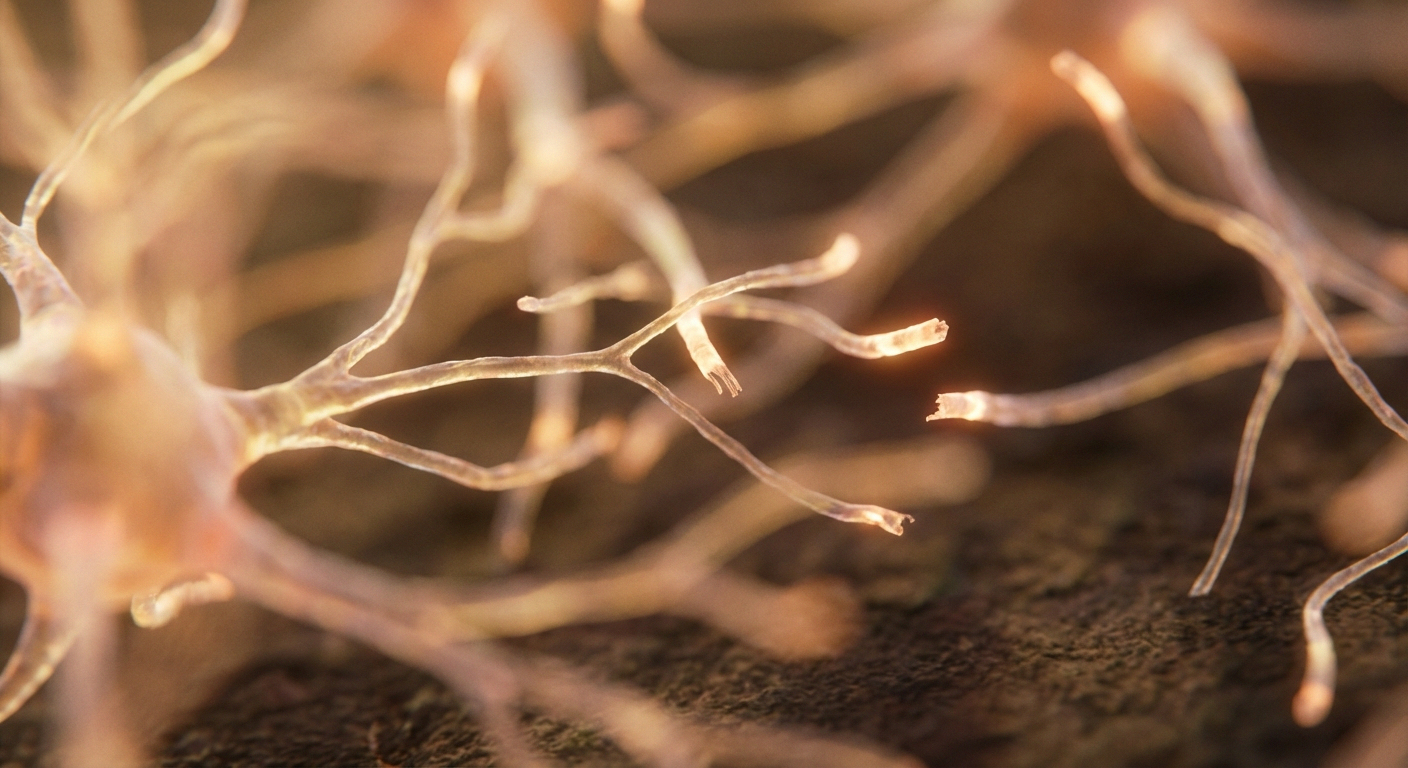
Direct nerve toxicity. Alcohol and its byproducts (especially acetaldehyde) are directly toxic to nerve fibers. Chronic exposure damages the axons — the long projections that carry electrical signals along your nerves. Research in Alcoholism: Clinical and Experimental Research (2011) showed that ethanol directly impairs nerve cell function and triggers oxidative stress that breaks down the protective myelin sheath around nerves.
Think of it like a wire losing its insulation. The signals still try to get through, but they misfire, slow down, or get lost entirely.
Nutritional depletion. Heavy alcohol use wreaks havoc on your body’s ability to absorb and use essential nutrients — particularly thiamine (vitamin B1), but also B12, folate, and other B vitamins that nerves depend on for survival. Alcohol interferes with absorption in the gut, impairs storage in the liver, and increases the rate at which your body burns through its reserves.
The result is a vicious cycle: the alcohol itself is poisoning your nerves while simultaneously robbing them of the nutrients they need to repair and function. This is why alcoholic neuropathy often overlaps with vitamin deficiency neuropathy — and why treatment needs to address both problems.
Symptoms of Alcoholic Neuropathy
What does alcoholic neuropathy feel like?
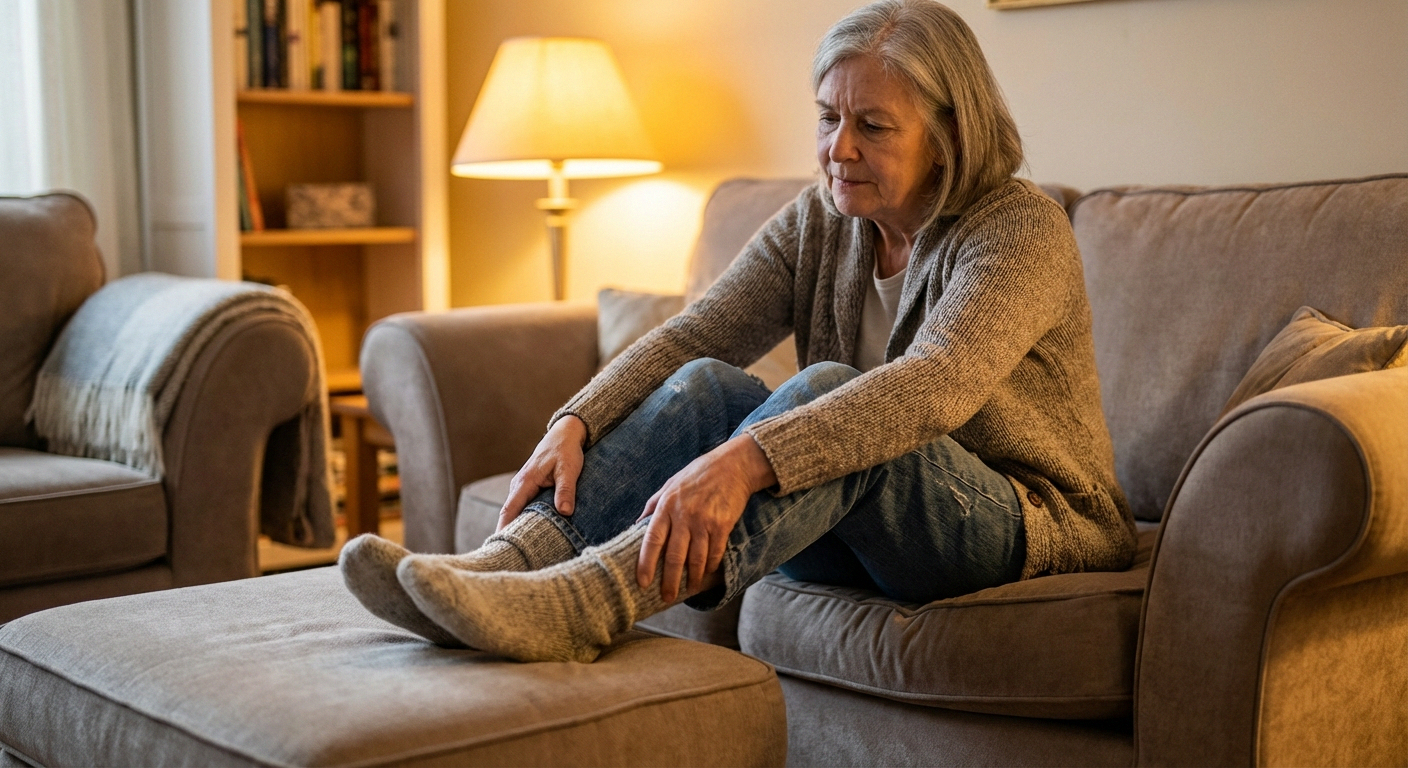
The symptoms tend to creep in slowly, which is part of why people miss them for so long. They almost always start in the feet — because the longest nerves are the most vulnerable — and may eventually affect the hands too.
Here’s what people in my support group describe:
Do You Recognize These Symptoms?
Burning or aching in the feet and lower legs, especially at night — the most common early complaint
Numbness or reduced sensation — not feeling cuts, blisters, or temperature changes in your feet
Tingling or “pins and needles” ranging from mildly annoying to constant and maddening
Muscle weakness in the legs and feet — difficulty on stairs, tripping, general unsteadiness
Sharp, stabbing pains that seem to come out of nowhere
Sensitivity to touch — even a bedsheet brushing against your feet feels painful
Balance and coordination problems — sometimes mistaken for intoxication even when sober
Alcoholic neuropathy can also affect autonomic nerves — the ones that control things you don’t think about, like digestion, blood pressure, and bladder function. Some people experience nausea, constipation, difficulty urinating, or dizziness when standing up.
If you’re wondering whether what you’re feeling might be neuropathy, our symptom assessment can help you organize your symptoms before talking to your doctor.
How Much Alcohol Causes Neuropathy?
This is one of the most common questions I get, and I wish I had a clean, simple answer. The truth is, there’s no precise threshold — no specific number of drinks per week that guarantees you’ll develop neuropathy or protects you from it.
What the research tells us:
- Duration matters more than quantity per occasion. Most studies link alcoholic neuropathy to chronic, sustained drinking over years to decades, rather than occasional binge drinking. A study in Journal of the Peripheral Nervous System (2014) found that most patients had been drinking heavily for at least 10 years before developing symptoms.
- Volume does matter. Most research defines “heavy drinking” as roughly 3 or more drinks per day or more than 7–8 drinks per week sustained over years. But some people develop neuropathy at lower levels, especially if they have nutritional deficiencies or genetic predispositions.
- Individual vulnerability varies enormously. Genetics, diet, liver function, other health conditions (especially diabetes), and overall nutritional status all influence your risk. Two people drinking the same amount can have very different outcomes.
- Women may be more susceptible at lower levels of consumption, partly due to differences in body composition and alcohol metabolism.
The Bottom Line
If you’ve been a regular heavy drinker for several years and you’re experiencing nerve symptoms, alcohol is a likely contributor — even if you know someone who drinks more and seems fine. Individual vulnerability varies enormously based on genetics, nutrition, liver function, and other health conditions.
Can Alcoholic Neuropathy Be Reversed?
This is where I want to give you some real hope — but also be honest about the limits.
Can nerves heal after you stop drinking?
Yes — nerves can heal, and for many people they do. But the degree of recovery depends on several factors:
- How early you catch it. Mild to moderate neuropathy caught in earlier stages has the best prognosis. If you’re curious about how neuropathy progresses, I’ve written about whether neuropathy can be reversed in detail.
- Whether you stop or significantly reduce drinking. This is the single most important factor. Continued alcohol use means continued nerve damage, period.
- Whether nutritional deficiencies are corrected. Replenishing thiamine and other B vitamins gives nerves the building blocks they need to repair.
- How long the damage has been going on. Years of severe neuropathy with significant axon loss is harder (though not impossible) to recover from.
A review in Alcohol and Alcoholism (2019) found that many patients showed measurable improvement in nerve function within 6–12 months of abstinence combined with nutritional supplementation. Some people in my group have told me their symptoms improved dramatically — not completely gone, but night-and-day better than where they started.
Is alcoholic neuropathy permanent?
It can be, but it doesn’t have to be. Mild cases often improve substantially or even resolve. Severe, long-standing cases may leave some permanent damage — but even then, symptoms can be managed to a point where quality of life is much better than it was.
Key Takeaway
It’s never too late to stop the damage from getting worse — and it’s rarely too late to see at least some improvement. A 2019 review found that many patients showed measurable improvement in nerve function within 6–12 months of abstinence combined with nutritional supplementation.
The Role of Thiamine and Other B Vitamins
What vitamins help with alcohol-related nerve damage?
Thiamine (vitamin B1) is the star of the show here, but it’s not the whole story.

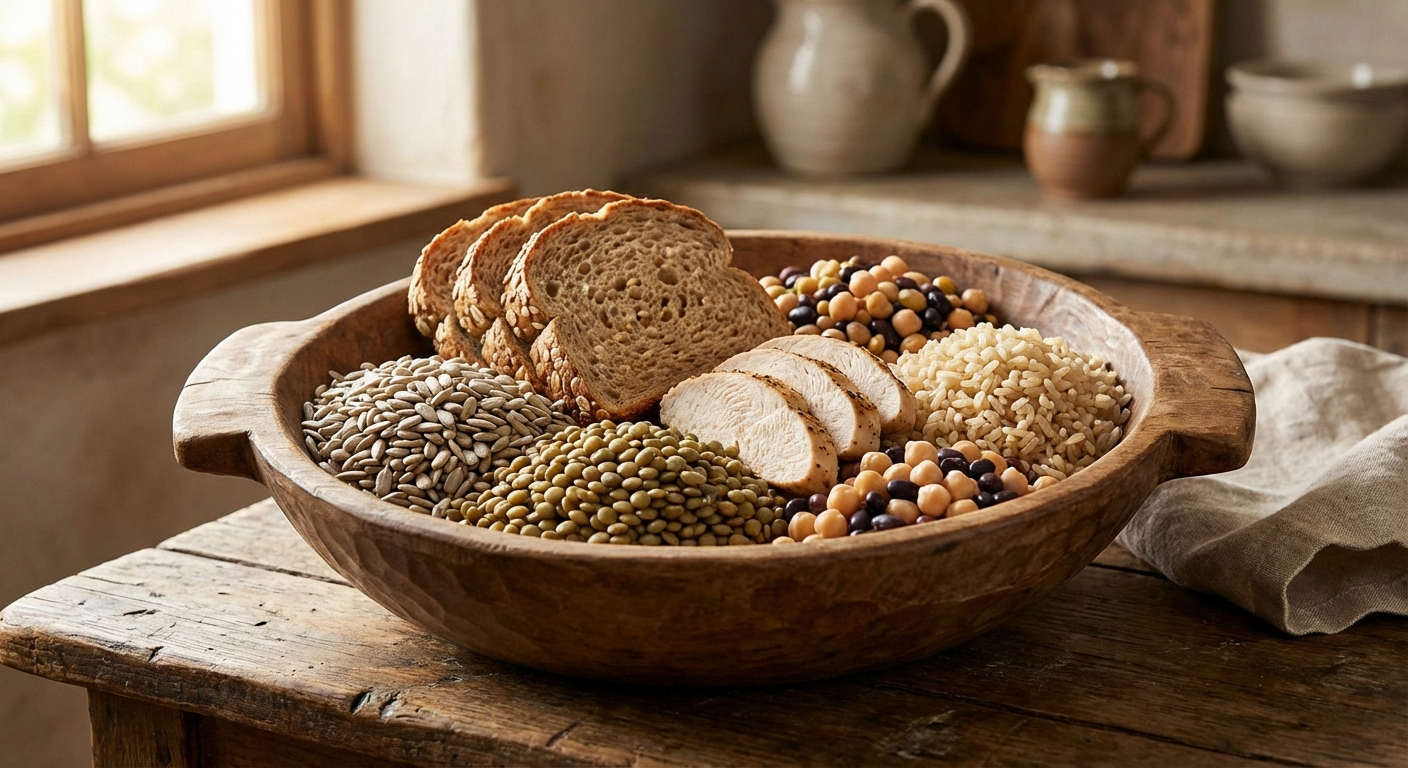
Thiamine (B1): This vitamin is absolutely critical for nerve function, and it’s the one most devastated by heavy alcohol use. Severe thiamine deficiency can cause Wernicke-Korsakoff syndrome (a serious brain condition), but even moderate deficiency damages peripheral nerves over time. Most treatment protocols for alcoholic neuropathy include high-dose thiamine supplementation — often by injection initially, then oral doses.
Vitamin B12: Another crucial nerve vitamin that’s commonly depleted in heavy drinkers. B12 deficiency alone can cause neuropathy, so correcting it is essential. A simple blood test can check your levels.
Folate (B9): Often low in people who drink heavily, folate works alongside B12 in nerve repair and red blood cell production.
Vitamin B6: Important for nerve function, but this one requires a careful balance — too little causes neuropathy, but too much can also cause nerve damage. Don’t megadose without medical guidance.
Magnesium: Alcohol depletes magnesium, which plays a role in nerve signaling and muscle function. Many people feel noticeably better when magnesium levels are restored.
If you’re looking for a comprehensive guide to what supplements support nerve health, I’ve put together a detailed breakdown of the best supplements for neuropathy.
Key Vitamins for Nerve Recovery
Thiamine (B1): Critical for nerve function; most devastated by alcohol. High-dose supplementation is the first priority — often by injection initially.
Vitamin B12 & Folate: Commonly depleted in heavy drinkers; B12 deficiency alone can cause neuropathy. Check your levels with a simple blood test.
Vitamin B6: Requires careful balance — both too little AND too much can cause nerve damage. Don’t megadose without guidance.
Important: Supplements work best combined with dietary changes and stopping or reducing alcohol. You cannot supplement your way out of ongoing nerve damage.
Steps to Take If You Suspect Alcohol-Related Nerve Damage
If you’re reading this and thinking “this might be me,” here’s what I’d encourage you to do — not all at once, but step by step:
Your Action Plan
See your doctor — and be honest about your drinking
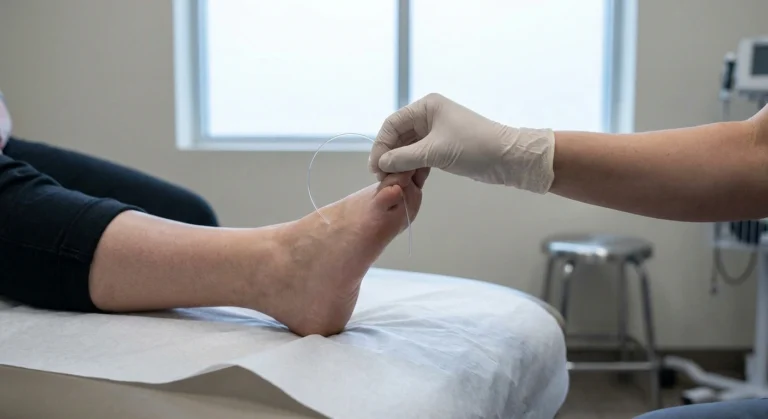
Your doctor needs accurate information to help you. Ask specifically about neuropathy testing — nerve conduction studies and EMG can confirm diagnosis and assess severity.
Get your vitamin levels tested
At minimum: thiamine, B12, folate, and a comprehensive metabolic panel. Correcting deficiencies is one of the fastest ways to start feeling better.
Address the drinking
Complete abstinence, a medically supervised reduction program, or working with an addiction specialist — this is the foundation everything else is built on. SAMHSA’s helpline: 1-800-662-4357 (free, confidential, 24/7).
Start nutritional supplementation
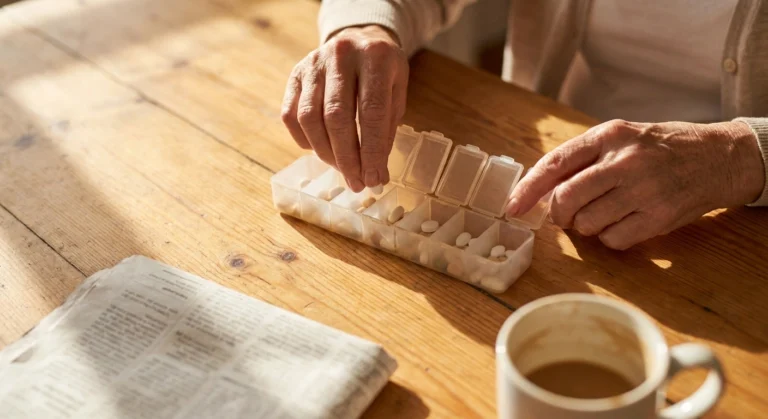
Under your doctor’s guidance. High-dose thiamine is usually the first priority, followed by a B-complex and any other nutrients you’re deficient in.
Take care of your feet
If you’ve lost sensation, you’re at risk for injuries you won’t feel. Check your feet daily, wear supportive shoes, and keep skin moisturized to prevent cracks and sores.
Consider physical therapy
If you’re dealing with muscle weakness or balance problems, a physical therapist can design exercises to rebuild strength and stability.
Find support
Whether it’s a neuropathy support group, an addiction recovery group, or both — having people who understand what you’re going through makes a real difference.
Recovery Timeline: What to Expect
How long does alcoholic neuropathy take to go away?
Recovery from alcoholic neuropathy is a marathon, not a sprint. But knowing what to expect can help you stay motivated through the slow stretches.
First 2–4 weeks (after stopping drinking and starting treatment):
- Vitamin replenishment begins. Some people notice small improvements in energy and general well-being fairly quickly.
- Symptoms may initially feel worse or more noticeable. This is partly because you’re no longer numbing them with alcohol, and partly because nerve healing can cause temporary increased sensitivity.
Months 1–3:
- Nutritional status stabilizes. Thiamine and B12 levels begin to normalize.
- Some people notice the first real improvements — slightly less burning, slightly better sensation.
- This is also when the psychological challenge is hardest. Recovery feels slow and the temptation to drink can be strong.
Months 3–6:
- Nerve regeneration kicks in. Nerves grow at roughly an inch per month, so recovery in the feet (where the nerves are longest) takes the most time.
- Many people report meaningful improvement in this window — less pain, better balance, improved sensation.
Months 6–12:
- Continued gradual improvement for most people. Research in Journal of Neurology (2017) found that the majority of measurable nerve function recovery occurred within this timeframe.
- Pain management may still be needed, but many people can reduce their medications.
Beyond 12 months:
- Improvements can still happen, but they tend to be smaller and slower.
- This is the point where you have a clearer picture of what your new baseline looks like.
- Even if some symptoms remain, most people at this stage are in a dramatically better place than when they started.
I want to leave you with something a man in my support group said about two years into his recovery. He told the group: “I used to think the neuropathy was my punishment for drinking. Now I think of it as my body asking me to take care of it. And for the first time in twenty years, I’m actually listening.”
You deserve to feel better. And the path to feeling better starts with one honest conversation — with your doctor, with someone you trust, or even just with yourself.
Take care of yourself, Janet
Frequently Asked Questions
About the Author