There’s a moment in my support groups that happens almost every meeting. Someone mentions their feet — the burning, the numbness, the feeling like they’re walking on crumpled newspaper — and then someone else quietly says, “Have you tried rubbing them?”
It sounds too simple, doesn’t it? You’ve got real nerve damage, and the idea that your own two hands could do anything about it feels almost laughable. I get it.
But then I started watching what actually happened. A woman in my Thursday group — retired nurse, no-nonsense type — started massaging her feet every night while watching the news. Within a few weeks, the burning had gone from a seven to a four. Not gone. But a four she could live with. A man in another group bought a foot massager and told me it was the first thing that made his feet feel “alive” again in months.
I’m not going to tell you massage is a cure. It isn’t. But there’s real science behind why it helps, and there are specific techniques and tools that people with neuropathy swear by. That’s what I want to share with you.
Does Massage Actually Help Neuropathy?
Is it good to massage feet with neuropathy?
The short answer: yes, for most people, it genuinely helps. Not in a “this cured everything” way, but in a measurable, meaningful way.
A study published in the Journal of Nursing Scholarship (2019) found that regular foot massage significantly reduced neuropathic pain intensity and improved sleep quality in patients with diabetic peripheral neuropathy. Another trial in Complementary Therapies in Clinical Practice (2015) showed that patients receiving massage therapy reported less tingling, numbness, and pain compared to those who received standard care alone.
Research Says
Two independent clinical trials confirmed that regular foot massage produces measurable reductions in neuropathic pain: a 2019 study in the Journal of Nursing Scholarship found significant pain relief and improved sleep in diabetic neuropathy patients, while a 2015 trial in Complementary Therapies in Clinical Practice found less tingling, numbness, and pain vs. standard care alone. The risk is low, the cost can be zero, and the payoff is better than most things you can buy in a bottle.
What I’ve seen in my groups lines up with the research. Massage doesn’t regenerate damaged nerves — I want to be clear about that. But it addresses the secondary problems that make neuropathy feel worse than it needs to: poor circulation, tight muscles, elevated stress hormones, and discomfort that feeds on itself.
How Massage Helps neuropathy in the feet
To understand why massage works for neuropathy, it helps to know what’s happening beyond the nerve damage itself.
Improved circulation. When nerves are damaged, the small blood vessels around them often suffer too — especially in diabetes. Massage increases local blood flow, delivering more oxygen and nutrients to starved tissues. A study in Archives of Physical Medicine and Rehabilitation (2014) demonstrated that even moderate-pressure massage significantly improved blood flow in the lower extremities.
Endorphin release. Your body’s natural painkillers are released during massage. These don’t just mask pain; they actively modulate how your nervous system processes pain signals. It’s why you often feel better for hours after a good massage, not just during it.
Reduced muscle tension. Neuropathy doesn’t just affect nerves. When your feet hurt, you walk differently, tense muscles you don’t realize you’re tensing. That chronic tightness creates its own pain cycle. Massage breaks that cycle.
Lower cortisol. Chronic pain and chronic stress amplify each other. Research in the International Journal of Neuroscience (2005) showed that massage therapy reduces cortisol by an average of 31% while increasing serotonin and dopamine.
average reduction in cortisol from massage therapy — along with increases in serotonin and dopamine that help calm the pain cycle
Desensitization. For people with hypersensitivity — where even light touch feels painful — regular gentle massage can gradually retrain the nervous system to interpret touch as normal rather than threatening. This is a real neurological adaptation, not wishful thinking.
Self-Massage Techniques for Neuropathy in Feet
You don’t need a therapist or an expensive device to start getting relief. Here are techniques I’ve seen work for people in my groups — explained step by step so you can try them tonight.
Before you begin: Sit in a comfortable chair where you can reach your feet. Use a small amount of lotion or neuropathy cream to reduce friction — you’ll also get the benefit of any active ingredients like capsaicin or menthol.
6-Step Foot Self-Massage for Neuropathy
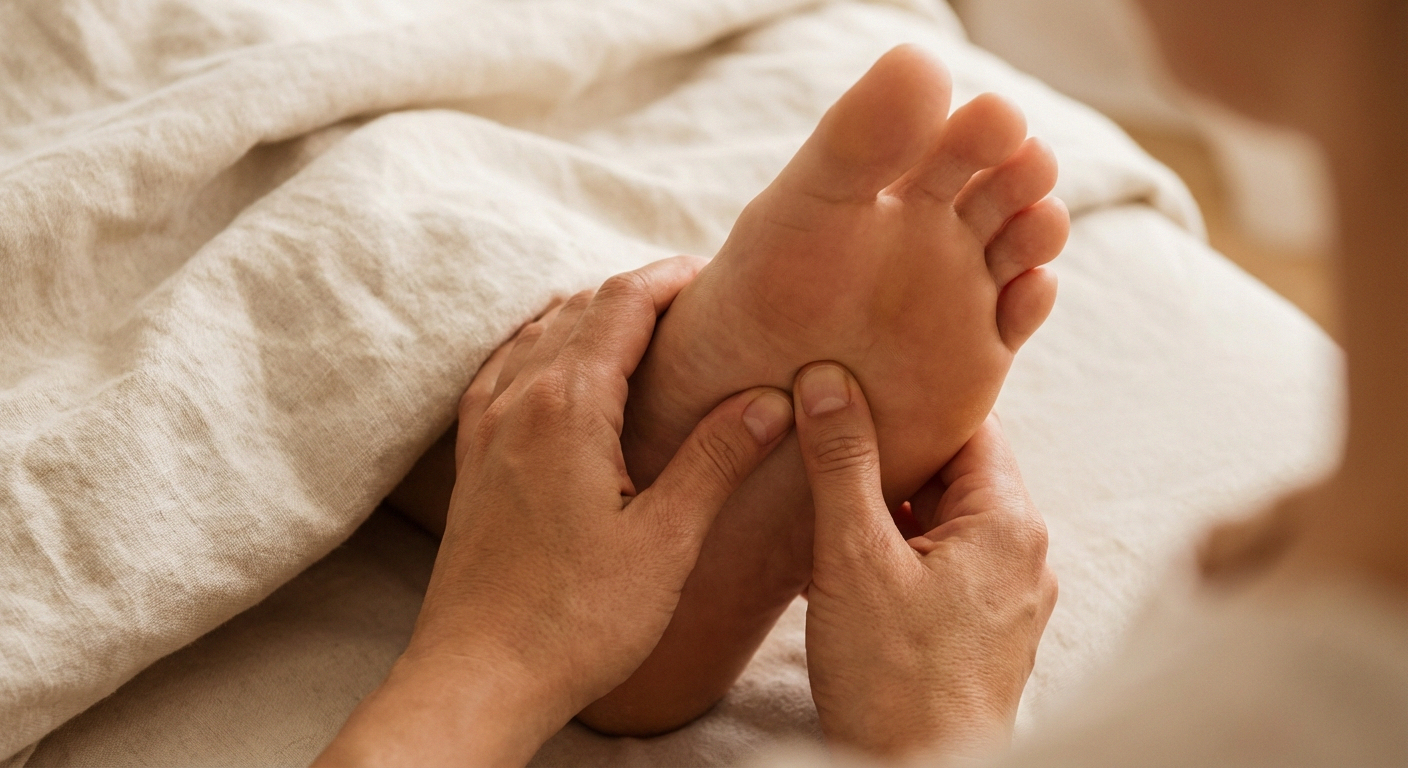
Thumb Circles on the Sole
Hold your foot with both hands and press your thumbs into the sole. Make slow, firm circles, working from the ball of the foot down toward the heel. Spend about 30 seconds on each area. This targets the thick plantar tissue where tension builds up.
Toe Pulls and Stretches
Gently grasp each toe individually and pull it straight out with a light stretch, holding for 3–5 seconds. Then make small circles with each toe. This improves circulation to the tips where numbness is usually worst.
Knuckle Roll
Make a fist and press your knuckles into the arch of your foot. Roll them slowly from the ball of the foot to the heel and back. This provides deeper pressure than your thumbs and is easier on your hands if you have grip issues.
Ankle Circles
Cup your heel with one hand and rotate the foot slowly in wide circles — 10 in each direction. This mobilizes the ankle joint and improves blood flow to the whole foot.
Top-of-Foot Strokes
Using your thumbs, stroke firmly along the channels between the tendons on top of your foot, moving from toes toward the ankle. This area is often neglected but has many nerve endings that respond well to stimulation.
Heel Squeeze
Cup your heel in both hands and squeeze rhythmically — moderate pressure, not painful — for about 30 seconds. The heel has deep tissue that benefits from compression and is often the most overlooked area.
How often should you massage neuropathic feet?
Aim for 10-15 minutes per foot, at least once daily. Bedtime works especially well since neuropathy symptoms tend to flare at night — and massage before sleep may help you fall asleep faster. If you can manage twice daily, morning and evening, many people report noticeably better results. Consistency matters far more than duration. Five minutes every day beats thirty minutes once a week.
Self-Massage Techniques for Neuropathy in Hands
Since many people with foot neuropathy also experience symptoms in their hands, here are a few techniques that do double duty:
Palm press. Press your thumb into the center of the opposite palm and make slow circles, spiraling outward. About 30 seconds per hand.
Finger milking. Grasp each finger at the base and slide firmly toward the fingertip. This encourages blood flow where numbness is most common.
Web space squeeze. Squeeze the fleshy web between each pair of fingers on the opposite hand. Hold each squeeze for 5 seconds.
Wrist flexion massage. Use your thumb to massage the inner wrist in circular motions — this area is rich with nerve pathways and blood vessels.
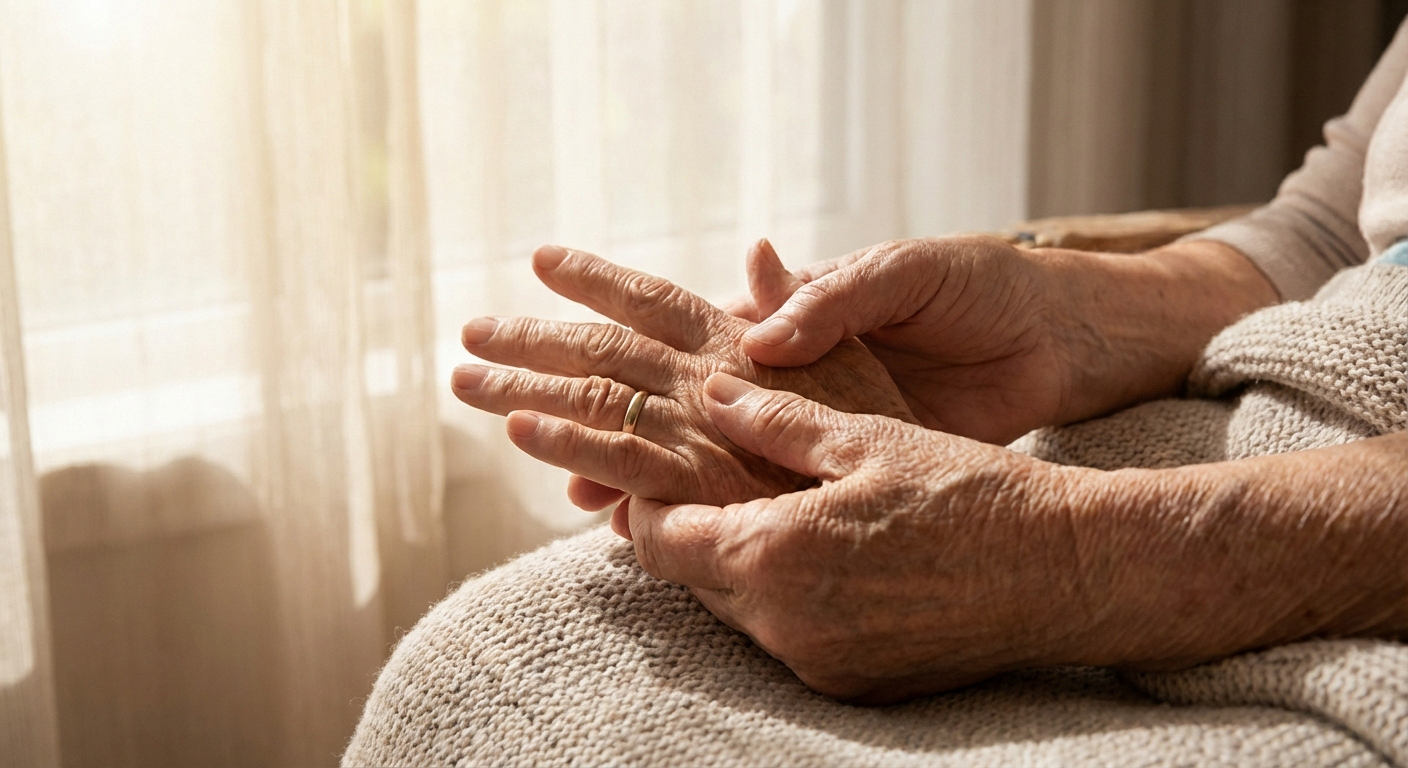
If hand weakness makes self-massage difficult, a tennis ball is your best friend. Roll your palm over it on a table, or use it underfoot while sitting — an effortless way to massage your feet when your hands aren’t cooperating.
When to See a Professional Massage Therapist
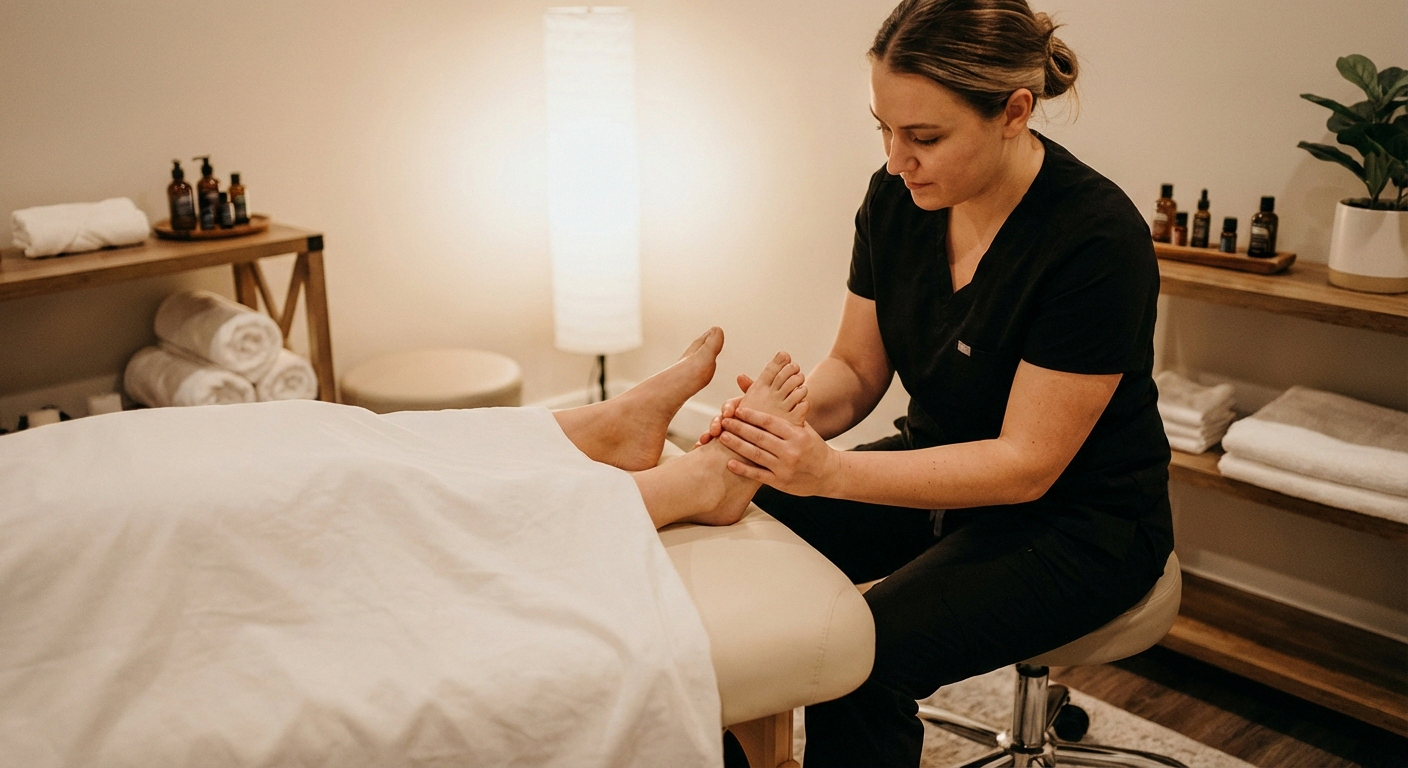
Self-massage is fantastic for daily maintenance, but a skilled massage therapist can reach areas and apply techniques that are hard to replicate on your own.
Consider seeing a professional if:
- Your symptoms are severe and self-massage isn’t providing enough relief
- You have significant muscle tightness in your calves or lower legs contributing to foot pain
- You want a customized plan from someone who understands neuropathy
- You find it difficult to reach your feet (mobility issues are real and nothing to be ashamed of)
What to look for: Ask for someone with experience treating peripheral neuropathy or chronic pain. Licensed massage therapists with neuromuscular therapy or medical massage training are ideal. Be upfront about your neuropathy and areas where sensation is reduced — this is critical for safe treatment.
Most people benefit from professional sessions every 2-4 weeks alongside daily self-massage at home. Some insurance plans cover massage therapy with a doctor’s referral, so it’s worth asking.
Types of Massage That Work Best for Neuropathy
What type of massage is best for neuropathy?
Not all massage styles are created equal when it comes to nerve pain. Here’s what I’ve seen work best — and what to avoid:
🌊 Swedish Massage
Best starting point for most people. Long, flowing strokes with moderate pressure improve circulation and relax muscles without overstimulating sensitive nerves. Ideal if you’re new to massage or have significant hypersensitivity.
👣 Reflexology
Excellent for foot-focused relief. Concentrated foot massage with skilled technique. A 2014 study in Evidence-Based Complementary and Alternative Medicine found reflexology significantly reduced pain and anxiety in diabetic neuropathy patients.
🔬 Myofascial Release
For tight fascia restricting nerves. Targets connective tissue surrounding muscles and nerves. Particularly helpful when tight fascia is compressing nerves or restricting blood flow. Requires a trained therapist.
⚠️ Deep Tissue — Use Caution
Avoid on numb areas. If you can’t feel the pressure accurately, there’s a real risk of tissue damage. This is non-negotiable. If you want deeper work, work only on areas where sensation is intact.
Best Foot Massagers for Neuropathy
If self-massage is hard to sustain — and honestly, reaching your own feet every day gets tiring — a foot massager can be a game-changer. Here’s what to look for and what people in my groups recommend.
Key features to prioritize:
- Adjustable intensity — the most important feature. Neuropathy sensitivity varies wildly, so you need control over pressure and vibration
- Heat function — gentle warmth boosts circulation and feels wonderful on cold, numb feet
- Kneading or shiatsu-style nodes — rotating pressure that targets the arch and ball of the foot
- Easy on/off access — if you have balance issues, you need a massager you can slip into without bending over
Are vibrating foot massagers safe for neuropathy?
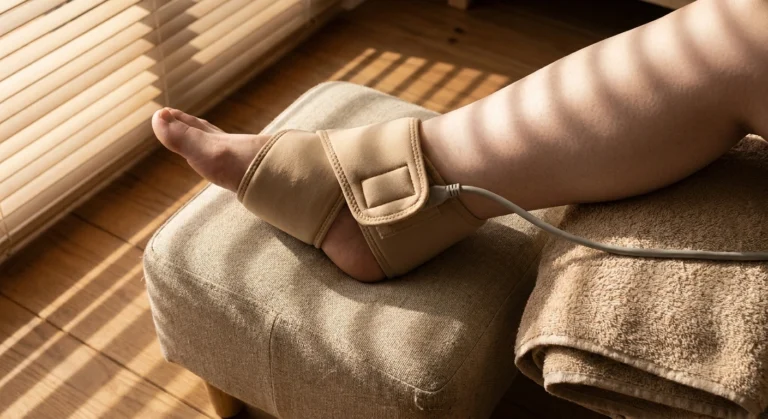
For most people, yes — vibration stimulates nerve endings and increases blood flow. If you have severe numbness, start on the lowest setting and check your feet afterward for redness or bruising. If you have foot ulcers, open wounds, or active infections, skip the massager until those are healed.
Types of foot massagers to consider:
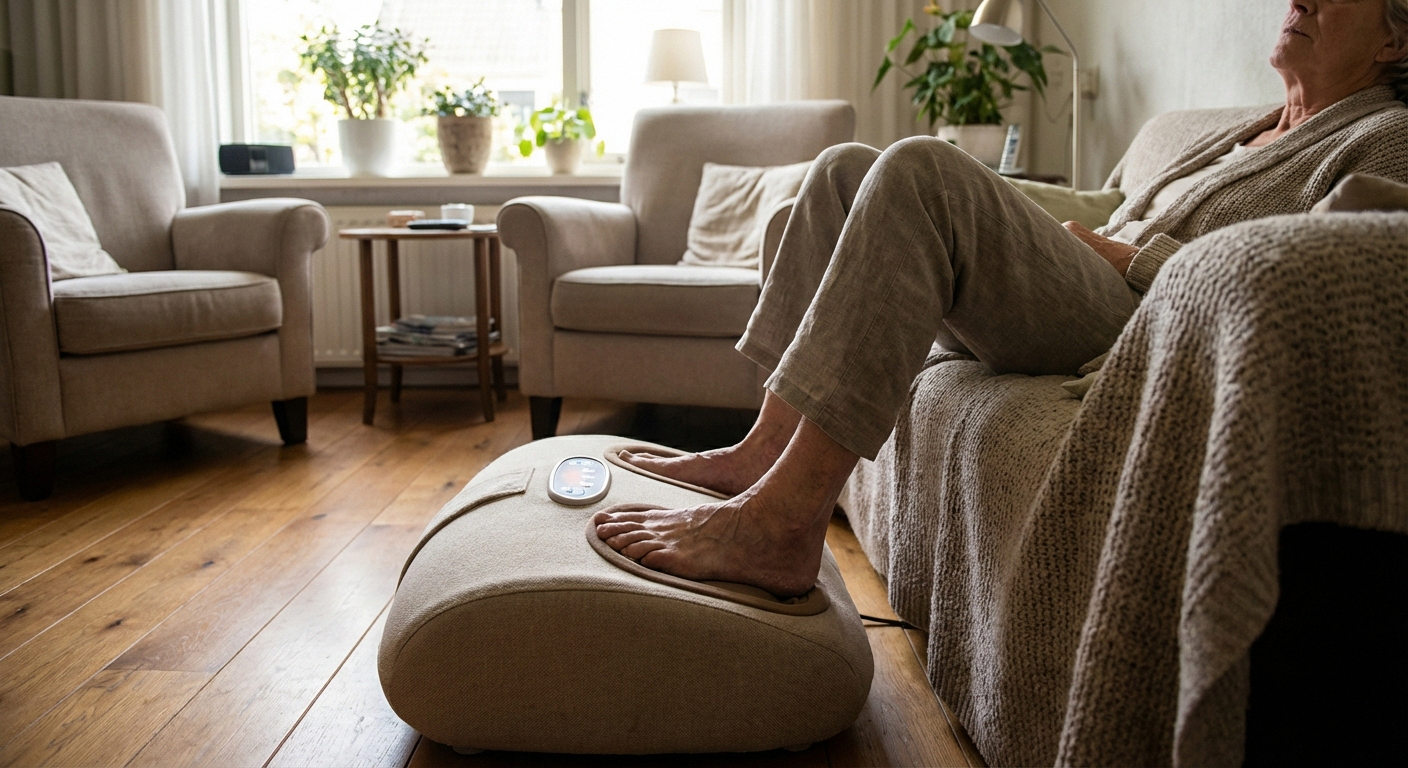
- Shiatsu foot massagers — enclosed units where your feet slide in and rotating nodes knead the soles, arches, and sides. These are the most popular choice among people in my groups.
- Vibration platforms — flat units your feet rest on that deliver vibration therapy. Gentler than shiatsu and a good starting point for very sensitive feet.
- Manual foot rollers — wooden or textured rollers you move under your foot while sitting. No electricity needed, total control over pressure, and they’re inexpensive.
- Foot spa massagers — combine warm water with massage jets. If you already do neuropathy foot soaks, this is a natural upgrade.
When shopping, read reviews from people with neuropathy or diabetes specifically — their experience is far more relevant. Expect to spend $50-$150 for a quality electric massager.
Safety Precautions: When NOT to Massage
Can massage make neuropathy worse?
Massage is generally very safe, but there are situations where it can cause problems.
When to Stop or Skip Massage
Do not massage over: open wounds, blisters, skin ulcers, areas of active infection or inflammation, or undiagnosed lumps or swelling.
Talk to your doctor first if you have: blood clotting disorders or blood thinners (bruising risk), deep vein thrombosis (DVT — massage of the affected leg is strictly off-limits), or diabetic foot complications such as Charcot foot, active ulcers, or severe circulation issues.
Always: stop if you feel sharp pain, check your skin visually after massage if you have diabetes, and err lighter if you can’t judge pressure due to numbness.
If you’re diabetic, pair massage with good shoes, regular exercise, and daily walking — that combination is one of the most powerful things you can do for your feet.
Putting It All Together
Here’s what I love about massage for neuropathy — it’s not glamorous and nobody’s writing headlines about it. But it’s one of those steady, reliable tools that quietly makes your life better when you stick with it.
Key Takeaway
Start simple: tonight, sit down, put on something you enjoy watching, and spend ten minutes rubbing your feet using the 6-step technique above. Press into the arches, roll each toe, squeeze the heel. Consistency matters more than duration — 10 minutes daily beats 60 minutes once a week. Notice how they feel afterward. Most people are surprised by the difference.
Start simple. Tonight, sit down, put on something you enjoy watching, and spend ten minutes rubbing your feet. Press into the arches, roll each toe, squeeze the heel. Notice how they feel afterward compared to before.
You deserve to feel better in your own body. Sometimes the simplest things help the most.
Take care of yourself, Janet
Frequently Asked Questions
About the Author