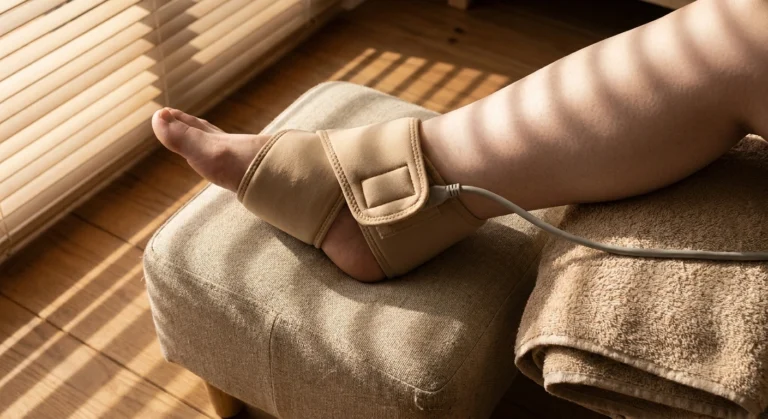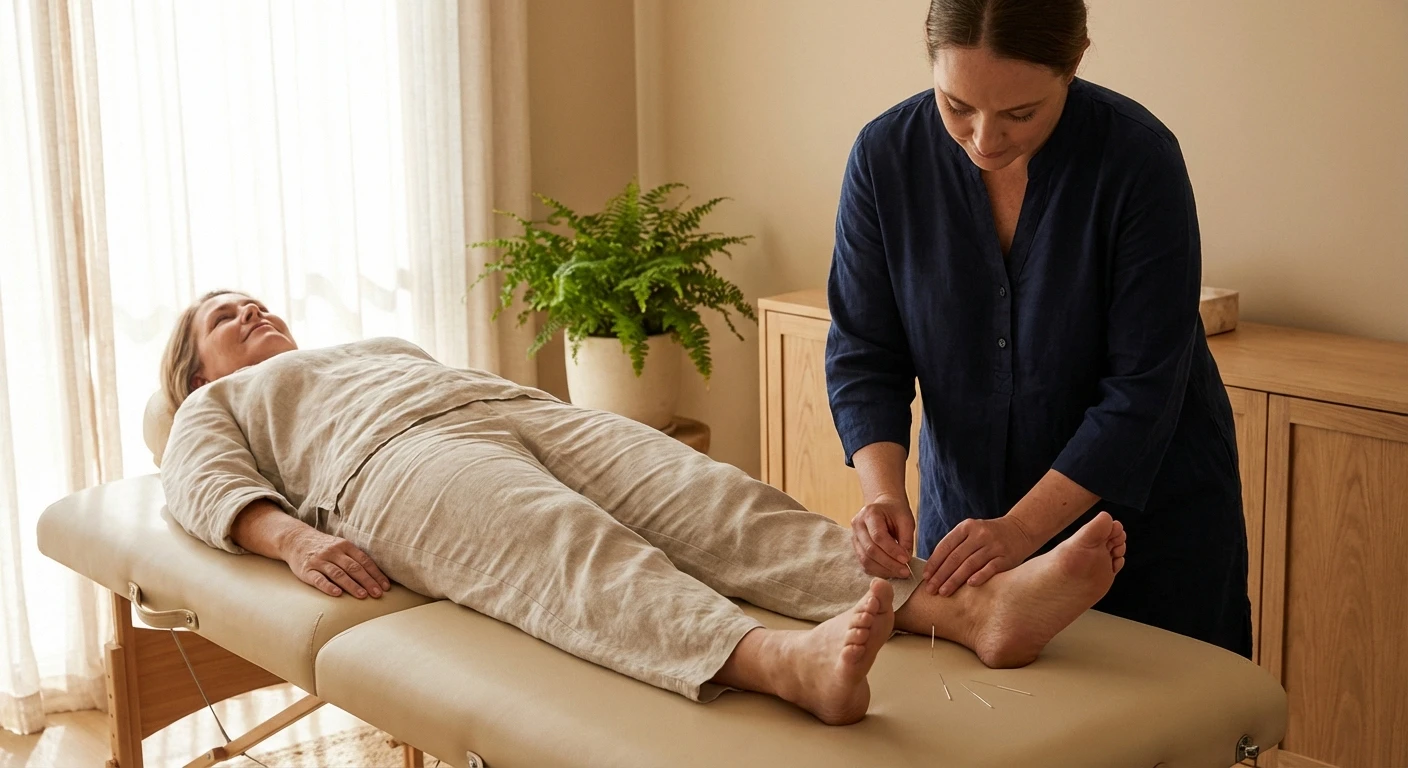
The first time someone suggested acupuncture for my neuropathy, I’ll admit — I laughed. Tiny needles to fix nerve damage? It sounded about as helpful as putting a band-aid on a broken pipe. But after years of living with the burning, tingling, and numbness in my feet, I’d reached a point where I was willing to try just about anything. And when my neurologist — not some random person on the internet — mentioned it as a complementary option, I figured it was worth a closer look.
If you’re reading this, chances are you’re in a similar place. Maybe your medications aren’t giving you enough relief, or the side effects are wearing you down. Maybe you’ve already explored natural remedies for neuropathy and you’re curious whether acupuncture belongs on that list. So let’s dig into what the research actually says about acupuncture for neuropathy — no hype, no miracle claims, just an honest look at the evidence.
What Is Acupuncture, and How Does It Work for Nerve Pain?
Acupuncture is a practice rooted in traditional Chinese medicine (TCM) that’s been used for over 2,500 years. During a session, a trained practitioner inserts very thin, sterile needles into specific points on your body. In TCM terms, this is meant to restore the flow of energy — called “qi” (pronounced “chee”) — through pathways in your body called meridians.
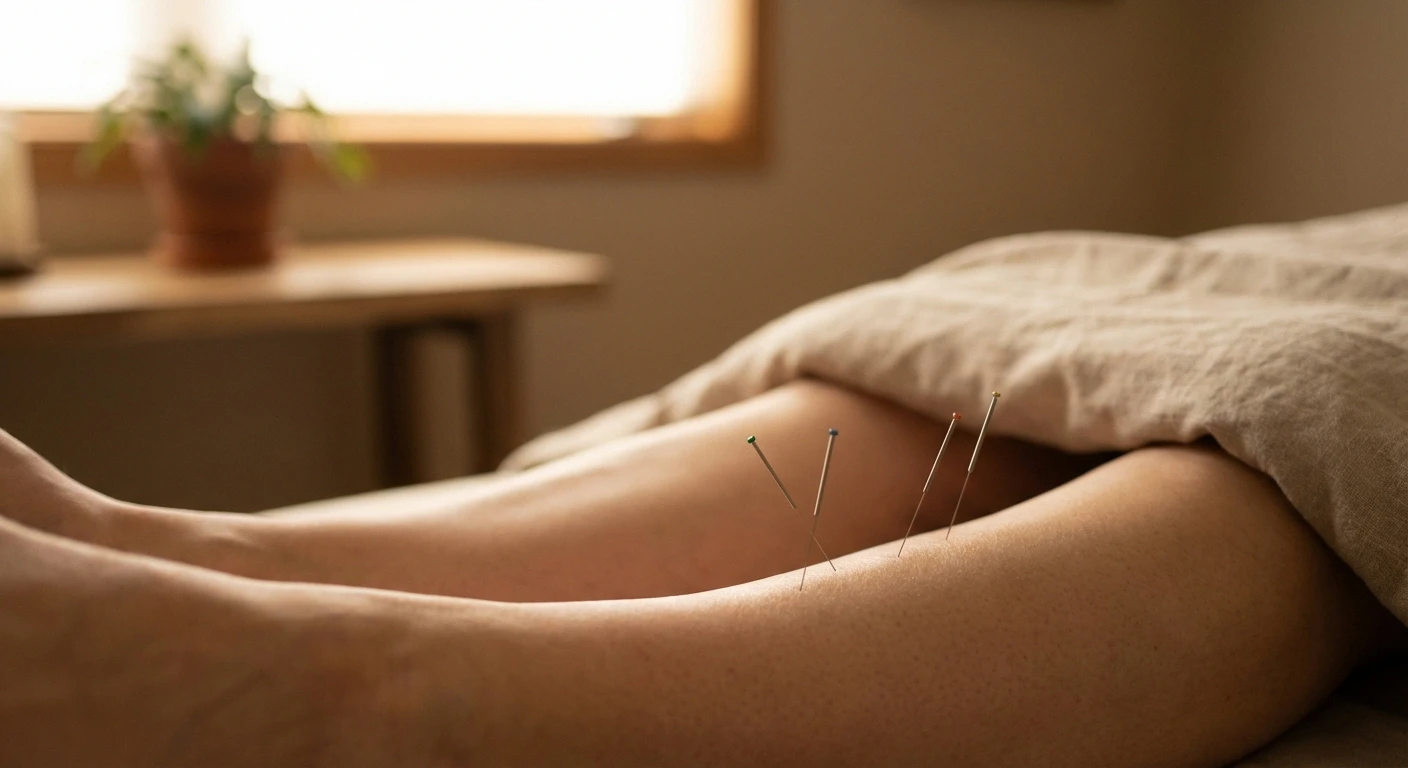
Now, I know that sounds a little abstract if you’re used to thinking in terms of Western medicine. Here’s what researchers believe is happening from a more scientific perspective: when those needles are placed at specific points, they appear to stimulate your nervous system in several important ways.
First, acupuncture may trigger the release of endorphins — your body’s natural painkillers. These chemicals interact with your brain and spinal cord to reduce how intensely you perceive pain. Second, research suggests that acupuncture may improve blood circulation to damaged nerves. When blood flows more freely to your extremities, it delivers the oxygen and nutrients your nerves need to function and potentially repair themselves. Third, there’s growing evidence that acupuncture may help reduce inflammation, which plays a significant role in nerve damage and neuropathic pain.
For those of us dealing with the different stages of neuropathy, that combination of pain relief, improved circulation, and reduced inflammation is exactly what we’re looking for — even if the effects are gradual rather than dramatic.
Key Takeaway
Research suggests acupuncture may help neuropathy through three key mechanisms: releasing endorphins (your body’s natural painkillers), improving blood circulation to damaged nerves, and reducing inflammation that contributes to nerve damage. Together, these effects may provide meaningful relief over time.
What Does the Research Say About Acupuncture for Neuropathy?
Here’s where things get interesting — and where I want to be really honest with you. The research on acupuncture for neuropathy is promising, but it’s not a slam dunk. There are encouraging studies, but many of them have limitations like small sample sizes or lack of proper control groups. That said, the trend is moving in a positive direction, and more rigorous trials are underway.

Systematic Reviews and Meta-Analyses
A widely cited 2017 systematic review and meta-analysis published in the journal Neural Regeneration Research examined multiple studies on acupuncture for peripheral neuropathy. The authors concluded that acupuncture appeared to be “beneficial in some peripheral neuropathies” and seemed to improve nerve conduction study parameters — meaning it showed measurable improvements in how well nerves transmit signals. However, they also called for more rigorously designed studies using sham-acupuncture controls.
A more recent 2022 review found that acupuncture was a beneficial and cost-effective option for managing peripheral neuropathy, with fire needling and warm needling showing the most promise. Another 2022 review specifically examining electroacupuncture found evidence that it may affect nerve pathways in ways that reduce nerve sensitivity and inflammatory responses.
Diabetic Peripheral Neuropathy
For those of us with diabetes-related nerve damage, there’s some encouraging news. A 2023 systematic review and meta-analysis found that acupuncture significantly improved pain intensity and clinical neuropathy symptoms in diabetic patients. A 2024 meta-analysis published in Frontiers in Neurology looked specifically at painful diabetic neuropathy and found that acupuncture improved both pain intensity and quality of life. In that same paper, people in the manual acupuncture group in one analysis showed a significant decrease in pain scores compared to routine care.
Research Highlight
A 2024 meta-analysis in Frontiers in Neurology found acupuncture to be “highly effective” at reducing pain intensity and improving quality of life for people with painful diabetic neuropathy — with the manual acupuncture group showing significant decreases in pain scores compared to routine care alone.
Chemotherapy-Induced Peripheral Neuropathy (CIPN)
If your neuropathy is related to chemotherapy treatment, research from major cancer centers is particularly relevant. Memorial Sloan Kettering Cancer Center has been actively studying acupuncture for CIPN, with a 2018 phase 2 clinical trial finding that acupuncture was safe and showed preliminary evidence of reducing severe neuropathy symptoms during chemotherapy.
The ACUCIN trial, a randomized controlled cross-over study published in 2022, showed that patients reported significant improvement during acupuncture treatment compared to a waiting period — specifically in burning pain, cramps, numbness, and frequency of symptoms. Physical examination scores also improved, including walking gait and balance.
A 2020 randomized clinical trial published in JAMA Network Open compared acupuncture against a sham procedure and usual care for CIPN, adding to the growing body of evidence — though the authors, like most researchers in this field, emphasized the need for larger, more controlled studies.
Types of Acupuncture Used for Neuropathy
Not all acupuncture is the same, and understanding the different approaches may help you have a more productive conversation with a practitioner. Here are the main types you’ll encounter:
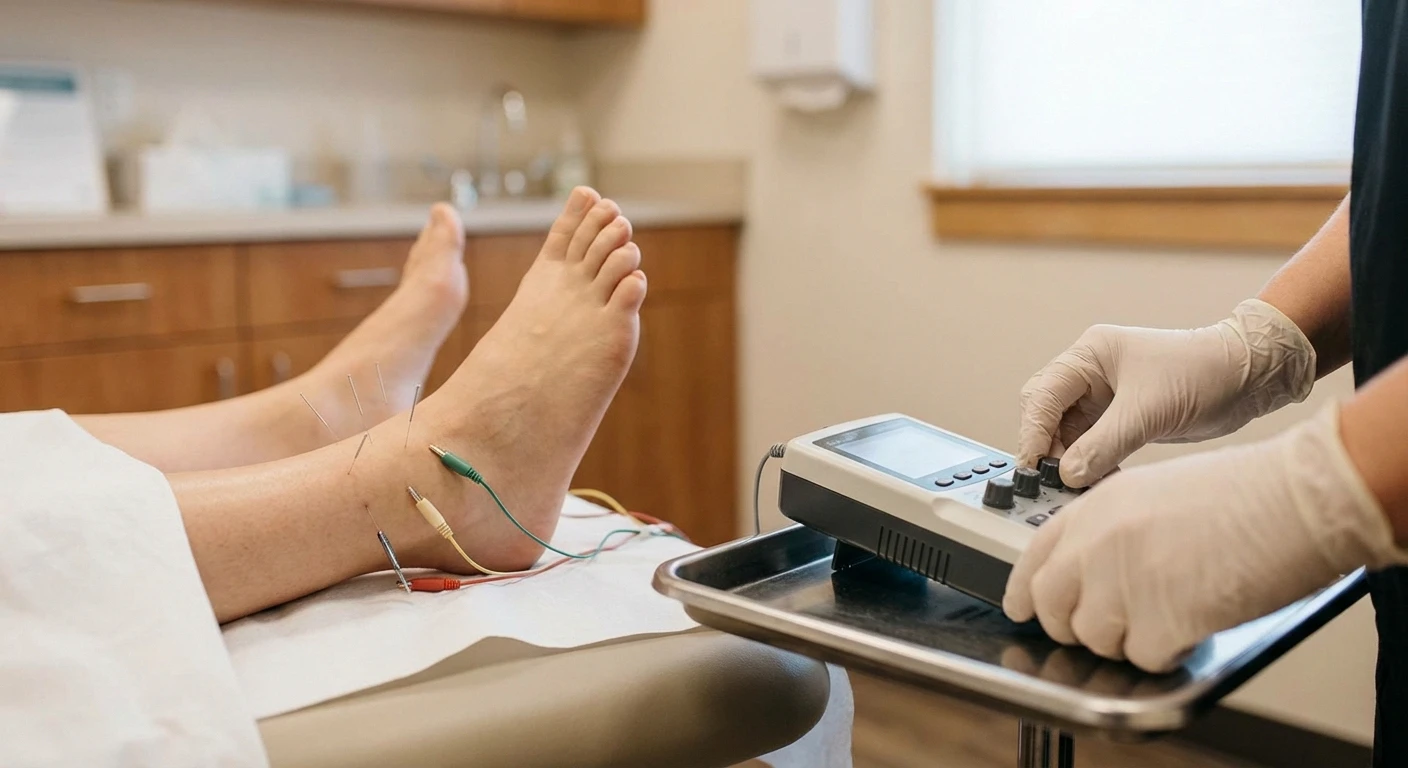
Traditional (manual) acupuncture is what most people picture — thin needles placed at specific points on the body and left in place for 15 to 30 minutes. For neuropathy, needles are often placed near the affected areas (such as the feet and hands) as well as at points along relevant meridians.
Electroacupuncture adds a mild electrical current to the needles, which may enhance the therapeutic effect. This is one of the most studied forms for neuropathy, and research suggests it may be particularly effective for nerve-related conditions. If you’re familiar with TENS units for neuropathy, electroacupuncture works on a somewhat similar principle of electrical nerve stimulation — though the delivery method is quite different.
Auricular (ear) acupuncture involves placing needles at specific points on the ear that are believed to correspond to different body systems. Some studies have found it effective for neuropathic pain, and it’s often used alongside traditional body acupuncture.
Warm needling and moxibustion involve applying heat to the needles or to specific points on the skin. The 2022 review mentioned earlier found these warming techniques to be among the most effective approaches for neuropathy.
What to Expect During Acupuncture Treatment for Neuropathy
If you’ve never had acupuncture before, it’s natural to feel nervous — especially when you’re already dealing with heightened nerve sensitivity. Here’s what I wish someone had told me before my first session.
Your Acupuncture Treatment Journey
Initial Consultation
15–20 minute assessment of your neuropathy symptoms, medical history, and treatment goals.
Needle Placement
Thin, sterile needles are gently inserted at specific points on your body related to your nerve pain.
Treatment Session
30–60 minutes of relaxation while the needles stimulate your nervous system and promote healing.
Follow-Up Plan
Weekly sessions for 6–10 weeks, then gradually tapering to biweekly and monthly maintenance visits.
The needles used in acupuncture are incredibly thin — much thinner than the needles used for blood draws or injections. Most people feel little to no pain when they’re inserted. You might feel a slight pinch, a tingling sensation, or a dull ache at the insertion point. Many people actually find the sessions deeply relaxing.
A typical session lasts about 30 to 60 minutes. For neuropathy, practitioners commonly recommend a treatment course of weekly sessions for 6 to 10 weeks, followed by maintenance sessions that gradually become less frequent — perhaps every other week, then monthly. The key takeaway here is that acupuncture for neuropathy isn’t usually a one-and-done treatment. It takes consistency and time to see results.
Some people notice improvement after just a few sessions, while others may need a full treatment course before seeing meaningful changes. And honestly? Some people don’t experience significant benefits. That’s worth knowing upfront so you can set realistic expectations.
Potential Benefits of Acupuncture for Neuropathy
Based on the available research and patient experiences, here are the potential benefits that acupuncture may offer for neuropathy:
Pain reduction: This is the most well-documented benefit. Multiple studies show that acupuncture may help reduce the intensity of neuropathic pain, including burning sensations, sharp shooting pain, and general discomfort.
Improved nerve function: Some research indicates that acupuncture may improve nerve conduction — essentially helping your damaged nerves transmit signals more effectively. This could mean better sensation in areas that have gone numb.
Better circulation: By improving blood flow to your extremities, acupuncture may help deliver nutrients that support nerve health. This is especially relevant for people with burning feet syndrome, where poor circulation often plays a role.
Reduced inflammation: Chronic inflammation can worsen nerve damage. Research suggests acupuncture may have anti-inflammatory effects that help protect nerves from further harm.
Fewer side effects than medications: Compared to common neuropathy medications, acupuncture has relatively minimal side effects. If you’ve experienced drowsiness, weight gain, or brain fog from medications like gabapentin or pregabalin, acupuncture’s gentler side-effect profile may be appealing.
Improved sleep and reduced anxiety: Research from MSK found that acupuncture can improve sleep quality and reduce anxiety — both common companions of chronic neuropathy that significantly affect quality of life.
Risks and Side Effects to Consider
Acupuncture is generally considered safe when performed by a licensed, trained practitioner using sterile, single-use needles. However, it’s important to be aware of potential risks:
Minor soreness or bruising at needle sites is the most common side effect. This usually resolves within a day or two.
Temporary increase in symptoms: Some people experience a brief worsening of neuropathy symptoms after a session before feeling improvement. This happened to me early on and was discouraging until my practitioner explained it can be a normal part of the process.
Risk of infection exists if non-sterile needles are used — which is why choosing a properly licensed practitioner is essential. In the United States, the FDA requires acupuncture needles to be sterile and single-use.
People who should use caution or avoid acupuncture include those with bleeding disorders or on blood thinners, those with pacemakers (electroacupuncture specifically), and pregnant women — always discuss with your doctor first.
Talk to Your Doctor First
Always consult your healthcare provider before starting acupuncture — especially if you have a bleeding disorder or take blood thinners, have a pacemaker or implanted electrical device, or are pregnant. Your doctor can help determine whether acupuncture is safe and appropriate for your specific situation.
Acupuncture vs. Medications: Not Either/Or
One thing I want to emphasize is that acupuncture doesn’t have to be an either/or choice with your current neuropathy medications. Many people use it as a complementary treatment — meaning alongside, not instead of, their existing care plan.
💊 Medications Alone
May cause drowsiness, weight gain, and brain fog. Addresses symptoms but not the underlying causes of nerve pain like poor circulation and inflammation.
✨ Medications + Acupuncture
A complementary approach that may enhance pain relief with fewer side effects. Addresses pain, circulation, and inflammation — potentially allowing reduced medication dosages over time.
Research from major medical centers supports this approach. The Society for Integrative Oncology and the American Society of Clinical Oncology have both recognized acupuncture as a recommended complementary therapy for certain types of pain. Some patients find that adding acupuncture allows them to reduce their medication dosage over time — but this should always be done under medical supervision.
Talk to your doctor before starting acupuncture, especially if you’re currently taking medications for neuropathy. They can help you develop an integrated treatment plan that makes sense for your specific situation.
How to Find a Qualified Acupuncturist
Finding the right practitioner makes a real difference. Here are some tips based on what I’ve learned:
✅ Acupuncturist Qualification Checklist
NCCAOM certified (National Certification Commission for Acupuncture and Oriental Medicine)
Licensed in your state
Experience treating neuropathy and nerve-related conditions
Offers electroacupuncture (shown to be especially effective for neuropathy)
Uses sterile, single-use needles (FDA requirement in the U.S.)
Willing to coordinate with your doctor or neurologist
Check credentials: Look for practitioners certified by the National Certification Commission for Acupuncture and Oriental Medicine (NCCAOM). Licensing requirements vary by state, so verify that your practitioner meets your state’s standards.
Ask about neuropathy experience: Not all acupuncturists regularly treat neuropathy. Ask specifically about their experience with nerve-related conditions and what treatment approach they recommend.
Consider medical acupuncturists: Some MDs and DOs are trained in acupuncture and may offer it within a conventional medical setting. The American Academy of Medical Acupuncture maintains a directory of physician acupuncturists.
Ask about electroacupuncture: Given the research showing enhanced benefits from electroacupuncture for neuropathy, it’s worth asking whether your practitioner offers this option.
Insurance Coverage for Acupuncture
Let’s talk about the elephant in the room — cost. Acupuncture sessions typically range from $75 to $200 per session, and with a recommended course of 6 to 10 weekly sessions, that adds up quickly.
The good news is that insurance coverage for acupuncture has been expanding. Medicare currently covers acupuncture for chronic low back pain (up to 12 sessions over 90 days), though coverage for neuropathy specifically is more limited. Some Medicare Advantage plans offer broader acupuncture coverage, so it’s worth checking your specific plan.
Many private insurance plans now include some acupuncture coverage, though they may require a referral or prior authorization. If your plan doesn’t cover acupuncture directly, you may be able to use a Health Savings Account (HSA) or Flexible Spending Account (FSA) to pay for treatments with pre-tax dollars.
My advice? Call your insurance company before your first appointment and ask specifically about acupuncture coverage for neuropathy. Getting a clear answer upfront saves a lot of frustration later.
Combining Acupuncture with Other Neuropathy Treatments
In my experience, the people who get the most out of acupuncture are those who use it as part of a broader management strategy rather than relying on it alone. Here are some approaches that may complement acupuncture well:

Regular exercise: Gentle movement improves circulation and can support nerve health. Check out our guide on exercises for neuropathy for safe options that work well alongside acupuncture.
Proper foot care: If your neuropathy affects your feet — and for most of us, it does — maintaining good foot care practices is essential for preventing complications and supporting overall nerve health.
Home remedies and lifestyle modifications: Many people find relief through a combination of approaches. Our guide to home remedies for neuropathy in legs and feet covers strategies that pair well with professional treatments like acupuncture.
Anti-inflammatory nutrition: Reducing inflammatory foods and incorporating nerve-supportive nutrients like B vitamins, alpha-lipoic acid, and omega-3 fatty acids may enhance acupuncture’s effects.
Stress management: Chronic stress can worsen neuropathy symptoms. The relaxation benefits of acupuncture itself may help here, but practices like meditation, gentle yoga, or deep breathing can extend those benefits between sessions.
Frequently Asked Questions
The Bottom Line: Is Acupuncture Worth Trying for Neuropathy?
After spending years managing my own neuropathy and researching every treatment option I could find, here’s my honest take on acupuncture: it’s not a miracle cure, but for many people, it may be a meaningful piece of the puzzle.
The research is promising and growing. Major medical institutions are taking it seriously enough to conduct rigorous clinical trials. The side effects are minimal compared to many pharmaceutical options. And the potential benefits — reduced pain, improved nerve function, better sleep, less anxiety — address many of the things that make living with neuropathy so challenging.
That said, approach it with realistic expectations. It’s not going to work for everyone, and it’s not going to replace your entire treatment plan. Think of it as one more tool in your toolbox — alongside your medications, your exercises, your dietary changes, and all the other things you’re doing to manage this condition.
If you’re considering acupuncture for neuropathy, I’d encourage you to talk to your doctor about whether it makes sense for your specific situation. Find a qualified, experienced practitioner. Give it a fair trial — at least 6 to 8 sessions — before deciding whether it’s helping. And keep track of your symptoms so you can objectively assess whether you’re seeing improvement.
Living with neuropathy means constantly searching for ways to feel better and function more fully. Acupuncture may not be the answer for everyone, but the evidence suggests it’s well worth exploring.
This article is for informational purposes only and is not a substitute for professional medical advice. Always consult with your healthcare provider before starting any new treatment, including acupuncture, for neuropathy.
About the Author