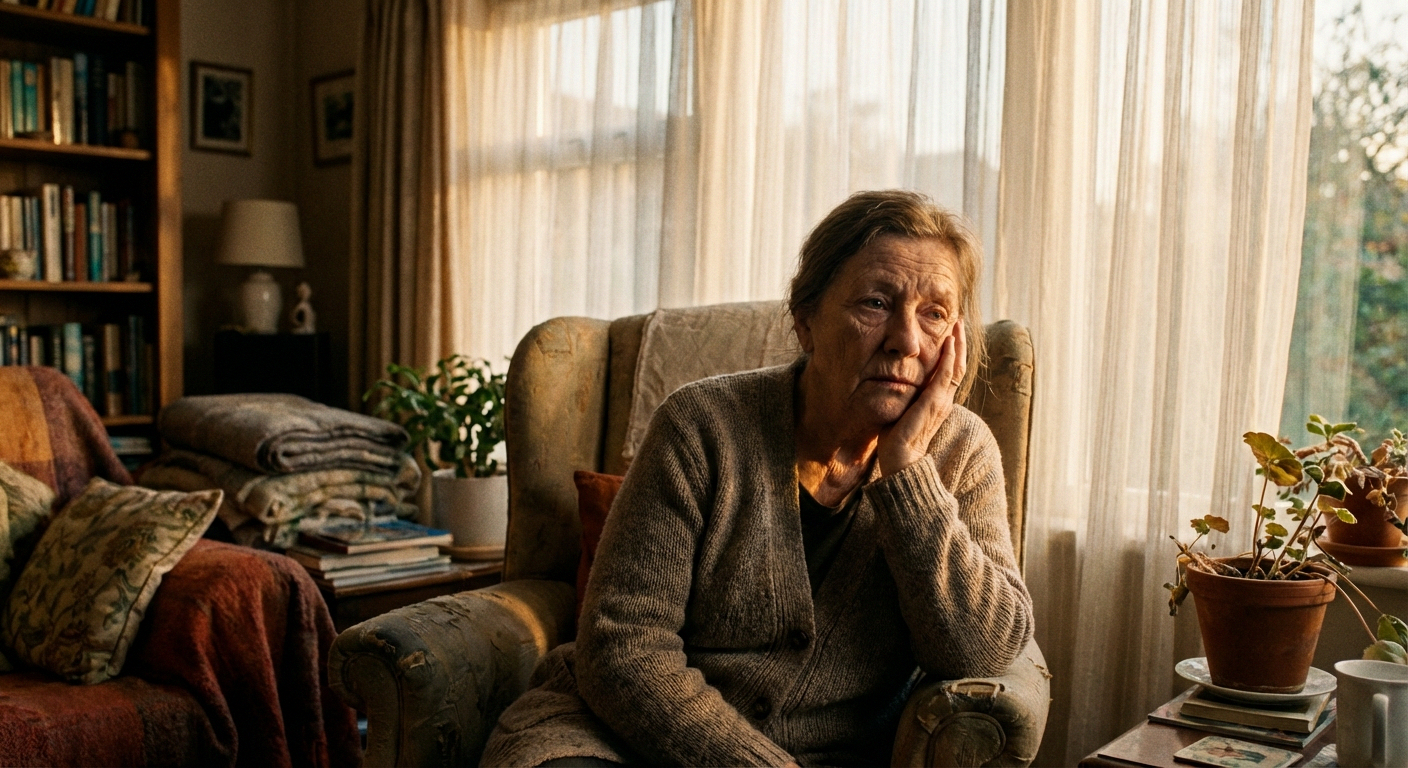
Nobody warned me about this part.
When I started running neuropathy support groups over a decade ago, I expected to talk about burning feet and tingling hands. I expected questions about medications and supplements. But what I wasn't prepared for was how many people would sit down, start describing their symptoms, and then just… break. Not because the pain was unbearable in that exact moment, but because the weight of carrying it — day after day, with no end in sight — had finally become too much.
The emotional toll of neuropathy doesn't show up on nerve conduction studies. Most doctors spend the appointment adjusting medications and never once ask, “How are you doing with all of this — really?” That silence leaves people feeling like the sadness, the anxiety, the grief — like those things are somehow separate from the disease. They're not. They're part of it.
If you're reading this because neuropathy has changed more than just your nerve function — if it's changed how you feel about your life — what you're experiencing is normal, it's common, and it deserves attention every bit as much as the physical symptoms do.
The Connection Between Chronic Pain and Mental Health
This isn't just about “feeling down.” The relationship between chronic pain and mental health is biological, not just emotional.
Chronic pain physically changes your brain. Research published in The Journal of Pain (2016) found that persistent pain alters brain regions involved in mood regulation, including the prefrontal cortex and limbic system. Pain signals that fire constantly rewire how your brain processes emotions — making you more vulnerable to depression and anxiety even if you've never struggled with either before.
Can neuropathy cause depression and anxiety?
Absolutely. A large study in Pain Medicine (2017) found that people with peripheral neuropathy were more than three times more likely to have depression compared to the general population. Anxiety rates were similarly elevated. This isn't weakness — chronic pain and mental health share overlapping neurochemical pathways. The same neurotransmitters (serotonin, norepinephrine) that regulate mood also modulate how your nervous system processes pain.
more likely to experience depression — people with peripheral neuropathy vs. the general population (Pain Medicine, 2017)
Your brain is also dealing with central sensitization — where the nervous system gets stuck in a heightened state of reactivity. This doesn't just amplify pain. It amplifies emotional responses too. Irritability, tearfulness, feeling overwhelmed by things that never used to bother you — all of this can trace back to a nervous system pushed past its limits.
Why Neuropathy Hits Harder Than People Think
There's something uniquely difficult about neuropathy compared to other chronic conditions. Part of it is the invisibility. You don't look sick. Nobody in the room knows your feet feel like they're wrapped in sandpaper or that your hands haven't stopped tingling in six months.
That invisibility creates isolation. People stop believing you — or they never fully believed you. Partners get frustrated. Friends stop asking because you “seem fine.” And you start performing wellness because it's easier than explaining, again, that no, it hasn't gotten better.
Then there's the unpredictability. Some days are manageable, some are brutal, and there's often no clear reason why. That randomness makes it nearly impossible to plan with confidence.
The nighttime piece is especially cruel. Pain that gets worse at night steals your sleep, and poor sleep makes everything worse — your pain, your mood, your ability to cope. It becomes a cycle that feeds itself.
Research Says
Research published in The Journal of Pain (2016) confirmed that persistent pain physically alters brain regions involved in mood regulation — including the prefrontal cortex and limbic system. The emotional struggle isn't just a reaction to being sick. It's a neurological consequence of chronic pain rewiring how your brain processes emotions.
Depression and Neuropathy: The Vicious Cycle
Here's what makes this so difficult: depression doesn't just happen alongside neuropathy. It makes the neuropathy worse. And the neuropathy makes the depression worse.
Does nerve pain make mental health worse?
It does — and the reverse is equally true. Research in Neurology (2014) found that patients with neuropathy who also had depression reported significantly higher pain levels than those without depression, even when nerve damage was comparable. Depression lowers your pain threshold and reduces your brain's ability to activate natural pain-inhibiting pathways. You literally feel more pain when you're depressed.
Meanwhile, worsening pain drives you further into depression. You stop doing things that brought you joy. Social activities shrink. Sleep deteriorates. You withdraw — not because you want to, but because you're conserving whatever energy you have left.
I've watched this cycle pull people under. And I've watched people break out of it — not by willing themselves to feel better, but by recognizing the cycle and intervening at multiple points. Treating the pain helps the mood. Treating the mood helps the pain. Neither one alone is enough.
❌ The Downward Spiral
Pain → Depression → lowered pain threshold → more pain → deeper depression → withdrawal, poor sleep, loss of joy. Each feeds the other. Without intervention, the cycle tightens.
✓ Breaking the Cycle
Intervene at multiple points: treat the pain AND the mood. Better mood raises your pain threshold. Reduced pain restores sleep and activity. Each improvement reinforces the next.
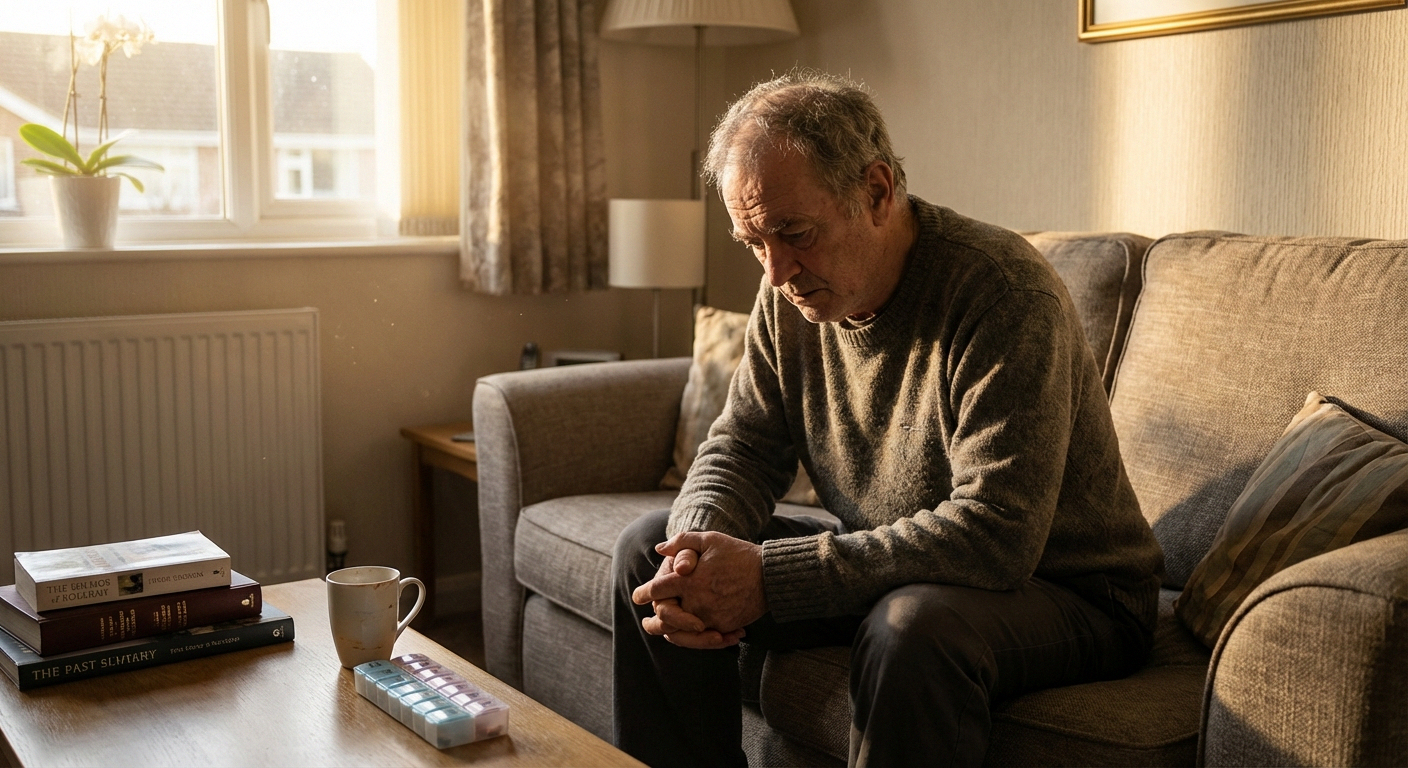
Anxiety, Fear, and the Unknown
Depression gets most of the attention, but in my experience, anxiety is equally common — and sometimes more debilitating.
The fear takes different forms:
- “Is it going to get worse?” Not knowing whether your neuropathy will progress, stabilize, or improve creates a low-grade dread behind everything. Understanding the stages of neuropathy can help you know what to realistically expect.
- “What if I lose my independence?” The fear of not being able to drive, walk safely, or live alone — especially when balance is already compromised.
- “What if the medications stop working?” The worry that relief might not last can be almost as stressful as the pain itself.
- “What if they never figure out what's causing this?” For those without a clear diagnosis, the uncertainty itself becomes constant anxiety.
Every new tingle, every bad day, gets filtered through a lens of “is this the beginning of something much worse?” That hypervigilance is exhausting. Your body is already on high alert from the nerve damage. Your mind joins in.
I won't tell you not to worry — that's useless advice. But most people's neuropathy progresses far more slowly than their anxiety tells them it will. And if you're wondering whether improvement is possible, my article on whether neuropathy can be reversed gives an honest, evidence-based answer.
Grief for the Life You Had Before
This is the one that catches people off guard. Grief isn't just for death. It's for any significant loss — and neuropathy brings losses that are real and deserve to be mourned.
The loss of spontaneity. The loss of comfort in your own body. The loss of hobbies you loved — hiking, dancing, gardening with bare hands in the soil. The loss of the version of yourself that didn't have to think about nerve pain before every decision.
I've had people say, “I feel ridiculous grieving this — I'm alive, I'm not terminal.” But grief isn't a competition. The transition from “healthy” to “chronic pain patient” is a real identity shift, and it takes time to process.
People who allow themselves to grieve — who name the losses instead of pushing them down — tend to adapt better in the long run. Fighting the grief just makes it louder. Acknowledging it doesn't mean giving up. It means making room for where you are so you can start building from there.
Practical Coping Strategies That Actually Help
I'm not going to tell you to take a bubble bath and think positive. You deserve better than that. Here are strategies I've seen work for real people in real situations:
How do you cope with neuropathy emotionally?
Coping Strategies That Actually Work
Move your body — even when you don't want to. Exercise improves both mood and nerve function. Walking, swimming, gentle yoga — start where you are. A study in Journal of Diabetes and Its Complications (2012) found regular exercise improved both mood scores and nerve function.
Practice structured pacing. Alternate activity and rest. Don't blow through all your energy on good days and crash on bad ones — it's energy management, not laziness.
Keep a symptom-and-mood journal. Track pain levels alongside emotional state, sleep, and activities. Patterns emerge — and seeing them gives you a sense of control.
Challenge catastrophic thinking. When your brain says “this will only get worse,” ask: is that a fact, or fear talking? CBT techniques — even self-taught — can interrupt the spiral.
Stay socially connected. Isolation is depression's best friend. Maintaining relationships matters — even when you don't feel like it. Be honest about what you're going through.
Pursue meaning outside your diagnosis. You are not your neuropathy. Find hobbies, volunteering, or creative work that give life purpose beyond managing symptoms.

When to Seek Professional Help
Coping strategies are valuable, but they have limits. Recognizing when you need more help is important.
Talk to a Professional If You Notice These Signs
- You've lost interest in things that used to matter to you
- You feel hopeless more days than not
- You're withdrawing from relationships and activities
- Sleep problems are persistent despite good sleep hygiene
- You're using alcohol or other substances to manage your pain or mood
- You've had thoughts of self-harm or that others would be better off without you
🆘 If you're in crisis, the 988 Suicide and Crisis Lifeline is available 24/7 — call or text 988.
Are antidepressants used for neuropathy?
Yes — and this is where treating mental health and nerve pain can happen with the same medication. Duloxetine (Cymbalta) is FDA-approved for both depression and diabetic neuropathic pain. It works on serotonin and norepinephrine — neurotransmitters involved in both mood and pain processing. If you're currently on gabapentin for nerve pain but struggling with depression, asking your doctor about duloxetine may be worth exploring.
Therapy matters too. Cognitive behavioral therapy (CBT) has strong evidence for chronic pain. A meta-analysis in The Journal of Pain (2012) found CBT significantly reduced pain severity, disability, and depression. Look for a therapist who specializes in chronic pain — they'll understand your challenges in ways a general therapist might not.

Finding Your Support Network
How do I find a neuropathy support group?
One of the most consistently helpful things I've seen is when someone with neuropathy connects with other people who truly understand what they're going through. There's a kind of relief that comes from being in a room — virtual or in-person — where you don't have to explain yourself.
Here's where to look:
- The Foundation for Peripheral Neuropathy maintains a directory of support groups across the United States, both in-person and virtual
- Local hospitals and medical centers often host chronic pain support groups
- Online communities on Facebook, Reddit, and HealthUnlocked have active neuropathy groups
- Your neurologist's office may know of local groups or patient resources
You don't have to find a neuropathy-specific group. Chronic pain support groups and chronic illness groups can provide the same connection. The key ingredient isn't the diagnosis — it's being around people who understand what it's like to live with something invisible and unrelenting.
Key Takeaway
Connection is medicine. Research consistently shows that social support reduces both pain severity and depression in people with chronic conditions. The Foundation for Peripheral Neuropathy (foundationforpn.org) maintains a directory of in-person and virtual groups across the U.S. — it takes five minutes to find one near you.

What I Tell People in My Support Group
After years of facilitating these conversations, here's what I find myself saying most often:
You are not weak for struggling with this. Neuropathy is a neurological condition that affects every dimension of your life. Struggling doesn't mean you're failing. It means you're dealing with something genuinely hard.
Your feelings are not separate from your condition. The depression, the anxiety, the grief — these are part of neuropathy. They deserve clinical attention. If your doctor only asks about your feet and never about your mood, bring it up yourself.
Small steps compound. A ten-minute walk. One honest conversation. Writing down how you actually feel instead of saying “I'm fine.” These things shift the trajectory.
Asking for help is not a burden. The people who love you want to help — they just might not know how unless you tell them.
There is life on the other side of the worst days. I've seen people who were ready to give up find medications that helped, find communities that sustained them, find adaptations that gave them back activities they thought were gone forever. I'm not promising everything gets better. I'm telling you I've watched it get better for a lot of people. That possibility is worth holding onto.
If you're not sure where to start, my symptom assessment can help you organize what you're experiencing and prepare for your next appointment.
Living with neuropathy is hard enough without carrying the emotional weight alone. If this article resonated, take that as a signal that your mental health deserves attention, not just your nerve health. They're connected. Treating one helps the other.
You don't have to have it all figured out. You just have to take the next small step.
Take care of yourself, Janet
Frequently Asked Questions
About the Author

What's Your Neuropathy Score?
Take our free 60-second assessment to get your personalized severity score and evidence-based recommendations.
Find Out Your Score