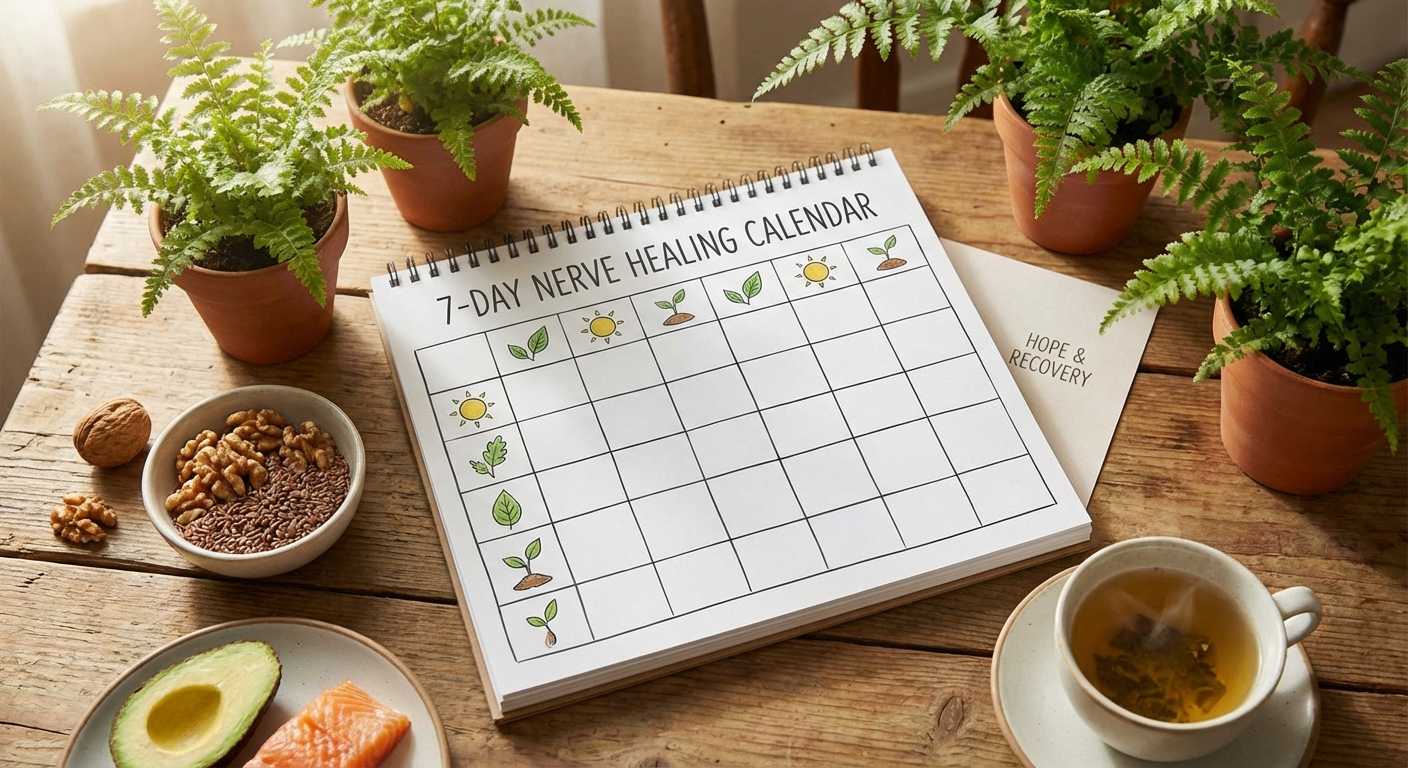
A structured 7-day plan can help reduce neuropathy symptoms through nutrition, hydration, and nerve-supporting habits.
Neuropathy, a condition marked by tingling, burning, and numbing sensations, affects millions of people worldwide. Whether caused by diabetes, inflammation, or other underlying factors, neuropathy can be debilitating. The good news? With the right approach, you can start reducing its symptoms in as little as seven days. Learn more about how to address neuropathy symptoms through proven strategies and lifestyle adjustments.
Pair these strategies with a solid daily foot care routine.
Topical botanical remedies like essential oils for neuropathy can complement your daily routine.
This guide will walk you through actionable steps — rooted in nutrition, detoxification, movement, and smart supplementation — to help you reclaim your life.
Understanding Neuropathy
Neuropathy occurs when nerves are damaged or malfunction, disrupting communication between your brain and body. Peripheral nerves — especially those in the legs and feet — are often most affected due to their distance from the spinal cord and frequent use.
Do You Recognize These Signs?
Tingling or “pins and needles” sensation in your feet or hands
Numbness or a loss of feeling in your extremities
Burning or sharp pain, especially at night
Muscle weakness or difficulty gripping objects
Loss of coordination or balance — feeling unsteady when walking
If you checked two or more, speak with your healthcare provider. These are common signs of peripheral neuropathy.
Common Causes of Neuropathy:
- Diabetes: One of the most common causes, as high blood sugar levels damage nerves over time.
- Toxins: Exposure to heavy metals, alcohol, and some medications can cause nerve damage. If you're considering medication, learn about gabapentin for neuropathy.
- Injuries: Physical trauma or repetitive strain can compress or sever nerves.
- Nutritional Deficiencies: Low levels of vitamin B12 and other nutrients essential for nerve health can lead to neuropathy.
Addressing the root cause of nerve damage is the first step to managing and potentially reversing neuropathy.
7-Day Plan to Reverse Neuropathy
Your 7-Day Nerve Recovery Roadmap
Days 1–2: Detoxify Your Body
Flood your body with water, leafy greens, and anti-inflammatory teas to flush toxins contributing to nerve inflammation.
Days 3–5: Soothe and Rebuild Nerves
Shift to nutrient-dense meals rich in B vitamins, omega-3s, and antioxidants. Eliminate inflammatory foods. Explore evidence-informed supplementation with your doctor.
Days 6–7: Restore Mobility and Energy
Begin gentle movement — short walks, stretching, yoga — to boost circulation. Add daily foot care and relaxation practices to calm your nervous system.
Day 1–2: Detoxify Your Body
The first step in reducing neuropathy symptoms is eliminating toxins that contribute to nerve inflammation and damage.

Detoxification Steps:
- Increase Water Intake: Drink at least 8 glasses of water daily to flush out toxins.
- Incorporate Detoxifying Foods: Add leafy greens like spinach and kale to your diet for their natural detoxifying properties.
- Use Herbal Teas: Dandelion tea and ginger tea help cleanse the liver and reduce inflammation.
Research Says
Chronic low-grade inflammation is a key driver of peripheral nerve damage. Anti-inflammatory foods and adequate hydration may help reduce this burden, creating a better environment for nerve repair over time.
Day 3–5: Soothe and Rebuild Nerves
As your body begins to eliminate toxins, the focus should shift to repairing and soothing damaged nerves through targeted nutrition and evidence-informed supplementation.

Steps to Rebuild Nerves:
- Nutrient-Dense Meals: Eat foods rich in B vitamins, magnesium, and omega-3 fatty acids — such as salmon, eggs, leafy greens, nuts, and seeds.
- Avoid Inflammatory Foods: Limit processed sugars, refined carbs, and alcohol, which worsen nerve inflammation.
- Consider Evidence-Informed Supplements: Several natural compounds have research supporting their potential benefit for nerve health. Alpha-lipoic acid, B-complex vitamins, and vitamin D are among the most studied. See our guide to the best neuropathy supplements for nerve health for a full breakdown.
Key Takeaway
Always discuss supplements with your healthcare provider before starting. Dosing matters — too little may be ineffective, and some supplements can interact with medications. The most important nutrients for nerve health include B12, alpha-lipoic acid, vitamin D, and magnesium.
Day 6–7: Restore Mobility and Energy
By this stage, your body is beginning to heal. Symptoms such as tingling and numbness may start to subside, and you may feel more energized.

Activities to Support Recovery:
- Light Exercise: Incorporate gentle walks, stretching, or yoga to improve circulation.
- Foot Care: Moisturize your feet daily and check for any cuts or sores that could worsen without sensation.
- Mindful Relaxation: Practice deep breathing and meditation to manage stress and promote relaxation.
How to Prevent Neuropathy from Progressing
Preventing neuropathy from worsening involves proactive measures that support overall nerve health.
❌ Without Proactive Management
Unmanaged neuropathy tends to progress — symptoms worsen, more nerve fibers are affected, and complications like wounds or balance problems increase.
✓ With Consistent Daily Habits
Controlled blood sugar, anti-inflammatory diet, regular gentle movement, and appropriate supplementation can slow progression and, in some cases, reduce symptoms over time.
Key Prevention Tips:
- Manage Blood Sugar Levels: If you have diabetes, consistently monitor and manage blood sugar to prevent further nerve damage.
- Limit Toxin Exposure: Avoid heavy metals, excessive alcohol, and harmful medications when possible.
- Wear Supportive Footwear: Shoes with proper arch support and cushioning can help prevent nerve compression.
- Regular Checkups: Routine medical exams can detect early signs of worsening neuropathy.
You can also incorporate home remedies for neuropathy relief to maintain daily comfort and prevent flare-ups.
Tracking Your Progress: Signs of Improvement in 7 Days
is often enough to notice measurable changes in tingling, sleep quality, and mobility when you follow a structured nerve health plan
What to Look For:
- Reduced Tingling: A noticeable decrease in the “pins and needles” sensation.
- Improved Mobility: You may experience less stiffness and greater ease of movement.
- Better Sleep: Many people report more restful sleep as pain levels decrease.
- Enhanced Mood: Reduced nerve pain often leads to an improvement in emotional well-being.
Keep a journal to document daily changes, as tracking progress can keep you motivated and help identify what works best for you.
When to Seek Medical Advice
While home remedies and lifestyle changes can significantly help, some cases of neuropathy require professional medical attention.
Talk to Your Doctor
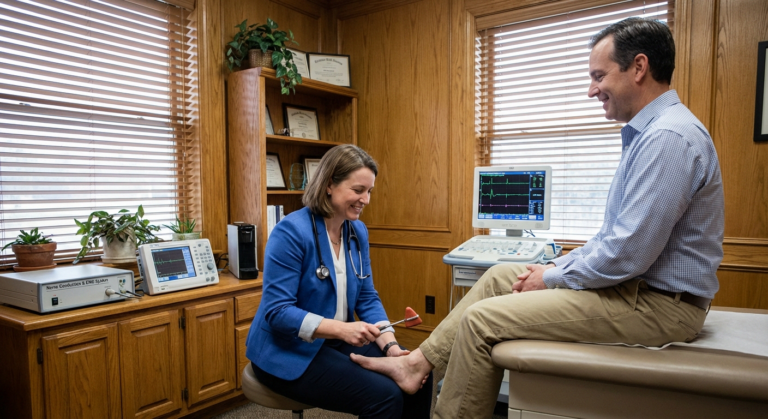
Seek medical attention if your symptoms worsen despite lifestyle changes, if you experience severe or persistent pain, if you notice wounds or infections on your feet that aren't healing, or if neuropathy came on suddenly. These are signs that an underlying cause may need medical management beyond home remedies.
Seeking timely medical advice ensures that underlying conditions are identified and managed appropriately. It's also helpful to identify underlying causes of nerve pain to choose the right treatment approach.
Additional Remedies for Neuropathy Relief
Anti-Inflammatory Diet
Eating an anti-inflammatory diet can further support nerve healing. Discover how an anti-inflammatory diet for nerve pain can complement your neuropathy recovery plan.
Recommended Foods:
- Leafy Greens: Rich in antioxidants and vitamins that support nerve health.
- Berries: High in antioxidants that reduce oxidative stress.
- Fatty Fish: A great source of omega-3 fatty acids, which reduce inflammation.
Herbal Supplements
Herbal supplements offer additional support by calming overactive nerves and reducing pain. Look for formulas featuring ingredients like passionflower, corydalis, and prickly pear extract, which have traditional use in nerve pain relief. Always consult your doctor before adding any supplement to your regimen. Our comprehensive guide covers the most researched supplements for neuropathy.
Stress Management Techniques
Stress can exacerbate neuropathy symptoms. Implementing relaxation techniques can significantly reduce nerve pain.
Relaxation Techniques:
- Meditation and Deep Breathing: Helps calm the nervous system.
- Progressive Muscle Relaxation: Relieves tension in the body.
Evidence-Informed Supplement Options for Nerve Health
If you're looking to add nutritional support to your 7-day plan, here are the supplement categories with the strongest evidence for peripheral neuropathy:
- Alpha-Lipoic Acid (ALA): A powerful antioxidant that has been studied extensively for diabetic neuropathy. May help reduce tingling and burning sensations. Learn more about alpha-lipoic acid for neuropathy.
- Vitamin B12: Essential for maintaining the myelin sheath that protects nerve fibers. Deficiency is a direct cause of neuropathy in many cases. Read about vitamin deficiencies that cause neuropathy.
- Vitamin D: Emerging research links vitamin D deficiency to neuropathic pain. Many adults are deficient without knowing.
- Magnesium: Plays a role in nerve signal transmission. Low magnesium can worsen nerve excitability and pain.
- B-Complex Vitamins: B1, B6, and B12 all play distinct roles in nerve health and work synergistically.
Key Takeaway
No single supplement is a cure for neuropathy. The strongest results come from combining targeted nutrition, appropriate supplementation, blood sugar management (if diabetic), and consistent lifestyle habits. Talk to your doctor before starting any new supplement.
Tips for Long-Term Success
- Stay Hydrated: Drinking enough water helps maintain healthy circulation and supports detoxification.
- Maintain a Consistent Routine: Consistency is key to seeing long-term results.
- Get Restful Sleep: Sleep is essential for the body's repair processes, including nerve regeneration.
Conclusion
Reducing neuropathy symptoms is achievable with the right tools and commitment. By following this 7-day plan — prioritizing hydration and detox in the first two days, shifting to nerve-healing nutrition in the middle of the week, and rebuilding mobility toward the end — you create the conditions your body needs to heal.
Pair these daily habits with evidence-informed supplements like alpha-lipoic acid and B12, and explore the best neuropathy supplements to find what's right for your situation. Always work with your healthcare provider to address any underlying causes.
Don't wait — start your journey to relief today.
Frequently Asked Questions
About the Author