I still remember the first time someone in my neuropathy support group brought in a small device wrapped in LEDs and said, “This has changed my life.” I was skeptical — I'd tried so many things by that point. But the more I researched infrared therapy, the more I realized there was genuine science behind it, even if the marketing sometimes gets ahead of the evidence. If you've been wondering whether infrared therapy could help your nerve pain, let me walk you through what I've learned over the past several years.
What Is Infrared Therapy?
Infrared therapy — sometimes called photobiomodulation, low-level light therapy (LLLT), or infrared light therapy — uses specific wavelengths of light to penetrate the skin and interact with cells beneath the surface. Unlike ultraviolet light, which can damage cells, infrared wavelengths are believed to stimulate healing processes at the cellular level.
How It Works
Infrared light penetrates the skin and is absorbed by mitochondria — the energy factories inside your cells. This may boost cellular energy production (ATP), improve blood flow through nitric oxide release, and reduce inflammation. The goal: give damaged nerve cells the energy boost they need to repair and function better.
The therapy works by exposing affected areas to red or near-infrared light, which penetrates through the skin — potentially reaching muscles, nerves, and even bones depending on the wavelength. When this light reaches your cells, it's absorbed by structures called mitochondria, sometimes called the “power plants” of your cells. According to research published in BMJ Open, the light is primarily absorbed by an enzyme called cytochrome-c-oxidase, which may increase ATP (energy) production, modulate reactive oxygen species, and activate certain cellular signaling pathways.
Think of it this way: when your nerves are damaged, they're struggling to function properly. Infrared therapy aims to give those struggling nerve cells an energy boost, potentially helping them repair and function more effectively.
Types of Infrared Therapy Used for Neuropathy
Not all infrared therapy is the same. Understanding the different types can help you make more informed decisions about which approach might be worth exploring. The wavelengths used determine how deeply the light penetrates and what kinds of tissues it may affect.
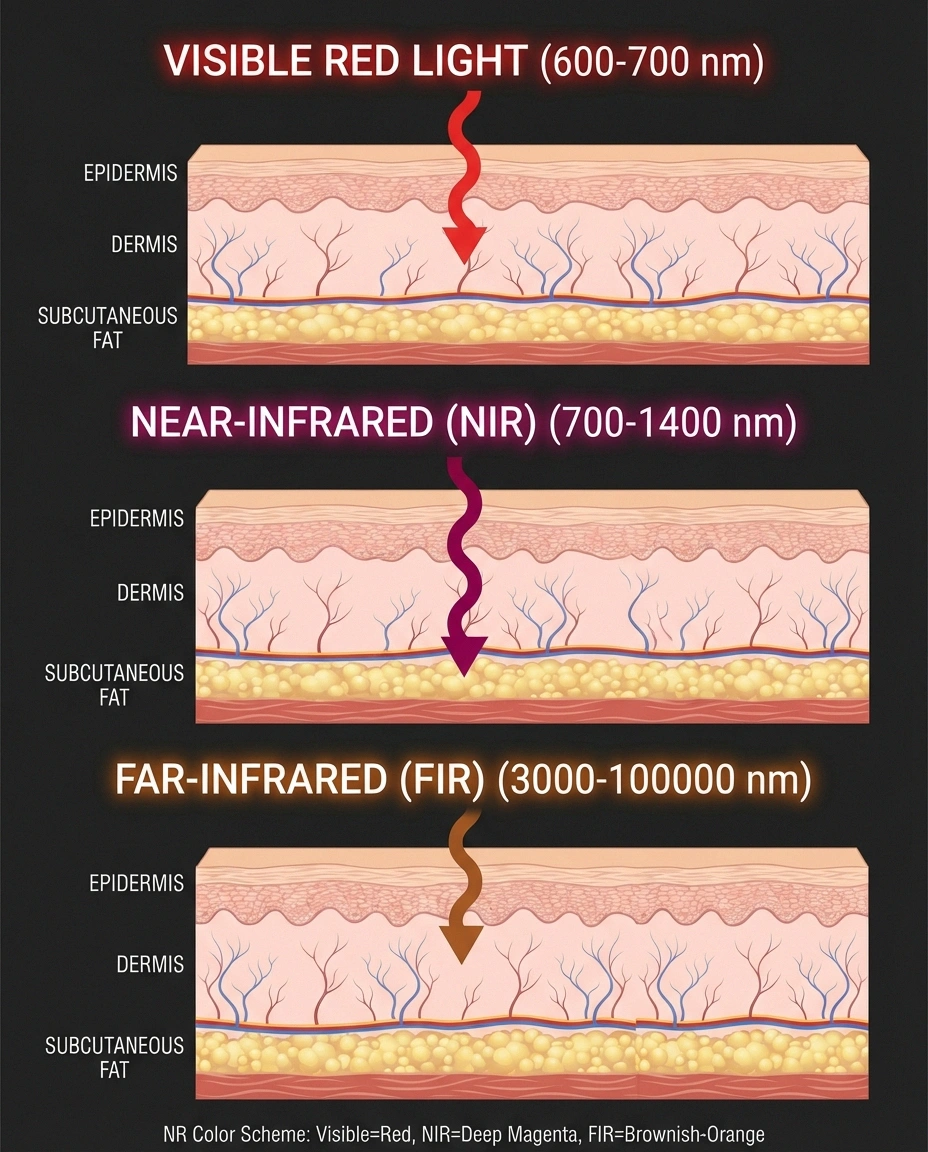
Red Light
600–700 nm
Visible light
Skin-level penetration
Near-Infrared
780–1,100 nm
Invisible light
Deep tissue penetration
Far-Infrared
3,000+ nm
Warming heat
Saunas & wraps
Near-Infrared (NIR) Therapy
Near-infrared light operates at wavelengths between 780 and 1,100 nanometers (nm). This is the most commonly studied wavelength range for neuropathy applications. NIR penetrates deeper than visible red light — some sources suggest up to several centimeters into tissue — making it potentially useful for reaching damaged peripheral nerves. Research in animal models has shown that near-infrared LED irradiation may improve nerve regeneration by promoting mitochondrial activity.
Monochromatic Infrared Energy (MIRE)
MIRE devices, such as the well-known Anodyne Therapy System, deliver infrared energy at a specific wavelength — typically 890 nm. These clinical-grade devices have been used in physical therapy settings for years. The theory is that MIRE stimulates the release of nitric oxide, which dilates blood vessels and may improve circulation to damaged nerves. However, the evidence has been mixed — a 2008 double-blind study published in Diabetes Care found that MIRE did not significantly improve neuropathy symptoms compared to a sham treatment in people with diabetes.
Far-Infrared (FIR) Therapy
Far-infrared wavelengths are longer and generate a gentle warming effect. You might encounter FIR therapy through infrared saunas or specialized wraps. A study published in Evidence-Based Complementary and Alternative Medicine found that far-infrared therapy promoted nerve repair in rat models of sciatic nerve injury, though human studies for peripheral neuropathy remain limited.
Red Light Therapy
Technically, red light therapy uses visible red light (600–700 nm wavelength range) rather than infrared. However, many devices combine both red and near-infrared wavelengths for a broader therapeutic approach. If you're interested in this specific modality, we have a detailed guide on red light therapy for neuropathy.
What Does the Research Actually Say?
This is where I want to be honest with you, because I think you deserve a straightforward assessment rather than the hype you'll find on many device manufacturer websites. The evidence for infrared therapy and neuropathy is genuinely mixed — some studies show promise, while others show no significant benefit.
The promising side: A 2024 study published in Scientific Reports described a near-infrared therapy device specifically designed for diabetic peripheral neuropathy, showing potential for non-invasive nerve treatment. Animal studies have consistently demonstrated that near-infrared light can promote nerve regeneration and reduce neuropathic pain. A 2024 study in Physiology & Behavior found that photobiomodulation could both prevent and reverse neuropathic pain in rat models.
The cautionary side: Human clinical trials have been smaller and less conclusive. The Centers for Medicare & Medicaid Services (CMS) conducted a thorough evidence review and determined that infrared therapy devices are not covered for treating peripheral neuropathy, citing a lack of high-quality randomized trials with meaningful clinical endpoints. A systematic review protocol published in BMJ Open noted that existing evidence for photobiomodulation in diabetic peripheral neuropathy is “deficient,” with prior reviews including only about six studies each.
What I tell people in my support group is this: the science is intriguing but not yet definitive. Infrared therapy isn't snake oil — there are real biological mechanisms at work. But we don't yet have the large-scale, high-quality human trials needed to say with certainty that it works for most people with neuropathy. That's an honest assessment, and I think it's more useful than either dismissing it entirely or overselling it.
How Infrared Therapy May Help Neuropathy
Despite the limitations of the evidence, researchers have identified several mechanisms through which infrared therapy could potentially benefit people with peripheral neuropathy:

Improved Blood Circulation
Poor circulation is both a cause and consequence of neuropathy, especially in people with diabetes. Infrared light is believed to stimulate the release of nitric oxide, a molecule that relaxes blood vessels and improves blood flow. Better circulation to the extremities means more oxygen and nutrients reaching damaged nerves, which may support the healing process.
Reduced Inflammation
Chronic inflammation plays a significant role in nerve damage and neuropathic pain. Research suggests that infrared therapy may help modulate inflammatory responses by affecting cellular signaling pathways and reducing levels of pro-inflammatory molecules. This anti-inflammatory effect could potentially reduce nerve pain and slow further damage.
Enhanced Cellular Energy Production
Damaged nerves need energy to repair themselves. By stimulating mitochondrial activity and increasing ATP production, infrared light may give nerve cells the extra energy they need for repair and regeneration. This is one of the most well-supported mechanisms in laboratory studies, even though translating it to measurable clinical improvements in humans has proven challenging.
Pain Signal Modulation
Some researchers believe infrared therapy may help reduce pain by affecting how nerve fibers transmit pain signals. The light energy may slow the conduction of certain nerve fibers involved in pain transmission, potentially reducing the burning, tingling, and sharp sensations that characterize neuropathic pain.
Clinical vs. Home-Use Infrared Devices
If you're considering infrared therapy, one of the first decisions you'll face is whether to seek professional treatment or try a home device. Here's what you should know about each approach.
Clinical Infrared Therapy
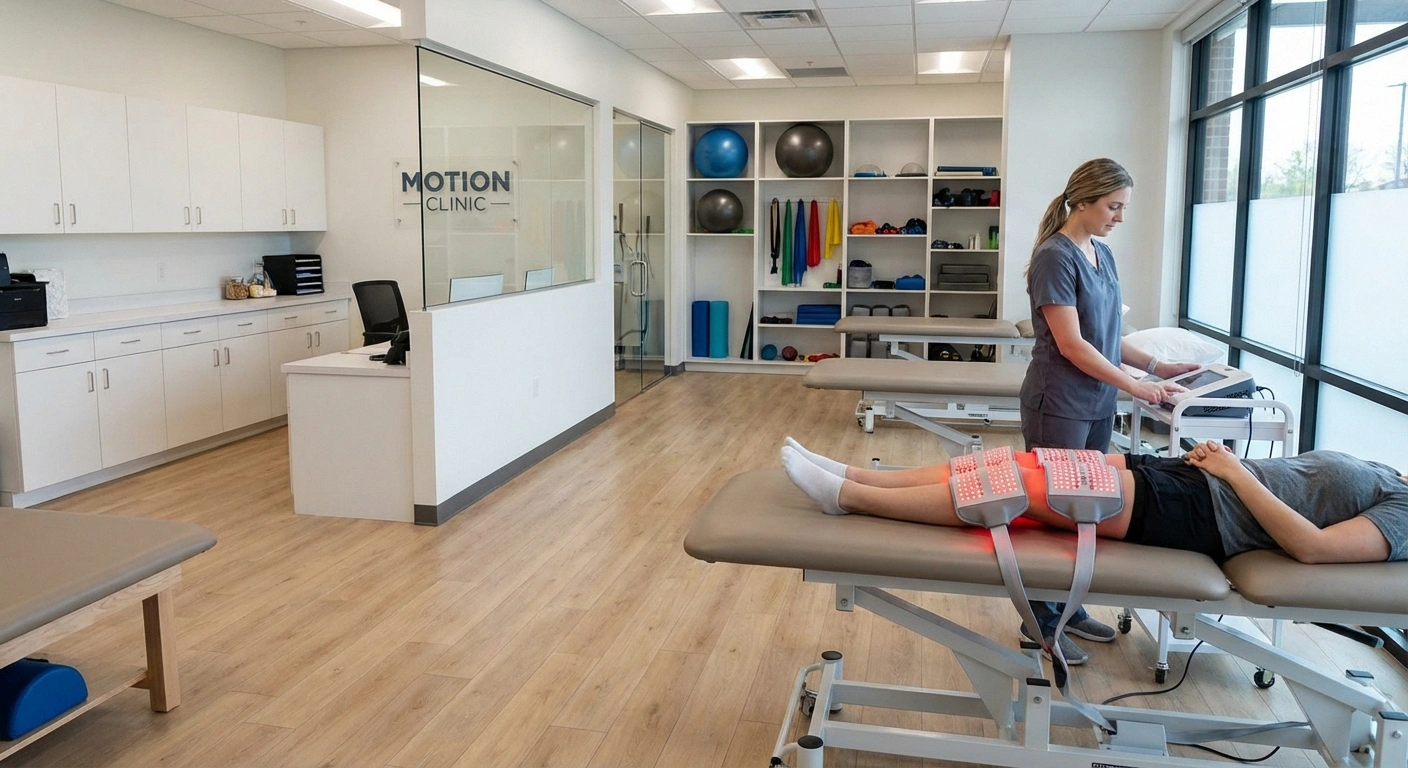
Clinical-grade devices used in physical therapy offices and specialized clinics tend to be more powerful and deliver more precisely calibrated wavelengths. Professional treatments also have the advantage of being administered by trained practitioners who can adjust protocols based on your specific condition. A typical clinical session might last 20–40 minutes and use pad-style LED arrays placed directly on the affected areas. Many physical therapy practices now offer infrared therapy as part of a comprehensive neuropathy treatment plan.
✓ Promising Signs
- Animal studies consistently show nerve regeneration benefits
- Well-understood biological mechanism (mitochondrial activation)
- 2024 studies show potential for pain prevention and reversal
- Excellent safety profile with minimal side effects
⚠️ Important Caveats
- Large, high-quality human trials are still lacking
- 2008 double-blind RCT found no significant benefit over sham
- Medicare/CMS does not cover — citing insufficient evidence
- Results vary significantly from person to person
Home-Use Devices
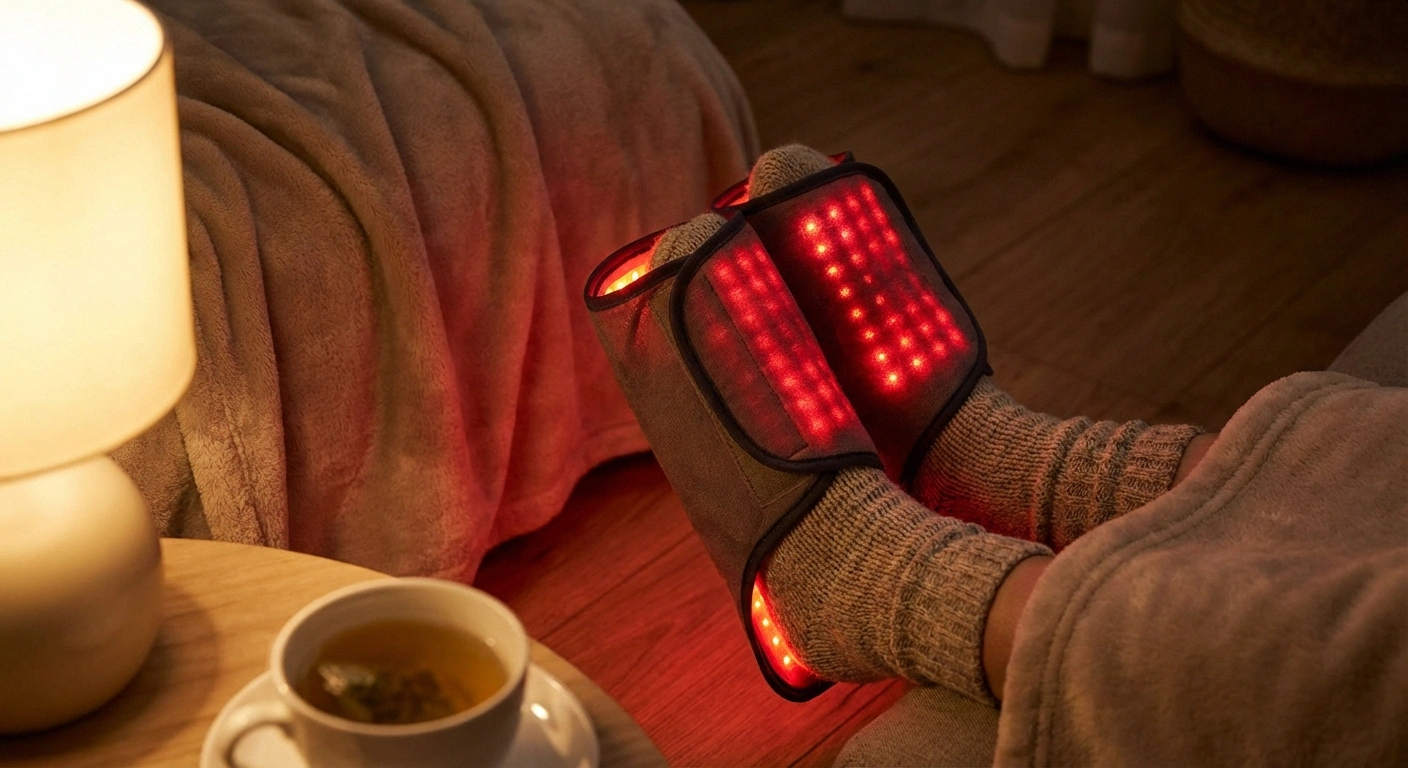
The consumer market for infrared therapy devices has exploded in recent years. You can find LED foot wraps, handheld wands, panels, and boot-style devices ranging from about $50 to over $500. When choosing a home device, look for:

🔍 Home Device Buyer's Checklist
Wavelength clearly stated (look for 660 nm red and/or 850 nm near-infrared)
Power output (mW/cm²) is specified — not just “powerful”
FDA clearance for pain relief / circulation (not “FDA approved for neuropathy”)
Adequate coverage area for your needs (wraps/boots > small wands for feet)
Auto-shutoff timer for safety
Reasonable claims — beware of “cure neuropathy” promises
- Wavelength specifications: Devices should clearly state their wavelength — look for 660 nm (red) and/or 850 nm (near-infrared), which fall within the well-studied “therapeutic window”
- Power output: Measured in milliwatts per square centimeter (mW/cm²) — higher isn't always better, but too low may not deliver enough energy to be effective
- FDA clearance: Look for devices that have FDA clearance (note: this means the FDA considers them safe, not necessarily effective for neuropathy specifically)
- Treatment area coverage: For foot neuropathy, wraps or boot-style devices provide better coverage than small handheld wands
Be cautious about extravagant claims. No infrared device has been FDA-approved specifically for treating or curing peripheral neuropathy. Devices cleared by the FDA are typically cleared for temporary pain relief and improved circulation — more modest claims that are supported by the available evidence.
What to Expect During Treatment
Whether you're receiving professional treatment or using a home device, here's a general idea of what infrared therapy looks like in practice.
A typical session involves placing LED pads or wraps on the affected area — most commonly the feet and lower legs for people with peripheral neuropathy. The treatment is completely painless. Most people feel a gentle warmth, and some report feeling nothing at all during the session. Sessions typically last 20–40 minutes.
For home use, many people use their devices while sitting and reading, watching television, or relaxing. Consistency appears to be important — most protocols suggest daily or near-daily sessions, particularly in the beginning. Some clinical protocols recommend 3 sessions per week for 4–6 weeks as an initial course.
People who report benefits from infrared therapy typically describe gradual improvements rather than dramatic overnight changes. You might notice slightly reduced pain levels, somewhat better sensation in your feet, or improved sleep quality over the course of several weeks. Not everyone will experience these benefits, and it's important to manage expectations accordingly.
Safety Considerations
One of the genuine advantages of infrared therapy is its safety profile. When used as directed, serious side effects are extremely rare. The therapy is non-invasive, painless, and doesn't involve medications — making it an appealing option for people who are already managing multiple prescriptions.
Talk to Your Doctor First
If you have diabetes, active cancer, or any condition affecting circulation or healing, consult your healthcare provider before starting infrared therapy. People with reduced sensation should use extra caution with heat-generating devices.
However, there are some important safety notes:
- Avoid using over areas with active cancer — the potential for stimulating cell growth makes this a precaution worth taking
- Be cautious with diabetic neuropathy and reduced sensation — if you can't feel heat properly, there's a small risk of thermal injury with some devices, particularly far-infrared types
- Eye protection — near-infrared light is invisible to the naked eye but can potentially damage the retina; some devices come with protective eyewear
- Pregnancy — infrared therapy hasn't been well-studied during pregnancy, so most manufacturers recommend avoiding use
- Photosensitizing medications — some medications increase light sensitivity; check with your pharmacist if you're on any photosensitizing drugs
Always talk to your healthcare provider before starting infrared therapy, especially if you have diabetes, cancer, or any condition that affects circulation or healing. While the therapy itself is generally safe, your doctor can help you determine whether it makes sense as part of your overall neuropathy management plan.
Cost and Insurance Considerations
Let's talk about the practical reality of cost, because this matters to most people weighing their treatment options.
Clinical treatments: Professional infrared therapy sessions typically cost $50–$150 per session, and most protocols recommend at least 10–15 sessions. Some physical therapy clinics include infrared therapy as part of a broader treatment plan, which may improve insurance coverage.
Home devices: Consumer devices range from $50 for basic LED wraps to $500+ for more sophisticated systems. While the upfront cost may be higher than a few clinical sessions, the long-term cost per treatment is much lower if you use the device regularly.
Insurance coverage: Here's the important reality check — Medicare does not cover infrared therapy for neuropathy, and most private insurers follow Medicare's lead. The CMS determination was based on insufficient clinical evidence meeting their standards. Some physical therapy benefits may cover sessions that include infrared as part of a comprehensive PT plan, but standalone infrared therapy is typically an out-of-pocket expense.
Combining Infrared Therapy With Other Treatments
In my experience, the people in my support group who report the best results from infrared therapy are those who use it as part of a multi-pronged approach rather than as a standalone treatment. Infrared therapy may complement:
- Physical therapy: Some PT clinics use infrared therapy alongside therapeutic exercises for a combined approach to pain relief and functional improvement
- Supplements: Nutritional support like ALA for nerve health or B12 may address underlying deficiencies while infrared therapy targets symptoms
- Gentle exercise: Activities like yoga and gentle stretching can improve circulation, potentially amplifying the effects of infrared therapy
- Topical treatments: Some people use infrared therapy before applying topical pain relievers, believing the improved circulation enhances absorption
The key is working with your healthcare team to develop an integrated approach. Infrared therapy shouldn't replace proven treatments — it works best as a potential addition to your existing care plan.
Frequently Asked Questions
Does infrared therapy actually work for neuropathy?
The honest answer is that we don't know for certain. Animal studies and some small human trials show promising results, particularly for pain reduction and improved circulation. However, larger, well-designed clinical trials have produced mixed results, and Medicare does not cover infrared therapy for neuropathy due to insufficient evidence. Some people report meaningful relief, while others notice little difference. It may be worth trying as a low-risk addition to your treatment plan, but it shouldn't replace proven therapies.
What is the difference between red light therapy and infrared therapy?
Red light therapy uses visible red light at wavelengths of 600 to 700 nanometers, while infrared therapy uses longer wavelengths of 780 to 1,100 nanometers that are invisible to the human eye. The key difference is penetration depth — infrared light reaches deeper into tissue, potentially accessing nerves and deeper structures. Many devices combine both wavelengths, and the terms are sometimes used interchangeably in marketing, which can be confusing.
How long does infrared therapy take to help neuropathy?
Most people who report benefits say they notice gradual improvements over 4 to 8 weeks of consistent use. Clinical protocols typically recommend sessions 3 to 5 times per week for at least 4 to 6 weeks before evaluating effectiveness. Some people report quicker relief, while others may need longer. If you haven't noticed any improvement after 8 weeks of consistent use, infrared therapy may not be effective for your particular situation.
Does Medicare cover infrared therapy for neuropathy?
No. Medicare specifically does not cover infrared or near-infrared light therapy for treating peripheral neuropathy. This includes monochromatic infrared energy devices. The Centers for Medicare and Medicaid Services determined that there was insufficient evidence from high-quality clinical trials to support coverage. Most private insurers follow Medicare's lead on this. However, if infrared therapy is part of a broader physical therapy treatment plan, the PT sessions themselves may be covered.
Can you do infrared therapy at home for neuropathy?
Yes. Many consumer-grade infrared devices are available for home use, including LED foot wraps, boot-style devices, and handheld panels. Home devices are generally safe when used as directed. Look for devices that clearly state their wavelength specifications and have FDA clearance for pain relief and circulation. While home devices may be less powerful than clinical equipment, the convenience of daily home use may offer an advantage for maintaining consistency.
Is infrared therapy safe for people with diabetes?
Infrared therapy is generally considered safe for people with diabetes, but there are specific precautions. If diabetic neuropathy has reduced sensation in your feet, be cautious with any device that produces heat, as you may not feel if the area becomes too warm. Use devices with automatic shutoff features and follow recommended session lengths. Always consult your healthcare provider before starting, particularly if you have diabetic foot ulcers, peripheral artery disease, or other circulatory complications.
How often should you use infrared therapy for nerve pain?
Most clinical protocols suggest 3 to 5 sessions per week, with each session lasting 20 to 40 minutes. For home use, daily sessions are common during the initial treatment phase. Some people find that after an initial period of more frequent use, they can reduce to 2 to 3 sessions per week for maintenance. There is no established maximum, but more sessions do not necessarily mean better results — consistency over time appears to matter more than frequency.
The Bottom Line
Infrared therapy for neuropathy sits in an interesting middle ground. The biological mechanisms are real and well-supported by laboratory research. Animal studies consistently show benefits for nerve regeneration and pain reduction. But human clinical trials haven't yet produced the level of evidence needed for medical consensus or insurance coverage.
What I can tell you from years of talking with people in my support group is that some individuals do experience meaningful relief — less pain, better sensation in their feet, improved sleep. Others try it and don't notice much difference. The therapy's excellent safety profile and non-invasive nature make it a reasonable option to explore, especially if you've been frustrated with the limitations of other treatments.
If you decide to try infrared therapy, be realistic about expectations, be consistent with your sessions, and continue with whatever treatments are already working for you. And as always, talk with your healthcare provider about adding any new therapy to your neuropathy management plan. They can help you weigh the potential benefits against the cost and determine whether it makes sense for your specific situation.
About the Author