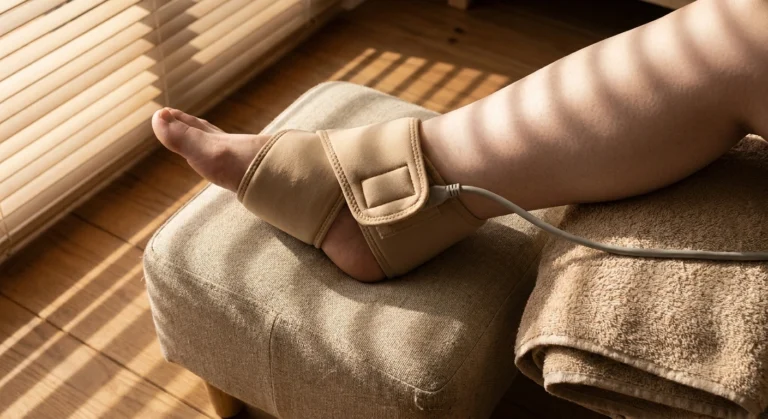
When I first heard “occupational therapy for neuropathy” as a recommendation for my neuropathy, I honestly wasn’t sure what that even meant in this context. I pictured athletes rehabbing torn ligaments — not someone like me, dealing with burning feet and clumsy balance. But my first appointment changed my understanding completely. A good physical therapist doesn’t just give you exercises. They assess exactly what neuropathy has taken from you — strength, balance, coordination, sensation — and build a personalized roadmap to get as much of it back as possible. If you’ve been wondering whether PT is worth your time, let me walk you through what to expect and what the evidence actually says.
Browse all our treatments and therapies guides for more articles like this one.
What PT for Neuropathy Actually Involves
Physical therapy for neuropathy isn’t one-size-fits-all. Your physical therapist will design a program based on your specific symptoms, limitations, and goals. But most neuropathy-focused PT programs include some combination of these core components, as outlined by the American Physical Therapy Association:
vibration plate therapy
This is often the most important component. Peripheral neuropathy disrupts the sensory feedback loop between your feet and your brain, which is why balance problems and falls are so common. A comprehensive review published in the Oncology Nursing Forum found substantial evidence supporting strength and balance training for adults with peripheral neuropathy and high fall risk. Balance training might include standing on one leg (with support nearby), walking heel-to-toe in a straight line, standing on foam pads to challenge your stability system, or practicing weight shifts in different directions.

Strength Training
Neuropathy often leads to muscle weakness, particularly in the feet, ankles, and lower legs. Your physical therapist will incorporate targeted strengthening exercises using resistance bands, light weights, or your own body weight. Building strength in these areas provides better support for your joints and compensates for the reduced sensory information your brain receives from damaged nerves. The Foundation for Peripheral Neuropathy emphasizes that strengthening exercises may reduce neuropathic pain and help maintain mobility.
Flexibility and Stretching
Tight muscles can compress nerves and worsen neuropathy symptoms. Your PT program will likely include stretching exercises for your calves, hamstrings, and the plantar fascia (the band of tissue on the bottom of your foot). Gentle stretching also improves blood flow to the extremities, which is critical for nerve health. Many physical therapists recommend stretching 2–3 times daily for the best results.
Nerve Gliding Exercises
This is something most people haven’t heard of before their first PT appointment, but it’s one of the most valuable components. Nerves need three things to function well: movement, blood supply, and space. Nerve gliding (or neural mobilization) exercises gently move your nerves through their pathways, helping to reduce adhesions and improve nerve mobility. These aren’t stretches — they’re specific, gentle movements designed to help nerves slide more freely through surrounding tissues. Your physical therapist will teach you the correct technique, since doing these incorrectly can irritate already-sensitive nerves.
Aerobic Conditioning
Your physical therapist may also work on building your overall aerobic fitness through walking programs, stationary cycling, or pool-based exercises. A paradigm-shifting review in Physical Therapy demonstrated that exercise — including aerobic training — can improve nerve conduction velocities, neuropathic symptoms, and quality of life in people with diabetic peripheral neuropathy. The key is finding aerobic activities that are safe given your balance and sensation levels.
What Your First Appointment Looks Like
I know the unknown can be anxiety-inducing, so let me demystify that first PT visit. Here’s what typically happens:

Your First PT Appointment
Medical History Review
Your therapist asks about your neuropathy, symptoms, medications, and daily challenges. Bring a list of your medications and any test results.
Physical Assessment
Tests for strength, balance, sensation, reflexes, and walking pattern. Includes timed exercises like single-leg stands and the Timed Up and Go test.
Goal Setting
Together, you set specific, personal goals — like walking to the mailbox safely, standing long enough to cook dinner, or reducing falls.
Your First Exercises
You’ll learn a few simple starting exercises with written or video instructions for home practice. They’ll feel surprisingly simple — that’s intentional.
The evaluation (45–60 minutes): Your first session is primarily an assessment. Your physical therapist will ask detailed questions about your neuropathy — when it started, what makes it better or worse, which activities are most affected, and what your goals are. They’ll also want to know about your medical history, medications, and any other conditions.
Physical testing: The therapist will assess your strength, range of motion, sensation, reflexes, balance, and walking pattern. Common tests include standing on one leg (timed), the Timed Up and Go test (how quickly you can stand from a chair, walk a short distance, and sit back down), and various sensory tests using tools like monofilaments or tuning forks. Don’t worry about “failing” these tests — they’re establishing your baseline, not judging you.
Key Takeaway
Physical therapy is one of the most evidence-supported non-medication treatments for neuropathy. It’s particularly effective for improving balance, reducing fall risk, and maintaining independence — the functional problems that affect your daily life most.
Goal setting: Together, you and your therapist will set specific, measurable goals. Maybe it’s being able to walk to the mailbox without holding onto things, or reducing your fall frequency, or being able to stand long enough to cook dinner. Good goals are personal and meaningful to your daily life.
Initial exercises: Most therapists will give you a few starting exercises during the first visit, along with written or video instructions for home practice. Expect these to feel surprisingly simple — that’s intentional. They need to understand your response before progressing.
How Long Does Physical Therapy Take?
This is one of the most common questions I hear, and the honest answer is: it depends. Neuropathy is a chronic condition, and physical therapy for neuropathy isn’t like rehabbing a sprained ankle with a clear endpoint.
Initial course of care: Most insurance-approved programs run 6–12 weeks, with sessions 1–3 times per week. During this phase, you’ll learn your exercise program, build foundational strength and balance, and establish a home routine.
Progress timeline: Many people begin noticing improvements in balance and confidence within 4–6 weeks of consistent work. Pain reduction may take longer — sometimes 8–12 weeks. A study on balance training in diabetic neuropathy patients showed significant improvements in stability indices after a structured program.
Long-term approach: The exercises you learn in PT aren’t just for the duration of your sessions — they’re meant to become part of your ongoing routine. Your physical therapist is essentially teaching you the tools to manage your neuropathy independently. Many people benefit from periodic “check-in” sessions every few months to update their programs as needs change.
Think of it this way: the formal PT sessions are the training, but the daily home exercises are the actual treatment. Consistency with your home program is what drives long-term results.
What the Evidence Says
I believe in being transparent about what science does and doesn’t support. Here’s a balanced look at the evidence for physical therapy and neuropathy:
Balance
Strong evidence
Reduced fall risk, improved stability scores
Strength
Good evidence
Maintained mobility and physical function
Pain
Mixed evidence
Some benefit, effects often modest
Quality of Life
Strong evidence
Better function, independence, confidence
Strong evidence for balance and fall prevention: Multiple studies and systematic reviews support the use of balance training for reducing fall risk in people with peripheral neuropathy. A 2024 meta-analysis confirmed that balance training improves key outcomes like single-leg stance time, Timed Up and Go scores, and Berg Balance Scale results in people with diabetic peripheral neuropathy.
Good evidence for strength and mobility: The research consistently shows that physical therapy for leg weaknessing programs can help maintain and improve physical function in people with neuropathy. This is particularly important because muscle weakness from neuropathy creates a cascade of problems — less activity leads to more weakness, which increases fall risk and further limits daily activities.
Mixed evidence for pain reduction: This is where it gets more nuanced. A narrative review in Pain Medicine noted that while exercise and manual therapy show some benefits for peripheral nerve pain, the effects are “often small” and not all patients respond. Physical therapy is better established for improving function than for directly reducing neuropathic pain.
Strong evidence for quality of life: Even when pain reduction is modest, studies consistently find that physical therapy improves overall quality of life. Being able to move more confidently, maintain independence, and participate in daily activities has enormous value — even if the burning in your feet is still there.
Types of Physical Therapy Techniques Used
Beyond exercises, physical therapists have several additional tools that may help manage neuropathy symptoms:
TENS (Transcutaneous Electrical Nerve Stimulation)
TENS units deliver small electrical currents through pads placed on the skin. The theory is that these currents interfere with pain signals traveling along nerves, providing temporary relief. Many physical therapy clinics use TENS as part of treatment sessions, and portable units are available for home use. While not a standalone treatment, some people find TENS helpful for managing flare-ups.
Manual Therapy
Hands-on techniques like soft tissue mobilization and joint manipulation can improve tissue mobility and circulation in areas affected by neuropathy. Your physical therapist may use manual therapy to address muscle tightness, improve joint range of motion, or help with swelling. This is different from massage — it’s targeted, therapeutic tissue work performed by a trained clinician.
Gait Training
If neuropathy has changed the way you walk, your physical therapist may work on gait training — essentially retraining your walking pattern. This might involve using a treadmill at slow speeds, practicing walking with wider or narrower steps, or learning to use assistive devices like canes or walkers safely and effectively.
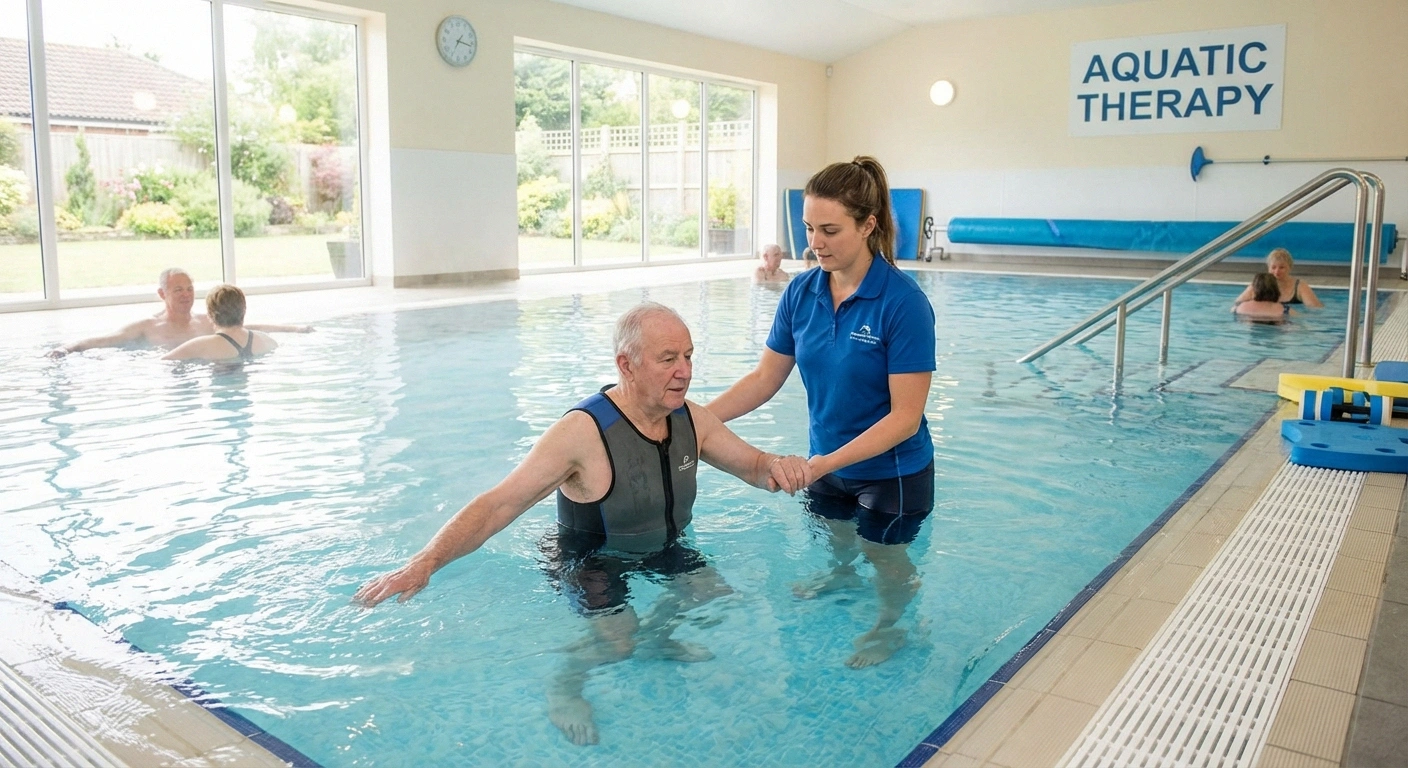
Aquatic Therapy
Pool-based therapy provides a unique advantage for people with neuropathy. The buoyancy of water reduces the risk of falls, the water pressure provides sensory input that can be calming for irritated nerves, and the resistance helps build strength without impact stress. Warm water pools (typically 84–88°F) also promote circulation and muscle relaxation. If your PT clinic has a therapy pool, ask about this option.
Home Exercises Your PT May Recommend
While your specific home program will be tailored to your needs, here are some common exercises that physical therapists frequently assign to neuropathy patients. These are a starting point — always follow your therapist’s specific instructions for reps, sets, and frequency.

Kitchen counter calf raises: Stand facing a counter with fingertips resting lightly for balance. Rise up on your toes, hold for 2 seconds, then slowly lower. Start with 10 repetitions and work up to 15. This strengthens the calves and improves ankle stability.
Seated toe curls: Sit in a chair with a small towel on the floor under your feet. Use your toes to scrunch the towel toward you. This targets the small muscles in the feet that are often weakened by neuropathy.
Tandem walk: Walk in a straight line placing one foot directly in front of the other, heel touching toe. Start near a wall or countertop for support. Aim for 10–20 steps. This is one of the best exercises for retraining balance pathways.
Single-leg stance: Stand on one leg near something stable you can grab if needed. Hold for as long as you can, working up to 30 seconds per leg. This directly challenges your balance system to compensate for reduced sensory input from your feet.
is when most people start noticing balance improvements with consistent PT
Seated hamstring stretch: Sit on the front half of a chair. Extend one leg straight with the foot pointing up. Keeping your back straight, lean forward gently until you feel a stretch in the back of your leg. Hold for 15–20 seconds, then switch legs.
For more exercise ideas, see our guide to neuropathy exercises for seniors and our article on yoga for neuropathy.
Finding the Right Physical Therapist
Not all physical therapists have experience with neurological conditions. Here’s how to find the right one:
Look for neurological specialization: Physical therapists who are board-certified in neurological physical therapy (NCS — Neurologic Clinical Specialist) have advanced training in conditions affecting the nervous system, including peripheral neuropathy. The APTA’s Find a PT tool can help you search by specialty.
Ask about neuropathy experience: When calling a clinic, specifically ask whether their therapists have experience treating peripheral neuropathy. Clinics that see a lot of diabetic patients or older adults are more likely to have this expertise.
Consider the setting: Some clinics offer specialized services like aquatic therapy, functional electrical stimulation, or whole-body vibration training that can be particularly beneficial for neuropathy patients. Ask about available equipment and treatment modalities.
Get a referral: Your neurologist or primary care physician can often recommend physical therapists they trust for neuropathy care. A referral may also be needed for insurance coverage, depending on your plan and state.
Insurance and Cost Considerations
The good news is that physical therapy for neuropathy is typically covered by insurance, including Medicare. Here’s what you should know:
Finding a Neuropathy PT Specialist
Look for the NCS credential (Neurologic Clinical Specialist) — these PTs have advanced training in nervous system conditions. Ask your neurologist for a referral, or search the APTA’s Find a PT directory by specialty. Clinics that regularly treat diabetic or older adult patients are most likely to have neuropathy expertise.
Medicare: Medicare Part B covers outpatient physical therapy that is medically necessary and prescribed by a physician. There is a therapy cap, though exceptions exist for ongoing medical necessity. You’ll typically pay a 20% copayment after meeting your deductible.
Private insurance: Most plans cover physical therapy, though they may limit the number of sessions per year or require prior authorization. Check your plan details and ask about any visit limits upfront.
Typical costs without insurance: Sessions generally range from $75–$200 per session, depending on your location and the clinic. Some clinics offer sliding-scale fees or payment plans.
Maximize your coverage: In many states, you can see a physical therapist directly without a physician referral (called “direct access”). However, having a referral may simplify insurance billing and ensure coverage.
When Physical Therapy Alone Isn’t Enough
Physical therapy is a powerful tool, but it’s usually most effective as part of a comprehensive approach. Your PT may work alongside other treatments including:. combine PNS with physical therapy.
- Medications: Gabapentin, pregabalin, or duloxetine may help manage neuropathic pain while PT improves function
- Nutritional support: Addressing deficiencies in vitamin B12 or adding alpha-lipoic acid supplements may support nerve health alongside exercise
- Blood sugar management: For diabetic neuropathy, controlling glucose levels is essential to prevent further neuropathy after surgical procedures regardless of how good your PT program is
- Assistive devices: Your PT may recommend braces, specialized footwear, or assistive devices as part of a comprehensive safety plan
The goal is to build a treatment team where each component reinforces the others. Physical therapy provides the movement and functional foundation that helps everything else work better.
Frequently Asked Questions
Can physical therapy help neuropathy?
Yes. Physical therapy has strong evidence for improving balance, reducing fall risk, and maintaining physical function in people with peripheral neuropathy. It may also help with pain management, though the evidence for pain reduction is more modest. Physical therapy is one of the most commonly recommended non-medication treatments for neuropathy, and most healthcare guidelines include it as a key component of a neuropathy management plan.
What exercises does a physical therapist do for neuropathy?
Physical therapy for neuropathy typically includes balance exercises like single-leg stands and tandem walking, strengthening exercises using resistance bands or body weight, flexibility exercises like calf and hamstring stretches, nerve gliding exercises that improve nerve mobility, and aerobic conditioning through walking or cycling. Your specific program will depend on your symptoms, abilities, and goals. Most therapists also teach a home exercise program for daily practice between sessions.
How long does physical therapy take for neuropathy?
A typical initial course of physical therapy for neuropathy runs 6 to 12 weeks with sessions one to three times per week. Many people notice improvements in balance within 4 to 6 weeks and pain reduction may follow within 8 to 12 weeks. Since neuropathy is chronic, the exercises learned in PT are meant to become part of an ongoing home routine. Many people benefit from periodic check-in sessions every few months to update their programs.
Does insurance cover physical therapy for neuropathy?
Physical therapy for neuropathy is typically covered by insurance, including Medicare Part B, when it is medically necessary and prescribed by a physician. Most private insurance plans also cover PT, though they may limit the number of sessions per year or require prior authorization. Co-pays and deductibles vary by plan. Contact your insurance provider before starting to understand your specific coverage, visit limits, and any referral requirements.
Can physical therapy reverse neuropathy?
Physical therapy cannot reverse nerve damage that has already occurred. However, it can help you compensate for nerve damage by strengthening muscles, improving balance, and training your body to use alternative sensory pathways. In cases where neuropathy is caused by a treatable underlying condition, addressing that cause combined with physical therapy may allow some nerve recovery. Even without reversal, the functional improvements from PT — better balance, fewer falls, improved mobility — can significantly improve your quality of life.
How often should you go to physical therapy for neuropathy?
Most physical therapy programs for neuropathy start with sessions one to three times per week. Two sessions per week is the most common recommendation for moderate cases. As you learn your exercise program and build confidence, your therapist may reduce visit frequency to once a week, then transition you to a home program with periodic check-ins. The daily home exercises between formal sessions are just as important as the sessions themselves for achieving lasting results.
What kind of physical therapist treats neuropathy?
Look for a physical therapist who is board-certified in neurological physical therapy, designated by the NCS credential (Neurologic Clinical Specialist). These therapists have advanced training in conditions affecting the nervous system. Therapists specializing in geriatric care or vestibular rehabilitation also commonly treat neuropathy patients. Ask potential clinics about their experience with peripheral neuropathy specifically before scheduling an appointment.
The Bottom Line
Physical therapy is one of the most evidence-supported approaches for managing peripheral neuropathy — and unlike many treatments, it addresses the functional problems that most affect your daily life. Falls, difficulty walking, loss of independence — these are the realities of neuropathy that medications alone can’t fix. A skilled physical therapist gives you the tools and training to face these challenges head-on.
If you haven’t explored physical therapy yet, I’d encourage you to bring it up with your healthcare provider. The combination of professional guidance and a consistent home exercise program is one of the most powerful things you can do for your neuropathy. And unlike some treatments, the benefits of exercise-based therapy tend to compound over time — the longer you stick with it, the more it gives back.
Remember: neuropathy may have changed what you can do, but it doesn’t get to decide what you can achieve. Physical therapy helps you reclaim as much function and confidence as possible — and that makes an enormous difference in how you experience each day.
About the Author