Few topics come up more often in my support group than CBD. Every few meetings, someone walks in with a bottle of CBD oil they bought at the gas station, the health food store, or online — and they want to know: does this actually work for nerve pain?
I get why people are curious. When you're dealing with burning feet, tingling hands, and pain that keeps you up at night, and the medications your doctor prescribed either aren't enough or come with side effects you can't stand, anything that promises natural relief sounds worth trying.
Here's the thing — CBD for neuropathy isn't pure hype, but it's not a miracle cure either. The research is early but genuinely promising, and I've talked to enough people who've found real relief that I can't dismiss it. But I've also talked to plenty who spent a lot of money on products that did absolutely nothing.
So let's cut through the marketing noise and look at what we actually know — what the science says, how to use it if you want to try it, and what to realistically expect.
Browse all our natural remedies guides for more articles like this one.
How CBD Works for Pain
To understand why CBD might help neuropathy, you need a quick crash course on your endocannabinoid system — a system most people don't even know they have.
Your body produces its own cannabinoids (called endocannabinoids) that bind to receptors throughout your nervous system. These receptors — CB1 and CB2 — help regulate pain perception, inflammation, immune function, and mood. Think of it as your body's built-in pain management network.
CBD (CBD oil for nerve pain) doesn't bind directly to these receptors the way THC does. Instead, it works indirectly by:
- Slowing the breakdown of your natural endocannabinoids — so they stay active longer
- Activating other pain-related receptors — including TRPV1 (which modulates pain signals) and serotonin receptors (which affect pain and mood)
- Reducing neuroinflammation — chronic inflammation around damaged nerves amplifies neuropathic pain, and CBD has well-documented anti-inflammatory effects
This is important because neuropathic pain isn't like a pulled muscle. It's driven by damaged nerves misfiring signals, and by inflammatory processes around those nerves. CBD targets both mechanisms — at least in theory.
How CBD Targets Neuropathic Pain
CBD works on neuropathic pain through three separate pathways: slowing the breakdown of your natural endocannabinoids so they stay active longer; activating TRPV1 and serotonin receptors that modulate pain and mood; and reducing neuroinflammation around damaged nerves.
CBD is not THC. Hemp-derived CBD contains 0.3% THC or less — not enough to produce psychoactive effects. It will not get you high.
CBD is not THC. It won't get you high. CBD and THC are both cannabinoids from the cannabis plant, but they have completely different effects on the brain. CBD products derived from hemp contain 0.3% THC or less — not enough to produce psychoactive effects.
What the Research Says About CBD and Neuropathy
Does CBD oil really help with neuropathy?
The honest answer is: probably, for some people, but the evidence is still catching up to the enthusiasm.
Here's what we have so far:
A 2020 study in Current Pharmaceutical Biotechnology found that topical CBD oil significantly reduced sharp pain and cold/itchy sensations in patients with peripheral neuropathy. This was a randomized, placebo-controlled trial — the gold standard — and the results were encouraging.
A 2017 review in Cannabis and Cannabinoid Research examined preclinical evidence and concluded that CBD has substantial anti-inflammatory and neuroprotective properties that could benefit neuropathic pain conditions.
Research published in the Journal of Pain Research (2020) looked at patients using CBD for chronic pain and found that 62% reported reducing or eliminating other pain medications after starting CBD — including opioids.
of CBD users reported reducing or eliminating other pain medications — including opioids (Journal of Pain Research, 2020)
A 2018 review in Frontiers in Pharmacology analyzed the evidence for cannabis-based medicines in neuropathic pain and concluded there was moderate-quality evidence supporting benefit.
What's missing: Large-scale, long-term clinical trials specifically on CBD (not cannabis broadly) for peripheral neuropathy. Most studies are small, short-term, or combine CBD with THC. The research trajectory is positive, but we're not at the point where any neurologist would call CBD a proven neuropathy treatment.
What I hear from real people: About half the people in my group who've tried CBD report meaningful improvement — less burning at night, better sleep, reduced need for breakthrough pain medication. The other half noticed little to no difference. That's not unusual for any pain treatment — neuropathy responds differently in every person.
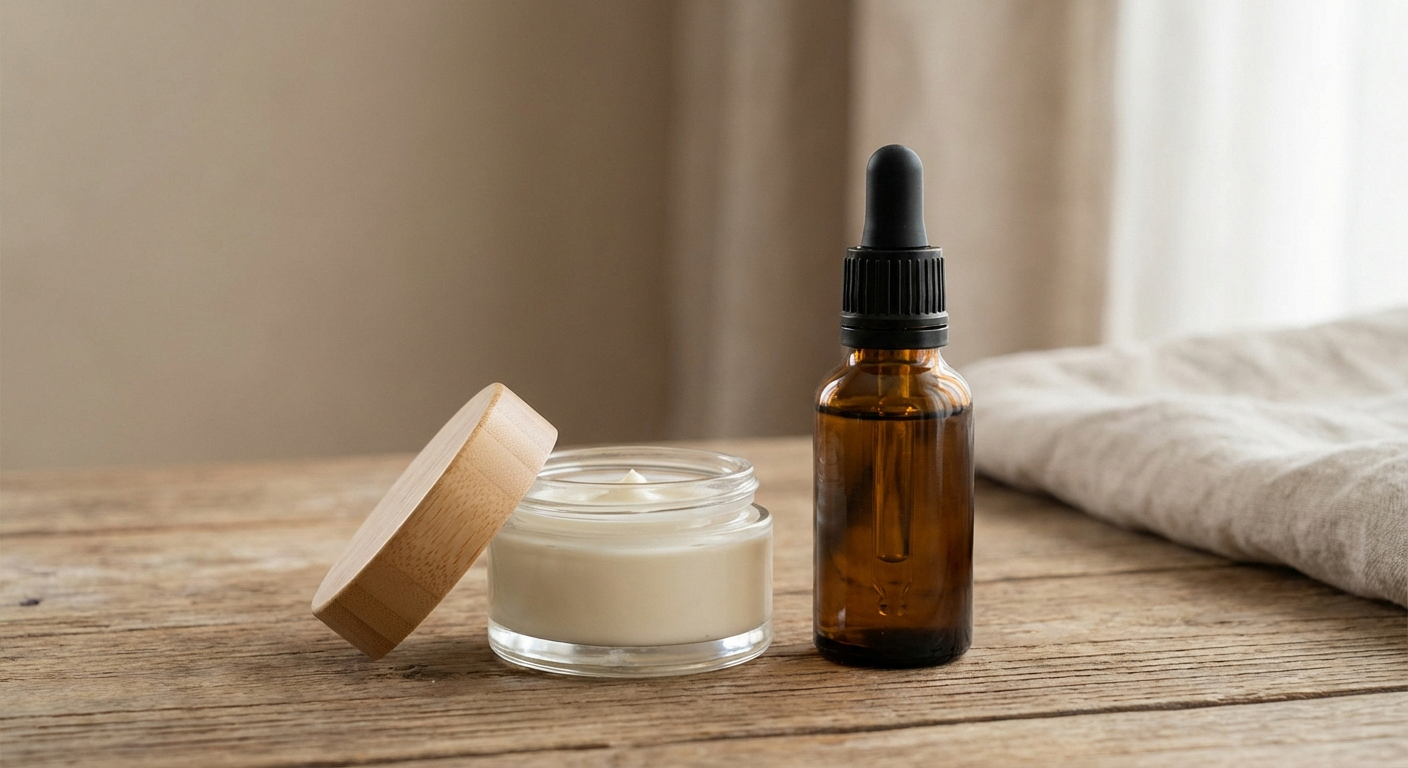
CBD Oil vs. CBD Cream: Which Is Better for Nerve Pain?
Is CBD cream or oil better for neuropathy?
This depends on what you're trying to accomplish.
🌿 CBD Oil (Oral/Sublingual)
Works systemically — affects your whole body
Kicks in: 30–90 minutes · Lasts: 4–6 hours
Best for: Widespread symptoms, sleep disruption, anxiety from chronic pain
Easier to precisely control and adjust dosing
💆 CBD Cream (Topical)
Works locally — targets the specific area you apply it
Kicks in: 15–30 minutes · Lasts: 2–4 hours
Best for: Localized burning feet or tingling hands
Avoids first-pass liver metabolism — fewer drug interaction concerns
My honest recommendation: If your neuropathy is primarily in your feet or hands, start with a topical cream. The 2020 neuropathy study I mentioned above used topical CBD with good results. If you have more widespread symptoms or if nerve pain is wrecking your sleep, oral CBD oil may be more effective.
Many people end up using both — a cream for targeted daytime relief and oil before bed for sleep and overall pain management. If you're already exploring topical options, my guide to neuropathy creams compares CBD creams alongside capsaicin and lidocaine options.
How to Choose a Quality CBD Product
This is where most people go wrong. The CBD market is poorly regulated, and product quality varies wildly.
Buyer Beware
A 2017 study in JAMA found that only 31% of CBD products contained the amount of CBD stated on the label. Some had almost none. Others contained unlisted THC. Always look for third-party lab testing (COA), US-grown hemp, and CO2 extraction. If a company can't provide lab results, walk away.
Here's what to look for:
- Third-party lab testing (COA) — a Certificate of Analysis from an independent lab verifying CBD content, THC levels, and absence of contaminants. If a company doesn't provide this, walk away.
- Hemp source — US-grown hemp is subject to more regulation. Look for companies that can tell you where their hemp comes from.
- Extraction method — CO2 extraction is the cleanest and most consistent. Solvent extraction can leave chemical residues.
- Full-spectrum vs. broad-spectrum vs. isolate:
– Full-spectrum contains CBD plus other cannabinoids and terpenes (including trace THC under 0.3%). Many researchers believe this creates an “entourage effect” that enhances pain relief. – Broad-spectrum has the other cannabinoids but with THC removed. Good option if you're concerned about drug testing. – Isolate is pure CBD only. Less effective for pain in most studies, but the most predictable option.
Red flags to avoid: Products making disease-cure claims, no available lab testing, unusually cheap pricing (quality CBD costs money to produce), and anything sold at gas stations or convenience stores.
Dosage: How Much CBD for Neuropathy?
How much CBD should I take for nerve pain?
There's no universally agreed-upon dose, which is one of the frustrating realities of CBD. But here's a practical framework based on available research and what I've seen work:

Starting dose: 20–25 mg per day of oral CBD. Take it consistently for at least one week before judging effectiveness.
Gradual increase: If you're not noticing relief after a week, increase by 5–10 mg every 3–5 days. Most people find their effective dose somewhere between 25–75 mg daily.
Upper range: Some neuropathy patients use 100–150 mg daily. Studies have used doses up to 300 mg for pain conditions. Higher isn't always better — find the lowest dose that provides meaningful relief.
For topicals: Apply a generous amount to the affected area 2–3 times daily. Look for creams with at least 300–500 mg of CBD per ounce — lower concentrations are unlikely to do much.
Timing matters: For sleep-related pain, take oral CBD 60–90 minutes before bed. For daytime management, some people split their dose — half in the morning, half in the evening.
Keep a pain journal. Track your dose, timing, and pain levels for at least 2–3 weeks. This helps you identify your optimal dose and gives you useful information to share with your doctor.
Side Effects and Drug Interactions to Watch For
CBD is generally well-tolerated, but it's not side-effect-free:
- Fatigue and drowsiness — the most common side effect, especially at higher doses
- Digestive issues — diarrhea, nausea, or appetite changes in some people
- Dry mouth — fairly common but mild
- Low blood pressure — can cause lightheadedness, particularly when starting
Can I take CBD with gabapentin?
This is a critical question. CBD is processed by the same liver enzymes (CYP3A4 and CYP2C19) that metabolize many prescription medications. This means CBD can potentially increase the blood levels of certain drugs by slowing their breakdown.
Talk to Your Doctor First
CBD can interact with common neuropathy medications by slowing their breakdown in the liver — potentially increasing their blood levels and side effects:
• Gabapentin/pregabalin — may increase sedation
• Blood thinners (warfarin) — may increase bleeding risk
• Antidepressants (SSRIs, tricyclics) — interaction risk
• Blood pressure medications — may enhance effects
Always consult your doctor or pharmacist before combining CBD with any prescription medication. These interactions are real and clinically significant.
CBD vs. Gabapentin: Can CBD Replace Prescription Medications?
I hear this question constantly: “Can I just switch to CBD and stop my gabapentin?”
The short answer is don't do this on your own. But let's look at how they compare:
Gabapentin has decades of clinical evidence, FDA approval for certain pain conditions, predictable dosing, and insurance coverage. Side effects include dizziness, weight gain, brain fog, and dependency with long-term use.
CBD has growing but limited clinical evidence, no FDA approval for pain, variable product quality, and no insurance coverage. Side effects are generally milder but include drug interactions and inconsistent results.
What I've seen in my group: Some people have successfully worked with their doctors to reduce their gabapentin dose after adding CBD. A few have transitioned fully. But many find that CBD works best as an add-on — reducing the amount of prescription medication needed without eliminating it entirely.
Key Takeaway
Never stop gabapentin abruptly — it requires gradual tapering. CBD works best as an add-on to help reduce the amount of prescription medication needed, not as an overnight replacement. If you want to explore this route, have the conversation with your prescriber. A growing number of doctors are open to it.
For a deeper dive into gabapentin's benefits and limitations, my complete guide to gabapentin for neuropathy covers what you need to know.
Legal Status and What to Know Before Buying
Is CBD legal for medical use?
The 2018 Farm Bill legalized hemp-derived CBD (containing less than 0.3% THC) at the federal level in the United States. However, state laws vary:
- Most states allow hemp-derived CBD products without restriction
- A few states have additional restrictions on CBD in food or beverages
- CBD derived from marijuana (higher THC content) is only legal in states with medical or recreational cannabis laws
Drug testing concerns: Full-spectrum CBD products contain trace THC. While 0.3% is very low, daily use of higher doses can potentially cause a positive drug test. If this matters for your job, choose broad-spectrum or isolate products.
Buying tips:
- Purchase from established companies with transparent testing
- Buy directly from the manufacturer's website when possible — fewer counterfeit concerns
- Expect to pay $0.05–0.15 per milligram of CBD for quality products
- Be wary of outrageous health claims — legitimate companies stay within legal guidelines
CBD isn't a magic bullet for neuropathy, but it's a legitimate tool that's helping real people manage real pain. The research is moving in the right direction, and for something with a relatively mild side-effect profile, it's worth a careful trial if you're interested.
Just do it smart — choose quality products, start low, track your results, and keep your doctor in the loop. If you're looking at the full picture of natural remedies for neuropathy, CBD is one option worth considering alongside things like essential oils and other complementary approaches.
And if you're still trying to sort out what's going on with your symptoms overall, my symptom assessment tool can help you organize your experiences before your next appointment.
Take care of yourself,
Janet
Frequently Asked Questions
About the Author