Browse all our living with neuropathy guides for more articles like this one.
Compression Socks and Gloves for Neuropathy: Do They Help?
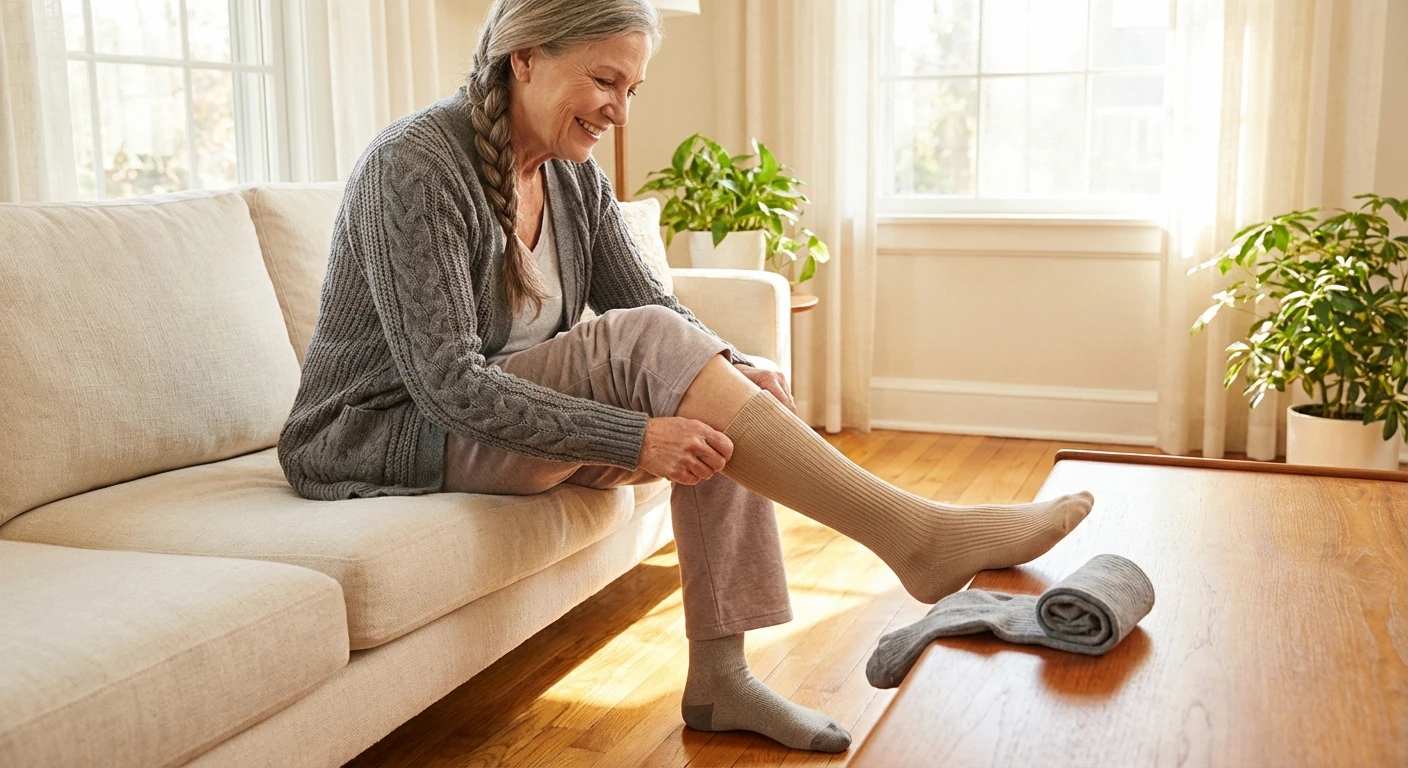
The first time someone suggested I try compression socks for neuropathy, I'll admit I was skeptical. I'd been dealing with that relentless tingling and burning in my feet for months — the kind that makes you dread getting out of bed in the morning because you know those first steps are going to feel like walking on hot coals. I'd already tried topical creams and was doing my daily foot care routine, but I still needed something more. When I finally slipped on my first pair of compression socks, I didn't expect them to become one of my go-to tools for managing neuropathy symptoms. But here we are.
If you're living with peripheral neuropathy and wondering whether compression socks (or compression gloves, for that matter) are worth trying, you're not alone. It's one of the most common questions I hear from readers. So let's walk through what the evidence actually says, how they work, who they may help — and who should think twice before pulling them on.
Key Takeaway
Compression socks use graduated pressure to improve blood flow, reduce swelling, and may help manage neuropathy symptoms — especially when combined with other treatments like proper footwear, daily foot care, and regular movement.
What Is Neuropathy and Why Does It Affect Your Feet and Hands?
Before we get into compression socks specifically, it helps to understand what's happening inside your body. Peripheral neuropathy is nerve damage that affects the nerves outside your brain and spinal cord — most often in the feet, legs, and hands. The damage disrupts normal nerve signaling, which is why you might experience tingling, numbness, burning pain, or that unsettling “pins and needles” sensation that never quite goes away.
The causes are varied. Diabetic neuropathy is the most common — studies suggest that 60 to 70 percent of people with diabetes develop some form of nerve damage over time. But neuropathy can also result from chemotherapy treatments, autoimmune conditions, vitamin deficiencies, alcohol use, injuries, and sometimes no identifiable cause at all. If you're curious about how the condition progresses, our guide on the stages of neuropathy explains it in more detail.
What many people don't realize is that neuropathy isn't just about pain. Poor circulation, swelling, muscle weakness, and balance problems often come along for the ride. And those secondary issues are exactly where compression socks may offer some real benefits.
How Do Compression Socks Work?
Compression socks are specially designed hosiery that apply gentle, graduated pressure to your lower legs and feet. The key word here is “graduated” — the compression is firmest at the ankle and gradually decreases as it moves up toward the calf. This design encourages blood to flow upward toward the heart instead of pooling in your lower extremities.
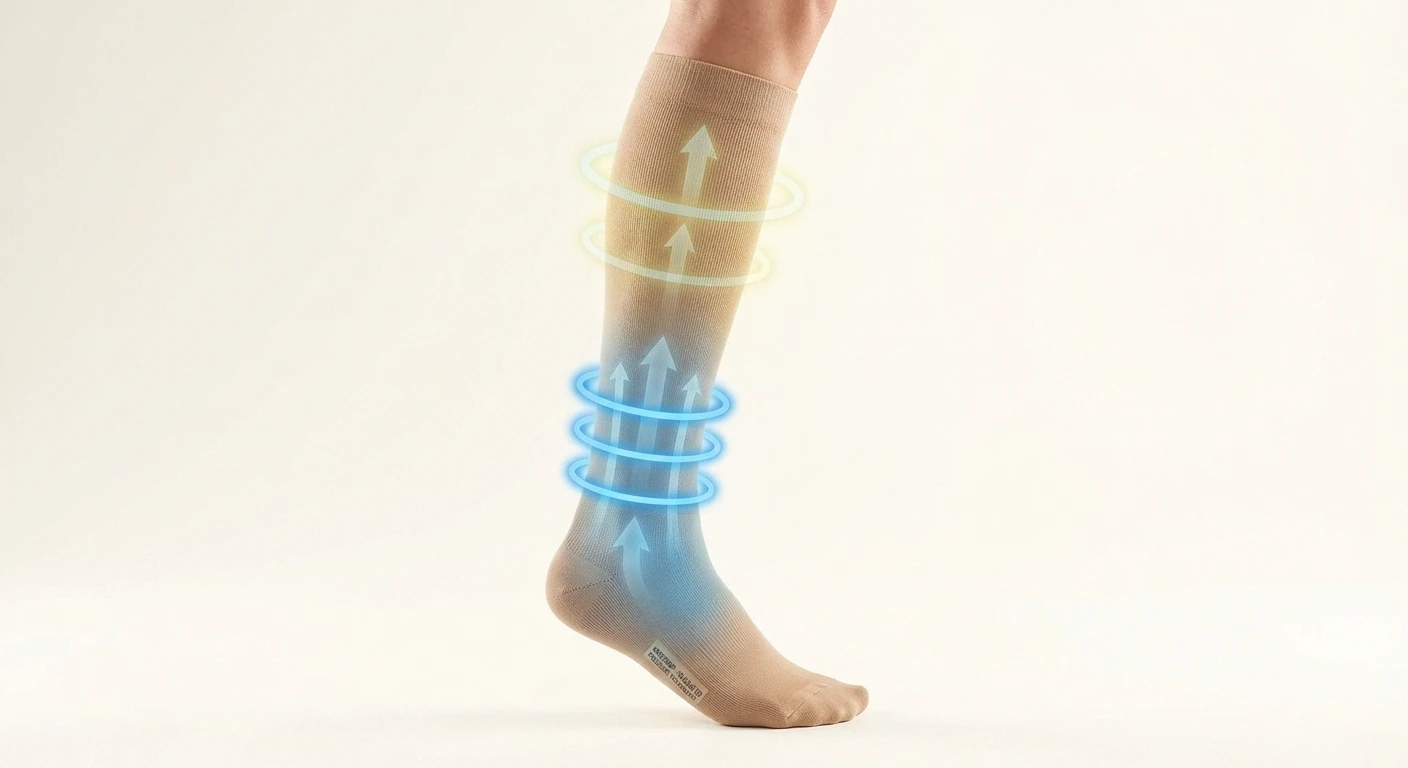
Think of it as a gentle, consistent hug for your legs. The pressure helps your veins work more efficiently, reduces fluid buildup, and supports the muscles and tissues in your lower legs. Compression socks have been used for decades to manage conditions like varicose veins, deep vein thrombosis, and post-surgical recovery — but their potential benefits for neuropathy have been gaining more attention in recent years.
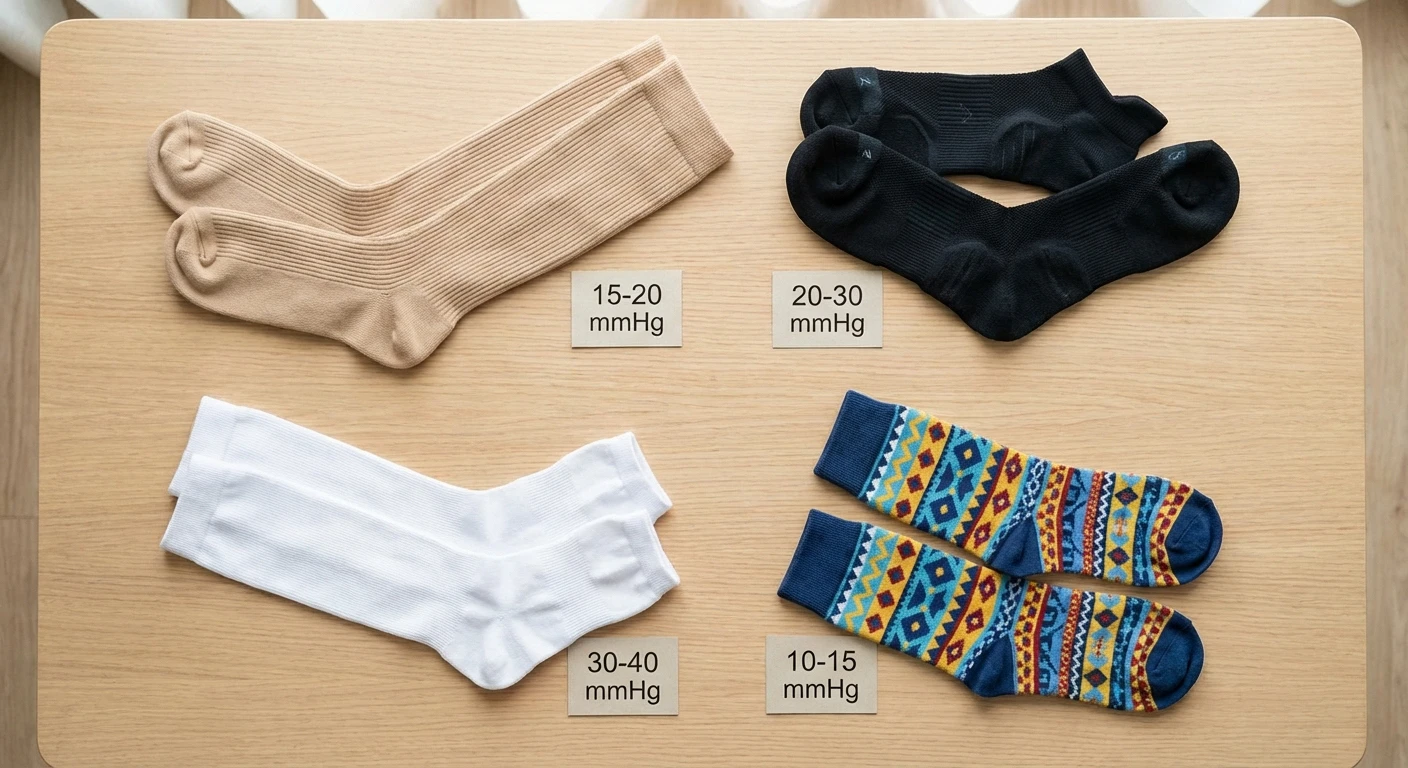
Compression levels are measured in millimeters of mercury (mmHg), and they range from light support to medical-grade pressure:
- 8–15 mmHg (light compression): Mild support for everyday comfort and mild swelling
- 15–20 mmHg (moderate compression): The most commonly recommended range for neuropathy — provides noticeable support without being overly restrictive
- 20–30 mmHg (firm compression): Often used for more significant swelling or circulatory issues, usually requires a doctor's guidance
- 30+ mmHg (medical-grade): Prescribed for serious venous conditions — typically not appropriate for neuropathy without medical supervision
For most people dealing with neuropathy symptoms, the 15–20 mmHg range tends to be the sweet spot. But I always recommend talking to your doctor before choosing a compression level, especially if you have other circulatory conditions.
Potential Benefits of Compression Socks for Neuropathy
So do compression socks actually help with neuropathy? Based on what I've experienced personally and what I've heard from hundreds of readers over the years, the answer for many people is yes — with some important caveats. Here's what they may do:
Improved Blood Circulation
This is probably the biggest benefit. Neuropathy and poor circulation are closely linked — damaged nerves often go hand-in-hand with compromised blood flow, especially in people with diabetes. When blood isn't flowing well to your feet, nerves don't get the oxygen and nutrients they need, which can worsen symptoms over time.
Compression socks gently push blood back toward the heart, improving overall circulation in the lower legs. Better blood flow means more oxygen reaching those struggling nerves, which may help reduce pain, numbness, and that heavy, fatigued feeling in your legs. Research published in the Journal of Diabetes Science and Technology has found that socks with mild compression can improve edema without worsening circulation — an important finding for people with diabetic neuropathy.
of people with diabetes develop some form of nerve damage over time
Reduced Swelling and Edema
Swelling in the feet and ankles is incredibly common with neuropathy, and it creates a frustrating cycle: swelling puts more pressure on already damaged nerves, which increases pain, which limits your activity, which makes swelling worse. Compression socks may help break that cycle by preventing fluid from accumulating in your lower legs.
Many readers tell me that the swelling reduction alone is reason enough to wear them. When your feet and ankles aren't puffed up, shoes fit better, walking is more comfortable, and the overall pressure on your nerves decreases. If swelling is a major issue for you, you might also find our home remedies for neuropathy guide helpful — it covers elevation techniques and other strategies that work well alongside compression.
Pain and Discomfort Relief
While compression socks won't cure neuropathy (nothing can reverse existing nerve damage, unfortunately), many people report noticeable relief from burning, tingling, and aching sensations when wearing them consistently. The gentle, steady pressure seems to have a calming effect on hypersensitive nerves — almost like the consistent pressure gives your nervous system something predictable to focus on instead of sending random pain signals.
I find this especially true during long days on my feet. If you're dealing with burning feet syndrome, compression socks combined with proper footwear can make a real difference in your comfort level throughout the day.
Better Balance and Stability
This is a benefit that doesn't get enough attention. When you lose sensation in your feet, your balance suffers — your brain is getting incomplete information about where your feet are and what surface you're standing on. Research has shown that compression garments may improve proprioception (your body's sense of its own position) by providing consistent sensory input through gentle pressure.
For older adults with neuropathy, this could be genuinely important. Falls are a serious risk when you can't feel your feet properly, and anything that helps with stability is worth considering. If balance is a concern for you, pairing compression socks with regular exercises for neuropathy may provide even more benefit.
Protection for Sensitive Feet
When you have reduced sensation in your feet, small cuts, blisters, and pressure sores can go unnoticed and develop into serious problems — especially for people with diabetes. Quality compression socks add an extra layer of protection, and many are designed with seamless toes, padded soles, and moisture-wicking fabrics that reduce friction and keep your feet dry. This protective element is an underrated benefit that shouldn't be overlooked.
Compression Gloves for Neuropathy in the Hands
Neuropathy doesn't just affect the feet — many people experience tingling, numbness, and pain in their hands and fingers too. If that sounds familiar, you might be wondering whether compression gloves can provide similar relief. The short answer: they may help, and they're worth trying.
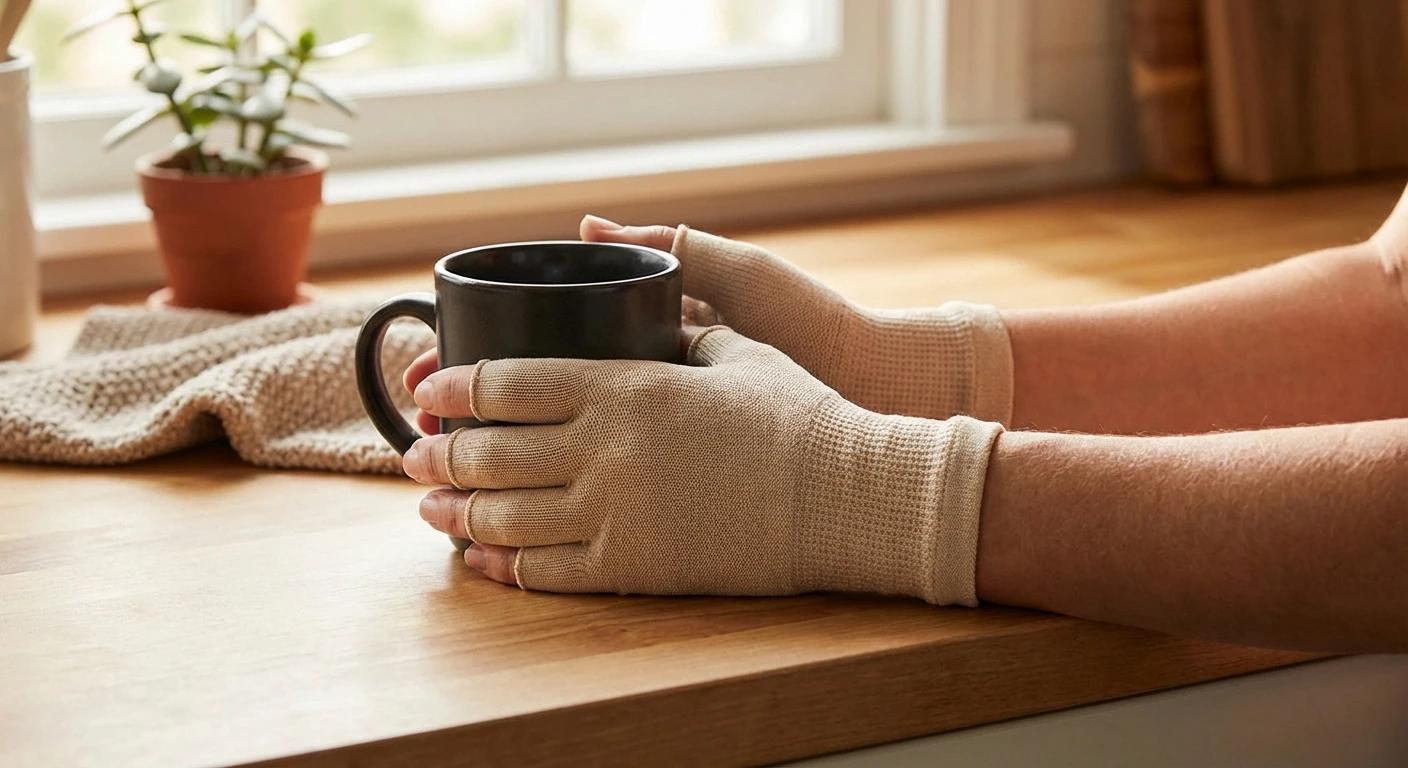
Compression gloves work on the same principle as compression socks — they apply gentle, consistent pressure to improve blood flow and reduce swelling. Most are designed as fingerless (open-finger) gloves, which lets you maintain dexterity for everyday tasks like typing, cooking, or buttoning a shirt while still getting the benefits of compression.
Compression gloves may help with neuropathy in the hands by:
- Improving circulation to the fingers and hands
- Reducing swelling and stiffness, especially in the morning
- Providing gentle sensory input that may calm tingling and numbness
- Offering warmth, which many people with hand neuropathy find soothing
- Supporting grip strength during daily activities
If you're considering compression gloves, look for ones made from breathable, moisture-wicking material with a comfortable fit that isn't too tight. Mild compression is generally preferred — you want support, not restriction. Some people wear them during the day while working, while others find them most helpful at night when symptoms tend to flare up.
One important note: compression gloves are most commonly associated with arthritis relief, but they can serve a dual purpose for people who have both arthritis and neuropathy. If your hand symptoms are severe or worsening, please talk to your doctor to rule out conditions like carpal tunnel syndrome that might need specific treatment.
Compression Socks vs. Diabetic Socks: What's the Difference?
This is one of the most common points of confusion I encounter. Compression socks and diabetic socks are not the same thing, and choosing the wrong type could actually cause problems.
🧦 Compression Socks
- ✓ Graduated pressure
- ✓ Improves circulation
- ✓ Reduces swelling
- ✓ Snug, firm fit
- ✓ 15–20 mmHg typical
🧦 Diabetic Socks
- ✓ No compression
- ✓ Extra cushioning
- ✓ Moisture-wicking
- ✓ Loose, non-binding fit
- ✓ Seamless toe, protects sensitive feet
Compression socks apply graduated pressure to improve circulation and reduce swelling. They're snug by design and work by actively pushing blood upward through your veins.
Diabetic socks are designed with the opposite philosophy — they're loose-fitting, non-binding, and focus on protecting sensitive feet. They typically feature seamless toes, extra padding, and moisture-wicking materials, but they don't apply compression. Their primary goal is to prevent friction, blisters, and pressure points that could lead to ulcers in people with reduced foot sensation.
So which should you choose? It depends on your specific situation:
- If your main issues are swelling, poor circulation, and pain, compression socks may be the better choice
- If you have very fragile skin, open wounds, or severe loss of sensation, non-binding diabetic socks might be safer
- If you have peripheral artery disease (PAD), compression socks could potentially restrict blood flow — talk to your doctor first
- Some brands now offer hybrid options — socks with mild compression and diabetic-friendly features like seamless toes and soft fabrics
The most important thing is to work with your healthcare provider to determine which option is right for your specific condition. This isn't a one-size-fits-all situation.
When Compression Socks May Not Be Right for You
I want to be honest about this because not every article out there will tell you: compression socks aren't appropriate for everyone with neuropathy. There are situations where they could actually do more harm than good.
Talk to Your Doctor
If you have peripheral arterial disease, severe neuropathy with no sensation, or active skin conditions, talk to your doctor before using compression socks. Improper use could restrict blood flow or cause skin injuries you may not feel.
You should avoid compression socks or consult your doctor first if you have:
- Peripheral artery disease (PAD): Compression can further restrict already compromised arterial blood flow
- Skin infections or open wounds on your legs or feet: Compression over broken skin can worsen infections
- Severe loss of sensation: If you can't feel whether the socks are too tight, you risk cutting off circulation without realizing it
- Congestive heart failure: Depending on severity, increased venous return could be problematic
- Skin conditions like dermatitis: The friction and pressure from compression may aggravate irritated skin
This is one of those areas where the “talk to your doctor” advice isn't just a legal disclaimer — it's genuinely important. If you have significant neuropathy, your ability to sense whether socks are too tight may be compromised, and that's a real safety concern. Have your healthcare provider help you find the right compression level and check your fit.
How to Choose the Right Compression Socks for Neuropathy
If you and your doctor agree that compression socks are worth trying, here's what to look for when shopping:
✅ Your Compression Sock Checklist
Check with your doctor first
Start with 15–20 mmHg compression
Choose moisture-wicking fabric
Ensure proper sizing (measure calf and ankle)
Look for seamless toe construction
Consider open-toe if you have foot wounds
Replace every 3–6 months
Compression Level
For neuropathy, most healthcare providers recommend starting with mild to moderate compression — typically 15–20 mmHg. This range provides enough pressure to improve circulation and reduce swelling without being uncomfortably tight. Higher compression levels (20–30 mmHg or above) should only be used under medical guidance.
Material and Breathability
Look for moisture-wicking fabrics that keep your feet dry. Damp feet are more prone to fungal infections and skin breakdown — the last thing you need when dealing with neuropathy. Materials like merino wool, bamboo blends, and certain synthetic fabrics offer good breathability. Avoid anything that makes your feet sweat excessively.
Seamless Construction
Seams create pressure points, and pressure points create blisters. For neuropathy sufferers who may not feel a blister forming, seamless toe construction is really important. Many quality compression socks designed for neuropathy feature flat-seam or completely seamless toes.
Proper Fit and Sizing
An ill-fitting compression sock is worse than no compression sock. Too tight, and you risk cutting off circulation. Too loose, and you get no benefit. Measure your ankle and calf circumference and follow the manufacturer's sizing chart carefully. If your measurements fall between sizes, consider trying both or asking your healthcare provider for guidance.
Length
Compression socks come in ankle, crew, knee-high, and thigh-high lengths. For neuropathy affecting the feet and lower legs, knee-high socks are the most common recommendation, as they provide compression across the entire lower leg where blood tends to pool. Some people prefer ankle or crew length for comfort — the best choice depends on where your symptoms are most pronounced.
Non-Binding Top Band
A tight elastic band at the top of the sock can dig into your skin and actually impede circulation — the opposite of what you want. Look for socks with a comfortable, non-binding top band that stays in place without leaving marks or restricting blood flow.
Tips for Wearing Compression Socks with Neuropathy
Getting the most benefit from compression socks involves more than just pulling them on. Here are some practical tips I've picked up over the years:

How to Put On Compression Socks
Put On First Thing in the Morning
Apply before swelling starts — once your legs are already swollen, getting them on is much harder and less effective.
Roll Sock Down to the Toe Area
Turn the sock inside out and roll it down so only the toe section is ready to slide on.
Slide Over Toes and Unroll Up
Place the toe section over your foot, then gently unroll the sock up your leg — don't pull or tug.
Smooth Out Any Wrinkles
Wrinkles create pressure points that can cause problems — especially when you have reduced sensation and may not feel them.
Remove Before Bed
Unless your doctor says otherwise, take them off at night — your legs need a break, and shifting socks can create pressure points while you sleep.
- Put them on first thing in the morning before swelling starts. Once your legs are already swollen, getting compression socks on becomes much harder and less effective.
- Start gradually. If you're new to compression socks, wear them for a few hours the first day and gradually increase wear time as your legs adjust.
- Check your skin daily. Because neuropathy reduces sensation, visually inspect your feet and legs for any redness, marks, or irritation when you remove your socks. This is especially important in the early weeks.
- Remove them before bed (in most cases). Unless your doctor specifically recommends overnight wear, it's generally best to take compression socks off at night. Your legs need a break, and the risk of the socks bunching up or shifting while you sleep can cause problems you won't feel.
- Replace them regularly. Compression socks lose their elasticity over time. Most manufacturers recommend replacing them every 3 to 6 months, depending on how often you wear and wash them.
- Pair them with good shoes. Compression socks work best as part of a comprehensive approach. Wearing them with properly fitted shoes for neuropathy gives you the best combination of support, protection, and comfort.
Frequently Asked Questions
The Bottom Line: Are Compression Socks Worth Trying?
After years of living with neuropathy and talking with countless others who share this journey, here's my honest take: compression socks for neuropathy are not a miracle cure, but they are a practical, affordable, and relatively low-risk tool that may provide meaningful relief for many people. They work best as part of a broader approach to managing your symptoms — one that includes proper foot care, appropriate footwear, regular movement, and ongoing communication with your healthcare team.
If you're dealing with swelling, poor circulation, tingling, or burning in your feet and legs, a pair of well-fitted compression socks in the 15–20 mmHg range is a reasonable place to start. And if your hands are giving you trouble too, compression gloves are worth exploring.
Just remember: what works for one person may not work for another. Neuropathy is complex, and your experience with compression wear will depend on the underlying cause of your nerve damage, the severity of your symptoms, and your overall health. Start with your doctor, find the right fit, and give your body time to adjust. You might be pleasantly surprised — like I was — at the difference a little graduated pressure can make.
This article is for informational purposes only and should not be taken as medical advice. Always consult with your healthcare provider before starting any new treatment, including compression socks or gloves, especially if you have diabetes, peripheral artery disease, or other circulatory conditions.
About the Author