I'll be honest — when someone in my support group first mentioned using essential oils for their nerve pain, I was skeptical. I've seen too many people with neuropathy get burned by miracle cures that turned out to be expensive disappointments.
But then more people started bringing it up. A woman with diabetic neuropathy said lavender oil helped her sleep through the night. A retired teacher swore a peppermint blend took the edge off his burning feet. These weren't gullible people — they were desperate people who'd tried everything else and stumbled onto something that provided some relief.
So I dug into the research. Essential oils aren't a cure for neuropathy — nothing topical regenerates damaged nerves. But some have legitimate pain-relieving and anti-inflammatory properties backed by actual studies, not just wellness blog hype. The key is knowing which ones have evidence, how to use them safely, and what to realistically expect.
Browse all our natural remedies guides for more articles like this one.
Can Essential Oils Really Help Neuropathy?
Let's set expectations right away: essential oils are a complementary approach, not a replacement for medical treatment. If you're taking gabapentin or managing your blood sugar to protect your nerves, keep doing that. Essential oils work best as one piece of a larger pain management strategy.
That said, there are legitimate reasons why certain oils may help with neuropathy symptoms:
- Anti-inflammatory compounds — many essential oils contain molecules that reduce local inflammation, which contributes to nerve pain
- Analgesic effects — some oils activate cooling or warming receptors in the skin that can override pain signals
- Improved circulation — certain oils promote blood flow to the area where they're applied, which is important because poor circulation worsens neuropathy
- Relaxation and stress reduction — stress amplifies nerve pain, and aromatherapy has well-documented calming effects
The research isn't as robust as what we have for supplements like alpha lipoic acid or prescription medications, but it's more than anecdotal. Several of the oils I'll cover below have been studied in clinical or preclinical settings with promising results.
Do essential oils actually penetrate the skin?
This is a fair question, and the answer is yes — to a degree. Essential oil molecules are small and lipophilic (fat-soluble), which allows them to pass through the skin's outer layer. A study in Pharmaceutical Research (2004) confirmed that terpenes — the active compounds in many essential oils — enhance skin permeability and can reach underlying tissues. They won't reach deep nerves, but they can affect superficial nerve endings and local inflammation, which is where a lot of neuropathic pain originates.
Research Says
A study in Pharmaceutical Research (2004) confirmed that terpenes — the active compounds in essential oils — enhance skin permeability and do reach underlying tissues. They won't penetrate to deep nerves, but they can meaningfully affect superficial nerve endings and local inflammation, which is where much neuropathic pain originates. This gives essential oils a real — if limited — mechanism for relief.
The 7 Best Essential Oils for Nerve Pain
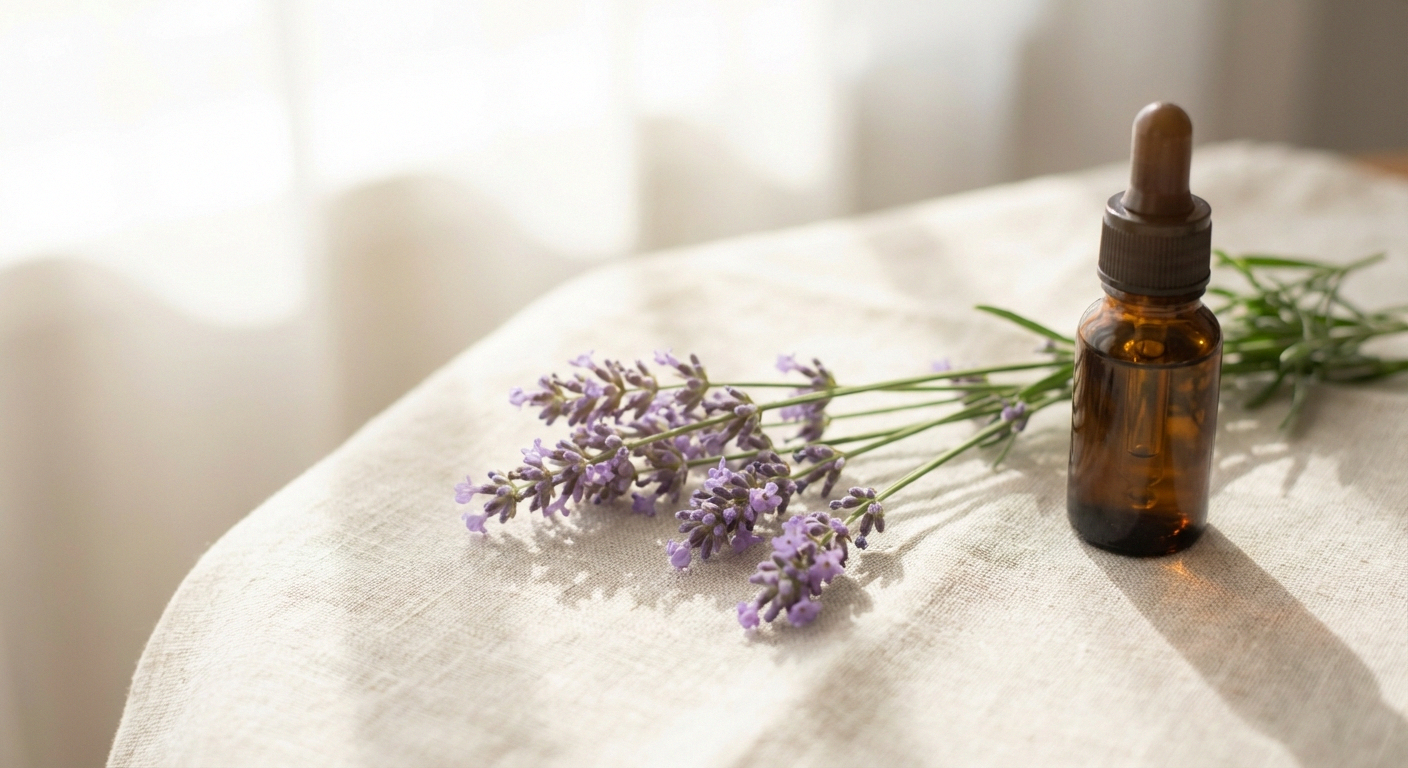
Not all essential oils are created equal when it comes to neuropathy. These seven have the most evidence — or the most consistent anecdotal support from people I've talked to — for helping with nerve pain symptoms.
🌿 Peppermint Oil
Strongest evidence
Menthol activates TRPM8 cold-sensing receptors to override burning pain. A 2016 European Journal of Pain study found relief within 15–30 minutes.
Best for: Burning pain, nighttime symptoms
💜 Lavender Oil
Anti-inflammatory + calming
A 2015 Journal of Herbal Medicine study found significant pain reduction in chronic pain patients. Dual action: helps with pain AND sleep disruption.
Best for: Nighttime, stress-related flare-ups
🌲 Eucalyptus Oil
Milder cooling relief
Contains 1,8-cineole — anti-inflammatory and analgesic. Good for those who find straight peppermint too intense. Proven in 2013 BMC study.
Best for: Inflammation-driven pain
🔶 Frankincense Oil
Deep anti-inflammatory
Boswellic acids inhibit 5-lipoxygenase (inflammatory enzyme). Slow-acting — works better over days and weeks than as instant relief.
Best for: Chronic inflammation, long-term use
🌼 Roman Chamomile
Gentlest option
Chamazulene and bisabolol reduce inflammatory markers and pain sensitivity. Safe for sensitive skin and allodynia (pain from light touch).
Best for: Sensitive skin, allodynia
🌸 Geranium Oil
Best direct neuropathy evidence
A 2010 Pain Medicine study tested rose geranium on postherpetic neuralgia (nerve pain) specifically — and found significant pain reduction. One of few direct neuropathy studies.
Best for: Neuropathic pain, blending
🌿 Rosemary Oil
Circulation booster
Carnosic and rosmarinic acids are antioxidant and anti-inflammatory. A 2019 Pain Research and Management study found analgesic effects comparable to some conventional topicals. Also improves local circulation.
Best for: Circulation, anti-inflammatory
Can peppermint oil help neuropathy?
Yes — peppermint has the strongest direct evidence for neuropathic pain relief among essential oils. It won't treat underlying nerve damage, but it can provide meaningful temporary relief for many people.
How to Use Essential Oils Safely for Neuropathy
What essential oil is best for nerve pain?
For immediate relief, peppermint oil has the strongest evidence. For overall management, a blend combining peppermint, lavender, and frankincense covers both immediate and long-term benefits. The “best” oil depends on your specific symptoms — burning pain responds well to peppermint's cooling effect, while widespread aching may benefit more from frankincense or chamomile.
Now, here's the part that matters as much as choosing the right oil: using them correctly.
How to Apply Essential Oils Safely
Choose Your Carrier Oil
Essential oils must be diluted — never apply directly to skin. Choose coconut oil (absorbs well, antimicrobial), jojoba oil (closest to skin's natural sebum), or sweet almond oil (gentle, good for sensitive skin).
Mix to 2–3% Dilution
Standard adult dilution: 12–15 drops of essential oil per 1 ounce (30 mL) of carrier oil. For sensitive skin or if you have allodynia, start at 1% (6 drops per ounce). Mix thoroughly in a dark glass bottle.
Patch Test First
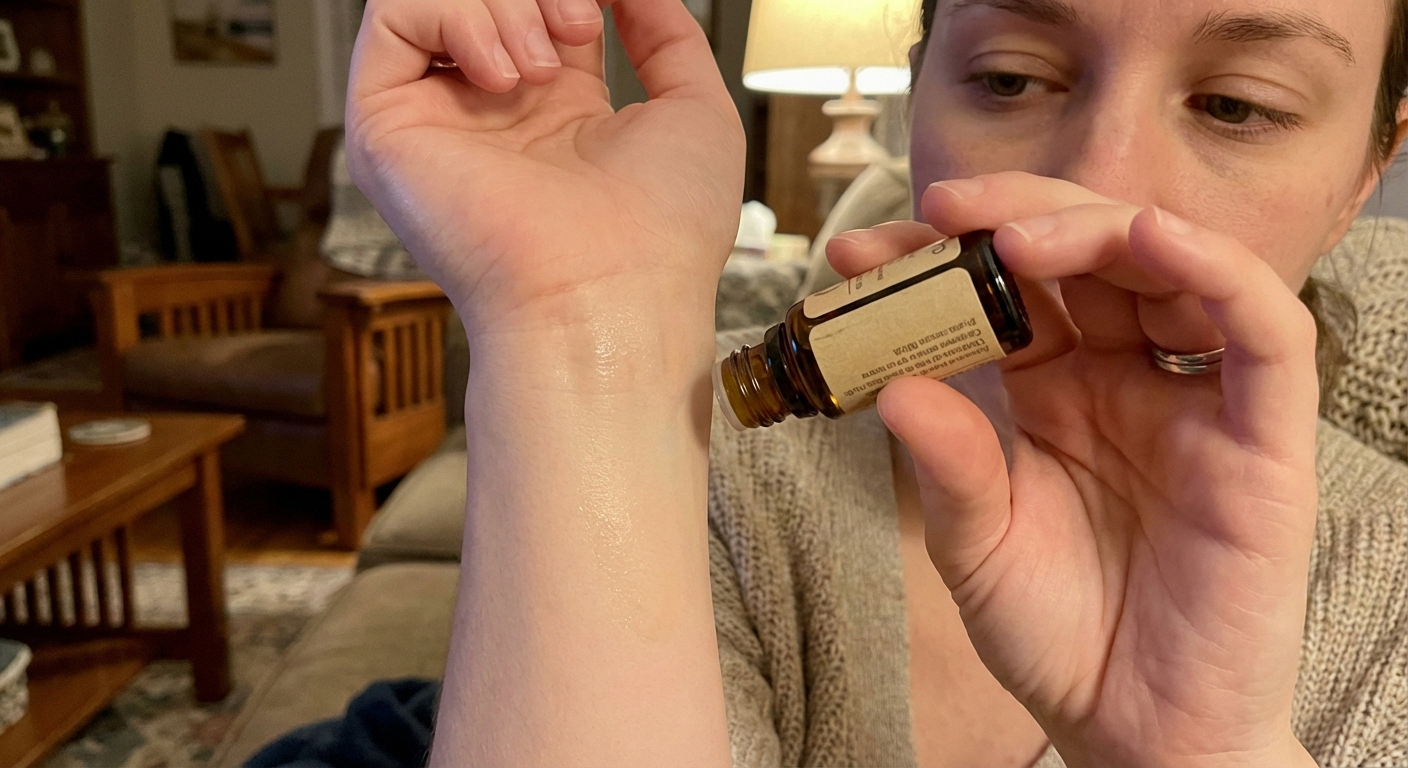
Apply a small dab of the diluted blend on the inside of your wrist. Wait 24 hours. No redness or irritation? You're good to proceed. Neuropathic skin can be hypersensitive — this step is non-negotiable.
Apply Topically 2–3x Daily
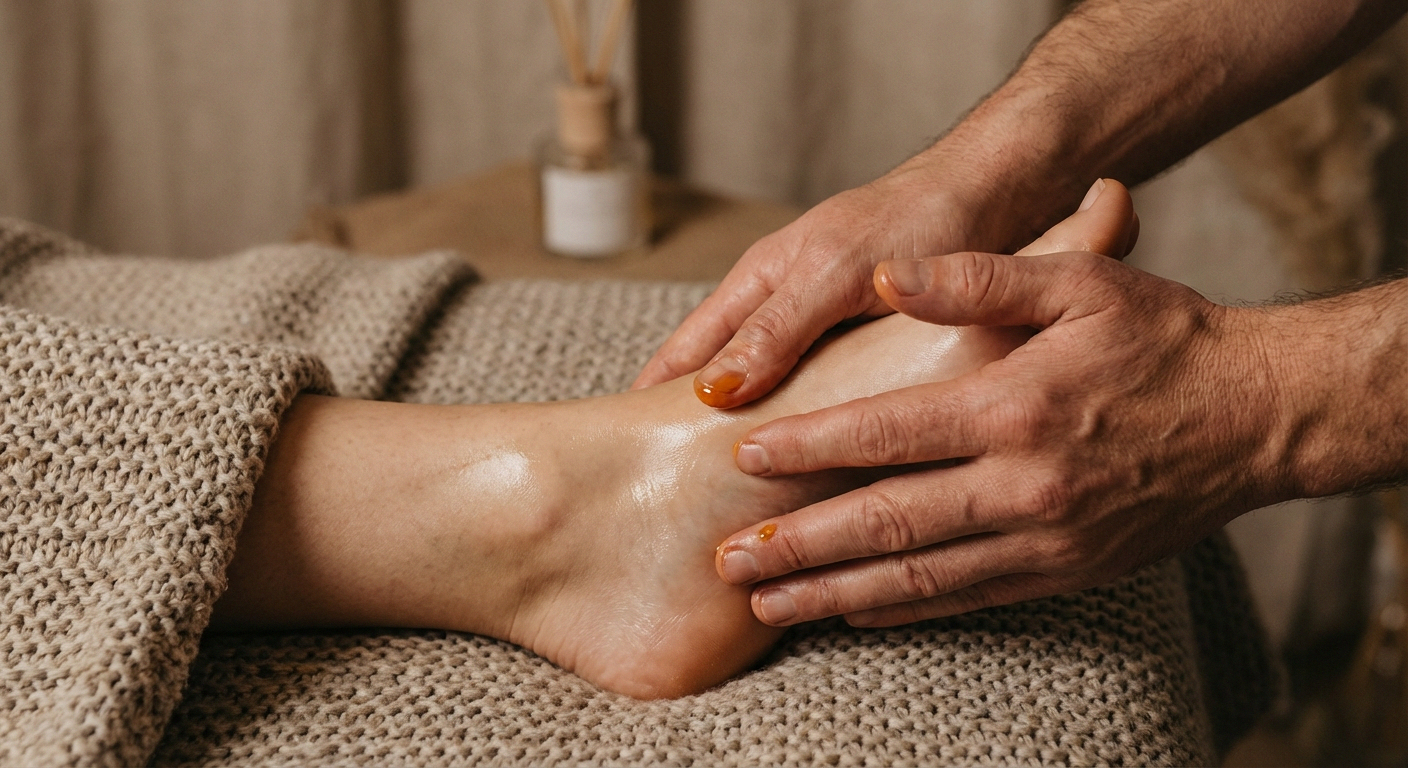
Gently massage diluted blend into the affected area. For feet, apply at bedtime and cover with soft cotton socks to enhance overnight absorption. You can also add 3–5 drops (mixed into Epsom salts first) to a warm foot soak for combined benefits.
How do you use essential oils for neuropathy?
Topical application is the most effective method for neuropathy. Mix your oils with carrier oil, gently massage into the affected area, and apply 2–3 times daily. For feet, applying before bed with soft cotton socks enhances absorption overnight.
Aromatic use works well for relaxation and sleep — add 5–7 drops to a diffuser or place 2–3 drops on a cotton ball near your pillow.
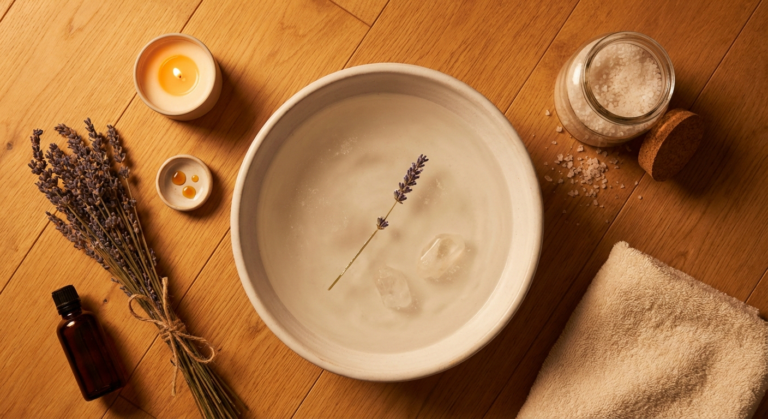
In foot soaks — one of my favorite combinations. Adding essential oils to a warm foot soak gives you warm water circulation plus therapeutic oil benefits. Add 3–5 drops mixed with a tablespoon of carrier oil or Epsom salts first (oils don't dissolve in water alone).
DIY Essential Oil Blend for Neuropathy Relief
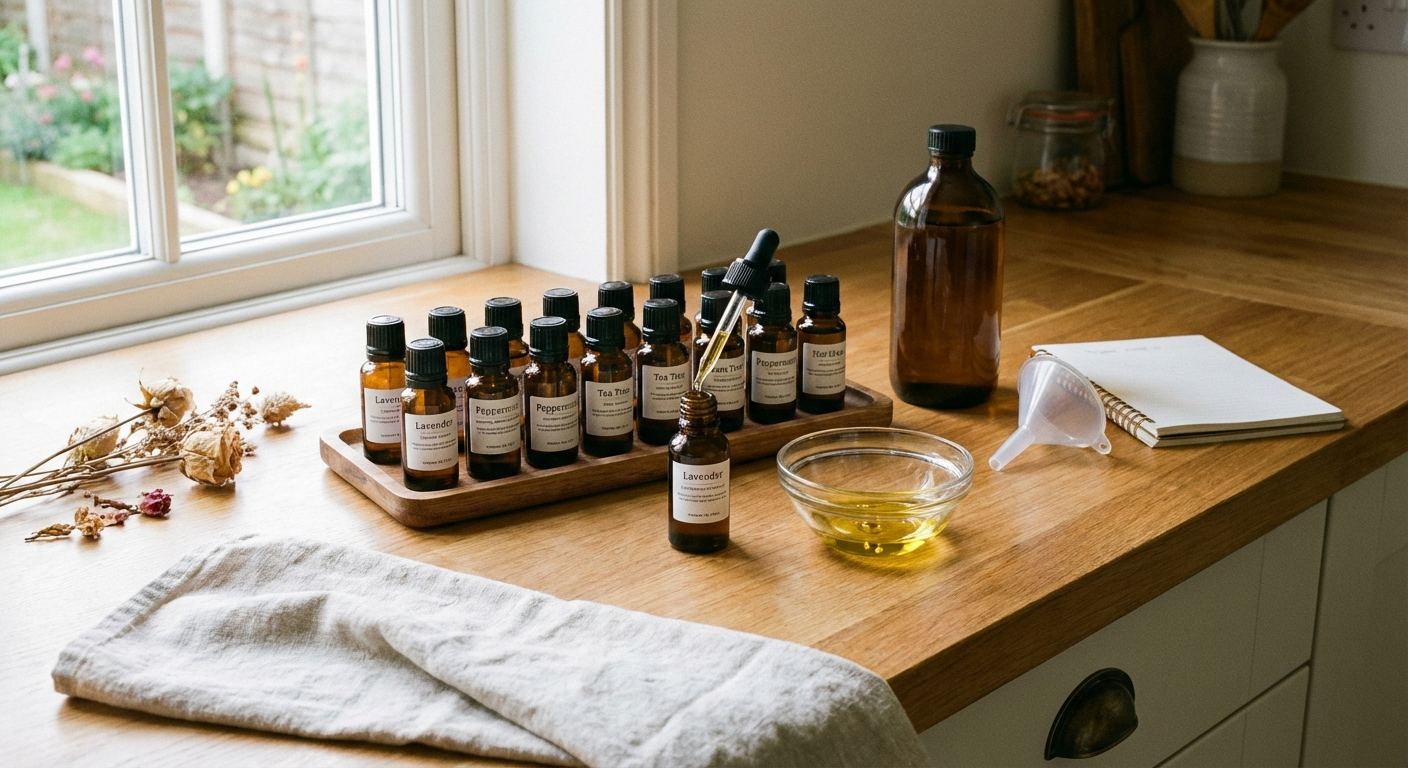
Here's a blend that combines cooling, anti-inflammatory, and calming properties. I've heard from several people in my group who use something similar:
Neuropathy Relief Blend Recipe
Mix in a dark glass bottle. Apply to affected areas 2–3 times daily. Store in a cool, dark place — essential oils degrade in heat and light. Nighttime variation: swap peppermint for eucalyptus (milder cooling) and increase lavender to 7 drops if peppermint is too stimulating before sleep.
Essential Oils vs. Neuropathy Creams: How They Compare
If you've already looked into neuropathy creams, you might wonder how essential oils stack up.
💊 Neuropathy Creams
- Standardized dosing every time
- More clinical evidence (capsaicin, lidocaine)
- May be covered by insurance
- Consistent formulations across batches
- No mixing or blending required
🌿 Essential Oils
- Fully customizable blends
- Generally less expensive long-term
- Dual benefit: topical + aromatherapy
- No prescription needed
- Variable quality — buy from reputable brands
My honest take: they complement each other. Many people use capsaicin or lidocaine cream as primary treatment and add essential oil blends for extra relief — especially at night.
Who Should Avoid Essential Oils
Essential oils are generally safe when properly diluted, but they're not for everyone:
Are essential oils safe for diabetics?
Most are safe with proper dilution, but diabetic skin can be thinner and more injury-prone — start at 1% concentration. Never apply to open wounds, ulcers, or cracked skin. If you have reduced sensation, check the area visually after use since you may not feel irritation.
Use Caution or Avoid If You Are
- Pregnant or nursing — some oils (rosemary, peppermint) may not be safe
- On blood thinners — frankincense and eucalyptus may have mild blood-thinning effects
- Living with epilepsy — eucalyptus and rosemary may lower seizure threshold
- A pet owner — many oils are toxic to cats and dogs in diffusers; use topically instead
- Caring for children under 6 — peppermint can cause breathing issues in young children
- Diabetic with open wounds or ulcers — never apply to broken or compromised skin
When in doubt, mention essential oil use to your doctor — especially if you're using prescription topical treatments.
What the Research Actually Shows
I want to be straight with you about the state of the evidence, because I think you deserve honesty more than hype.
What we know: Menthol (peppermint) has clear evidence for topical neuropathic pain relief. Geranium oil has a study showing benefit specifically for neuropathic pain. Multiple oils have documented anti-inflammatory and analgesic properties, and essential oil molecules do penetrate the skin.
What we don't know: Large-scale randomized controlled trials are mostly lacking. Optimal dosing hasn't been standardized. We can't say with certainty how much benefit is pharmacology versus placebo and relaxation effects.
The bottom line: Essential oils sit in a gray zone — more than folk medicine, less than proven treatment. They're a low-risk addition that provides real relief for many people. At worst, you'll smell nice. At best, you'll find meaningful pain reduction and better sleep.
If you're trying to figure out the full picture of what's going on with your symptoms, my symptom assessment tool can help you organize your experiences before your next doctor's appointment.
Don't dismiss essential oils — but don't bet everything on them either. Use them as part of a comprehensive approach, and keep working with your healthcare team on the bigger picture.
Take care of yourself,
Janet
Frequently Asked Questions
About the Author