I still remember the afternoon I first heard about turmeric for neuropathy. I was sitting in a support group meeting — the kind where everyone has that same weary look from too many sleepless nights and too many medications that didn't quite work. A woman named Diane pulled a small amber bottle from her purse and said, “This has changed my mornings.” It was a curcumin supplement.
Now, I'll be honest with you. After years of living with neuropathy and talking with thousands of people in our community, I've learned to be cautiously optimistic about any supplement that promises relief. I've seen too many “miracle cures” come and go. But turmeric? The more I dug into the research, the more I realized this golden spice deserves a closer look — not as a cure, but as one more tool that may genuinely help some of us manage nerve pain.
So let's talk about what the science actually says, what the limitations are, and how to use turmeric safely if you and your doctor decide it's worth trying.
What Exactly Is Curcumin (and How Is It Different from Turmeric)?
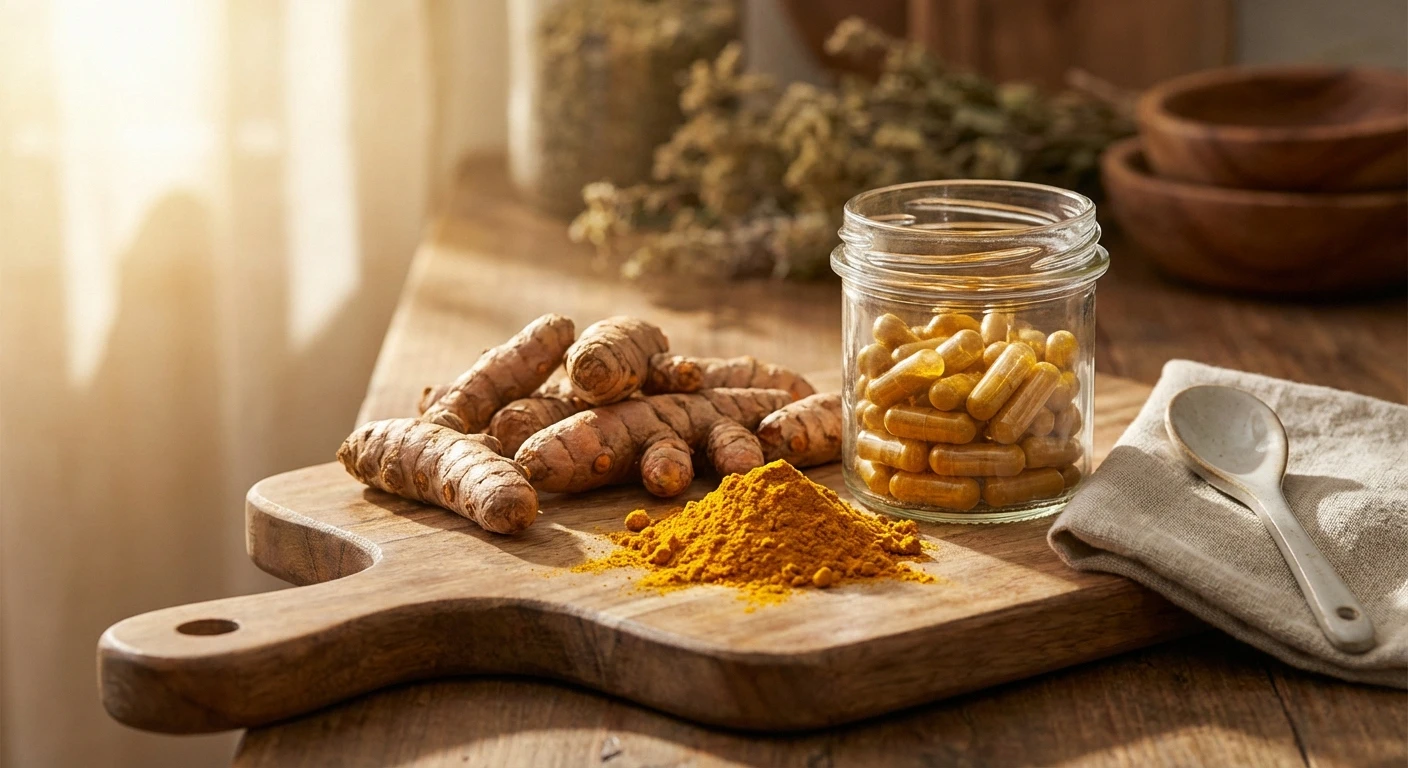
Before we go any further, let's clear up a common confusion. Turmeric is the bright yellow-orange spice you've probably seen in curry dishes — it comes from the root of the Curcuma longa plant, which is related to ginger. Curcumin is the specific compound inside turmeric that researchers believe is responsible for most of its health benefits.
Turmeric vs. Curcumin
Turmeric is the whole spice; curcumin is the active compound responsible for most health benefits. Turmeric only contains 2–5% curcumin by weight — that's why concentrated supplements are typically more effective than sprinkling turmeric on your food.
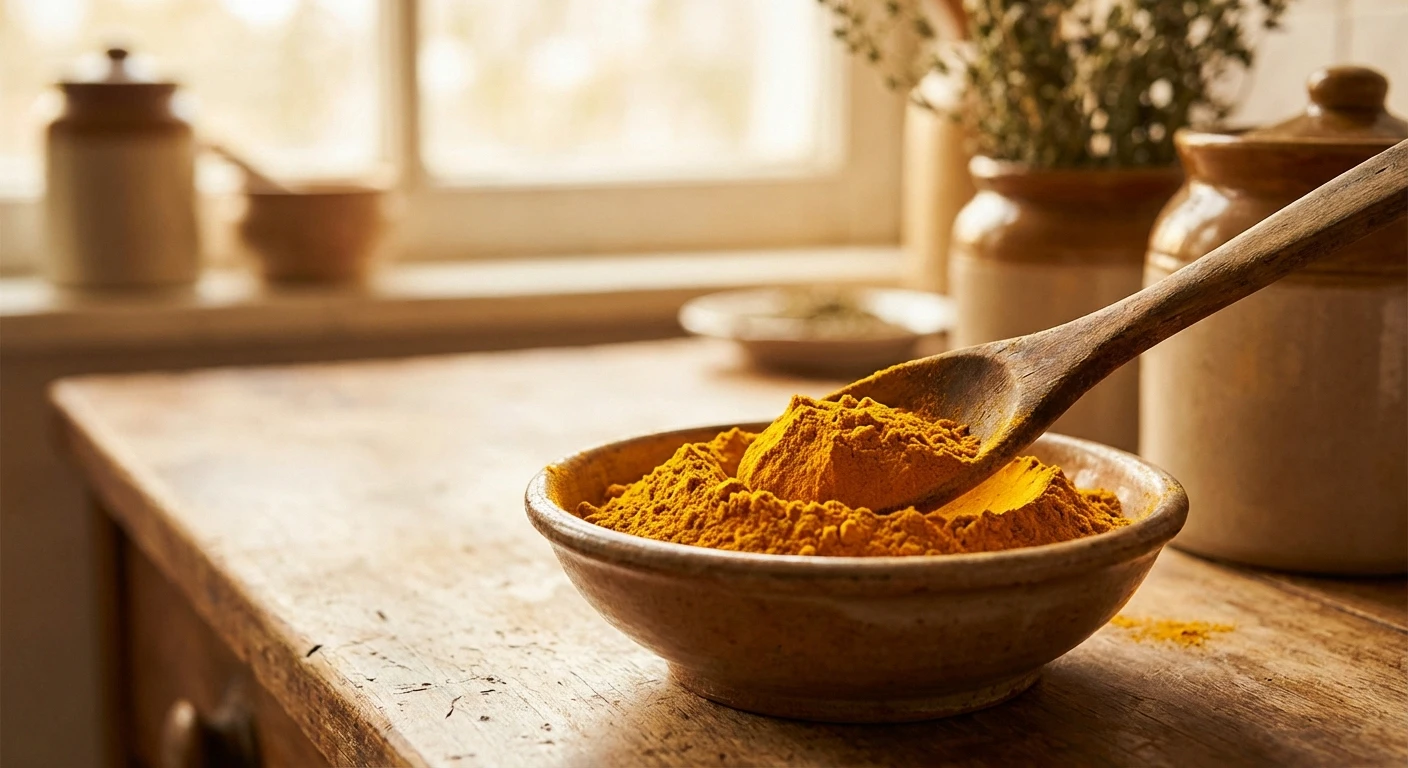
Here's the thing many people don't realize: turmeric only contains about 2–5% curcumin by weight. That means if you sprinkle a teaspoon of turmeric on your food, you're getting a very small amount of the active compound. This is why most studies — and most supplements — use concentrated curcumin extracts rather than plain turmeric powder.
Turmeric also contains other beneficial compounds called curcuminoids (demethoxycurcumin and bisdemethoxycurcumin), along with volatile oils that may have their own health properties. But curcumin is the star of the show when it comes to research on inflammation and nerve pain.
When you see products labeled “turmeric supplement,” check the label carefully. What matters most is the curcumin content, not just the total turmeric amount. I've learned this the hard way after recommending products to friends who weren't getting the results they expected — only to discover their supplement had very little actual curcumin.
Why Inflammation Matters for Neuropathy (and How Curcumin Fights It)
If you've been living with neuropathy, your doctor may have mentioned inflammation as part of the problem. But what does that actually mean for your nerves?
Research Snapshot
A 2025 review concluded that curcumin “measurably reduces markers of oxidative stress and inflammatory cytokines, while significantly alleviating neuropathic pain and improving nerve function” — though most evidence still comes from animal models and small human trials.
Chronic, low-grade inflammation is like a slow fire burning inside your body. In neuropathy, this inflammation can directly damage nerve fibers, disrupt the protective myelin sheath around nerves, and amplify pain signals. Your body produces inflammatory molecules — things like cytokines, prostaglandins, and tumor necrosis factor alpha (TNF-α) — that are supposed to help you heal from injuries. But when inflammation becomes chronic, these same molecules start causing harm.
This is where curcumin gets interesting. Research shows that curcumin may work as a natural anti-inflammatory through several pathways:
- Blocking NF-κB: This is a protein complex that acts like a master switch for inflammation. When NF-κB is activated, it triggers the production of dozens of inflammatory compounds. Curcumin appears to inhibit NF-κB activation, potentially turning down the volume on chronic inflammation.
- Reducing COX-2 expression: You've probably heard of COX-2 — it's the same enzyme that drugs like ibuprofen and celecoxib target. Curcumin may suppress COX-2, which reduces the production of prostaglandin E2, a compound that directly stimulates nerve endings and triggers pain signals.
- Lowering TNF-α and interleukins: These inflammatory molecules are found at elevated levels in people with neuropathic pain. Curcumin may help reduce their concentration in the bloodstream.
I want to be clear: I'm not a medical professional, and I'm not suggesting curcumin can replace your prescribed medications. But understanding why researchers are excited about it helps us have better conversations with our doctors about whether it belongs in our personal management plans. If you're exploring natural remedies for peripheral neuropathy, understanding these inflammatory pathways is an important first step.
What Does the Research Say About Curcumin and Nerve Pain?
Let me walk you through what the science looks like right now — the promising parts and the limitations.
Animal and Laboratory Studies
The majority of research on curcumin and neuropathy has been conducted in animal models, and the results have been genuinely encouraging:
- A 2014 study published in PLoS ONE found that curcumin alleviated neuropathic pain in rats by inhibiting a specific enzyme (p300/CBP histone acetyltransferase) that regulates the expression of pain-related genes including BDNF and COX-2.
- A 2023 study showed that turmeric bioactive compounds reduced mechanical hypersensitivity in rats with spinal nerve injuries by suppressing glial activation and improving mitochondrial function.
- Research published in Scientific Reports demonstrated that curcumin reduced both mechanical and cold allodynia (pain from normally non-painful stimuli) in a dose-dependent manner by lowering spinal inflammation.
- A 2013 study found that curcumin given during the early stages of peripheral neuropathy could actually prevent the development of chronic neuropathic pain by suppressing ERK and JNK activation — enzymes associated with pain signaling.
Human Clinical Evidence
Here's where we need to temper our enthusiasm. While the animal research is compelling, human studies specifically on curcumin for neuropathy are still limited:
- A 2025 double-blind randomized clinical trial found that oral curcumin reduced the incidence of vincristine-induced peripheral neuropathy in pediatric leukemia patients — one of the first clinical trials directly testing curcumin for chemotherapy-induced neuropathy.
- A comprehensive 2021 review in the International Journal of Molecular Sciences analyzed curcumin's effects across multiple studies of neuropathic and postoperative pain. The researchers found consistent evidence of pain reduction but noted that most evidence still comes from preclinical models.
- A 2025 review in Diabetology & Metabolic Syndrome specifically examined curcumin for diabetic neuropathy, concluding that it “measurably reduces markers of oxidative stress and inflammatory cytokines, while significantly alleviating neuropathic pain and improving nerve function.”
The honest assessment? The science is promising but not yet definitive for human neuropathy. Most studies have been small and short-term (3–8 weeks). We need larger, longer clinical trials before anyone can say with certainty that curcumin “works” for neuropathy. But the biological mechanisms are well-established, and the early clinical results are encouraging enough that many researchers — and many of us in the neuropathy community — think it's worth discussing with your healthcare provider.
The Bioavailability Problem: Why Plain Turmeric Might Not Be Enough
Here's something I wish someone had told me years ago: your body is terrible at absorbing curcumin.
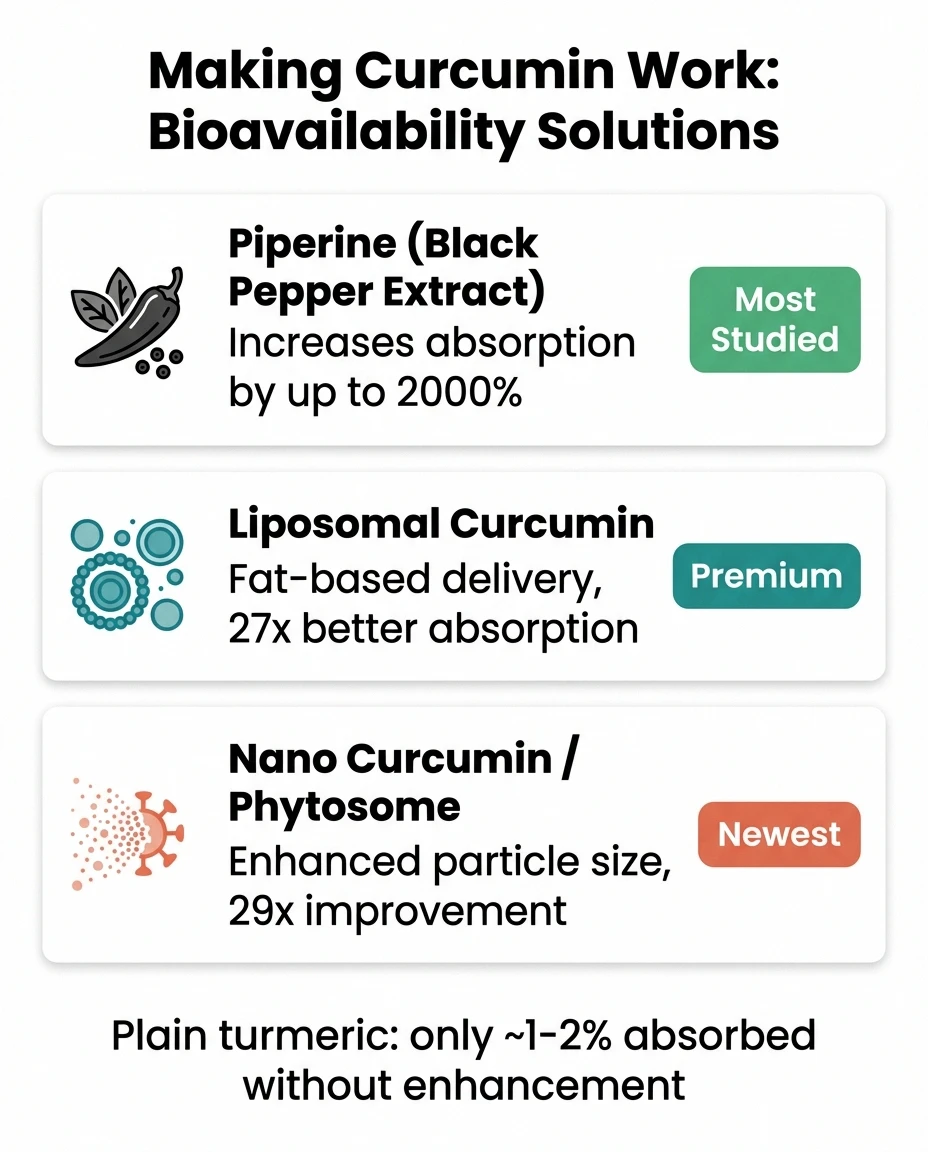
This is probably the single most important thing to understand about using turmeric for neuropathy. Curcumin has notoriously poor bioavailability — meaning that when you swallow it, very little actually makes it into your bloodstream where it can do any good. Your body metabolizes it rapidly, and most of it passes through your digestive system without being absorbed.
This is actually a major focus of current research. As one review paper noted, curcumin has “very low bioavailability and a very fast metabolism,” which means “very high doses are required to achieve therapeutic effects.”
Fortunately, researchers have identified several strategies to dramatically improve absorption:
Piperine (Black Pepper Extract)
This is the most well-known and affordable solution. Piperine, the active compound in black pepper, can increase curcumin absorption by up to 2,000% according to some studies. It works by inhibiting certain enzymes in your gut and liver that normally break down curcumin before it can be absorbed. Most quality curcumin supplements now include piperine (often listed as BioPerine® on labels).
potential increase in curcumin absorption when combined with piperine (black pepper extract)
My tip: If you're cooking with turmeric, always add a generous crack of black pepper. It's not just good flavor — it's good science.
Liposomal Curcumin
Liposomal formulations wrap curcumin molecules in tiny fat bubbles (liposomes) that protect them through digestion and help them cross into your bloodstream. Some studies suggest liposomal curcumin may be absorbed significantly better than standard curcumin, even without piperine.
Nano-Curcumin
This newer technology breaks curcumin into extremely small particles (nanoparticles) that are more easily absorbed. The 2025 diabetic neuropathy review noted that “advancements in nano formulations and delivery systems have significantly improved its pharmacokinetic profile, enhancing its clinical applicability.”
Taking Curcumin with Fats
Curcumin is fat-soluble, which means it absorbs better when consumed with dietary fats. Taking your supplement with a meal that contains healthy fats — olive oil, avocado, nuts — can make a meaningful difference in how much your body actually uses.
The bottom line on bioavailability: if you're serious about trying curcumin for neuropathy, a quality supplement with an absorption-enhancing strategy will likely be far more effective than simply adding turmeric powder to your meals. That said, dietary turmeric still has value as part of an overall anti-inflammatory diet for neuropathy.
Dosage: How Much Curcumin Should You Consider?
I get this question constantly in our community, and I always start with the same answer: talk to your doctor first, because the right dose depends on your specific situation, other medications, and overall health.
That said, here's what the research and supplement guidelines generally suggest:
- General supplementation: Most curcumin supplements recommend 500–1,000 mg of curcumin per day, typically split into two doses.
- Clinical study doses: Research studies have used a wide range, from 500 mg to 2,000 mg of curcumin daily. Some cancer-related studies have tested up to 3,600 mg, but only under medical supervision.
- Upper guideline: Most experts suggest staying below 2,000 mg per day unless your healthcare provider recommends otherwise.
- Starting approach: Many practitioners suggest starting at a lower dose (500 mg daily) and gradually increasing while monitoring how you feel.
Important notes on dosage:
- These doses refer to curcumin content, not total turmeric. A 500 mg turmeric capsule might contain only 25 mg of curcumin.
- Enhanced-absorption formulations (liposomal, nano) may be effective at lower doses because more curcumin actually reaches your bloodstream.
- Consistency matters more than dose size. Taking curcumin regularly over weeks is more likely to produce benefits than occasional large doses.
- If you're already taking other neuropathy supplements like alpha-lipoic acid, discuss the combination with your doctor to avoid interactions and ensure you're not overdoing it on antioxidants.
Forms of Turmeric: Powder, Capsules, Golden Milk, and More
One of the things I love about turmeric is its versatility. Whether you prefer supplements or a warm cup of something soothing before bed, there are multiple ways to incorporate it into your routine.
💊 Curcumin Capsules
Most practical for therapeutic doses. Choose 95% curcuminoids with piperine or liposomal delivery for best absorption.
☕ Golden Milk
Comforting evening ritual. Milk + turmeric + black pepper + cinnamon. The fat and piperine boost absorption naturally.
🥄 Powder/Fresh Root
Great for cooking. Lower curcumin content (2–5%) but broader range of beneficial compounds. Best as part of an anti-inflammatory diet.
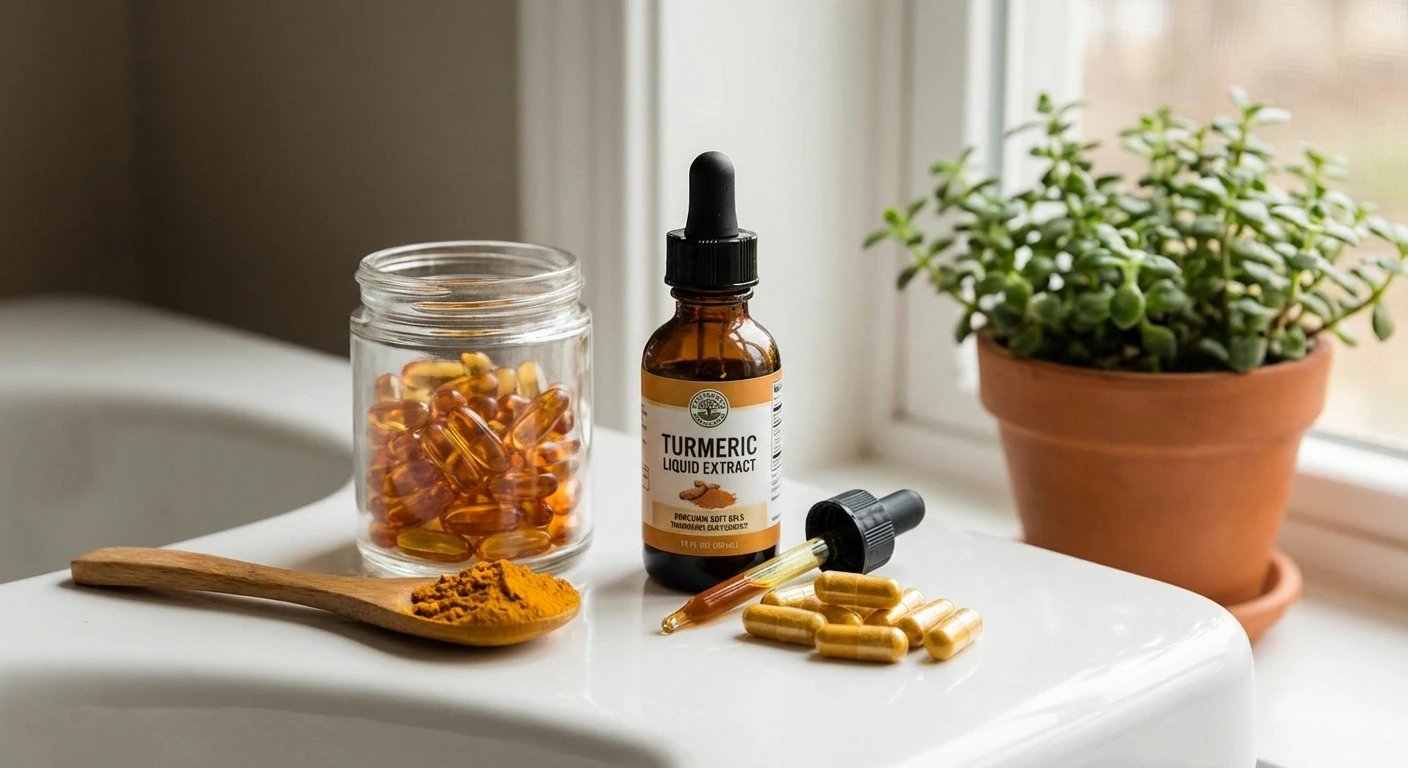

Curcumin Capsules and Softgels
This is the most practical option if you want a consistent, therapeutic dose. Look for products that contain standardized curcumin extract (typically 95% curcuminoids) with an absorption enhancer like piperine, phospholipids, or liposomal delivery. Capsules make it easy to track your dosage and take consistently.
Turmeric Powder
The kitchen staple. Ground turmeric is wonderful for cooking and adds beautiful color and earthy flavor to dishes. However, remember that turmeric powder contains only 2–5% curcumin, so you'd need to consume very large amounts to reach therapeutic levels. It's better thought of as a healthy dietary habit rather than a treatment strategy.
Golden Milk (Turmeric Latte)
This has become one of my favorite evening rituals. Golden milk is traditionally made by warming milk (dairy or plant-based) with turmeric, black pepper, a touch of honey, and sometimes cinnamon and ginger. The combination of fat from the milk and piperine from the pepper actually helps with curcumin absorption.
Here's my simple recipe: Heat one cup of milk with ½ teaspoon turmeric powder, a pinch of black pepper, ½ teaspoon cinnamon, a small piece of fresh ginger (or ¼ teaspoon ground), and a drizzle of honey. It's comforting, anti-inflammatory, and has become a nightly ritual for many in our community.
Fresh Turmeric Root
Available in many grocery stores, fresh turmeric root looks like a smaller, more orange version of ginger root. You can grate it into smoothies, stir-fries, soups, and teas. Fresh turmeric contains a broader range of beneficial compounds than dried powder, including volatile oils that may have their own anti-inflammatory properties.
Fair warning: Fresh turmeric will stain everything it touches — your hands, cutting boards, countertops, and clothes. I learned this lesson the dramatic way.
Topical Turmeric Creams
Some people use turmeric-infused creams or oils applied directly to areas of neuropathic pain, particularly in the hands and feet. While there's less research on topical curcumin specifically for neuropathy, it may provide localized relief for some people as a complement to oral supplementation.
Drug Interactions and Safety Concerns
This is the section I take most seriously, because too many supplement articles gloss over safety. Turmeric in food amounts is generally considered safe for most people. But concentrated curcumin supplements are a different story, and they can interact with several common medications.
Blood Thinners
Curcumin has natural blood-thinning properties. If you're taking anticoagulants like warfarin (Coumadin), heparin, or antiplatelet drugs like clopidogrel (Plavix) or even daily aspirin, adding curcumin supplements could increase your bleeding risk. This is one of the most important interactions to discuss with your doctor.
Important Drug Interactions
Curcumin may amplify blood thinners (warfarin, Plavix), lower blood sugar with diabetes medications, and interact with chemotherapy drugs. If you take any prescription medications, talk to your doctor before adding curcumin supplements. Dietary amounts of turmeric in cooking are generally not a concern.
Diabetes Medications
Curcumin may lower blood sugar levels. If you're taking insulin or oral diabetes medications, adding curcumin could potentially cause blood sugar to drop too low (hypoglycemia). This is especially relevant since diabetic neuropathy is one of the most common forms of neuropathy — many people interested in curcumin for nerve pain are also managing diabetes. If that's you, close monitoring of your blood sugar is essential. For more on how nutrition plays a role, visit our guide on vitamin deficiency and neuropathy.
Chemotherapy Drugs
While the research on curcumin reducing chemotherapy-induced neuropathy is exciting, curcumin may also interact with certain chemotherapy agents. Some studies suggest it could either enhance or reduce the effectiveness of specific drugs. If you're undergoing cancer treatment, absolutely do not start curcumin without your oncologist's approval.
Other Interactions
Curcumin may also interact with:
- Acid-reducing medications (it may increase stomach acid production)
- Immunosuppressive drugs
- Certain antibiotics
- Drugs metabolized by the liver's CYP450 enzymes (curcumin can affect how your liver processes other medications)
Who Should Avoid or Be Cautious with Turmeric Supplements
While turmeric is generally well-tolerated, certain people should exercise extra caution or avoid concentrated curcumin supplements altogether:
- People with gallbladder disease: Curcumin stimulates bile production, which can be problematic if you have gallstones or bile duct obstruction.
- Those prone to kidney stones: Turmeric is high in oxalates, which can contribute to kidney stone formation in susceptible individuals.
- Pregnant and breastfeeding women: While culinary amounts are fine, high-dose curcumin supplements haven't been adequately studied for safety during pregnancy.
- People scheduled for surgery: Because of its blood-thinning effects, most surgeons recommend stopping curcumin supplements at least two weeks before any scheduled procedure.
- People with iron deficiency: Curcumin may inhibit iron absorption, which could be a concern if you're already low in iron.
- Those with GERD or stomach ulcers: High doses of curcumin can irritate the stomach lining in some people.
When side effects do occur with curcumin supplements, they're typically mild and may include stomach upset, nausea, diarrhea, or dizziness. These are more common at higher doses.
Understanding the Bigger Picture: Curcumin as Part of Your Neuropathy Toolkit
After years of following this research and hearing from hundreds of people in our community who have tried curcumin, here's my honest take:
Getting the Most from Curcumin
Choose a supplement with proven bioavailability enhancement (piperine, liposomal, or phospholipid complex). Take 500–1,000 mg curcumin daily with meals containing healthy fats. Give it 4–8 weeks of consistent use before evaluating. And always keep your doctor in the loop.
Curcumin is not a magic bullet for neuropathy. Nothing is. But it's also not hype — the science behind its anti-inflammatory, antioxidant, and neuroprotective properties is real and growing. For some people, it becomes a meaningful part of their management strategy alongside other approaches.
What I've observed in our community is that the people who get the most benefit from curcumin tend to:
- Use a quality supplement with good bioavailability (not just cheap turmeric powder in a capsule)
- Take it consistently for at least 4–8 weeks before evaluating results
- Combine it with other evidence-based strategies — proper nutrition, appropriate supplements, movement, and medical care
- Have realistic expectations (reduced inflammation and modest pain improvement, not a complete cure)
- Keep their doctor informed about everything they're taking
If you're in the early stages of neuropathy, the research suggesting curcumin may help prevent progression to chronic pain is particularly interesting. It's yet another reason to have that conversation with your healthcare team sooner rather than later.
Frequently Asked Questions
The Bottom Line on Turmeric for Neuropathy
When Diane showed me that amber bottle at our support group all those years ago, I didn't know what to make of it. Today, after following the research, talking with healthcare providers, and hearing from hundreds of community members, I can say this: turmeric and curcumin aren't hype — but they're not a guaranteed solution either.
The science behind curcumin's anti-inflammatory, antioxidant, and neuroprotective properties is solid and growing. The animal research is compelling. The human clinical trials, while still limited, are heading in an encouraging direction. And the safety profile, for most people, is reassuring.
If you're considering adding curcumin to your neuropathy management approach, here's my advice from years as a patient advocate:
- Talk to your doctor first — especially if you take blood thinners, diabetes medications, or are undergoing chemotherapy.
- Choose a quality supplement with proven bioavailability enhancement (piperine, liposomal, or phospholipid complex).
- Give it time — at least 4–8 weeks of consistent use before evaluating.
- Keep your expectations realistic — you're looking for reduced inflammation and potentially less pain, not a cure.
- Don't abandon what's already working — curcumin works best as part of a comprehensive approach, not a replacement for medical care.
Your neuropathy journey is unique, and what helps one person may not help another. But having more options — and understanding those options well enough to make informed decisions — is always a good thing. That's what we're here for.
This article is for informational purposes only and does not constitute medical advice. Always consult with a qualified healthcare provider before starting any new supplement, especially if you have existing health conditions or take medications.
About the Author