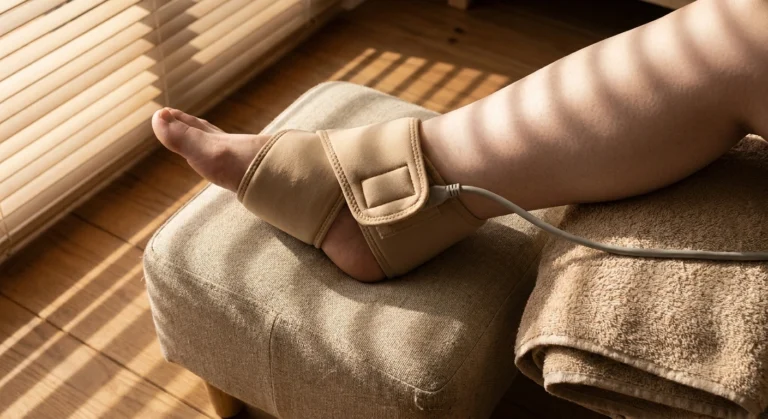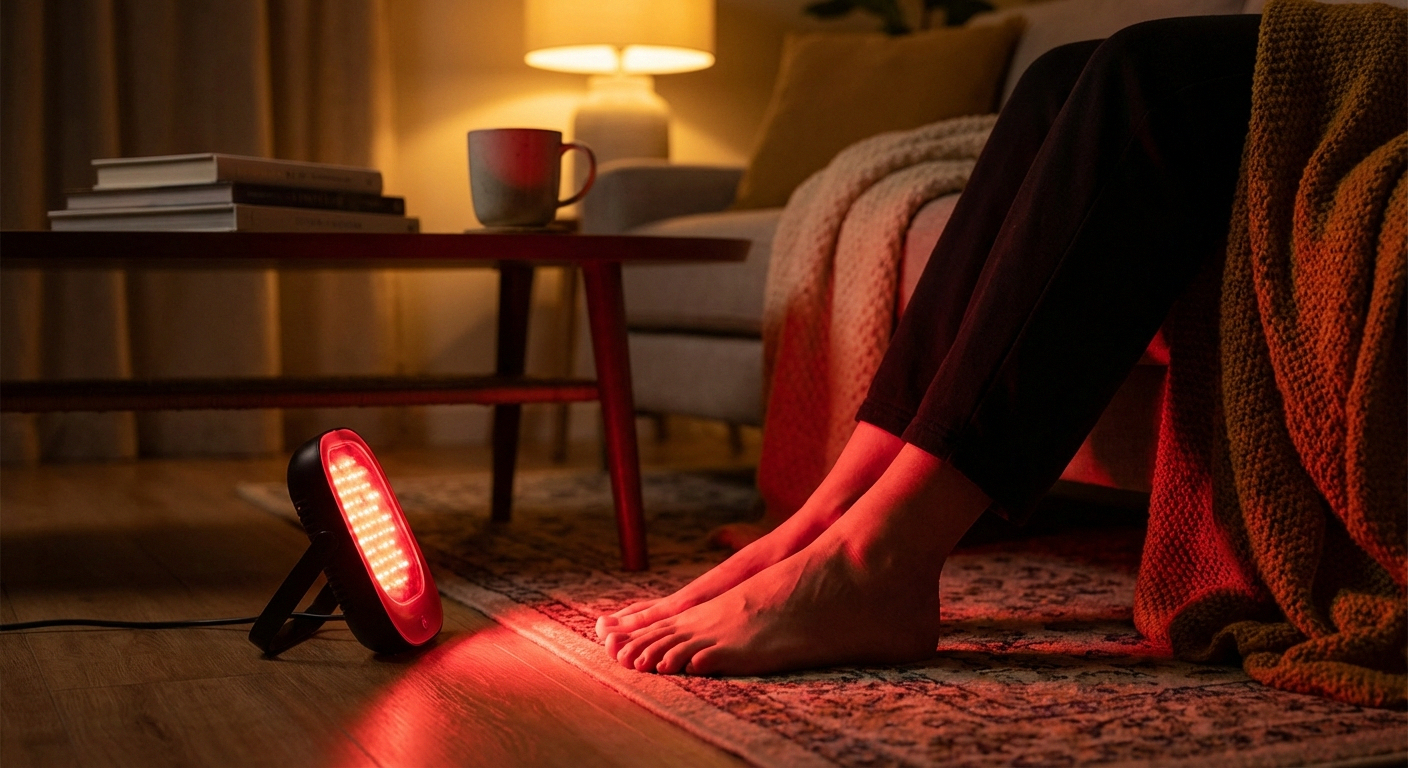
A few years ago, a reader named Donna sent me an email that stuck with me. She’d been living with diabetic neuropathy for almost eight years — the burning feet, the tingling that kept her up at night, the feeling that her socks were made of sandpaper. She’d tried just about everything her doctor suggested, but the medications made her dizzy and foggy, and the numbness kept creeping further up her legs.
Then she mentioned something I hadn’t heard much about at the time: red light therapy. She’d started using a device at her chiropractor’s office and, after a few weeks, noticed that the burning in her feet had dialed down from “constant” to “occasional.” She wasn’t claiming a miracle — she was just asking me, Is there actually science behind this?
That question sent me down a research rabbit hole. And honestly? What I found was more encouraging than I expected — though with some important caveats. If you’re curious about whether red light therapy may help with neuropathy symptoms, here’s what the research actually shows, explained in plain language.
What Is Red Light Therapy (and What Does It Have to Do with Nerves)?
Red light therapy — also known as photobiomodulation (PBM) or low-level light therapy (LLLT) — uses specific wavelengths of red and near-infrared light to stimulate activity inside your cells. Unlike ultraviolet light from the sun, which can damage skin, red light therapy uses wavelengths that penetrate the skin without burning or heating it.
The wavelengths used typically fall into two ranges: red light (around 630–660 nanometers) and near-infrared light (around 810–850 nanometers). According to a 2022 protocol published in BMJ Open, these wavelengths are absorbed by an enzyme in your mitochondria called cytochrome c oxidase. When that enzyme absorbs the light, it may boost production of adenosine triphosphate (ATP) — the energy currency your cells use to repair themselves, reduce inflammation, and function normally.
Think of it this way: if your nerve cells are running low on fuel, red light therapy may be like giving them a gentle recharge. It’s not a drug. It doesn’t mask symptoms. The idea is that it supports your body’s own repair processes from the inside out.
If you’re exploring non-medication approaches to nerve pain, you might also be interested in our guide to natural remedies for peripheral neuropathy pain, which covers several complementary options.
How Red Light Therapy May Help Neuropathy: The Key Mechanisms
Researchers have identified several ways that red light therapy may benefit people living with neuropathy. None of these are guaranteed outcomes — the science is still evolving — but the mechanisms are well-documented in laboratory and clinical studies.
Boosting Cellular Energy Production
Nerve cells are among the most energy-hungry cells in your body. A 2025 study published in Frontiers in Endocrinology confirmed that when mitochondrial energy production drops by more than 40%, nerve cells can no longer function properly. This is a core issue in conditions like diabetic neuropathy, where chronically high blood sugar gradually impairs the mitochondria inside nerve cells.
Red light therapy targets this problem directly. By stimulating cytochrome c oxidase in the mitochondria, it may increase ATP production by 30–40%, giving struggling nerve cells the energy they need to maintain signaling and begin repair processes.
Supporting Nerve Regeneration
One of the most exciting areas of research involves nerve regeneration. A 2010 study published in the Journal of Reconstructive Microsurgery found that near-infrared LED light improved nerve regeneration and increased antioxidant levels in nerve tissue. The researchers proposed that the antioxidant effects of the light were actually helping to create better conditions for nerves to regrow.
Red light therapy may also stimulate the production of Schwann cells — specialized cells in the peripheral nervous system that form the protective myelin sheath around your nerves. When myelin is damaged (which happens in many forms of neuropathy), nerve signals slow down or get scrambled. Supporting Schwann cell activity may help restore that protective coating over time.
Understanding where you are in the stages of neuropathy can help you gauge whether nerve regeneration therapies like this might be most beneficial for your situation.
Reducing Chronic Inflammation
Inflammation is both a symptom and a driver of neuropathy. When nerves are inflamed, they hurt more and heal less efficiently. A 2017 review by Michael Hamblin at Harvard Medical School documented red light therapy’s ability to reduce chronic inflammation by decreasing pro-inflammatory cytokines while increasing anti-inflammatory compounds.
For people with neuropathy, this dual action — calming inflammation while creating space for nerve repair — may be particularly meaningful. It’s one reason researchers believe red light therapy works best as part of a broader treatment approach rather than as a standalone fix.
Improving Blood Circulation
Poor circulation is a major problem for people with neuropathy, especially in the feet and hands. A 2017 study found that red light therapy stimulates the release of nitric oxide from blood vessels, causing them to dilate. This increased blood flow delivers more oxygen and nutrients to damaged nerve tissue while helping remove waste products that contribute to inflammation.
Better circulation in your feet and lower legs may also support overall neuropathy foot care — something that becomes increasingly important as sensation decreases.
Pain Signal Modulation
Beyond addressing root causes, red light therapy may also help reduce pain signals directly. Research suggests that the therapy may decrease the transmission of pain signals to the brain, providing relief from the burning, stabbing, and aching sensations that make neuropathy so exhausting to live with. This doesn’t mean it numbs your nerves — rather, it may help normalize the overactive pain signaling that characterizes neuropathic pain.
What Does the Clinical Research Show?
Let me be straightforward: while the research on red light therapy for neuropathy is promising, it’s still an emerging field. That said, several recent studies have produced encouraging results that are worth knowing about.
The 2024 Meta-Analysis: 95 Studies Reviewed
One of the most comprehensive reviews to date was a 2024 systematic review published in BMC Neurology that analyzed 95 studies from around the world. The conclusion was clear: photobiomodulation showed superior outcomes when combined with other treatment approaches compared to standalone therapy. The researchers emphasized that red light therapy produces synergistic effects when used alongside medication, physical therapy, and exercise programs.
This is an important finding. It suggests red light therapy isn’t a replacement for your current treatment plan — it may be a valuable addition to it.
The 2025 Randomized Controlled Trial: 200 Patients with Diabetic Neuropathy
A 2025 randomized controlled trial published in Diabetes Research and Clinical Practice studied 200 patients with diabetic neuropathy. Half received real light therapy while the other half received sham (placebo) treatments. Light was applied to the tops and soles of the feet for 18 minutes per day over 10 days.
The results were notable: the treatment group experienced an average pain score decrease of 3.2 points, along with measurable improvements in neuron-specific biomarkers in their blood — meaning the researchers could objectively verify that nerve cells were responding to the treatment, not just that patients felt better subjectively.
Pain score decrease of 3.2 points and measurable improvements in neuron-specific biomarkers — giving researchers objective evidence that nerve cells were actively responding to red light therapy, not just a placebo effect.
If you’re living with diabetic neuropathy specifically, this study is one of the strongest pieces of evidence that red light therapy may offer measurable benefits.
The 2023 Systematic Review on Pain and Nerve Conduction
A 2023 systematic review published in Current Diabetes Reviews analyzed eight studies on photobiomodulation for diabetic peripheral neuropathy. The review concluded that the therapy is “an effective, non-invasive, and cost-efficient means to improve neuropathic pain and altered plantar pressure distribution.” Improvements in nerve conduction velocity were also noted — meaning electrical signals were traveling through nerves more efficiently after treatment.
The NEUROLASER Trial: Preventing Chemotherapy-Induced Neuropathy
Perhaps one of the most interesting studies looked at prevention rather than treatment. The NEUROLASER clinical trial published in Supportive Care in Cancer (2022) studied 32 breast cancer patients undergoing chemotherapy. Those who received photobiomodulation alongside their chemotherapy experienced less worsening of neuropathy symptoms compared to the placebo group.
This is significant because chemotherapy-induced neuropathy affects a huge percentage of cancer patients, and prevention options have historically been very limited.
Red Light vs. Near-Infrared: Which Wavelength Is Better for Neuropathy?
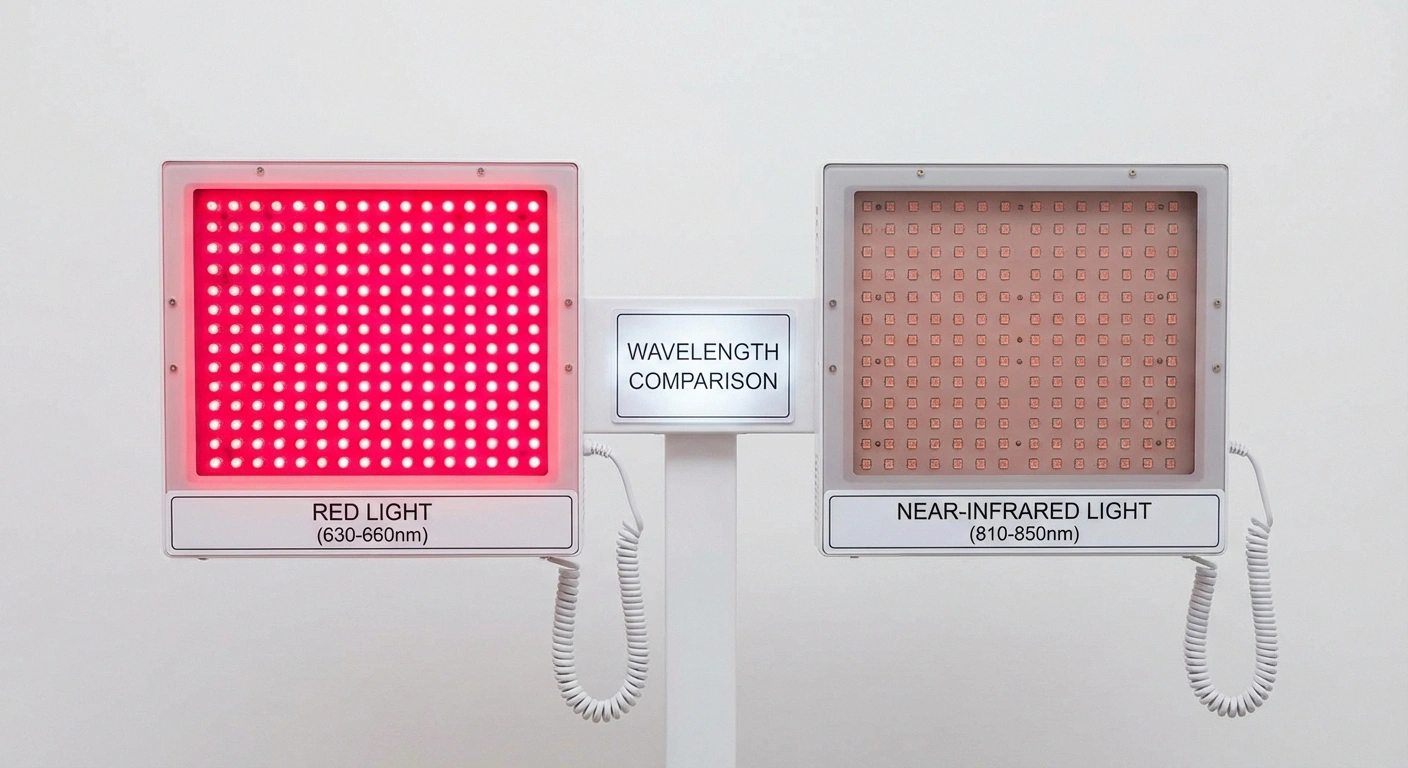
This is one of the most common questions I get, and the answer is: both have value, but they work differently.
- Penetration: Skin & superficial nerves (surface level)
- Best for: Cellular energy boost, improved blood flow, collagen production
- Neuropathy use: Surface-level nerve symptoms affecting skin
- Heat: Minimal — absorbed primarily by cells
- Penetration: Muscles, joints & deep nerve tissue
- Best for: Reaching damaged peripheral nerve pathways deeper in tissue
- Neuropathy use: Deeper nerve damage — often more effective for peripheral neuropathy
- Heat: Stimulates cellular metabolism — not the same as infrared sauna heat
According to neuropathy researcher Michael Hamblin, the “therapeutic window” where light provides the greatest biological benefit falls within red wavelengths of 630–660nm and near-infrared wavelengths of 810–850nm. Many clinical studies use devices that combine both ranges.
One important distinction: near-infrared light is different from mid-infrared or far-infrared (the kind used in infrared saunas). Mid- and far-infrared primarily heat water in your tissues, while near-infrared stimulates cellular metabolism directly without generating significant heat.
What to Expect: Treatment Protocols and Timelines
If you’re considering trying red light therapy for neuropathy, setting realistic expectations is important. This isn’t a one-session miracle — nerves heal slowly, and consistency is key.
Typical Treatment Parameters
Based on the clinical research and treatment protocols used in studies:
- Session length: 10–30 minutes per area treated
- Frequency: 3–5 sessions per week for best results
- Duration: Most studies show improvements beginning at 2–6 weeks, with continued benefits over 8–12 weeks
- Ongoing maintenance: Many practitioners recommend continued use 2–3 times per week to maintain benefits
When You Might Notice Changes
Everyone’s experience is different, but based on what research participants and readers have reported:
When You Might Notice Changes
Some people notice mild improvements in pain levels or warmth in the treated area.
More consistent reduction in burning, tingling, or numbness for many users.
Deeper improvements in sensation and function, particularly with consistent use.
Ongoing nerve regeneration benefits may continue with maintained treatment.
Please keep in mind that these are general timelines. Your results will depend on the type and severity of your neuropathy, how long you’ve had it, and what other treatments you’re using alongside red light therapy. Always discuss new treatments with your doctor before starting.
Safety and Side Effects: What You Should Know
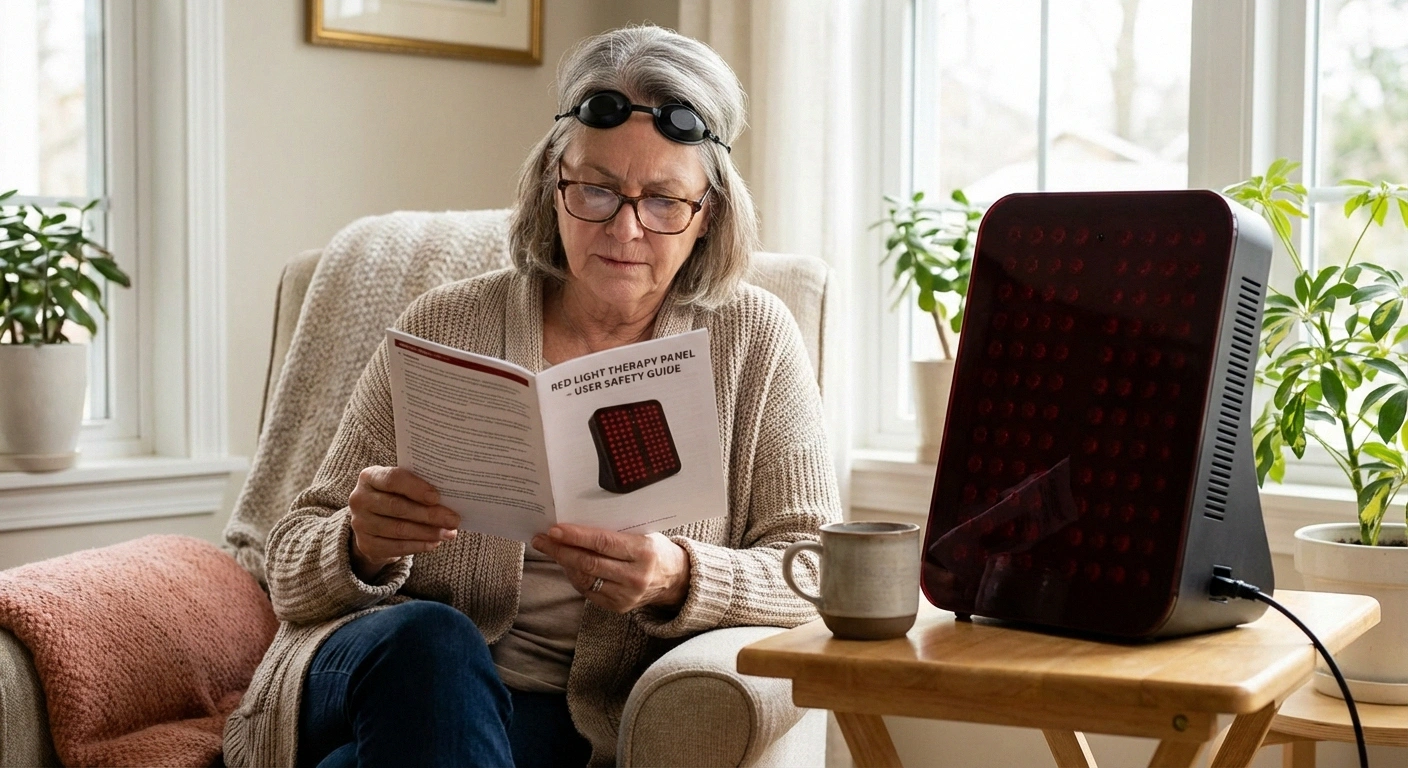
One of the things that makes red light therapy appealing is its safety profile. Unlike medications that often come with drowsiness, dizziness, or digestive issues, red light therapy is non-invasive and generally very well tolerated.
According to clinical studies and safety reviews, there are currently no known serious side effects when red light therapy is used appropriately. However, a few things to be aware of:
- Eye protection: Direct exposure to concentrated light can cause eye discomfort. Wear protective goggles during treatment, especially with panel-style devices
- Skin sensitivity: Some people with particularly sensitive skin may experience mild, temporary redness or warmth. Starting with shorter sessions can help
- Medication interactions: If you take photosensitizing medications (some antibiotics, certain blood pressure drugs), talk with your doctor first
- Not a replacement: Red light therapy should complement, not replace, your prescribed treatment plan
It’s also worth noting that the FDA has not approved any red or infrared light devices specifically for the treatment of neuropathy. Devices are typically cleared for general wellness uses like temporary pain relief and improved circulation — not for treating disease. This doesn’t mean they don’t work, but it’s important to understand the regulatory landscape.
The FDA has not approved any red or infrared light device specifically for treating neuropathy. Devices are cleared for general wellness — temporary pain relief and improved circulation — not disease treatment. Medicare does not currently cover red light therapy for neuropathy. Understanding this regulatory reality helps set appropriate expectations when considering a device purchase.
Using Red Light Therapy at Home vs. Professional Treatment
Red light therapy is available both in clinical settings and through at-home devices. Each approach has its advantages.
Professional Treatment
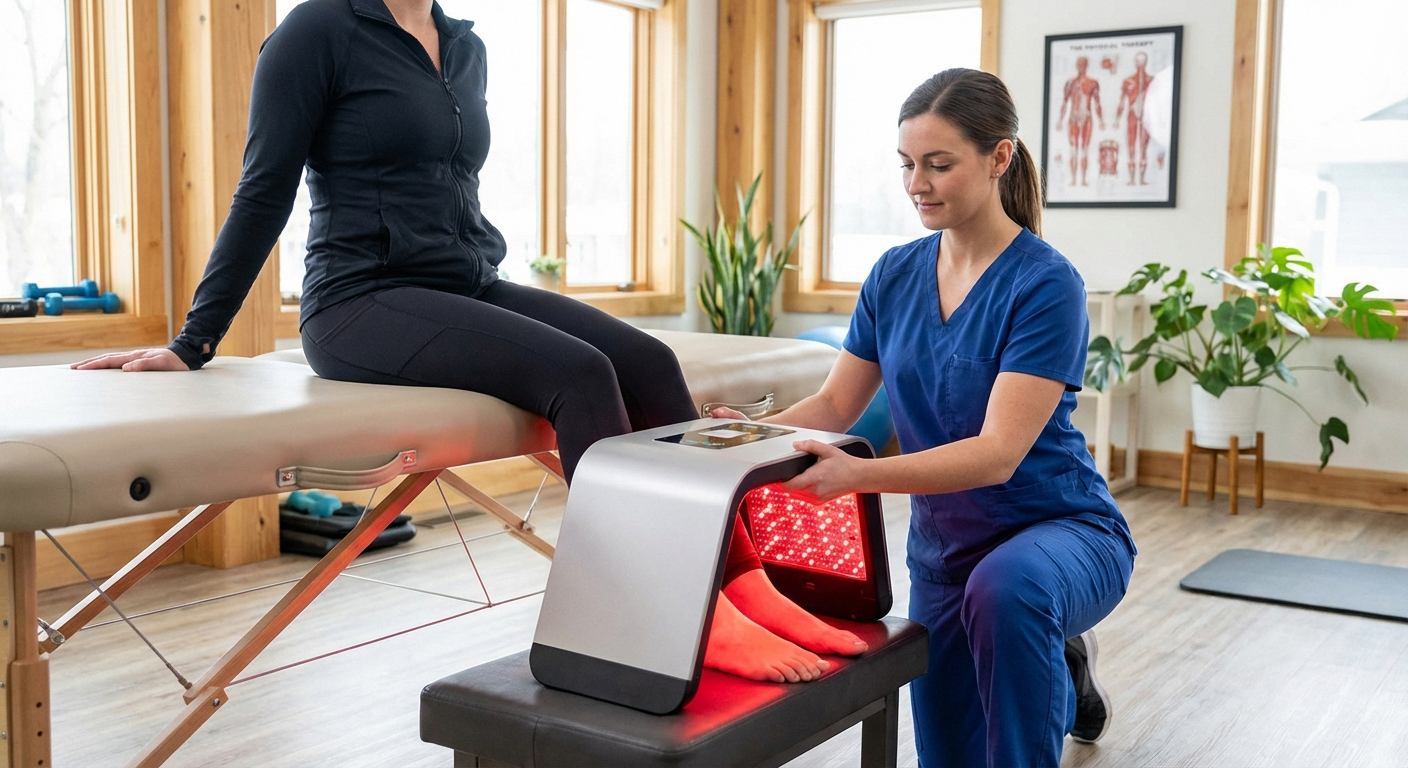
Chiropractors, physical therapists, and some specialty clinics offer red light therapy using medical-grade devices. These tend to deliver higher power output and more precise wavelengths. A professional can also tailor the treatment to your specific type of neuropathy and monitor your progress.
At-Home Devices
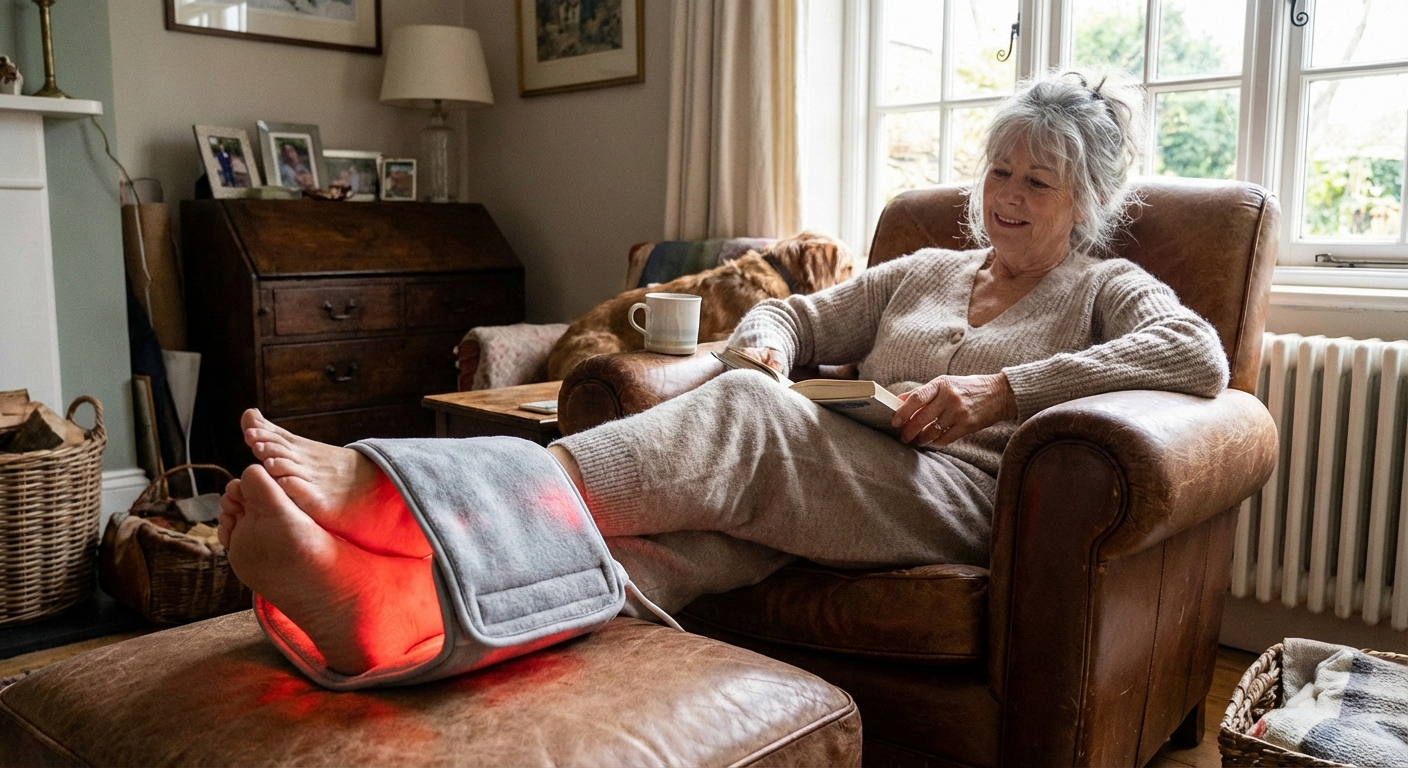
LED-based home devices have become increasingly accessible and affordable. When shopping for a device, look for:
-
✓
Wavelength range: Ideally both red (630–660nm) and near-infrared (810–850nm)
-
✓
Power output: Medical-grade or high-output LEDs are more effective than small handheld devices
-
✓
FDA registration: Look for devices that are at least FDA-registered as wellness devices
-
✓
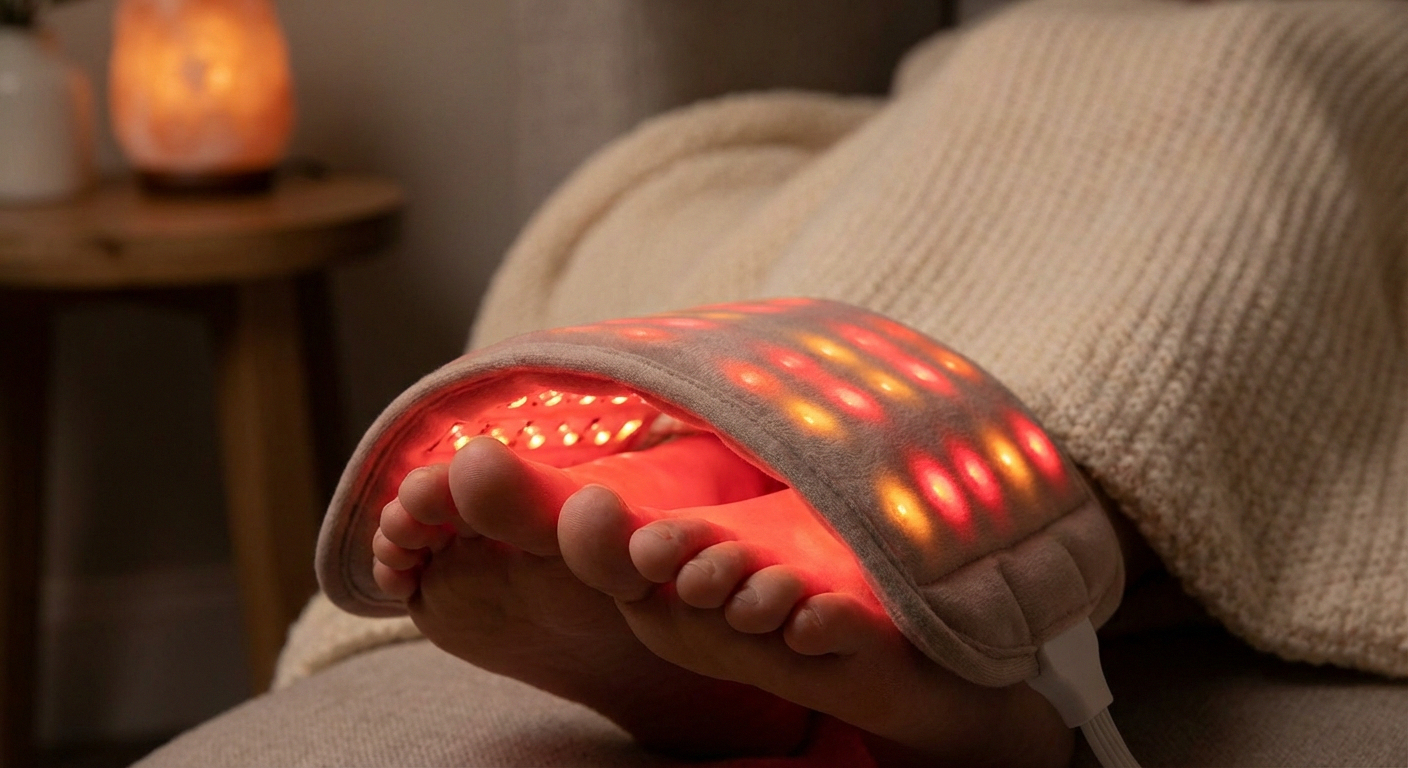
Design: For foot and leg neuropathy, wrap-style or pad-style devices that allow hands-free use are most practical
No prescription is needed to purchase a red light therapy device. However, I always recommend discussing it with your healthcare provider first, especially if you’re managing diabetes or other chronic conditions alongside your neuropathy.
How Red Light Therapy Compares to Other Neuropathy Treatments
Red light therapy isn’t the only non-medication approach to managing neuropathy. Understanding how it fits alongside other options can help you build a more complete treatment plan.
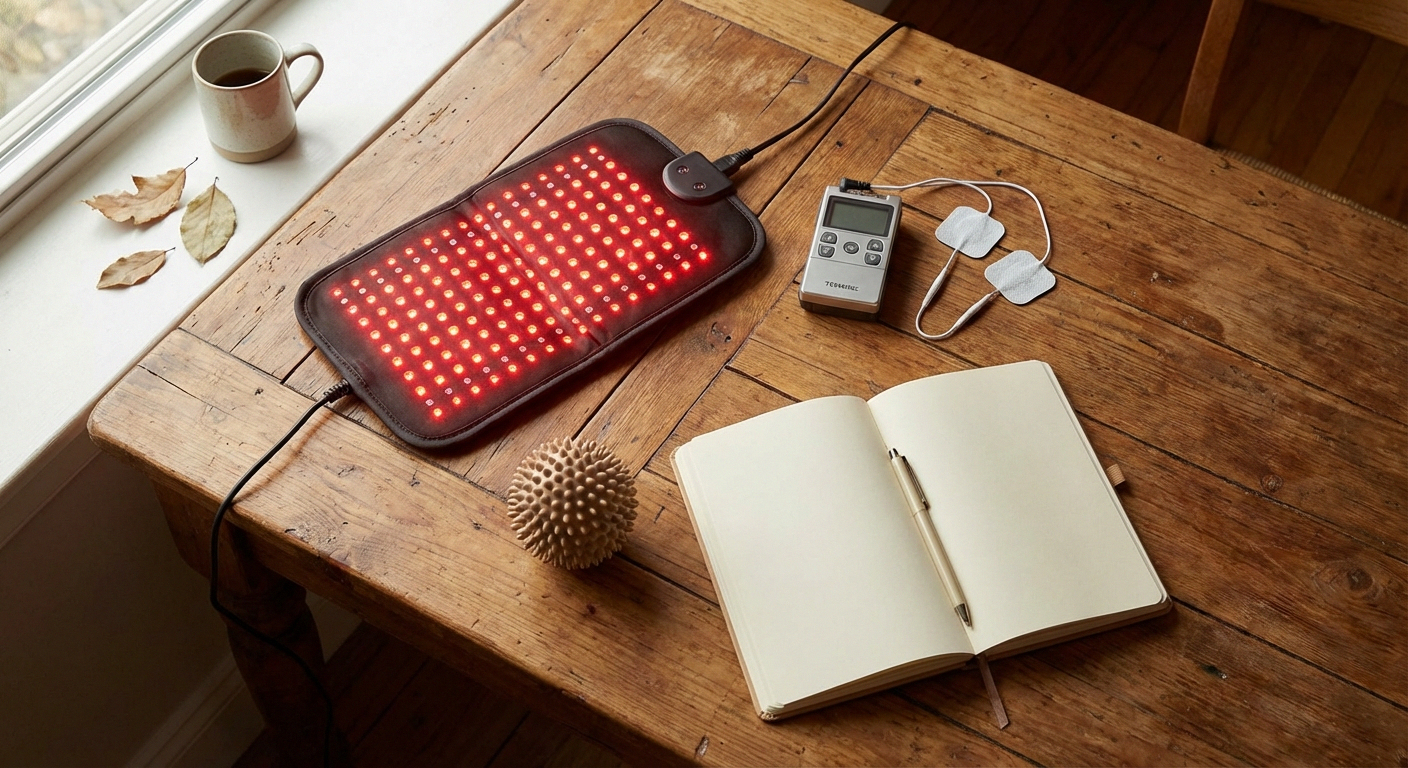
TENS units use electrical stimulation to interrupt pain signals and are another popular drug-free option. If you’re curious about how they work, we have a detailed guide on TENS units for neuropathy. While TENS primarily addresses pain, red light therapy may offer additional benefits like nerve regeneration and inflammation reduction.
Acupuncture has also shown promise for neuropathic pain in several studies. Our article on acupuncture for neuropathy explores the evidence. Some people find that combining acupuncture with red light therapy provides more relief than either approach alone.
Foot massage can improve circulation and provide temporary pain relief, and many people with neuropathy find it soothing. Our guide to foot massage for neuropathy covers techniques you can try at home. Red light therapy and gentle massage may work well together, as both support blood flow to affected areas.
The 2024 BMC Neurology meta-analysis I mentioned earlier specifically found that photobiomodulation produces the best results when combined with other treatments — not used in isolation. So building a multi-pronged approach with your doctor’s guidance may give you the best chance at meaningful relief.
Who May Benefit Most from Red Light Therapy?
Based on the available research, red light therapy may be most promising for:
- Diabetic peripheral neuropathy: This is the most-studied application, with multiple RCTs showing improvements in pain, sensation, and nerve conduction
- Chemotherapy-induced peripheral neuropathy (CIPN): Early research suggests PBM may help prevent or reduce CIPN symptoms during cancer treatment
- People experiencing burning pain in feet or hands: The symptoms commonly described as burning feet syndrome overlap significantly with what red light therapy studies have targeted
- Those seeking drug-free pain management: For people who can’t tolerate neuropathy medications or want to reduce their reliance on them
- People in earlier stages of neuropathy: When nerve damage is less severe, there may be more potential for regeneration and recovery
The Limitations: What Red Light Therapy Can’t Do
I believe in being honest about the limitations of any treatment. Here’s what you should know:
- It’s not a cure. No treatment currently cures neuropathy. Red light therapy may help manage symptoms and support nerve health, but it won’t eliminate the underlying condition
- Results vary widely. What works well for one person may provide minimal benefit for another. Factors like neuropathy type, severity, duration, and overall health all play a role
- The research is still growing. While recent studies are promising, we need more large-scale, long-term clinical trials before we can call the evidence definitive
- It requires consistency. Occasional use is unlikely to produce meaningful results. The research points to regular, sustained treatment over weeks to months
- It doesn’t address root causes. If diabetes is causing your neuropathy, blood sugar management remains essential. If it’s medication-related, the underlying medication issue needs to be addressed with your doctor
Frequently Asked Questions
The Bottom Line
Red light therapy for neuropathy isn’t a magic bullet — but it’s not snake oil, either. The science behind it is grounded in real biology: stimulating cellular energy production, reducing inflammation, improving blood flow, and potentially supporting nerve regeneration. And the clinical evidence, while still building, has reached a point where it’s worth serious consideration.
A 2024 meta-analysis of 95 studies found that photobiomodulation produces meaningful benefits, especially when combined with other treatments. A 2025 randomized controlled trial of 200 patients showed objectively measurable nerve cell improvements. And the safety profile is remarkably good — no serious side effects in any published study I’ve reviewed.
Red light therapy is a legitimate, evidence-backed addition to a neuropathy management plan — not a replacement for medical care. The strongest results come when it’s used consistently alongside your doctor’s recommended treatments, good blood sugar control, regular movement, and proper foot care.
If I were talking to Donna today, I’d tell her what I’m telling you: the research supports trying red light therapy as part of a comprehensive approach to managing neuropathy — alongside your doctor’s recommended treatments, good blood sugar control if you’re diabetic, regular movement, and proper foot care. It’s a tool in the toolbox, and for some people, it may be a meaningful one.
As always, please talk with your healthcare provider before adding any new therapy to your routine. They know your specific situation, your medications, and your overall health picture better than any article can. But if the conversation leads to giving red light therapy a try, the evidence suggests you may be pleasantly surprised.
This article is for informational purposes only and does not constitute medical advice. I’m a patient advocate, not a medical professional. Always consult with your healthcare provider about treatment decisions.
About the Author