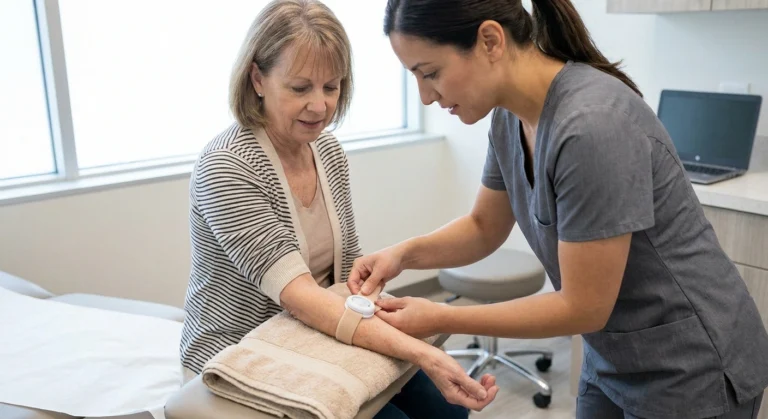
How common is neuropathy, really? It's a question I get asked constantly — both from people newly diagnosed who feel isolated and alone, and from family members who are trying to understand what their loved one is dealing with. The numbers, when you actually dig into them, are staggering.
Neuropathy isn't a rare condition. It isn't even an uncommon one. It is, in fact, one of the most prevalent neurological conditions in the world — affecting tens of millions of Americans and hundreds of millions of people globally. Yet it remains dramatically underdiagnosed and underdiscussed relative to its actual impact.
This article compiles the most current statistics on peripheral neuropathy: prevalence, causes, demographics, economic impact, and prognosis. Whether you're a patient, caregiver, researcher, or just trying to understand where you fit in the bigger picture, I hope this resource helps.
How Many People Have Peripheral Neuropathy?
United States Prevalence
The most commonly cited figure is that more than 20 million Americans have some form of peripheral neuropathy. However, the National Institute of Neurological Disorders and Stroke (NINDS) notes that this is almost certainly an undercount — many people with neuropathy symptoms are never formally tested, and current diagnostic tests don't detect all forms of the condition.
More recent estimates place the actual figure at 20–30 million Americans, with many researchers believing the true number is even higher when accounting for undiagnosed cases.
Global Prevalence
Worldwide, estimates suggest approximately 190 million people have some form of peripheral neuropathy — making it one of the most common neurological conditions on the planet. Given global diabetes rates and an aging population, this number continues to rise.
Prevalence Increases Dramatically With Age
Neuropathy becomes significantly more common as people age. General population prevalence estimates range from about 2-3% in the general adult population to 8% in those over 55. But in elderly populations, the numbers are even more striking.
A 2025 study using the Michigan Neuropathy Screening Instrument found that among very old adults, the prevalence of detectable peripheral neuropathy was 62.4% — nearly two-thirds of the elderly population studied. Even among those without diabetes, the rate was 60.2%.
Key Takeaway
20–30 million Americans live with peripheral neuropathy — more than Parkinson's disease, MS, and ALS combined. Yet it receives a fraction of the research funding and public awareness of those conditions. You are not alone.
| Population Group | Estimated Prevalence |
|---|---|
| General adult population | 2–3% |
| Adults over age 55 | ~8% |
| Adults with diabetes | 50–60% |
| People with prediabetes | ~11–25% (varies by study) |
| Cancer patients on chemo | 30–40% |
| People with HIV/AIDS | ~30–35% |
| Very old adults (80+) | ~62% (2025 study) |
| U.S. total (estimated) | 20–30 million people |
Neuropathy by Cause: A Statistical Breakdown
One of the most important things to understand about neuropathy statistics is that “peripheral neuropathy” is an umbrella term covering many different conditions with different underlying causes. Here's how the numbers break down by cause:
Diabetic Neuropathy — The Leading Cause
Diabetes is the single most common cause of peripheral neuropathy in the United States. About 60–70% of people with diabetes develop some form of nerve damage over time. This translates to an estimated 13.2 million Americans with diabetic peripheral neuropathy (DPN) specifically.
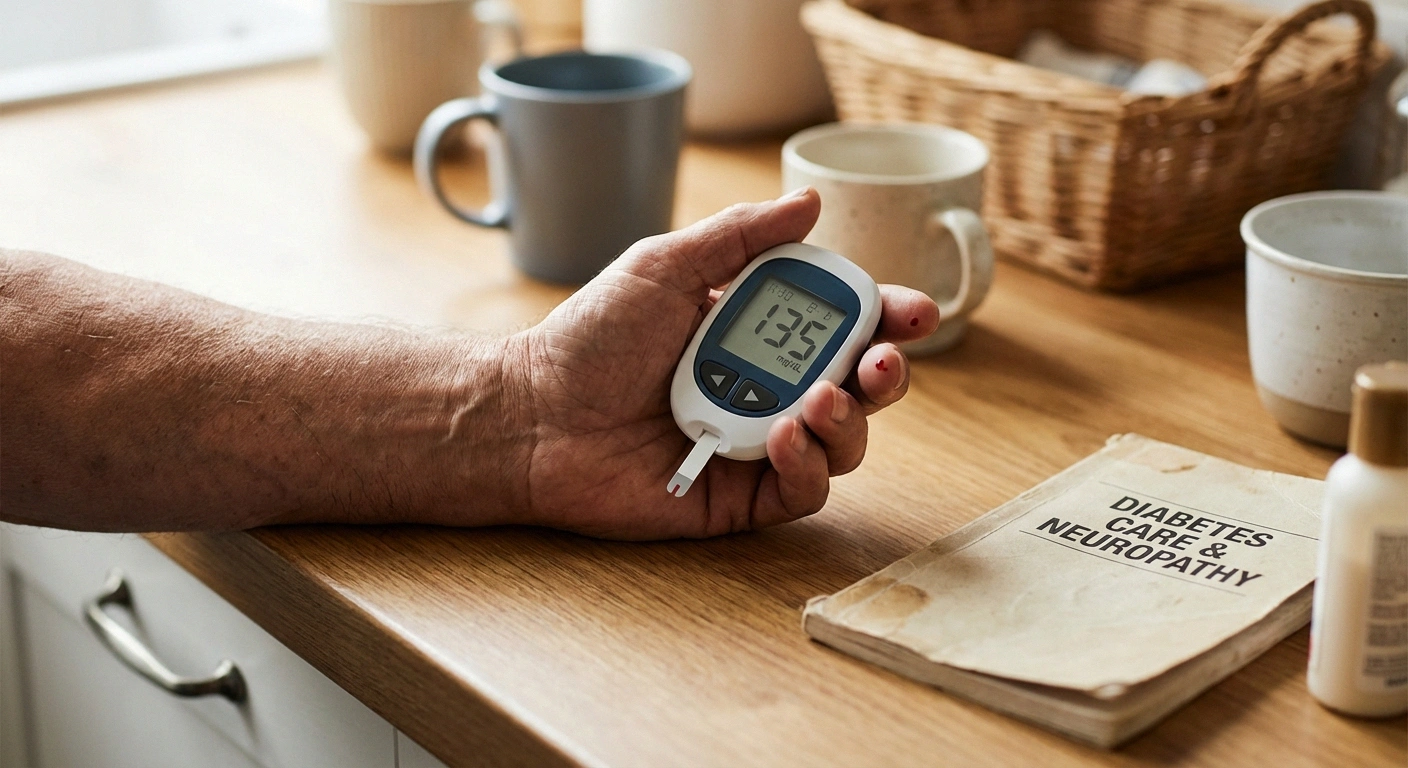
The economic impact of diabetic neuropathy alone is enormous. The estimated annual cost of treating diabetes-related chronic complications — including DPN — is $58 billion in the United States. A separate 2025 analysis estimated the annual cost burden of diabetic peripheral neuropathy at tens of billions of dollars when accounting for direct medical costs, lost productivity, and quality-of-life impacts.
For more on this specific type, see our guide to diabetic neuropathy.
Idiopathic Neuropathy — More Common Than You Think
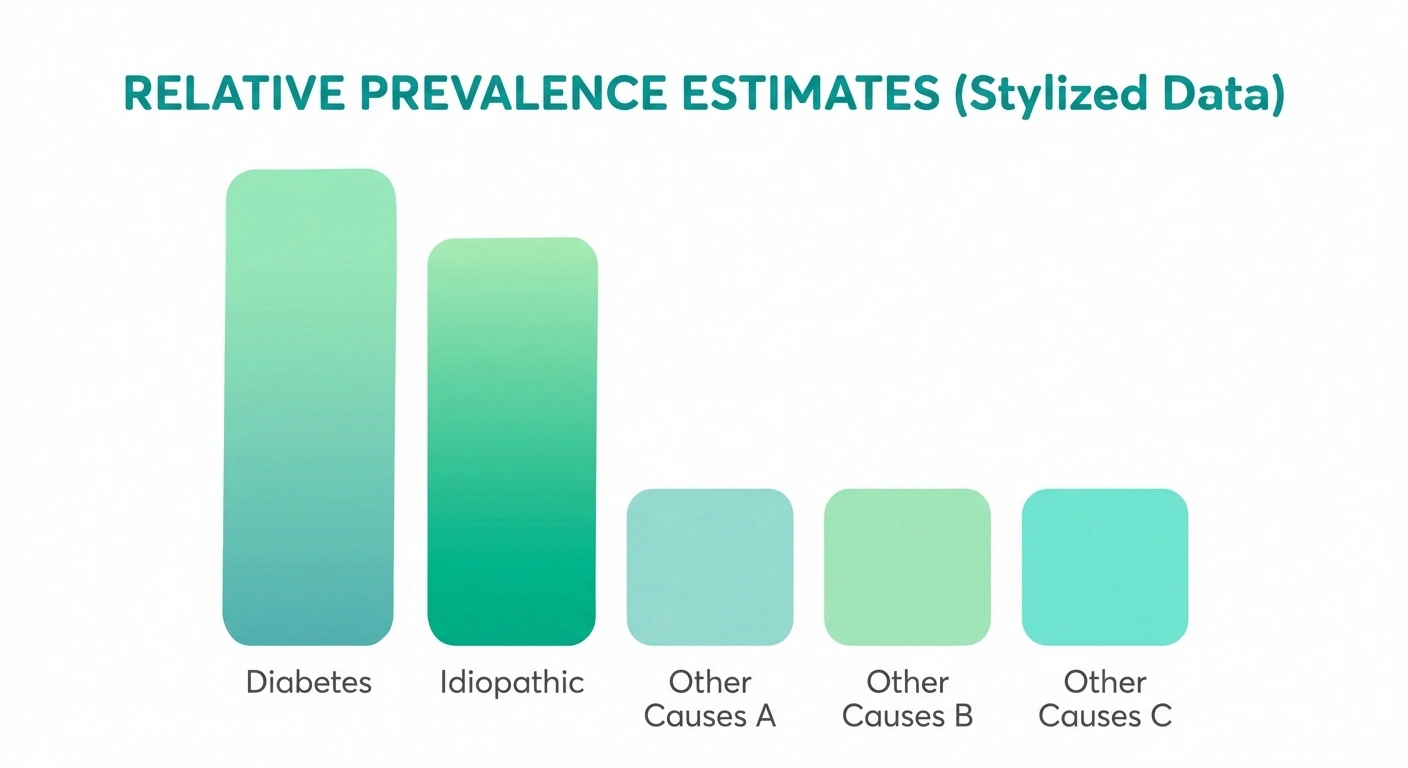
The second most common diagnosis is idiopathic neuropathy — neuropathy with no identifiable cause. Estimates suggest that 30–40% of all neuropathy cases fall into this category, though some research puts the figure even higher. Many of these cases likely have underlying causes that current testing hasn't identified or that remain poorly understood.
20–30M
Americans with neuropathy
190M
People worldwide
62%
Prevalence in adults 80+ (2025 study)
Chemotherapy-Induced Peripheral Neuropathy (CIPN)
30–40% of all cancer patients receiving chemotherapy develop peripheral neuropathy as a side effect. Certain chemotherapy agents — platinum drugs (cisplatin, oxaliplatin), taxanes (paclitaxel, docetaxel), and vinca alkaloids — carry particularly high neuropathy risk. CIPN is one of the leading reasons patients reduce chemotherapy doses or discontinue treatment entirely.
Given that roughly 18.1 million Americans have cancer, and many are receiving chemotherapy at any given time, the number of CIPN cases is substantial. For a full overview, see our article on chemotherapy-induced neuropathy.
Alcoholic Neuropathy
Alcohol is a significant but often underrecognized cause of neuropathy. Studies suggest that 25–66% of people with chronic alcoholism develop some degree of peripheral neuropathy, with estimates varying widely based on how neuropathy is defined and the population studied. This makes it one of the more common causes, though it often goes undiagnosed because people with alcohol use disorders may not seek medical care for neuropathy symptoms.
Other Cause Categories
| Cause Category | Approximate % of Neuropathy Cases | Notes |
|---|---|---|
| Diabetic neuropathy | ~30–35% of all cases | Leading identifiable cause |
| Idiopathic (unknown cause) | ~30–40% | Often older adults |
| Chemotherapy (CIPN) | ~10–15% | Among cancer patients: 30–40% |
| Alcohol-related | ~10–15% | Highly underdiagnosed |
| Hereditary (CMT and others) | ~5–8% | Charcot-Marie-Tooth most common |
| Autoimmune (GBS, CIDP, lupus) | ~5% | Treatable if identified early |
| Vitamin deficiency (B12, B1, etc.) | ~5% | Fully preventable/reversible |
| HIV/AIDS-related | ~3–5% | 30–35% of HIV+ patients |
| Medication-induced (non-chemo) | ~3–4% | See medications that cause neuropathy |
| Thyroid disease | ~2–3% | Hypothyroidism most common |
Note: Percentages are approximate and overlap exists — many patients have multiple contributing factors.
Neuropathy Demographics: Who Is Most Affected?
Age
Age is the single strongest risk factor for neuropathy. Prevalence roughly doubles or triples in each successive age decade after 55. Most people diagnosed with neuropathy are over 60, though it certainly affects younger people — especially those with diabetes, hereditary neuropathy, autoimmune conditions, or cancer.
Research Says
60–70% of people with diabetes develop some form of nerve damage over time. An estimated 13.2 million Americans have diabetic peripheral neuropathy specifically. The annual cost of diabetes-related chronic complications including DPN is estimated at $58 billion in the U.S. alone. (Sources: ADA, NINDS, peer-reviewed epidemiological studies)
Diabetes and Prediabetes Status
Having diabetes multiplies neuropathy risk dramatically. Even prediabetes — borderline high blood sugar that doesn't yet meet the diabetes threshold — significantly increases neuropathy risk. Studies have found elevated neuropathy rates in prediabetic populations compared to those with normal blood sugar, suggesting nerve damage can begin before a formal diabetes diagnosis.
Racial and Ethnic Disparities
A 2025 study published in Neurology found higher peripheral neuropathy prevalence in non-Hispanic Black and Hispanic Americans compared to non-Hispanic White Americans. These disparities appear to be driven largely by higher rates of diabetes and other risk factors in these populations, as well as reduced healthcare access and differences in how quickly neuropathy gets diagnosed and treated.
Sex Differences
Research shows mixed findings by sex. Some causes of neuropathy (like CIDP and certain autoimmune-related neuropathies) are more common in men, while others (like Sjögren's-related neuropathy and certain small fiber neuropathies) appear more common in women. Overall population-level sex differences in general peripheral neuropathy prevalence are modest.
Occupation and Lifestyle Risk Factors
Certain occupations with high alcohol use, repetitive compression exposures, or toxic chemical exposure carry elevated neuropathy risk. Obesity, smoking, and sedentary lifestyle all independently increase risk. The interplay between lifestyle factors and neuropathy is increasingly recognized as important for prevention.
The Diagnosis Gap: Why So Many Cases Go Undetected
One of the most important neuropathy statistics is the one that's hardest to measure: the gap between actual cases and diagnosed cases.
NINDS has specifically noted that current tests don't detect all forms of neuropathy, and many people with neuropathy symptoms are never formally evaluated. Key reasons for underdiagnosis include:
The Hidden Number
The 20–30 million figure is almost certainly an undercount. Standard nerve conduction studies cannot detect small fiber neuropathy. Many older adults never report symptoms, assuming they're just part of aging. And millions with alcohol-related neuropathy never seek care. The true number of people affected may be substantially higher.
- Symptom normalization — Many older adults assume tingling, numbness, and reduced balance are just normal aging and never report them to a doctor
- Diagnostic complexity — Neuropathy has over 100 identified causes, and establishing the specific cause requires extensive testing that isn't always ordered
- Small fiber neuropathy detection limits — Standard nerve conduction studies cannot detect small fiber neuropathy, which requires skin biopsy — an expensive and less available test
- Overlap with other conditions — Neuropathy symptoms overlap with sciatica, arthritis, venous insufficiency, and other common conditions
- Access disparities — Not everyone has access to neurologists or specialized electrodiagnostic testing
The practical implication: if you're experiencing symptoms that could be neuropathy, it's worth pursuing a formal neuropathy diagnosis even if your primary care doctor hasn't flagged it yet.
Economic and Quality of Life Impact
Healthcare Costs
The economic burden of peripheral neuropathy is substantial. The peripheral neuropathy treatment market was valued at roughly $2 billion annually as of 2025 and is projected to reach $2.66 billion by 2035, reflecting both rising prevalence and expanding treatment options.

Direct healthcare costs include medications, physical therapy, assistive devices, specialist visits, and hospitalizations related to neuropathy complications. The diabetes-associated neuropathy costs alone reach into the tens of billions annually in the U.S.
Indirect Costs and Disability
Neuropathy causes significant indirect costs through lost productivity, disability claims, and caregiver burden. People with moderate to severe neuropathy frequently reduce work hours or leave the workforce entirely. Neuropathy is a leading cause of disability in people with diabetes and a common reason for SSDI claims.
Quality of Life Impact
Studies consistently show that neuropathy substantially reduces quality of life. People with neuropathy report significantly worse scores on standardized quality-of-life measures compared to matched controls, with impacts on physical function, sleep, mental health, social participation, and independence.
2–3×
Higher fall risk for people with peripheral neuropathy compared to age-matched peers without neuropathy. Falls are a leading cause of injury hospitalizations in neuropathy patients.
- Up to 50% of people with painful diabetic neuropathy report significant sleep disturbance
- Fall rates are 2–3 times higher in people with neuropathy compared to age-matched controls without it
- Depression rates are elevated among people with neuropathy — neuropathy and mental health are deeply interlinked
- Over 50% of people with severe neuropathy report limitations in daily activities
If you're struggling with the emotional and psychological impact of neuropathy, you're not alone — read more about the connection between neuropathy and mental health.
Treatment Rates and Outcomes: Where Do Things Stand?
Most Neuropathy Remains Undertreated
A significant portion of people with neuropathy pain don't receive adequate treatment. Studies suggest that only a fraction of those with painful neuropathy achieve satisfactory pain control with current medications. The most commonly used first-line drugs — gabapentin, pregabalin, duloxetine, and tricyclic antidepressants — provide meaningful relief to roughly 30–50% of patients who try them.
Supplement Use Is Widespread
Many people with neuropathy turn to supplements alongside or instead of medications. Alpha-lipoic acid is among the most studied and widely used supplements for neuropathy, with moderate evidence supporting its use for diabetic neuropathy. B vitamins — especially B1, B6, and B12 — are widely used given their established role in nerve health.
Reverse or Halt: Realistic Outcomes
The prognosis for neuropathy depends heavily on its cause. Neuropathy from treatable causes (vitamin deficiency, thyroid disease, certain toxic exposures) can often be reversed or significantly improved when the underlying cause is addressed. Diabetic neuropathy can be slowed or stabilized with aggressive blood sugar control, though reversal of established nerve damage is difficult. Idiopathic neuropathy in older adults often progresses slowly and may remain stable for years.
Neuropathy Research and the Pipeline
Despite the enormous prevalence and impact of neuropathy, it receives comparatively limited research funding relative to other neurological conditions. This is beginning to change, with several new treatment approaches in clinical trials as of 2025–2026:

Chemotherapy & Neuropathy
30–40% of all cancer patients receiving chemotherapy develop peripheral neuropathy. CIPN is one of the leading reasons patients request dose reductions or stop chemotherapy entirely — making it a treatment compliance issue as well as a quality-of-life issue.
- Nav1.8 sodium channel blockers (like suzetrigine) that target pain signaling in peripheral nerves
- FABP5 inhibitors for chemotherapy-induced neuropathy
- Noninvasive magnetic peripheral nerve stimulation devices
- Stem cell and nerve regeneration research (still preclinical for most applications)
- GLP-1 drug effects on neuropathy (currently under investigation, as GLP-1 medications may have neuroprotective effects)
For a fuller look at what's coming, see our article on new neuropathy treatments in 2026.
Key Neuropathy Statistics at a Glance
| Statistic | Figure | Source Context |
|---|---|---|
| Americans with peripheral neuropathy | 20–30 million | NINDS estimate; true figure likely higher |
| Global prevalence | ~190 million | Multiple epidemiological studies |
| People with diabetes who develop neuropathy | 50–70% | ADA/NINDS |
| Americans with diabetic peripheral neuropathy | ~13.2 million | Epidemiological estimate |
| Cancer patients developing CIPN from chemo | 30–40% | Oncology literature |
| Neuropathy cases with no identified cause (idiopathic) | 30–40% | Neurological literature |
| Prevalence in adults over 80 | ~62% | 2025 MNSI study |
| Annual U.S. cost of diabetic neuropathy complications | ~$58 billion | Diabetes complication cost studies |
| Fall risk increase with neuropathy | 2–3× higher than non-neuropathy peers | Gait and balance research |
| Global neuropathy treatment market (2025) | ~$2 billion/year | SNS Insider market research |
Frequently Asked Questions About Neuropathy Statistics
How many people in the U.S. have neuropathy?
Current estimates range from 20 to 30 million Americans with peripheral neuropathy, but this is likely an undercount because many cases go undiagnosed. The true number may be significantly higher, particularly when accounting for mild cases in older adults that have never been formally evaluated.
What percentage of neuropathy cases are from diabetes?
Diabetes is the most common identifiable cause of peripheral neuropathy, accounting for roughly 30–35% of all neuropathy cases in the U.S. Among people who already have diabetes, about 50–70% will develop some degree of neuropathy over time.
Is neuropathy becoming more common?
Yes. Neuropathy prevalence is increasing for several reasons: rising diabetes rates, an aging population, improved survival from cancer (meaning more people living with CIPN), and better diagnosis of previously unrecognized conditions like small fiber neuropathy. The treatment market is projected to grow significantly through 2035.
What percentage of people with neuropathy are successfully treated?
This depends heavily on the type of neuropathy and what “successfully treated” means. For pain control specifically, roughly 30–50% of people achieve satisfactory relief with first-line medications. Complete reversal of neuropathy is possible when caused by a treatable condition (vitamin deficiency, thyroid disease, etc.) but is rare for established diabetic or idiopathic neuropathy.
What This Means For You
If you have unexplained tingling, numbness, or weakness — especially in your feet and hands — and haven't been formally evaluated for neuropathy, don't assume it's “just age.” Request a proper evaluation. Many cases are going undiagnosed, and early identification of a treatable underlying cause can make a significant difference in outcomes.
How does neuropathy affect daily life?
Research consistently shows significant quality-of-life impacts. People with neuropathy report higher rates of sleep disturbance, depression, falls, reduced physical activity, and limitations on work and daily activities. The condition places substantial burden on both patients and caregivers.
What is the most underdiagnosed type of neuropathy?
Small fiber neuropathy is widely considered the most underdiagnosed type, because standard nerve conduction studies — the most common diagnostic test — cannot detect it. Diagnosis requires either a skin biopsy (to count nerve fiber density) or specialized autonomic testing. Many people with small fiber neuropathy spend years in the medical system with unexplained symptoms before receiving a correct diagnosis.
Does neuropathy affect men or women more?
Research is mixed. Some specific subtypes of neuropathy have gender patterns — for example, certain autoimmune neuropathies (like CIDP) are more common in men, while others are more prevalent in women. Overall peripheral neuropathy prevalence doesn't show a strong sex difference in the general population.
How does alcohol contribute to neuropathy statistics?
Alcohol-related neuropathy is significantly underreported in official statistics. Research suggests that 25–66% of people with chronic alcoholism develop neuropathy, though this wide range reflects inconsistent diagnostic criteria and populations studied. Because people with alcohol use disorders are less likely to seek medical care for neuropathy symptoms, the actual contribution of alcohol to overall neuropathy prevalence is probably higher than recognized.
Why These Numbers Matter
Twenty to thirty million Americans. Hundreds of millions worldwide. And yet neuropathy often doesn't receive the public awareness, research funding, or clinical attention proportional to its impact.
If you're reading this as someone living with neuropathy, these numbers tell you something important: you are not alone. You are part of one of the largest communities of people living with a chronic neurological condition. The research is building. The treatments are expanding. And the understanding of this condition — while still incomplete — grows every year.
If you're newly diagnosed and still trying to make sense of how neuropathy progresses, or wondering whether there are ways to reverse your neuropathy, those articles are good starting points for understanding your own situation within this larger picture.
About the Author