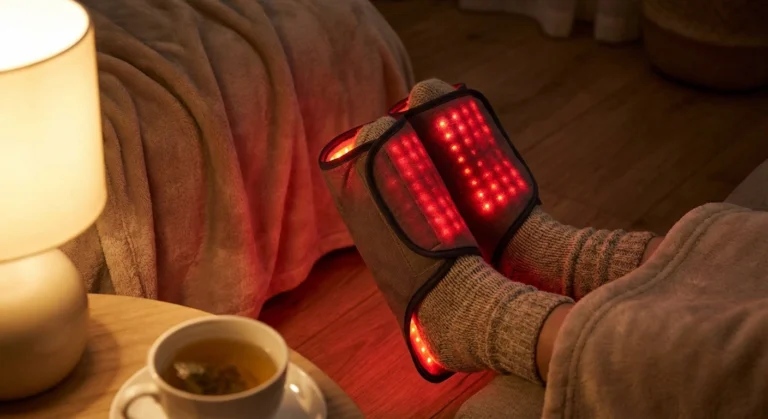
Natural home care scene for peripheral neuropathy treatment in legs and feet.
Neuropathy in the legs and comprehensive foot neuropathy guide is a common condition that can cause discomfort ranging from tingling and numbness to burning sensations and sharp pain. This issue arises from damage to peripheral nerves and is often linked to diabetes, injuries, or toxin exposure. If left untreated, it can severely affect mobility and quality of life.
For a daily protection routine, see our neuropathy foot care guide.
Learn specific self-massage techniques in our foot massage for neuropathy guide.
For a deep dive into botanical options, see our guide to essential oils for neuropathy.
Fortunately, there are several effective home remedies that can help manage and potentially improve the symptoms of neuropathy. This article will explore these home remedies, focusing on natural treatments, lifestyle adjustments, and herbal support for nerve health. For a broader look at natural remedies for nerve pain, explore additional strategies to complement your home care routine.
Americans are affected by peripheral neuropathy — making it one of the most common neurological conditions in the country
Understanding Neuropathy in Legs and Feet
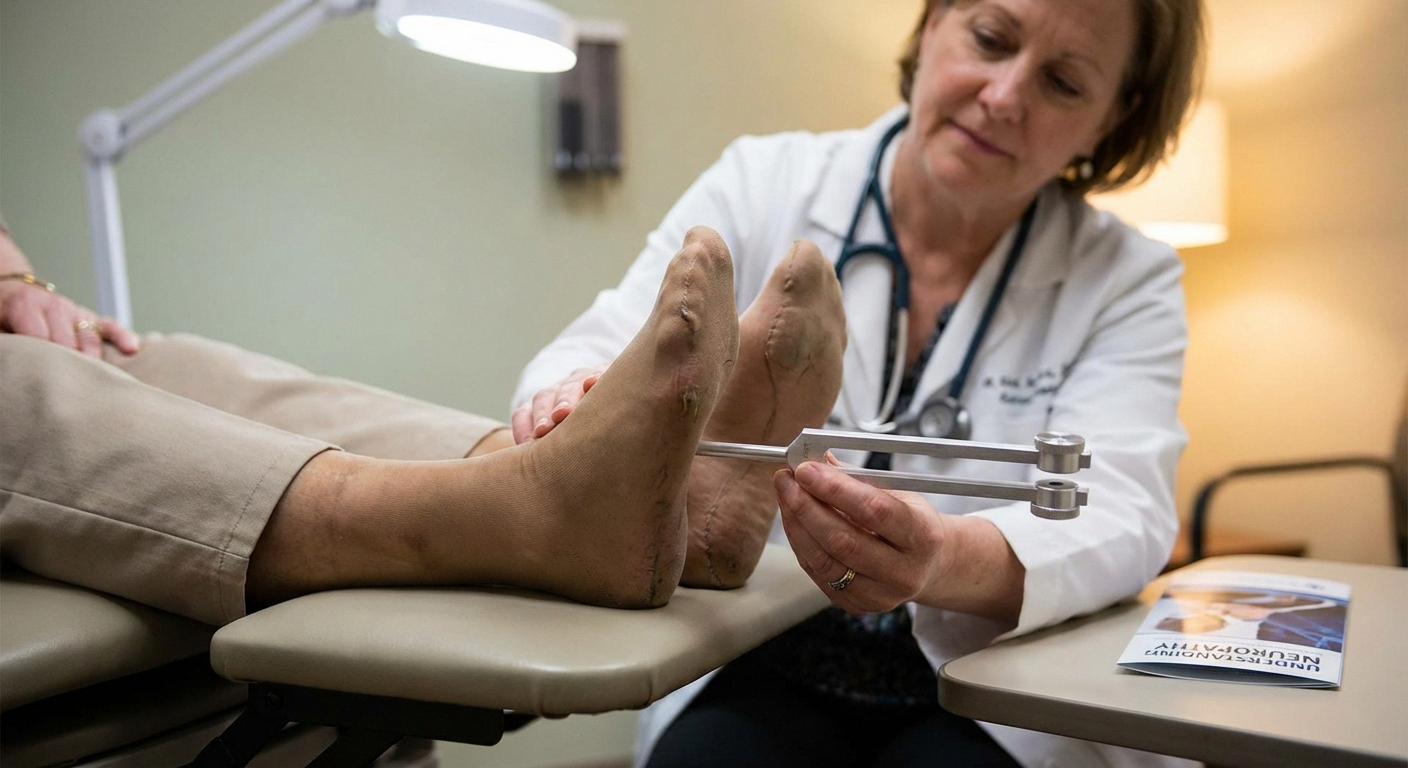
Neuropathy occurs when peripheral nerves—those responsible for sending signals between the central nervous system and the rest of the body—become damaged. The legs and feet are particularly susceptible due to their distance from the spinal cord and their constant use.
Common Symptoms
Do You Recognize These Signs?
Tingling or “pins and needles” sensation in feet
Numbness or reduced sensation in legs and feet
Burning pain, especially at night
Sharp or shooting pains down the legs
Muscle weakness in lower extremities
Loss of balance and coordination
Causes of Neuropathy
Identifying the underlying cause of neuropathy is crucial to implementing effective treatments. Common causes include:
- Diabetes: The leading cause of peripheral neuropathy due to prolonged elevated blood sugar levels damaging nerves.
- Alcohol abuse: Chronic alcohol consumption can lead to nerve damage.
- Vitamin deficiencies: Particularly a lack of vitamin B12, which is essential for healthy nerve function. Learn more about vitamin deficiency and neuropathy.
- Infections: Conditions such as shingles, Lyme disease, and HIV can affect nerves.
- Medications and toxins: Chemotherapy drugs and exposure to heavy metals can damage nerves.
- Nerve trauma or repetitive stress: Injuries, surgeries, or repetitive strain can contribute to nerve damage.
Addressing the root cause is essential to slow or potentially reverse the progression of neuropathy. Many people also find relief through home-based treatments that improve circulation, reduce inflammation, and calm overactive nerves.
Key Takeaway
Identifying and addressing the underlying cause of neuropathy is the most critical first step. Home remedies work best as a complement to professional medical care — not a replacement. Combining multiple approaches consistently tends to produce better results than any single remedy alone. For some patients, peripheral nerve stimulation offers a more targeted approach.
❌ Without Home Care
Symptoms often worsen over time. Poor circulation leads to increased nerve damage. Risk of foot sores and infections rises. Sleep disruption and reduced mobility affect quality of life.
✅ With Consistent Home Care
Many people experience reduced burning and tingling. Improved circulation supports nerve healing. Better sleep and mobility. Foot care prevents dangerous complications.
1. Improve Blood Flow and Relieve Pain with Massage
Massage therapy is an effective home remedy for neuropathy symptoms in the legs and feet. Massaging the affected areas helps improve circulation, reduce muscle stiffness, and relieve nerve pain.

How Massage Helps:
- Stimulates the nervous system: Regular massage can activate sensory pathways, improving sensation over time.
- Improves circulation: Increased blood flow helps deliver essential nutrients and oxygen to damaged nerves.
- Reduces tension: Gentle massage can relax muscles and reduce stress on the nerves.
Even 10–15 minutes of gentle self-massage daily can make a meaningful difference. Start at the toes and work slowly up the foot and calf in slow, firm circular motions. For best results, use a small amount of lotion or oil to reduce friction on sensitive skin.
2. Anti-Inflammatory Diet and Supplementation
What you eat plays a significant role in nerve health. An anti-inflammatory diet rich in vitamins, antioxidants, and healthy fats can reduce nerve pain and support healing. You can also enhance recovery by exploring the best supplements to support nerve health alongside dietary changes. Some people also explore CBD for nerve pain as a natural pain management option.

Key Nutrients for Nerve Health:
- Vitamin B12: Essential for nerve repair and regeneration. Commonly found in fish, meat, eggs, and fortified cereals.
- Omega-3 Fatty Acids: Found in fatty fish (e.g., salmon), walnuts, and flaxseeds. These healthy fats help reduce inflammation and promote nerve repair.
- Antioxidants: Found in berries, leafy greens, and supplements. They help combat oxidative stress that damages nerve cells.
Reducing processed foods, sugar, and alcohol can also help significantly — particularly for those with diabetic neuropathy. Many people find that combining dietary changes with targeted supplementation provides the most noticeable improvement. See our guide to neuropathy supplements for nerve health for evidence-informed options.
3. Detoxification to Remove Toxins
Exposure to toxins like heavy metals can worsen nerve damage. Detoxification can help cleanse the body and support nerve function.

Natural Ways to Detox:
- Herbal Teas: Dandelion tea and ginger tea have natural detoxifying properties.
- Hydration: Drinking plenty of water helps flush toxins out of the body.
- Leafy Greens: Vegetables like spinach and kale contain chlorophyll, which binds to toxins and aids in detoxification.
If you suspect heavy metal exposure or toxin-related neuropathy, work with your doctor to assess and address the source. Dietary detox strategies can complement — but should not replace — medical evaluation for toxin-related nerve damage.
4. Maintain Physical Activity
Regular exercise can improve blood flow to the extremities, strengthen muscles, and support nerve regeneration.

Effective Exercises for Neuropathy:
- Walking for better circulation is a low-impact activity that encourages blood flow in the legs and feet.
- Stretching: Reduces stiffness and improves flexibility, reducing strain on nerves.
- Yoga or Tai Chi: These gentle movement practices combine balance, flexibility, and relaxation to support overall nerve health.
Research Says
Studies suggest that regular aerobic exercise — including walking — may improve nerve function, reduce pain, and increase blood flow to damaged peripheral nerves. Even modest activity, like 30 minutes of walking three times per week, may produce measurable improvements in neuropathy symptoms over time.
While exercise may seem difficult when dealing with nerve pain, starting with small, consistent movements can lead to noticeable improvements over time.
5. Herbal Remedies for Nerve Relief
Herbal extracts have long been used to support nerve health and reduce discomfort.
Effective Herbs for Nerve Health:
- Marshmallow Root: Soothes irritated nerve tissues and reduces inflammation.
- Passionflower: Known for its calming properties, it reduces nerve pain and improves sleep.
- Corydalis: Acts as a natural pain reliever and anti-inflammatory agent.
Natural Supplement: Nervovive
Nervovive contains potent ingredients like Passionflower, Corydalis, and Marshmallow Root, which:
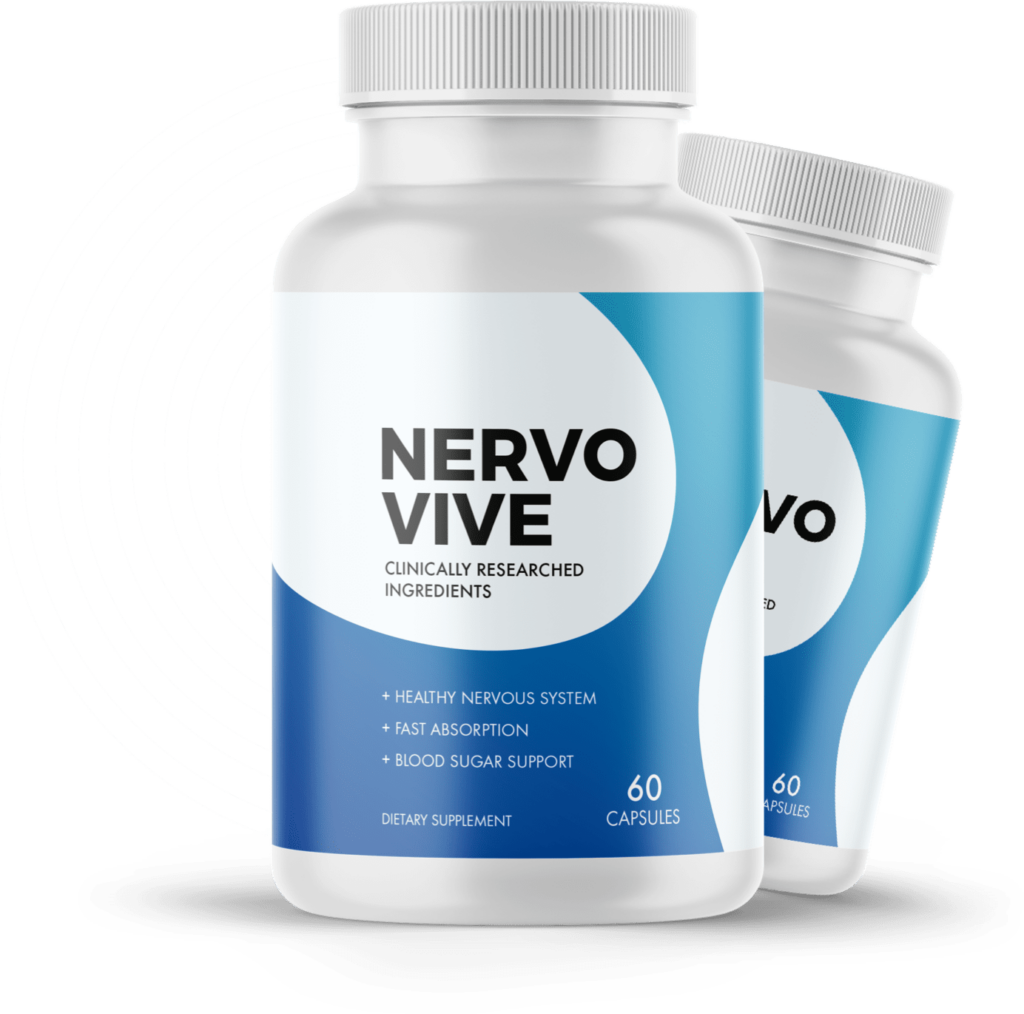
- Help balance blood sugar levels (critical for diabetic neuropathy).
- Calm overactive nerve signals.
- Support overall nerve regeneration.
Adding an herbal supplement like Nervovive to your daily regimen can enhance the effectiveness of other home remedies.
6. Stress Management and Relaxation Techniques
Chronic stress can exacerbate neuropathy symptoms by increasing inflammation and muscle tension. Implementing relaxation techniques can help your body heal and alleviate nerve pain.

Recommended Methods:
- Deep Breathing Exercises: Calm the nervous system and promote relaxation.
- Meditation: Encourages mindfulness and reduces the body's stress response.
- Progressive Muscle Relaxation: Helps relax tense muscles and reduces nerve-related discomfort.
Spending even 10–15 minutes daily practicing relaxation techniques can improve both your mental and physical well-being.
7. Natural Nerve-Calming Products
Some supplements are designed specifically to calm the nervous system and reduce sensitivity.
Natural Nerve-Calming Supplement: Nerve Fresh
Nerve Fresh is formulated with California Poppy, Corydalis, and Marshmallow Root. It provides daily nerve support by:
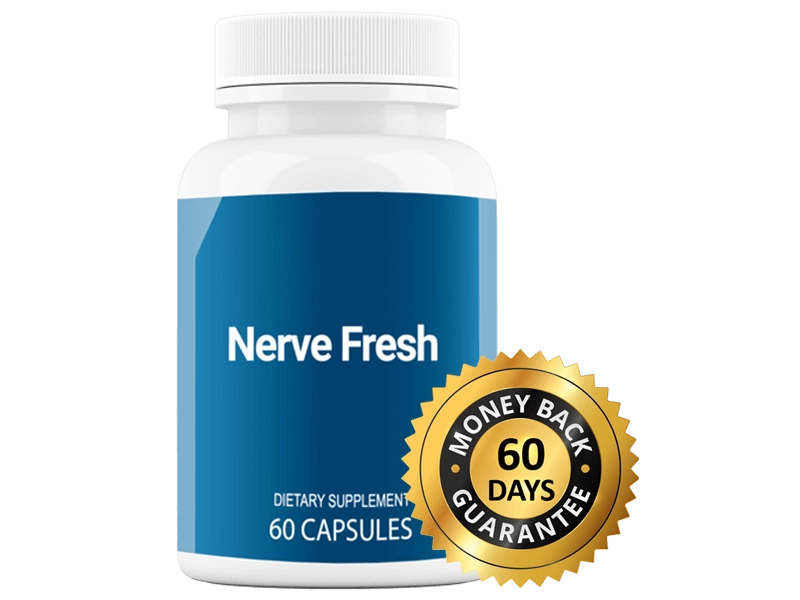
- Calming overactive nerves.
- Reducing sensitivity to pain.
- Promoting restful sleep.
Click here to try Nerve Fresh if you're dealing with nighttime nerve pain.
8. Foot Care for Neuropathy
Proper foot care is crucial for preventing sores and infections, which are common complications of neuropathy.
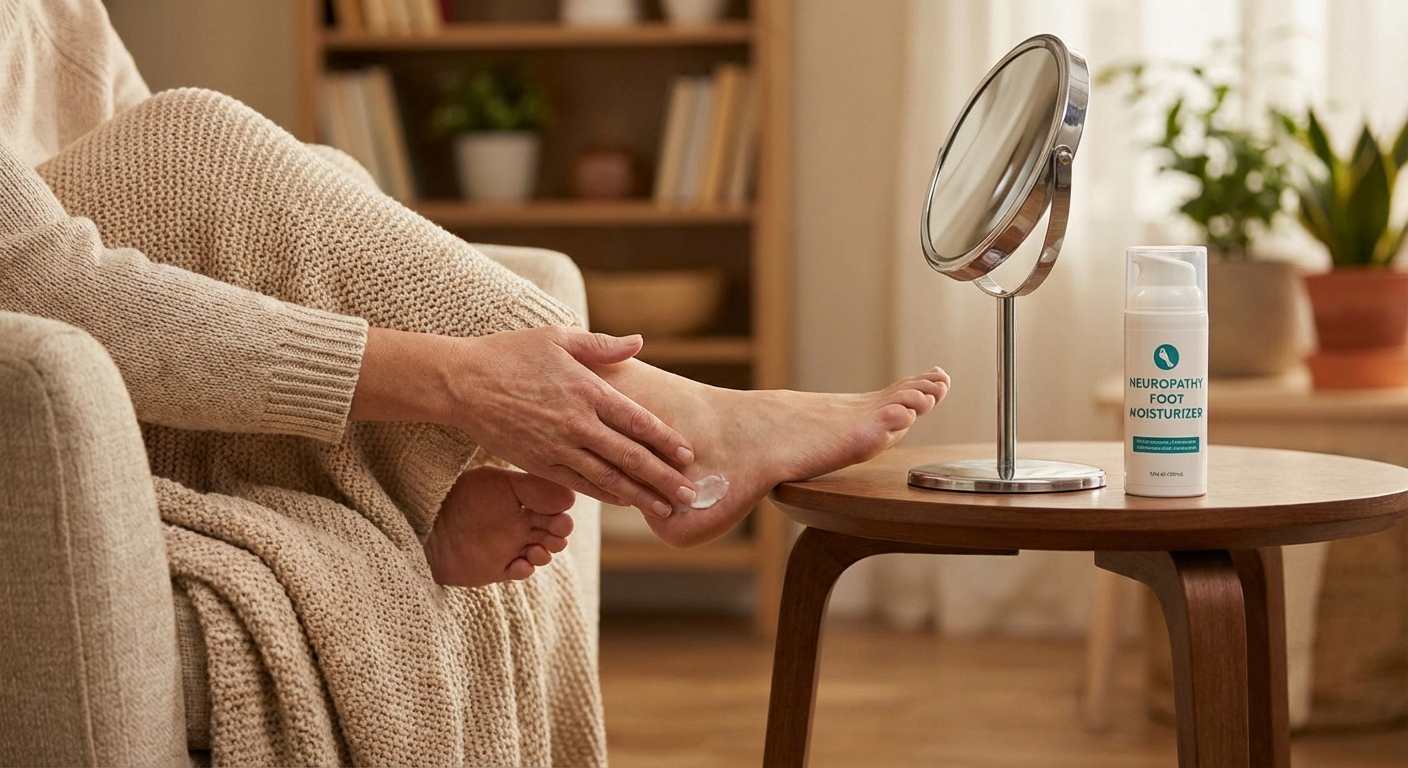
Foot Care Tips:
- Daily Inspection: Check for cuts, blisters, or redness — neuropathy can reduce your ability to feel injuries.
- Moisturize: Prevent cracks in the skin by using a gentle moisturizer on feet and heels daily.
- Wear Proper Footwear: Opt for comfortable shoes with adequate support and cushioning to protect numb feet.
9. Limit Alcohol and Quit Smoking
Alcohol and smoking can worsen neuropathy by impairing blood circulation and contributing to nerve damage.
- Limit alcohol intake to support nerve function. Chronic consumption directly damages peripheral nerves and depletes key B vitamins.
- Quit smoking to improve blood flow and reduce inflammation. Smoking constricts blood vessels, depriving nerves in the feet of oxygen and nutrients.
10. Ensure Proper Sleep Hygiene
Quality sleep is essential for nerve repair and overall health. Establishing a consistent bedtime routine can help improve sleep — and give your nervous system the recovery time it needs.
Sleep Hygiene Tips:
- Set a regular sleep schedule: Going to bed and waking up at the same time each day supports your body's internal clock.
- Avoid screens at least one hour before bed.
- Create a calming routine: Activities such as reading, gentle stretching, or warm footbaths can help signal your body that it's time to rest.
When to Seek Medical Attention
While home remedies can significantly reduce neuropathy symptoms, it's essential to consult a healthcare provider if you notice warning signs that suggest worsening nerve damage.
Talk to Your Doctor If…
You experience sudden, severe pain or numbness, notice ulcers or open sores that are slow to heal, or have significant muscle weakness in your legs. These may indicate rapidly progressing neuropathy that requires medical intervention beyond home care.
- You experience sudden, severe pain or numbness.
- You notice ulcers or open sores that are slow to heal.
- You have significant muscle weakness.
Conclusion
Treating neuropathy in the legs and feet at home involves a comprehensive approach that includes lifestyle changes, dietary support, herbal remedies, and careful physical care. No single remedy works for everyone — the best results come from combining multiple consistent strategies tailored to your situation.
For more guidance on managing nerve health naturally, explore our articles on the best supplements for neuropathy, vitamin deficiency and neuropathy, and understanding the stages of neuropathy.
With consistency and the right strategies, it's possible to manage neuropathy symptoms and improve nerve health from the comfort of your home.
Frequently Asked Questions
About the Author