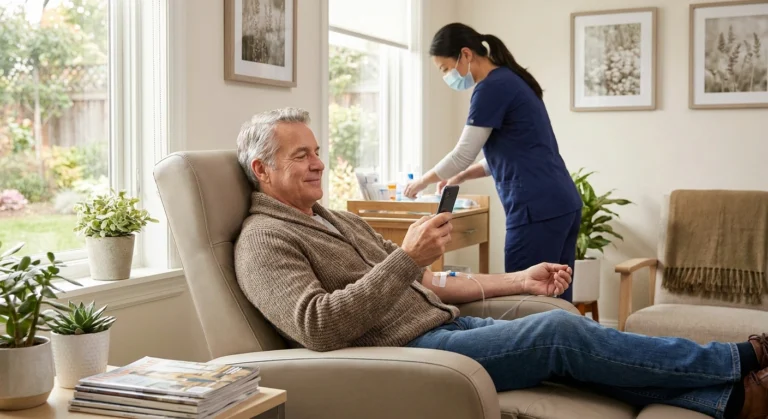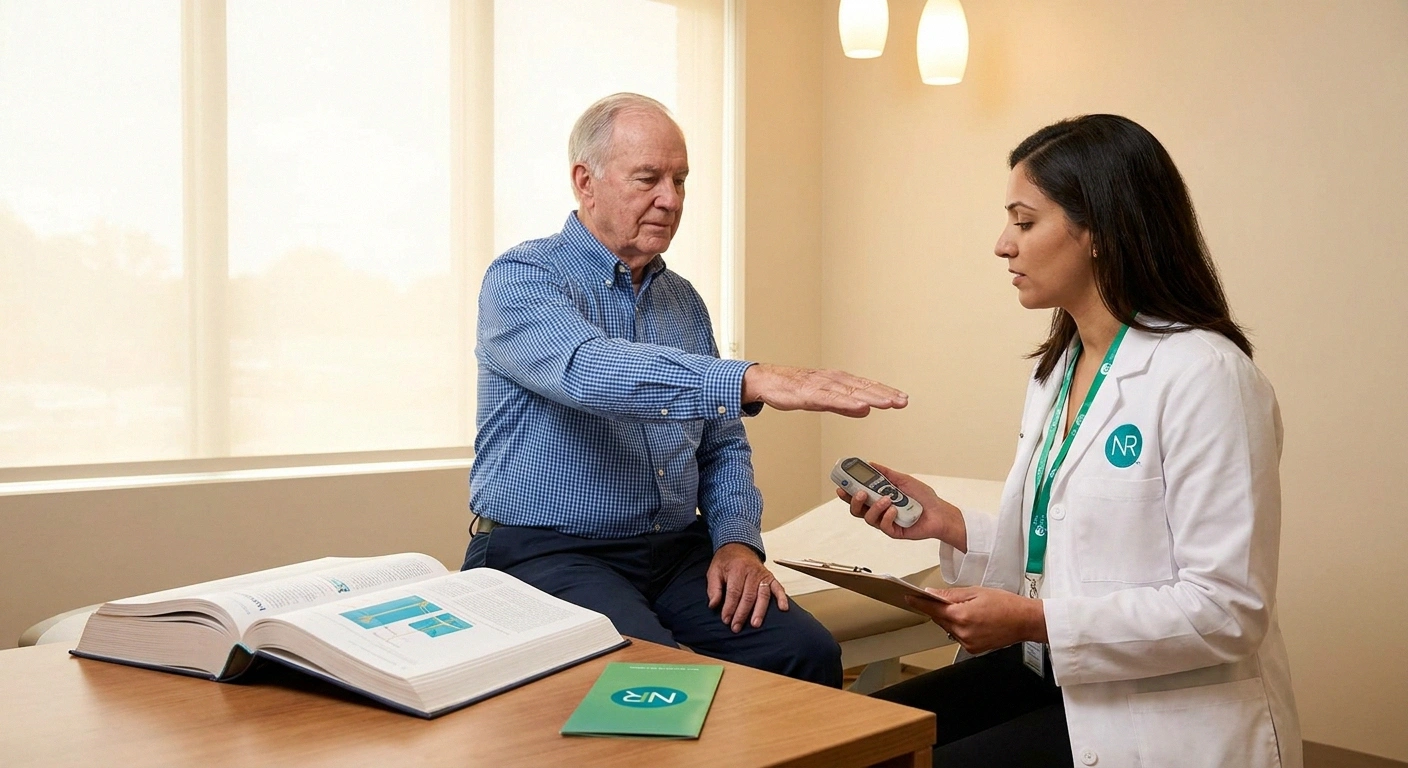
I want to tell you about a patient named David. He was 47 when his right hand started getting weaker. It started small — gripping a coffee mug felt clumsy, the buttons on his shirt cuffs took an extra second. Over six months it progressed enough that he couldn't fully close his fist. When he saw a neurologist, the working diagnosis was the one nobody wants to hear: amyotrophic lateral sclerosis. ALS. He was told to put his affairs in order.
David asked for a second opinion at a major academic medical center. The neurologist there did the same exam, but also ordered specific nerve conduction studies looking for something subtle — areas where the nerve signal was getting blocked at certain points without the nerves themselves being dead. Those findings showed up. So did GM1 antibodies in his blood. The actual diagnosis was not ALS. It was multifocal motor neuropathy, or MMN — a rare, treatable autoimmune condition that responds well to a specific treatment. Eighteen months later, his grip strength was back to about 80 percent of normal. He'd kept his job. He'd gotten his life back.
MMN is one of the most important “don't miss” diagnoses in neurology, and it's also one of the most missed. The reason: it looks almost identical to ALS in the early stages, and the difference between the two is the difference between a treatable condition and one we still can't reverse. If you, or someone you love, has been told they might have ALS — especially if the symptoms are mainly weakness without sensory loss, mainly in the hands or arms, and asymmetric (one side worse than the other) — there is one absolute, non-negotiable step before accepting that diagnosis: get the testing that distinguishes MMN. Today's article is about that testing, that distinction, and what MMN actually is.
I'm writing this as a patient advocate, not a medical professional. If anything in this article suggests your situation, the next step is a neuromuscular specialist — typically a neurologist with subspecialty training in peripheral nerve and neuromuscular disorders. The diagnosis and treatment of MMN belong firmly in expert hands.
What MMN Is — A Quick Plain-Language Definition
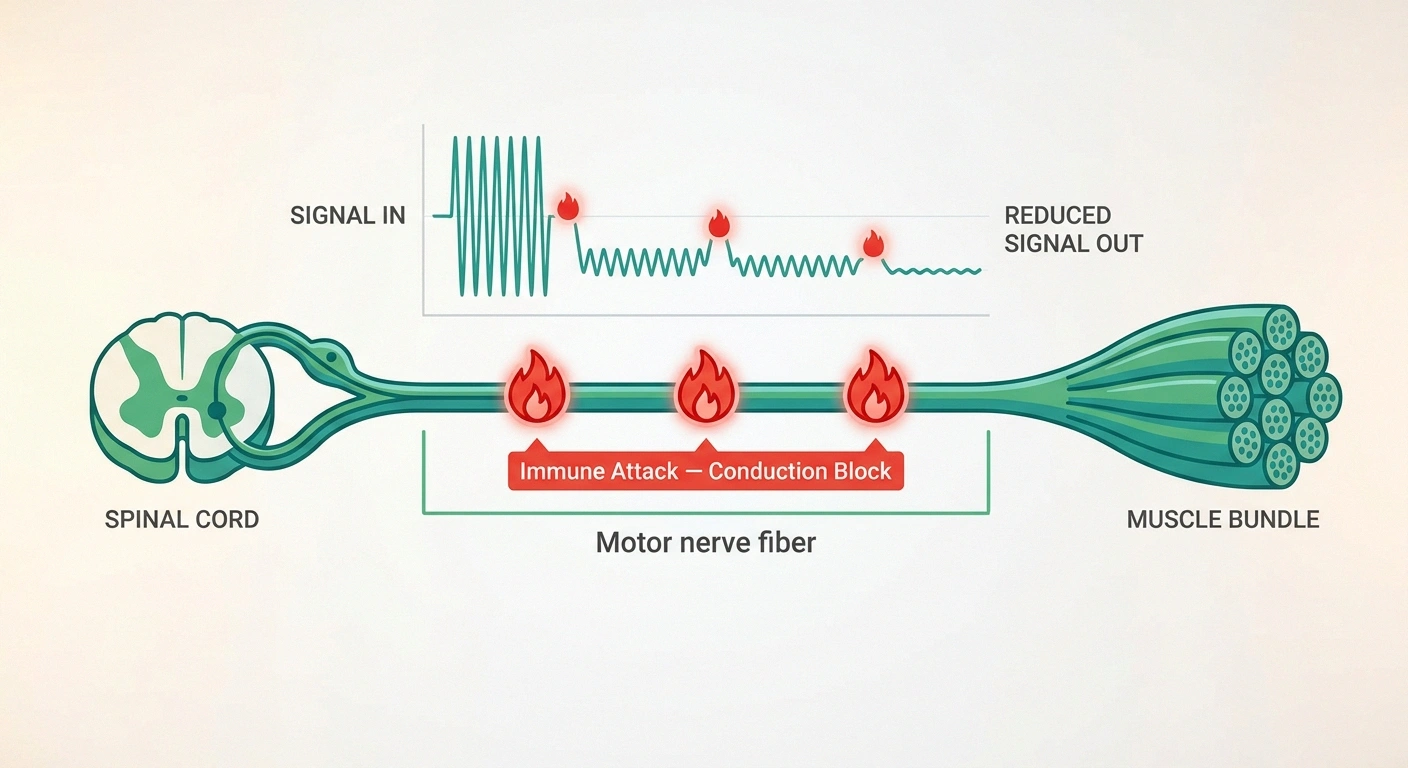
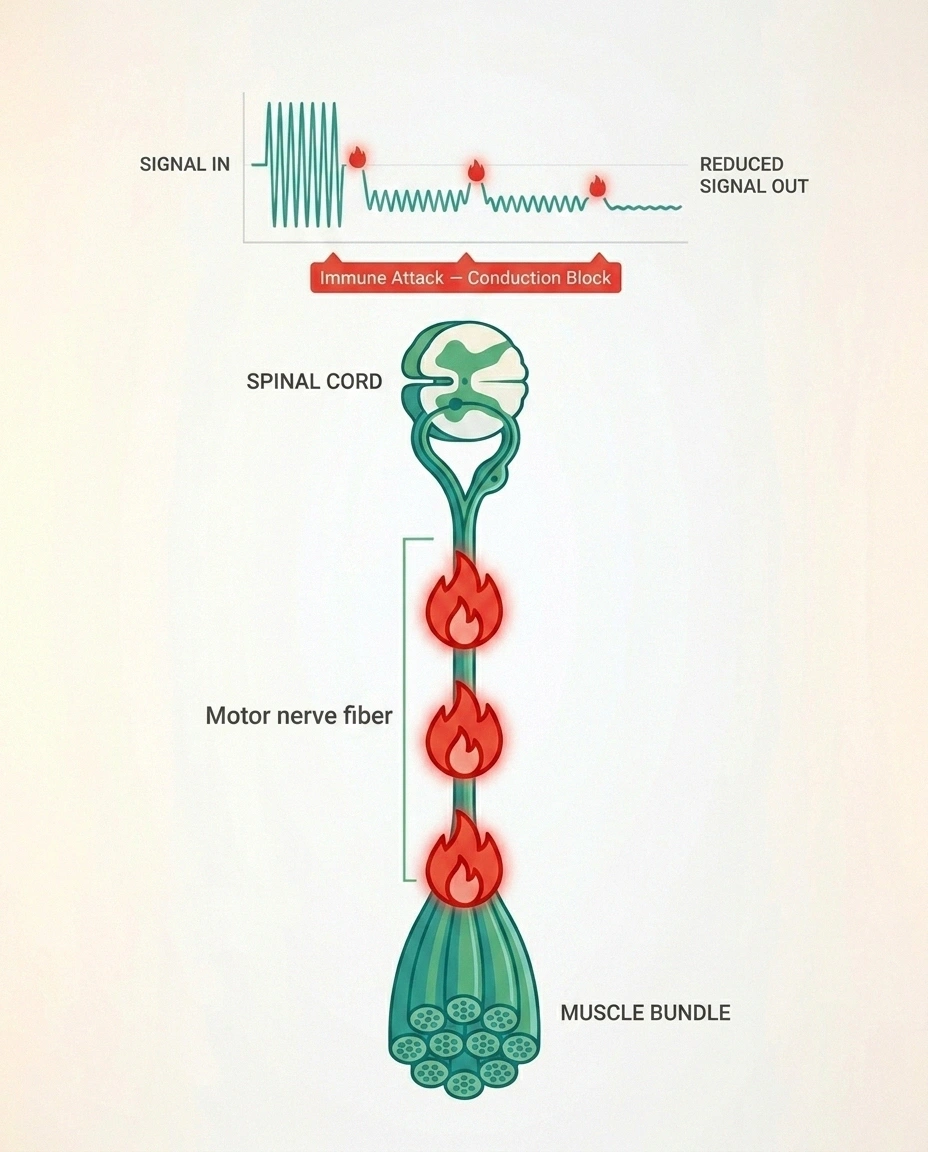
Multifocal motor neuropathy is an autoimmune condition in which your own immune system attacks specific points along the motor nerves — the nerves that send signals from your spinal cord out to your muscles to tell them to move. The attack happens at scattered points (that's the “multifocal” part), and it affects only the motor nerves (that's the “motor” part), leaving the sensory nerves — the ones that handle touch, temperature, and pain sensation — untouched.
The Most Important “Don't Miss” Diagnosis
MMN is rare (~1 in 100,000) but its early presentation can look almost identical to ALS — and the difference is the difference between a treatable autoimmune condition and one we still can't reverse. If you've been told you might have ALS and you have asymmetric weakness without sensory loss, you owe yourself the MMN workup before accepting the diagnosis. The workup takes a few weeks. Missing MMN can take a lifetime.
The mechanism is something called conduction block. At the spots where the immune system has attacked, the nerve signal can't get through. It's not that the nerve has been destroyed — the nerve fiber is still physically there, and the parts of the nerve before and after the blocked point still work. The signal just hits a roadblock at the affected spot and stops. The result, downstream of the block, is that the muscle doesn't get the signal to contract — so it weakens or stops working entirely.
Three key features distinguish MMN clinically: weakness without sensory loss, asymmetric pattern (one side, one limb, or one specific muscle group is affected more than the others), and slow progressive course over months to years. About 80 percent of patients have circulating antibodies against a nerve component called GM1 ganglioside, and a substantial majority respond dramatically to a specific treatment called intravenous immunoglobulin (IVIG). MMN is rare — estimated prevalence is roughly 1 in 100,000 — but among the rare neuropathies, it's one of the most important to recognize because the response to treatment can be life-changing.
The Symptoms You'd Notice
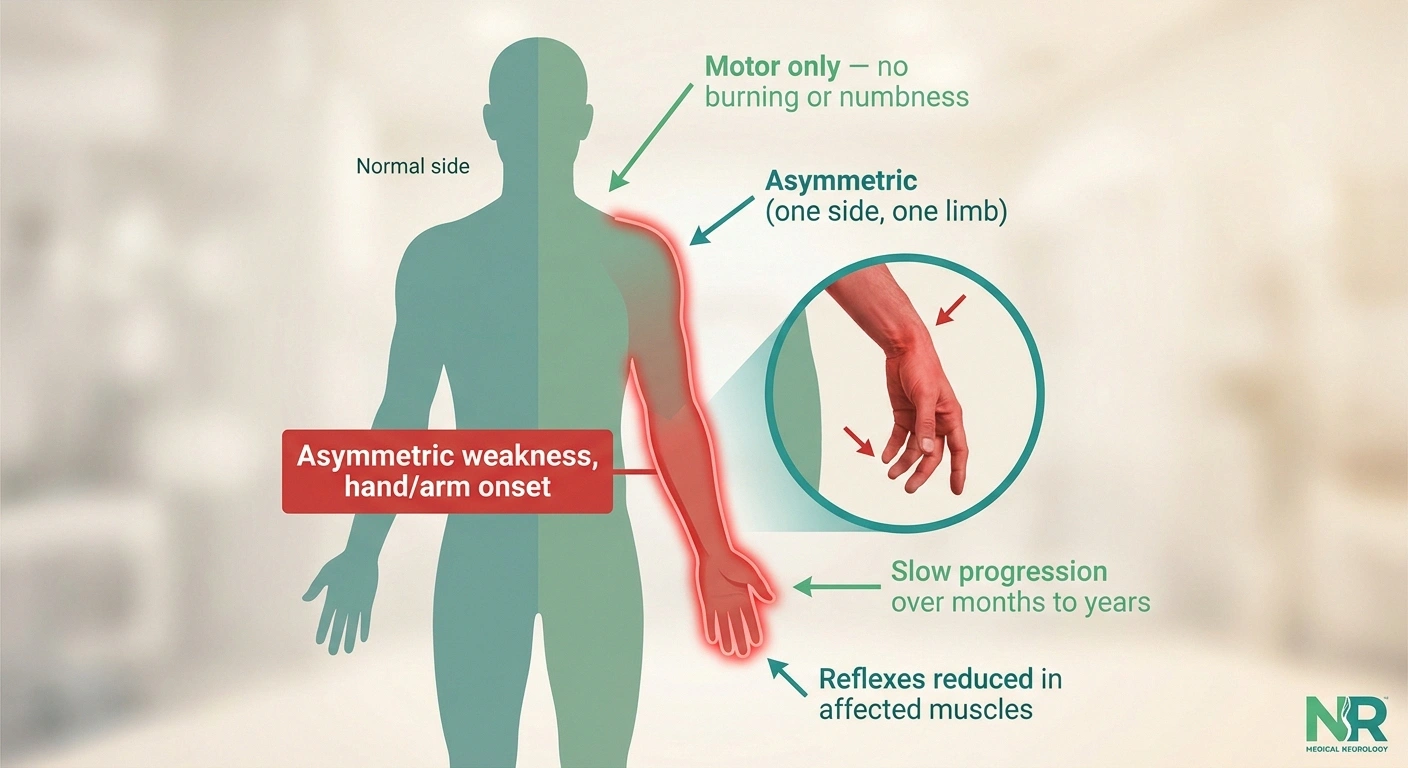
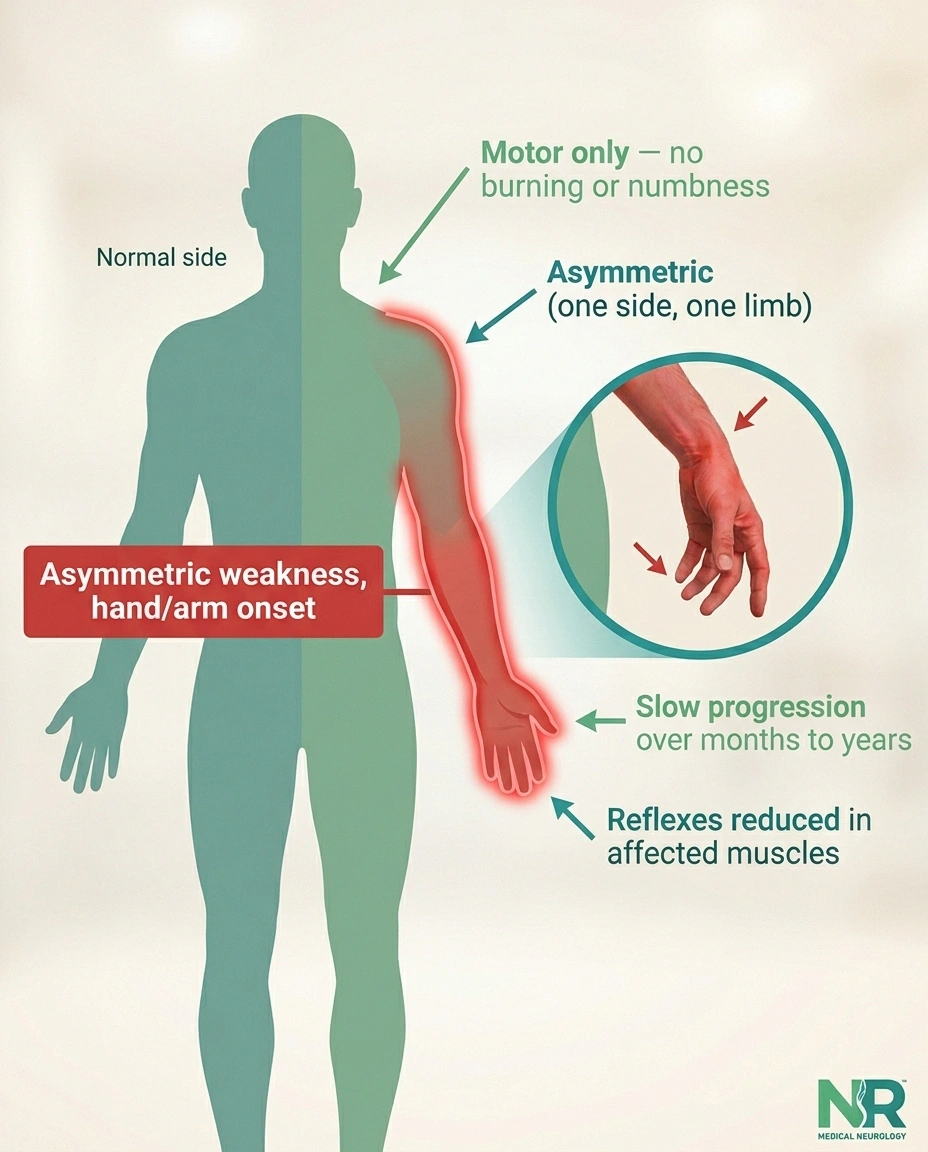
MMN typically starts in adulthood, usually between ages 20 and 70, with a peak in the 40s and 50s. It's about twice as common in men as in women. The symptoms tend to follow a recognizable pattern, though the specifics vary.
The Clinical Fingerprint of MMN
Three features together suggest MMN: (1) asymmetric weakness — usually starting in one hand or arm; (2) motor only — no burning, numbness, or tingling; (3) slow progression over months to years. The absence of upper motor neuron signs (spasticity, hyperreflexia, Babinski) and the absence of bulbar symptoms (slurred speech, swallowing problems) further point toward MMN and away from ALS.
Asymmetric weakness, usually starting in the hands or arms. The most common first symptom is weakness in one hand — difficulty gripping, dropping objects, wrist drop (the hand hangs down because the muscles that pull it up are weak), or “finger drop” where one or two fingers can't extend properly. The opposite hand and arm may be totally normal at this stage. Lower limb involvement happens too — foot drop is a classic presentation — but upper limb is more common at onset.
The weakness is “motor without sensory.” This is one of the most important clinical clues. Patients with MMN typically describe weakness that bothers them, but they don't have the burning, tingling, or numbness that defines most other neuropathies. Your fingers might be weak, but they can still feel a button. Your foot might drop, but the bottom of your foot still feels normal when you touch it. (Compare this to diabetic neuropathy, where the dominant complaint is sensory, or to a generalized small-fiber neuropathy where pain and burning are the chief complaints.)
Muscle atrophy and fasciculations may develop. Over time, the muscles that aren't receiving signals start to shrink (atrophy), and patients may notice fine twitches (fasciculations) in the affected muscles. These features are part of why MMN gets confused with ALS — atrophy and fasciculations are both classic ALS findings — but in MMN they're a downstream consequence of the conduction block, not a sign of motor neuron death.
Cramps and stiffness in affected muscles are common. Patients may also notice that fatigue makes the weakness worse — a hand that works reasonably well in the morning may become noticeably more affected by afternoon.
The course is slow. MMN typically progresses over months to years, not days to weeks. It doesn't have the rapid, ascending progression of Guillain-Barré syndrome, nor does it usually have the relentlessly fast progression of ALS (though early on, the rates of progression overlap enough that this distinction isn't reliable for diagnosis on its own).
What MMN does not typically cause: prominent sensory symptoms (burning, numbness, tingling); bulbar symptoms (slurred speech, swallowing problems); upper motor neuron signs (spasticity, hyperreflexia, Babinski sign); or autonomic problems (bowel, bladder, blood pressure). The presence of any of those features should push the diagnosis away from MMN and toward something else.
Why MMN Gets Confused with ALS
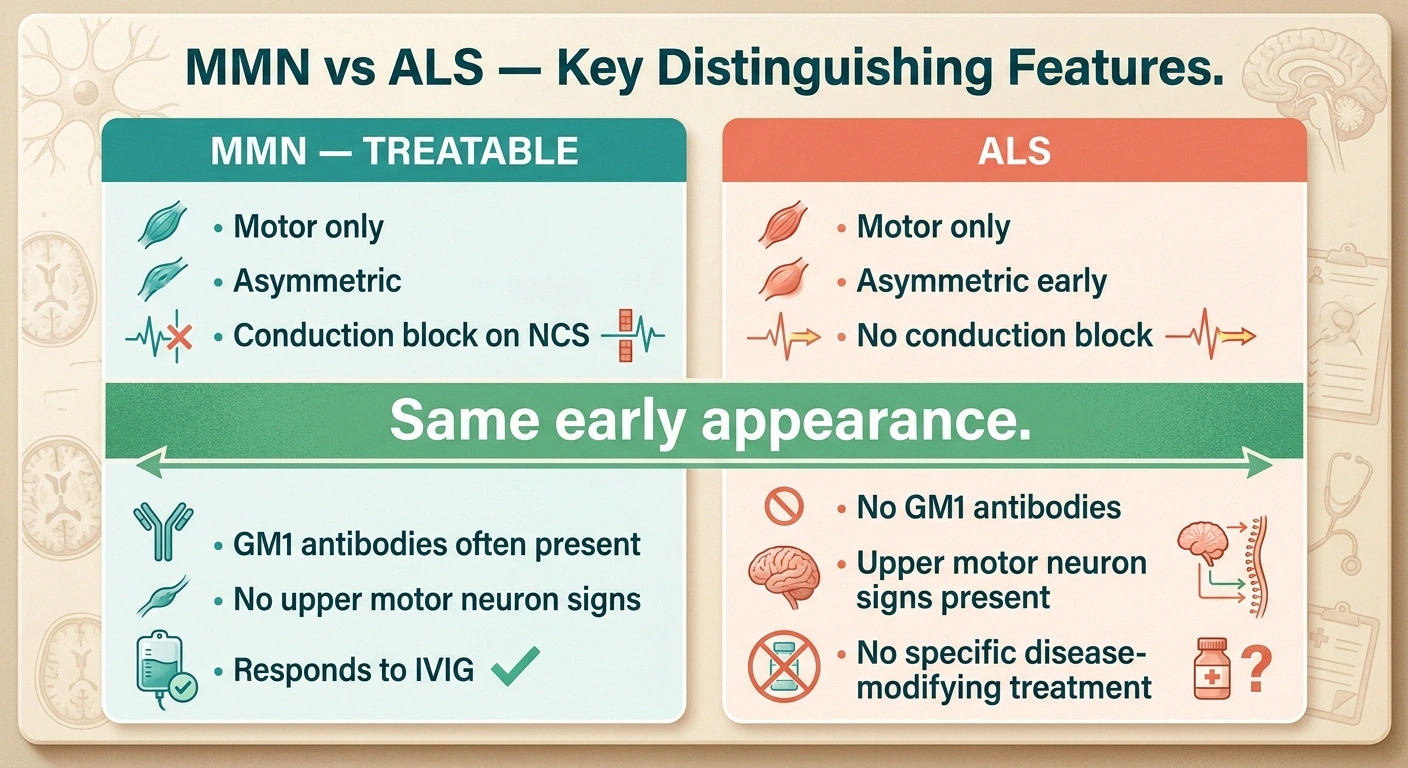
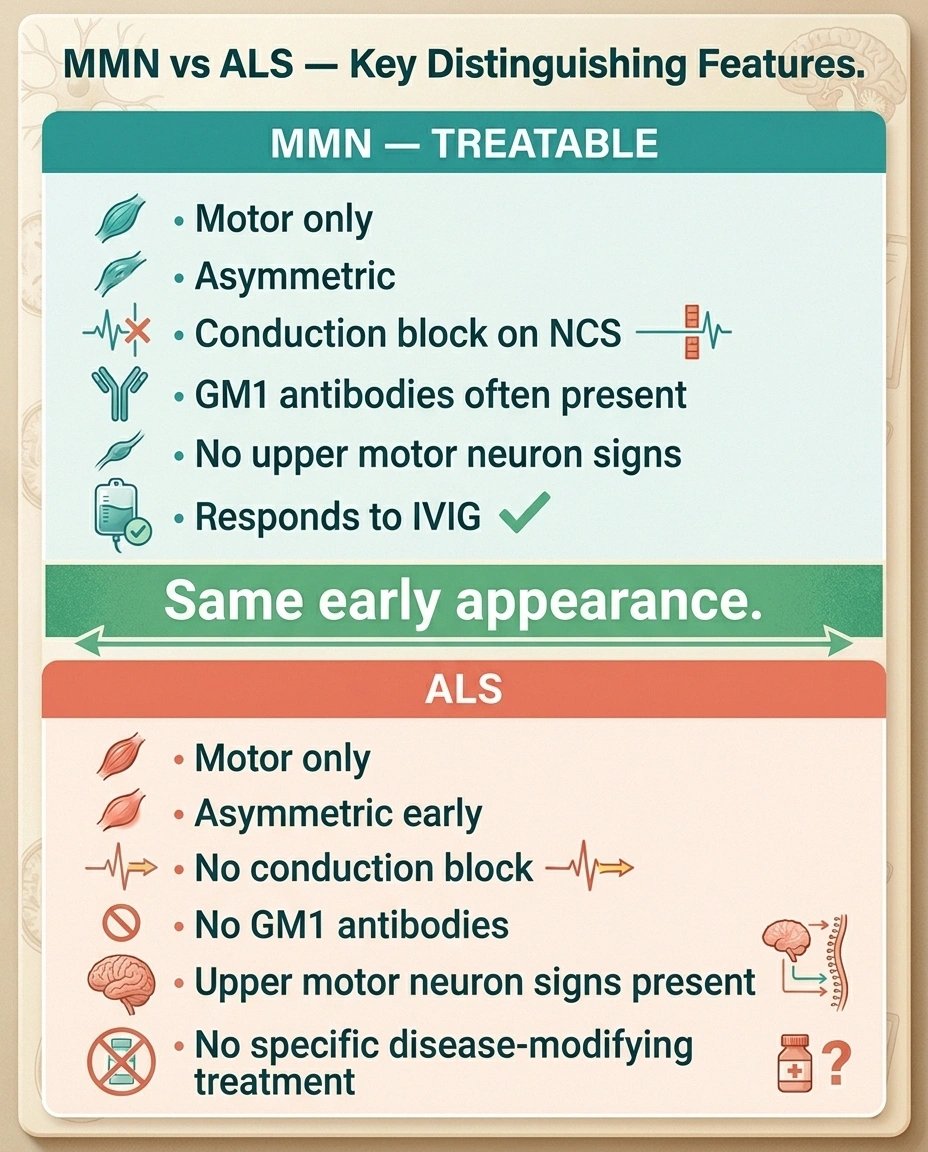
This is the most important section of this article, because the consequences of the confusion run in only one direction — and they're severe.
MMN vs ALS — The Distinguishing Features
- Conduction block on detailed NCS
- GM1 antibodies in ~80% of cases
- No upper motor neuron signs
- No bulbar involvement
- Responds well to IVIG
- No conduction block on NCS
- No GM1 antibodies
- Upper motor neuron signs present
- Bulbar involvement common
- No disease-modifying response to IVIG
Same early appearance. Entirely different prognosis. The right test makes the difference.
Both MMN and ALS can start with asymmetric hand or arm weakness without sensory symptoms. Both can involve muscle atrophy and fasciculations in affected muscles. Both can progress over months. To a non-specialist, the early presentation can look nearly identical. The differences, when you know to look for them, are real — but they require specific testing to confirm.
The single biggest distinguishing feature on neurological exam: MMN involves only lower motor neuron findings (weakness, atrophy, fasciculations, reduced or absent reflexes in affected muscles). ALS involves both lower motor neuron findings and upper motor neuron findings (spasticity, hyperreflexia, Babinski sign, sometimes pseudobulbar affect). The presence of clear upper motor neuron signs argues against MMN and toward ALS. The complete absence of upper motor neuron signs in a patient with asymmetric weakness is what should trigger the workup for MMN.
The other key distinguishing test is nerve conduction studies looking for conduction block. In MMN, the motor nerves show partial block at specific points where the immune attack has occurred — the signal arriving at the muscle is much smaller than the signal entering the nerve, even though there should be no anatomic reason for that drop. ALS, by contrast, shows no conduction block — the signal travels along the nerve fine; the problem is that the motor neurons themselves are dying, so the signals start out reduced. Demonstrating conduction block is the technical key to distinguishing the two, and it requires a neurologist who specifically tests for it.
Here is the practical reality: if you've been told you might have ALS and you have asymmetric weakness without sensory loss, you owe yourself the MMN workup before you accept the diagnosis. That workup includes detailed nerve conduction studies looking for conduction block, GM1 antibody testing, and assessment by a neuromuscular specialist familiar with MMN. A second opinion at an academic medical center with a neuromuscular subspecialty is reasonable. The cost of doing the workup is a few weeks. The cost of missing MMN is the difference between treatable and untreatable.
How MMN Gets Diagnosed
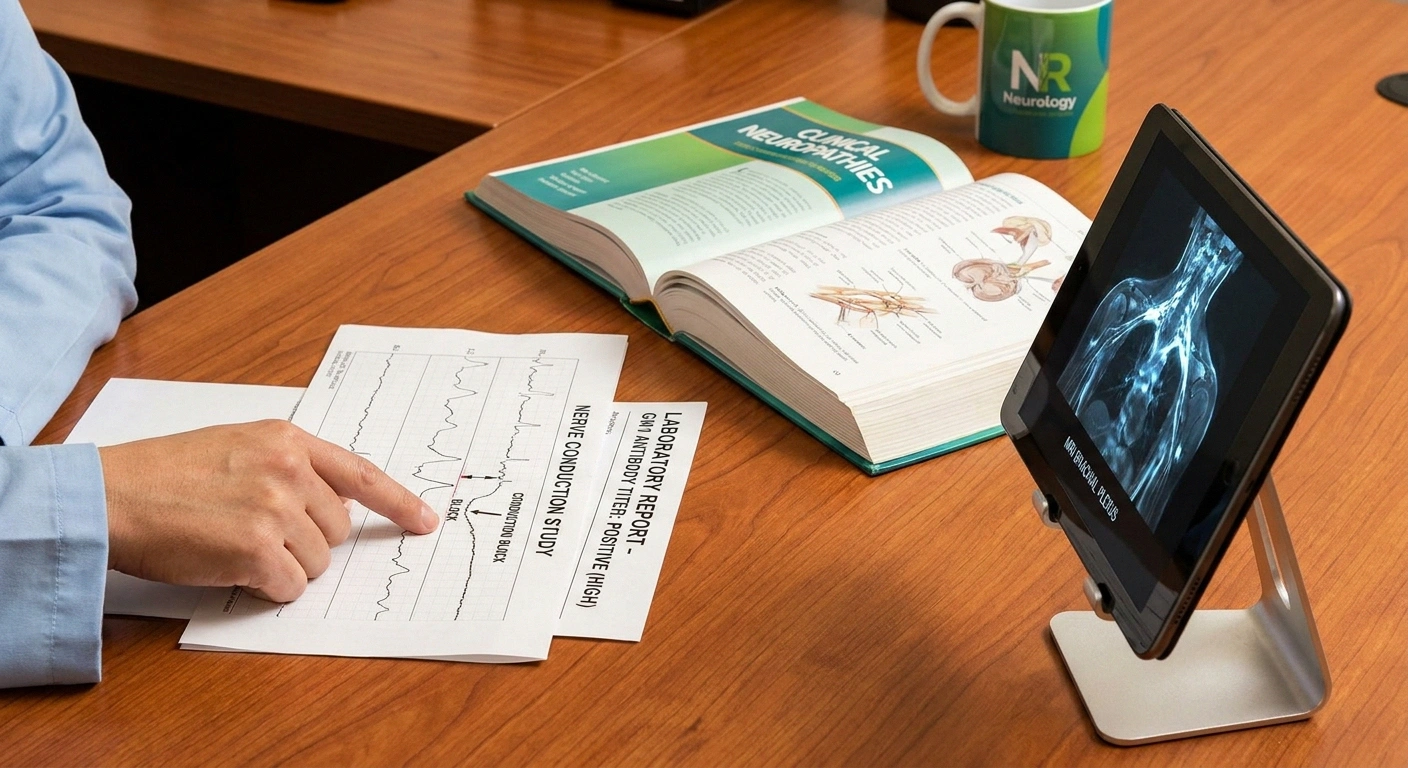
The diagnostic workup for suspected MMN is detailed, and it usually involves multiple tests and a specialist. Here's what a thorough workup looks like.
Conduction Block Is the Technical Key
In MMN, motor nerve conduction studies show partial block at specific points where the immune attack has occurred — the signal arriving at the muscle is much smaller than the signal entering the nerve, with no anatomical reason for that drop. ALS shows no conduction block. Demonstrating conduction block requires a neurologist who specifically tests for it — standard NCS protocols may not catch it. A subspecialty neuromuscular center is where this gets done right.
A focused neurological exam documenting the distribution of weakness, the presence or absence of sensory findings, and the presence or absence of upper motor neuron signs. The exam is what raises the clinical suspicion that puts MMN in the differential — without that step, the testing won't get ordered.
Detailed nerve conduction studies (NCS) and electromyography (EMG). This is the cornerstone of diagnosis. The neurologist is specifically looking for conduction block in the motor nerves — places where the signal traveling along the nerve drops in amplitude between proximal (closer to the spine) and distal (closer to the muscle) stimulation points, without the kind of slowing that would suggest typical demyelinating disease. Finding clear conduction block in motor nerves with normal sensory nerve conduction is highly suggestive of MMN. This is more specialized than routine nerve conduction studies and may need to be done at a center with experience.
GM1 antibody testing. Roughly 80 percent of MMN patients have circulating IgM antibodies against GM1 ganglioside, a component of nerve membranes. A positive GM1 test in the right clinical context strongly supports MMN. A negative test doesn't rule it out (20 percent of patients don't have detectable antibodies) but does prompt more careful consideration of alternatives.
Cerebrospinal fluid (CSF) analysis. A lumbar puncture is sometimes done to look at the spinal fluid. In MMN, CSF protein is typically normal or only mildly elevated, which helps distinguish it from CIDP (chronic inflammatory demyelinating polyneuropathy), where CSF protein is usually substantially elevated.
MRI of the affected nerves. Modern nerve MRI can sometimes show inflammation or thickening of motor nerves at the sites of immune attack, which adds confirmatory evidence in unclear cases.
Ruling out alternatives. The diagnostic workup also considers ALS (more common than MMN), CIDP (a related autoimmune neuropathy with sensory involvement), MMN's close cousin Lewis-Sumner syndrome (multifocal acquired demyelinating sensory and motor neuropathy — MADSAM), focal nerve compression (like ulnar neuropathy at the elbow), and certain genetic motor neuropathies.
The full diagnostic process usually takes weeks. For patients who are concerned about delay because of fear of ALS, the workup itself is largely outpatient and can run in parallel with continued life. The worst version of the delay isn't the workup — it's the months of waiting and worsening that happen when the right tests aren't ordered.
What Treatment Looks Like
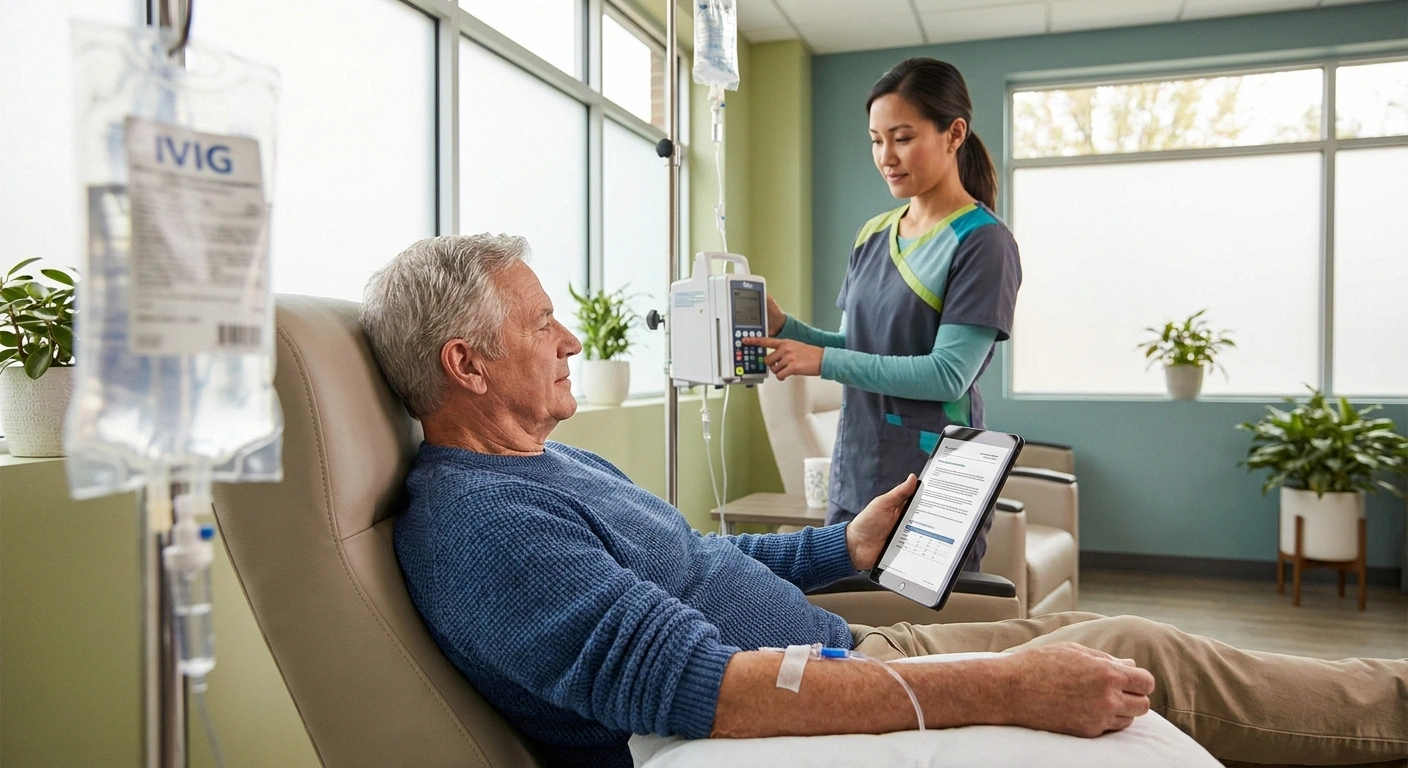
The first-line treatment for MMN is intravenous immunoglobulin (IVIG) — a pooled blood product containing antibodies from thousands of healthy donors, infused intravenously. The mechanism by which IVIG works in autoimmune neuropathies isn't fully understood, but the clinical effect is well-established: most MMN patients (perhaps 70 to 80 percent) experience meaningful improvement, often within weeks of starting treatment.
Often within weeks of starting treatment. IVIG isn't a cure — the autoimmune process continues, so ongoing maintenance infusions (every 2-6 weeks) are required indefinitely. But response rates this high for any chronic autoimmune neurology condition are remarkable. Note: corticosteroids and plasma exchange are generally not effective in MMN and steroids can sometimes worsen it — one more reason getting the right diagnosis matters.
The typical regimen: induction with a loading dose of IVIG (commonly 2 grams per kilogram of body weight given over 2 to 5 days), followed by maintenance infusions every 2 to 6 weeks indefinitely. The dose and interval are adjusted based on how the patient responds and how quickly the benefit wears off between infusions. IVIG is not a cure — the underlying autoimmune process continues — but it suppresses the immune attack enough that the conduction block reverses and muscle function returns. Stop the infusions, and most patients relapse within weeks to a few months.
A related option is subcutaneous immunoglobulin (SCIG), where the same kind of medication is given as smaller, more frequent injections under the skin, often by the patient at home. SCIG provides more steady-state coverage and avoids the peaks and valleys of monthly IVIG dosing. Many patients prefer it, and it's a reasonable option after initial response to IVIG is established.
For patients who don't respond adequately to IVIG, or whose response wanes over time, treatments to consider include cyclophosphamide (a potent immune-suppressing chemotherapy drug — used with caution because of side effects) and rituximab (a B-cell-depleting antibody therapy). Newer immunotherapies are emerging for various autoimmune neuropathies, and the treatment landscape may change in the next few years.
One important note: corticosteroids and plasma exchange, which are mainstays for some autoimmune neuropathies, are generally not effective in MMN — and corticosteroids can sometimes make MMN worse. This is one reason the correct diagnosis matters so much. Treating a presumed CIDP (which usually responds well to steroids) with steroids when the patient actually has MMN can cause harm. Misdirected immune therapy doesn't help and may delay correct treatment.
Living with MMN — The Long View
For most patients, MMN becomes a chronic condition managed with ongoing immunoglobulin therapy. The realistic picture: regular infusions every few weeks, ongoing follow-up with a neuromuscular specialist, periodic adjustments to dose and frequency, and a course that's usually slowly favorable rather than dramatically progressive.
The MMN Long-Term Care Plan
Loading dose typically 2 g/kg over 2-5 days.
IVIG or SCIG every 2-6 weeks, indefinitely.
OT for hand-specific weakness; AFO for foot drop.
Periodic exams and dosing adjustments.
Neuromuscular specialist every 3-6 months.
Rituximab or cyclophosphamide for poor responders.
Most patients on adequate treatment maintain enough strength to keep working, drive, manage their own care, and stay independent. Some have lingering weakness in specific muscles that started out severely affected — the rule of thumb is that the longer a muscle has been weak before treatment starts, the less complete the recovery in that specific muscle. This is one of the practical reasons early diagnosis matters: starting treatment while the conduction block is fresh tends to give more complete recovery than starting it after months of weakness has led to muscle atrophy and secondary changes.
Day-to-day adaptations help. Occupational therapy for hand-specific weakness can teach techniques and recommend adaptive tools. Ankle-foot orthoses (AFOs) help with foot drop. Physical therapy maintains range of motion and prevents secondary stiffness. Periodic assessment of grip strength and other motor measures helps the treatment team adjust the IVIG dose and frequency to keep patients in the best functional range.
The autoimmune nature of MMN means it can be affected by overall immune health. Patients are typically advised to stay up to date on vaccines (with the timing coordinated with IVIG infusions, since IVIG can affect vaccine response), to manage other autoimmune comorbidities carefully, and to avoid known triggers when possible. The prognosis for patients on consistent treatment is generally favorable — most maintain meaningful function for decades.
Questions to Bring to a Neurologist

If you suspect MMN, or if you've been told you might have ALS but the diagnosis hasn't been confirmed with the right testing, these are the questions to bring to your next appointment.
Make Sure the Question Gets Asked
The most important advocacy a patient or family member can do is make sure MMN gets specifically considered and ruled in or out — especially when an ALS diagnosis is on the table. MMN is rare; not every neurologist sees it often. A clear request to test for conduction block, GM1 antibodies, and a second opinion at a neuromuscular subspecialty center is reasonable, welcome, and life-changing for the small subset of patients in whom MMN is the actual answer.
- Has multifocal motor neuropathy been considered in my workup? If not, why not?
- Have I had nerve conduction studies specifically looking for conduction block? Standard NCS won't always be set up to find it.
- Have I been tested for GM1 antibodies?
- Is there evidence of upper motor neuron involvement on my exam? If yes, that argues against MMN. If no, that's a reason to pursue MMN testing more aggressively.
- What's the case for ALS vs MMN vs other alternatives in my specific picture? A neurologist should be able to lay out the reasoning, not just the conclusion.
- If MMN can't be ruled out, would a second opinion at a neuromuscular subspecialty center be reasonable? Major academic medical centers and ALS clinics often have neuromuscular specialists with the experience to make this distinction reliably.
- What's the plan if the workup is inconclusive? An empirical IVIG trial is sometimes used to test whether the patient responds — but it should be a deliberate decision, not a default.
The most important advocacy you can do as a patient or family member is to make sure the question of MMN gets asked and properly answered. The condition is rare, and not every neurologist sees it often. A clear request from you to specifically rule it in or out is reasonable and welcome — especially when an ALS diagnosis is being considered.
Frequently Asked Questions
How rare is MMN, really?
Genuinely rare. Estimated prevalence is around 1 in 100,000 people, which makes it one of the rarer peripheral neuropathies. For context, ALS is also rare (about 5 per 100,000), but MMN is rarer still. The rarity is part of why it gets missed — most neurologists may see only a handful of MMN cases in their career, while they see many more cases of more common neuropathies and ALS. This is why a neuromuscular subspecialist's input is so valuable when MMN is on the table.
Can MMN be cured?
Not currently. MMN is an ongoing autoimmune condition that's managed rather than cured. With consistent immunoglobulin treatment, most patients maintain meaningful function long-term. Stopping treatment usually leads to relapse, sometimes within weeks. Research into longer-lasting immunotherapies — including B-cell-depleting agents and newer biologics — may eventually change this picture, but as of today, MMN is chronic and treatment is ongoing.
Why do steroids work for some autoimmune neuropathies but not for MMN?
This is one of the genuine puzzles in immune-mediated neuropathy medicine. The two related conditions, CIDP and MMN, both involve autoimmune attack on peripheral nerves, but they respond very differently to immune therapies. CIDP responds well to corticosteroids, plasma exchange, and IVIG. MMN responds well to IVIG but generally doesn't respond to corticosteroids and can sometimes worsen with them. The leading theory is that the specific immune mechanisms — the antibodies involved, the immune cell types, the targeted nerve components — differ between the two conditions enough that corticosteroids don't suppress the relevant pathway in MMN. The practical consequence is that distinguishing MMN from CIDP is clinically important, because the treatments diverge meaningfully.
How expensive is IVIG, and does insurance cover it?
IVIG is expensive — a typical year of treatment can cost $50,000 to $150,000 or more in the US, depending on dose, frequency, and infusion setting. The good news: insurance coverage for IVIG in confirmed MMN is generally good, because MMN is on the FDA-approved list of conditions for which IVIG (specifically Gammagard 10%) is indicated. Most major insurers cover it when the diagnosis is properly documented. Prior authorization is typically required, and the documentation needs to include the neurologist's diagnostic reasoning and supporting test results. Medicare also covers IVIG for MMN, though sometimes with specific site-of-service rules (home vs hospital vs outpatient infusion center). A pharmacy social worker or your neurology practice's care coordinator can usually help navigate the authorization process.
Is MMN inherited? Should my children be worried?
MMN is not considered an inherited condition. It's autoimmune, meaning the immune system has misdirected itself against the patient's own nerves, and the specific triggers aren't fully understood. There may be some genetic predisposition to autoimmune disease in general — families with one autoimmune condition often have slightly higher rates of other autoimmune conditions — but MMN doesn't run in families in a clear inheritable pattern, and children of an MMN patient are not at significantly increased risk for MMN specifically. They have a slightly elevated baseline risk for autoimmune conditions in general, but no urgent screening is recommended.
What's the difference between MMN and CIDP?
Both are autoimmune neuropathies that respond to immunoglobulin therapy, but they differ in important ways. MMN affects only motor nerves and follows an asymmetric, multifocal pattern, with characteristic conduction block on nerve conduction studies and frequent GM1 antibodies. CIDP affects both motor and sensory nerves, follows a more symmetric pattern (resembling a generalized polyneuropathy with both arms and both legs involved), has elevated CSF protein on lumbar puncture, and shows diffuse demyelination rather than focal conduction block on nerve conduction studies. CIDP responds to IVIG, corticosteroids, and plasma exchange; MMN responds primarily to IVIG and not to steroids. Distinguishing them is a job for a neuromuscular specialist, and the distinction shapes treatment.
Can MMN affect breathing or swallowing?
Rarely, and not in the way ALS does. MMN is largely a disease of the limbs — the motor nerves to the hands, arms, feet, and legs. The bulbar muscles (those involved in speech, swallowing, and breathing control) are typically spared. Patients with MMN don't usually develop slurred speech, swallowing difficulty, or respiratory weakness. If those symptoms develop in a patient who's been diagnosed with MMN, that's a reason to revisit the diagnosis — it raises the possibility that the actual condition is ALS, or that an additional process is occurring. This is part of why ongoing neuromuscular follow-up matters even in patients who appear stable.
If I respond to IVIG, does that confirm I have MMN?
A clear response to IVIG strongly supports an immune-mediated neuropathy, but it doesn't definitively confirm MMN specifically. Several immune-mediated neuropathies respond to IVIG — CIDP, MMN, MADSAM, Guillain-Barré syndrome, and others. So a treatment response is consistent with MMN but not specific to it. That's why the full diagnostic workup — including nerve conduction studies showing conduction block, GM1 antibodies if present, the clinical pattern of motor-only asymmetric weakness, and the absence of sensory findings — matters even when IVIG seems to be working. A confirmed diagnosis lets the treatment team make informed decisions about long-term management, including which other therapies to consider if IVIG response wanes, and what to monitor for over time.
About the Author