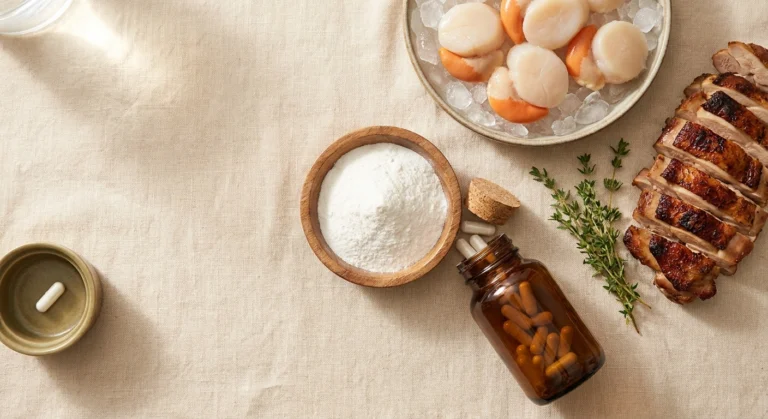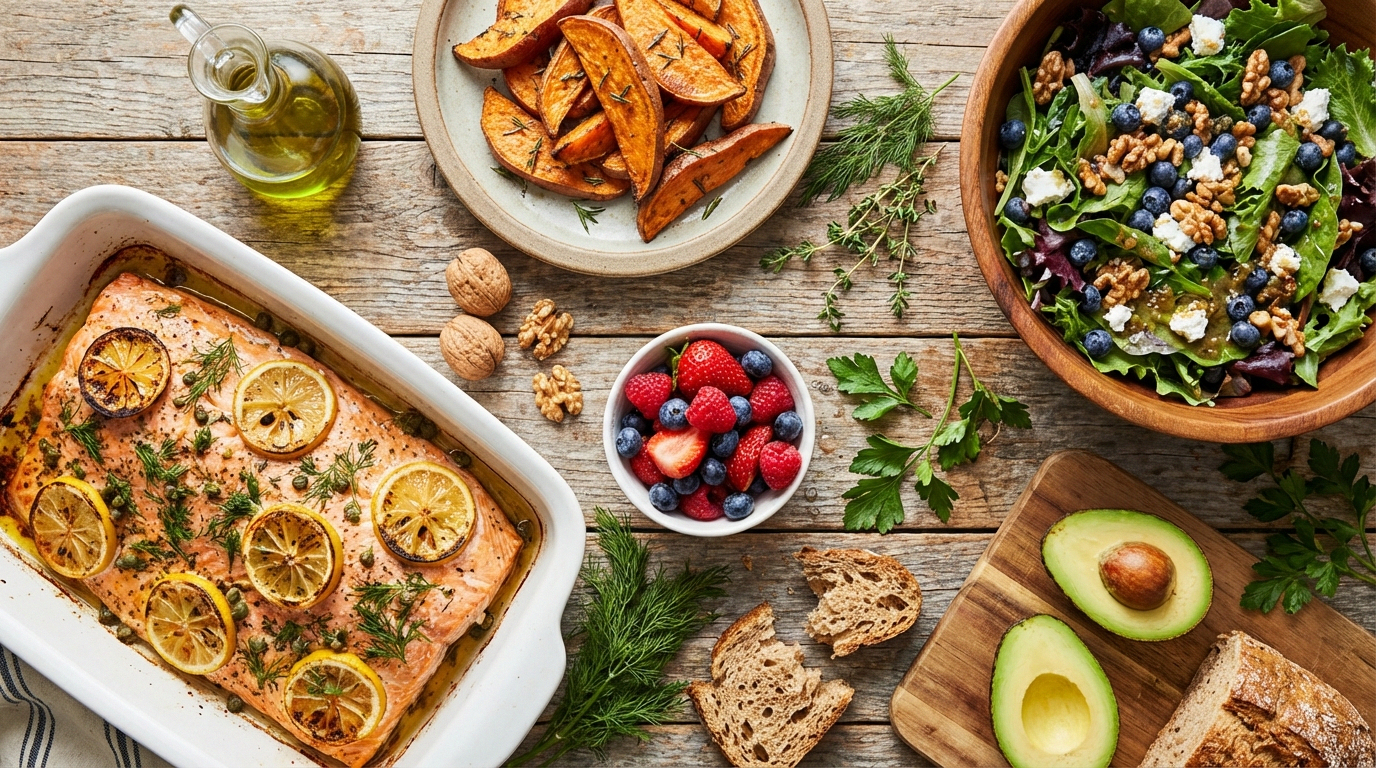
A neuropathy-friendly Mediterranean spread: the foods your nerves need, all in one meal.
How Diet Affects Neuropathy (More Than You Might Think)
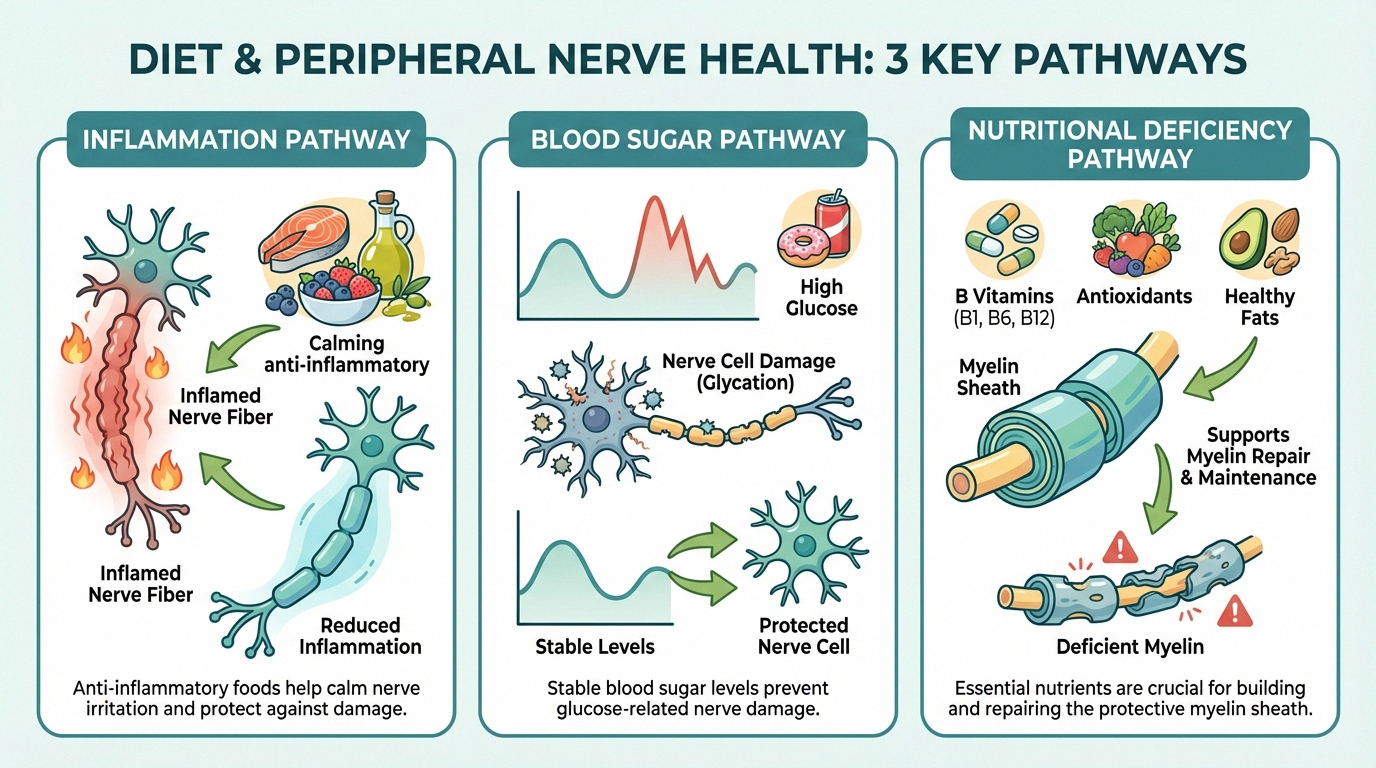
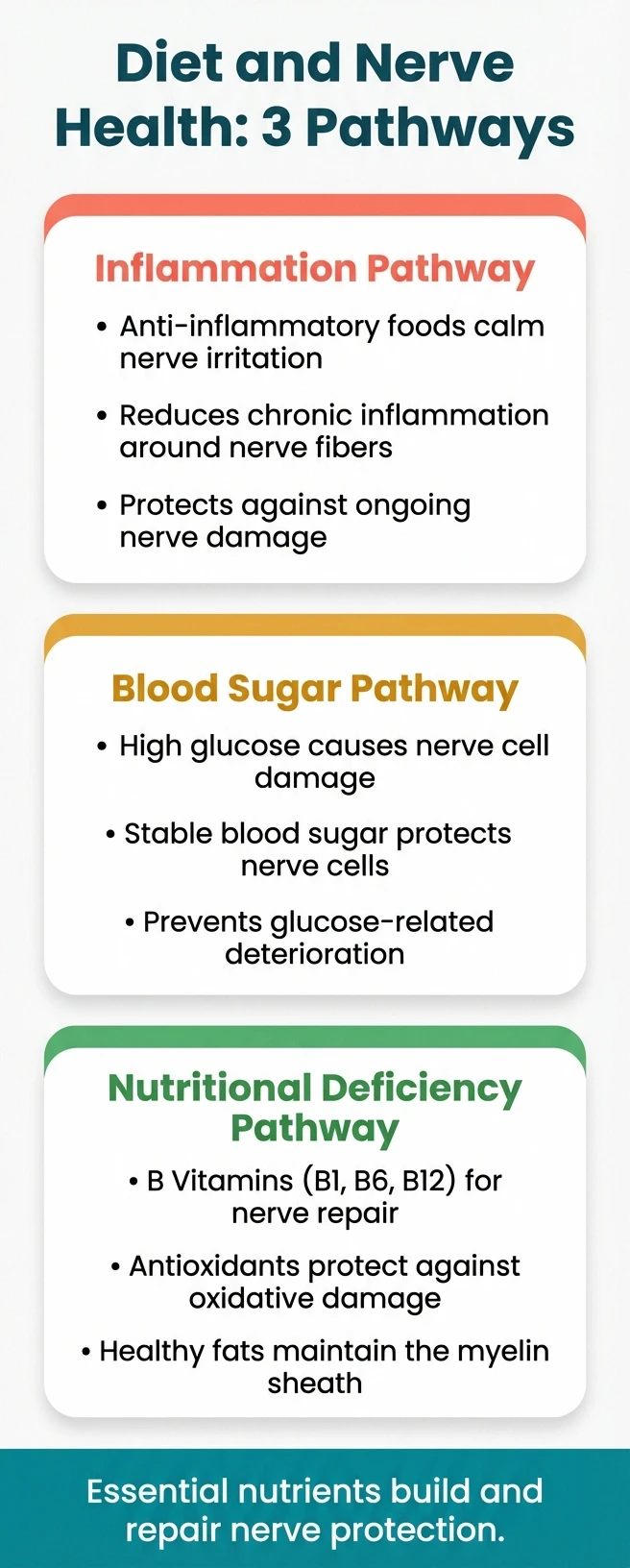
Your nervous system is one of the most metabolically demanding systems in your body. Your nerves need a constant supply of specific nutrients to repair damage, conduct signals, and fight off the oxidative stress that accelerates nerve breakdown. Diet impacts neuropathy through three main pathways: 1. Inflammation. Chronic low-grade inflammation is a driver of nerve damage and pain. Certain foods ramp up inflammation; others help cool it down. The balance between them directly affects how much your nerves hurt. 2. Blood sugar. Even if you haven't been diagnosed with diabetes, blood sugar spikes and crashes damage nerves over time. High blood sugar is toxic to nerve cells — it's the primary mechanism behind diabetic neuropathy, which is the most common form. And you don't need a diabetes diagnosis for blood sugar to be affecting your nerves. 3. Nutritional status. Your nerves need B vitamins, antioxidants, healthy fats, and minerals to function and repair. If your diet is low in these, you're essentially asking your nerves to rebuild a house without supplies. This isn't about being perfect. It's about tipping the balance in your favor.of people with diabetes will develop neuropathy — and diet is the primary lever for reducing that risk
Heavy drinking can directly damage nerves —
For diabetes-specific guidance, read our diabetic neuropathy guide.
10 Best Foods for Neuropathy
These aren't exotic superfoods you need to order online. They're ordinary foods that pack an outsized punch for nerve health.1. Fatty Fish (Salmon, Mackerel, Sardines)
Omega-3 fatty acids are some of the most potent anti-inflammatory compounds in nature. They reduce the inflammatory chemicals that contribute to nerve pain and may actually support nerve cell membrane repair. A 2010 case series in the Clinical Journal of Pain followed five people with various nerve pain conditions and reported that omega-3 supplementation eased their pain and improved their nerve conduction readings. Five people is a starting point rather than proof, and the authors themselves called for proper randomized trials. How to eat more: Aim for fatty fish twice a week. Canned sardines on toast is quick and cheap. Baked salmon takes 20 minutes.Research Says
A 2020 study in the Journal of Neurological Sciences found that omega-3 fatty acid supplementation improved nerve conduction velocity and significantly reduced pain scores in patients with peripheral neuropathy — suggesting dietary omega-3s from fatty fish may offer similar nerve-protective benefits.

2. Dark Leafy Greens (Spinach, Kale, Swiss Chard)
These are loaded with folate, magnesium, and alpha lipoic acid — all critical for nerve health. Magnesium alone helps regulate nerve signaling and muscle relaxation, and many neuropathy sufferers are deficient without knowing it. How to eat more: Add a handful of spinach to your morning eggs. Make a simple salad with dinner. Sauté Swiss chard with garlic and olive oil — it's better than it sounds.3. Berries (Blueberries, Strawberries, Blackberries)
Berries are antioxidant powerhouses. They contain anthocyanins — the compounds that give them their deep color — which have been shown to reduce oxidative stress and protect nerve cells from damage. How to eat more: A handful with breakfast or as an afternoon snack. Frozen berries are just as nutritious as fresh and less expensive.4. Eggs
Eggs are one of nature's most complete foods for nerve health. They contain B12, B6, choline (important for nerve signaling), and high-quality protein that provides the building blocks for nerve repair. How to eat more: You probably already eat eggs. Just know that when you do, you're doing your nerves a favor.5. Walnuts and Almonds
Nuts are rich in omega-3s (walnuts especially), vitamin E (almonds especially), magnesium, and B6. Vitamin E is an antioxidant that shields nerve tissue from free radical damage, and a deficiency can cause neuropathy on its own. How to eat more: Keep a bag at your desk. A small handful (about an ounce) is a perfect snack.6. Sweet Potatoes
Unlike white potatoes, sweet potatoes have a lower glycemic impact — meaning they don't spike your blood sugar as dramatically. They're also rich in beta-carotene, vitamin C, and potassium, all of which support nerve function and reduce inflammation. How to eat more: Bake them whole, mash them, or cut into wedges and roast with olive oil. They're versatile and satisfying.7. Turmeric
The active compound in turmeric — curcumin — is one of the most studied natural anti-inflammatories in the world. In rats with injured nerves, oral curcumin lowered pain sensitivity and calmed the inflammatory cells around the damage. Human trials in people with neuropathy are still small and few, so the honest read is promising but unproven. The absorption problem: Curcumin is poorly absorbed on its own. Always combine it with black pepper (piperine increases absorption by up to 2,000%) and a source of fat. How to eat more: Golden milk (turmeric + pepper + warm milk) before bed. Add it to scrambled eggs, soups, or rice. Or consider a curcumin supplement with piperine if you want therapeutic doses.8. Olive Oil
Extra virgin olive oil contains oleocanthal, a compound that works similarly to ibuprofen as an anti-inflammatory. It's also rich in polyphenols that protect against oxidative nerve damage. How to eat more: Use it as your primary cooking oil. Drizzle it on salads, vegetables, and bread. The Mediterranean diet — which centers on olive oil — is consistently associated with lower rates of neuropathy and chronic pain conditions.9. Avocado
Avocados provide healthy monounsaturated fats (good for nerve cell membranes), potassium (supports nerve signaling), B vitamins, and vitamin E. They're one of the most nutrient-dense foods you can eat. How to eat more: On toast, in salads, mashed as a spread, or just with a spoon and a pinch of salt.10. Legumes (Lentils, Chickpeas, Black Beans)
Legumes are excellent sources of folate, magnesium, protein, and fiber. The fiber is particularly important because it slows the absorption of sugar, preventing the blood sugar spikes that damage nerves. How to eat more: Add lentils to soups. Toss chickpeas into salads. Make a simple black bean chili. Canned beans are perfectly fine — just rinse them first.Foods to Avoid With Neuropathy
This is the part nobody likes to hear. But if you're serious about managing your symptoms, what you remove from your diet may matter as much as what you add.Sugar and Refined Carbohydrates
This is the big one. Sugar and refined carbs (white bread, white rice, pastries, sugary drinks) cause rapid blood sugar spikes that are directly toxic to nerve cells. Even if you don't have diabetes, repeated blood sugar spikes contribute to nerve damage over time. I'm not saying you can never have a cookie again. I'm saying that if you're eating sugar multiple times a day — in your coffee, in packaged snacks, in sweetened drinks — your nerves are paying a price for it. Start here: Cut sugary drinks first. That single change eliminates a massive source of blood sugar spikes for most people.Alcohol
Alcohol is directly neurotoxic — meaning it poisons nerve cells even without any other risk factors. Alcoholic neuropathy is a recognized condition on its own, and even moderate drinking can worsen existing neuropathy from other causes. Alcohol also depletes B vitamins (especially B1 and folate), which you need for nerve repair. It's a double hit.Trans Fats and Highly Processed Foods
Trans fats (found in many fried foods, margarine, packaged baked goods, and anything with “partially hydrogenated oil” on the label) promote inflammation and damage cell membranes — including the membranes that protect your nerve cells. Highly processed foods in general tend to be high in sugar, unhealthy fats, sodium, and artificial additives while being low in the nutrients your nerves need. They're filling without being nourishing.Artificial Sweeteners
This one is more controversial, but some research and a growing number of patient reports suggest that certain artificial sweeteners — particularly aspartame — may have neurotoxic effects. The evidence isn't as strong as it is for sugar and alcohol, but if you're trying to optimize nerve health, switching to stevia or simply reducing sweetener use is a reasonable precaution.Gluten (for Some People)
This doesn't apply to everyone, but for people with celiac disease or gluten sensitivity, gluten can trigger autoimmune responses that damage peripheral nerves. If you have unexplained neuropathy and digestive issues, it's worth discussing gluten testing with your doctor.Talk to Your Doctor
If you have neuropathy and drink regularly, reducing or eliminating alcohol is one of the most impactful changes you can make for your nerve health. Alcohol is directly neurotoxic and depletes the B vitamins essential for nerve repair. Discuss a reduction plan with your doctor, especially if you've been drinking heavily — sudden withdrawal can have medical risks.

A Sample Neuropathy-Friendly Day
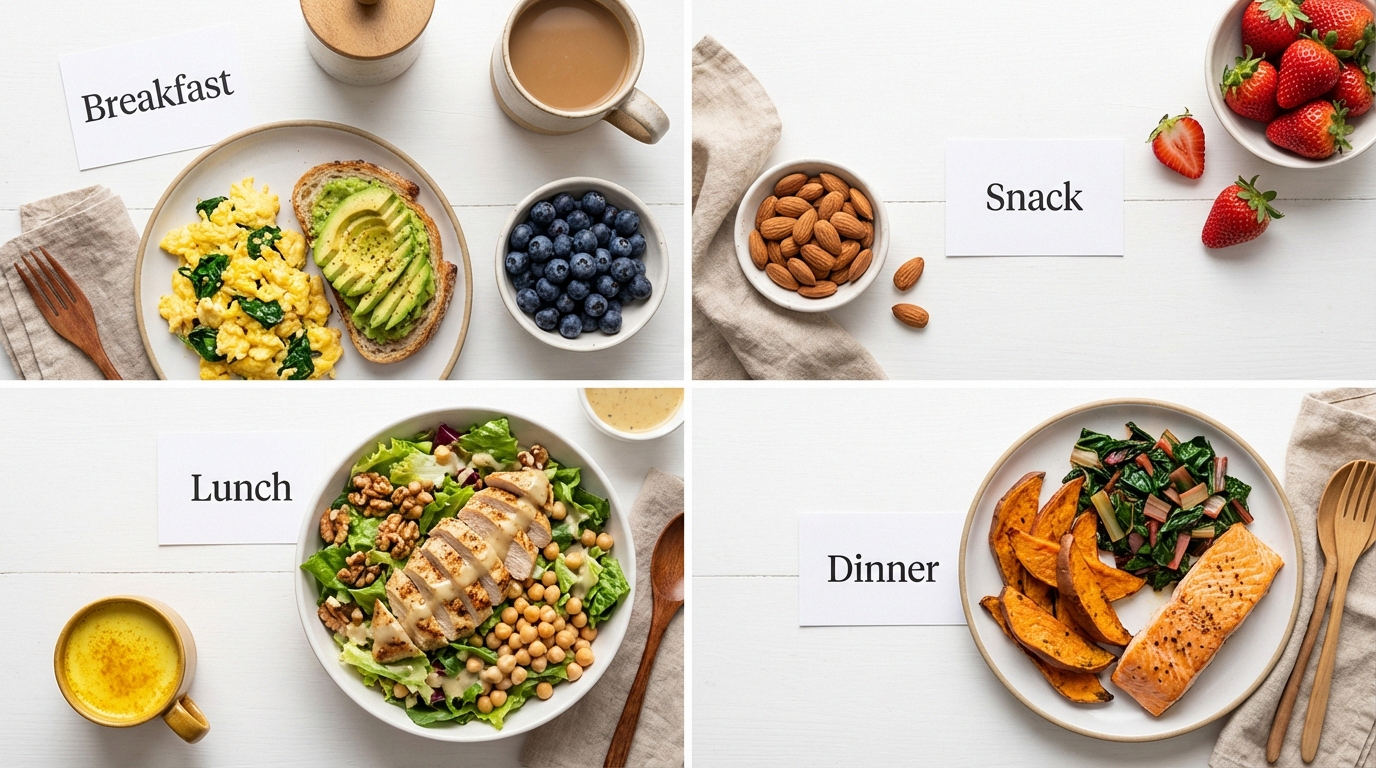
Here's what a realistic, enjoyable day of eating for nerve health looks like:Your Neuropathy-Friendly Day
Breakfast
Scrambled eggs with spinach and a sprinkle of turmeric. Half an avocado on whole grain toast. A handful of blueberries. Coffee or tea (unsweetened or with a splash of cream).
Lunch
Mixed green salad with grilled chicken, walnuts, chickpeas, and olive oil vinaigrette. An apple.
Afternoon Snack
A small handful of almonds and a few strawberries.
Dinner
Baked salmon with roasted sweet potatoes and sautéed Swiss chard in garlic and olive oil. Brown rice or quinoa on the side.
Evening
Golden turmeric milk — warm milk with turmeric, black pepper, and a touch of honey.
Anti-Inflammatory Eating: The Foundation
If all of this feels like a lot to track, here's the simplest way to think about it: Eat like they do around the Mediterranean. The Mediterranean diet — rich in fish, olive oil, vegetables, nuts, legumes, and whole grains, and low in processed foods, sugar, and red meat — lowered the inflammatory markers C-reactive protein and IL-6 in the trials this review examined. It also keeps sugar and refined carbohydrates low, which is the same lever behind pathway two above. It's the single dietary pattern with the most evidence for nerve health. You don't need to follow it perfectly. Even moving toward this pattern — more fish, more vegetables, more olive oil, less processed food — makes a meaningful difference.❌ Standard Western Diet
High in processed foods, refined sugars, vegetable oils, and red meat. Promotes chronic inflammation, blood sugar swings, and nutritional deficiencies — the three main drivers of worsening neuropathy.
✓ Mediterranean-Style Diet
Rich in fatty fish, olive oil, vegetables, nuts, legumes, and whole grains. Reduces inflammation, stabilizes blood sugar, and delivers the B vitamins, antioxidants, and healthy fats your nerves need to repair and function.
When Diet Isn't Enough: Supplements to Fill the Gaps
Even with excellent eating habits, therapeutic doses of certain nutrients are hard to get from food alone — especially if your nerves are already damaged and need extra support. The supplements with the strongest evidence for neuropathy include alpha lipoic acid, B12 (methylcobalamin), benfotiamine (B1), and acetyl-L-carnitine. I've done a deep dive on these in my supplement guide. Think of diet as the foundation and targeted supplements as the reinforcement. Both matter.Small Changes, Real Results
You don't have to overhaul your entire diet overnight. That's a recipe for frustration and failure. Instead, pick two or three changes from this article and start there:- Swap sugary drinks for water or herbal tea
- Add fatty fish twice a week
- Start cooking with olive oil instead of vegetable oil
- Add a handful of berries to your breakfast
Key Takeaway
If you're not sure where your neuropathy stands or what to focus on first, my symptom assessment can help you prioritize. Diet is a powerful piece of the puzzle that you have complete control over — starting with your next meal.
Frequently Asked Questions
Browse all our neuropathy supplements and nutrition guides for more articles like this one.
About the Author