
Keto shows up in neuropathy conversations for two reasons. First, many people with nerve pain also have blood sugar issues, insulin resistance, or diabetes. Second, there is ongoing interest in whether ketosis changes pain signaling in a way that could reduce neuropathic pain.
The short answer: keto may help some people, but it is not a proven nerve-healing treatment, and it is not automatically a smart fit for everyone with neuropathy. If you want the honest version instead of diet hype, keep reading.
Why Keto Comes Up in Neuropathy Conversations
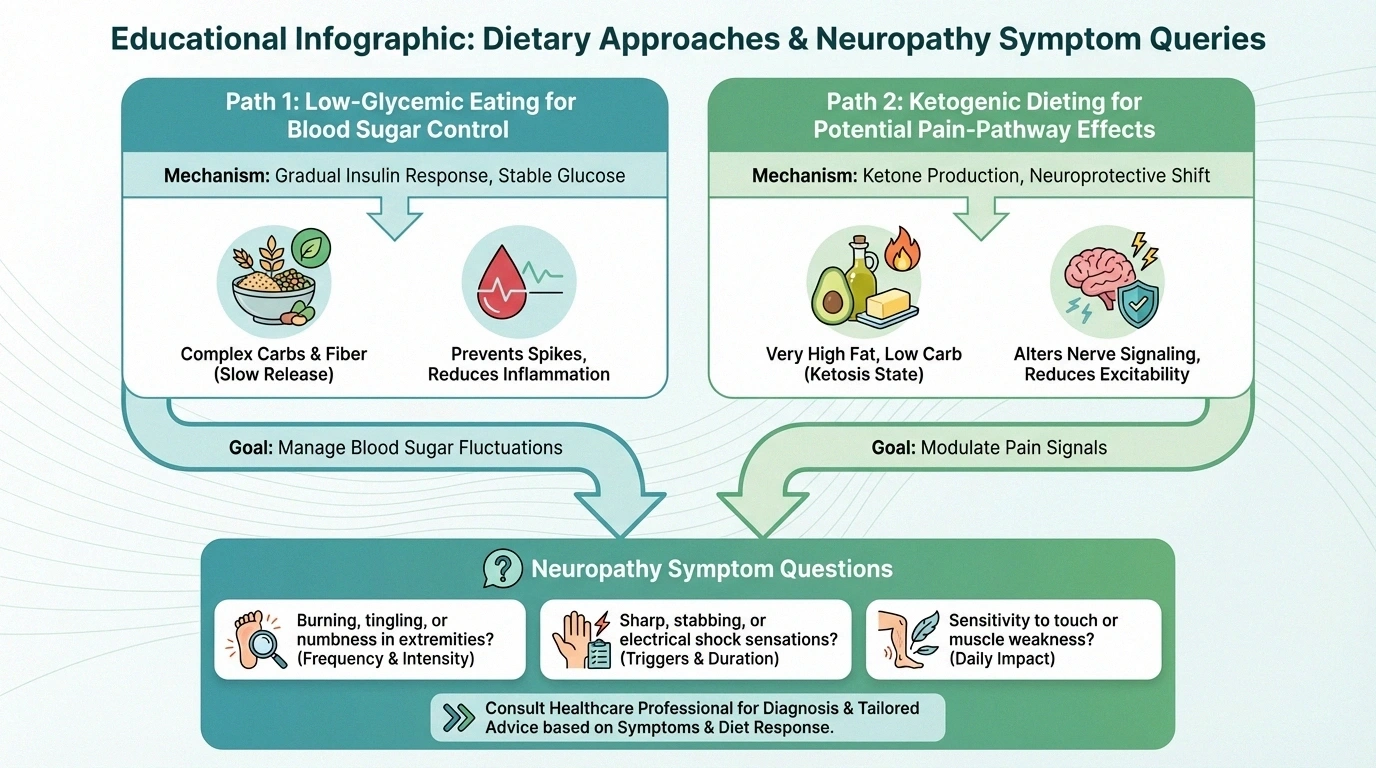
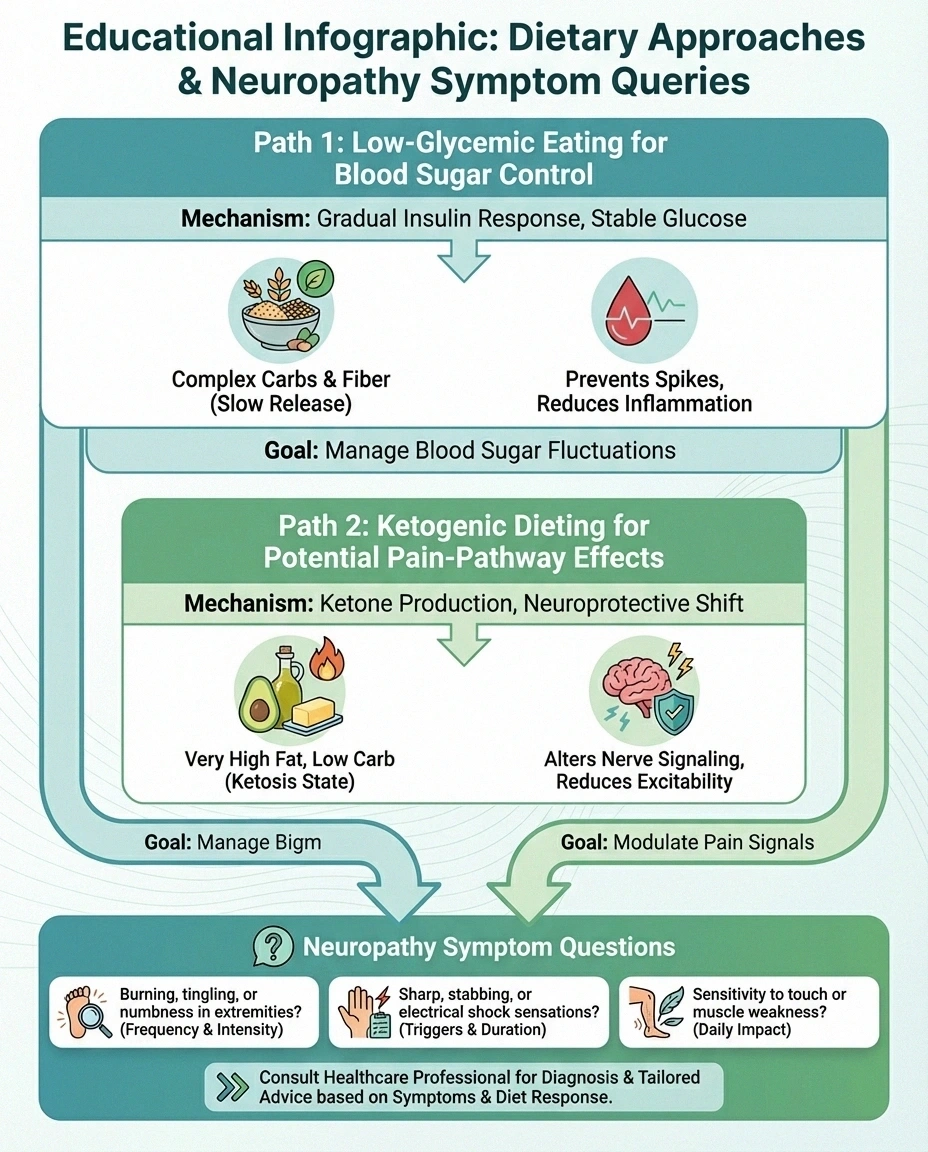
The Foundation for Peripheral Neuropathy notes two separate ideas that often get blended together:
What Matters Most
A lower-sugar diet and a ketogenic diet are not the same intervention. Better blood sugar control may help neuropathy even if you never reach ketosis.
- Low-glycemic or lower-carb eating may help diabetic neuropathy by improving blood sugar control and reducing the ongoing metabolic stress that damages nerves.
- Ketogenic diets have been studied for pain, inflammation, and neurological conditions, which raises the possibility that they could reduce neuropathic pain in some cases.
Those are not the same claim. Improving blood sugar is one mechanism. Entering nutritional ketosis is another. Plenty of people would benefit from better glycemic control without needing a strict ketogenic diet at all.
What the Current Research Actually Says
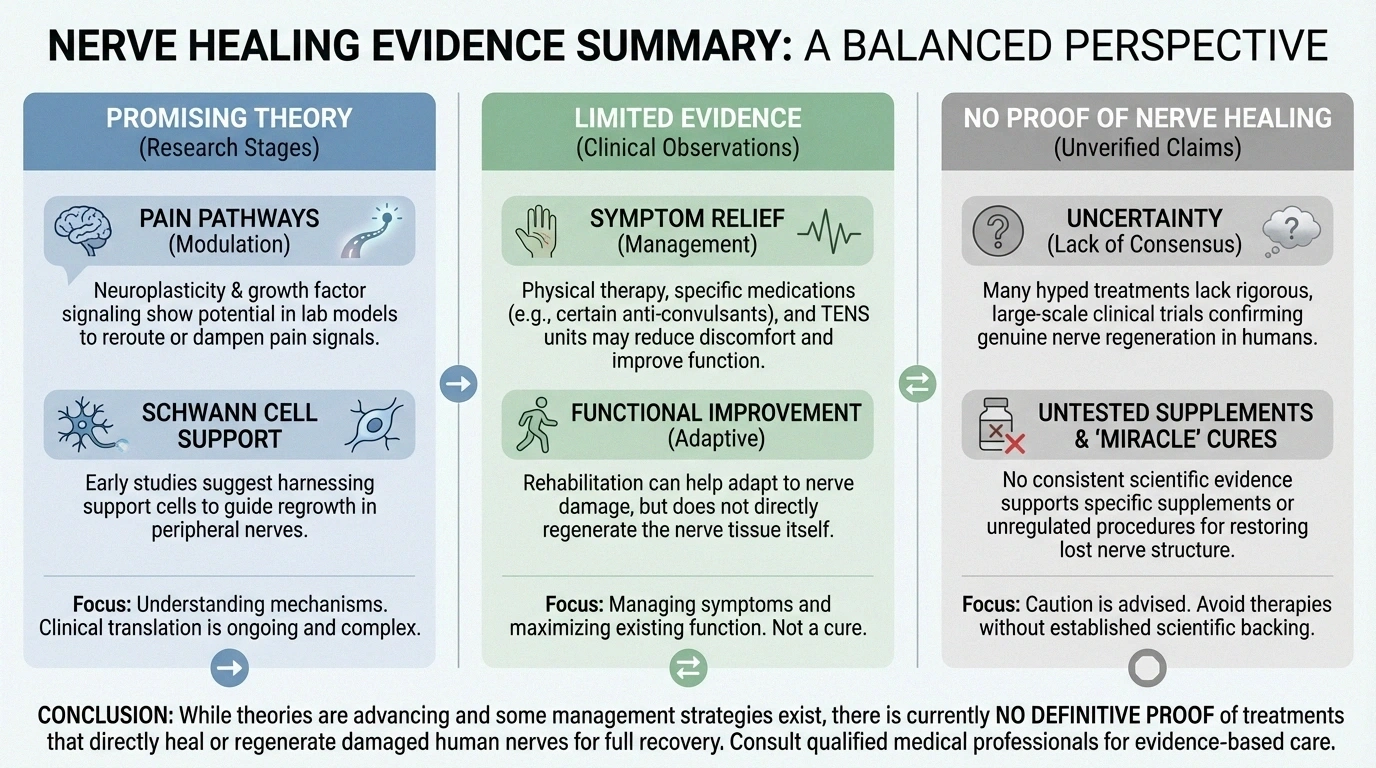
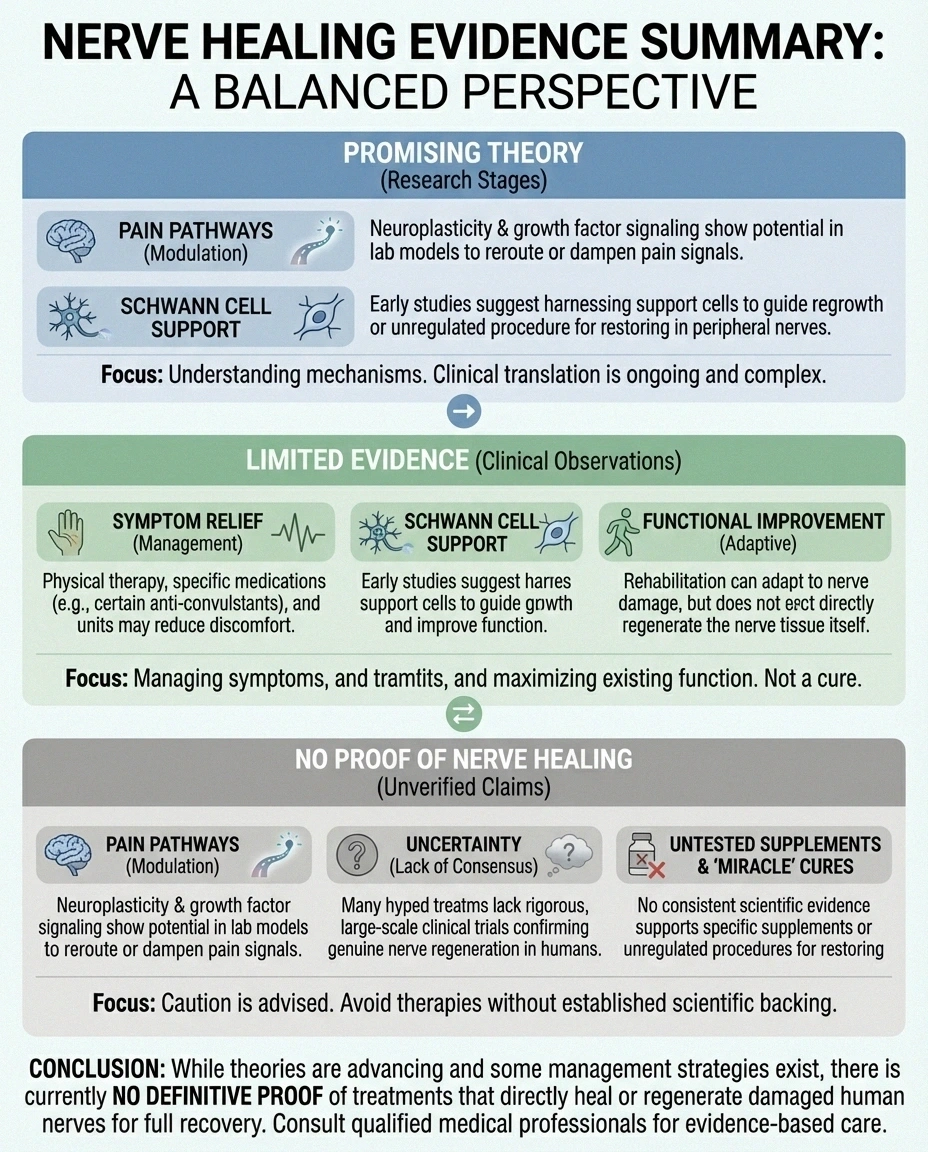
The evidence here is interesting but not definitive. A review in J Child Neurol. looked at ketogenic diets and pain, including neuropathic pain, and concluded that researchers have explored whether ketogenic diets affect pain and inflammation pathways. That makes the topic legitimate. It does not mean the evidence is strong enough to promise benefit for the average neuropathy patient.
What the evidence supports
Keto may help some people with pain and may be useful when blood sugar control improves. Research interest is real.
What the evidence does not support
There is no conclusive proof that keto heals damaged nerves or works broadly for every neuropathy patient.
The Foundation for Peripheral Neuropathy article makes the same key point in plain language: there is some support for the idea that ketogenic diets may help suppress neuropathic pain, possibly in a way that overlaps with how neuropathic pain medications work, but there is no conclusive evidence that keto heals damaged nerves.
That distinction matters. If someone says keto “cures neuropathy,” they are running ahead of the evidence. If they say keto might reduce symptoms for some people, especially when blood sugar or inflammation is part of the picture, that is a much more defensible claim.
Where Keto May Help Indirectly

Even if keto is not directly repairing nerves, it may still help certain people through indirect mechanisms:
- Better blood sugar control: if high glucose is still hitting your nerves, reducing spikes can matter a lot. Our article on blood sugar and nerve damage goes deeper on that mechanism.
- Weight loss: less body weight can reduce inflammation, pressure, and metabolic stress in some patients.
- Less processed food: some people feel better simply because they removed a lot of high-sugar, ultra-processed foods — not because they reached ketosis.
- More structured eating: symptom control often improves when meals stop being chaotic.
This is why keto anecdotes can be confusing. Someone says, “Keto helped my neuropathy,” but the active ingredient may have been better diabetes control, fewer inflammatory foods, weight loss, or alcohol reduction rather than ketosis itself.
Risks and Downsides
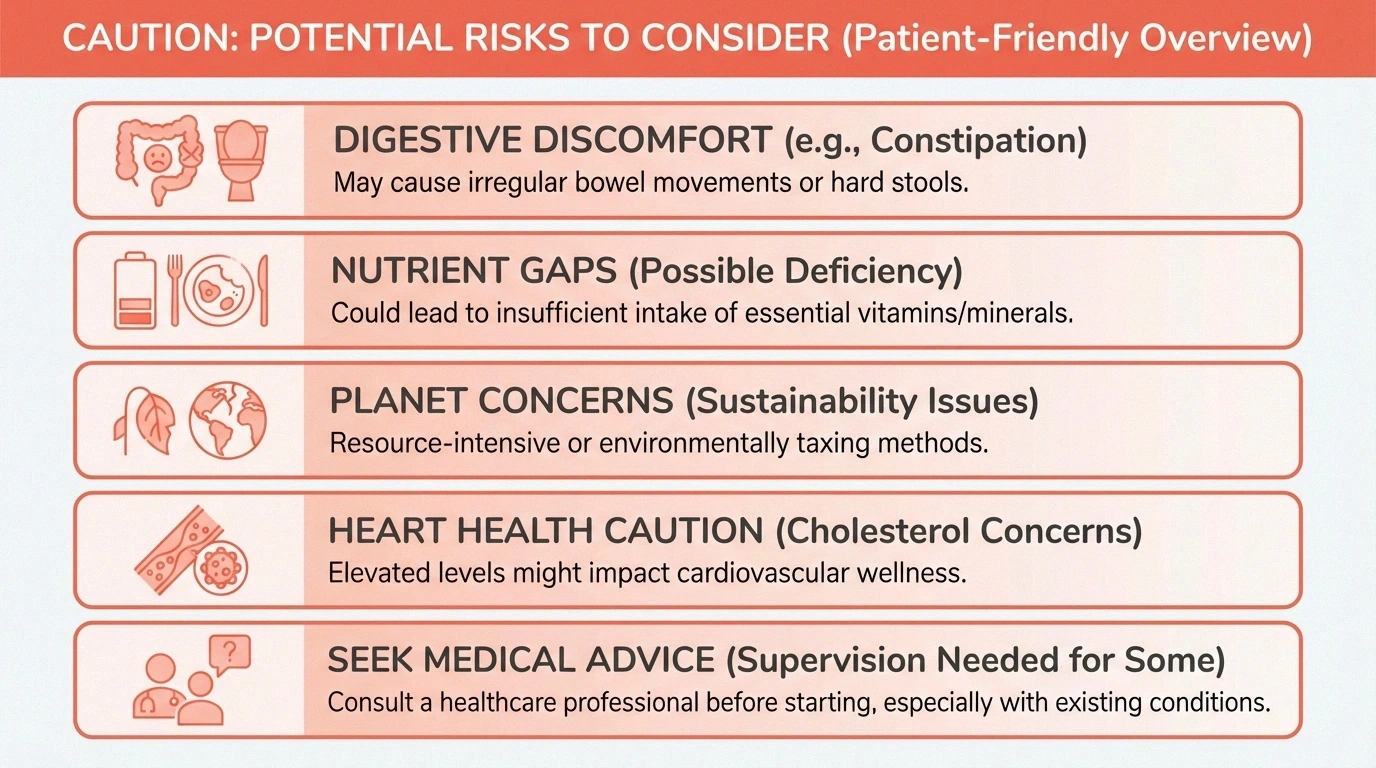
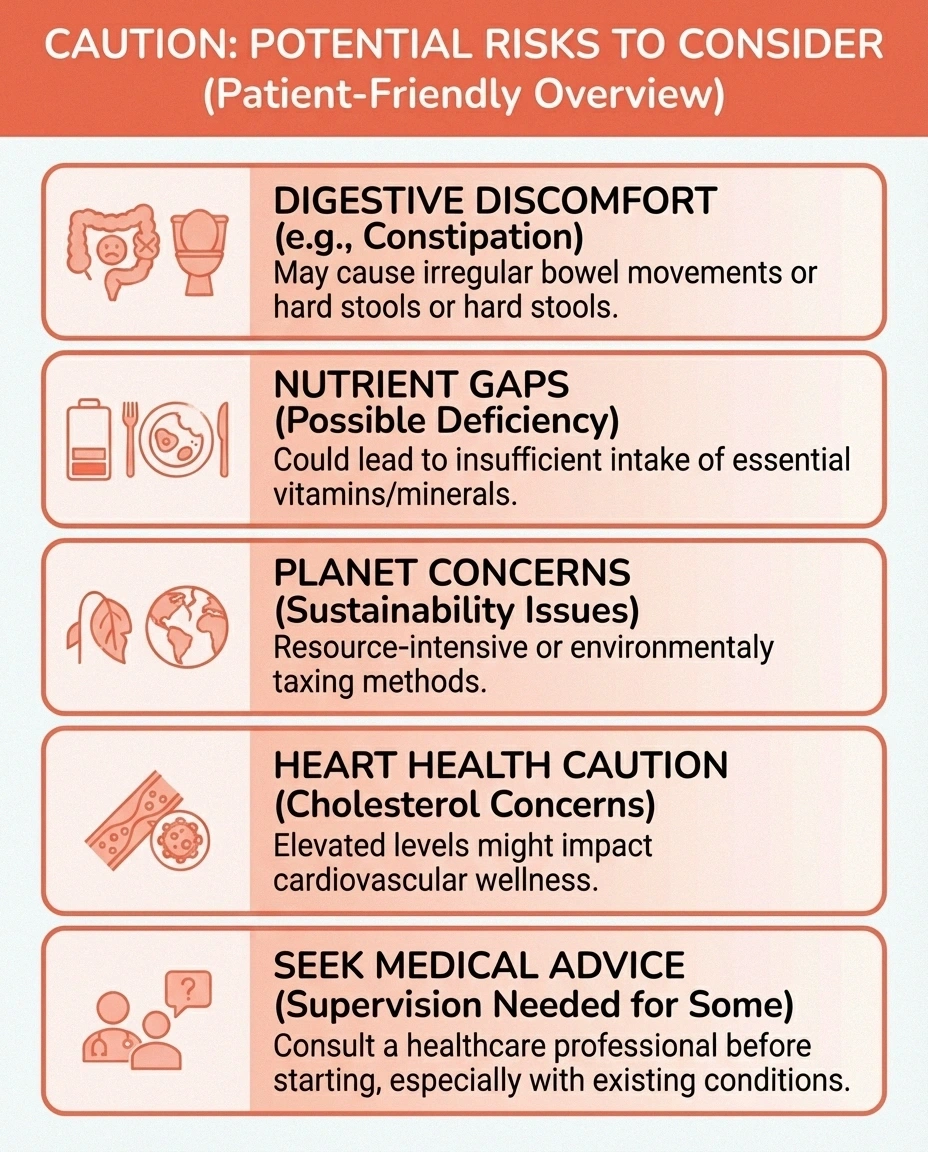
Keto is not just “eat fewer carbs.” A true ketogenic diet is high fat, very low carbohydrate, and restrictive enough that side effects and tradeoffs become part of the conversation. Medical News Today notes potential issues such as constipation, digestive problems, nutrient gaps, temporary lipid changes, and kidney stone risk in some settings. The Foundation for Peripheral Neuropathy also highlights the long-running concern that a very high-fat intake may not be appropriate for everyone, especially those with cardiovascular risk factors.
Do Not Oversimplify This
If you take diabetes medication or have kidney, liver, pancreas, or lipid issues, a strict ketogenic diet should not be a casual solo experiment.
There is also a simpler practical problem: many people cannot sustain strict keto for long. If the plan collapses every few weeks, it becomes less useful than a moderate, sustainable way of eating you can actually follow for a year.
Who Should Not Try Keto Without Medical Supervision

Keto is not a casual experiment for everyone. You should talk with your clinician first if you have:
- Diabetes medications that can trigger hypoglycemia if carbs drop quickly
- Kidney disease
- History of pancreatitis
- Liver disease
- Known lipid problems or significant cardiovascular risk
- Eating disorder history or a pattern of highly restrictive dieting
If you are already medically complex, the right move is usually not “just start keto tomorrow.” It is “decide with supervision whether a lower-carb strategy makes sense, and how to monitor it safely.”
A Safer Way to Test Whether Lower-Carb Eating Helps
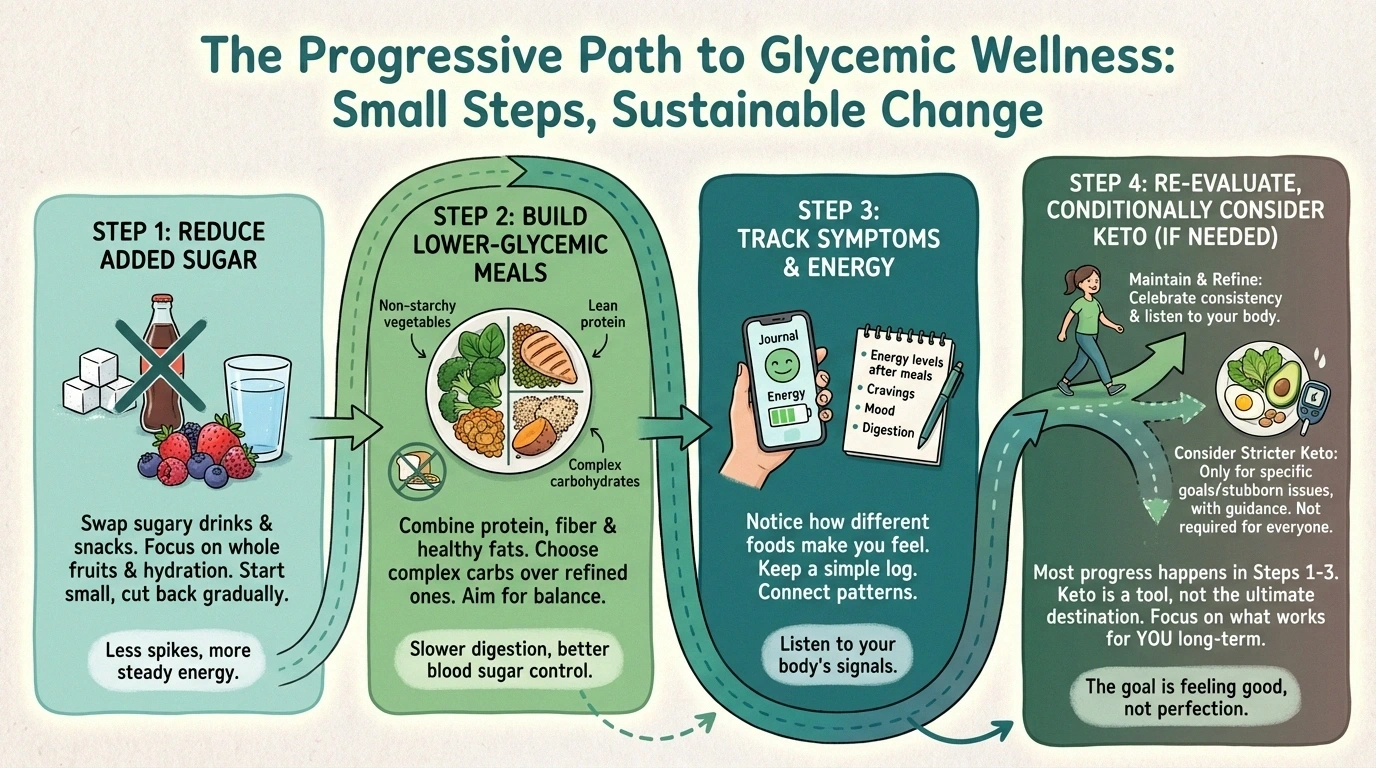
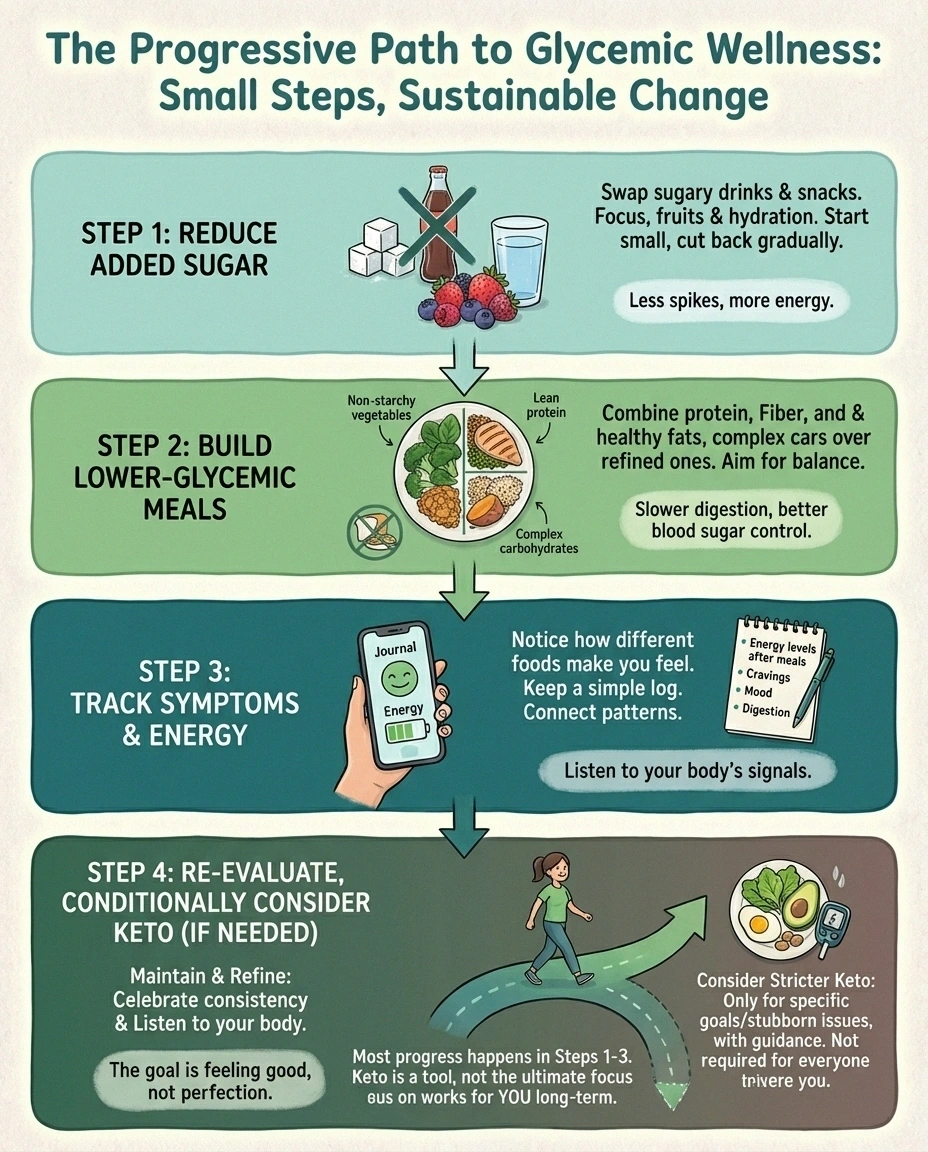
If your real goal is “I want fewer neuropathy flares,” jumping straight into extreme keto may be overkill. A smarter first pass is often this:
The Smarter Testing Path
Lower sugar first
Cut obvious sugar and ultra-processed carbs.
Track the response
Watch symptoms, blood sugar, sleep, and energy for a few weeks.
Only escalate if worth it
Move toward stricter carb restriction only if the benefits justify the complexity.
- Cut obvious sugar and ultra-processed carbohydrates first
- Shift toward lower-glycemic meals built around protein, vegetables, healthy fats, and fiber
- Track symptoms, sleep, and energy for two to four weeks
- If you have diabetes, monitor blood sugar closely and coordinate with your care team
- Escalate only if you have a reason to believe stricter carb restriction is worth the tradeoff
In other words: do not confuse “less sugar” with “must do keto.” Many neuropathy patients can get meaningful benefit from a more moderate version of dietary cleanup. Our anti-inflammatory diet guide and broader neuropathy diet guide are often better starting points.
Frequently Asked Questions
Can keto help neuropathy pain?
Possibly for some people, but the evidence is still limited. Keto may help indirectly through blood sugar control or weight loss, and there is some research interest in pain-pathway effects, but it is not a proven cure.
Does keto heal damaged nerves?
There is no conclusive evidence that ketogenic diets heal damaged nerves. At most, the current evidence suggests symptom improvement may be possible for some people.
Is keto better than a low-glycemic diet for diabetic neuropathy?
Not necessarily. Many people improve blood sugar control with a lower-glycemic eating pattern that is easier to sustain than strict keto. The most effective plan is usually the one you can follow safely and consistently.
Who should be careful with keto?
People with diabetes medications, kidney disease, pancreatitis history, liver disease, major lipid issues, or complex medical situations should not try keto without clinical guidance.
What is the better first step if I am curious about keto?
Start with lower-sugar, lower-glycemic eating and track what happens. If that helps, you may not need full ketosis to get the benefit you wanted.
The Bottom Line
Keto is not nonsense, but it is also not magic. The most honest answer is that it may help some neuropathy patients, especially when blood sugar dysregulation is part of the picture, but the evidence is not strong enough to sell it as a nerve-healing solution.
If you want to test the idea intelligently, start with cleaner, lower-glycemic eating first. That move gets most of the upside with less downside — and gives you a better signal about what your body is actually responding to.
This article is for educational purposes only and does not constitute medical advice. Consult your healthcare provider before making major diet changes, especially if you take diabetes medication or have chronic medical conditions.
About the Author