
I remember the first night burning feet kept me awake.
I’d been dealing with neuropathy for a few years at that point, and I thought I knew what to expect — the tingling, the numbness, the occasional sharp jab in my toes. But this was different. It felt like someone had placed a heating pad under the soles of my feet and cranked it to maximum. The sheets touching my feet made it worse. Kicking the covers off helped, but only barely.
I padded to the bathroom at 2 a.m. and stood on the cool tile floor. The relief was almost instant — and completely temporary. The moment I got back in bed, the burning came right back.
If you’re reading this at some unreasonable hour because your feet feel like they’re on fire, I want you to know two things: you’re not imagining it, and you’re definitely not alone. Burning feet syndrome is one of the most common complaints I hear in my support groups, and it’s one of the most frustrating because the burning can seem to come from nowhere and resist everything you try.
But there are answers. And there are things that may help. Let me share what I’ve learned after more than a decade of living with this — and talking with hundreds of others who have too.
What Is Burning Feet Syndrome?
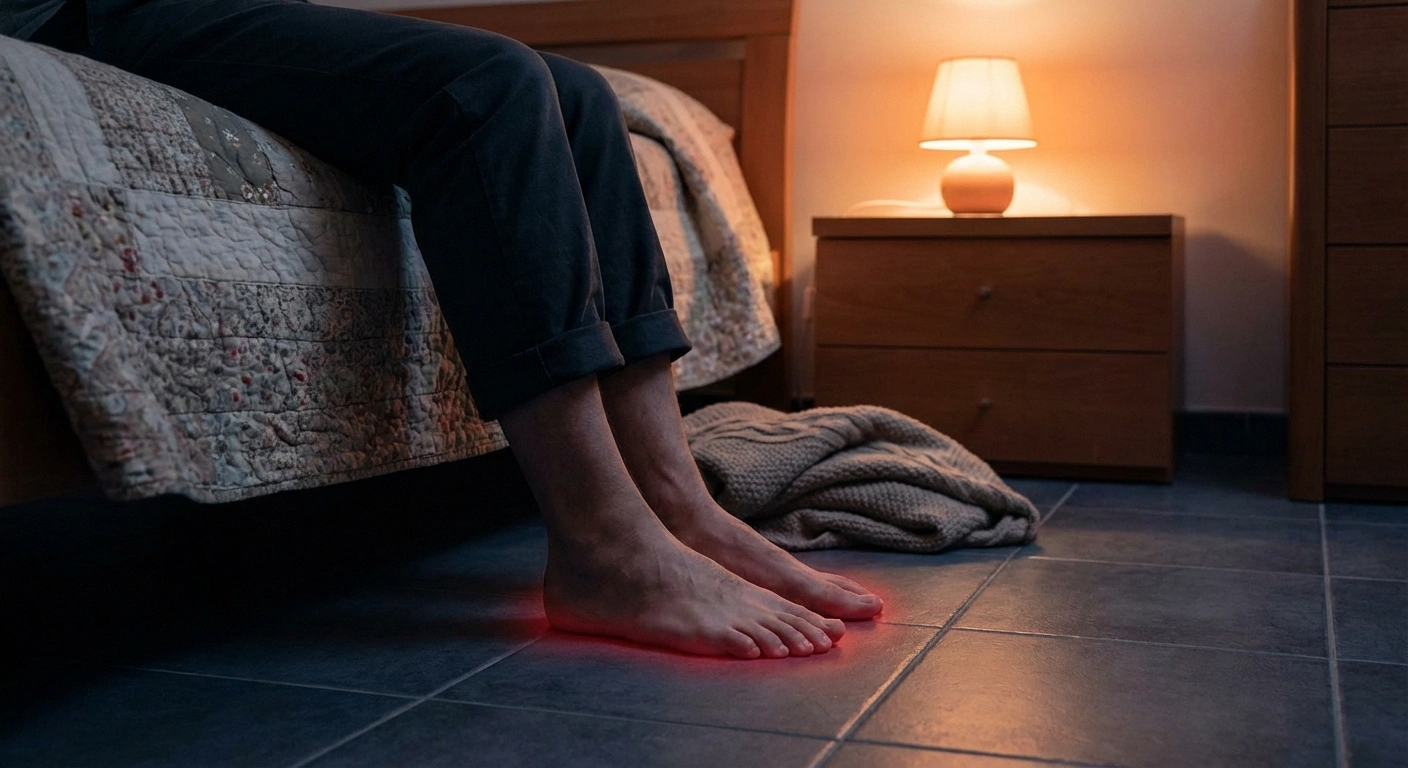
Burning feet syndrome — also known by its medical name, Grierson-Gopalan syndrome — is exactly what it sounds like: a condition where your feet become uncomfortably hot, painful, and often feel like they’re burning from the inside out. The syndrome was first described by Grierson in 1826, and Gopalan provided a more detailed clinical description later, particularly in populations with nutritional deficiencies.
It’s not a disease itself so much as a symptom — a signal that something is affecting the nerves, blood vessels, or skin of your feet. The burning can range from mild warmth to severe, searing pain. Some people feel it only at night; others deal with it around the clock.
Did You Know?
Burning feet syndrome is especially common among older adults. Research published in the Cleveland Clinic Journal of Medicine reports that small fiber neuropathy — a major cause of burning feet — has a prevalence of at least 53 cases per 100,000 people, with the highest rates in men over age 65. The actual number is likely much higher, since many cases go undiagnosed.
Common symptoms that accompany burning feet include:
- A burning, aching, or hot sensation in the soles, tops, or sides of the feet
- Tingling or “pins and needles” feelings
- Numbness that may come and go
- Sharp, stabbing pains
- A feeling of heaviness in the feet or lower legs
- Redness, swelling, or increased sweating of the feet
- Symptoms that are worse at night and may improve during the day
Common Causes of Burning Feet Syndrome
Here’s what can be frustrating about burning feet: there are a lot of potential causes. The good news is that most of them are identifiable with proper testing, and many are treatable. Here are the most common culprits:
🔥 Peripheral Neuropathy
The #1 cause. Damaged small nerve fibers send false pain and heat signals. Often starts in the feet and works upward.
🩸 Diabetes
Up to 70% of people with diabetes develop nerve damage. Burning feet is often an early warning sign.
💊 Vitamin B Deficiency
B12, B6, and folate are essential for nerve health. Low levels can directly cause burning and tingling in the feet.
🦶 Thyroid Disorders
Hypothyroidism causes fluid retention and swelling that can compress nerves, leading to burning feet.
🫘 Kidney Disease
When kidneys can’t filter waste properly, toxins build up and damage nerves — especially in the feet.
🍷 Alcohol Use
Chronic alcohol use is directly toxic to nerves and depletes B vitamins, creating a double impact on foot nerves.
Peripheral Neuropathy — The Most Common Cause
If you have burning feet, there’s a strong chance peripheral neuropathy is involved. Small fiber neuropathy in particular is increasingly recognized as a major cause of burning sensations in the feet. The small nerve fibers in your skin that detect pain and temperature become damaged and start sending signals that aren’t accurate — telling your brain your feet are burning when there’s no external heat source at all.
Diabetes and Diabetic Neuropathy
Diabetic neuropathy is the single most common form of peripheral neuropathy, and burning feet are often one of the first signs. High blood sugar damages the tiny blood vessels that supply your nerves, starving them of oxygen and nutrients. Research suggests that 10-20% of people already show signs of nerve damage at the time they’re first diagnosed with diabetes.
Vitamin Deficiencies
Vitamin deficiency neuropathy — particularly deficiencies in B12, B6, and folate — can directly cause burning feet. These vitamins are essential for maintaining the protective myelin sheath around your nerves. Without adequate levels, nerves become exposed and hypersensitive. This is especially common in older adults, people who follow restrictive diets, and those taking certain medications like metformin or proton pump inhibitors.
Other Causes
Burning feet can also be caused by:
- Hypothyroidism — An underactive thyroid can cause fluid retention that puts pressure on nerves
- Chronic kidney disease — Toxin buildup from impaired kidney function damages peripheral nerves
- Heavy alcohol use — Alcohol is directly toxic to nerve tissue and also depletes vital B vitamins
- Fungal infections — Athlete’s foot and other infections can cause burning, itching, and irritation
- Tarsal tunnel syndrome — Compression of the tibial nerve at the ankle
- Certain medications — Some chemotherapy drugs, HIV medications, and others can cause nerve damage
- Erythromelalgia — A rare condition causing episodes of burning pain, redness, and heat in the feet
When Burning Feet Signal Something Serious

Most burning feet are more annoying than dangerous. But sometimes, that burning is your body’s alarm system trying to get your attention.
When Burning Feet Need Urgent Attention
Seek prompt medical evaluation if your burning feet are accompanied by any of the following:
Sudden onset of severe burning with no obvious cause
Muscle weakness or difficulty walking
Open wounds or sores on your feet that aren’t healing
Skin color changes — white, blue, or deep red discoloration
Burning that spreads rapidly up the legs
Fever or signs of infection combined with foot pain
Burning feet that progressively worsen over weeks or months can indicate advancing neuropathy that needs medical intervention sooner rather than later. The earlier you identify and address the underlying cause, the better your chances of preventing further nerve damage.
I’ll be honest — I wish I’d taken my early symptoms more seriously. When my burning feet first started, I chalked it up to tired feet and poor shoes. By the time I talked to my doctor, the neuropathy had progressed further than it needed to. Don’t make my mistake.
Diagnosis and Testing
Here’s something I want to set your expectations about: there isn’t a single test that says “yes, you have burning feet syndrome.” Since it’s a symptom rather than a disease, your doctor will focus on figuring out why your feet are burning. That detective work typically involves:

Physical examination. Your doctor will check your reflexes, test sensation in your feet, look for signs of infection or skin changes, and ask about your medical history and any medications you’re taking.
Blood work. This usually includes a complete blood count, blood glucose levels (or HbA1c to check for diabetes), thyroid function tests, vitamin B12 and folate levels, kidney function markers, and sometimes liver function tests.
Nerve function tests. If nerve damage is suspected, your doctor may order electromyography (EMG) and nerve conduction studies. However, these tests primarily measure large nerve fibers. If small fiber neuropathy is suspected — which is common with burning feet — a skin punch biopsy may be more useful. This involves taking a tiny sample of skin (usually from your ankle or thigh) to count the small nerve fiber endings.
Additional testing may include imaging studies, urine tests, or referrals to specialists like a neurologist or endocrinologist depending on what the initial tests reveal.
Medical Treatments for Burning Feet
The most effective treatment for burning feet syndrome is treating whatever’s causing it. That sounds obvious, but it matters because a lot of people focus on managing the symptom (the burning) without addressing the root cause.
Addressing the underlying cause:
- If diabetes is the cause, getting blood sugar under tight control can slow or stop further nerve damage
- If vitamin deficiency is to blame, supplementation under your doctor’s guidance may help restore nerve function
- If thyroid disease is involved, proper thyroid medication can reduce symptoms
- If kidney disease is a factor, appropriate treatment of kidney function may help
- If a medication is causing the burning, your doctor may adjust the dose or switch to an alternative
Medications for symptom relief:
- Gabapentin or pregabalin — Anti-seizure medications frequently prescribed for nerve pain. They work by calming overactive nerve signals
- Tricyclic antidepressants (amitriptyline, nortriptyline) — These can help with chronic nerve pain, particularly the nighttime burning that disrupts sleep
- Topical treatments — Capsaicin cream, lidocaine patches, or neuropathy creams applied directly to the feet
- Duloxetine (Cymbalta) — An SNRI antidepressant approved for diabetic nerve pain
- Over-the-counter pain relievers — NSAIDs like ibuprofen may help with mild burning, though they’re less effective for nerve-related pain
Your doctor is the best person to help you find the right medication or combination — what works varies significantly from person to person. I’ve seen people in my support group try three or four different medications before finding what clicks for them.
Home Remedies and Self-Care for Burning Feet
This is where I get excited, because these are the strategies that have made the biggest practical difference in my daily life. Medical treatment matters, but it’s the everyday self-care that fills in the gaps.

Key Takeaway
Managing burning feet is rarely about finding one magic solution. In my experience, it’s the combination of medical treatment, daily self-care, and lifestyle adjustments that brings the most relief. Think of it as building a toolkit — the more tools you have, the better equipped you are to handle flare-ups.
🌙 Home Remedies to Try Tonight
Cool Water Foot Soak
Fill a basin with cool (not ice cold) water and soak for 15-20 minutes. Add Epsom salt or a few drops of peppermint oil for extra relief. Check out our foot soak recipes for more options.
Elevate Your Feet
Prop your feet on a couple of pillows so they’re above heart level. This reduces blood pooling and can take the edge off the heat, especially helpful at bedtime.
Apply a Cooling Cream
Menthol-based creams or neuropathy-specific creams can provide a cooling sensation that counteracts the burning. Apply to clean, dry feet before bed.
Use Breathable Bedding
Swap heavy blankets for light, breathable sheets. Some people use a bed cradle to keep sheets off their feet entirely. Cotton or bamboo materials tend to trap less heat.
Gentle Foot Massage
Roll a chilled water bottle under your foot, or gently massage with a cooling lotion. This can improve circulation and offer temporary pain relief.
Wear the Right Shoes and Socks
During the day, supportive shoes with breathable materials and moisture-wicking socks can prevent the heat buildup that makes burning worse.
Foot Soaks
I cannot overstate how much a simple foot soak can help on a bad night. Cool water — not ice cold, which can actually irritate sensitive nerves — is the go-to. I keep a basin next to my bed specifically for those nights when the burning is relentless. Fifteen to twenty minutes usually takes the intensity down several notches.
Adding Epsom salt (about half a cup per gallon of water) may help with relaxation and swelling. Some people find that a few drops of peppermint or tea tree oil enhance the cooling effect. Just be cautious if you have any open cuts or cracks on your feet — essential oils can sting.
Proper Footwear
This is one change that makes a 24/7 difference. Shoes designed for neuropathy typically have extra depth, cushioned insoles, wide toe boxes, and breathable uppers. They reduce pressure on your nerves and prevent the heat buildup that worsens burning.
Equally important: your socks. Moisture-wicking socks made from merino wool or specialized synthetics keep your feet dry and cooler than cotton. Wet, sweaty feet in non-breathable shoes is basically a recipe for maximum burning.
Topical Relief
Capsaicin cream is one that surprised me. It seems counterintuitive — capsaicin is the compound that makes hot peppers hot. But when applied regularly to your feet (usually 3-4 times daily for a few weeks), it can actually deplete substance P, a chemical that transmits pain signals. The first few applications may intensify the burning temporarily, so start with a low concentration.
Other topical options include menthol-based creams, lidocaine patches or cream, and combination neuropathy creams that you can find over the counter or by prescription.
Supplements That May Help
I want to be careful here — I’m not a doctor, and supplements aren’t a substitute for medical treatment. But some supplements have research behind them that’s worth discussing with your healthcare provider.

B Vitamins
If your burning feet are related to a vitamin deficiency, supplementation may help significantly. B12 is the big one — it’s critical for nerve myelin (the protective coating around nerves). B6 and folate are also important, though be cautious with B6: paradoxically, both deficiency and excess B6 can cause neuropathy. Your doctor can check your levels with a simple blood test before you supplement.
Alpha-Lipoic Acid (ALA)
Alpha-lipoic acid is a powerful antioxidant that’s been studied extensively for diabetic neuropathy, particularly in Europe where it’s been used for decades. Several studies suggest that ALA at doses of 600mg daily may help reduce burning, tingling, and pain in the feet. It’s generally well-tolerated, but talk to your doctor first, especially if you take diabetes medications, as ALA can affect blood sugar levels.
Magnesium
Magnesium plays a role in nerve function and muscle relaxation. Some people with burning feet find that magnesium supplementation — either oral (magnesium glycinate tends to be gentle on the stomach) or topical (magnesium oil or Epsom salt soaks) — may help calm overactive nerve signals. Magnesium deficiency is surprisingly common and worth checking for.
Other Supplements to Discuss With Your Doctor
- Acetyl-L-carnitine — May support nerve fiber regeneration
- Evening primrose oil — Contains GLA, which some research suggests may help with diabetic neuropathy
- Turmeric/curcumin — Anti-inflammatory properties that may help with nerve-related inflammation
A Note on Supplements
Supplements can interact with medications and aren’t regulated the same way prescription drugs are. Always talk to your doctor before adding supplements to your routine, especially if you take blood thinners, diabetes medications, or are being treated for any chronic condition. What works for one person may not be appropriate for another.
Lifestyle Changes for Relief
Beyond the immediate remedies, some bigger-picture lifestyle changes can make a meaningful difference in how often — and how intensely — your feet burn.

Manage blood sugar. If you have diabetes or prediabetes, keeping your blood sugar in range is the single most important thing you can do to protect your nerves. Even modest improvements in blood sugar control can slow the progression of neuropathy.
Move your body. Regular, gentle exercise — even just daily walks — improves circulation to your feet and releases endorphins that naturally reduce pain. My physical therapist told me years ago that the worst thing for burning feet is sitting still all day, and she was right.
Limit or avoid alcohol. Alcohol is directly toxic to peripheral nerves. If you’re already dealing with burning feet, reducing alcohol intake may help, and your doctor can advise on what’s safe for your situation.
Maintain a healthy weight. Extra weight puts additional pressure on the nerves and blood vessels in your feet. Even modest weight loss can reduce symptoms.
Practice good foot care. Daily neuropathy foot care — inspecting your feet, keeping them clean and moisturized, wearing proper shoes, and addressing problems early — prevents complications and keeps burning from getting worse.
Manage stress. I’ve noticed that my burning feet are noticeably worse during stressful periods. Stress increases inflammation and sensitizes your nervous system. Techniques like deep breathing, gentle yoga, or even just a calm evening routine can make a measurable difference.
Watch your diet. An anti-inflammatory diet rich in fruits, vegetables, whole grains, lean protein, and omega-3 fatty acids may help reduce nerve inflammation. Some people also find that reducing sugar and processed foods helps.
When to See a Doctor
✅ Is Your Burning Foot Pain From Neuropathy?
If you check several of these boxes, neuropathy may be involved. Bring this list to your next doctor’s appointment:
The burning is worse at night or when resting
You also experience tingling, numbness, or pins-and-needles
The burning started in your toes or soles and has spread
You have diabetes, prediabetes, or a family history of diabetes
Your feet are sensitive to touch (even sheets or socks bother you)
You’ve noticed reduced sensation — you can’t feel temperature changes or small cuts
The symptoms have been getting gradually worse over weeks or months
You have other risk factors: age over 50, kidney disease, heavy alcohol use, or B vitamin deficiency
I generally tell people in my support group: don’t wait. If your feet have been burning consistently for more than two weeks, see your doctor. The cause might be something simple and fixable — like a vitamin deficiency or an undiagnosed thyroid issue — or it might be something that benefits from early intervention, like diabetes or progressive neuropathy.
Specifically, make an appointment if:
- Burning persists for more than two weeks despite home remedies
- The burning is getting worse over time
- You notice numbness, weakness, or balance changes alongside the burning
- You have an open wound or sore on your foot that isn’t healing
- You have diabetes and are experiencing new or worsening foot symptoms
- The burning is significantly disrupting your sleep or daily life
For urgent situations — sudden severe burning with skin color changes, inability to walk, or signs of infection — don’t wait for an appointment. Seek immediate medical evaluation.
Frequently Asked Questions About Burning Feet Syndrome
Living With Burning Feet: The Bottom Line
If there’s one thing I want you to take away from this article, it’s this: burning feet are your body communicating with you. That burning sensation is a message — sometimes about a simple fixable issue like a vitamin deficiency or poor footwear, sometimes about something more significant like diabetes or advancing neuropathy.
Either way, the message deserves your attention.
After more than a decade of managing burning feet as part of my neuropathy journey, here’s what I know for sure:
- Get tested. Find out why your feet are burning. The cause matters because it determines the solution.
- Build your toolkit. There’s rarely one single fix. Combine medical treatment with daily self-care — soaks, creams, proper shoes, smart lifestyle choices.
- Don’t ignore it. Early intervention gives you the best chance of slowing or stopping progression.
- Be patient with yourself. Finding what works takes time and experimentation. What helps one person may not help another.
- Talk to your doctor. Seriously. I know I’ve said it several times in this article, and I mean it every time. A knowledgeable healthcare provider is your best ally.
Those 2 a.m. nights on the cool bathroom floor? I still have them occasionally. But they’re far less frequent now than they were years ago, because I eventually did the work — found my triggers, addressed the underlying causes, and built a self-care routine that manages the rest.
You can get there too. And you don’t have to figure it out alone.
— Janet
This article is for informational purposes only and does not constitute medical advice. Always consult with a qualified healthcare provider for diagnosis and treatment of any medical condition.
About the Author