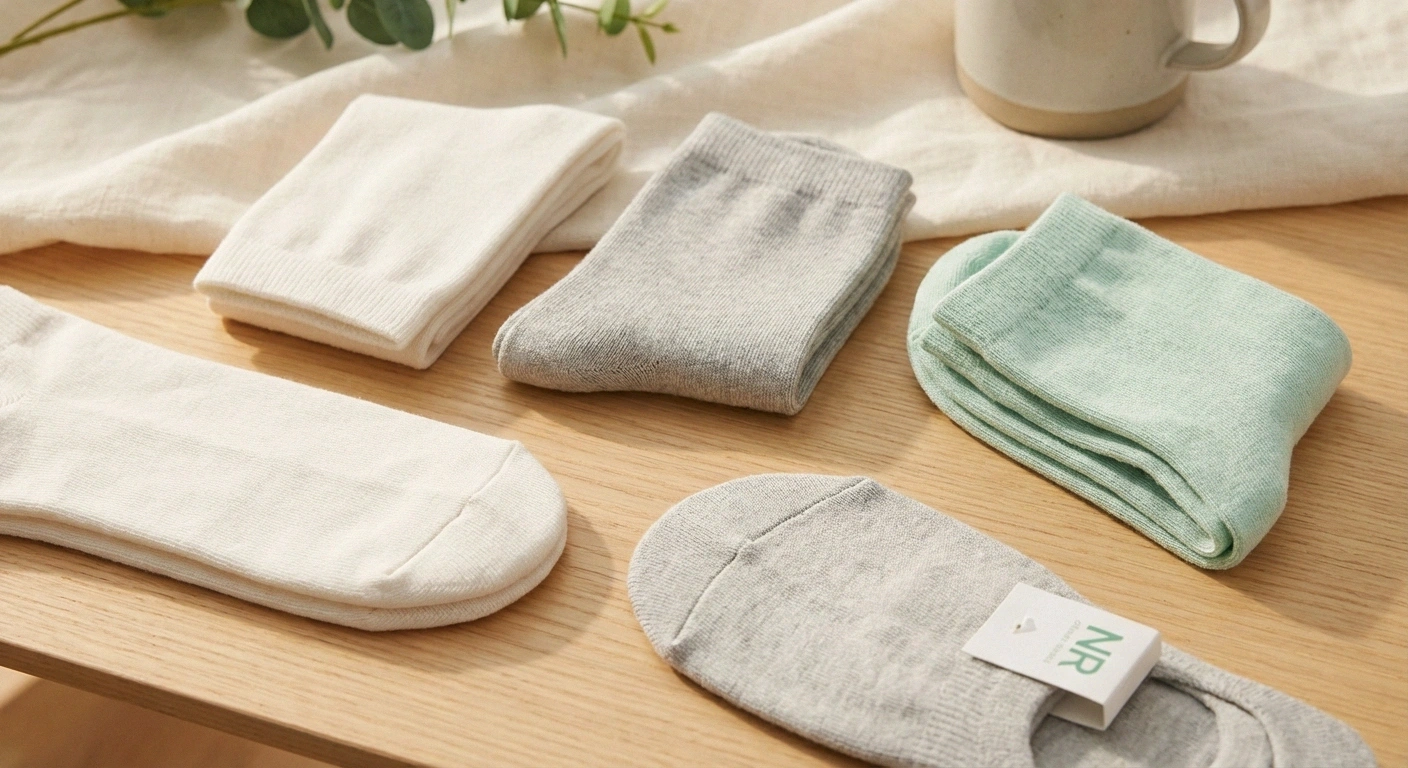
It sounds almost too simple to matter: the socks you wear. But ask anyone in the neuropathy community what small daily changes have made the biggest difference in their comfort, and socks come up more often than you'd expect.
When your feet have reduced sensation, the wrong socks cause problems you can't feel forming — blisters, pressure points, small abrasions that develop quietly and become serious wounds. And when your feet have heightened sensitivity, scratchy seams, tight bands, and rough textures that other people barely notice can become genuinely miserable all day long.
Getting the right socks isn't glamorous neuropathy management, but it's practical and impactful. Let me share what actually matters.
Why Socks Matter More When You Have Neuropathy
Healthy feet have a feedback system: you feel discomfort before it becomes damage, and you adjust. Neuropathy disrupts that system in two opposing ways.
If you have reduced sensation (numbness), you may not feel a seam rubbing, a sock sliding down and bunching, or an area of pressure that's been building for hours. By the time you notice something, there may already be a wound. For people with diabetic neuropathy especially, foot wounds are a serious risk — reduced sensation means reduced protection, and neuropathy foot care becomes critically important.
If you have heightened sensitivity or allodynia (where normal touch becomes painful), even gentle fabric contact can feel unbearable. Rough textures, tight elastic, and protruding seams that most people don't notice can make every step uncomfortable.
The right sock addresses both: protection for insensate feet, gentleness for hypersensitive ones.
Key Takeaway
The right socks for neuropathy need to do two things: protect insensate feet from unnoticed pressure and abrasion, and avoid irritating hypersensitive skin. Look for seamless construction, non-binding tops, soft moisture-wicking materials (merino wool or bamboo), and extra cushioning at high-pressure areas. These features are the core of purpose-made diabetic socks — and they benefit anyone with neuropathy, not just diabetics.
The Most Important Feature: No Internal Seams
If I had to name a single sock feature that matters most for neuropathy, it's seamless construction. Traditional socks have a raised seam across the toe box — a ridge of stitching where the toe of the sock is closed. For most people, this is unnoticeable. For someone with neuropathy, it can cause constant rubbing that leads to blisters or sores on the top of the toes (especially the little toes and the big toe), or severe sensory irritation with every step.
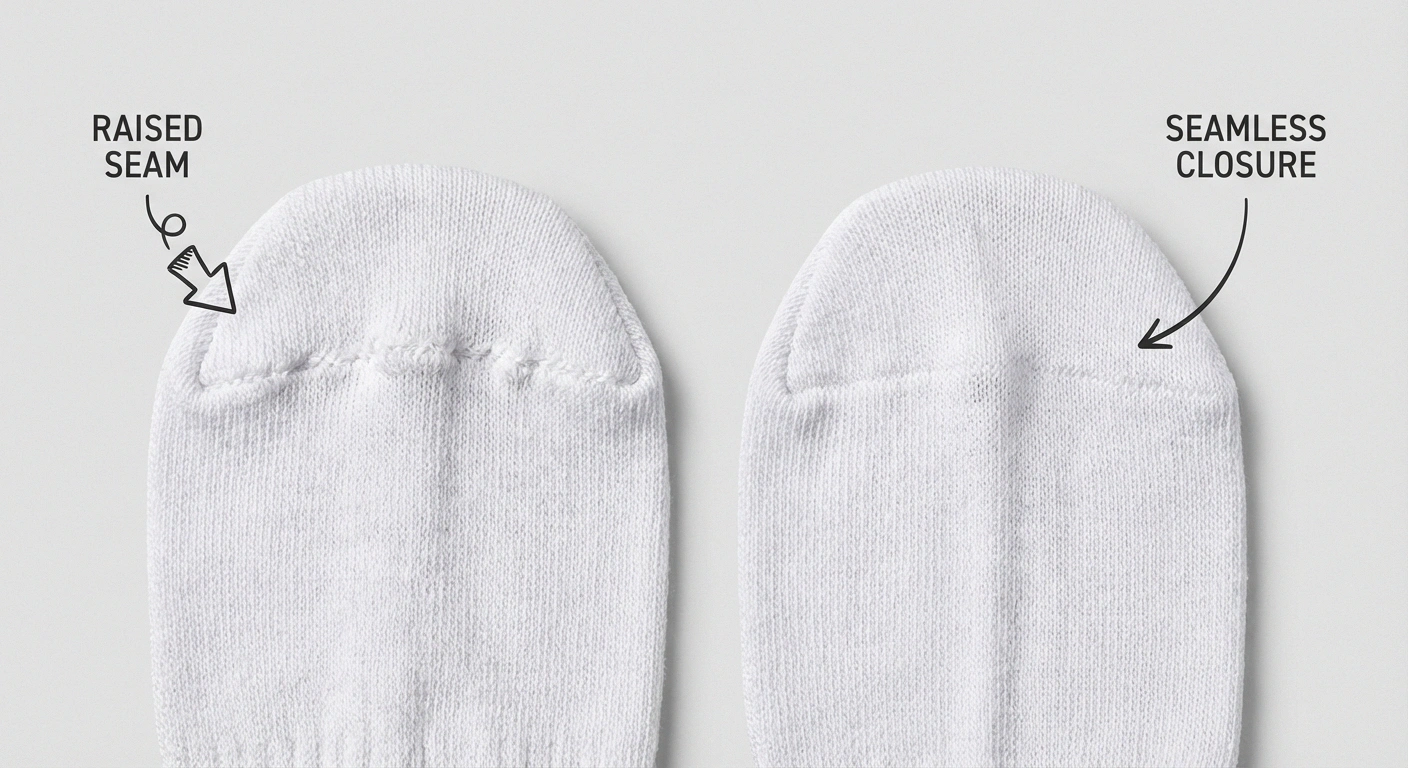
Look for:
- Seamless toe closure — the toe is closed with a smooth, flat or invisible seam. Often described as “hand-linked” or “seamless.”
- Seamless throughout — some premium diabetic and neuropathy socks eliminate internal seams entirely, using circular knitting that produces a smooth interior surface.
Even if you opt for a simpler sock in every other way, prioritizing seamless construction will pay off daily.
Materials: What Works and What Doesn't
Merino Wool
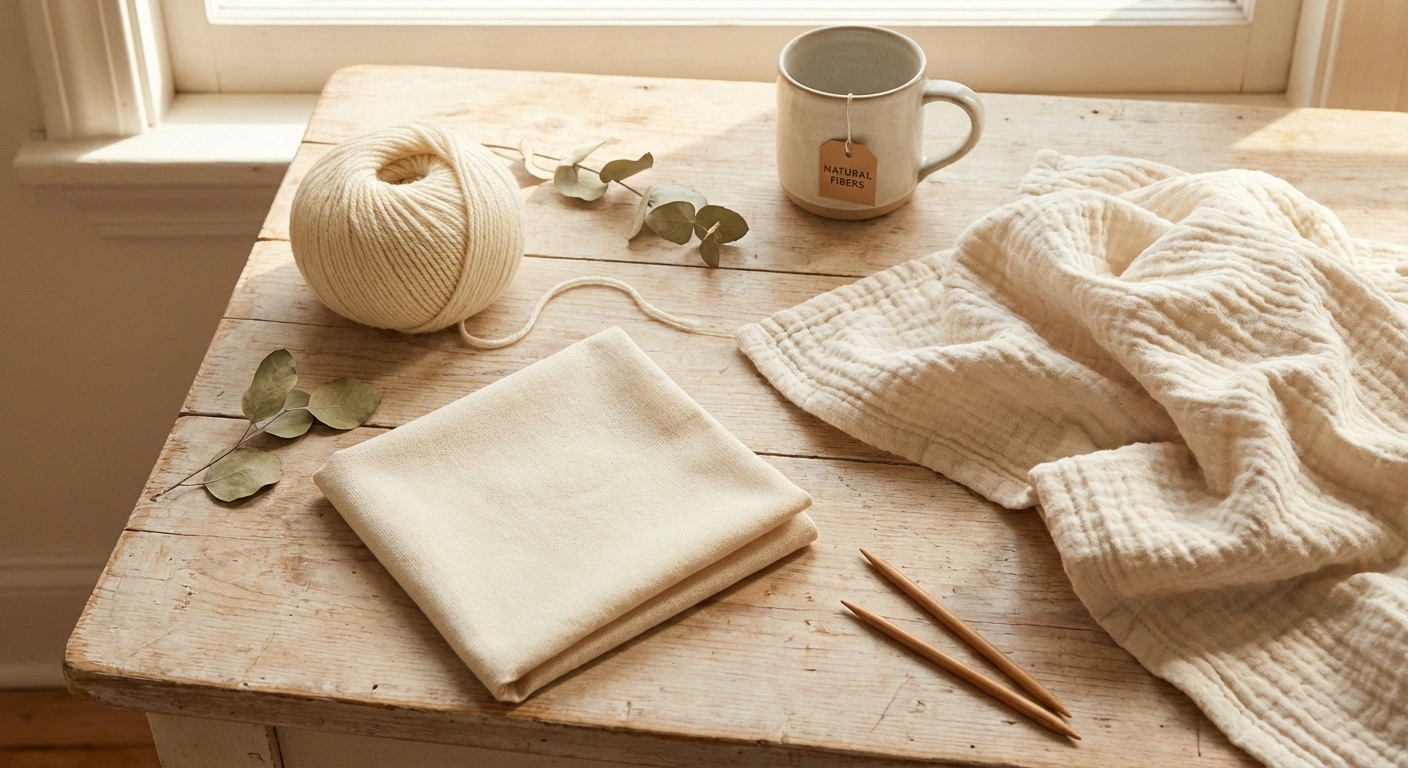
For most people with neuropathy, merino wool is the gold standard. Regular wool can be scratchy and irritating; merino is a fine-fiber variety that's soft against skin, genuinely temperature-regulating (keeps feet warm in cold, wicks heat in summer), naturally moisture-wicking, and antimicrobial. Merino socks tend to be more expensive, but they last well and are particularly good for people with temperature sensitivity — a common neuropathy complaint.
Sock Features: What to Look For vs. Avoid
✓ Look For
✓ Seamless or hand-linked toe closure
✓ Non-binding, wide elastic top band
✓ Merino wool, bamboo, or soft blend
✓ Moisture-wicking properties
✓ Cushioned heel and ball of foot
✓ “Diabetic” or “neuropathy” labeling
✗ Avoid
✗ Raised or bulky toe seams
✗ Tight elastic bands that leave marks
✗ Rough wool or scratchy synthetics
✗ 100% cotton (holds moisture)
✗ Socks that are too thick for your shoes
✗ Worn socks with thinning cushioning
Bamboo and Bamboo-Cotton Blends
Bamboo-derived fabrics (usually labeled as bamboo viscose or bamboo rayon) are exceptionally soft, naturally moisture-wicking, and often smoother than cotton. Many people with sensitive feet find bamboo socks more comfortable than any other option — the texture is genuinely gentle. Bamboo also has natural antimicrobial properties, which matters for foot health.
Cotton (With Caveats)
Cotton is comfortable when dry, but it holds moisture and dries slowly. Wet socks increase friction and blister risk — important for neuropathic feet where you may not notice a developing blister. Plain cotton socks are acceptable for sedentary days, but for any activity or if your feet tend to sweat, choose a better moisture-wicking option. Cotton-poly blends perform better than 100% cotton.
Synthetic Fabrics (Polyester, Nylon, Lycra)
Synthetics wick moisture well and maintain their shape, but can feel scratchy against hypersensitive skin. Often used in blends — a small percentage of nylon improves durability and fit, while Lycra/spandex provides stretch without restrictive banding. Look at the full fabric composition, not just the primary fiber.
Materials to Avoid
Rough wool, scratchy synthetic blends, and any fabric that retains heat excessively (problematic for burning feet). If you notice any new material increases burning or tingling, switch back — individual sensitivity varies.
Material Comparison for Neuropathic Feet
| Material | Softness | Moisture-Wicking | Best For |
|---|---|---|---|
| Merino Wool | ⭐⭐⭐⭐⭐ | ⭐⭐⭐⭐⭐ | Temperature sensitivity, all-day wear, all seasons |
| Bamboo | ⭐⭐⭐⭐⭐ | ⭐⭐⭐⭐ | Hypersensitive skin, antimicrobial properties |
| Cotton-Poly Blend | ⭐⭐⭐ | ⭐⭐⭐ | Everyday/budget option, sedentary days |
| 100% Cotton | ⭐⭐⭐ | ⭐ | Not recommended — holds moisture, increases blister risk |
The Elastic Band Problem
Standard sock elastic bands are designed to grip the leg firmly to keep socks up. For many people with neuropathy, this creates two problems: pressure marks and reduced circulation to already-compromised tissue.
Look for socks with:
- Non-binding tops — specifically described as non-constricting, non-restrictive, or with gentle elastic. Some diabetic socks describe this explicitly as “won't cut off circulation.”
- Wide, graduated bands — a wider band distributes pressure across more surface area, reducing the band-mark effect.
- Crew or ankle height — some people find lower socks with less band area more comfortable.
If socks leave deep indentations in your skin after wearing, the band is too tight. This is particularly important if you also have autonomic neuropathy with circulation effects.
Diabetic Socks vs. Compression Socks: Understanding the Difference
These two categories are often confused but serve very different purposes.
Diabetic Socks vs. Compression Socks: Not the Same Thing
Diabetic Socks
Non-binding, seamless, cushioned. Designed to protect feet from injury. No compression. Safe for everyone with neuropathy as a baseline choice.
Compression Socks
Apply graduated pressure to improve circulation. May help swelling. Not appropriate if you have peripheral artery disease. Ask your doctor first.
Diabetic Socks
Diabetic socks are designed to protect insensate feet — they're focused on reducing injury risk. Key features: seamless construction, non-binding tops, extra cushioning on the heel and ball of foot, moisture-wicking materials, and often a slightly looser fit to avoid pressure points. They are not compression socks — they're designed to be non-restrictive. Anyone with neuropathy (not just diabetics) can benefit from these design features.
Compression Socks
Compression socks apply graduated pressure to the leg — tighter at the ankle, looser toward the knee — to improve venous return and reduce swelling. Some people with neuropathy find mild compression (8–15 mmHg) helpful for circulation and to reduce the feeling of heaviness in their legs. Others find compression worsens their symptoms or causes discomfort with hypersensitive skin.
If you have peripheral artery disease (PAD) alongside neuropathy — which is more common than most people realize — compression socks should only be used after clearing it with your doctor. Compression can be harmful when arterial circulation is already compromised.
The short version: use diabetic socks as a baseline for foot protection; consider mild compression only if you have swelling or circulation issues and your doctor confirms it's appropriate.
Daily Sock Routine for Neuropathic Feet
Before putting on: Turn sock inside out and check for seams, debris, or worn spots
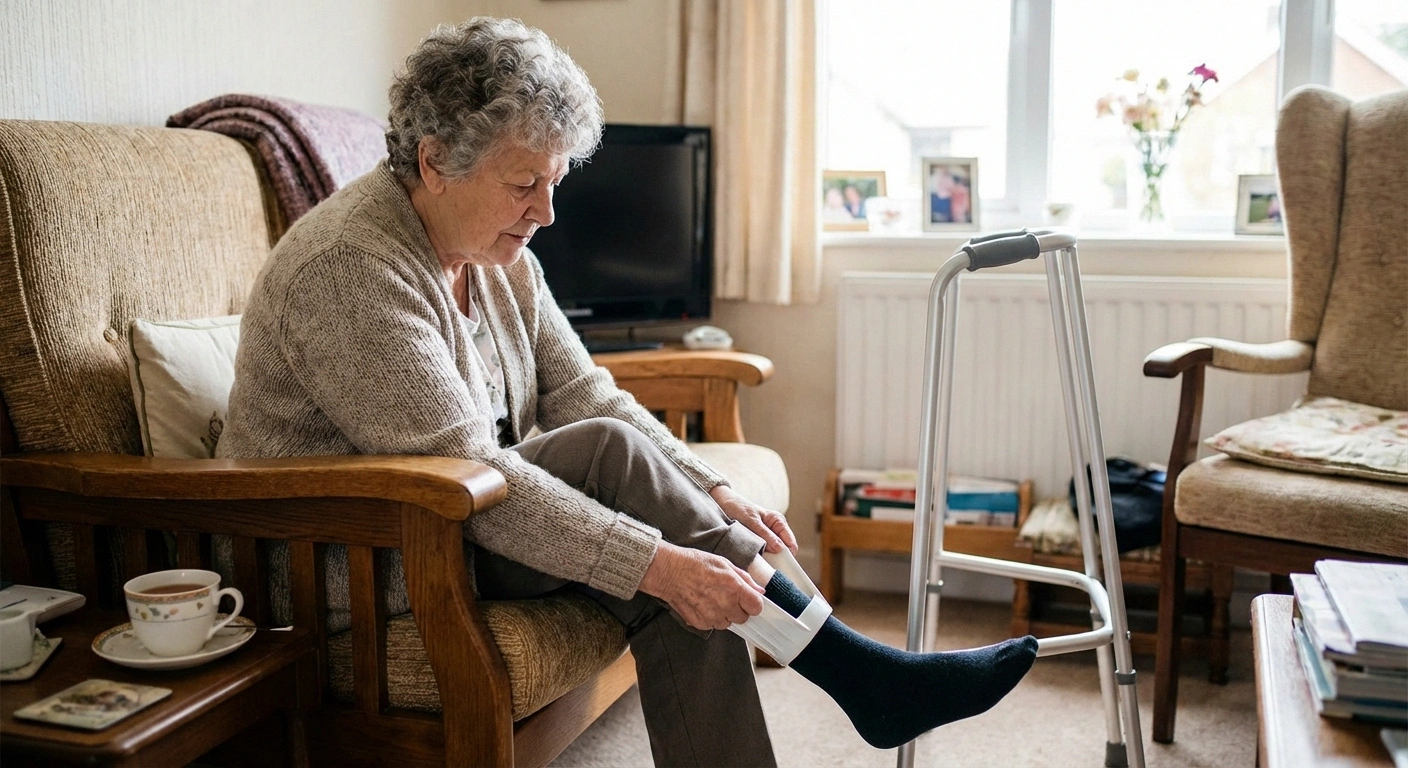
Sit down to put on socks: Never balance on one foot — use a chair or bed edge
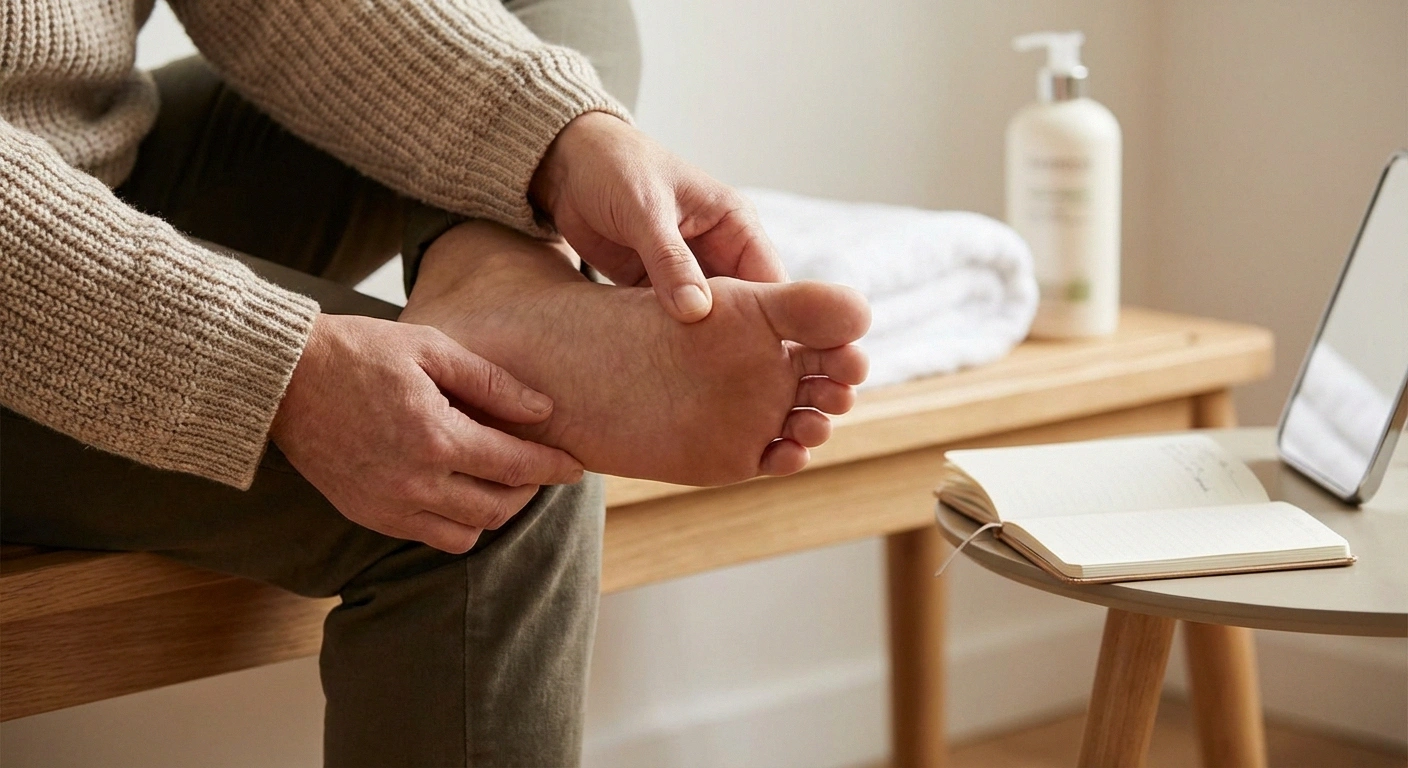
When removing socks: Inspect feet in good light for redness, marks, blisters, or skin changes
Replace socks when cushioning thins, elastic loses shape, or any fabric thinning appears
Cushioning: How Much Is Right?
Extra cushioning on the heel and ball of foot helps absorb impact and reduces pressure points in these high-load areas. For people with reduced sensation, this extra protection is genuinely valuable — even minor repetitive pressure in an insensate area can cause injury over a full day of walking.
However, very thick socks can affect shoe fit. If your shoes already have a snug fit, adding heavily cushioned socks may create pressure elsewhere. Try cushioned socks with your shoes before committing to a style — you may need to size up in footwear, or choose a moderate-cushion option rather than maximum.
For people with hypersensitive feet who find cushioning itself uncomfortable, thin seamless socks may actually be more comfortable than cushioned ones. This is individual — experiment to find what your feet prefer.
Practical Tips for Putting on Socks with Neuropathy
Getting socks on and off can be a real challenge when balance and hand function are affected by neuropathy. A few practical adaptations:
Compression Socks: Ask Your Doctor First
If you have peripheral artery disease (PAD) — reduced blood flow in your legs — compression socks can make circulation worse, not better. PAD and neuropathy frequently coexist in people with diabetes. Before starting any compression sock, check with your doctor to confirm your arterial circulation is adequate.
- Sit down before putting on socks — don't try to balance on one foot. Sit on a bed or sturdy chair.
- Sock donning aids — these are plastic frames with long handles that let you put socks on without bending down. Particularly helpful if you also have back problems or hip issues.
- Inspect before wearing — turn socks inside out and check for any internal seams, worn areas, or debris before putting them on. With reduced sensation, you won't feel a small pebble in your shoe.
- Check your feet when taking socks off — remove socks in good light and look for redness, pressure marks, blisters, or any skin changes. This is a key daily foot inspection habit for neuropathy management.
Frequently Asked Questions
What type of socks are best for neuropathy in feet?
Seamless, non-binding socks made from soft moisture-wicking materials (merino wool or bamboo blends) with extra cushioning at the heel and ball are generally the best choice. Look for socks specifically labeled as diabetic socks, as they're designed with exactly these features in mind. Avoid socks with tight elastic bands, prominent internal seams, or rough textures.
Should people with neuropathy wear compression socks?
It depends. Mild graduated compression can help if you have swelling or venous insufficiency alongside neuropathy. However, compression socks are not appropriate if you have peripheral artery disease, and some people find compression worsens neuropathy symptoms. Diabetic socks (non-binding, non-compression) are the safer default. If you want to try compression, start with the lowest level (8–15 mmHg) and check with your doctor first.
Can socks really make a difference in neuropathy symptoms?
For foot protection, yes — the right socks meaningfully reduce the risk of blisters, pressure sores, and minor injuries that can become serious wounds when sensation is reduced. For symptom comfort, yes as well — eliminating irritating seams and rough textures removes a constant sensory irritant that aggravates hypersensitivity. They won't treat the neuropathy itself, but they reduce daily friction and injury risk significantly.
What's wrong with regular cotton socks for neuropathy?
Cotton socks typically have a toe seam, a tight elastic band, and poor moisture management when wet. These three features — exactly what neuropathic feet don't need — are the main problems. Cotton itself isn't harmful when dry, but it holds sweat and moisture, which increases friction. Upgrading to purpose-made diabetic or neuropathy socks addresses all of these issues.
Is it okay to go sockless at home with neuropathy?
This depends on your specific situation. Barefoot walking on smooth surfaces at home can be fine for some people and is sometimes recommended for balance and proprioception. However, if you have significantly reduced sensation, going barefoot increases injury risk — a stubbed toe you can't feel, a splinter, a small cut. Many neuropathy specialists recommend soft indoor shoes or slippers with thin seamless socks rather than fully barefoot, especially on hard floors.
How often should I replace neuropathy socks?
Replace socks when cushioning thins out, elastic loses its shape, or any thinning of fabric appears — thin spots create pressure points. With reduced sensation, you may not notice when sock quality has degraded enough to cause problems. Inspect your socks regularly and replace them proactively rather than waiting for visible holes.
About the Author