Neuropathy and neuropathy and temperature changes during travel: Why Winter Makes Symptoms Worse
Every year, as soon as the temperature starts to drop, my phone lights up with messages from our neuropathy support group. “Is it just me, or is the tingling worse today?” “My feet feel like blocks of ice but they're also burning.” “I can barely feel my toes — is this normal?” The answer, unfortunately, is yes — for many people with neuropathy, cold weather really does make everything harder.
If you've noticed your nerve pain intensifying as the seasons change, you're not imagining it. There's real science behind why cold weather and neuropathy are such a difficult combination, and understanding the reasons can help you manage the winter months more effectively.
Why Does Cold Weather Make Neuropathy Worse?
Several interconnected factors explain why your neuropathy symptoms may neuropathy flare-ups up when temperatures drop. It's not just one thing — it's a cascade of physiological changes that conspire against already-damaged nerves.

Reduced Blood Flow to the Extremities
When your body is exposed to cold, it prioritizes keeping your vital organs warm. It does this by constricting blood vessels in your arms, legs, hands, and feet — redirecting blood flow toward your core. For most people, this is a minor inconvenience. But for someone with neuropathy, this reduced circulation is a genuine problem.
Your peripheral nerves depend on a steady supply of oxygen and nutrients carried by the blood. When circulation decreases, already-damaged nerves are deprived of what they need to function, leading to increased numbness, tingling, and pain. If you have diabetes-related nerve damage, poor circulation from diabetes compounds this effect even further.
Increased Nerve Sensitivity
Damaged nerves are already hypersensitive to changes in their environment. Temperature drops can amplify the abnormal pain signals these nerves send to the brain. What a healthy nerve might register as mild coolness, a damaged nerve may interpret as burning, stabbing, or electric-shock pain. This heightened sensitivity is one reason why even moderately cold weather — not just extreme conditions — can trigger symptom flares.
Barometric Pressure Changes
Cold weather often accompanies drops in barometric pressure, and these pressure changes may intensify nerve pain. The theory is that reduced atmospheric pressure allows tissues to expand slightly, putting additional pressure on already-compromised nerves. While the scientific evidence for this mechanism isn't definitive, many people with chronic pain conditions — including neuropathy — consistently report worse symptoms when the weather changes.
Muscle Stiffness and Tension
Cold causes muscles and connective tissues to tighten and stiffen. This stiffness can put additional mechanical pressure on nerves, exacerbate pain, and reduce your range of motion. When your muscles are tense, the areas where nerves travel through narrow passages (like the wrists, elbows, and ankles) become even tighter, potentially worsening compression-related symptoms.
Decreased Physical Activity
Let's be honest — it's harder to stay active when it's cold and dark outside. Many people with neuropathy naturally reduce their activity during winter months, spending more time sitting indoors. But reduced movement means reduced circulation, which means your nerves get even less of the oxygen and nutrients they need. It becomes a vicious cycle: cold weather causes pain, pain reduces activity, reduced activity worsens symptoms.
The Science
Cold weather creates a chain reaction against damaged nerves: blood vessels constrict → circulation drops → nerves lose oxygen and nutrients → pain signals amplify. Add muscle stiffness and reduced physical activity, and you have the perfect storm for winter neuropathy flare-ups.
Common Winter Symptoms for People With Neuropathy
While neuropathy symptoms vary from person to person, these are the winter-specific complaints I hear most often:
- Intensified burning or tingling in the feet and hands, even indoors
- Sharper, more frequent shooting pains — especially when transitioning between indoor and outdoor temperatures
- Deeper numbness in the extremities, making it harder to detect temperature or injury
- The “ice and fire” paradox — feet that feel simultaneously frozen and burning
- Increased balance problems from stiffness, numbness, and slippery surfaces combining
- More intense nighttime symptoms as the body cools down during sleep
- Painful muscle cramps and spasms
Protecting Yourself: Warmth Strategies That Actually Work
Keeping warm isn't just about comfort when you have neuropathy — it's a genuine symptom management strategy. Here are approaches that work for many people in our community:

Layer Your Extremities
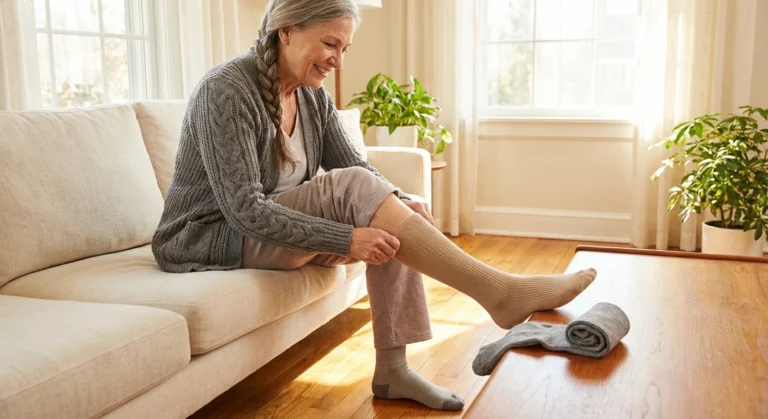
Your hands and feet lose heat fastest and are typically where neuropathy hits hardest. Invest in quality thermal socks (merino wool is excellent), insulated gloves, and warm footwear. Many people in our group swear by heated socks or heated insoles — they use small battery packs to provide consistent, gentle warmth that can make a remarkable difference during outdoor activities.
A few tips from experience:
- Layering two pairs of thinner socks often works better than one thick pair (air trapped between layers insulates)
- Make sure your shoes aren't too tight — constricting footwear can reduce circulation and worsen symptoms (see our guide to the best shoes for neuropathy)
- Keep spare gloves and socks in your car and bag so you're never caught without them
Maintain Indoor Warmth
Keep your home at a comfortable temperature — generally between 68-72°F (20-22°C). Pay attention to drafts, especially near where you sit or sleep. A space heater for the room you're in can be more efficient than heating the whole house, and heated blankets or mattress pads can help prevent the nighttime symptom flares that so many neuropathy patients experience.
Use Heat Therapy Wisely
Heating pads, warm foot soaks, and warm compresses can provide welcome relief from cold-weather neuropathy flares. However, there's an important safety consideration: if your neuropathy has reduced your ability to sense temperature, you may not feel when something is too hot. Always:
- Test heating pads and water temperature with a body part that has normal sensation (like your elbow)
- Use a thermometer for foot soaks — keep water below 100°F (38°C)
- Never fall asleep directly on a heating pad
- Check your skin regularly for signs of burns when using heat
Staying Active in Cold Weather: It Matters More Than You Think
I know exercise can feel like the last thing you want to do when your feet are burning and it's freezing outside. But staying physically active during winter may be the single most important thing you can do for your neuropathy. Movement promotes blood flow to your extremities, reduces stiffness, and helps maintain nerve function.

Indoor Exercise Options
You don't have to brave the cold to stay active. These exercises designed for people with neuropathy can be done from the warmth of your home:
- Chair exercises: Seated leg lifts, ankle circles, toe curls, and calf raises
- Gentle yoga: Yoga poses adapted for neuropathy improve flexibility and circulation
- Stationary biking or elliptical: Low-impact cardio that keeps your whole body warm
- Light resistance training: Using resistance bands or light weights to maintain muscle strength
- Balance exercises: Standing near a counter, practice single-leg stands, heel-to-toe walking, or gentle weight shifts
If You Do Go Outside
Walking remains one of the best exercises for neuropathy, and winter walks are absolutely doable with the right preparation:
- Dress warmly in layers, with extra attention to hands and feet
- Limit exposure time and take indoor breaks every 15-20 minutes
- Avoid icy surfaces — reduced sensation makes slips and falls more dangerous
- Walk during the warmest part of the day when possible
- Consider indoor alternatives (shopping malls, community centers, indoor tracks) during extreme cold
Winter Foot Care: A Critical Priority
Winter presents unique foot care challenges for people with neuropathy. Reduced sensation means you may not notice cold-related injuries, dry or cracked skin, or frostbite in its early stages. Here's how to protect your feet during the cold months:

- Inspect your feet daily: Look for redness, blisters, dry patches, cracks, or any changes in skin color or temperature. Use a mirror or ask someone to help check the soles
- Moisturize consistently: Cold, dry air strips moisture from skin. Apply a thick, fragrance-free moisturizer to your feet daily (but not between the toes, where trapped moisture can lead to fungal infections)
- Never use direct heat on numb feet: No hot water bottles, electric blankets directly touching feet, or sitting too close to a space heater — burns can occur before you feel them
- Wear shoes indoors: Protect your feet from bumps, cold floors, and sharp objects you might not feel
- Change wet socks immediately: Damp feet plus cold temperatures is a recipe for skin breakdown
Nutrition and Supplements for Winter Nerve Support
Winter is a good time to pay extra attention to nutrition that supports nerve health. When your nerves are under additional stress from the cold, giving them the best possible nutritional support may help reduce the severity of flare-ups.
- Anti-inflammatory foods: A neuropathy-friendly diet rich in omega-3 fatty acids (salmon, sardines, walnuts), colorful fruits and vegetables, and whole grains can help reduce inflammation that contributes to nerve pain
- Warm, nourishing meals: Soups and stews are perfect winter foods that can be packed with nerve-supportive ingredients — think turmeric-spiced vegetable soup or salmon chowder
- Vitamin D: Your body produces less vitamin D during winter months due to reduced sun exposure. Low vitamin D levels have been associated with neuropathy, so supplementation may be worth discussing with your doctor
- B vitamins: Essential for nerve function year-round, but particularly worth ensuring adequate intake during winter when your nerves are already stressed
- Magnesium: May help with muscle cramps and spasms that often worsen in cold weather
Stay hydrated even though you may not feel as thirsty in cold weather. Dehydration reduces blood volume and circulation, which can worsen neuropathy symptoms.
Drinks to Approach With Caution
When it's cold outside, a hot cup of coffee or a glass of wine seems like the perfect warm-up. But both caffeine and alcohol can actually work against you when it comes to neuropathy:
- Caffeine can temporarily constrict blood vessels, reducing the circulation your nerves need most during cold weather. If you can't give up your morning coffee, try limiting it to one cup and switching to herbal tea for additional warm drinks
- Alcohol initially creates a feeling of warmth but actually causes blood vessels to dilate near the skin's surface, increasing heat loss and dropping your core temperature. Alcohol is also directly neurotoxic and can worsen neuropathy over time — see our article on alcoholic neuropathy
Better warming drink choices include herbal teas (ginger tea is a great option — it's warming and has anti-inflammatory properties), warm water with lemon, or golden milk made with turmeric.
Winter Safety Alert
Reduced sensation from neuropathy means you may not feel early frostbite warning signs, burns from heating devices, or ice underfoot. Always check your skin visually, use thermometers to test water temperature, and never fall asleep on a heating pad.
Safety Concerns: Preventing Cold-Weather Injuries
Cold weather creates specific safety risks for people with neuropathy that are worth taking seriously:
Frostbite Risk
This is perhaps the most serious cold-weather concern for neuropathy patients. If you can't properly feel your extremities, you may not notice the early warning signs of frostbite — the stinging, aching, and skin color changes that prompt most people to get inside and warm up. By the time frostbite becomes visible (white or grayish-yellow skin, hard or waxy texture), significant tissue damage may have already occurred.
Prevention is key: limit outdoor exposure in extreme cold, keep extremities covered, and set timed reminders to check on your hands and feet visually during extended time outdoors.
Fall Risk
Winter already increases fall risk for everyone due to ice and snow. For someone with neuropathy who already has compromised balance and reduced foot sensation, the risk multiplies. Ice on sidewalks that you can't feel under your feet, snow that conceals uneven surfaces, and the stiffness that comes with cold — it all adds up. Use fall prevention strategies like ice cleats on shoes, a walking stick or cane for stability, and choosing cleared pathways whenever possible.
Burns From Warming Devices
In the quest to warm numb extremities, burn injuries are unfortunately common. Space heaters, fireplaces, hot water, and heating pads all pose risks when you can't accurately gauge temperature. I've heard too many stories from our support group about people who burned their feet on a heating pad or scalded them in a too-hot bath without feeling it until the damage was done.
Mental Health in the Winter Months
We'd be remiss not to mention the emotional toll that winter can take on people with neuropathy. Shorter days, less sunlight, increased pain, and reduced activity can all contribute to feelings of isolation, frustration, and depression. The mental health impact of living with neuropathy is real and valid, and it often intensifies during winter.
Some things that may help:
- Stay socially connected — join online support groups, call friends, or schedule virtual meetups
- Use a light therapy lamp if seasonal changes affect your mood
- Maintain a routine that includes activities you enjoy
- Don't hesitate to reach out to a mental health professional if winter significantly impacts your emotional wellbeing
- Celebrate small victories — on tough pain days, simply getting through the day is an accomplishment
Creating Your Winter Neuropathy Action Plan
Rather than just reacting to winter symptoms as they arise, having a proactive plan can make the season much more manageable. Here's a framework to work from:

- Before winter hits: Stock up on warm socks, gloves, and footwear. Get a heating pad and check your home's heating system. Talk to your doctor about adjusting medications if seasonal symptom spikes are predictable
- Daily routine: Morning foot inspection, moisturize, put on warm socks immediately. Stay hydrated. Do at least 15-20 minutes of indoor exercise
- Going out: Check weather and wind chill. Layer appropriately. Set time limits for outdoor exposure. Carry hand warmers
- Evening: Warm (not hot) foot soak if desired. Gentle stretching. Keep bedroom comfortably warm. Use warm socks to bed if needed
- Weekly: Review symptom patterns and note what helps or hurts. Adjust your approach accordingly
Frequently Asked Questions
Does cold weather actually damage nerves, or just worsen symptoms?
For most people with neuropathy, cold weather worsens existing symptoms rather than causing new nerve damage. The reduced circulation and increased nerve sensitivity are temporary effects that ease when you warm back up. However, prolonged exposure to extreme cold can potentially cause further damage to already-compromised nerves through severe circulation restriction, and frostbite can cause direct tissue and nerve injury.
Why do my feet burn when they're cold?
This paradoxical “burning cold” sensation is a hallmark of neuropathy. Damaged nerves misinterpret temperature signals, so your brain receives pain or burning signals even though the actual stimulus is cold. The reduced blood flow from cold temperatures can also trigger inflammatory responses in nerve tissue, producing burning sensations. This is one of the most frustrating aspects of neuropathy for many people.
Are heated socks and gloves safe for people with neuropathy?
Heated socks and gloves can be helpful, but use them with caution. Choose products with adjustable temperature settings and start on the lowest setting. Because neuropathy can impair your ability to sense when something is too hot, check your skin frequently for redness or irritation. Look for products with automatic shut-off features. If you have diabetic neuropathy, consult your doctor before using heated accessories.
Should I move to a warmer climate to help my neuropathy?
While warmer climates may reduce cold-related symptom flares, neuropathy can still be triggered by other factors including heat and humidity. Some people find that extreme heat also worsens their symptoms. A moderate, stable climate with fewer temperature extremes may be more beneficial than simply choosing the hottest location. The decision to relocate involves many factors beyond neuropathy alone.
Can cold therapy (ice packs) still be used for injuries if I have neuropathy?
Be very cautious with cold therapy if you have neuropathy. Reduced sensation means you may not feel when ice is causing tissue damage. If you need to use cold therapy for an injury, limit application to 10 minutes maximum, always wrap ice packs in a cloth rather than applying directly to skin, and check the area frequently for signs of cold injury. Consider asking your doctor about alternative pain management approaches for injuries.
Does vitamin D deficiency in winter make neuropathy worse?
There is growing evidence linking low vitamin D levels to neuropathy symptoms and progression. Since vitamin D production decreases significantly during winter months due to reduced sunlight exposure, winter-related vitamin D deficiency may contribute to seasonal neuropathy flare-ups. Ask your doctor to check your vitamin D levels, especially if your neuropathy consistently worsens in winter months.
Your Daily Winter Neuropathy Routine
Morning
Inspect feet. Moisturize. Warm socks on immediately. Hydrate.
Midday
15-20 min indoor exercise. Anti-inflammatory lunch. Stay warm.
Evening
Warm foot soak (below 100°F). Gentle stretches. Warm socks to bed.
You Can Get Through This Winter
Living with neuropathy in cold weather is genuinely challenging — I won't sugarcoat that. But with the right preparation, consistent self-care, and a proactive approach, winter doesn't have to be a season you dread. The strategies that help most are simple ones practiced consistently: staying warm, staying active, protecting your extremities, and paying attention to what your body tells you.
And remember — spring always comes. If you're struggling through a particularly tough winter, know that warmer days will bring relief. In the meantime, be kind to yourself, reach out to your support network, and don't hesitate to contact your healthcare provider if your symptoms change significantly or become difficult to manage.
About the Author