Browse all our living with neuropathy guides for more articles like this one.
nnnnnnnnThe loneliest I ever felt wasn't during the worst of my neuropathy pain — it was during the silence that followed. The silence of friends who didn't understand why I couldn't go on our usual walks. The silence at the dinner table when I couldn't explain why I was pushing food around my plate because my hands were burning. The silence of feeling like the only person in the world dealing with this.
nnnnThen I found a neuropathy support group, and everything changed. Not my symptoms — those were still there. But the crushing weight of isolation lifted. Suddenly I was in a room (and later, on a Zoom call) with people who got it. People who didn't need me to explain why I wear thick socks in July or why I grip the handrail on every staircase.
nnnnIf you've been navigating neuropathy alone, this guide will help you find your people — whether that's an in-person group down the road, an online community at 2 AM when the pain won't let you sleep, or a specialized group for your specific type of neuropathy.
nnnnWhy Support Groups Matter for People With Neuropathy
nnnnNeuropathy is often called an “invisible condition.” You look fine on the outside while your nerves are screaming on the inside. This invisibility creates a unique kind of suffering: people around you — even people who love you — can struggle to understand what you're going through.
nnnnResearch consistently shows that chronic pain conditions like neuropathy have significant mental health impacts, including increased rates of depression, coping with neuropathy anxiety, and social isolation. A 2020 study in the Journal of Pain Research found that people with peripheral neuropathy were nearly three times more likely to experience depression compared to the general population.
nnnnSupport groups address this in ways that medical treatment alone cannot:
nnnn- n
- Validation — Hearing someone else describe exactly what you're feeling is powerful medicine. “I thought I was the only one whose feet felt like they were on fire and freezing at the same time.” n
- Practical knowledge — Members share tips that don't appear in medical textbooks: which shoes actually work, how to explain neuropathy to family members, which sleeping positions help with nighttime pain n
- Emotional resilience — Watching others manage their symptoms successfully gives you hope and concrete strategies n
- Reduced isolation — Simply being understood by others who share your experience reduces the psychological burden of chronic illness n
- Information sharing — Members often learn about new treatments, clinical trials, and management strategies from each other before hearing about them from their doctors n
Types of Neuropathy Support Groups
nnnnNot all support groups are the same, and finding the right fit matters. Here's a breakdown of what's available:
nnnn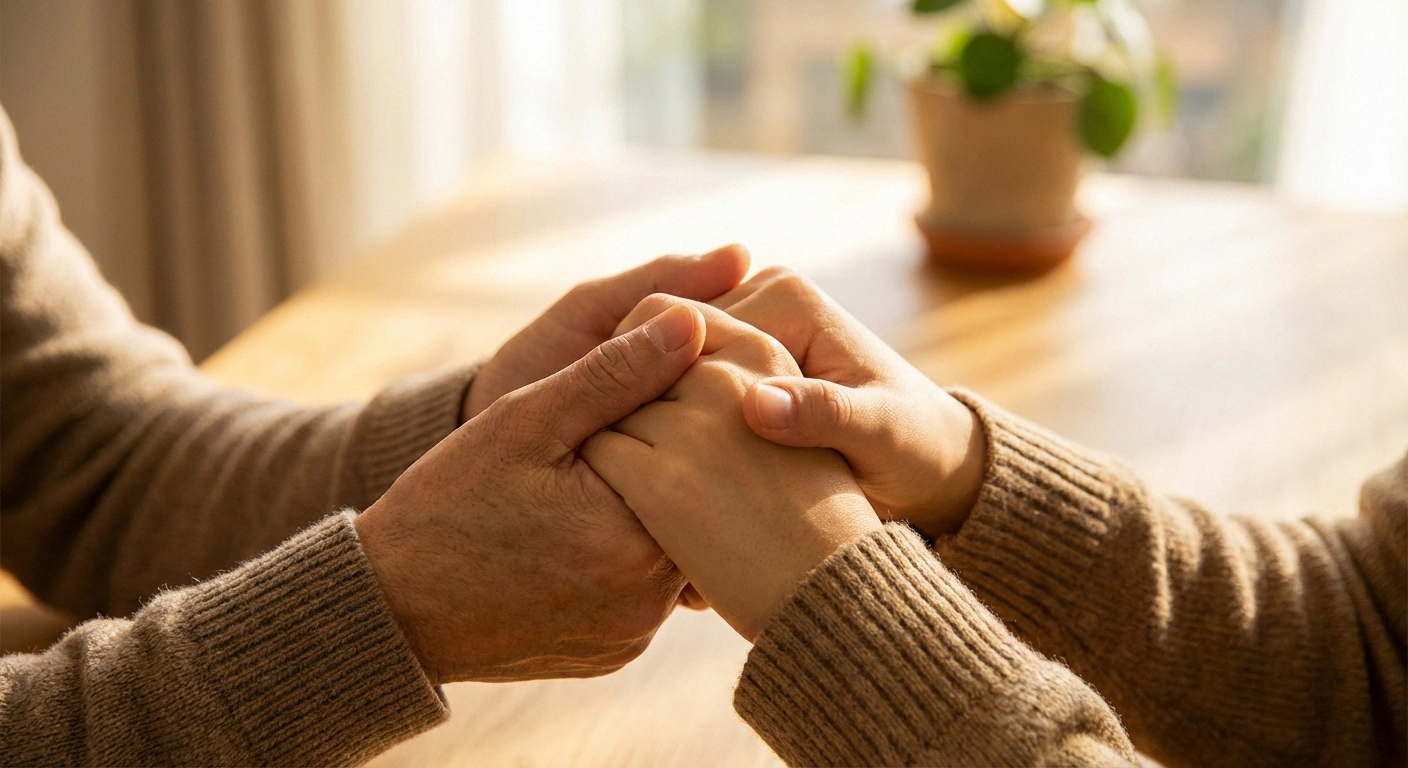
🏛️ In-Person
nBest for: Personal connection and local friendships
nFormat: Monthly 1-2 hour meetings
nGuest speakers + group discussion
n💻 Virtual
nBest for: Rural areas, mobility limitations
nFormat: Zoom/video meetings
nAccess from anywhere, even during flare-ups
n📱 Online 24/7
nBest for: Nighttime symptoms, introverts
nFormat: Facebook, Reddit, forums
nPost anytime, read at your pace
nResearch Says
nPeople with peripheral neuropathy are nearly 3x more likely to experience depression compared to the general population. Support groups address the emotional burden that medical treatment alone cannot reach.
nIn-Person Local Groups
nnnnThese are the traditional support group format — regular meetings in a community center, hospital, church, or library. They offer face-to-face connection, which many people find more meaningful than online interaction.
nnnn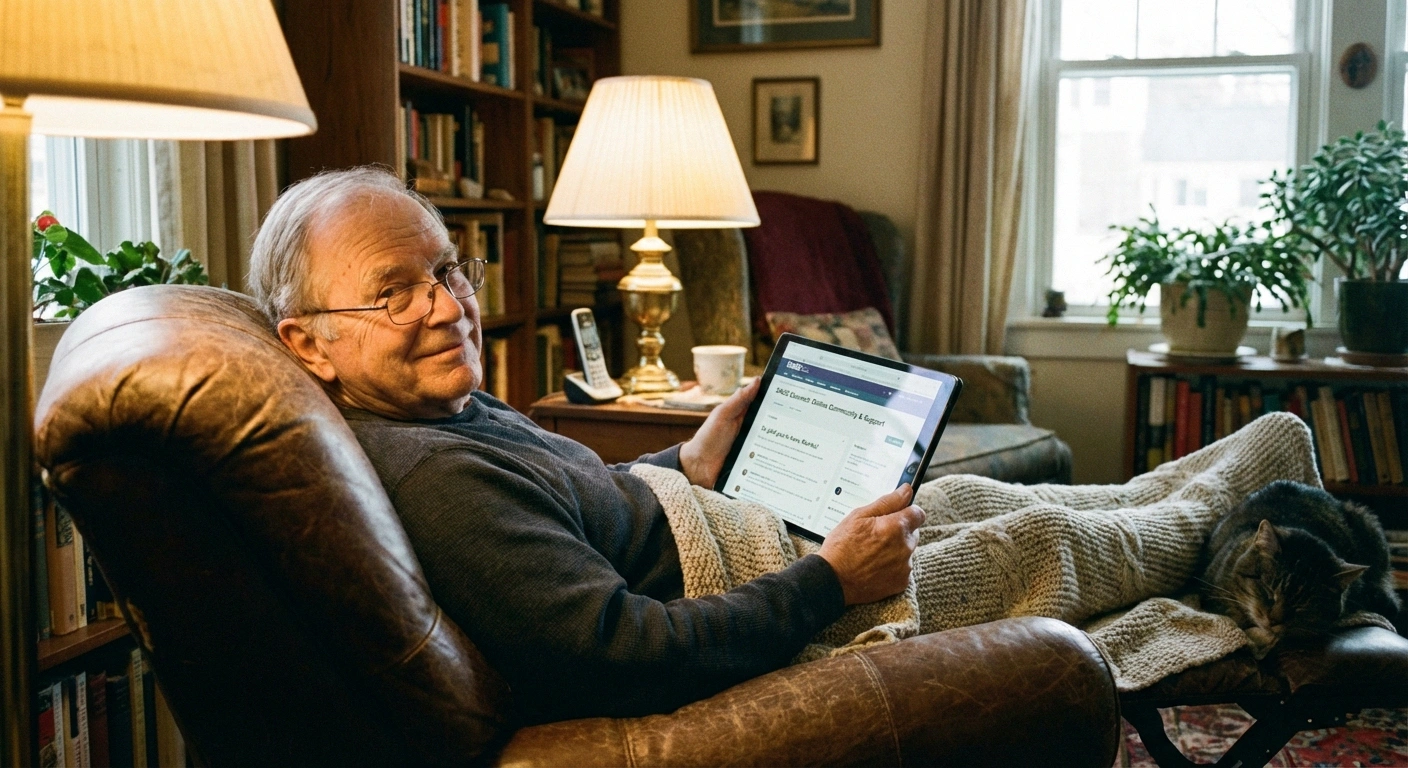
Best for: People who value personal connection, want to build local friendships, and are comfortable attending regular meetings.
nnnn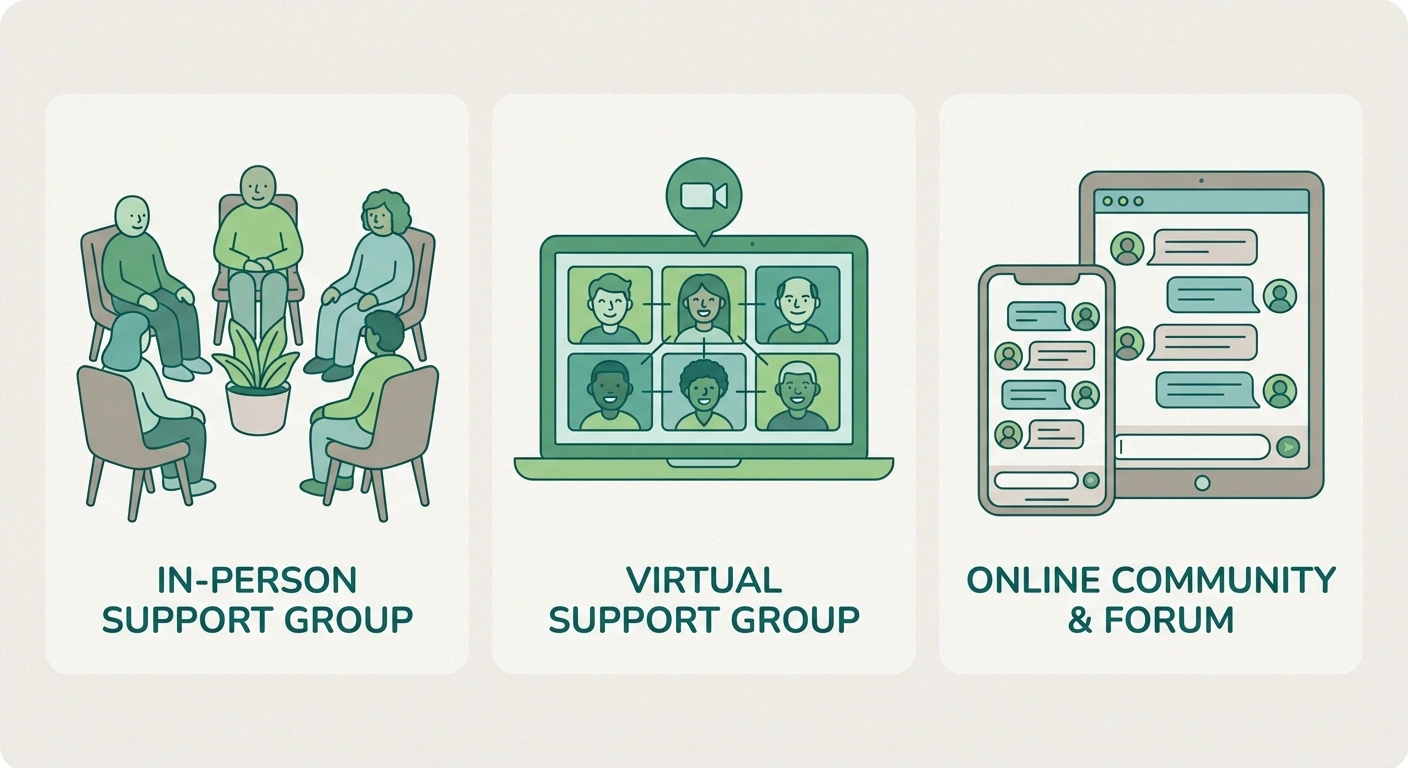
Typical format: Monthly meetings lasting 1-2 hours, often including a presentation from a guest speaker (neurologist, physical therapist, nutritionist) followed by group discussion.
nnnnChallenges: Limited availability — many cities don't have a local group. Travel can be difficult for people with mobility issues. Fixed schedules may not work for everyone.
nnnnVirtual Support Groups
nnnnThe pandemic accelerated the shift to virtual meetings, and many neuropathy support groups now operate primarily or exclusively online via Zoom or similar platforms.
nnnn n
n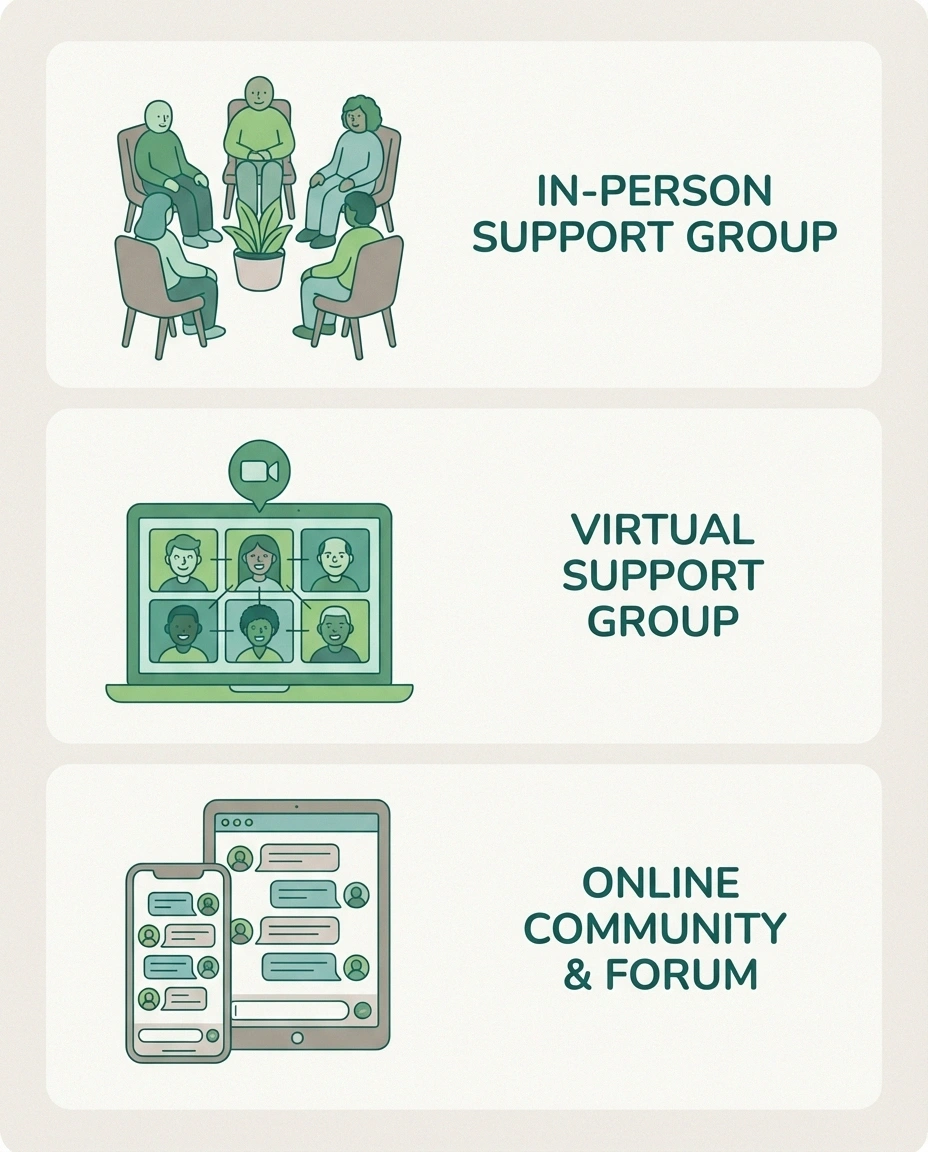 nnnn
nnnnBest for: People in rural areas without local groups, those with mobility limitations, anyone who finds leaving the house difficult on bad symptom days.
nnnnAdvantages: Access from anywhere, no transportation needed, can participate even during flare-ups, often more scheduling flexibility.
nnnnOnline Communities (24/7)
nnnnFacebook groups, Reddit communities, and dedicated forums offer asynchronous support — you can post a question at 3 AM and find answers waiting for you in the morning.
nnnnnBest for: People who want support outside of scheduled meeting times, those dealing with nighttime symptoms, introverts who prefer writing to speaking.
nnnnA word of caution: Online groups vary widely in quality. Some are well-moderated with evidence-based information sharing. Others can become echo chambers for unproven treatments or negativity. Look for groups with active moderation and clear guidelines about medical advice.
nnnnCondition-Specific Groups
nnnnSome support groups focus on specific types of neuropathy, which can be particularly helpful if you're dealing with a less common form:
nnnn- n
- Chemo-induced neuropathy (CIPN) — groups connected to cancer centers or organizations like the Western Neuropathy Association n
- diabetic nerve pain — often embedded within diabetes management programs n
- Small fiber neuropathy — online communities have grown significantly as awareness increases n
- Charcot-Marie-Tooth disease — the CMTA (Charcot-Marie-Tooth Association) offers dedicated support groups n
- Guillain-Barré syndrome — the GBS/CIDP Foundation provides specialized groups n
- Autonomic neuropathy — Dysautonomia International connects patients with similar challenges n
Major Neuropathy Support Organizations
nnnnSeveral national and regional organizations serve as hubs for neuropathy support. Here are the most established:
nnnn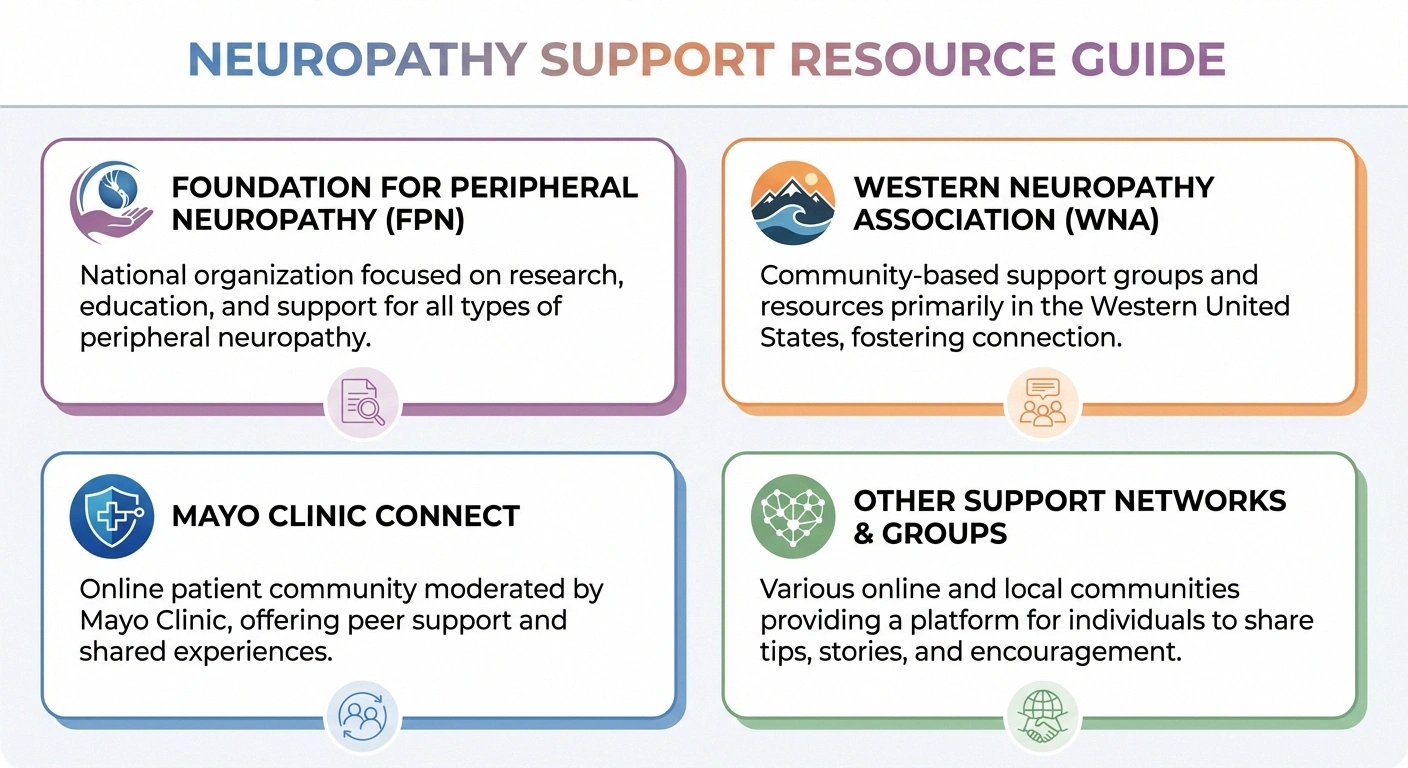 n
n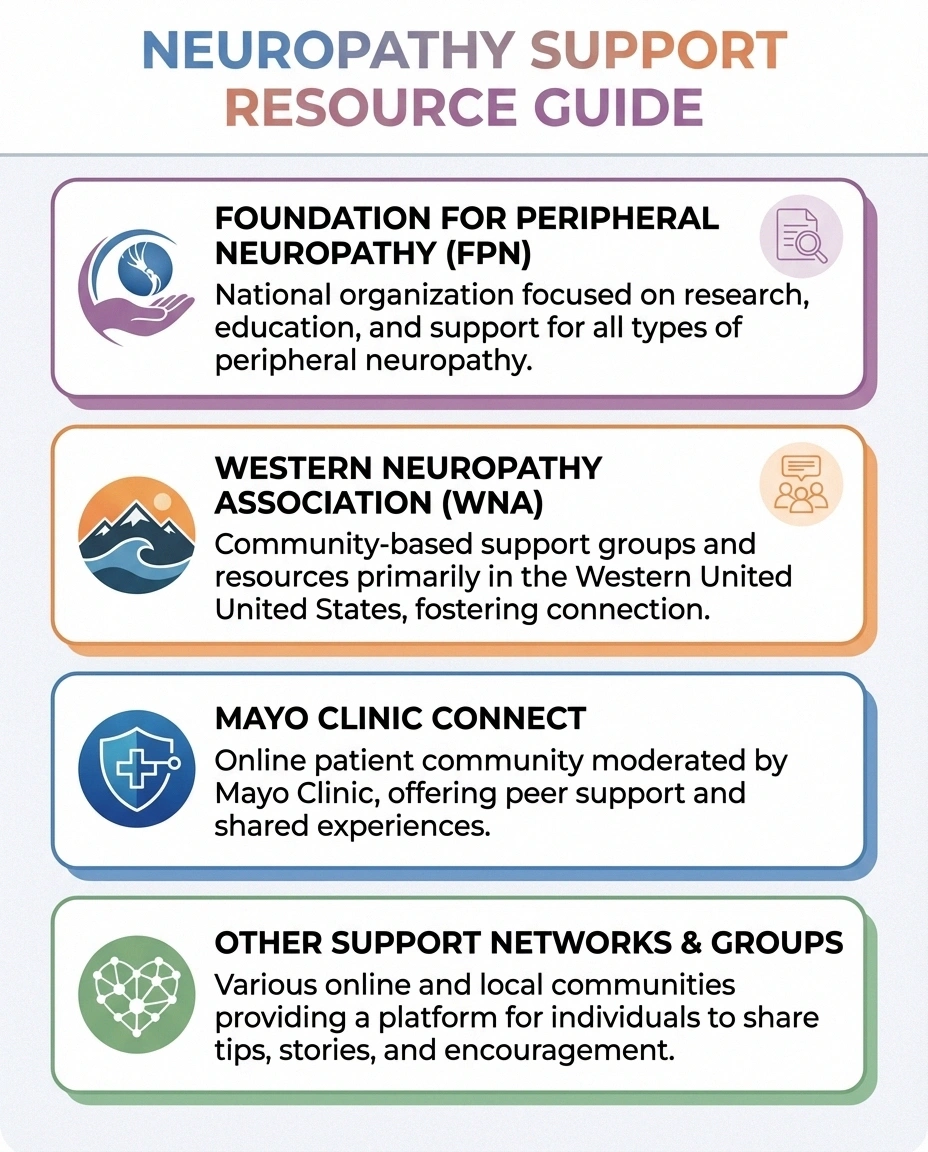 nnnnn
nnnnnThe Foundation for Peripheral Neuropathy (FPN)
nnnnThe largest U.S. organization dedicated to peripheral neuropathy. FPN maintains a state-by-state directory of local support groups, offers educational resources, and supports research. Their website is the best starting point for finding an in-person group near you.
nnnn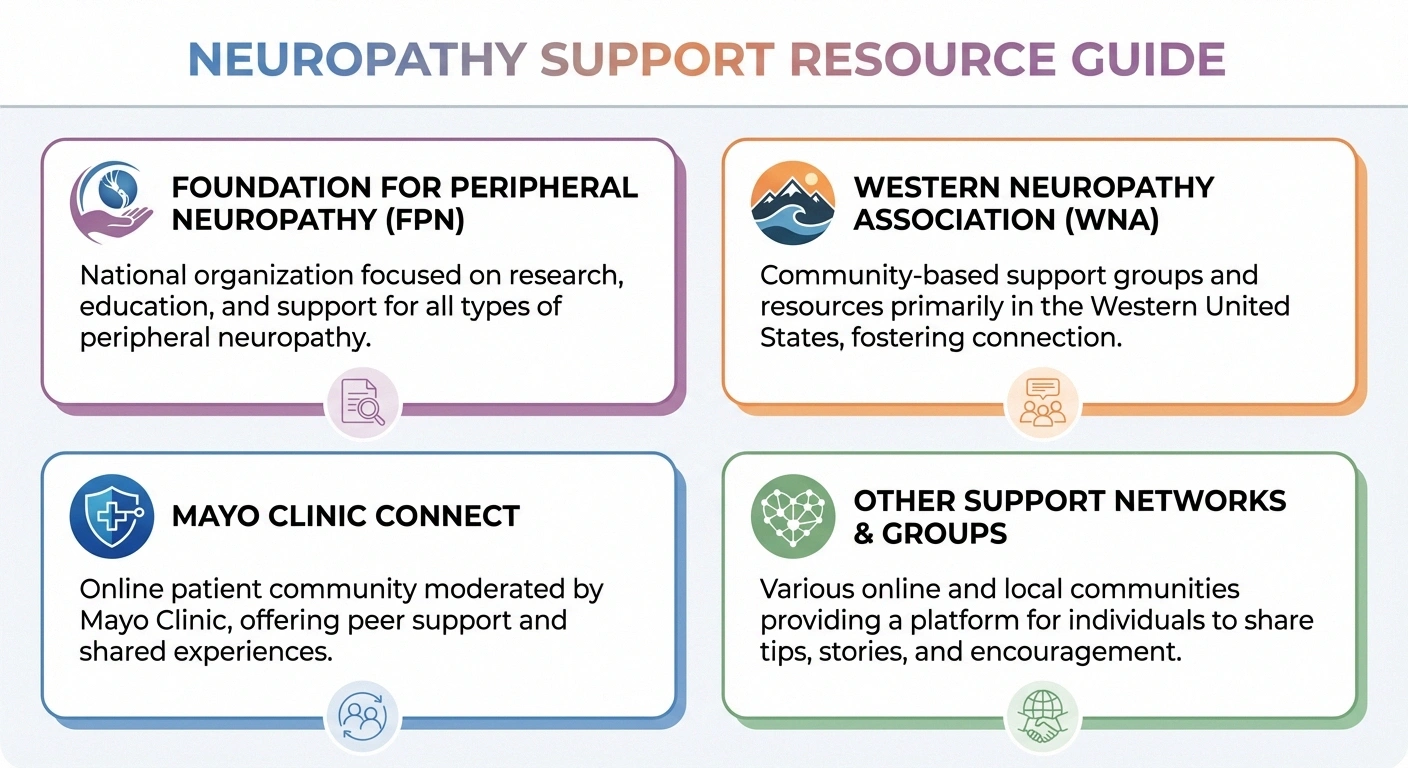
- n
- Website: foundationforpn.org n
- What they offer: Local group directory, virtual groups, educational webinars, leadership manual for starting your own group n
- Standout feature: Their support group directory is the most comprehensive available, covering all 50 states and Canada n
The Western Neuropathy Association (WNA)
nnnnThough originally focused on western U.S. states, WNA now offers virtual groups accessible to anyone. They run multiple monthly meetings with different focuses, including a dedicated CIPN group and a CIDP/autoimmune neuropathy group.
nnnn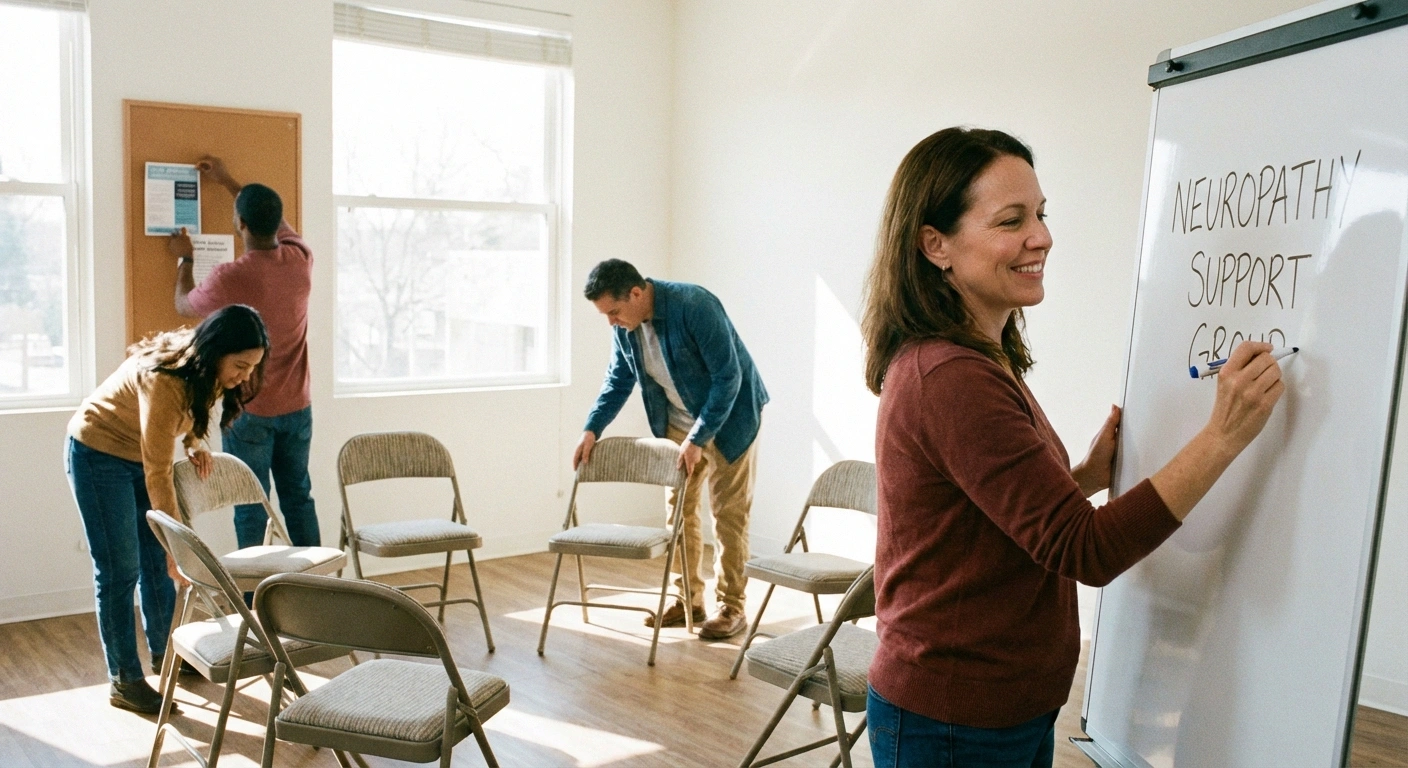
- n
- Website: pnhelp.org n
- Virtual meetings: Multiple monthly Zoom meetings, including groups for singles with neuropathy and condition-specific discussions n
- Standout feature: Their “Strategies for Singles” group addresses the unique challenges of managing neuropathy without a partner n
Mayo Clinic Connect — Neuropathy Group
nnnnAn online discussion forum moderated by Mayo Clinic staff. While not a live support group, it provides a medically moderated space for asking questions and sharing experiences.
nnnn- n
- Website: connect.mayoclinic.org/group/neuropathy/ n
- What they offer: Ongoing threaded discussions, access to Mayo Clinic health information, a moderated environment n
- Standout feature: Medical moderation means you're less likely to encounter dangerous misinformation n
The Peripheral Neuropathy Support Network
nnnnA volunteer-run organization focused on education and support, primarily in the DC/Virginia/Maryland area but with virtual access.
nnnn- n
- Website: pnsnetwork.org n
- What they offer: Monthly meetings, guest speakers, peer support n
Condition-Specific Organizations
nnnn- n
- Charcot-Marie-Tooth Association (CMTA): cmtausa.org — support groups, emotional support programs, educational resources for CMT n
- GBS/CIDP Foundation International: gbs-cidp.org — support for Guillain-Barré, CIDP, and related conditions n
- Dysautonomia International: dysautonomiainternational.org — for autonomic neuropathy and related conditions n
- NeuropathyCommons: neuropathycommons.org — comprehensive directory linking to multiple organizations and resources n
Online Communities Worth Exploring
nnnnBeyond formal organizations, thriving informal communities exist on several platforms:
nnnnFacebook Groups
nnnnFacebook hosts some of the largest neuropathy communities online. A few notable ones:
nnnn- n
- Peripheral Neuropathy Success Stories — Over 30,000 members worldwide, with a focus on positive outcomes and coping strategies n
- Peripheral Neuropathy Resources — Monthly virtual meetings in addition to ongoing discussions. Run by a team of experienced moderators including CJ Holliday and a group of directors n
- Neuropathy Care Support Group — Education-focused community for patients, families, and caregivers n
- Our Neuropathy Friends — More casual, peer-to-peer support environment n
- One Neuropathy Friends Spouses — Specifically for partners, family members, and caregivers of people with neuropathy n
Tips for using Facebook groups effectively:
nnnn- n
- Check that the group is actively moderated (look for posted rules and active admins) n
- Be cautious about treatment claims — not all advice is evidence-based n
- Consider the group size: larger groups mean more responses but sometimes less personal connection n
- Remember that privacy settings vary — some groups are private (posts visible only to members) while others are public n
The r/neuropathy and r/smallfiberneuropathy subreddits offer anonymous discussion, which some people prefer. The tone tends to be younger and more research-oriented than Facebook groups.
nnnn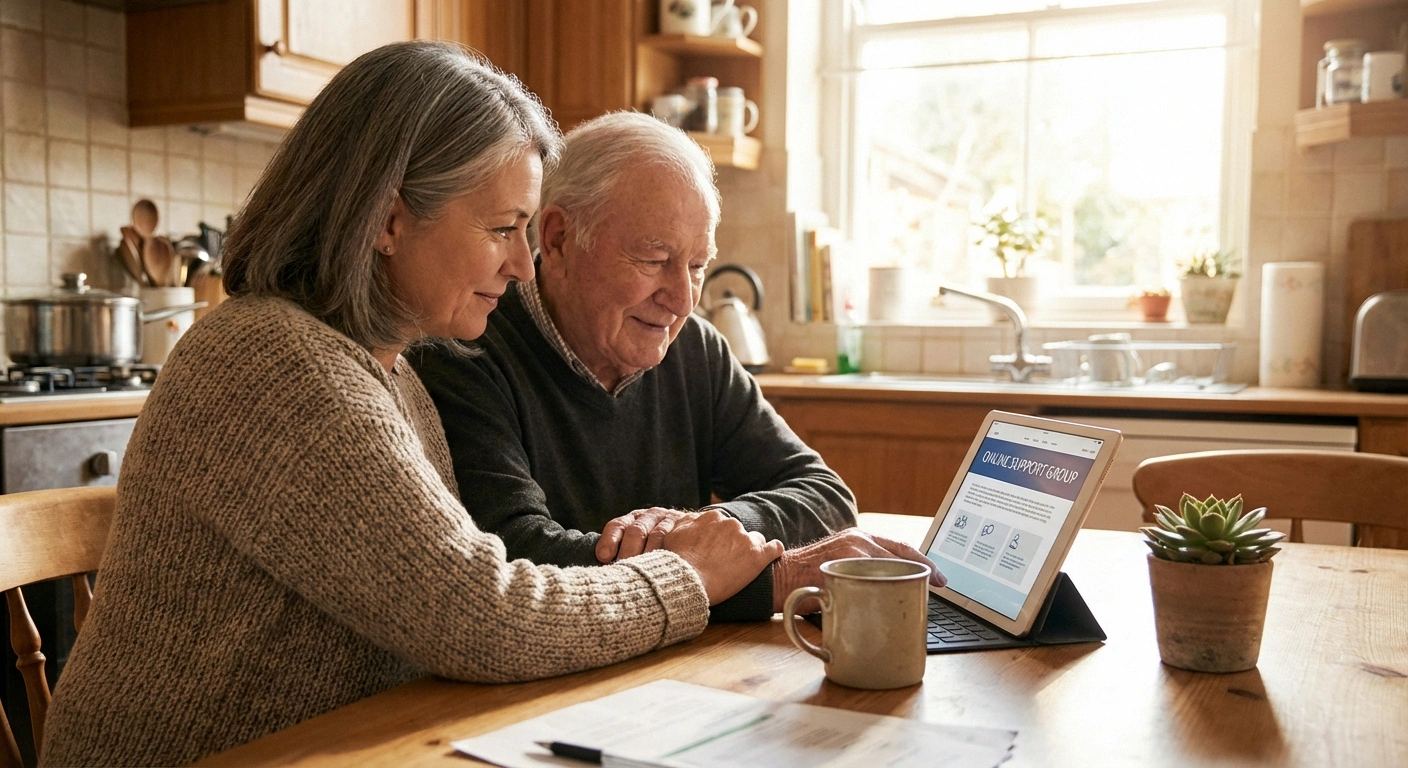
HealthUnlocked and Inspire
nnnnThese health-focused platforms host neuropathy communities with more structured discussion formats than social media groups.
nnnnnnHow to Get the Most Out of a Support Group
nnnnJoining is the first step. Getting genuine value from a group takes a bit more intention. Here's what I've learned from more than a decade of support group participation:
nnnnGive Yourself Time to Settle In
nnnnYour first meeting might feel awkward. You might not say much. That's completely fine. Most people need 2-3 meetings before they feel comfortable enough to really participate. Don't judge the group by the first visit alone.
nnnnShare Your Story — But Listen More
nnnnThe most valuable thing you bring to a support group is your experience. Share what's working for you, what's not, and what you've learned. But also listen — the person whose symptoms started differently from yours may know something that changes your approach to management.
nnnn5 Steps to Start Your Own Neuropathy Support Group
nDefine Your Focus
nGeneral or specific neuropathy type? In-person, virtual, or hybrid? Structured or conversational?
nFind a Meeting Space
nLibraries, community centers, and hospitals often provide free rooms. For virtual: Zoom or Google Meet.
nSpread the Word
nPost flyers at neurologist offices, clinics, pharmacies. Ask doctors to refer patients.
nSet Ground Rules
nConfidentiality, respect, no product selling, encouragement of professional medical advice.
nUse Available Resources
nGet the FPN's free leadership manual. List your group in their directory for discoverability.
nBe Open to Different Perspectives
nnnnSupport groups bring together people at different stages of neuropathy. Someone newly diagnosed may be terrified. Someone who's been managing for years may have wisdom to share. Both perspectives have value.
nnnnDon't Take Medical Advice at Face Value
nnnnThis is perhaps the most important tip. Support group members mean well, but they're not your doctor. Treat any treatment suggestions as leads to discuss with your healthcare provider, not as prescriptions to follow. What works beautifully for one person's neuropathy in diabetics might be completely wrong for another person's small fiber neuropathy.
nnnnKey Takeaway
nSupport groups complement medical care — they don't replace it. Treat any treatment suggestions from group members as leads to discuss with your healthcare provider, not as prescriptions to follow. What helps one person's neuropathy may not be right for yours.
nSet Boundaries Around Negativity
nnnnWhile support groups should be safe spaces for expressing frustration and grief, some groups can tip into chronic negativity. If attending a group consistently makes you feel worse rather than better, it may not be the right fit. Look for groups that balance honest sharing with hope and practical problem-solving.
nnnnnnStarting Your Own Support Group
nnnnIf there's no group near you — or if existing groups don't meet your needs — starting your own is more achievable than you might think. I started my local group with three people and a coffee pot. Here's how:
nnnnnStep 1: Define Your Focus
nnnnWill your group be general (all types of neuropathy) or specific (diabetic neuropathy, CIPN, etc.)? In-person, virtual, or hybrid? Structured with speakers, or more conversational? Having a clear vision helps attract the right members.
nnnnStep 2: Find a Meeting Space
nnnnFor in-person groups, libraries, community centers, churches, and hospital conference rooms often provide free meeting space. For virtual groups, Zoom's free plan allows 40-minute meetings, or you can use Google Meet at no cost.
nnnnStep 3: Spread the Word
nnnnPost flyers at neurologist offices, primary care clinics, pharmacies, and community bulletin boards. Ask local neurologists and pain management doctors to mention your group to patients. Post in local Facebook community groups.
nnnnStep 4: Set Ground Rules
nnnnEstablish basic guidelines from the start: confidentiality (what's shared in the group stays in the group), respect for different treatment approaches, no selling products or services, and encouragement of professional medical advice for treatment decisions.
nnnn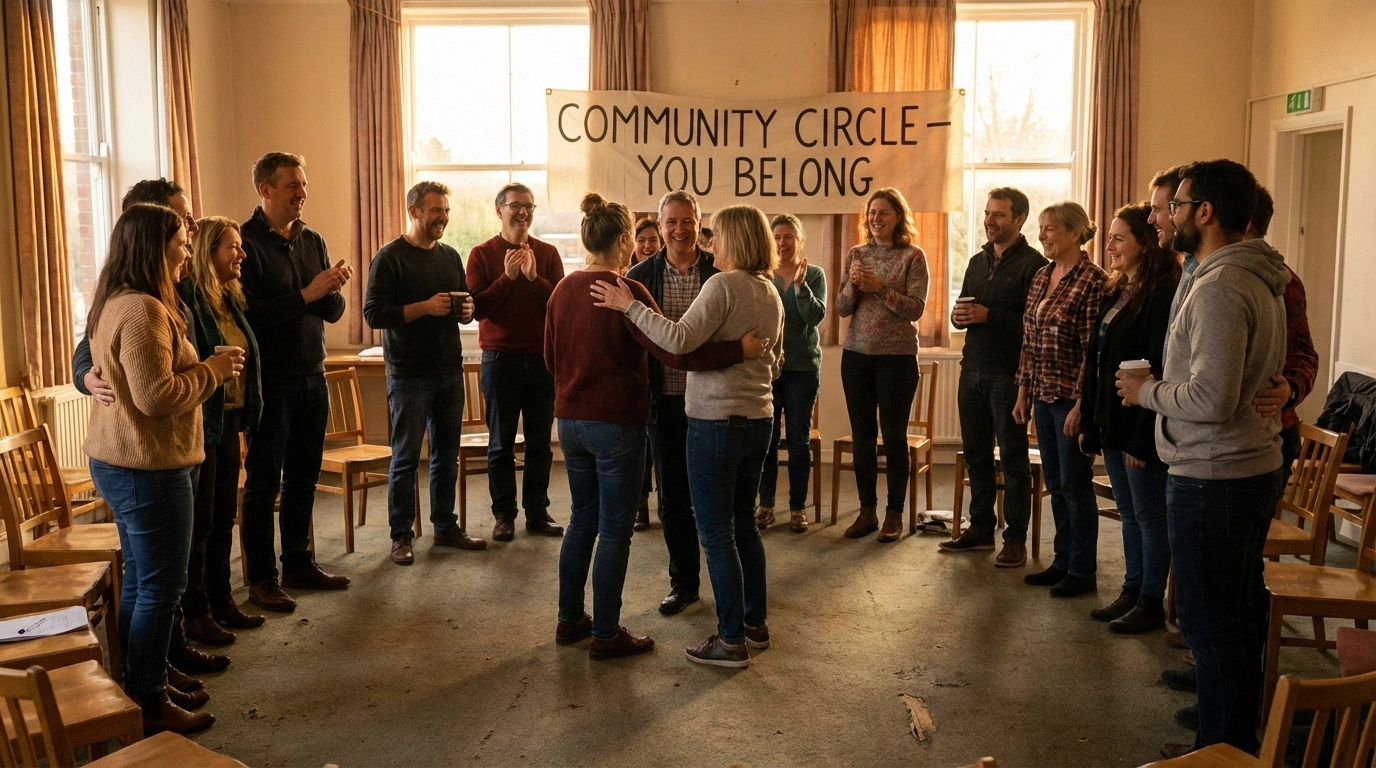
Step 5: Use Available Resources
nnnnThe Foundation for Peripheral Neuropathy offers a free leadership manual for support group facilitators. They'll also list your group in their directory, helping new members find you. Take advantage of these established resources rather than building everything from scratch.
nnnnnnnn
The Caregiver Perspective: Support for Those Supporting Others
nnnnIf you're the spouse, partner, adult child, or caregiver of someone with neuropathy, you need support too. Watching someone you love struggle with chronic pain takes an emotional toll that often goes unacknowledged.
nnnnnSeveral resources exist specifically for caregivers:
nnnn- n
- One Neuropathy Friends Spouses (Facebook) — dedicated to partners and family members n
- Caregiver Action Network — broader chronic illness caregiver support with resources applicable to neuropathy caregiving n
- Well Spouse Association — for spouses and partners of people with chronic illnesses n
- Many local neuropathy support groups welcome and encourage caregiver attendance n
Understanding what your loved one is going through can start with education. Our articles on why neuropathy worsens at night and what triggers flare-ups can help you understand the patterns behind the pain.
nnnn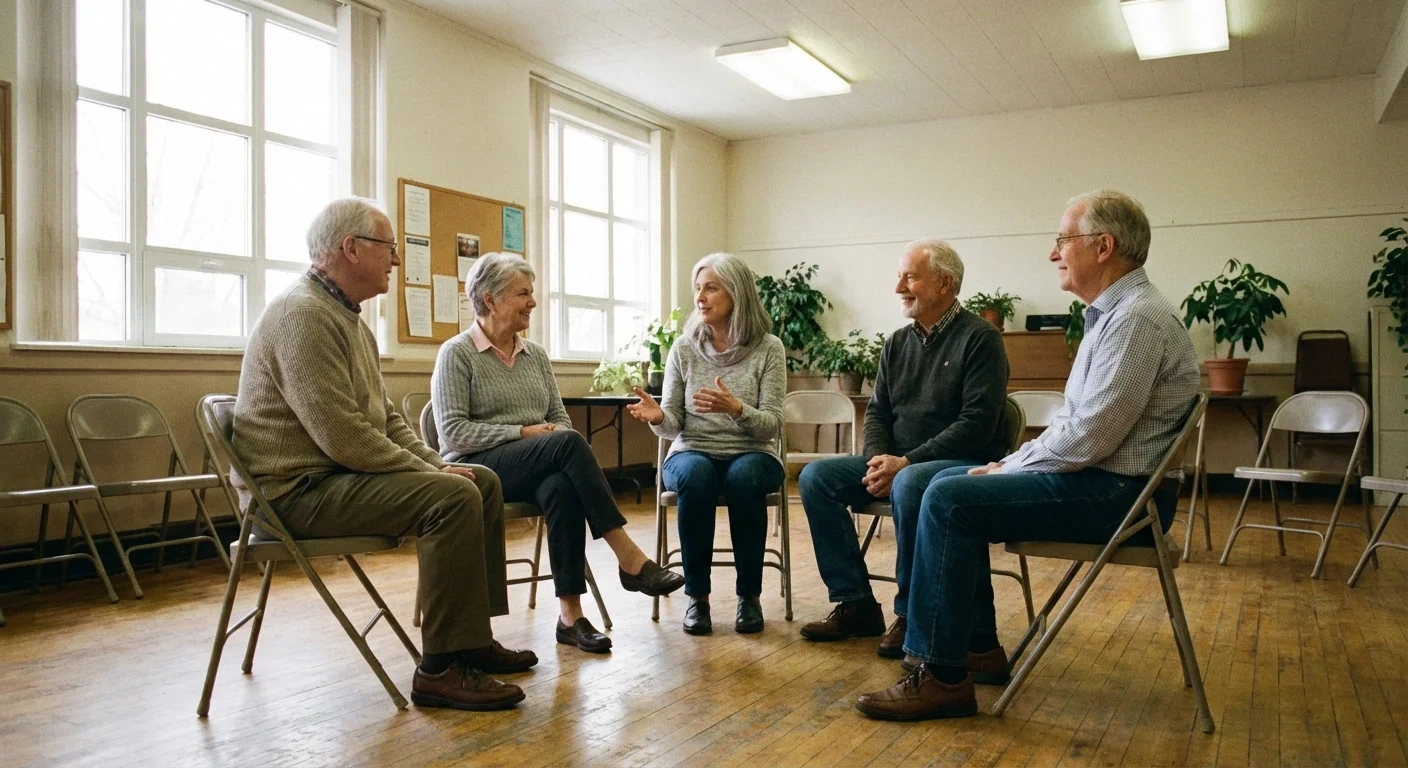
Frequently Asked Questions
nnnnAre neuropathy support groups free?
nnnnThe vast majority of neuropathy support groups are completely free to join and attend. Most are run by volunteers — often people who have neuropathy themselves. A few organizations accept donations to cover meeting space costs, but participation is not contingent on payment.
nnnnCan I attend a virtual neuropathy support group if I live outside the United States?
nnnnYes. Most virtual support groups welcome international participants, though meeting times are typically scheduled in U.S. time zones. The Western Neuropathy Association, the Foundation for Peripheral Neuropathy, and several Facebook groups have international members. Canada also has dedicated groups through organizations like the Calgary Neuropathy Association.
nnnnWhat if I'm too shy or introverted for a support group?
nnnnYou don't have to speak up at meetings if you're not comfortable. Many people attend as listeners first and gradually participate more as they feel safe. Online communities (Facebook groups, Reddit, forums) may feel easier if live interaction is intimidating. There's no wrong way to participate — even reading others' posts without commenting can provide comfort and useful information.
nnnnShould I join a general neuropathy group or one specific to my type?
nnnnBoth have value. General groups offer a wider range of perspectives and larger communities. Condition-specific groups (for example, CIPN, CMT, or GBS/CIDP groups) offer more targeted advice and deeper understanding of your particular challenges. Many people participate in both — a general group for broad support and a specific group for detailed, condition-relevant discussions.
nnnnnHow do I find a neuropathy support group near me?
nnnnStart with the Foundation for Peripheral Neuropathy's support group directory at foundationforpn.org/support-groups, which covers all U.S. states and parts of Canada. You can also ask your neurologist, check hospital community boards, or search Facebook for “[your city] neuropathy support group.” If nothing exists locally, virtual groups are an excellent alternative.
nnnnCan support groups replace medical treatment?
nnnnNo. Support groups complement medical treatment but should never replace it. They provide emotional support, practical tips, and community connection — but diagnosis, treatment planning, and medication management need to come from your healthcare team. Think of support groups as one important piece of a comprehensive neuropathy management plan alongside medical care, lifestyle changes, and self-care strategies.
nnnnnnYou Don't Have to Do This Alone
nnnnLiving with neuropathy is hard. Living with neuropathy in isolation is exponentially harder. Whether you join a formal support group, find your community online, or simply start a conversation with one other person who understands — connection is a form of treatment that no prescription can replicate.
nnnnThe people in my support group have taught me more about living well with neuropathy than any single book or doctor's visit. They've shared tricks for soothing foot soaks, recommendations for shoes that actually work, and — most importantly — the reassurance that better days are possible even when today is tough.
nnnnTake the first step. Find a group. Show up. You'll be glad you did.
nnnAbout the Author