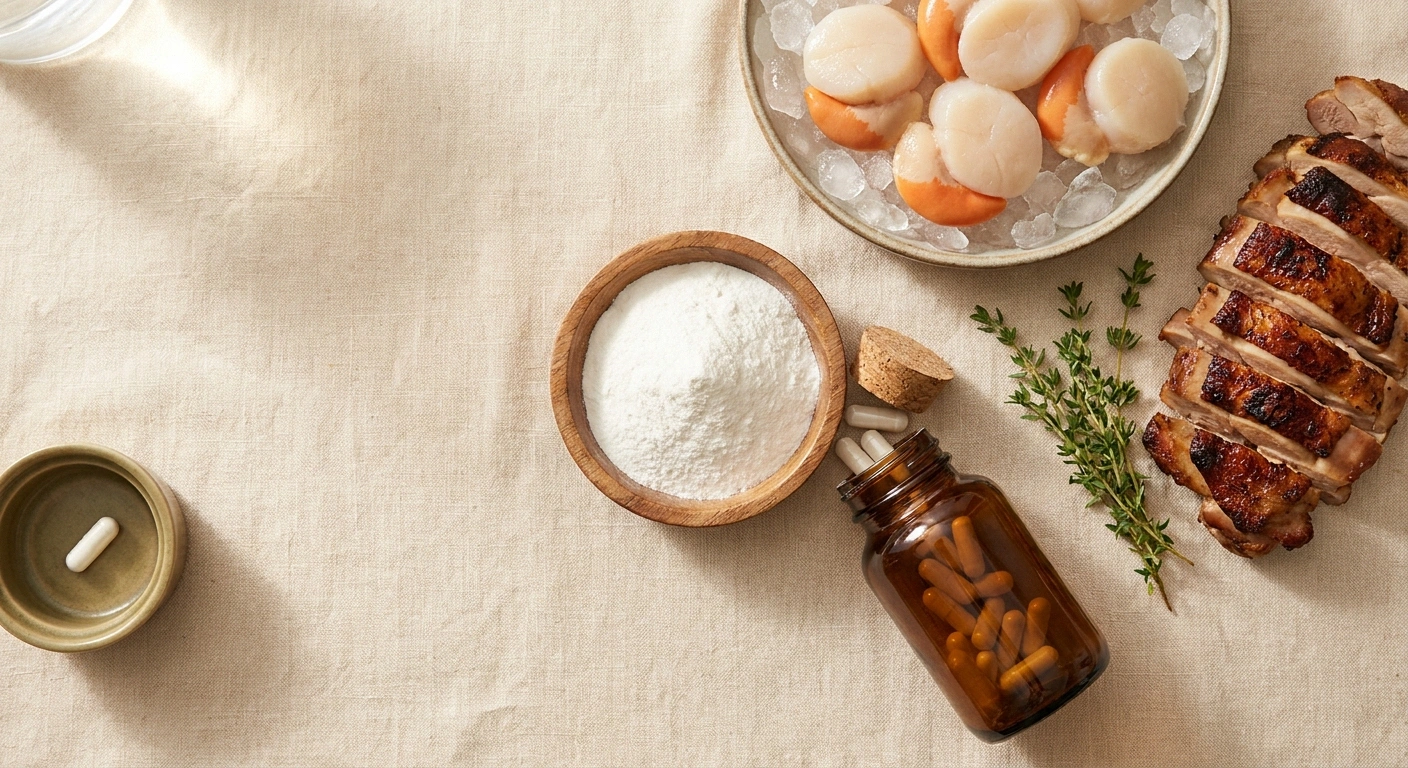
If you've spent any time researching neuropathy supplements beyond the usual suspects — alpha-lipoic acid, B12, acetyl-L-carnitine — you've probably bumped into taurine. It shows up in energy drinks, on the supplement aisle, in conversations about diabetes management, and increasingly in research papers about diabetic nerve damage. So is it worth your time and money, or is it another over-promoted compound?
I'll be straight with you about what the science actually shows. The animal studies are striking. The human evidence is still catching up. And there are real reasons a person with diabetic neuropathy — or anyone trying to protect their nerves — might want to know what taurine does, who it's most likely to help, and how to use it safely.
What Taurine Actually Is (and Isn't)
Taurine is usually called an amino acid, but technically it's an amino sulfonic acid — a small sulfur-containing molecule your body makes from two true amino acids, cysteine and methionine. The distinction matters because taurine doesn't get used to build proteins the way other amino acids do. Instead, your body puts it to work in some very specific places.
Taurine isn't technically an amino acid — it's an amino sulfonic acid your body makes from cysteine and methionine. Production drops significantly with age, diabetes, and chronic illness. The highest concentrations in your body are found in nerve tissue, which is why researchers keep returning to it for neuropathy.
Where does taurine concentrate in the body? In tissues that work hardest electrically and metabolically — your brain and nerves, your heart, your retinas, your skeletal muscle, and your white blood cells. The highest concentrations in your whole body are found in nerve tissue. That alone is a clue worth paying attention to.
Your body can manufacture taurine on its own, which is why it's been classified as “conditionally essential” rather than truly essential. But “conditionally essential” is doing a lot of work in that sentence. Production drops significantly with age. It drops in diabetes. It drops when your sulfur amino acid intake is low (think: long-term vegetarian or vegan diets). And it drops during chronic illness or oxidative stress — exactly the conditions most neuropathy patients are already living with.
A 2023 paper in Science found that blood taurine levels in mammals decline by about 80% between young adulthood and old age. The same paper showed that giving taurine back to older mice extended their healthspan, improved muscle strength, and reduced markers of cellular aging. That's animal data, not a guarantee for humans — but it reframes taurine from “obscure ingredient in energy drinks” to “something your body runs short of when you most need it.”
Why Taurine Matters for Damaged Nerves
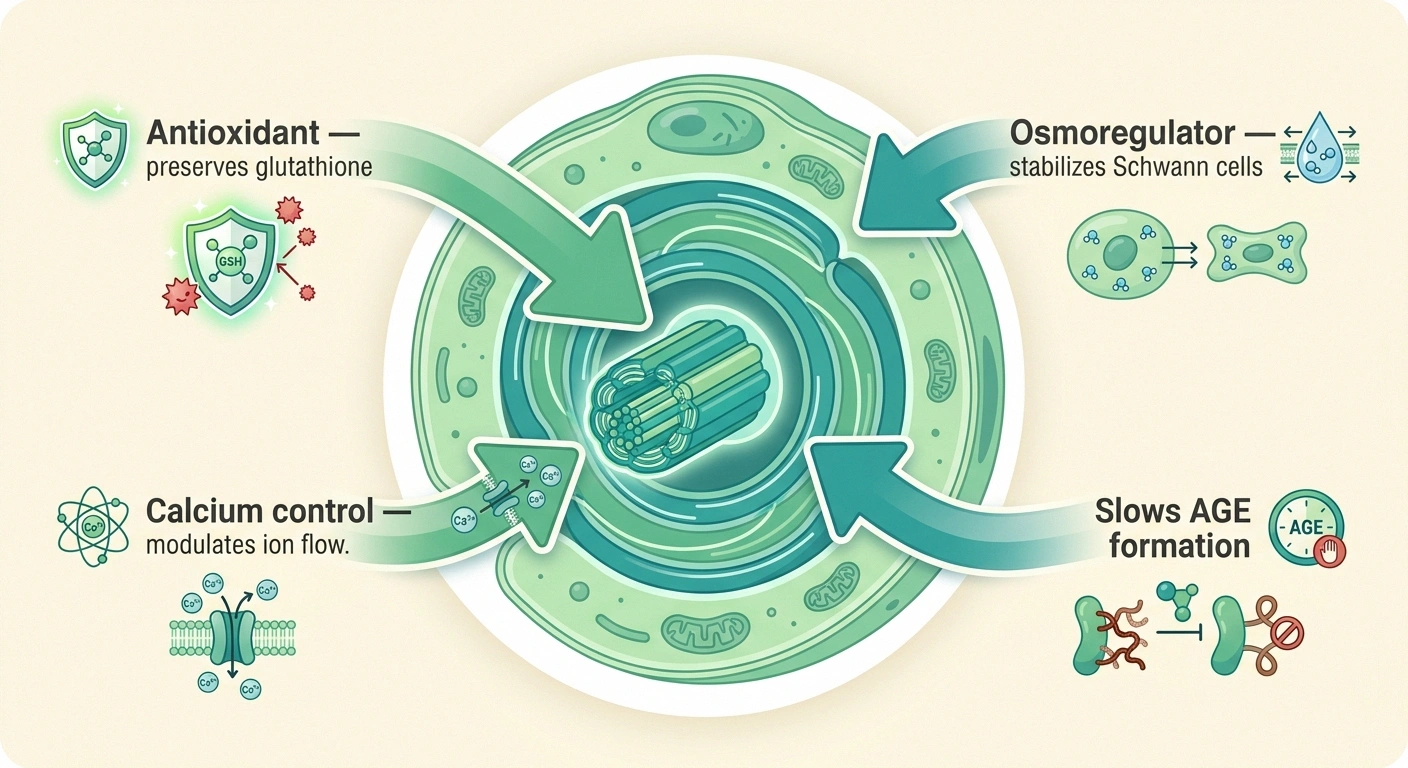
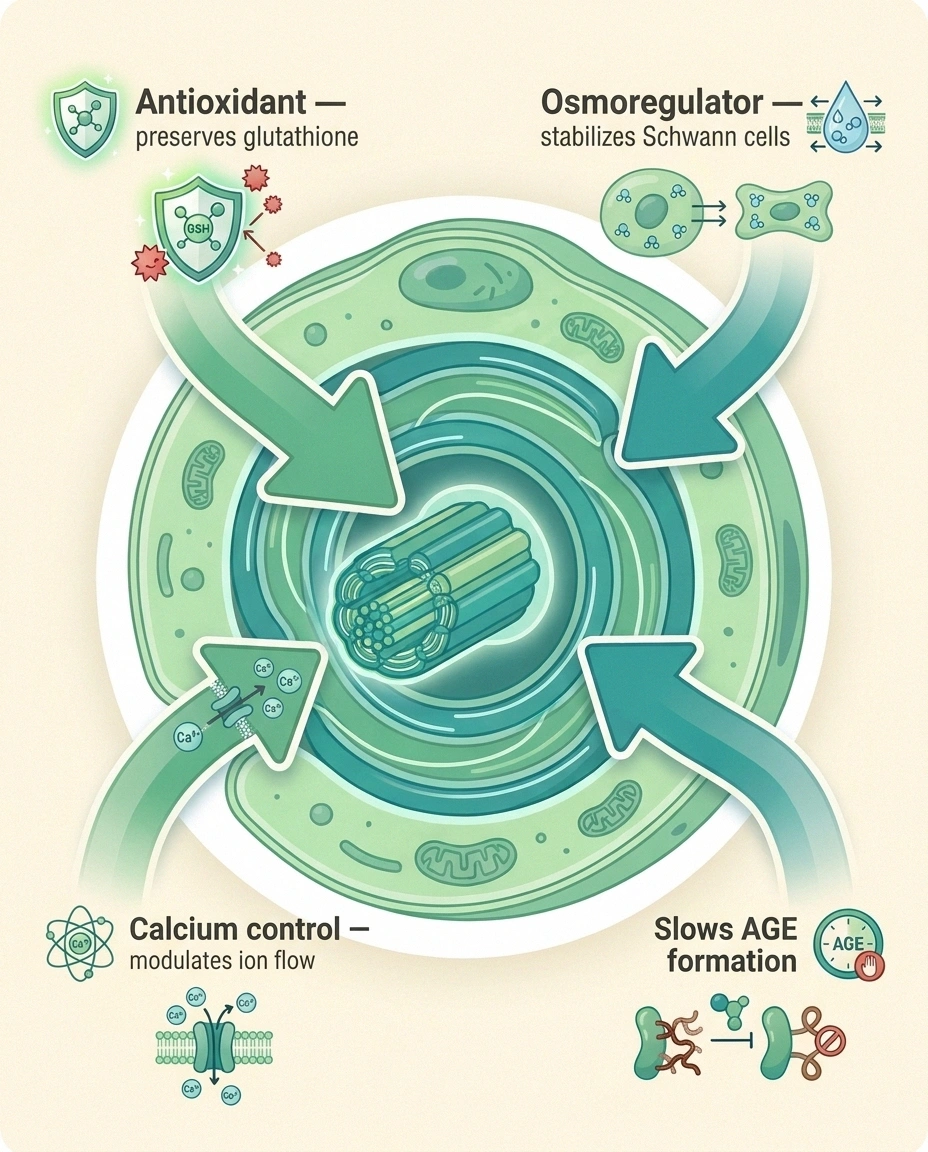
To understand why researchers keep circling back to taurine for neuropathy, you have to think about what's happening inside a nerve that's failing. Whether your neuropathy started from diabetes, chemotherapy, an autoimmune attack, or any of the dozens of other causes, several common breakdowns are usually happening at once: oxidative damage to the mitochondria inside nerve cells, calcium getting into nerve fibers where it shouldn't, the supporting Schwann cells losing the ability to maintain their myelin coating, and the slow death of nerve growth factor signaling that keeps nerves alive.
Taurine, oddly enough, seems to have a hand in all four of those problems.
As an antioxidant, taurine doesn't directly neutralize free radicals the way vitamin C does. Instead, it works inside cells to preserve glutathione — the body's master antioxidant — and protect mitochondria from oxidative damage. Mitochondrial dysfunction is now considered one of the central drivers of diabetic and chemotherapy-induced neuropathy, and taurine is one of the few supplements that targets that mechanism directly.
As an osmoregulator, taurine helps Schwann cells (the cells that wrap around peripheral nerves and maintain the myelin sheath) manage their internal fluid balance. In high-sugar environments — what happens to your nerves when your blood sugar runs high — Schwann cells swell, leak, and lose function. Taurine appears to stabilize them.
As a calcium regulator, taurine helps nerve cells control intracellular calcium. When calcium floods into a nerve fiber unchecked, it triggers a cascade that ends in axonal damage. Taurine modulates the channels that let calcium in and the pumps that push it back out.
And as a metabolic helper, taurine appears to slow the formation of advanced glycation end products (AGEs) — the sticky sugar-protein complexes that build up in diabetes and physically damage nerve tissue. This is especially relevant if blood sugar control has been imperfect for years and AGE damage is part of the picture.
What the Animal Studies Actually Show
The animal research on taurine and diabetic neuropathy is some of the more striking work in the supplement literature.
In diabetic rat models, taurine supplementation:
- Preserved motor and sensory nerve conduction velocity
- Restored nerve growth factor (NGF) to near-normal levels
- Reduced oxidative stress markers in sciatic nerve by 40–60%
- Improved nerve blood flow toward control values
- Reduced pain hypersensitivity in behavioral testing
Human evidence is still catching up — animal results don't guarantee human results.
In streptozotocin-induced diabetic rats — the standard rodent model of type 1 diabetes — taurine supplementation prevented or reversed several markers of nerve damage. Motor and sensory nerve conduction velocities were preserved. Nerve blood flow stayed near normal. The fall in nerve growth factor that typically accompanies diabetic neuropathy was prevented. Markers of oxidative stress in the sciatic nerve dropped substantially. Pain hypersensitivity (the rat equivalent of burning, tingling feet) was reduced in several behavioral studies.
Studies in chemotherapy-induced neuropathy models have shown similar protective effects, though the mechanism appears more skewed toward mitochondrial preservation in dorsal root ganglion cells.
The catch — and you'll see this caveat under every supplement we discuss — is that animal models of diabetes are not human diabetes. Rats made suddenly diabetic with a chemical toxin don't experience the same gradual, decades-long metabolic damage that builds in a human living with type 2 diabetes. Animal results are a strong signal, not proof.
What the Human Studies Actually Show (and Don't)

Here's where I have to be honest with you. The human evidence for taurine specifically in painful diabetic neuropathy is thin. As of mid-2026, there is no large, well-designed randomized controlled trial of taurine for neuropathic pain that I'd point to as conclusive.
What does exist:
- An 8-week randomized controlled trial in 120 people with type 2 diabetes (Maleki et al., 2022) gave participants either 1 gram of taurine three times a day (3 g total) or placebo. The taurine group had significantly improved insulin sensitivity, lower fasting insulin, reduced markers of oxidative stress, and better endothelial function. The trial wasn't designed to measure neuropathy directly, but the improvements in oxidative stress and endothelial function matter — those are upstream drivers of nerve damage.
- A 2022 meta-analysis pooled five randomized trials of taurine in diabetes (about 209 total participants) and found modest improvements in fasting blood sugar and lipid markers, though with significant variation between studies.
- Several smaller pilot trials in people with diabetic complications have suggested improvements in autonomic function and pain — but these were short, small, and not the type of evidence that changes clinical practice.
What this means in plain English: taurine has a reasonable theoretical case for nerve protection, strong animal data, and improving but still preliminary human data. It is not a proven treatment for neuropathy. It is also not snake oil. It sits in the same evidence tier as several supplements people with neuropathy already take with reasonable results, like acetyl-L-carnitine or magnesium — useful adjuncts to proven first-line interventions, not replacements for them.
Who Is Most Likely to Benefit
Taurine isn't a generic recommendation for everyone with neuropathy. The people most likely to see something useful are:
- People with type 1 or type 2 diabetes, especially with long-standing or imperfect blood sugar control. This is where the strongest mechanistic case sits — taurine appears to target the metabolic pathways most disrupted in diabetic neuropathy.
- People with documented low taurine status. Long-term strict vegetarians and vegans often have markedly lower blood taurine. So do people on long-term parenteral nutrition. Older adults run lower across the board.
- People with mitochondrial-driven neuropathy, including chemotherapy-induced neuropathy. The Schwann cell and mitochondrial preservation effects are mechanistically a good fit.
- People who tolerate taurine well and are willing to give it 12 weeks. Like most antioxidants, taurine works gradually. If you're looking for relief in 48 hours, this isn't it.
Who probably gets less from it: people with structurally fixed nerve damage (severed nerve, completed Wallerian degeneration), people with already-optimized antioxidant status, and people whose neuropathy is driven primarily by a mechanical or compressive cause.
Food Sources of Taurine
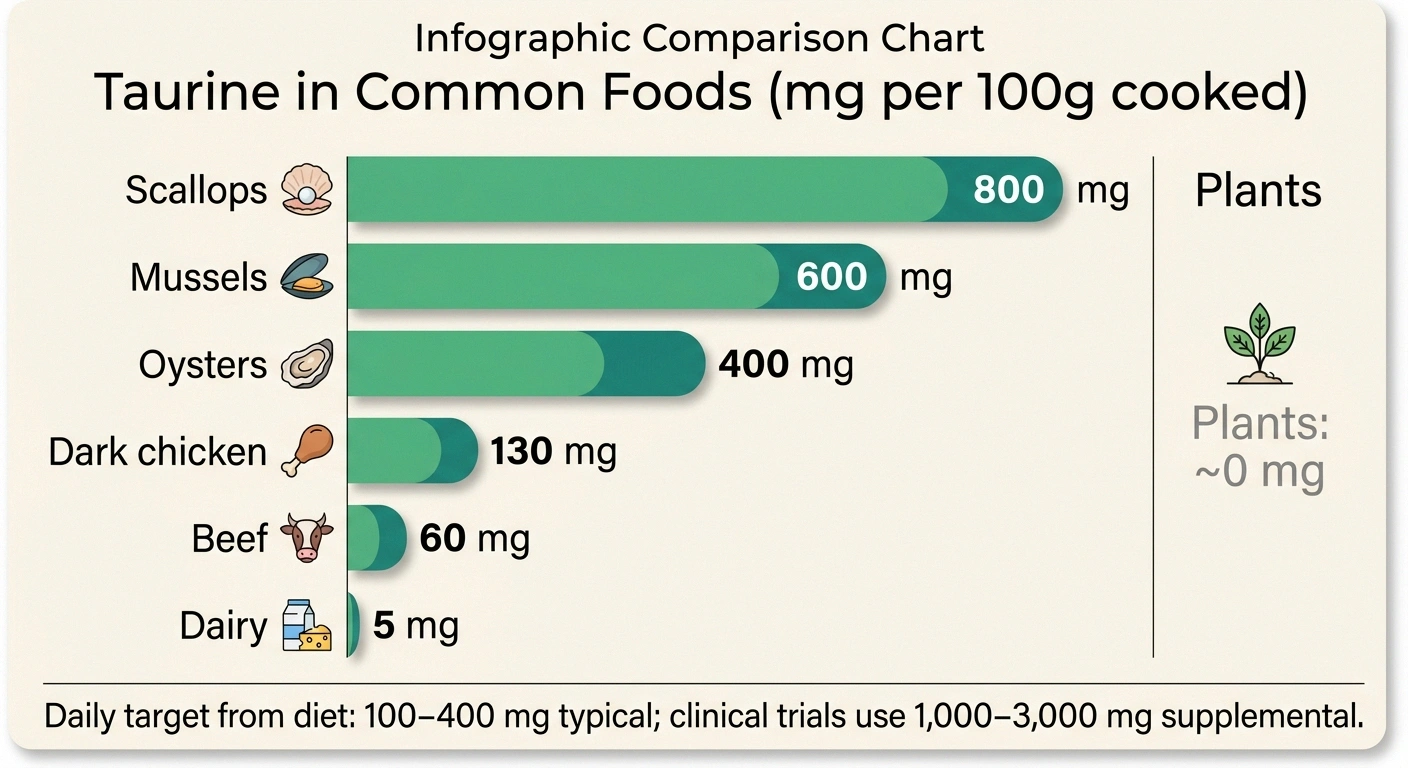
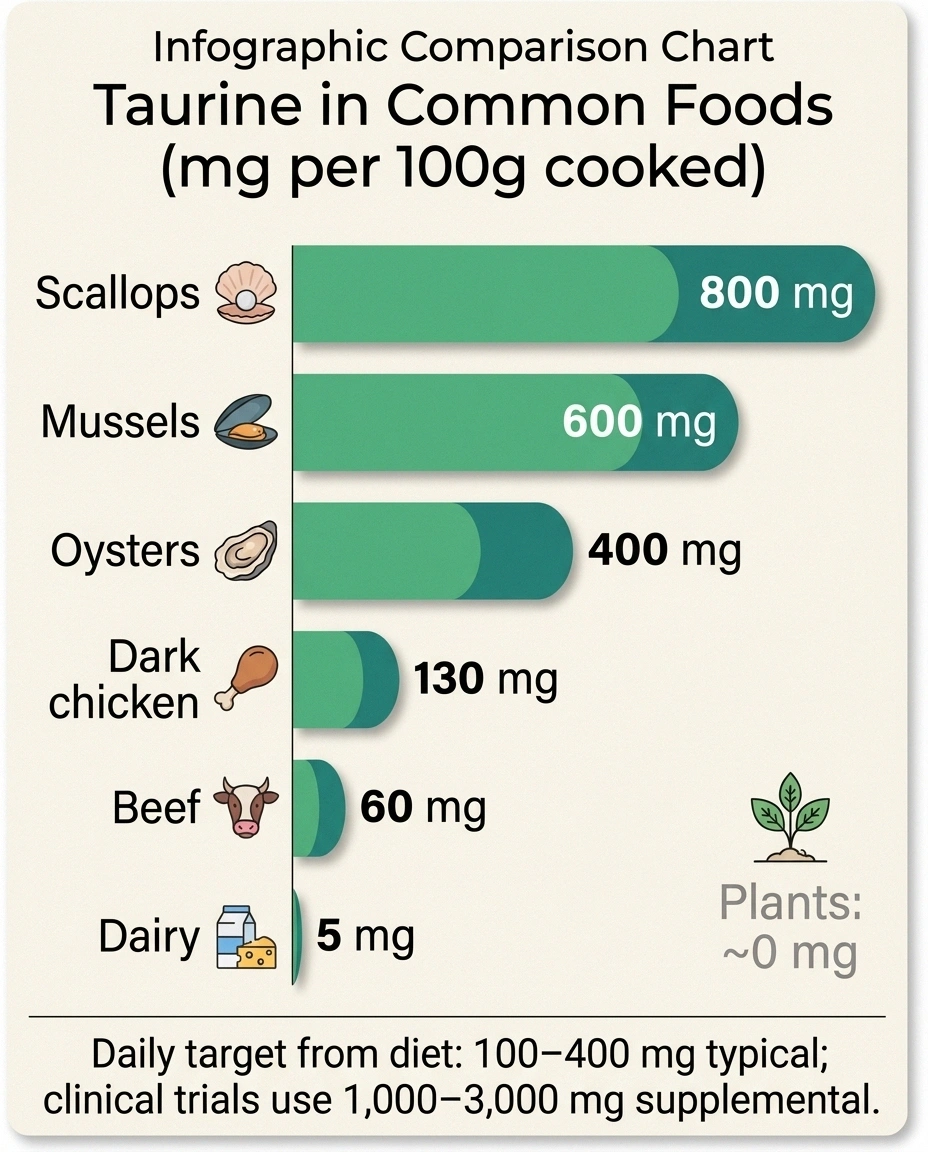
Before reaching for a supplement, it's worth knowing what your diet contributes. Taurine occurs almost exclusively in animal foods. Plants contain essentially none.
- Shellfish — scallops contain about 800 mg per 100 grams cooked; mussels around 600 mg; oysters around 400 mg. By weight, shellfish are the richest practical source.
- Dark-meat poultry — chicken thigh and turkey leg run 100–170 mg per 100 grams cooked. White meat is much lower.
- Fish — tuna, mackerel, sardines run 50–200 mg per 100 grams.
- Red meat — beef and pork muscle contain 30–80 mg per 100 grams. Organ meats are higher.
- Dairy — milk and cheese contain very small amounts (often under 5 mg per 100 g).
- Plants and grains — essentially zero.
A typical omnivorous diet delivers somewhere between 100 and 400 mg of taurine per day. That's well below the doses used in most clinical trials (1,000–3,000 mg) but is enough to maintain normal blood levels in a healthy younger adult. For an older adult with diabetes who eats little shellfish or organ meat, daily intake may fall below maintenance — and a daily supplement is one way to close that gap. A nutrient-aware neuropathy-friendly diet that includes seafood several times a week is the cheapest, safest starting point.
Taurine Supplementation: Dose, Form, and Timing

If you and your doctor decide taurine is worth trying, here are the practical details I'd want you to know.
Form. Taurine supplements come almost exclusively as the free amino sulfonic acid, sold in capsules, tablets, or bulk powder. The powder is often the most economical and lets you adjust the dose easily. There's no good evidence that fancier forms (“magnesium taurate,” “taurine ester”) work better than plain L-taurine for neuropathy purposes, though magnesium taurate offers the added benefit of magnesium itself, which has its own case for nerve health.
Dose. Clinical trials in diabetes have used 1.0 to 3.0 grams per day. The 2022 RCT used 1 g three times daily. A reasonable starting dose is 500 mg twice daily for the first week, increasing to 1 g twice daily if well-tolerated. Going above 3 g per day rarely adds benefit and increases the risk of mild side effects.
Timing. Taurine is water-soluble and well-absorbed on an empty stomach, but it's also fine with food. Many people split the dose: half in the morning, half in the early evening. Avoid taking taurine right before bed — some users report mild stimulation, while others find it relaxing. Try both timings and use what your body prefers.
How long to give it. Most antioxidant supplements need 8 to 12 weeks before you can fairly judge effect. If you've given it three months and you genuinely cannot tell whether it's helping, it's reasonable to stop. Don't double-stack with new supplements during the trial — you won't know what's doing what.
How to evaluate response. Keep a simple symptom diary for two weeks before you start, then for two weeks at the 8-week mark. Compare. Look for changes in burning, tingling, sleep quality, and morning stiffness. Subjective improvement of 20% or more is worth continuing; less than that is probably noise.
Safety, Side Effects, and Drug Interactions
Taurine has a good safety record at the doses used in clinical research. The European Food Safety Authority concluded in 2012 that intakes up to 6 g per day are unlikely to cause harm in healthy adults. That said, “good safety record” is not the same as “safe for everyone in every situation.”
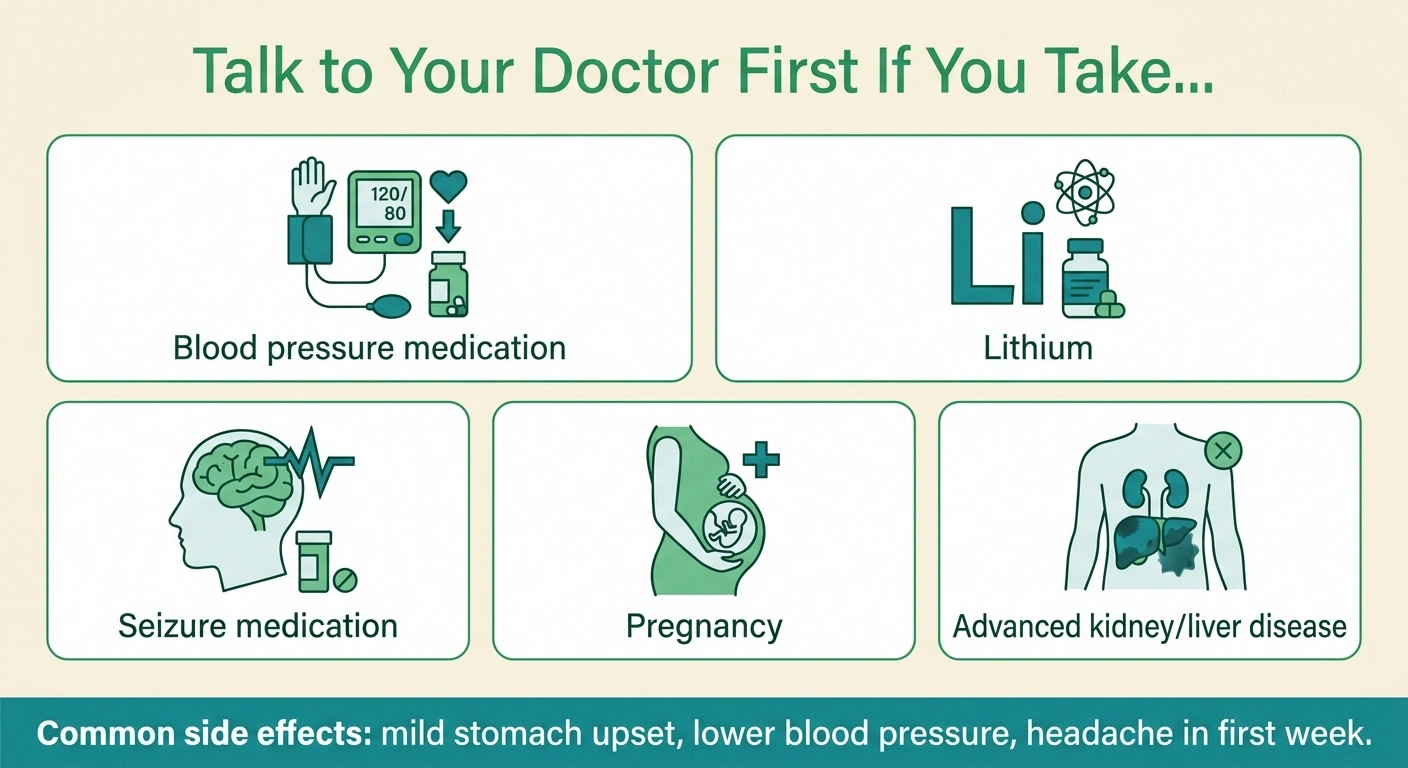
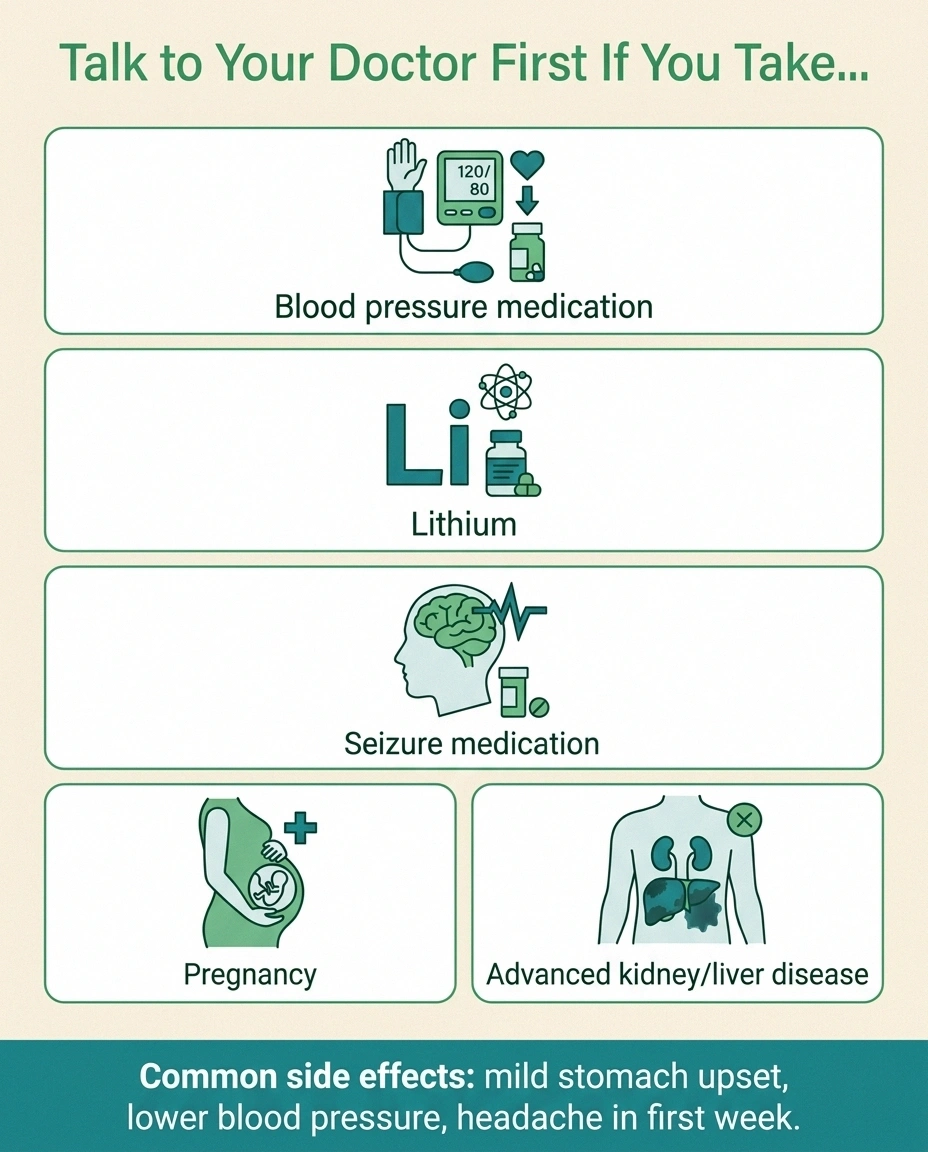
Talk to your doctor before adding taurine if you:
- Take blood pressure medication (additive BP-lowering effect)
- Take lithium (taurine may raise blood levels)
- Run low blood pressure or have orthostatic hypotension
- Have a seizure disorder (effects in epilepsy models are mixed)
- Are pregnant or breastfeeding (no good supplement-dose safety data)
- Have severe kidney or liver disease
Most common side effects:
- Mild gastrointestinal upset — nausea, loose stools, gas. Usually resolves with food or by splitting the dose.
- Lower blood pressure — taurine can drop systolic BP by 5–10 mmHg in some people. Helpful if you run high; not great if you already run low or have orthostatic hypotension.
- Mild stimulation or sedation — paradoxical and idiosyncratic. Both have been reported.
- Headache in the first few days — usually settles within a week.
When to be cautious:
- If you take lithium — taurine may modestly increase lithium blood levels. Tell your prescriber and ask about checking a level after 4 weeks.
- If you take blood pressure medication — the additive BP-lowering effect can cause lightheadedness. Check your numbers at home for the first month.
- If you have severe kidney or liver disease — there's no established harm, but there's also no established safety. Ask your nephrologist or hepatologist.
- If you're pregnant or breastfeeding — taurine is naturally present in breast milk, but supplemental doses have not been well-studied in pregnancy. Default to dietary sources only.
- If you have a seizure disorder — taurine has both pro- and anti-seizure effects in animal models depending on context. Check with your neurologist first.
What it does not do: Taurine does not stress the kidneys the way some amino acids can. It does not need to be cycled. It does not interact significantly with most diabetes medications, statins, or the standard neuropathy medications like gabapentin, pregabalin, or duloxetine.
How Taurine Fits Into a Real Neuropathy Plan
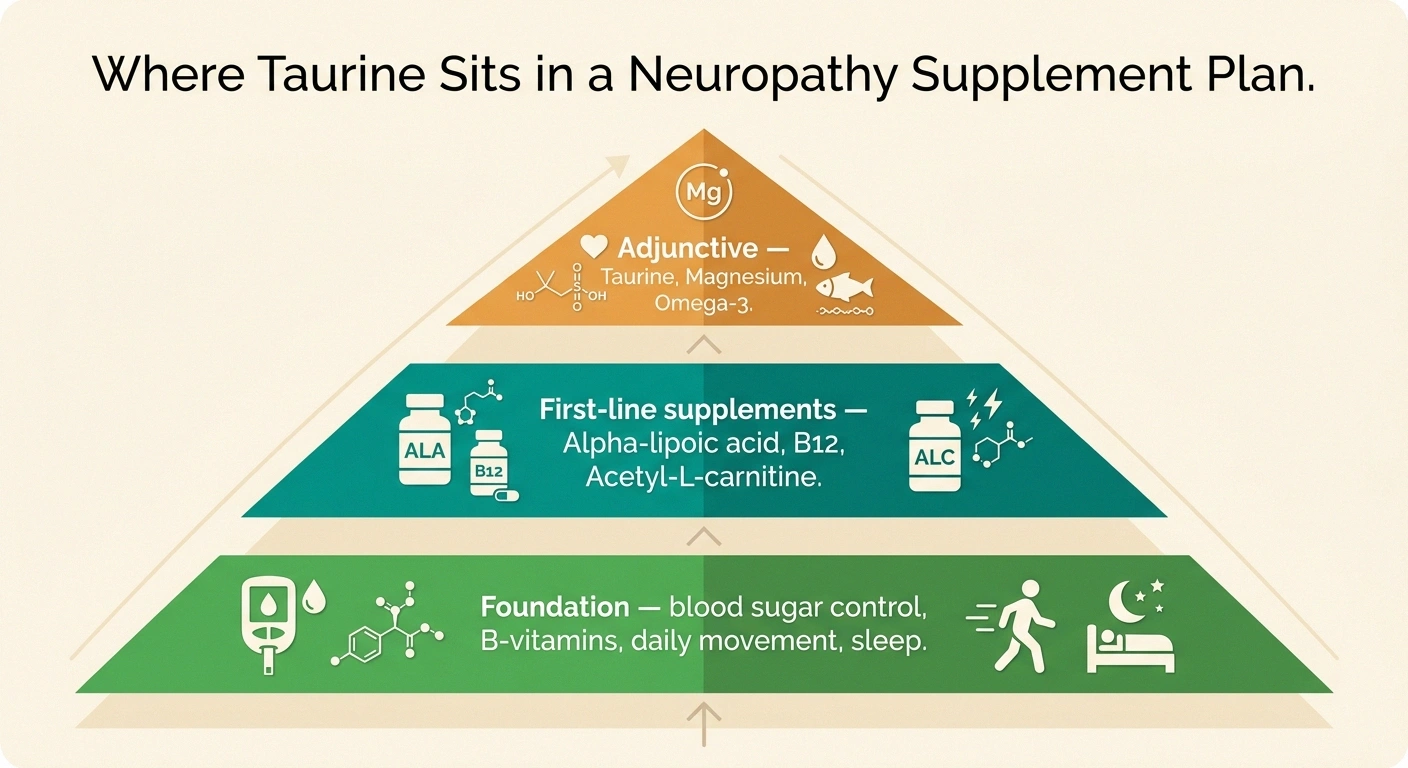
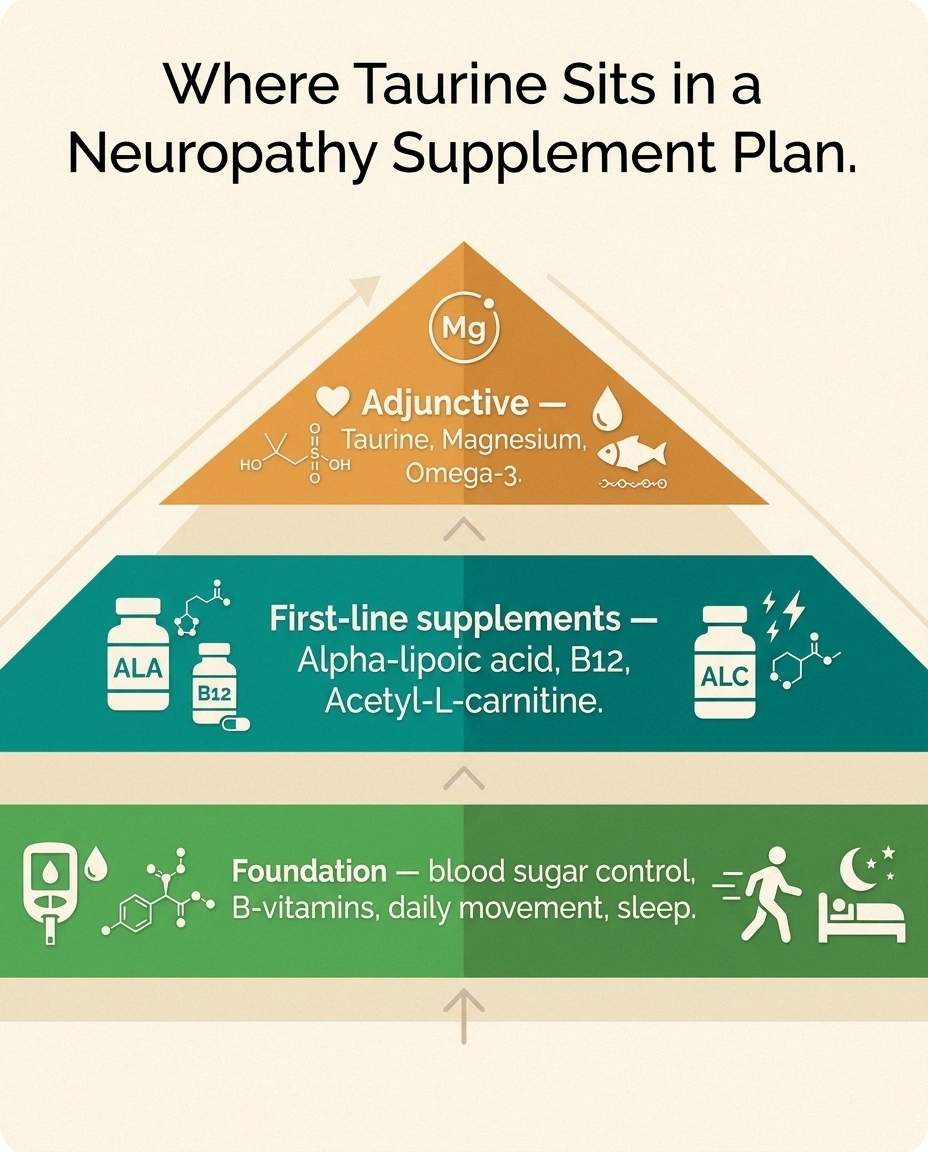
The biggest mistake I see people make with supplements — taurine included — is treating one ingredient as the answer. Nerve protection is a stack, not a single shot. Here's how I'd think about where taurine sits.
Foundation (do these first or none of the rest matters):
- Get blood sugar as close to normal as your doctor and you can manage. Time-in-range on a CGM tells you more than A1C alone.
- Address any documented vitamin deficiencies — B12, B6, folate, and vitamin D are the usual suspects.
- Move daily — even a 20-minute walk improves nerve blood flow and reduces neuropathic pain in published trials.
- Sleep, manage stress, and limit alcohol — all three independently affect nerve health.
First-line supplements (best evidence in human neuropathy studies):
- Alpha-lipoic acid, 600 mg/day — the most thoroughly studied antioxidant for diabetic neuropathy.
- B12, ideally as methylcobalamin, 1,000 mcg/day or per your doctor's protocol.
- Acetyl-L-carnitine, 1,000–3,000 mg/day, split.
Second-line / adjunctive (mechanistic case + emerging data):
- Taurine, 1,000–2,000 mg/day in split doses.
- Magnesium glycinate or taurate, 200–400 mg elemental.
- Omega-3 fatty acids, 2,000 mg EPA+DHA.
Taurine deserves a spot in tier two for the right person. It does not earn a spot in tier one until human evidence catches up to the animal data.
What to Tell Your Doctor Before Starting
Bring this up at your next visit, not after you've already started. Three things to cover:
Taurine has a real mechanism, strong animal data, improving human data, and a clean safety record at 1–3 g/day. It's not a cure and not first-line. For the right person — diabetic neuropathy, mitochondrial-driven nerve damage, or low dietary taurine — it earns a place in tier two of a thoughtful supplement stack.
- List every supplement and medication you're on, in writing. Most drug-supplement interactions get missed because the patient mentions only the prescription drugs.
- Ask your doctor to check baseline blood pressure and basic metabolic panel. If you're hypertensive, the modest BP-lowering effect can be a feature; if you're hypotensive, it's a problem.
- Agree on a follow-up window. Twelve weeks of trial, then a check-in to evaluate. Without a planned endpoint, you'll either stop too early or keep going forever.
If your doctor isn't familiar with the taurine literature — most won't be in detail — bring the two big-picture facts: animal evidence is consistent and mechanism-rich; human evidence is improving but still preliminary; safety is well-established at 1–3 g/day in healthy adults.
The Honest Bottom Line
Taurine is one of the more interesting names on the long list of “supplements that might help neuropathy.” It has a real mechanism. It has real animal evidence. It has emerging human evidence that's moving in the right direction. It's cheap. It's safe at sensible doses for most people. And it directly targets the metabolic problems — oxidative stress, mitochondrial dysfunction, AGE formation — that are at the root of diabetic and chemotherapy-related nerve damage.
It is not a cure. It will not regenerate nerves. It will not let you skip blood sugar control. It will not replace your core supplement stack. But for the right person, taken at the right dose, alongside everything else that's working — it's a reasonable addition to the arsenal.
The next time you're at your doctor's office, ask about it. The next time you're at the grocery store, eat the scallops. And if you decide to give it a 12-week try, take it seriously: pick your starting dose, write down where your symptoms are now, and check back in three months. That's how you actually find out whether something works for you — instead of for the average person in a meta-analysis.
Frequently Asked Questions
How long until I feel a difference from taurine?
Most people who respond to taurine notice changes between weeks 6 and 12. Antioxidant supplements work by changing the chemical environment inside cells, which takes time. If you've given it three months with no perceived change, it probably isn't doing much for you.
Is the taurine in energy drinks the same as supplement taurine?
Chemically, yes — it's the same molecule. But the dose in a typical energy drink (around 1 gram) is mixed with caffeine, sugar, and other stimulants, so any taurine effect is hard to separate from the caffeine effect. If you're using energy drinks for the taurine, you'd be better off with a plain capsule and skipping the caffeine.
Can I take taurine with my gabapentin or pregabalin?
No significant interaction has been reported. Taurine acts on different receptors than gabapentin or pregabalin and is generally well-tolerated alongside them. Tell your prescriber you're taking it so it's in your chart.
Will taurine help if my neuropathy is from chemotherapy?
The animal evidence for chemotherapy-induced neuropathy is encouraging, especially for platinum and taxane drugs. Human studies are smaller and more preliminary than for diabetic neuropathy. If you're being treated for chemo-induced nerve damage, ask your oncology team before adding anything new — some supplements can interfere with treatment.
Is taurine safe for older adults?
The evidence in older adults is mostly positive. Taurine levels naturally fall with age, and supplementation in older animals has been shown to improve muscle strength and reduce markers of cellular aging. The main caution in older adults is the blood-pressure-lowering effect — if you already run low or get lightheaded standing up, start at the lower end of the dose range and monitor.
Can vegans or vegetarians get enough taurine from food?
Generally no. Plants contain essentially no taurine. Long-term vegans and vegetarians often have lower blood taurine levels and may benefit from a daily supplement — typically 500–1,000 mg. This is one of the few nutrients where supplementation is more clearly justified for plant-based eaters.
Does taurine interact with diabetes medications?
Taurine may modestly improve insulin sensitivity, which is generally a good thing — but if you're on insulin or a sulfonylurea like glipizide, the combination could push your sugar lower than usual. Check your numbers more often when you start, and tell your prescribing doctor.
What's the difference between taurine and taurate (like magnesium taurate)?
“Taurate” forms are salts of taurine bonded to a mineral like magnesium. Magnesium taurate delivers both magnesium and taurine in one capsule and is often used for cardiovascular and nervous system support. It's a reasonable choice if you also want magnesium; otherwise, plain L-taurine costs less per gram of taurine delivered.
Can taurine cause an allergic reaction?
True allergy to taurine is extremely rare. Mild stomach upset and headache are the most common side effects. If you develop hives, swelling, or trouble breathing after starting any supplement, stop immediately and seek medical attention.
About the Author