The first time I sat with a friend at the rehab hospital after her husband’s six-week ICU stay, she pulled me aside in the hallway. “He went in for pneumonia,” she said. “He came out and he can’t lift his own legs. Nobody warned us.” His doctors had used a phrase I’ve heard far too many times since — critical illness neuropathy — and dropped it into the family meeting like it was a bruise that would fade on its own.
I’m Janet, a patient advocate (not a medical professional), and the nerve damage that develops in an ICU is one of the most under-explained conditions in modern medicine. Families are told “muscle weakness from being in bed,” when what really happened is that critical illness physically damaged the peripheral nerves. The condition is real, it’s common, and it dramatically reshapes the rehab journey. This is the honest tour of what we know — what causes it, what to expect, and the realistic path back to function.
What Critical Illness Neuropathy Actually Is
Critical illness neuropathy — abbreviated CIP for “critical illness polyneuropathy” in the medical literature — is acquired peripheral nerve damage that develops during a serious ICU stay. It almost always shows up alongside a related condition called critical illness myopathy (CIM), which is direct damage to the muscle fibers. The two are so often tangled together that clinicians now use one umbrella term: ICU-acquired weakness, or ICUAW.
Key Takeaway
Critical illness neuropathy isn’t simply weakness from being in bed. It’s real peripheral nerve damage that develops during a prolonged ICU stay, affecting 25-45% of long ventilator patients and 50-70% of sepsis survivors. Recovery is measured in months and years — not weeks — and consistent rehab is the single biggest predictor of getting function back.
The hallmark is that the nerve damage develops during the critical illness, not before it. The patient walks into the hospital with one problem — pneumonia, sepsis, an accident, a severe complication of surgery — and develops a second problem during the stay. By the time someone tries to wean them off the ventilator or stand them up at the bedside, the weakness is profound and out of proportion to anything that was expected.
It is not a rare complication. In ICU patients who require mechanical ventilation for more than a week, somewhere between 25 and 45 percent develop measurable critical illness neuropathy. In patients with sepsis and multiorgan failure, the number climbs to 50 to 70 percent. These are not edge cases. They are the silent majority of long ICU stays.
Why It Happens — The Mechanism
Three forces converge in a severely ill body to damage the peripheral nerves:
Who Develops Critical Illness Neuropathy
Systemic inflammation. When the body is fighting sepsis, severe burns, major trauma, or massive infection, it releases a flood of inflammatory signaling molecules called cytokines. In smaller amounts, those cytokines help fight the threat. In the storm-level concentrations of severe illness, they damage the lining of the smallest blood vessels — including the tiny capillaries that feed the peripheral nerves. Nerves that can’t get enough oxygen and nutrients begin to die back from the outermost extensions inward.
Microcirculatory failure. Even with normal blood pressure on the monitor, the tiniest vessels in the body can fail to deliver blood where it needs to go. Sluggish flow, tiny clots, and leaky capillaries leave the long peripheral nerves chronically starved. The longest nerves — the ones running from the spinal cord down to your toes — are the most vulnerable, which is why early symptoms almost always start in the feet and lower legs.
Electrical dysfunction. Newer research has shown that critical illness changes how sodium channels work in the nerve membrane. The nerve doesn’t just die — it stops firing properly even before structural damage appears. This is part of why some patients improve dramatically once the underlying critical illness resolves, while others — those whose nerves sustained actual axonal damage — recover much more slowly.
To learn more about how nerves communicate and break down in general, see our overview of the stages of neuropathy, which covers the broader picture of how peripheral nerves degenerate and recover.
Who Develops It — The Risk Factors
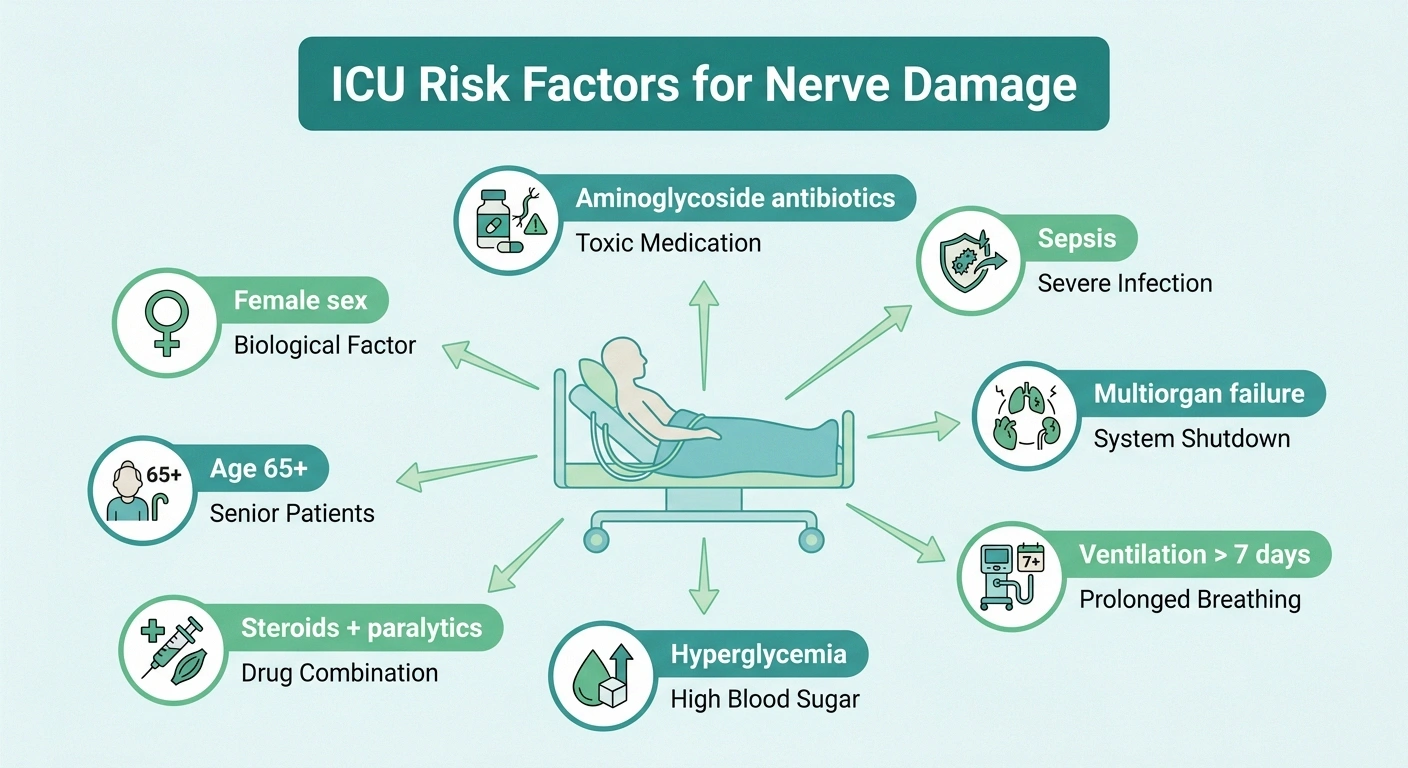
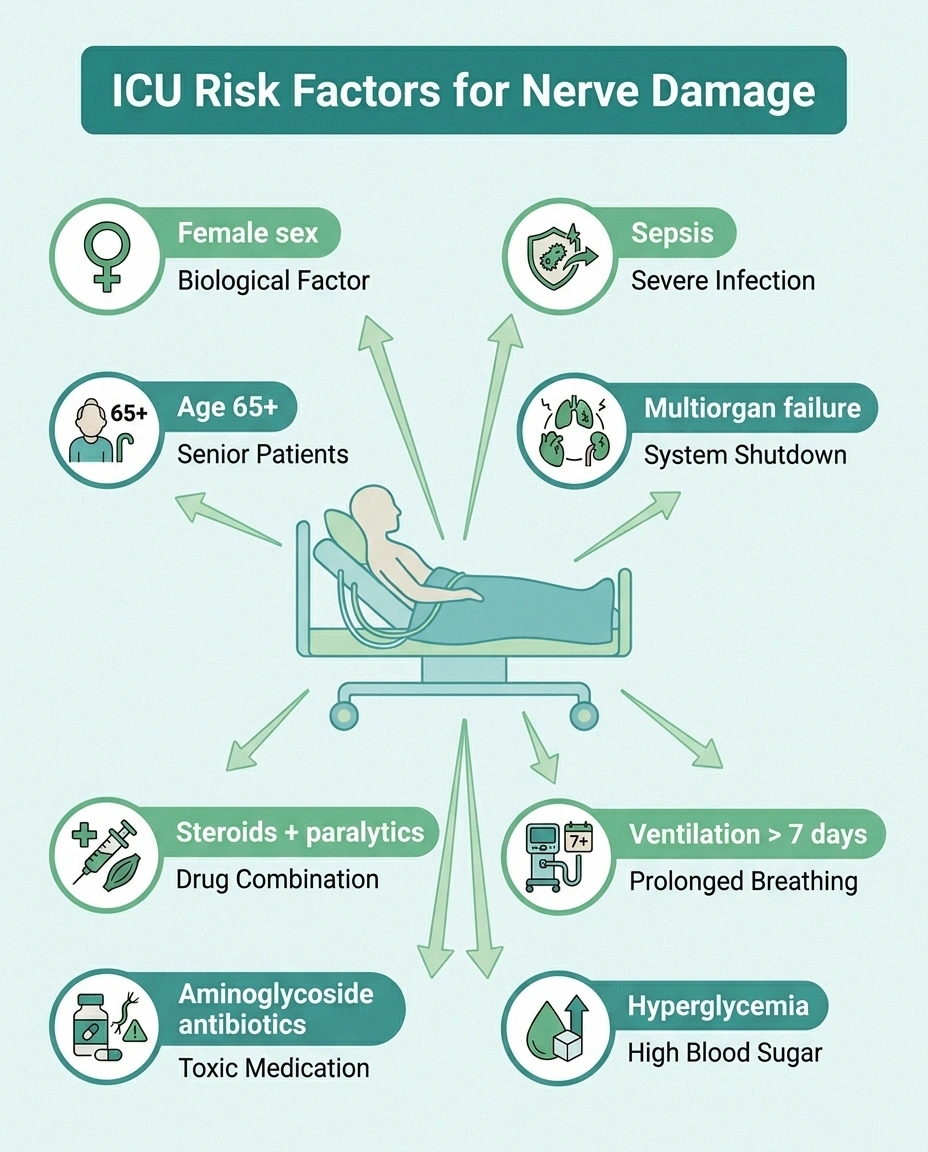
Not every ICU patient develops critical illness neuropathy, and researchers have spent two decades sorting out who is most vulnerable. The pattern is consistent across studies:
- Sepsis. Severe blood-borne infection is the single strongest risk factor. The longer sepsis lasts and the more organs it affects, the higher the risk.
- Multiorgan failure. When two or more organ systems shut down simultaneously, the rate of CIP rises sharply.
- Mechanical ventilation for more than 7 days. The risk roughly doubles for every additional week on the ventilator.
- Hyperglycemia. Sustained high blood sugar during the ICU stay independently raises the risk of nerve damage. This is part of why modern ICUs work hard to keep blood sugar in a tight range, and why anyone with pre-existing diabetic neuropathy faces an even higher risk during a critical illness.
- Corticosteroids and neuromuscular blocking agents. Drugs commonly used to keep patients sedated and synchronized with the ventilator — particularly high-dose steroids and paralytics like vecuronium or rocuronium — have been linked to higher rates of muscle and nerve damage. They’re often necessary; the trade-off is real.
- Older age and pre-existing illness. Patients over 65 and those with diabetes, kidney disease, or cancer arrive in the ICU with less reserve.
- Female sex. Several large studies have found women develop CIP at slightly higher rates, though the reasons are not yet clear.
- Certain antibiotics. Aminoglycoside antibiotics, when used in the ICU for serious gram-negative infections, can contribute to nerve damage. Our deeper look at medications that can cause neuropathy covers the broader list of agents that can trigger nerve injury, including in non-ICU settings.
Most patients have several of these risk factors in combination. Someone in their 70s with diabetes, on a ventilator for two weeks with sepsis and on broad-spectrum antibiotics, is in a much higher-risk situation than a younger trauma patient with a brief ICU stay.
How It’s Recognized — Often Too Late
Here’s one of the frustrating realities for families: critical illness neuropathy is almost never diagnosed in the ICU itself. The patient is sedated, ventilated, and often paralyzed for synchrony with the ventilator. Strength can’t be assessed when someone can’t follow commands.
Watch for Weaning Failure
Critical illness neuropathy is often first noticed when the ICU team tries — and fails — to wean the patient off the ventilator. If your loved one is having trouble coming off the ventilator despite the lungs improving on imaging, ask the team directly:
- “Has the team checked for ICU-acquired weakness?”
- “Could an EMG or nerve conduction study help us understand what’s happening?”
- “What’s the daily mobility plan to prevent further weakening?”
The condition is usually recognized at one of two moments:
Failure to wean from the ventilator. When sedation is lifted and the team tries to transition the patient off mechanical support, the breathing muscles — the diaphragm and accessory muscles — may be too weak to do the job on their own. This unexplained weaning failure is often the first sign.
Profound weakness after waking up. When the patient is alert enough to follow commands, the bedside team performs a test called the MRC scale (Medical Research Council strength scale), which scores muscle strength from 0 (no movement) to 5 (normal). A score under 48 out of 60 across major muscle groups defines ICU-acquired weakness clinically. Patients are often shocked to find they can’t lift their arms off the bed, sit up unassisted, or grip a cup.
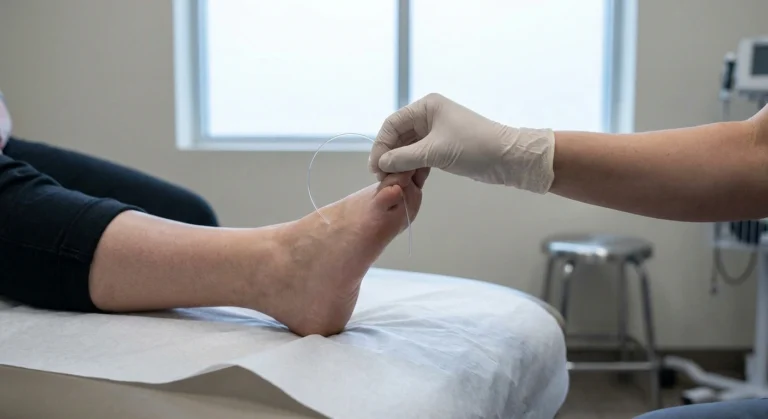
Once weakness is recognized, a neurologist or physical-medicine doctor is typically consulted. The definitive test is an electromyography and nerve conduction study (EMG/NCS), which measures how well the peripheral nerves are firing and how the muscles are responding. The findings in critical illness neuropathy are characteristic: reduced sensory and motor nerve amplitudes, normal nerve conduction velocity (because the damage is to the axon itself, not the insulating myelin), and signs of denervation in muscle. Our article on the tests your doctor may order for neuropathy explains EMG and nerve conduction in more detail for families trying to understand what’s being measured.
What It Feels Like — The Symptom Picture
The classic picture of critical illness neuropathy looks like this:
- Symmetric weakness. Both sides of the body are affected roughly equally — unlike a stroke, where one side is typically much worse.
- Worst in the legs first. Because the longest nerves are the most vulnerable, weakness and sensory loss usually begin in the feet and lower legs and work upward.
- Flaccid (limp) tone. The muscles feel soft and don’t have their normal spring. This is different from the stiffness of a stroke or spinal cord injury.
- Reduced or absent reflexes. Tapping the knee or ankle produces little to no response.
- Sensory loss in a “stocking-and-glove” pattern. Numbness or reduced sensation in the feet and hands, often without the burning pain that diabetic neuropathy is famous for. CIP tends to be more numbness than burning, especially early on.
- Difficulty weaning from the ventilator. The breathing muscles are themselves affected.
- Inability to sit up, stand, or transfer. Even basic mobility requires help, often for weeks.
What’s typically not present is a sharp, burning, or shooting pain in the early stage. Critical illness neuropathy is more often a quiet, heavy weakness with reduced sensation, rather than the loud pain that diabetic or chemotherapy-induced neuropathy is known for. Some patients do develop neuropathic pain later in recovery — but it’s a complication of the healing nerves, not the first symptom of the damage.
Telling CIP From CIM — Why the Difference Matters
Critical illness neuropathy (nerve damage) and critical illness myopathy (muscle damage) almost always coexist. But the proportion matters for prognosis and rehab.
CIP vs. CIM — Why the Mix Matters
Studies that have tracked ICU survivors for years find that patients with predominantly muscle-based weakness (CIM) recover faster — often within 3-6 months — because muscle fibers regenerate. Patients with predominant nerve damage (CIP) recover more slowly because peripheral axons regrow at a strictly biological limit of about 1 millimeter per day. The EMG/NCS test that distinguishes them is one of the most useful pieces of information families can ask for when planning rehab expectations.
Pure CIM tends to recover better and faster. Muscle fibers can regenerate. The damage is reversible. Most patients with isolated CIM regain reasonable function within months.
Pure or predominant CIP recovers more slowly. Damaged axons in long peripheral nerves regenerate at a maximum rate of about 1 millimeter per day, which means a nerve damaged at the hip may take a year or more to fully reconnect to the foot. Some axons don’t reconnect at all.
The EMG/NCS study is the test that distinguishes between them. Some centers also use a muscle biopsy in difficult cases. For families, the practical implication is this: if your loved one has a lot of neuropathy in the mix, expect a longer, slower recovery and plan accordingly. The brain will heal faster than the toes.
The Recovery Timeline — Honest Numbers
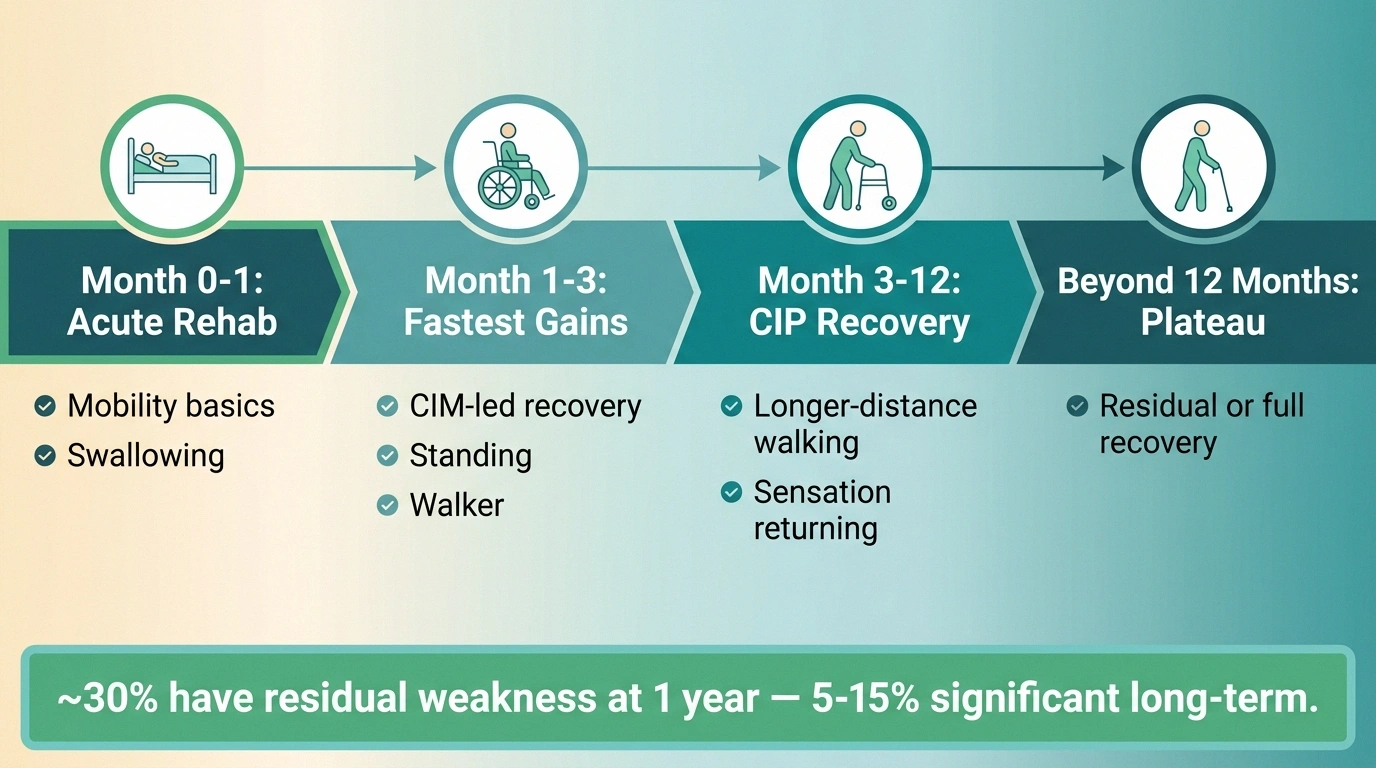
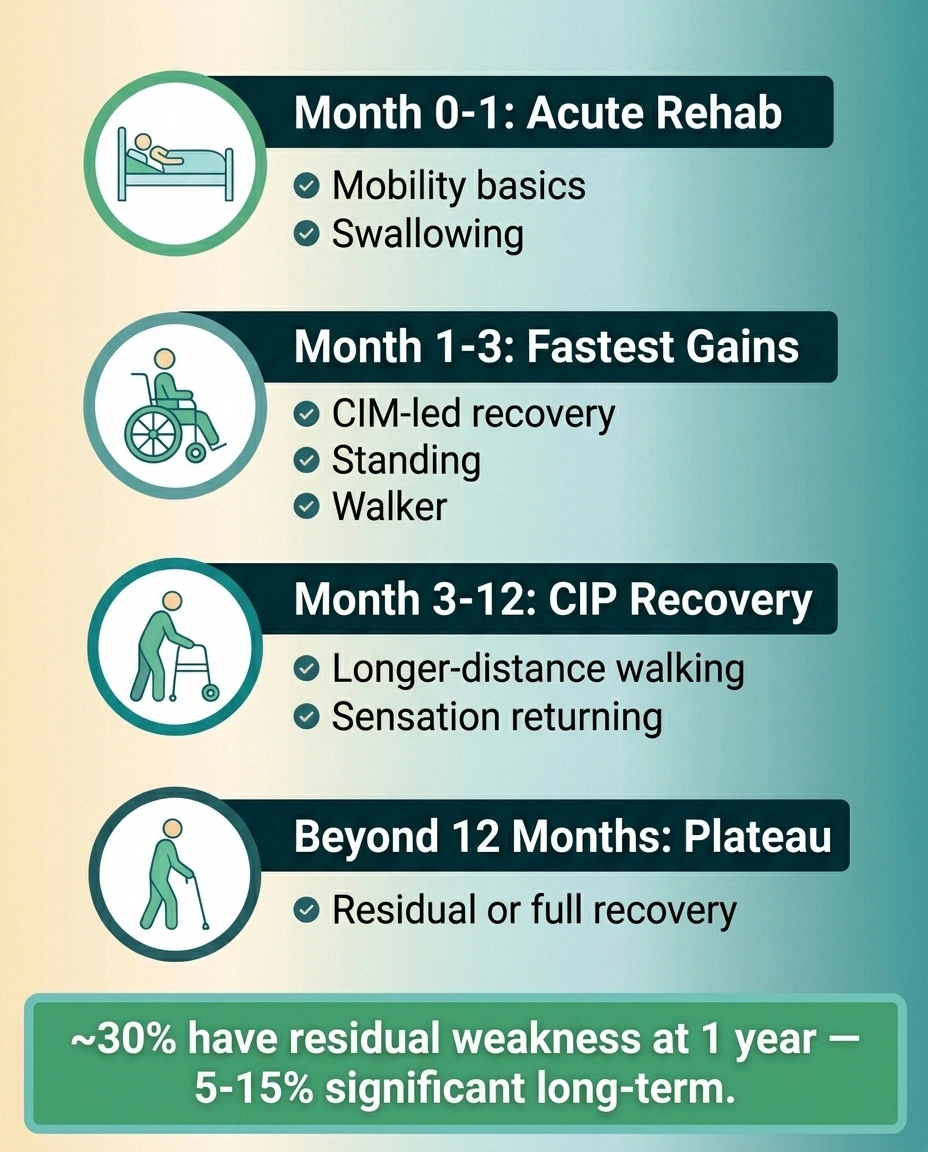
This is the part families most need to hear, and it’s the part hospital staff are often most reluctant to spell out.
The first month after the ICU. Most patients are profoundly deconditioned in addition to having CIP. They may be unable to sit up, transfer to a chair, or hold a spoon. Inpatient rehabilitation, when appropriate, focuses on basic mobility, swallowing recovery, breathing strength, and slowly rebuilding tolerance to being upright.
Months 1 to 3. The fastest gains usually happen in this window, particularly from the muscle (CIM) component. Many patients can stand with assistance, take a few steps with a walker, and begin to feed themselves. Sensory symptoms in the feet often start to improve. This is also when fatigue is most overwhelming — even ten minutes of activity may exhaust someone for the rest of the day.
Months 3 to 12. The slower nerve recovery (CIP) shows up here. Walking distance increases. Sensation in the feet returns gradually. Some patients regain enough function to live independently. Others reach a plateau with some residual weakness or numbness that requires permanent adaptations.
Beyond a year. Most of the gains a person is going to make will have happened by the 12-month mark, though small improvements continue for two years or more in some patients. Studies that have followed ICU survivors for five years find that around 30 percent still have measurable nerve or muscle weakness at one year, and a smaller subset — roughly 5 to 15 percent — have significant residual disability that does not resolve.
For more on the realistic question of recovery from nerve damage in general, our piece on whether neuropathy can be reversed covers the broader picture, with the same honest framing applied to many causes.
Treatment — What Actually Helps
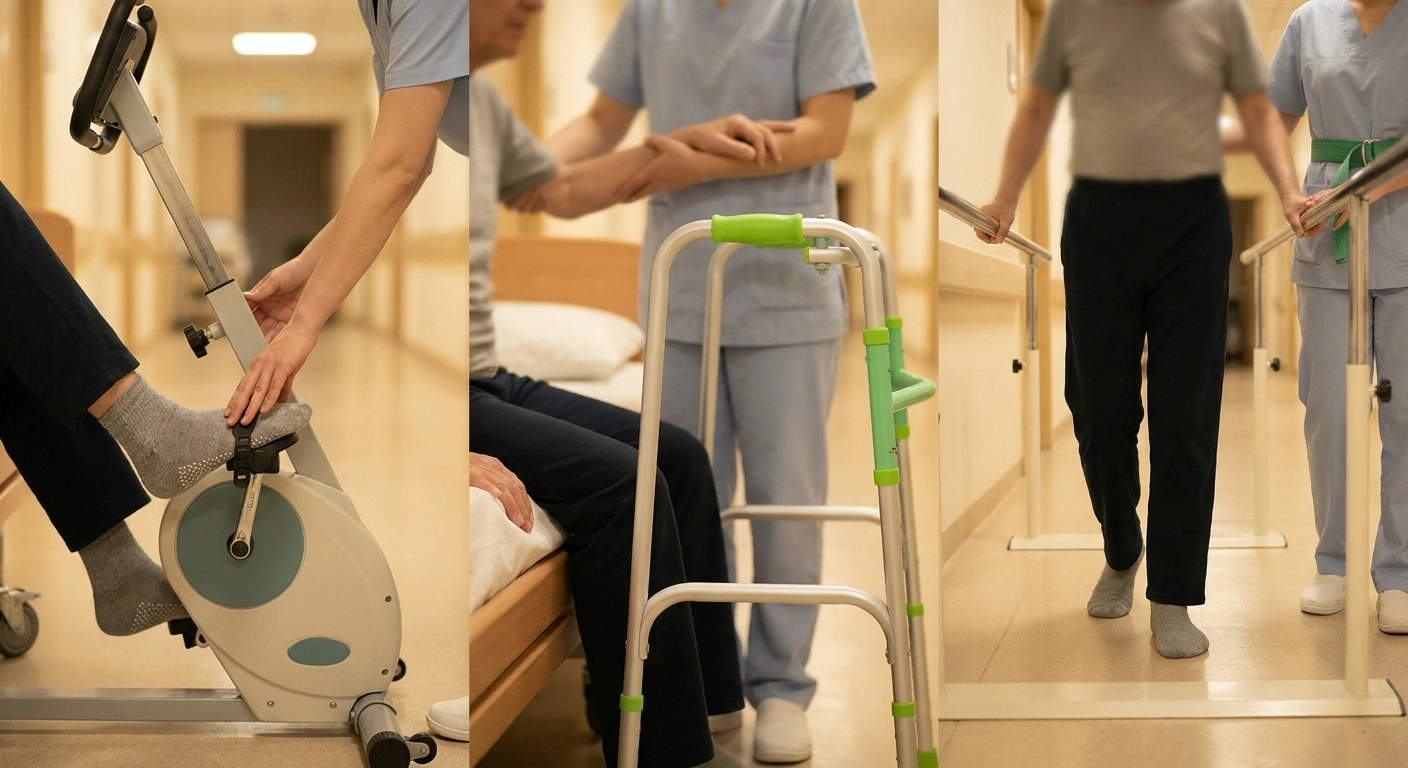
There is no specific medication that reverses critical illness neuropathy. No pill, no infusion, no targeted therapy. What helps, repeatedly and across many studies, is a small set of well-supported interventions:
Aggressive glucose control during the ICU stay. Multiple large trials have shown that keeping blood glucose in a narrower range during the ICU stay reduces the incidence and severity of critical illness neuropathy. This is now standard of care in modern ICUs.
Minimizing sedation and paralytics. Whenever clinically safe, ICU teams now try to use the lowest necessary doses of sedatives and to avoid prolonged use of neuromuscular blocking agents. Daily sedation breaks (sometimes called “spontaneous awakening trials”) are now routine.
Early mobilization. The strongest evidence we have for preventing and treating ICU-acquired weakness is getting patients moving as soon as it’s safe, even while still on a ventilator. Range-of-motion exercises in bed, sitting up in a chair, and — when stable enough — standing or walking with assistance, all matter. Patients whose teams move them early have significantly better outcomes.
Nutrition. Adequate protein and calorie intake during the ICU stay is foundational. Vitamin B12, vitamin D, and thiamine deficiencies are common in critically ill patients and should be checked and replaced.
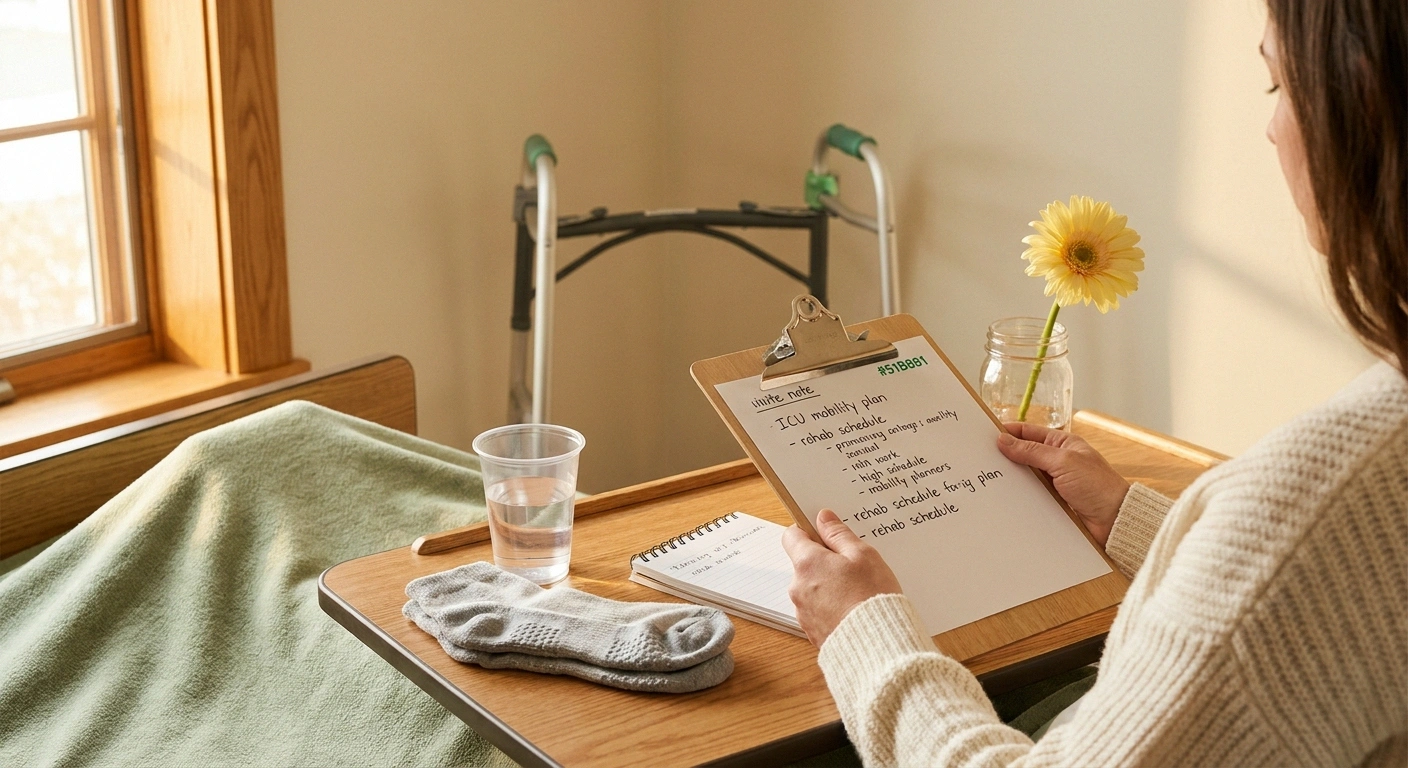
Aggressive rehab after discharge. Inpatient and outpatient physical and occupational therapy, often for months, is the single most important intervention for recovery. Patients who push their rehab consistently for a year recover meaningfully more function than those who plateau early. The general principles of working with weakened and unstable legs — pacing, fall prevention, gradual loading — overlap heavily with our guide to balance and fall prevention in neuropathy, which becomes essential reading once a patient is mobile enough to be at risk of a fall.
Supportive care for symptoms. If neuropathic pain develops during recovery, gabapentin, duloxetine, or tricyclic antidepressants may be considered. If foot drop limits walking, an ankle-foot orthosis can help. If hand weakness limits eating or dressing, occupational therapy adapts the home.
What Families Can Do — The Most Important Roles
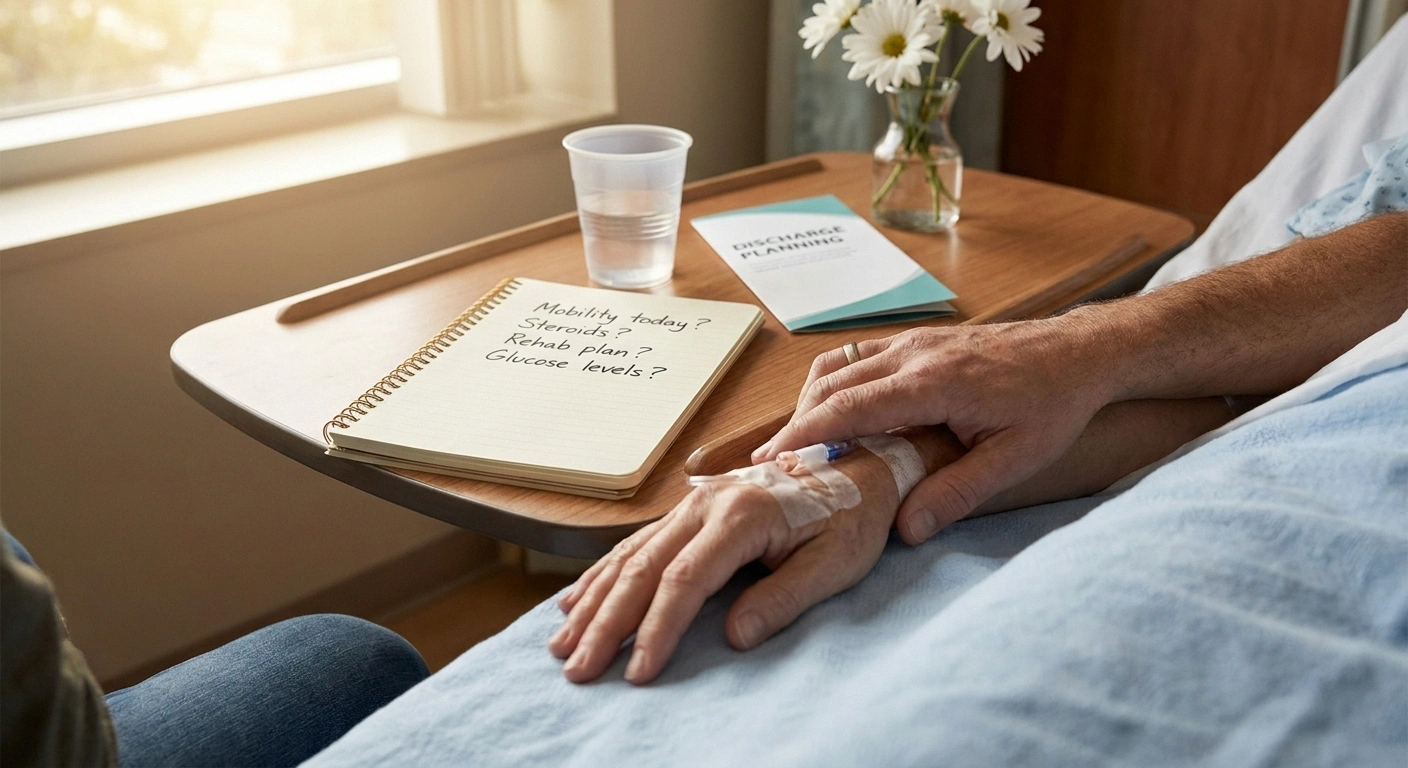
The single hardest thing about critical illness neuropathy is that the patient often can’t advocate for themselves during the worst of it. Family members and care partners become the bridge. A few practical, high-leverage things that families do well in:
The Family Advocate Playbook
Ask about mobility early. Ask the ICU team how often the patient is being moved, sat up, or exercised. Modern ICUs do this routinely; not all do. A polite “what’s the mobility plan today?” is a legitimate and helpful question.
Track medications. Keep a list of every drug given in the ICU, particularly steroids, paralytics, sedatives, and antibiotics. This will matter later when neurologists and rehab teams piece together the picture.
Push for a rehab evaluation before discharge. Discharge planning often happens fast. If your loved one is weak, the question “have they been evaluated for acute inpatient rehab?” should be asked directly. Acute inpatient rehab — 3 or more hours of therapy a day — produces better outcomes than skilled nursing facility care for many ICU survivors.
Care for the caregiver. ICU stays are traumatic for families too. Sleep, support groups, and outside help matter. The recovery may take a year. You can’t sprint a marathon.
Watch for mood changes. Post-ICU syndrome is real, and depression, anxiety, and PTSD are common in both survivors and family members. Our piece on neuropathy and mental health covers the practical steps for recognizing and addressing the mood side of chronic nerve conditions — much of which applies after a critical illness too.
The Long COVID Connection
One thing that has emerged forcefully since 2020 is that many of the survivors of severe COVID-19 — particularly those who spent weeks in the ICU on ventilators — developed classic critical illness neuropathy as part of their recovery. The combination of severe systemic inflammation, prolonged ventilation, frequent use of high-dose steroids, and microcirculatory damage produced an enormous wave of ICUAW in 2020 and 2021. Some of those patients are still in rehab years later.
The Rehab Reality
Critical illness neuropathy isn’t laziness, lack of effort, or simply “deconditioning.” It is acquired peripheral nerve injury that requires patience, consistent rehab, and realistic expectations. The single strongest predictor of recovery is whether the patient pushes their physical and occupational therapy steadily for 6-12 months. Most people get a meaningful piece of their life back.
This isn’t unique to COVID — any severe respiratory illness with the same ICU course produces a similar pattern — but the sheer volume of cases has accelerated research, awareness, and physical-therapy protocols for ICU survivors. Long COVID research clinics now routinely screen for residual neuropathy in their patients.
The Honest Bottom Line
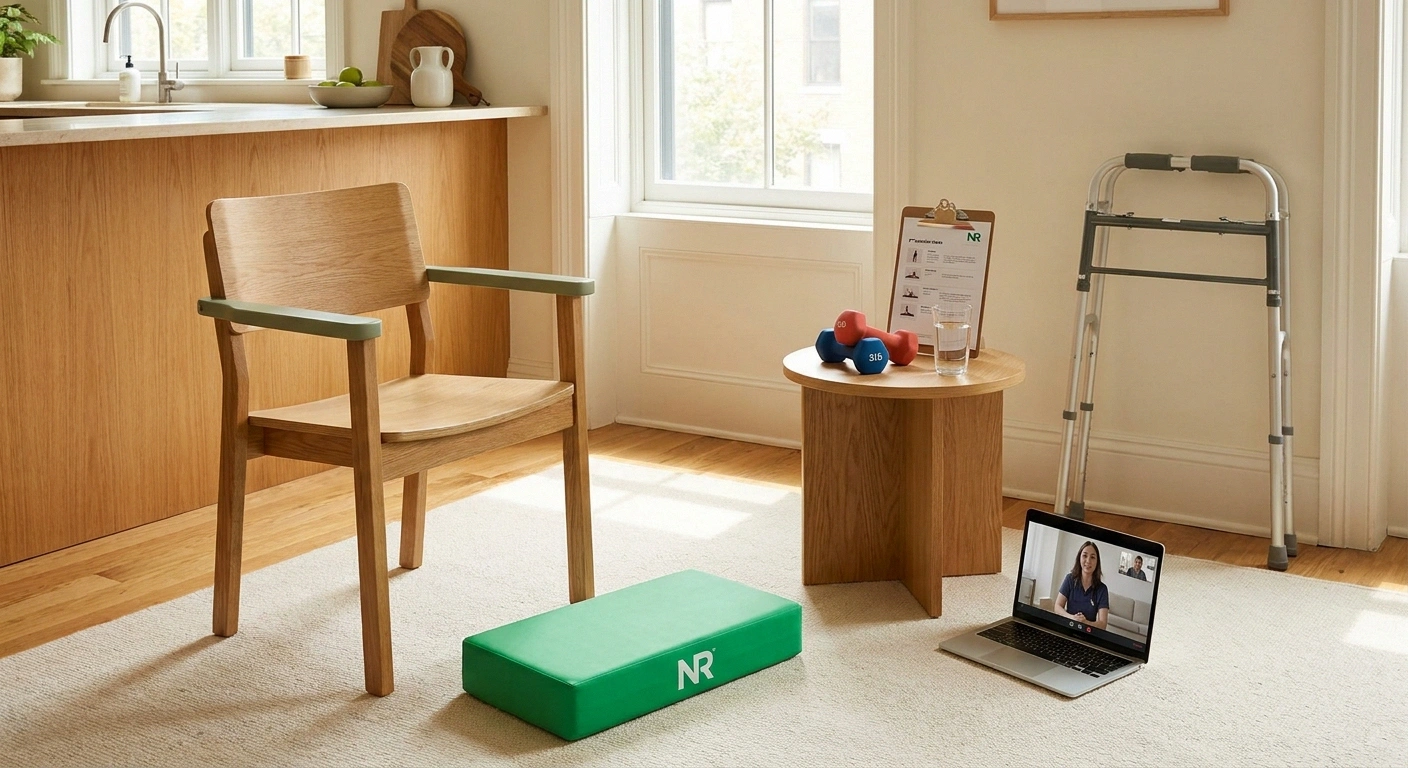
Critical illness neuropathy is one of the most under-discussed consequences of modern intensive care. It is common, it is real nerve damage, and most patients who develop it will improve substantially — but recovery is measured in months and years, not weeks. The rehabilitation work that follows the ICU is, in many ways, harder than the ICU stay itself.
The most important things to know: it isn’t laziness, it isn’t lack of effort, and it isn’t simply “weakness from being in bed.” It’s an acquired peripheral nerve injury that requires patience, consistent rehab, and realistic expectations. With those three things, most people get a meaningful piece of their life back.
For those further along in recovery and beginning to rebuild general strength, our guide to neuropathy-friendly exercises for seniors offers gentle, no-impact movement that overlaps closely with what an ICU-survivor rehab program looks like at the 3-to-6-month mark.
Frequently Asked Questions
How long does it take to recover from critical illness neuropathy?
Most of the recovery happens in the first 6 to 12 months after the ICU stay. The muscle damage component (CIM) tends to recover faster — often within 3 to 6 months — while the nerve damage (CIP) recovers more slowly because peripheral nerves regrow at about 1 millimeter per day. Some patients regain full function. Others reach a plateau with mild residual weakness or numbness. A smaller group, roughly 5 to 15 percent, has significant lasting disability.
Is critical illness neuropathy permanent?
For most people, no. The majority of patients improve significantly, and many recover to near-normal function over a year of consistent rehabilitation. A subset of patients with severe or prolonged damage have residual weakness, numbness, or pain that does not fully resolve. The single biggest predictor of recovery is consistent, aggressive physical and occupational therapy in the months after discharge.
Can you prevent critical illness neuropathy if you’re going into an ICU stay?
You cannot prevent it entirely, but modern ICUs reduce the risk with tight glucose control, daily sedation breaks, minimizing paralytic drugs when safe, and early mobilization. For elective procedures with an ICU stay expected, it’s worth asking ahead of time about the unit’s mobility protocols. For emergency admissions, the family’s most useful role is asking about mobility and rehab planning during the stay.
Why are my feet still numb a year after the ICU?
Sensory recovery is the slowest part of critical illness neuropathy because the longest sensory fibers in the foot are the most damaged and have the farthest to regrow. Numbness in the feet can take 18 to 24 months to improve, and some sensory loss may be permanent if axons did not regenerate. This is not laziness or lack of effort — it is the biology of nerve regrowth. Continued physical therapy, foot protection, and fall-prevention strategies are essential during this period.
Is critical illness neuropathy the same as Guillain-Barré syndrome?
No. Both produce weakness after an illness, but they are different conditions. Guillain-Barré is an autoimmune attack on the myelin sheath that often follows a recent infection in someone who was previously healthy, and it has specific treatments (IVIG or plasmapheresis). Critical illness neuropathy is acquired during a severe ICU stay, primarily damages the nerve axon rather than the myelin, and does not respond to those autoimmune treatments. The EMG/NCS study can distinguish them.
Can muscle relaxants and steroids in the ICU cause this?
They can contribute to it, particularly when used at high doses for prolonged periods. The two together — high-dose corticosteroids plus non-depolarizing muscle relaxants — have been linked to a more severe form of critical illness myopathy. Modern ICUs avoid this combination when possible. However, in many cases the drugs are clinically necessary and the benefits outweigh the risk. The drugs themselves are rarely the sole cause; they layer on top of the underlying critical illness.
Does diabetes make critical illness neuropathy worse?
Yes. Patients with pre-existing diabetes, particularly those with prior diabetic neuropathy, have a higher rate of severe CIP and a slower recovery. Sustained hyperglycemia during the ICU stay independently increases the risk for everyone, but the effect is more pronounced in people who already have damaged nerves going in.
What kind of doctor should follow me after an ICU stay?
A physiatrist (physical medicine and rehabilitation doctor) is the specialist who typically coordinates ICU-survivor recovery. A neurologist may also be involved for the nerve damage specifically, and an outpatient physical therapist and occupational therapist will see you regularly for months. Some major medical centers now have “post-ICU clinics” that consolidate all of these specialists into a single follow-up visit.
About the Author