A neighbor of mine came back from a medical mission trip to rural India last fall and, over coffee, mentioned that she'd spent a week helping at a clinic that mostly treated people with leprosy. I think my coffee cup paused mid-air. I asked her — half-jokingly — if she meant actual leprosy, the kind I'd only ever heard about in old Bible stories.
She nodded. She told me that what we call leprosy is now usually called Hansen's disease, that more than 200,000 new cases are still diagnosed worldwide every single year, that nearly all of them can be cured with a six- to twelve-month course of antibiotics if caught in time, and that the main reason it still disables people is that it damages peripheral nerves before most patients realize anything is wrong.
That last part is what brought it home for me. Hansen's disease is, on a strictly mathematical basis, the single most common cause of treatable peripheral neuropathy in the world. Most of us in the United States never hear about it. The 150 to 200 cases diagnosed in the U.S. each year tend to stay quiet. But globally — and even in a few specific corners of the U.S. — it's an active, modern, and entirely treatable disease that almost no one in our neuropathy community ever talks about.
This guide walks through what Hansen's disease actually is in 2026, how it damages nerves, why it's still called “treatable” even though some nerve damage doesn't reverse, where it's still being transmitted, who should think about it as a possible diagnosis, and what life looks like for someone after treatment is finished. The goal isn't to alarm anyone. It's to give you accurate, current information about a disease that quietly remains one of the most important — and most preventable — causes of nerve damage on the planet.
What Hansen's Disease Actually Is
Hansen's disease is a chronic infectious disease caused by a slow-growing bacterium called Mycobacterium leprae (and, in a smaller number of cases, a related species called Mycobacterium lepromatosis). The bacterium was identified by the Norwegian physician Gerhard Hansen in 1873 — the first time a microorganism was firmly linked to a chronic human disease — which is why the disease now usually carries his name in modern medical settings. “Leprosy” is the older term and remains in common use globally, though many patients and clinicians prefer “Hansen's disease” because of the centuries of stigma attached to the older word.
Key Takeaway
Hansen's disease (leprosy) is the world's most common cause of treatable peripheral neuropathy — ~200,000 new cases globally each year, fully cured by a 6–12 month antibiotic regimen. Antibiotics kill the infection but don't undo nerve damage already done. Early diagnosis is the entire game.
What makes M. leprae unusual among bacteria is that it's slow. Painfully slow. It divides about once every 14 days — compare that to E. coli, which can divide every 20 minutes. This is why the incubation period from initial exposure to recognizable disease is typically 5 to 7 years, and can stretch to 20 years or more. It's also why the disease is hard to study in a lab — it can't easily be grown in standard culture media.
The bacterium has two specific preferences that drive almost everything about how the disease behaves:
It thrives in cooler body temperatures. That's why Hansen's disease primarily affects skin, the surface and just-beneath-surface peripheral nerves, the eyes, the nose, the testicles, and the cooler parts of the body, while sparing deeper organs like the heart, lungs, and liver.
It preferentially infects two cell types — skin macrophages and Schwann cells. Schwann cells are the cells that wrap around peripheral nerves and make myelin, the insulation that lets nerves conduct signals quickly. When M. leprae infects Schwann cells, it triggers the immune response that ultimately damages the nerves themselves. That's the whole story of Hansen's neuropathy in one sentence.
How It Damages Nerves
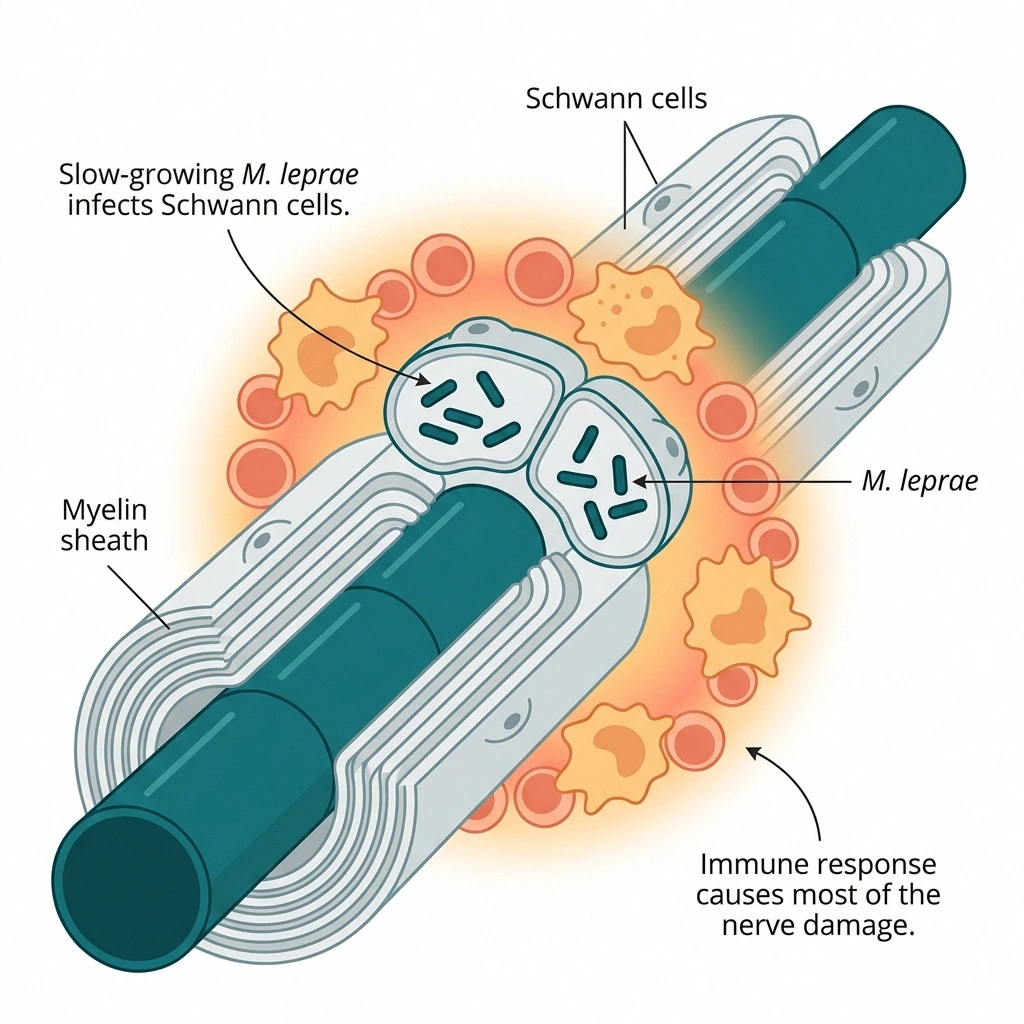
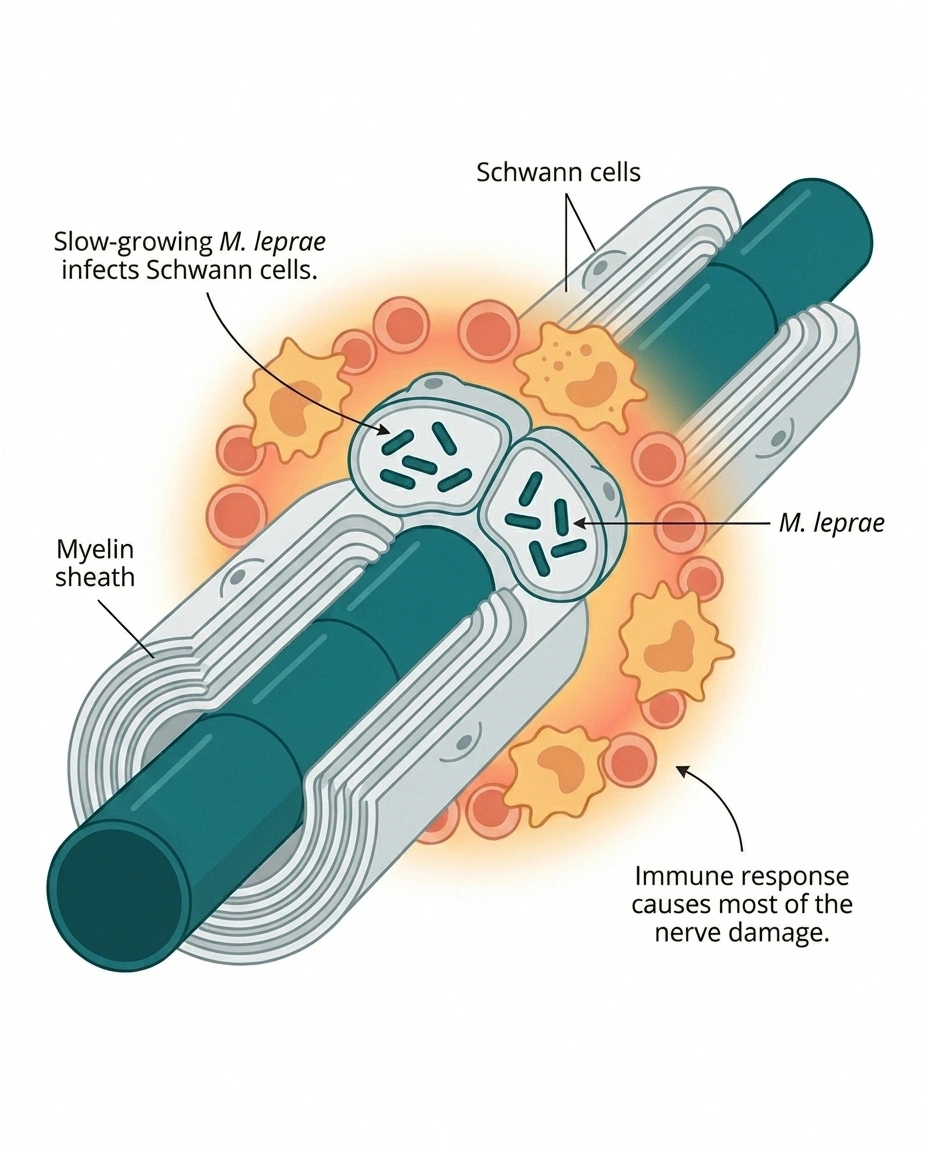
Hansen's disease damages nerves through two overlapping mechanisms.
Global Burden — 2026 Picture
~200K
new cases/yr
Diagnosed globally each year. India, Brazil, Indonesia account for ~75% of all new cases.
150–250
US cases/yr
~2/3 acquired abroad before immigration; ~1/3 acquired domestically (mostly Gulf Coast armadillo cluster).
5–20
years
Typical incubation period — one of the longest of any infectious disease. Exposure decades ago can still matter.
Direct infection of Schwann cells. The bacterium gets inside the Schwann cells that wrap peripheral nerves and replicates there over years. This alone interferes with nerve function — the cells can't maintain the myelin sheath properly, and signal conduction slows.
The immune response. Your immune system eventually recognizes that something is wrong and mounts an attack against the infected nerves. That attack — granulomatous inflammation around the infected nerve trunks — is responsible for the bulk of the actual nerve damage. The bacteria themselves are slow and quiet. Your immune system is what causes the cell death.
The specific nerves affected reflect the bacterium's preference for cooler skin: the ulnar nerve at the elbow, the median nerve at the wrist, the radial nerve in the upper arm, the common peroneal nerve at the knee, the posterior tibial nerve at the ankle, the great auricular nerve in the neck, and many small skin nerves throughout the body. The pattern is patchy and asymmetric, not the stocking-glove pattern of diabetic neuropathy. One area of skin will have decreased sensation; an inch away, sensation will be normal.
This asymmetric, patchy nerve damage is a key clinical feature. If a doctor in a region where Hansen's disease is plausible sees a patient with patches of skin that have lost sensation, especially when those patches are also slightly discolored or thickened, the diagnosis goes on the differential list immediately.
The Two-Plus Forms of Hansen's Disease
Hansen's disease doesn't behave the same way in everyone. The clinical picture depends heavily on how a person's immune system responds to the infection. There's a spectrum, and it's worth understanding because it changes both treatment and prognosis.
Paucibacillary vs Multibacillary — The WHO Operational Split
| Feature | Paucibacillary | Multibacillary |
|---|---|---|
| Skin lesions | < 5 lesions | ≥ 5 lesions, often many |
| Bacterial load | Few bacteria detectable | Many bacteria detectable |
| Immune response | Strong, well-controlled | Weaker, less controlled |
| Contagiousness | Not typically contagious | Contagious (respiratory) if untreated |
| MDT duration | 6 months | 12 months |
| Disability risk | Localized to lesion areas | More diffuse if untreated |
Tuberculoid (paucibacillary) form. The patient's immune system mounts a strong response. There are few skin lesions — typically one to three pale or reddish skin patches with clearly defined edges and loss of sensation. Few bacteria are present (which is what “paucibacillary” means — few bacilli). Damage to nerves is real but localized to the area near the lesions. Most patients with this form are not contagious to others.
Lepromatous (multibacillary) form. The patient's immune response to M. leprae is weaker. Many skin lesions appear, often poorly defined and widespread. Large numbers of bacteria are present in the skin and in nasal mucosa. Nerve damage is more diffuse. Without treatment, this is the more disabling and more disfiguring form, and it's the form most associated with the historical images of leprosy. Patients with untreated lepromatous disease can be contagious through respiratory droplets.
Borderline forms. Most patients actually fall between the two ends — borderline tuberculoid, mid-borderline, and borderline lepromatous categories exist in the formal classification system. These can shift over time, in either direction, depending on how the immune response evolves.
The WHO uses a simpler operational two-category system in field settings: paucibacillary (fewer than five skin lesions, treated for six months) and multibacillary (five or more lesions, treated for twelve months). The simplified system is what most clinicians outside specialty referral centers use day to day.
The Symptom Picture
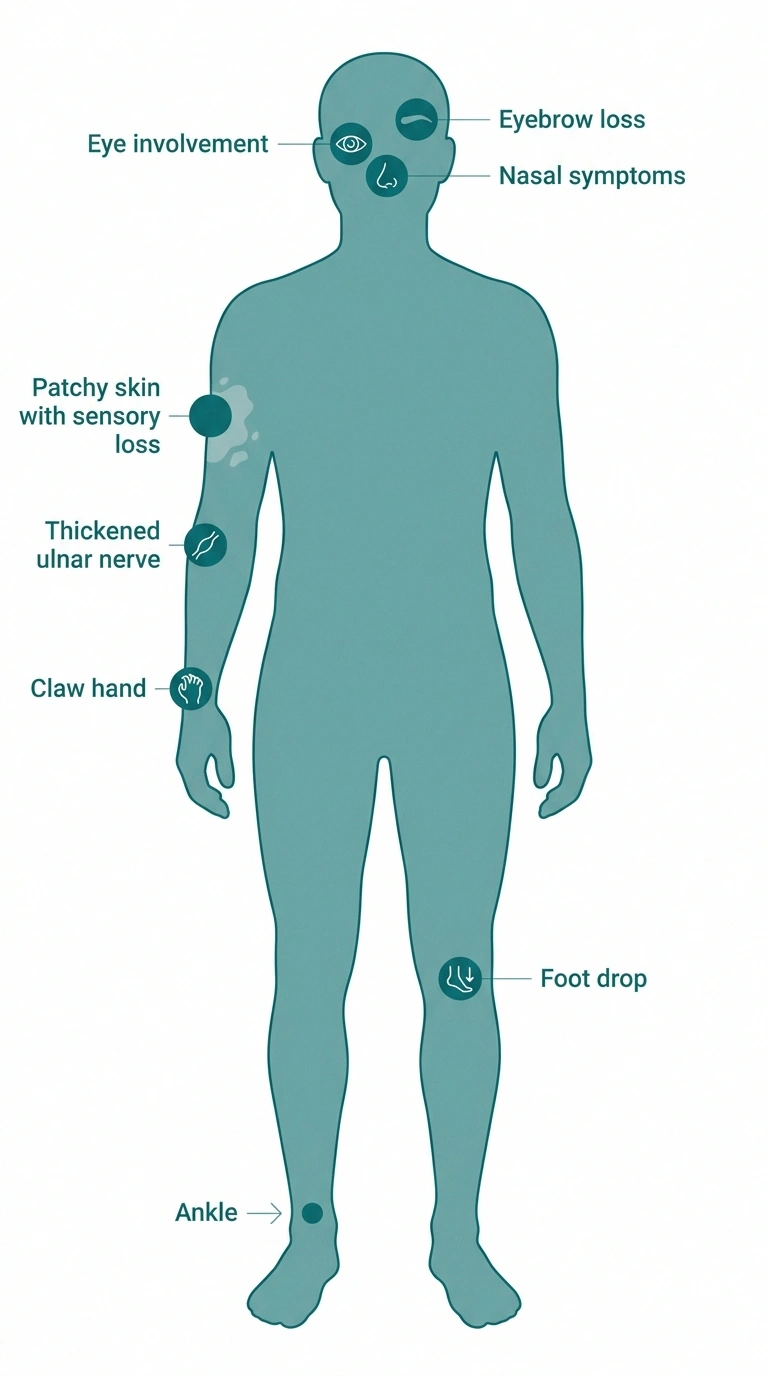
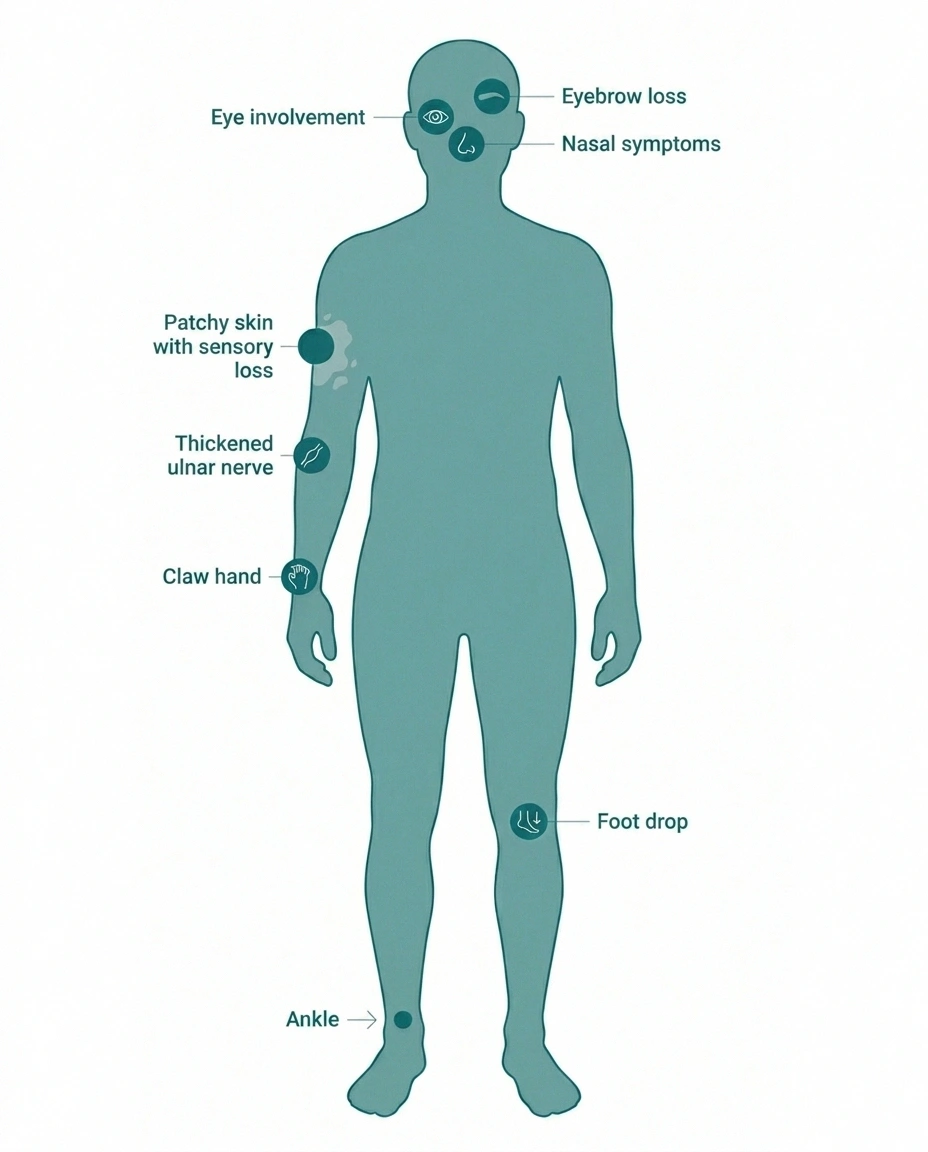
Early Hansen's disease can be remarkably subtle. The hallmark first symptom is usually a single patch of skin — pale, copper-colored, or reddish — that's lost sensation. That patch can be on the face, the arm, the trunk, the leg, anywhere. People often notice the patch first cosmetically and only later realize it doesn't feel pinpricks, hot water, or light touch the way the surrounding skin does.
As the disease progresses without treatment, the picture expands:
- Multiple skin patches with diminished or absent sensation
- Thickening of palpable peripheral nerves — a clinician can sometimes literally feel the thickened ulnar nerve at the elbow or the great auricular nerve in the neck as a firm cord under the skin
- Loss of sensation in hands and feet in a patchy, asymmetric pattern
- Muscle weakness from motor nerve involvement — wrist drop from radial nerve damage, claw hand from ulnar nerve damage, foot drop from common peroneal damage
- Loss of eyebrows or eyelashes (madarosis) in lepromatous disease
- Nasal stuffiness, nosebleeds, eventual collapse of the nasal bridge in advanced lepromatous disease
- Eye involvement — corneal anesthesia, lagophthalmos (incomplete eye closure), iritis
- Skin trauma from insensate hands and feet — burns, cuts, ulcers that aren't felt until they're advanced
- Foot ulcers and bone resorption in long-untreated disease, leading to the characteristic foreshortened fingers and toes of historical images
That last point matters: the disfigurement historically associated with leprosy is not directly from the bacterium. It's from years of unfelt skin damage on insensate hands and feet — the same mechanism that causes diabetic foot ulcers in people with diabetic neuropathy. Modern treatment prevents this from ever happening when the disease is caught early.
Why It's Called “Treatable”
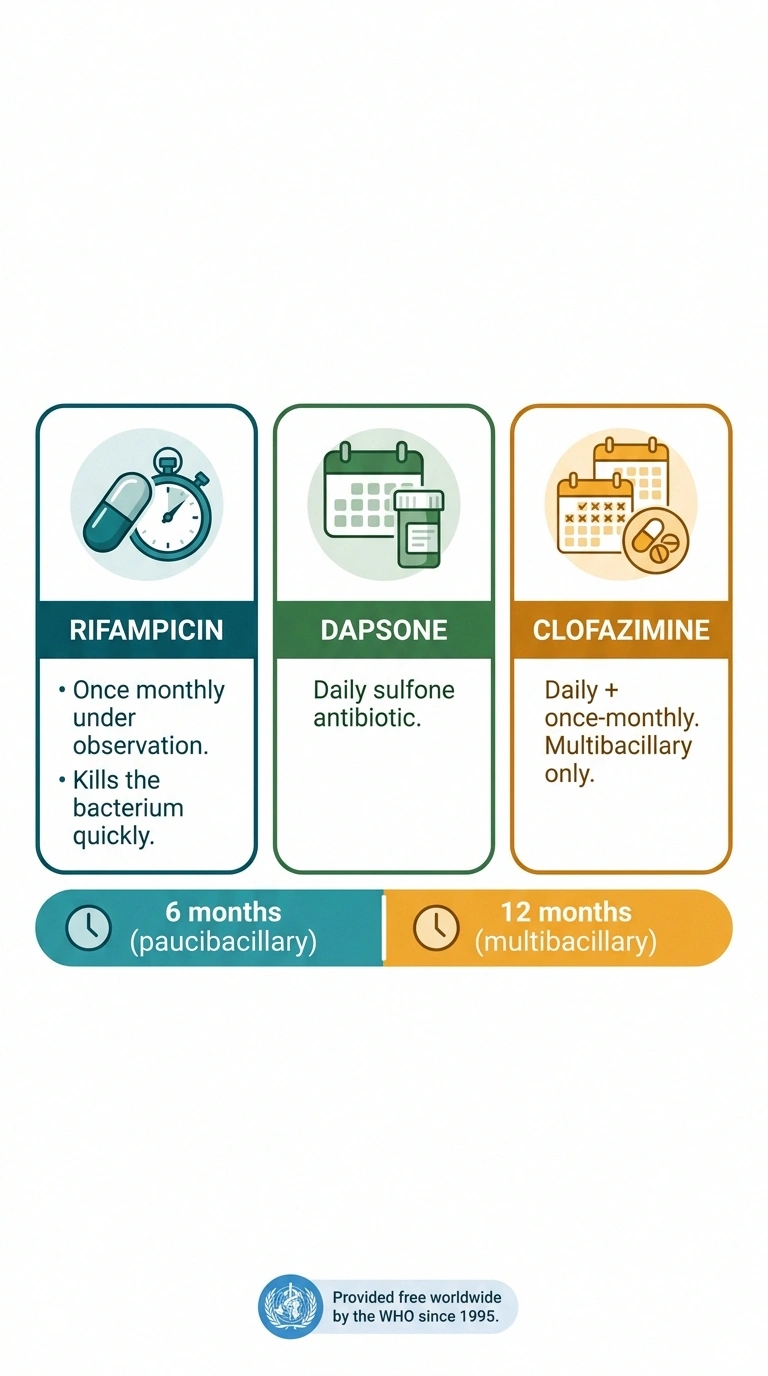
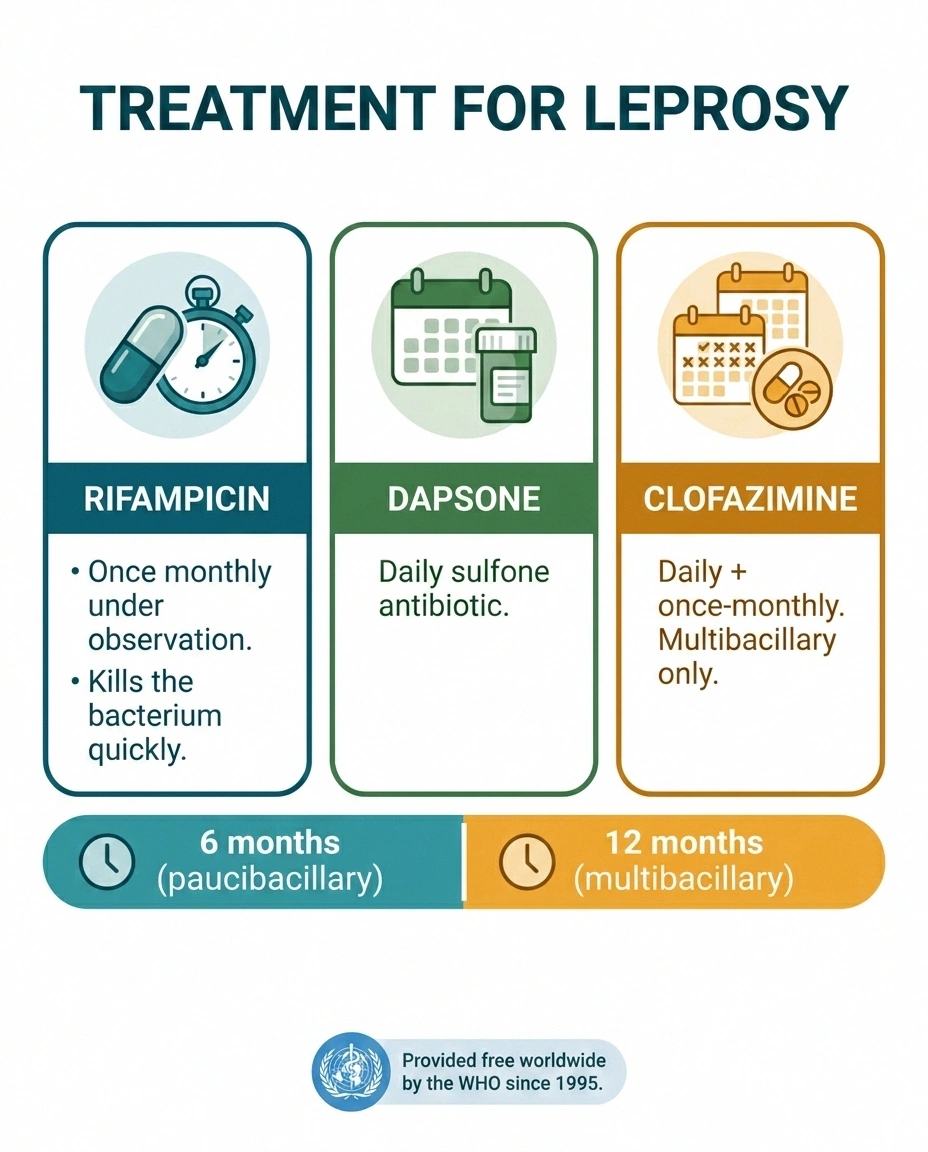
Hansen's disease has been curable since the 1980s. The current standard treatment is multidrug therapy (MDT), provided free of charge worldwide through the World Health Organization since 1995. The combination is straightforward:
- Rifampicin — a powerful antibiotic that kills the bacterium quickly. Given once a month under direct observation in most programs.
- Dapsone — a sulfone antibiotic taken daily.
- Clofazimine — an antibiotic with anti-inflammatory effects added for the multibacillary form, taken daily and once-monthly.
For paucibacillary disease (few lesions, low bacterial load), treatment runs for six months. For multibacillary disease (many lesions, high bacterial load), treatment runs for twelve months. After a single monthly dose of rifampicin, a previously infectious patient is no longer contagious to others — that's how effective the regimen is at killing the bacterium.
By the standard antibiotic measure — cure of infection — Hansen's disease is one of the most reliably curable chronic infectious diseases in modern medicine. Treatment failure rates with full MDT are well under 1 percent. Relapse rates after completion are also under 1 percent.
The catch is everything that happens to the nerves before treatment starts.
The Catch: Nerve Damage Doesn't Reverse With Antibiotics
Multidrug therapy kills the bacterium. It does not undo nerve damage that the immune response already inflicted on those nerves before treatment started. Nerve function that was lost before diagnosis may improve modestly in the weeks and months after starting MDT (the inflammation around the nerves calms down), but established damage to motor function and skin sensation often persists.
Why Early Diagnosis Is the Whole Game
Multidrug therapy kills the bacterium but does not reverse nerve damage already inflicted by the immune response.
Diagnosed in the first 6–12 months: usually no permanent nerve damage. Diagnosed 3+ years in: infection cured, but established muscle weakness and skin insensitivity often persist.
This is why early diagnosis matters so much. A patient diagnosed within the first six to twelve months of the first skin patch may emerge from treatment with essentially no permanent nerve damage. A patient diagnosed three years in, with already-established muscle weakness and skin insensitivity, will be cured of the infection but may carry the nerve damage permanently.
This is also why Hansen's disease ranks as the world's most common cause of treatable permanent disability from nerve damage. The infection is treatable. The damage from delayed diagnosis often isn't. The honest reframe in our community context: if you've been told your idiopathic neuropathy might be from something you traveled to, ate, were exposed to — Hansen's belongs on the short list of things worth checking, especially if your geographic and exposure history fits. Our piece on idiopathic neuropathy covers the broader picture of what tends to get missed.
Where It Still Spreads
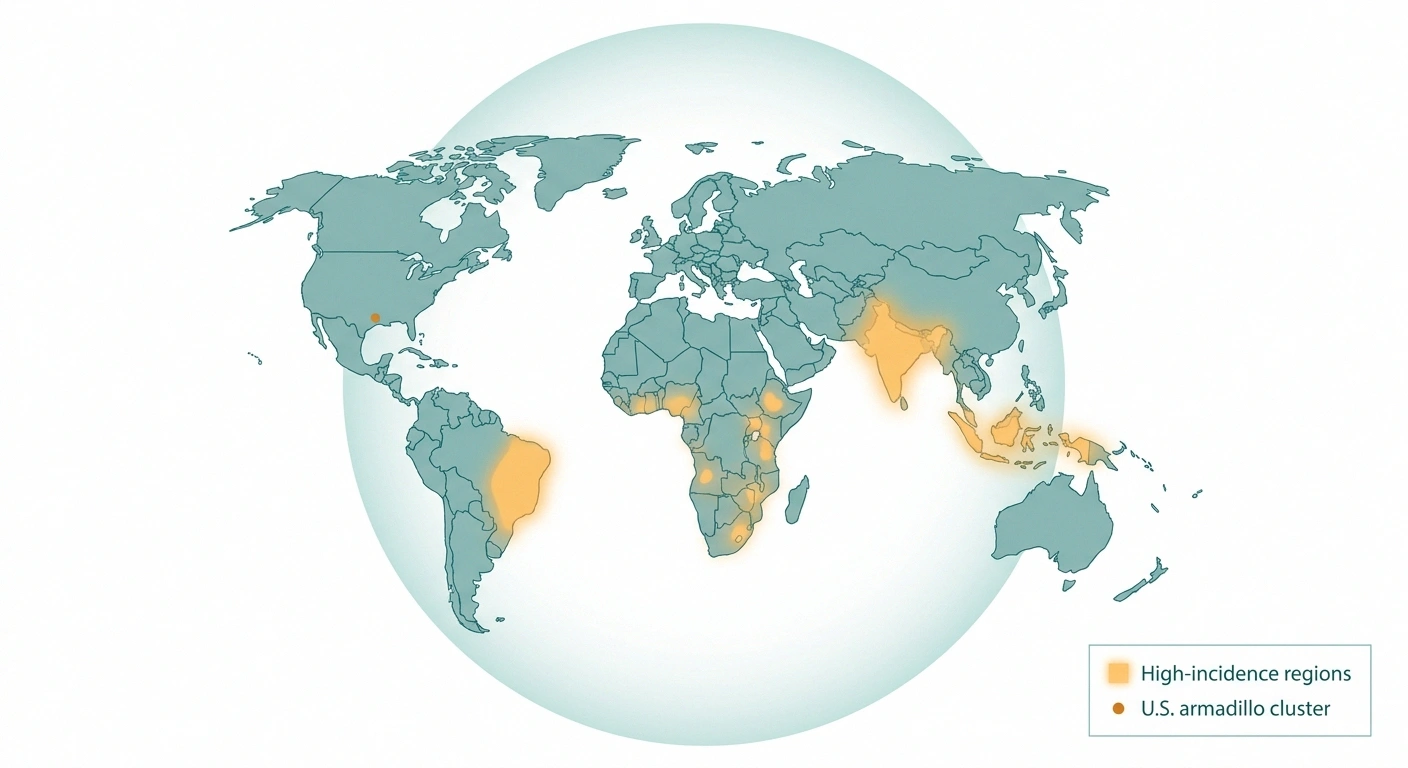
About 95 percent of cases globally come from a relatively small list of countries: India accounts for roughly 55 to 60 percent of new cases each year (about 120,000 to 150,000), Brazil about 15 percent (roughly 28,000 to 33,000), and Indonesia about 5 percent (roughly 17,000 to 19,000). The remaining cases are distributed across parts of sub-Saharan Africa, the Philippines, Bangladesh, Myanmar, Madagascar, Mozambique, the Democratic Republic of Congo, and a handful of other countries.
In the United States, the CDC reports 150 to 250 new cases each year. About two-thirds of those are people who acquired the infection abroad before immigrating, typically from one of the higher-incidence countries above, with symptoms emerging years to decades after arrival.
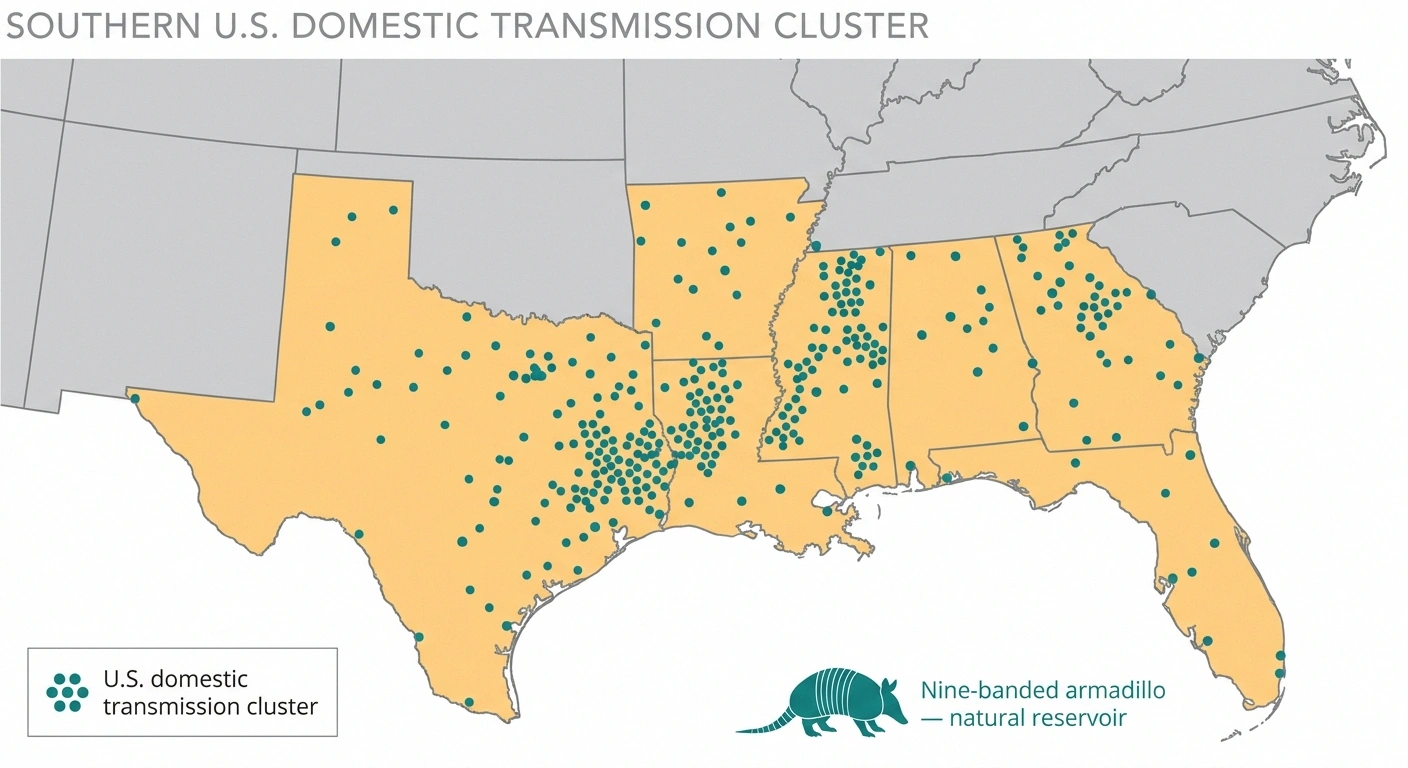
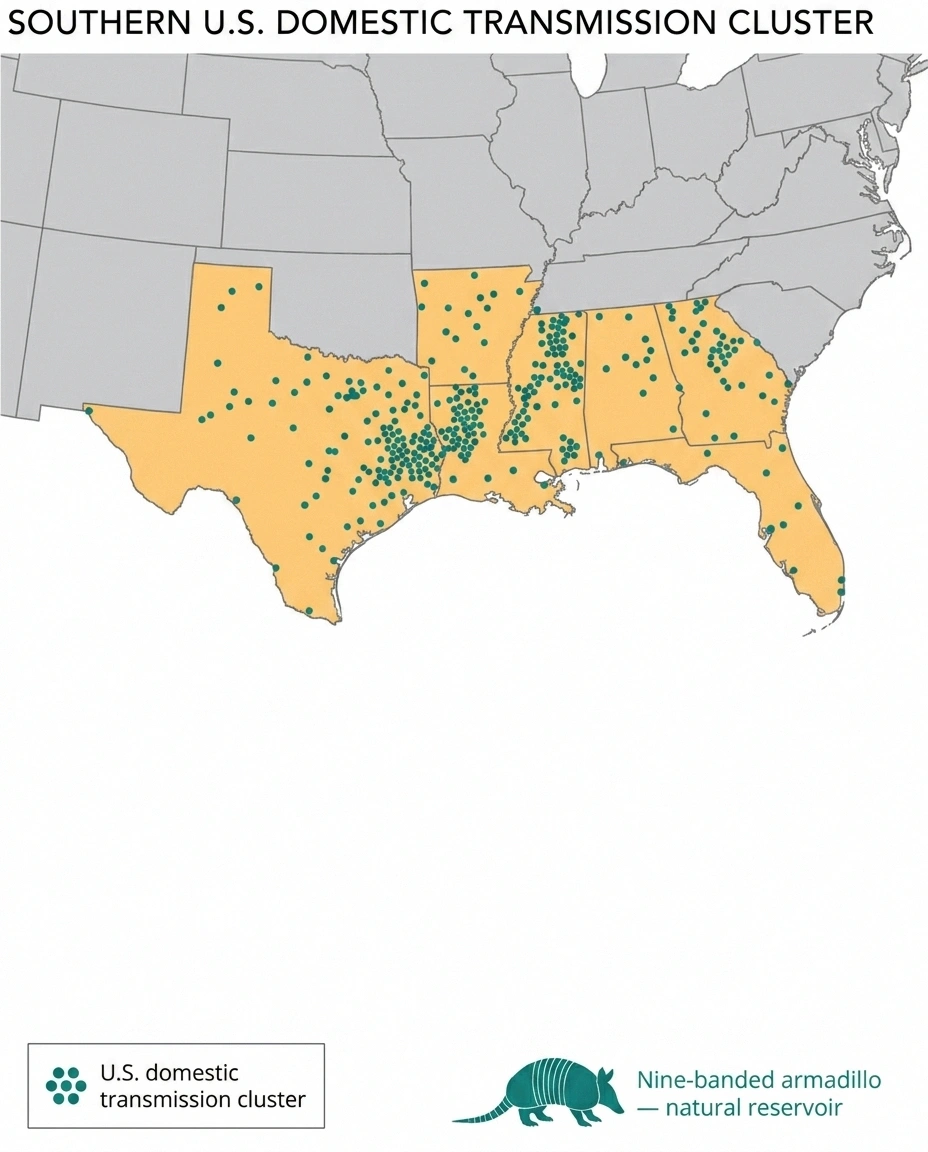
The remaining one-third are cases acquired inside the United States — almost all of them in a specific cluster of southern states (Texas, Louisiana, Mississippi, Florida, Georgia, Alabama, and Arkansas). The likely transmission route in those domestic U.S. cases is now well-established: contact with the nine-banded armadillo, which naturally carries M. leprae and can transmit it to humans who handle or eat them. Roughly 15 to 20 percent of wild armadillos in the southern U.S. carry the bacterium. A separate, smaller pattern in central Florida appears to involve human-to-human transmission and possibly transmission from environmental sources independent of armadillo contact.
Globally, person-to-person transmission is thought to occur primarily through prolonged close contact with an untreated multibacillary case, mainly via respiratory droplets and possibly nasal secretions. Brief casual contact is very unlikely to transmit. The skin-to-skin myth — that you “catch” leprosy by touching someone with the disease — has been disproved for many decades and is one of the most damaging pieces of historical misinformation about this illness.
Who Should Think About It
Hansen's disease is not common enough in the United States that every patient with neuropathy needs to be tested. But there are specific patient profiles where the diagnosis should be actively considered by both patients and clinicians:
When Hansen's Disease Belongs on the Differential
Lived in or extensively traveled in India, Brazil, Indonesia, sub-Saharan Africa, Bangladesh, Myanmar, Philippines — even decades ago
Live in the Gulf Coast armadillo cluster (TX, LA, MS, FL, AL, GA, AR) with handling/hunting/eating armadillo history
Patchy skin lesions with sensory loss, especially with thickened peripheral nerves you or your doctor can feel
Asymmetric muscle weakness in nerve-specific patterns (claw hand, foot drop, wrist drop)
Idiopathic neuropathy with no identified cause and a relevant exposure history that hasn't been asked about
Anyone who has lived in or extensively traveled in a high-incidence country (India, Brazil, Indonesia, parts of sub-Saharan Africa, Bangladesh, Myanmar, the Philippines) and now has unexplained patchy skin lesions with loss of sensation, peripheral neuropathy that doesn't fit a typical diabetic or other identifiable cause, or asymmetric muscle weakness. The lag time can be 5 to 20 years, so the question “have you ever lived abroad?” matters even decades later.
WHO Multidrug Therapy
Rifampicin — once monthly under direct observation. Kills the bacterium quickly.
Dapsone — daily sulfone antibiotic.
Clofazimine — daily and once-monthly (multibacillary only).
Provided free of charge worldwide by the WHO since 1995. Treatment failure and relapse rates both <1%.
Anyone living in the southern U.S. armadillo cluster region (especially rural Texas, Louisiana, Mississippi, Florida, Alabama, Georgia, Arkansas) with a history of armadillo contact (hunting, butchering, eating, or close handling), particularly when paired with unexplained skin patches and neuropathy. The bacterium doesn't transmit easily — most armadillo-handlers don't become infected — but the connection is established enough that it belongs on the differential.
Anyone with a clinical picture that fits — asymmetric peripheral neuropathy, patchy skin lesions with sensory loss, palpably thickened peripheral nerves, and/or unexplained muscle weakness in nerve-specific patterns. These features together should prompt a referral to a dermatologist or neurologist with infectious-disease consultation. The CDC's National Hansen's Disease Program in Baton Rouge, Louisiana, takes referrals and offers free consultation for clinicians anywhere in the country.
How It's Diagnosed

The diagnosis is mostly clinical, with confirmation through skin biopsy.
A clinician examines the skin patches, tests sensation in the affected areas (light touch, pinprick, temperature), and palpates the peripheral nerve trunks looking for thickening. They take a small skin biopsy from the edge of a lesion. The pathologist looks for the characteristic granulomatous inflammation, the bacterium itself (visible with a specific acid-fast stain), and the pattern of nerve involvement. PCR testing for M. leprae DNA on the biopsy specimen is increasingly used as a more sensitive confirmation method.
Slit-skin smears — a small superficial sample of dermal tissue — can also be examined for bacteria, particularly in the multibacillary form where bacterial load is high. Nerve biopsy is occasionally done but is invasive and reserved for difficult cases.
The broader workup of unexplained neuropathy — what tests get ordered, in what order, and why — is covered in our piece on neuropathy diagnosis. Hansen's disease only enters that workup when geographic, exposure, or clinical features make it plausible, but when those features are present, getting to the diagnosis early changes everything about long-term outcome.
Life After Treatment

For patients diagnosed early and treated promptly, life after MDT is usually unremarkable — the infection is cured, nerve damage is minimal, and outcomes are excellent. For patients diagnosed later, with already-established nerve damage, the after-treatment phase is more demanding and looks much like the long-term care needed for any chronic peripheral neuropathy.
The core principles are:
Daily foot inspection. Insensate feet need to be checked every day for unfelt injuries — small cuts, blisters, friction spots, embedded objects. This is the same daily protective-foot-care discipline that prevents diabetic foot ulcers, and the principles are essentially identical. Our overview of neuropathy foot care walks through the daily routine and what to look for.
Protective, properly fitted footwear. Custom or carefully fitted shoes that distribute pressure evenly and protect insensate feet from unfelt injury. People with significant Hansen's-related foot insensitivity benefit from many of the same shoe principles as people with diabetic neuropathy — see our piece on the best shoes for neuropathy for the framework.
Protection of insensate hands. Gloves for housework, cooking with care to avoid burns, and habitual visual inspection of the hands for unnoticed injuries.
Balance and fall prevention. Patchy nerve damage and the loss of protective sensation increase the risk of unrecognized injury and of falls from gait abnormalities. Our piece on neuropathy and fall prevention covers the strategies that work.
Surveillance for “reactions.” A specific complication of Hansen's disease called a “leprosy reaction” can occur during or after treatment — these are immune-mediated episodes that can cause sudden new nerve damage or skin inflammation. They're treated with anti-inflammatory medications, often including steroids or thalidomide in specific cases. The treating team's job is to spot them early; the patient's job is to know what to report.
Mental health support. The history of stigma around leprosy is real and still active in many parts of the world and, regrettably, in some parts of the United States. Patients carry the disease through a social and psychological landscape that isn't always kind. Depression, anxiety, and social isolation rates are elevated. The same support that helps people with any chronic disabling condition — counseling, peer support, family education — matters here. Our piece on neuropathy and mental health covers the broader picture.
And — crucially — being cured of the infection means that the patient is no longer contagious, no longer a public-health concern, and entitled to the same dignity and normality as anyone who has finished antibiotic treatment for any other infection. The historical isolation of people with leprosy was based on understanding that has been outdated for many decades. Public-health authorities now treat Hansen's disease as a chronic infectious condition, not a justification for separation.
The Bigger Picture
Hansen's disease is, in some sense, a window into what's possible with peripheral neuropathy more broadly. It's one of the few causes of neuropathy where the underlying mechanism can be specifically and completely treated with medication. The infection ends. The bacterium dies. The inflammation around the nerves calms down. Nerves that haven't been permanently injured recover. That's a different picture from diabetic neuropathy, where the underlying driver (long-standing hyperglycemia) can be modified but not “cured,” or from chemotherapy-induced neuropathy, where the cause is in the past and the damage has to heal as it can.
Research Says
Roughly 15–20% of wild nine-banded armadillos in the southern U.S. test positive for Mycobacterium leprae. Domestic U.S. transmission is essentially confined to this animal reservoir.
The National Hansen's Disease Program in Baton Rouge offers free clinical consultation to any U.S. provider considering the diagnosis.
The honest question of whether any specific case of neuropathy can be reversed depends entirely on the underlying cause and how much permanent damage was done before treatment. Our broader piece on whether neuropathy can be reversed walks through that conversation across all the major causes. Hansen's disease ends up being one of the most genuinely reversible — when caught in time.
The cost of not catching it in time is paid in nerve damage that doesn't come back. Which is, in turn, why this old, mostly-forgotten disease still belongs in the conversation about modern neuropathy.
Frequently Asked Questions
Can I catch leprosy from casual contact with someone who has it?
Almost certainly not. Person-to-person transmission requires prolonged close contact with an untreated case in the multibacillary form, mostly via respiratory droplets. Once a patient has had even a single monthly dose of multidrug therapy, they are no longer contagious to others. Casual contact, shaking hands, sharing a meal, working in the same office, hugging — these do not transmit the disease. The skin-to-skin myth is centuries old and has been thoroughly disproved.
How long after exposure would symptoms show up?
The incubation period is typically 5 to 7 years and can range from a few months to 20 years or more. This is one of the longest incubation periods of any infectious disease and is one reason the diagnosis is often delayed — by the time symptoms appear, the patient and their doctors may not connect the exposure to the current illness. This is also why someone who moved to the United States from a high-incidence country a decade or two ago can still present with newly diagnosed Hansen's disease.
Why are armadillos involved?
The nine-banded armadillo is the only nonhuman animal known to be a natural reservoir for M. leprae. Their relatively low body temperature (around 34 degrees Celsius) is hospitable to the bacterium, and the species spread across the southern United States in the 20th century, carrying the infection with them. Roughly 15 to 20 percent of wild armadillos in the U.S. cluster region test positive. Most people who handle armadillos don't become infected — transmission requires intimate or extended contact — but enough cases have been documented that the connection is well-established. The CDC recommends avoiding handling wild armadillos, not eating them, and not having them as pets in this region.
Is there a vaccine?
No vaccine specifically for Hansen's disease is currently available, but the BCG vaccine (the standard tuberculosis vaccine used in most of the world) provides partial protection against Hansen's disease as a side benefit. A newer vaccine specifically for Hansen's, called LepVax, is in clinical trials. The most reliable prevention remains early diagnosis and treatment of cases — which interrupts ongoing transmission to others — combined with prophylactic single-dose rifampicin for known close contacts of newly diagnosed cases.
Does multidrug therapy have side effects?
Yes, like any antibiotic regimen. Dapsone can cause hemolytic anemia (especially in people with G6PD deficiency), elevated liver enzymes, and rarely severe skin reactions. Rifampicin can cause liver inflammation, GI upset, and orange-colored body fluids (urine, tears, sweat). Clofazimine commonly causes skin darkening, particularly in lesion areas, which is reversible over months to years after treatment ends but can be cosmetically distressing during therapy. Monitoring through routine blood tests during treatment is standard. The side effects are generally manageable and not a reason to avoid treatment — the alternative is progressive nerve damage and disability from untreated infection.
If I lived in a high-incidence country for years, should I be tested?
Not routinely if you have no symptoms. The disease is rare even in high-incidence regions, and most people from those countries do not have it. But if you have unexplained skin patches with loss of sensation, unexplained patchy peripheral neuropathy, palpably thickened peripheral nerves, or asymmetric muscle weakness that hasn't been explained, you should mention your travel and residence history to your doctor and consider asking about Hansen's disease specifically. Many U.S. clinicians have never seen a case in person and may not think of it without prompting.
What's the cost of treatment?
The medications themselves are provided free of charge worldwide by the WHO. In the United States, the National Hansen's Disease Program provides free medical care to anyone diagnosed in the U.S., regardless of insurance status. The infrastructure for treating Hansen's disease specifically is one of the better-funded global public-health systems, precisely because the disease is treatable, prevention of disability is time-sensitive, and the cost of catching it early is so much lower than the cost of catching it late.
Will my health insurance cover Hansen's disease treatment in the U.S.?
Yes, and as noted above, the National Hansen's Disease Program provides care free of charge if needed. Most U.S. patients are managed by their regular medical team in coordination with the NHDP, with the antibiotics provided directly through the program. This is one of the few diagnoses in the U.S. medical system where the financial cost to the patient is essentially zero — which removes one common barrier to people seeking care when symptoms appear.
About the Author