There's a question I hear in our support group more than almost any other: “Is there anything I can take to actually help my nerves heal?” Not just manage the pain — actually repair the damage.
It's a deeply human question. When you're living with numbness that won't quit or burning that steals your sleep, you want more than symptom management. You want your nerves to get better. And while I'll never promise a magic pill — because that doesn't exist — the research on supplements that may support nerve repair has genuinely expanded in recent years.
Here's what I can tell you after years of following this research and listening to thousands of people in our community: some supplements have real evidence behind them for supporting nerve regeneration, and some are mostly marketing. This guide will help you tell the difference — so you can invest wisely and have a genuinely useful conversation with your doctor.
How Nerve Repair Actually Works
Before we talk about supplements, let's understand what we're trying to support. Your peripheral nerves — the ones outside your brain and spinal cord — can repair themselves. This is one of the most important facts in neuropathy, and it's the reason the question of whether neuropathy can be reversed isn't just wishful thinking.
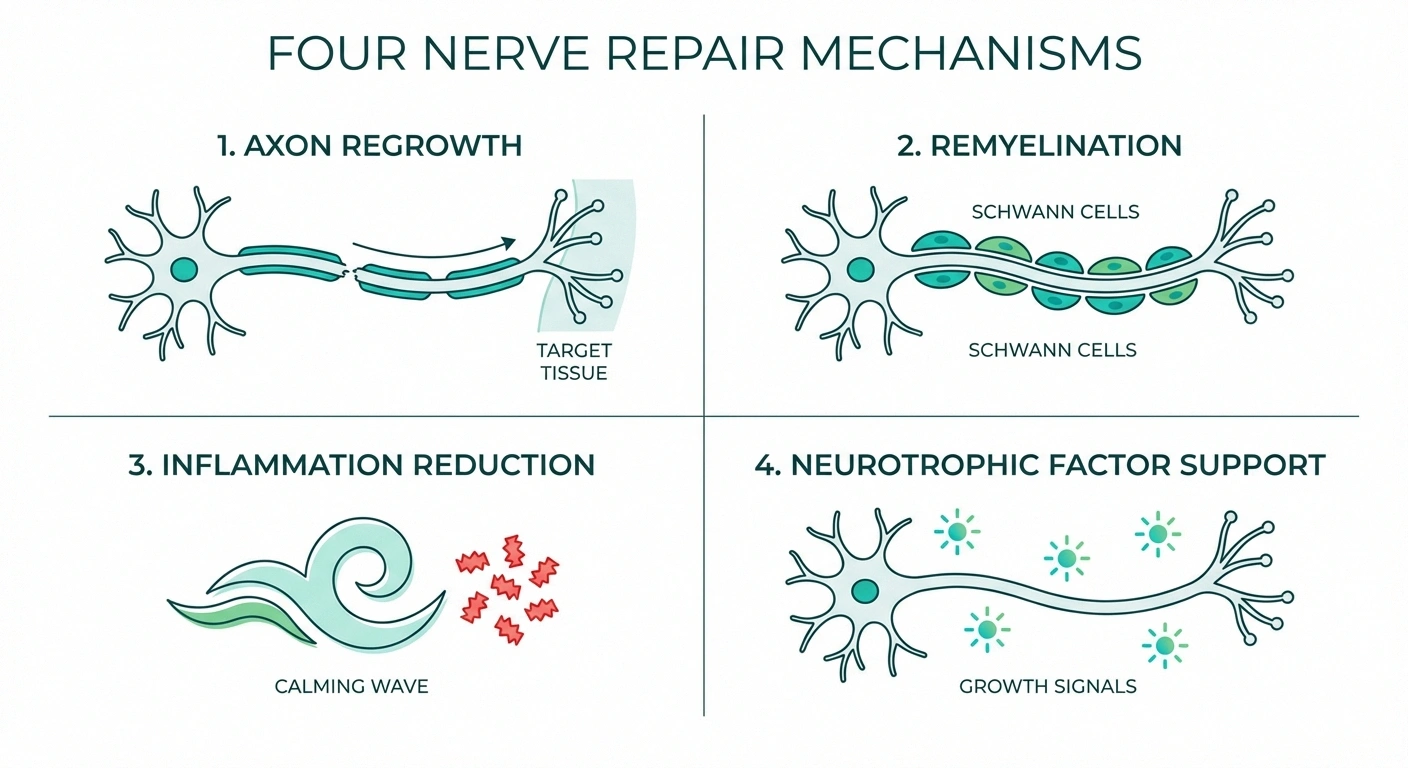
Nerve repair happens through several mechanisms:
- Axon regrowth: When a nerve fiber (axon) is damaged, the nerve cell body can sometimes grow a new fiber to replace it. This happens at a rate of roughly 1-2 millimeters per day — about an inch per month. Slow, but real.
- Remyelination: The myelin sheath — the insulating coating around nerve fibers — can be rebuilt by specialized cells called Schwann cells. This is like re-insulating an electrical wire.
- Reduced inflammation: Chronic inflammation actively impedes repair. Reducing it creates the conditions nerves need to heal.
- Neurotrophic factor support: Your body produces proteins called neurotrophic factors (like BDNF and NGF) that stimulate nerve growth and survival. Some supplements may boost these natural repair signals.
Understanding these mechanisms helps explain why different supplements work through different pathways — and why a combination approach often makes more sense than relying on any single supplement.
Supplements That Support Nerve Repair vs. Symptom Relief
This is a critical distinction that most supplement articles miss entirely. Not every supplement that helps with neuropathy actually supports nerve repair. Some primarily reduce symptoms (pain, burning, tingling) without addressing the structural damage. Both are valuable — but if your goal is nerve regeneration, you want to know which ones may actually help rebuild.
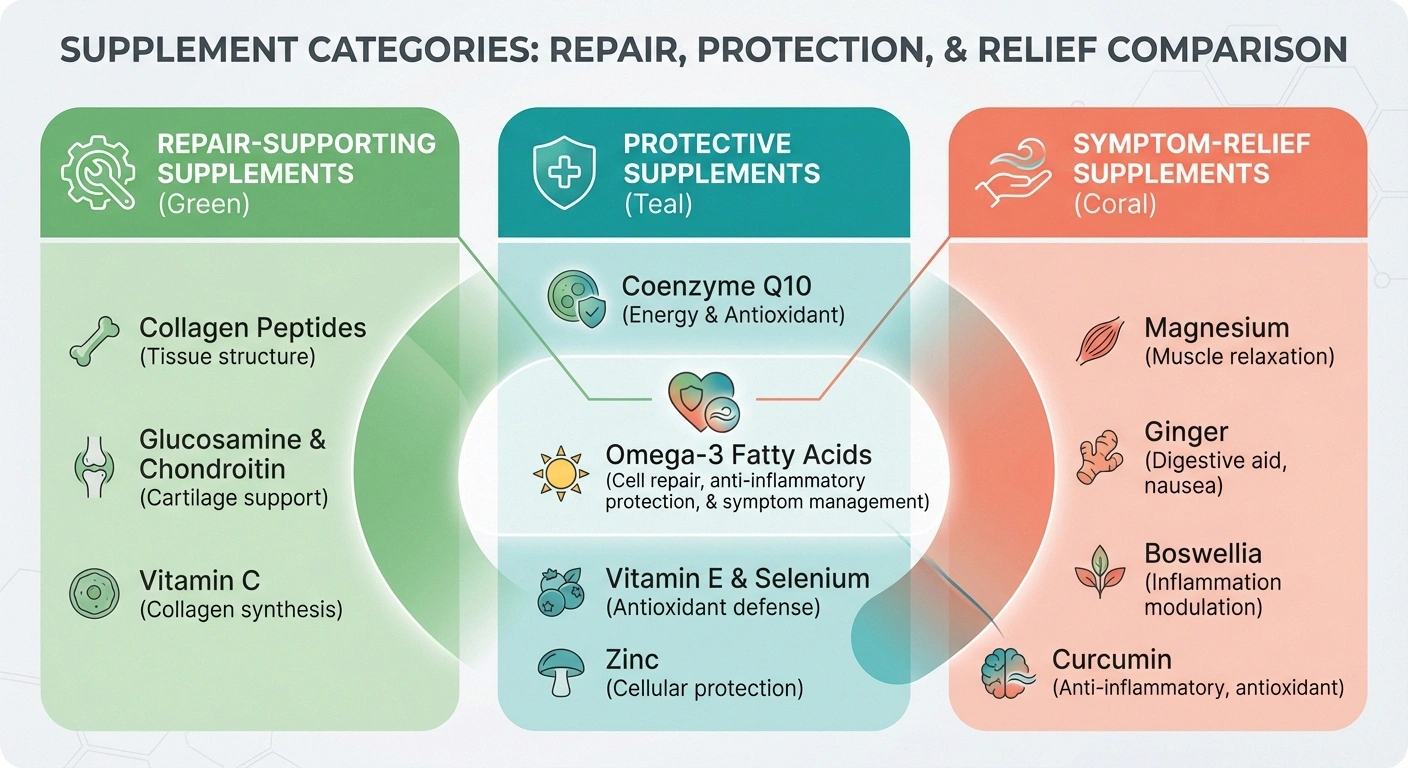
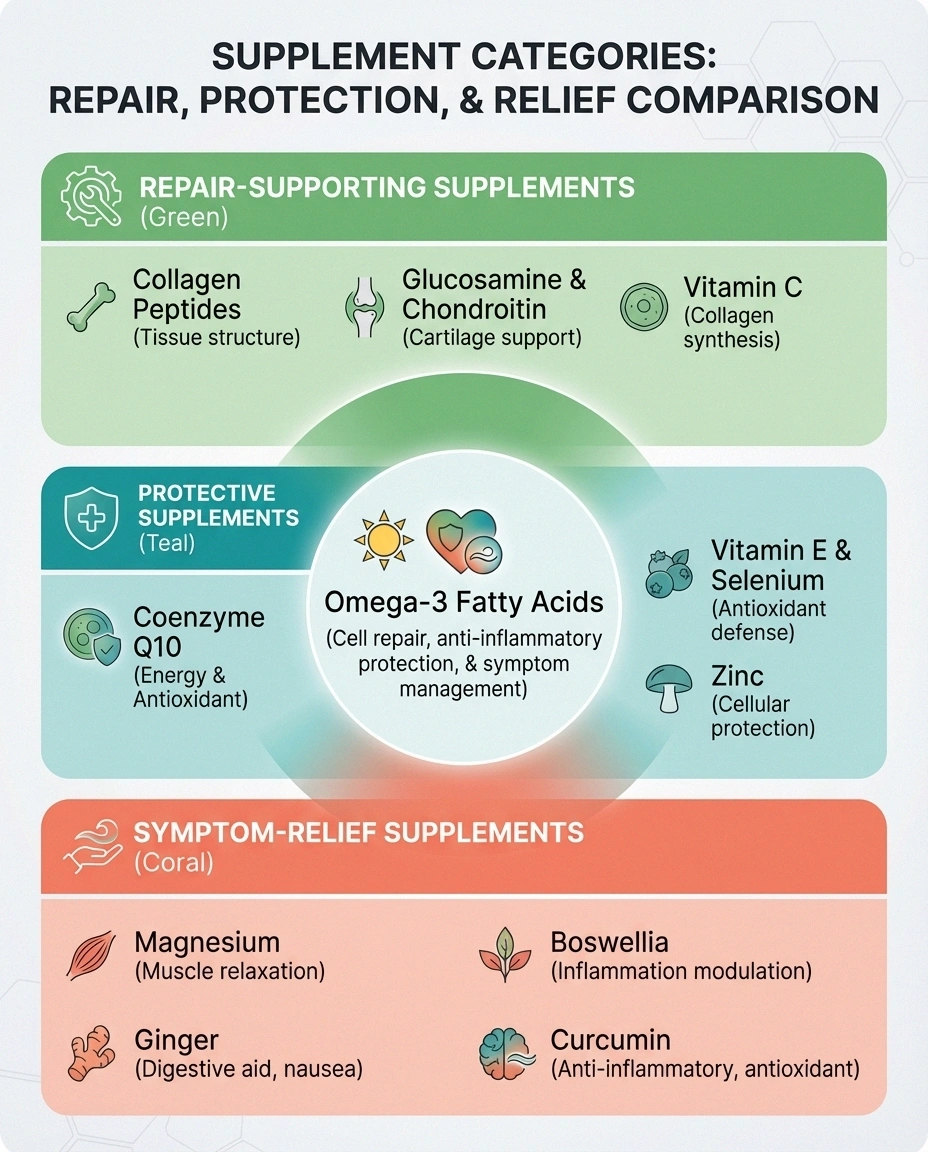
Key: ALA, B12, ALC, Curcumin
Key: ALA, Omega-3s, Melatonin, Vitamin D
Key: Capsaicin, Magnesium (cramps), Melatonin (sleep)
- Repair-supporting supplements: May promote axon regrowth, remyelination, or neurotrophic factor production
- Protective supplements: Help prevent further damage through antioxidant or anti-inflammatory action
- Symptom-relief supplements: Reduce pain and discomfort but don't directly repair nerves
Many of the best supplements fall into multiple categories. Alpha-lipoic acid, for example, is both protective (antioxidant) and repair-supporting (promotes nerve regeneration). The supplements below are organized by their primary contribution to nerve repair.
Top Supplements for Nerve Repair
1. Alpha-Lipoic Acid (ALA)
What it does for repair: ALA is both a powerful antioxidant and an active promoter of nerve regeneration. A comprehensive 2022 review in Cureus analyzing supplements for peripheral nerve injury recovery found that ALA increased the area of regenerating axon and myelin, improved nerve conduction velocity, and decreased oxidative stress in multiple animal studies. Remarkably, ALA was more effective than vitamin B12 at improving nerve function recovery scores in head-to-head comparisons.

How it works: ALA scavenges free radicals that damage nerve cells during the how supplements may support nerve repair process, regenerates other antioxidants (vitamins C and E), and serves as a cofactor for mitochondrial energy reactions — essentially giving your nerve cells the energy they need to rebuild.
Evidence level: Strong in animal models, moderate-to-strong in human clinical trials for diabetic neuropathy. Multiple trials have used 600-1,200 mg daily with positive outcomes.
For detailed research, dosing, and practical guidance, see our comprehensive guide on alpha-lipoic acid for neuropathy.
2. B Vitamins (B1, B6, B12)
What they do for repair: B vitamins are the foundational nutrients for nerve regeneration. A 2021 review published in Biomolecules specifically examined the role of neurotropic B vitamins in nerve regeneration and found that vitamins B1, B6, and B12 actively support the nerve repair process.
How each one contributes:
- Vitamin B12 (methylcobalamin): Essential for myelin synthesis — the insulating sheath your nerves need for proper signal conduction. Without adequate B12, your body literally cannot rebuild damaged myelin. B12 deficiency is one of the most common treatable causes of neuropathy, and correcting it through B12 injections can produce dramatic improvement in some people.
- Vitamin B1 (thiamine/benfotiamine): Supports nerve energy metabolism and reduces oxidative stress that impedes repair. Benfotiamine, a fat-soluble form, has shown particular promise in clinical studies for diabetic neuropathy at doses of 300-900 mg per day.
- Vitamin B6 (pyridoxine): Supports the protective covering on nerve endings. Critical warning: Do NOT exceed 100 mg daily — the established upper limit for adults. Excess B6 is itself a well-documented cause of neuropathy, an ironic risk that catches many people off guard.
Evidence level: Strong for deficiency correction, moderate for repair support in non-deficient individuals.
3. Acetyl-L-Carnitine (ALC)
What it does for repair: ALC is one of the most directly repair-focused supplements available. A 2019 review found that ALC may regenerate nerve fibers, improve nerve conduction, and reduce pain. It also helps protect the myelin sheath — the same protective coating that B12 supports.
How it works: ALC provides acetyl groups that nerve cells use for energy production and fatty acid metabolism — both critical for rebuilding nerve membranes. It also lowers pro-inflammatory molecules while boosting production of proteins that protect neurons. The Mayo Clinic has acknowledged its role in nerve cell health, noting that people with diabetic neuropathy who took ALC had less pain.
Evidence level: Moderate — multiple studies show benefits, but larger trials are needed. Our article on acetyl-L-carnitine and neuropathy covers the research in detail.
Typical dose: 500 mg twice daily (1,000 mg total). Some studies have used up to 2,400 mg daily.
4. Curcumin (Turmeric)
What it does for repair: Curcumin is emerging as a surprisingly powerful nerve repair compound. The same 2022 Cureus review found that curcumin improved axonal regeneration, myelination, and nerve fiber diameter in nine separate studies. It was one of the most studied supplements for nerve repair in their analysis.
How it works: Beyond its well-known anti-inflammatory effects, curcumin has been shown to stimulate the release of brain-derived neurotrophic factor (BDNF) — a protein that's essential for nerve growth and survival. It also reduces cell loss after nerve injury and improves motor and sensory nerve conduction velocity.
Evidence level: Strong in animal models, limited but promising in human studies. A 2021 human trial showed pain reduction in neuropathy patients.
Bioavailability matters: Standard curcumin is poorly absorbed. Look for formulations with piperine (black pepper extract), phospholipid complexes (Meriva), or nano-formulations. Read more in our guide on turmeric and neuropathy.
Typical dose: 500-1,000 mg curcumin extract daily (with enhanced absorption).
5. Melatonin
What it does for repair: Most people know melatonin as a sleep hormone, but it's also a potent antioxidant with specific neuroprotective properties. The 2022 Cureus review identified melatonin as one of the supplements showing “notable success” in improving recovery following peripheral nerve injury.

How it works: Melatonin protects nerve cells from oxidative damage during the vulnerable repair period, supports Schwann cell function (the cells responsible for remyelination), and has direct anti-inflammatory effects on nerve tissue. Its antioxidant capacity is actually more potent than many dedicated antioxidant supplements.
The bonus: Since poor sleep worsens neuropathy pain and impairs healing, melatonin's sleep-promoting effects provide an indirect but meaningful contribution to nerve repair. We explore this dual benefit in our article on melatonin and nerve pain.
Evidence level: Moderate — strong animal evidence, growing human evidence.
Typical dose: 3-10 mg taken before bedtime.
6. Omega-3 Fatty Acids (Fish Oil)
What they do for repair: Omega-3 fatty acids, particularly DHA, are structural components of nerve cell membranes. Your nerves literally need these fats to rebuild. A 2020 study showed fish oil improved recovery and reduced pain in people with neuropathy.
How they work: DHA provides building blocks for nerve cell membrane reconstruction, while EPA reduces the inflammatory environment that inhibits repair. Together, they both support structural repair and create conditions favorable for regeneration.
Evidence level: Moderate — broad anti-inflammatory evidence is strong, nerve-specific repair evidence is growing.
Typical dose: 1,000-3,000 mg combined EPA and DHA daily.
7. Vitamin D
What it does for repair: Vitamin D supports nerve growth factor production and immune modulation. Deficiency has been linked to increased neuropathy risk and slower nerve recovery.
How it works: Vitamin D receptors are present throughout the nervous system, and adequate levels support the production of neurotrophic factors that drive nerve repair. It also modulates the immune response, helping to prevent the autoimmune inflammation that can damage nerves. Get the full picture in our article on vitamin D and neuropathy.
Evidence level: Moderate for neuropathy specifically, strong for general nerve health.
Typical dose: 1,000-4,000 IU daily, adjusted based on blood test results.
The Food-First Foundation
Before you spend a fortune on supplements, consider that many nerve-repair nutrients are available through food — and food-sourced nutrients are often better absorbed than supplements. Here's what a nerve-repair-supporting diet looks like:

- Fatty fish (salmon, mackerel, sardines) — omega-3s and vitamin D
- Eggs and dairy — B12 and B vitamins
- Leafy greens (spinach, broccoli) — folate and trace ALA
- Turmeric in cooking — curcumin (though supplemental doses are hard to achieve through food alone)
- Nuts and seeds — magnesium, vitamin E, healthy fats
- Lean meats — B vitamins, carnitine, and zinc
- Tart cherries — natural melatonin source
Our neuropathy diet guide goes deeper into building a nerve-supportive eating plan. Supplements should fill gaps in your diet, not replace a foundation of good nutrition.
Building Your Nerve Repair Protocol
If you're working with your doctor to develop a supplement strategy for nerve repair, here's a practical framework based on the current evidence:
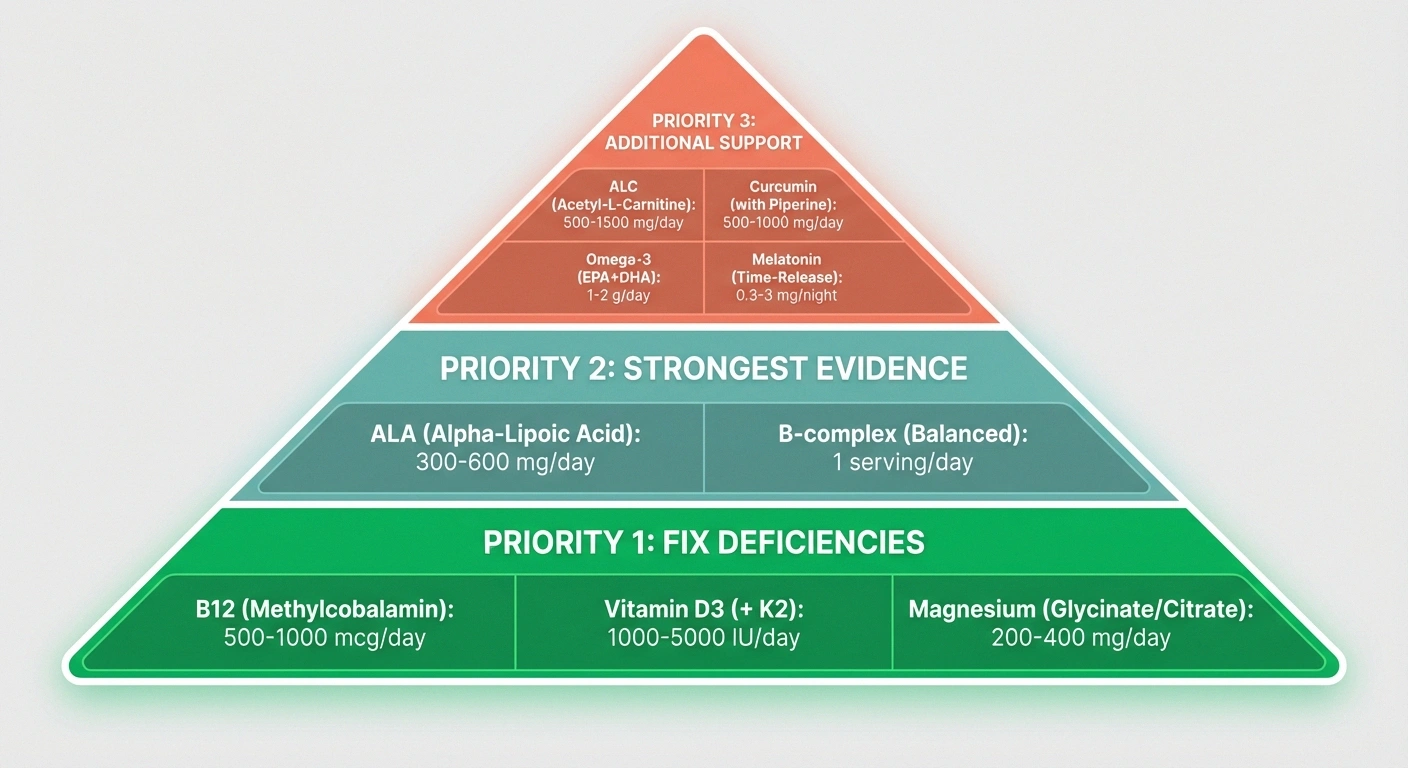
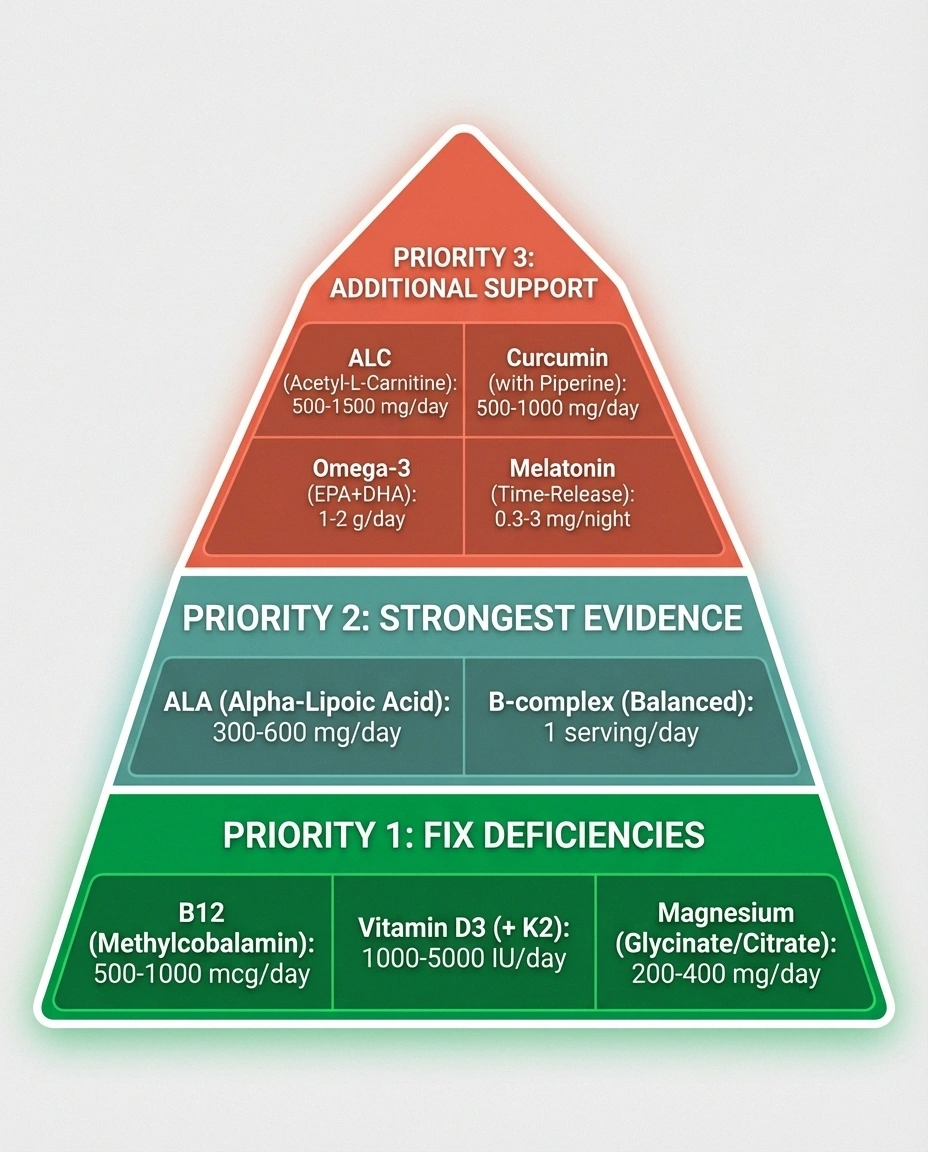
Priority 1: Fix deficiencies (get tested first)
- Vitamin B12 — especially if you're over 50, vegetarian/vegan, or taking metformin
- Vitamin D — especially if you have limited sun exposure
- Magnesium — deficiency is surprisingly common
Priority 2: Add the strongest repair evidence
- Alpha-lipoic acid (600 mg/day) — strongest combined repair and protection evidence
- B-complex with methylcobalamin B12 and benfotiamine
Priority 3: Consider additional support
- Acetyl-L-carnitine (1,000 mg/day) — direct nerve fiber regeneration support
- Curcumin with enhanced absorption (500-1,000 mg/day) — anti-inflammatory + BDNF support
- Omega-3 fish oil (2,000 mg EPA/DHA) — structural repair + anti-inflammatory
- Melatonin (3-5 mg at bedtime) — neuroprotection + sleep quality
Important: Don't start everything at once. Add one supplement at a time, give each 4-8 weeks, and track your symptoms. This way you'll know what's actually helping. And always — always — discuss your plan with your healthcare provider first. Some supplements interact with medications, and your doctor needs the complete picture.
For the complete overview of supplement options and our recommendations, see our hub article: best neuropathy supplements for nerve health.
Realistic Expectations: What Supplements Can and Can't Do
I want to be direct with you because you deserve honesty, not hype:
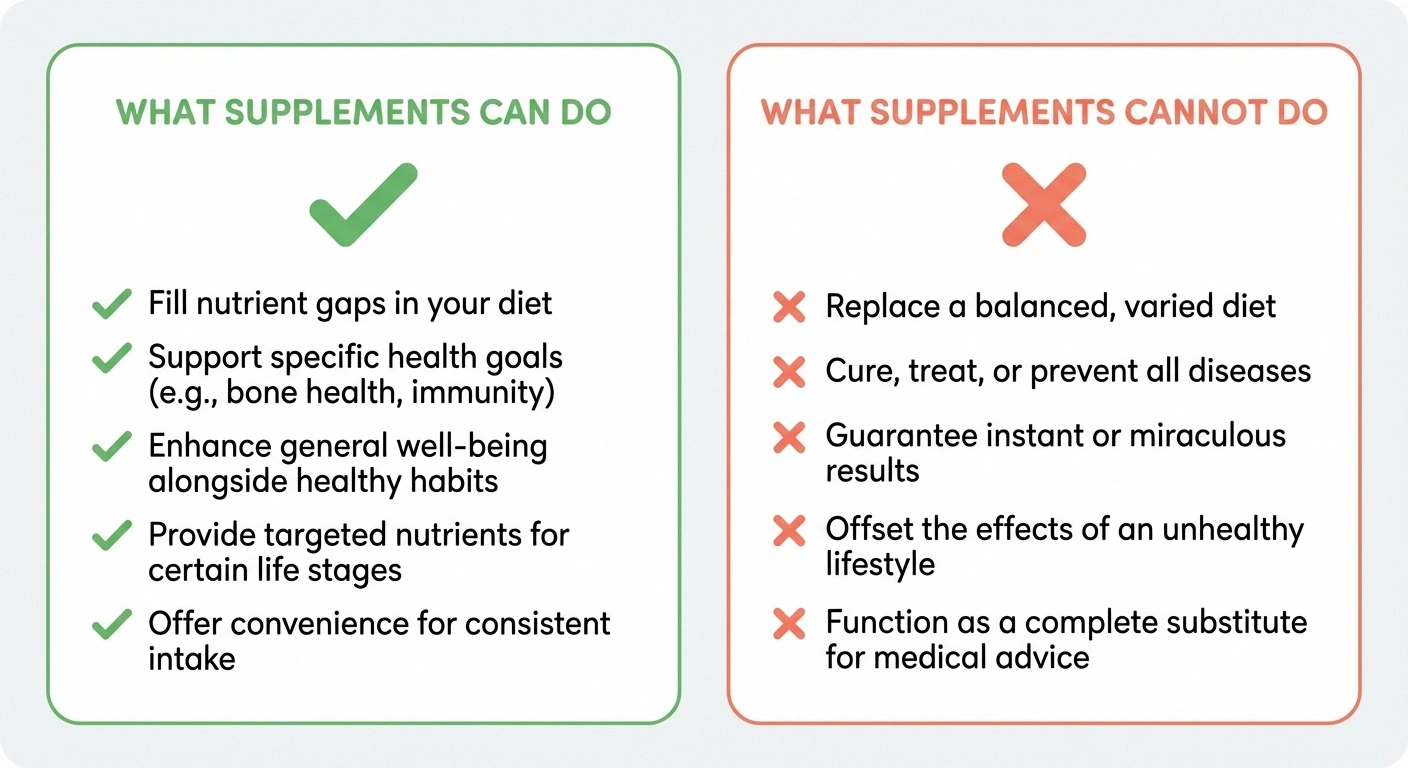
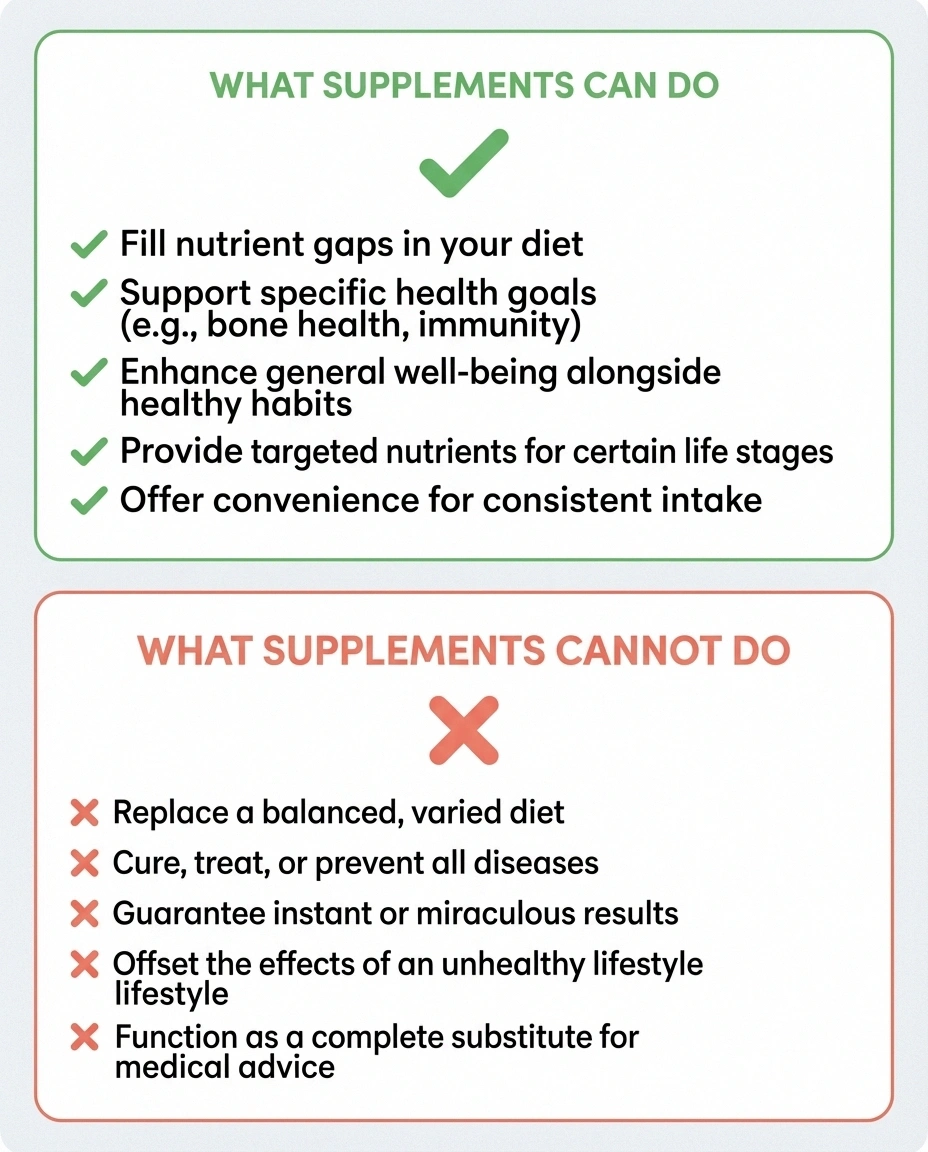
What supplements can potentially do:
- Create a more favorable environment for your body's natural repair processes
- Provide building blocks your nerves need to regenerate
- Reduce oxidative stress and inflammation that impede repair
- Correct nutritional deficiencies that are actively causing nerve damage
- Provide modest, gradual improvements over weeks to months
What supplements cannot do:
- Reverse severe or long-standing nerve damage overnight
- Replace medical treatment for the underlying cause of your neuropathy
- Guarantee recovery — individual responses vary significantly
- Overcome ongoing nerve damage from an unaddressed cause (like uncontrolled blood sugar)
The 2022 Cureus review summarized it well: while animal studies show “ample evidence” that supplements may improve nerve recovery, “similar evidence in human patients is limited.” The research is promising, but we're still building the evidence base. That's worth knowing as you make decisions.
If you're early in your neuropathy journey, our article on realistic timelines for nerve recovery provides additional context on what improvement looks like.
Supplements to Approach with Caution
A few important warnings:
☐ No “cure” claims on the label
☐ Doses match research levels (not underdosed combo formulas)
☐ Doctor is aware of all supplements you take
☐ Checked for interactions with current medications
☐ Starting one at a time (not all at once)
☐ Plan to evaluate after 4-8 weeks of consistent use
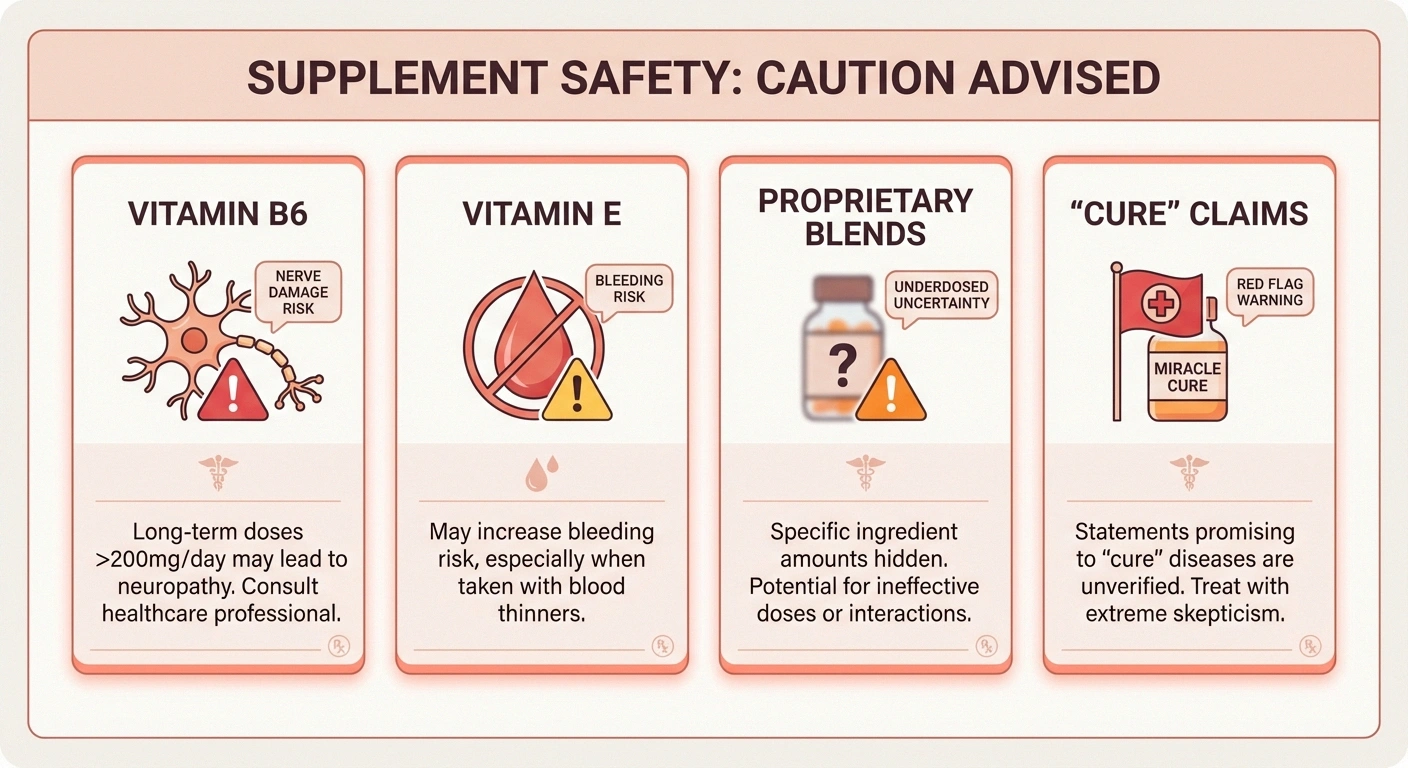
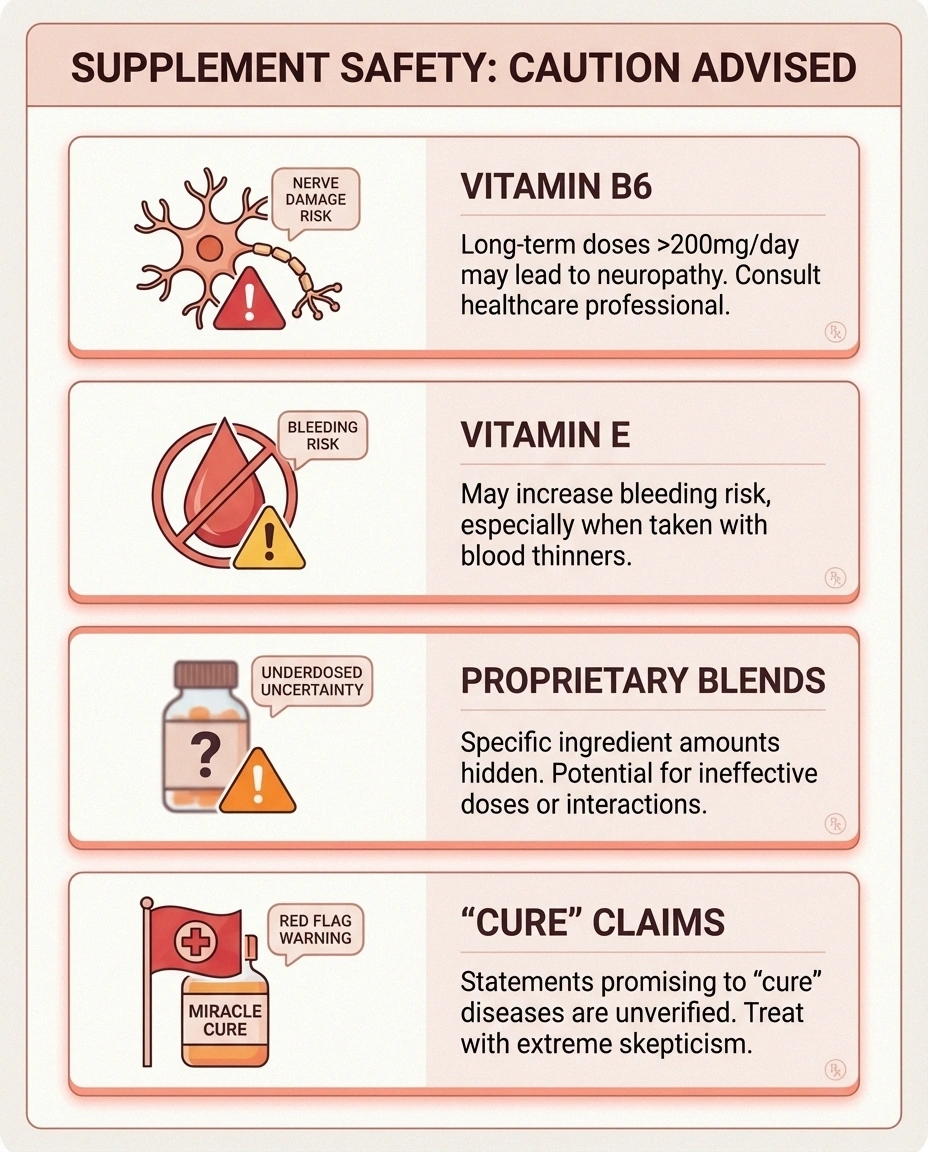
- Vitamin B6 above 100 mg/day — past the adult upper limit, which is set precisely because excess B6 can damage sensory nerves. This is the single most important safety message in nerve supplementation.
- Vitamin E in high doses — may increase bleeding risk and hasn't shown consistent benefits for nerve repair.
- “Proprietary nerve formulas” — often contain multiple ingredients at sub-therapeutic doses. Check the label against the research-backed doses listed above. If the amounts don't match, you're paying for marketing.
- Any supplement marketed as a “cure” — no supplement cures neuropathy. Be skeptical of dramatic claims.
Frequently Asked Questions
What is the best supplement for nerve repair?
Based on current research, alpha-lipoic acid has the strongest combined evidence for both nerve repair support and neuroprotection. It has shown benefits in animal nerve repair studies and in human clinical trials for diabetic neuropathy. However, if you have a B12 deficiency, correcting that deficiency should be your first priority, as B12 is essential for myelin production and nerve function.
How long does it take for supplements to help repair nerves?
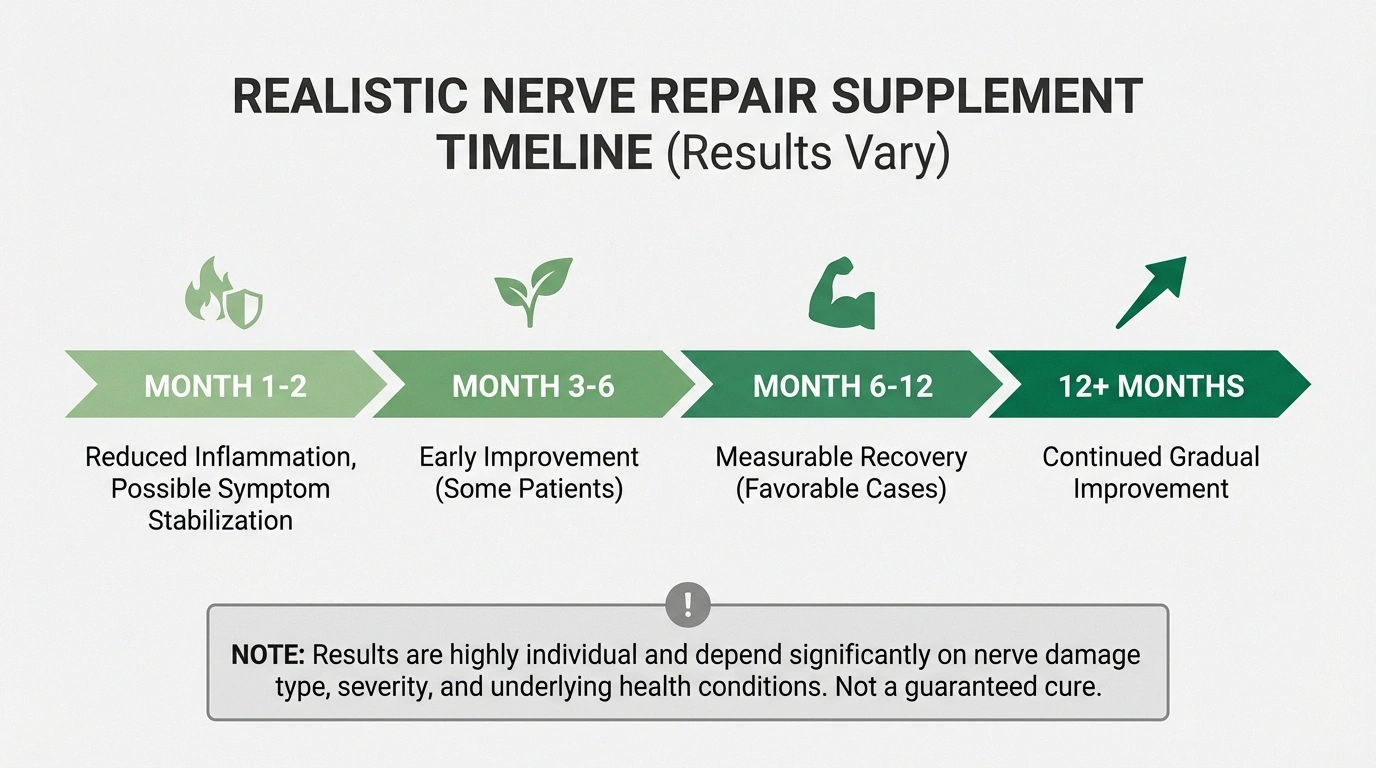
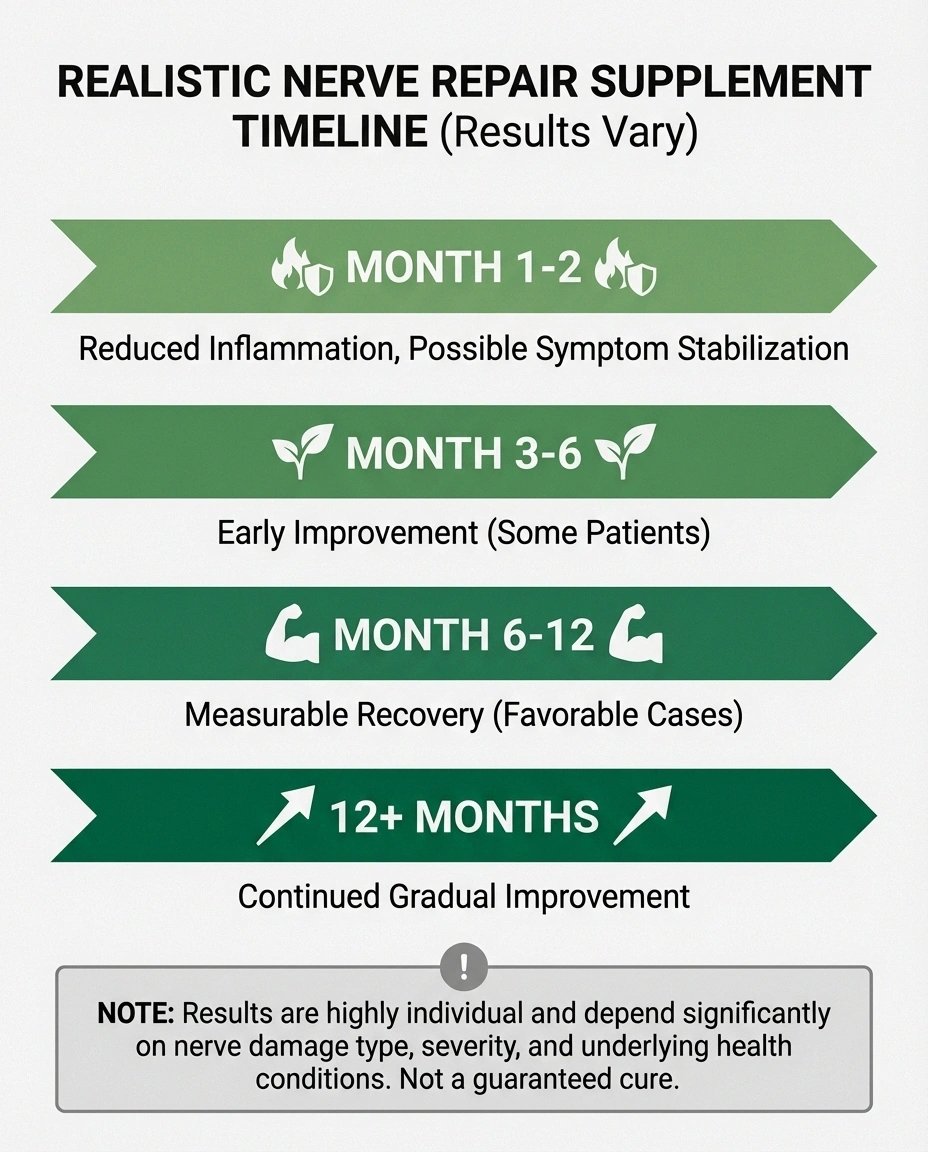
Nerve repair is inherently slow. Peripheral nerve fibers regenerate at approximately 1 to 2 millimeters per day. Most people need 4 to 8 weeks of consistent supplementation before noticing any changes, and meaningful improvements in nerve function often take 3 to 6 months or longer. Supplements support the repair process but cannot speed up the biological rate of nerve regeneration.
Can supplements repair nerve damage from diabetes?
Supplements may support nerve repair in diabetic neuropathy, but blood sugar management remains the most critical factor. Without adequate glucose control, ongoing damage will outpace any repair the supplements support. Alpha-lipoic acid has the most specific research for diabetic neuropathy, and ensuring adequate B12 is important since metformin can deplete it. Work with your doctor on a comprehensive approach.
Is there a difference between nerve repair supplements and nerve pain supplements?
Yes, and this distinction matters. Some supplements primarily target pain relief without directly supporting nerve regeneration, while others may promote actual structural repair. For example, alpha-lipoic acid and acetyl-L-carnitine have evidence for promoting nerve fiber regeneration, whereas something like capsaicin cream only manages pain symptoms. The best approach often combines both types.
Should I take methylcobalamin or cyanocobalamin B12?
Methylcobalamin is generally preferred for nerve repair because it is the biologically active form of B12 that the body can use directly for nerve function. Cyanocobalamin must be converted by the body first. Some research suggests methylcobalamin may be particularly beneficial for nerve health. However, both forms are effective at correcting B12 deficiency, and your doctor can help determine the best form for your situation.
Can I take nerve repair supplements alongside my prescription neuropathy medication?
Many people safely combine supplements with prescription medications like gabapentin, pregabalin, or duloxetine. However, some supplements can interact with medications. For example, alpha-lipoic acid may enhance the blood sugar-lowering effects of diabetes medications. Fish oil and curcumin can interact with blood thinners. Always provide your doctor with a complete list of your supplements to check for potential interactions.
The Bottom Line
Nerve repair is real — it happens every day in your body, even when it feels like nothing is changing. The question isn't whether nerves can repair, but whether we can meaningfully support that process with supplementation. Based on the current evidence, the answer is a cautious but genuine yes.

The strongest evidence points to alpha-lipoic acid, B vitamins (especially B12), acetyl-L-carnitine, and curcumin as supplements that may support your body's natural nerve repair mechanisms. Melatonin, omega-3 fatty acids, and vitamin D round out a solid evidence-informed approach.
But supplements are just one piece of the puzzle. They work best when combined with addressing the root cause of your neuropathy, maintaining good nutrition through an anti-inflammatory diet, staying physically active with regular walking and appropriate physical therapy, and working closely with your healthcare team.
Your nerves are doing their best to heal. Give them the raw materials they need, protect them from further damage, and give them time. That's the essence of supplement-supported nerve repair — and it's a strategy worth pursuing.
This article reflects my experience as a patient advocate and support group leader. It is not medical advice. Always consult your healthcare provider before starting any new supplement, especially if you take prescription medications.
About the Author