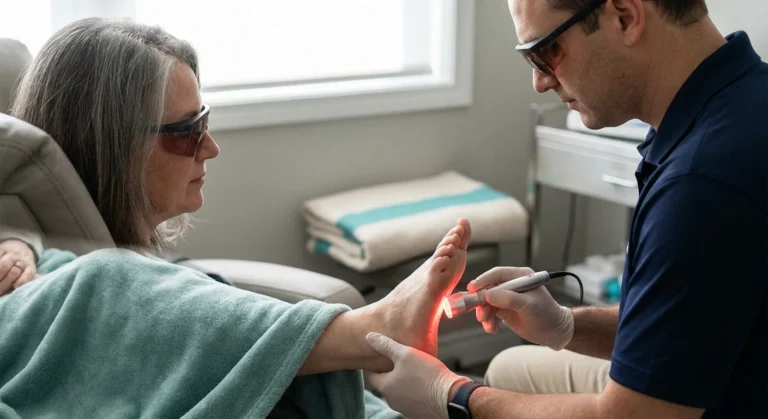
The first time someone in my support group brought up grounding, I admit I was skeptical. She'd bought a grounding mat for her bed — a thin gray sheet with a cord running to her wall outlet — and was convinced her nerve pain had quieted at night. Another member had been walking barefoot in her backyard every morning for fifteen minutes after reading a book about earthing. A third had spent over a hundred dollars on a grounded “patch” that stuck to the bottom of her foot.
I did what I usually do when something sounds like it could be either a real overlooked therapy or a clever sales pitch. I read. I went looking for the actual science. And what I found is that the picture is messier than either side wants to admit. There's just enough plausible biology to keep the door open. There's nowhere near enough rigorous research to call it proven for neuropathy. And there are real safety considerations that the enthusiasts often gloss over.
If you've been wondering whether grounding or earthing — those are the same thing, just different words — is worth your time and money, this article is going to give you the honest balance. We'll cover the proposed science, what limited research exists, the real safety risks for those of us with neuropathy in particular, and how to try it cautiously if you decide it's something you want to explore.
What Grounding (or Earthing) Actually Is
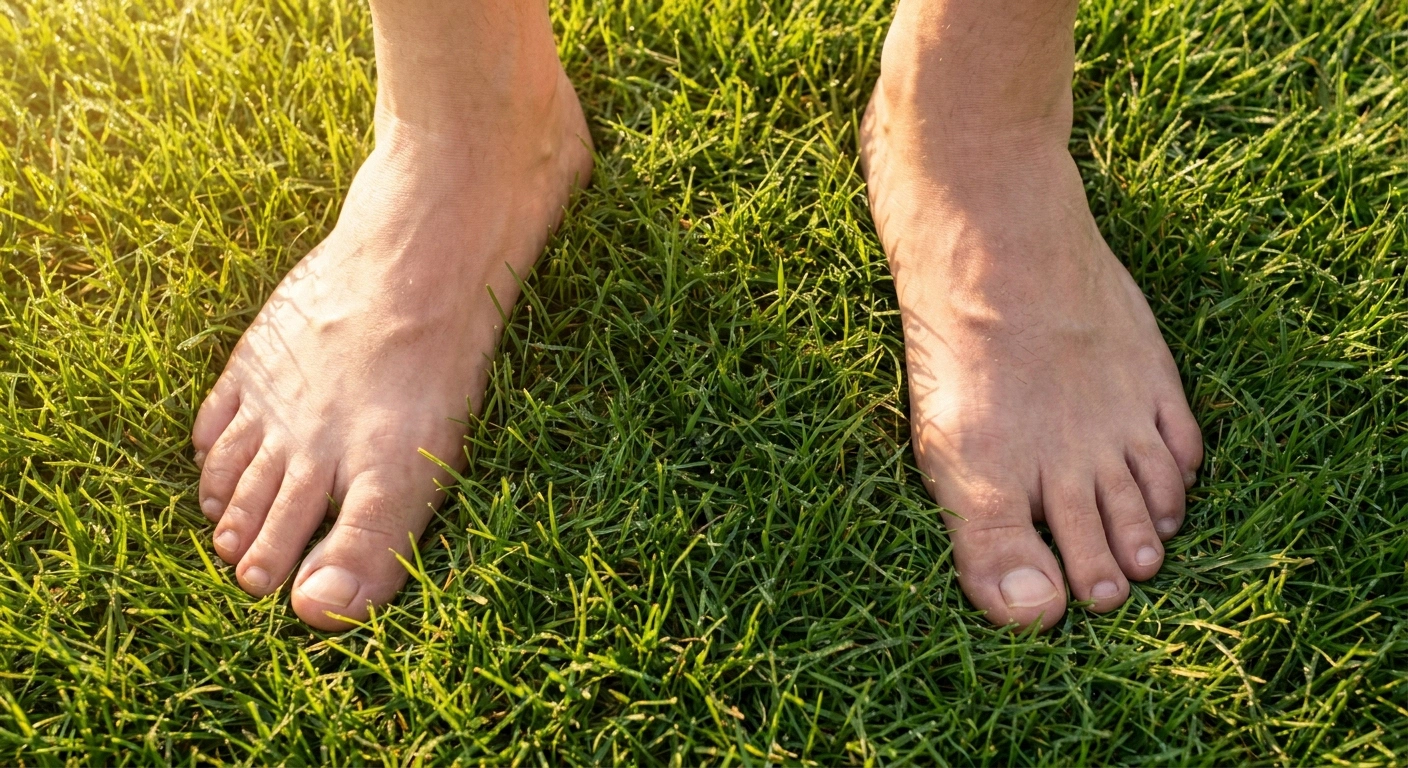
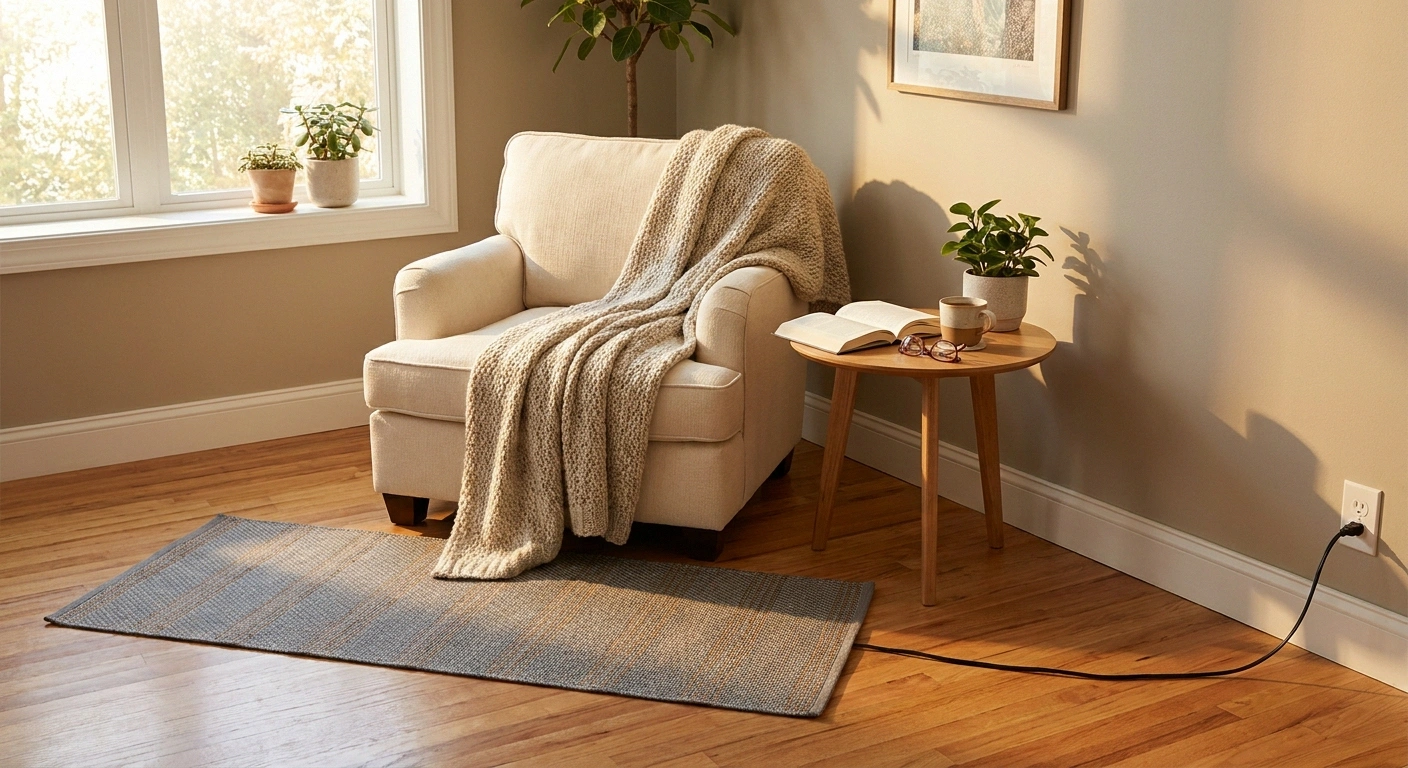
Grounding and earthing refer to the same practice: making direct skin contact with the surface of the Earth so that the body can, theoretically, exchange electrons with the ground. In its simplest form, it means walking barefoot on grass, sand, soil, or unsealed concrete. In its commercial form, it means using mats, bedsheets, or patches that connect via a cord to the grounding port of an electrical outlet (which is itself connected to a buried metal rod outside your home) or directly to a grounding rod stuck in the soil.
Grounding is biologically plausible but unproven for neuropathy
No published clinical trial has tested grounding specifically for peripheral neuropathy. Small studies on related outcomes — inflammation, pain, sleep — show modest benefits but have important methodological limitations. Treat grounding as a promising-but-unproven addition, not a replacement for medical treatment.
The idea behind both versions is that the Earth carries a slight negative electrical charge — a subtle pool of free electrons. Modern life, the theory goes, separates us from that charge. We wear rubber-soled shoes, walk on insulated synthetic flooring, sleep in beds raised off the ground in well-insulated houses. We are, in this framing, electrically isolated from the planet in a way our ancestors never were. Grounding seeks to restore that connection.
It's worth saying that the underlying biology — that the body has electrical activity, that electrons are involved in many physiological processes, that the Earth itself carries a charge — is real and uncontroversial. The question is whether reconnecting electrically to the Earth produces meaningful health effects, and that's where things get less settled.
The Proposed Mechanism (and Why It's Theoretically Relevant to Neuropathy)

The most cited mechanism for grounding's effects involves something called reactive oxygen species, or ROS. These are unstable molecules — sometimes called free radicals — that the body produces during normal metabolism and especially during inflammation. In moderation, they have important biological roles. In excess, they damage cells, including nerve cells.
The grounding hypothesis, articulated in a 2015 review published in the Journal of Inflammation Research, proposes that electrons absorbed from the Earth's surface can neutralize excess ROS in the body, much as antioxidants do. The authors argue this could dampen the chronic, low-grade inflammation that contributes to many modern illnesses.
For us, the relevant connection is that several common forms of neuropathy involve neuroinflammation as part of the damage process. Diabetic neuropathy, chemotherapy-induced peripheral neuropathy, and various autoimmune neuropathies all involve inflammatory pathways alongside whatever else is damaging the nerves. So if grounding really does reduce inflammation in some measurable way, the theoretical relevance to neuropathy is plausible.
I want to emphasize the word “theoretical.” Plausibility isn't proof. Many things look biologically reasonable on paper and don't pan out when tested rigorously. That's the gap we're working with here.
What the Research Actually Says

Let me be straight with you. There is no published clinical trial — none — that specifically tests grounding as a treatment for peripheral neuropathy. Anyone who tells you otherwise is either selling you something or quoting bad sources.
The state of grounding research
- ~20 small studies have explored grounding for various outcomes
- Most have fewer than 30 participants
- Many are funded directly or indirectly by grounding-product companies
- Few used rigorous blinding protocols
- A 2023 integrative review concluded that larger, better-designed trials are needed before grounding can be recommended clinically
What does exist is roughly twenty small studies that have looked at grounding for various health outcomes. They've reported:
- Reduced markers of inflammation, like C-reactive protein, in some participants
- Modest improvements in heart rate variability, a measure of nervous system regulation
- Lower self-reported pain, fatigue, depression, and stress after a week of nightly grounded sleep
- Faster reduction in muscle soreness after exercise
- Slightly improved blood viscosity (how easily blood flows) in some readings
These results sound encouraging, and on the surface they are. But the studies have important weaknesses. Most have small sample sizes — often fewer than thirty people. Many were funded directly or indirectly by grounding-product manufacturers, which doesn't automatically invalidate them but is a flag worth noting. Few were rigorously blinded, which matters because grounding has obvious aspects (sleeping on a different sheet, walking barefoot in nature) that produce powerful placebo effects on their own. And several have not been replicated by independent labs.
A 2023 integrative review of grounding research, while sympathetic to the practice, concluded that the field needs larger, better-designed trials before grounding can be recommended as a clinical treatment. That's a much weaker endorsement than the marketing pages for grounding products suggest.
So where does that leave us? Grounding has interesting, biologically plausible signals from small studies. It is not proven to treat any specific condition, and it is certainly not proven to treat neuropathy. It may help. It may not. Anyone who tells you it definitely will is going beyond the evidence.
The Safety Question Most Articles Skip
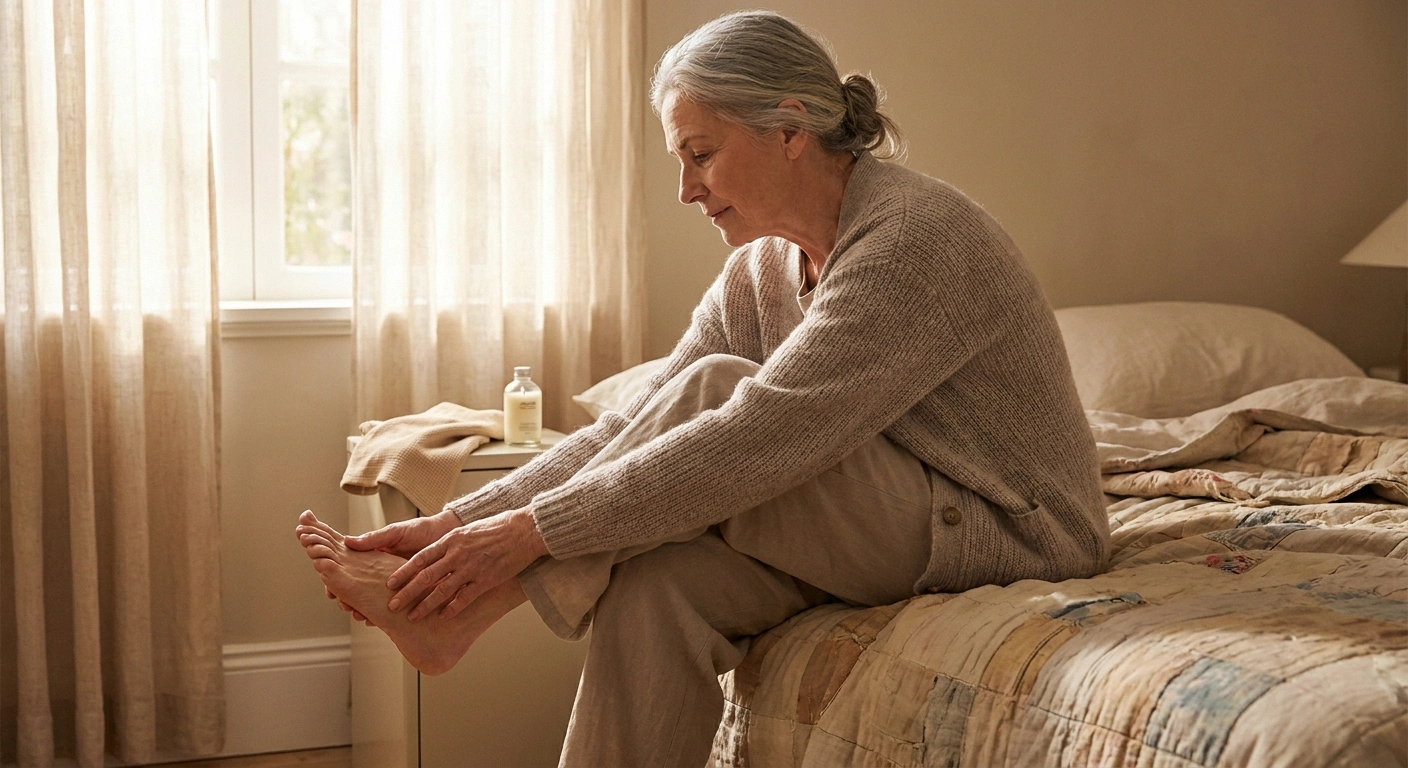
Most articles about grounding for neuropathy talk about the benefits and barely mention the risks. As someone with neuropathy, you cannot afford that omission, so let's be careful here.
Walking Barefoot Outdoors
If you have neuropathy with reduced foot sensation, walking barefoot is genuinely risky. You may not feel a small cut from a stone, a sliver of glass, a thorn, an insect bite, or contact with hot pavement. Diabetic patients in particular have a high risk of foot ulcers from unnoticed minor injuries, and those ulcers can become serious infections. The American Diabetes Association explicitly recommends against walking barefoot for people with diabetic neuropathy for exactly this reason.
If you have diabetic neuropathy, do not walk barefoot outdoors
The American Diabetes Association explicitly recommends against barefoot walking for people with diabetic neuropathy. Reduced sensation means you may not feel cuts, burns, thorns, or insect bites — and small unnoticed injuries can become serious infections.
Safer alternatives: seated outdoor grounding (rest bare feet on grass while sitting), grounded indoor mats and sheets verified by an electrician, or skip grounding entirely.
If your neuropathy has not significantly reduced foot sensation, the risk is lower but not zero. Inspect any area carefully before walking on it. Stick to known surfaces (your own grass, a familiar beach) rather than unknown territory. Always inspect your feet afterward — top, bottom, between toes — for any small injuries. Our guide to neuropathy foot care covers daily inspection in more depth.
Temperature Extremes
Hot pavement, sun-warmed sand, frozen ground, and cold morning grass can all cause skin damage that you might not feel until it's done. Stick to surfaces that are clearly within a comfortable temperature range. If your toes feel numb after even a few minutes of cold contact, stop.
Falls and Balance
Many of us with neuropathy already have balance issues from reduced foot sensation. Uneven ground, hidden roots, and slippery grass can cause falls. If you decide to try outdoor barefoot grounding, choose a flat, predictable surface and consider doing it while seated (just resting your feet on the grass) rather than walking.
Indoor Grounding Products
Mats, sheets, and patches that connect to your wall outlet's grounding port are generally low-risk when made by reputable companies. The grounding port carries no actual current under normal conditions; it's a safety pathway in case of electrical fault. However, if your home's electrical wiring is old, miswired, or improperly grounded, an indoor grounding product can in theory connect you to a fault path. Have an electrician verify your outlets are properly grounded before plugging anything into the ground port for skin contact. If you have any implanted electrical device — pacemaker, deep brain stimulator, spinal cord stimulator — check with your cardiologist or neurologist before using grounding products.
Where Grounding Sits in the Bigger Picture
Even if grounding does turn out to have modest benefits, it's important to understand what it isn't. It is not a replacement for medical treatment of neuropathy. It does not reverse nerve damage. It will not undo years of high blood sugar, treat the underlying cause of an autoimmune neuropathy, or substitute for the medications that have actually been shown in good trials to reduce neuropathic pain.
Grounding Methods at a Glance
What it might be — and I'm being deliberately careful with the word “might” — is a low-cost, low-risk addition to a broader management plan. The same way gentle yoga or a nerve-friendly diet isn't a cure but might contribute to overall wellbeing, grounding sits in the category of “lifestyle additions that probably aren't doing harm and might help with sleep, stress, and inflammation in some people.”
That's not a ringing endorsement. It's also not a dismissal. It's where the evidence honestly leaves us right now.
How to Try Grounding Cautiously, If You Want To
If you've read this far and want to give grounding a fair trial, here's how I'd go about it carefully.
A Cautious 4-Week Grounding Trial
Don't stop any current treatments while running this trial.
Start With Free, Indoor, and Seated
The simplest experiment costs nothing. Find a quiet patch of grass in your own backyard. On a warm, dry, mild day, sit in a chair and rest your bare feet on the grass for 20 to 30 minutes. Inspect your feet carefully before and after. Note how you feel during and a few hours later — pain levels, mood, sleep that night.
If you want to do this regularly, a small grounding rod stuck into the soil with a wire running to a chair-side grounding pad is a low-cost middle ground that bypasses indoor electrical concerns.
If You Buy a Mat or Sheet
Pick a reputable brand that publishes specifications and has actual safety certifications, not just testimonial-heavy marketing. Have an electrician verify your home's outlet grounding before you start. Begin with brief sessions — an hour or two at first — rather than committing to sleeping on a grounded sheet immediately. Pay attention to anything unusual in how you feel.
Track Honestly
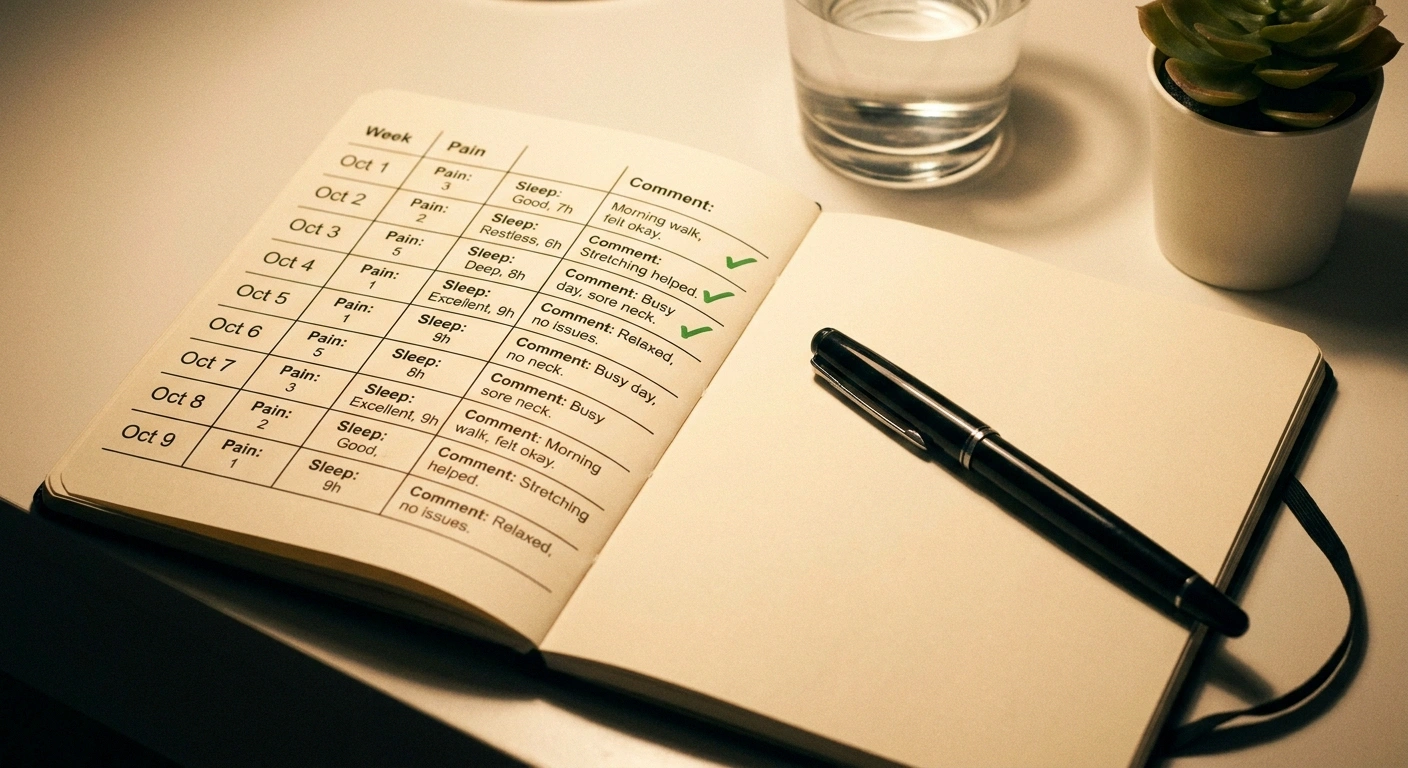
This is the most important part. Without tracking, you'll fall victim to confirmation bias — remembering the good days and forgetting the rest. Keep a simple symptom diary for at least four weeks. Rate your pain on a 0-10 scale daily, note your sleep quality, and write down anything else that changes. After a month, look back at the data, not your memory.
If grounding is helping, you'll see it. If it isn't, you'll see that too — and you'll have your answer without spending another dollar or another month wondering.
Don't Stop Anything Else
This is a non-negotiable. Whatever medications, supplements, or therapies you're using for your neuropathy, keep doing them. Grounding is a possible addition, never a substitute. The risk of stopping a working medication based on a hopeful but unproven alternative isn't worth it. Have any changes in your treatment plan be made with your prescribing doctor.
Honest Talk About Placebo
One of the things I had to wrestle with in writing this is that grounding could be entirely a placebo effect — and that's not necessarily a reason to dismiss it.
Placebo Is Real — and That's Not a Dismissal
Placebo effects in pain are genuine neurological phenomena — not “all in your head” in a dismissive sense.
Placebo effects in chronic pain are real and substantial. Studies of pain treatments routinely show that the placebo group improves by 20-30%. The brain is genuinely involved in producing pain signals, and interventions that change a person's sense of agency, hope, and bodily attention can change pain perception measurably. That's not “all in your head” in a dismissive sense; it's a real neurological effect.
If grounding works partly through placebo — through the calm of barefoot time outdoors, the sense of connection to nature, the daily ritual of putting your feet on the ground — does that make it worthless? I don't think so. It just means the active ingredient might be something other than electron transfer. That's still useful information, and it points to other things you could try (mindful walking, time in nature, ritual self-care) that might give similar benefits without buying special equipment.
What I'd Tell a Friend

If a friend in our support group asked me whether to try grounding, here's what I'd say.
Worth a careful trial for some — never a replacement
If you have intact foot sensation and a safe surface, a 4-week tracked trial is reasonable. If you have diabetic neuropathy with sensation loss, indoor grounding only. Either way, don't expect a miracle, don't stop your treatments, and let your honest tracking decide.
If you don't have significant foot sensation loss, no foot ulcers, no diabetic complications, and you have a safe patch of grass — yes, give barefoot earthing a fair four-week trial. It's free, the safety risk is manageable with care, and it gets you outside, which has its own benefits.
If you have diabetic neuropathy with reduced sensation, foot ulcers, or any history of foot infections, please don't walk barefoot outdoors. The downside risk is too significant. Indoor grounding mats are an alternative if you want to experiment, but verify your home's electrical grounding first.
Either way, set realistic expectations. Don't expect a miracle. Don't stop your regular treatments. Track honestly, and decide based on what you see, not on what the marketing promised.
And whatever you decide, the underlying truth is the same: small lifestyle additions, done consistently, can sometimes add up to a meaningful difference in how you feel. Whether grounding is one of those for you, only your honest tracking will tell.
Frequently Asked Questions
Does grounding really help neuropathy?
There is no published clinical trial that has tested grounding specifically as a treatment for peripheral neuropathy. Small studies on grounding for other outcomes — inflammation, pain, sleep, stress — have shown modest benefits, but the studies have weaknesses that make strong conclusions difficult. It's biologically plausible but not proven for neuropathy.
Is it safe to walk barefoot with neuropathy?
It depends on how much sensation you have lost. People with significantly reduced foot sensation, especially those with diabetic neuropathy, are at real risk of unnoticed cuts, burns, and infections, which can lead to serious complications. The American Diabetes Association advises against walking barefoot for people with diabetic neuropathy. If you have minimal sensation loss, walking barefoot on familiar safe surfaces with careful inspection of your feet afterward is lower risk but not risk-free.
How long should I ground each day?
Studies that reported benefits typically used grounding sessions of 30 to 40 minutes daily, or longer durations during sleep with grounded bedding. There's no established minimum effective dose. If you're trying it, starting with 20 to 30 minutes daily is a reasonable test period.
Do grounding mats actually work?
Some users report significant benefits, particularly improved sleep and reduced pain. The published research on grounding mats specifically is limited and largely from small, sometimes industry-funded studies. Whether the benefits exceed placebo in well-designed trials remains an open question. Many people find them helpful; the science isn't settled.
Is grounding scientifically proven?
No. Grounding has biologically plausible mechanisms and some supportive small studies, but it has not been validated by the kind of large, well-designed, independently funded clinical trials that would establish it as a proven treatment. It sits in the category of “promising but unproven.”
Can grounding replace my neuropathy medication?
No. Grounding is not a substitute for any medical treatment of neuropathy. Whatever medications, supplements, or therapies you're using should continue. Grounding may be a low-cost addition to a broader plan, but treating it as a replacement for proven treatments could allow your neuropathy to progress untreated.
What's the difference between grounding and earthing?
They mean the same thing. “Earthing” is the term used more often in some books and product lines; “grounding” is the more common everyday term. Both refer to the practice of making direct electrical contact between the body and the surface of the Earth.
Does grounding interfere with pacemakers or other implanted electrical devices?
It can, in theory. If you have a pacemaker, deep brain stimulator, spinal cord stimulator, or any other implanted electrical device, talk to your cardiologist or neurologist before using grounding products. They can advise on whether grounding is safe in your specific case.
About the Author