
If you have diabetes-related arm neuropathyes, there's something your doctor may not have spent enough time talking to you about: what high nerve-friendly meals for diabetes is doing to your nerves.
I run support groups for people living with diabetic polyneuropathy is the most common type, and I'd estimate that at least half the people who walk through my door have diabetes. Many of them had no idea their tingling neuropathy in feet symptoms, their balance problems, or their digestive issues were connected to their foods that protect against diabetic nerve damage. They thought it was just aging. They thought it was “nothing.”
It's not nothing. burning feet from neuropathy vs other causes neuropathy affects up to 50% of people with diabetes over their lifetime, according to clinical trials for diabetic neuropathy treatments published in Diabetes Care (2017). That makes it the single most common cause of peripheral neuropathy in the developed world. And the frustrating part? Much of the damage is preventable — or at least slowable — if you know what to do early enough.
of people with diabetes will develop neuropathy over their lifetime — making it the #1 cause of peripheral neuropathy worldwide
Source: Diabetes Care, 2017
I've watched people in my groups go from barely feeling their feet to stabilizing their diabetic nerve damage can cause itching and getting back to activities they love. Not through miracle cures — through consistent, informed action. how sugar damages nerves management, the right diet, targeted omega-3s and diabetic nerve damage, and daily habits that protect remaining nerve function.
This article is everything I wish someone had handed us on day one.
Browse all our types and causes of neuropathy guides for more articles like this one.
What Is Diabetic Neuropathy?
Diabetic neuropathy is nerve damage caused by prolonged high blood sugar levels. It's not a single condition — it's a group of nerve disorders that can affect different parts of your body, from your feet and legs to your digestive system and heart.
The most common form affects the feet and legs first, then sometimes the hands. You might feel tingling, burning, numbness, or sharp stabbing pains. Or you might feel less than you used to — reduced sensation that makes it hard to notice a blister, a cut, or a pebble in your shoe.
What does diabetic neuropathy feel like in your feet?
Most people describe it as starting subtly. A pins-and-needles sensation in the toes that comes and goes. A vague feeling that your feet are “asleep.” Over time, it can progress to persistent burning, electric-shock sensations, or a deep aching that's worst at night. Some people eventually lose feeling altogether — which sounds like relief but is actually more dangerous, because you can injure your feet without knowing it.
If any of this sounds familiar, my symptom assessment can help you understand where you stand.
Why Does Diabetes Damage Nerves?
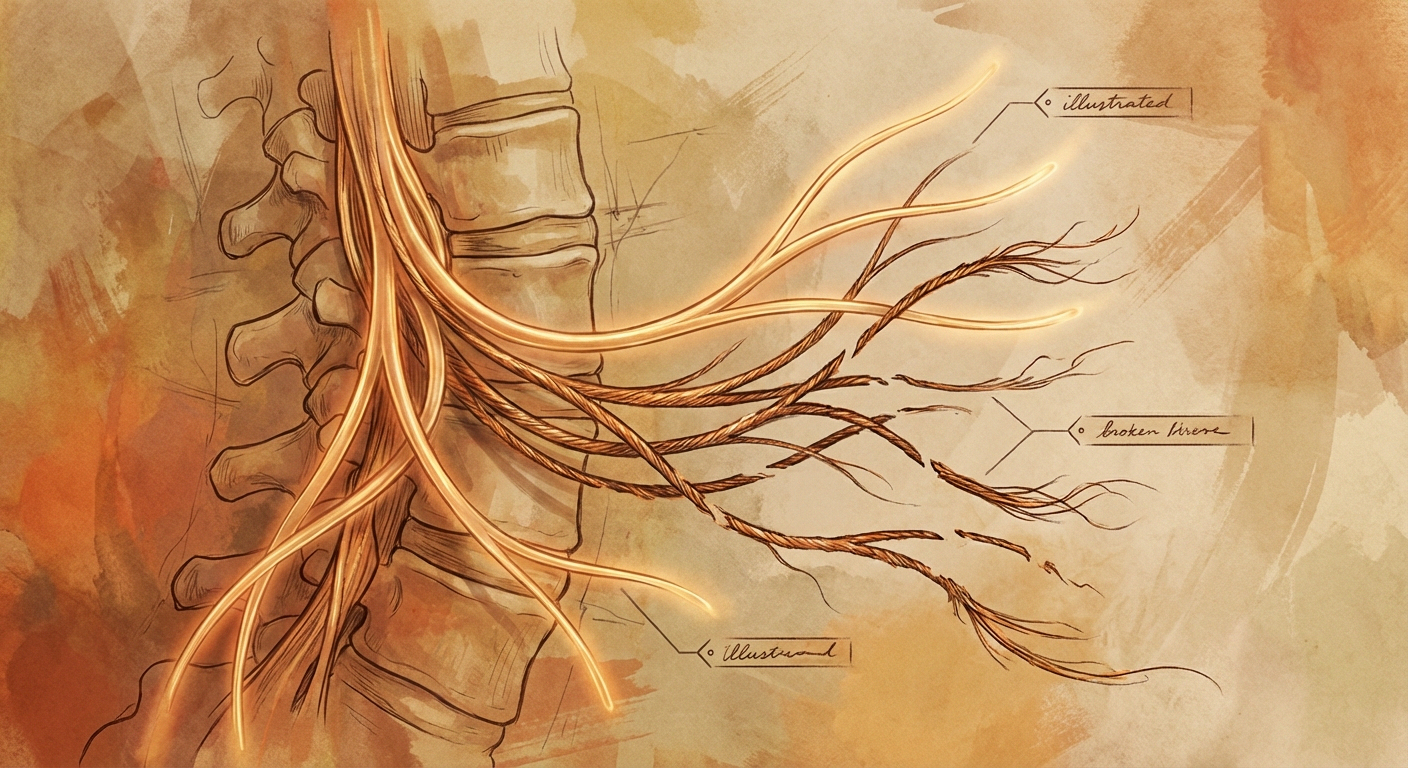
This is the question I get asked most often in my groups, and the answer is both straightforward and sobering.
When blood sugar stays elevated over time, it triggers a cascade of damage in your nerve cells:
- Direct toxicity. Excess glucose enters nerve cells and gets converted into sorbitol through a process called the polyol pathway. Sorbitol accumulates inside the nerve, causing swelling, disrupting function, and eventually killing the cell.
- Oxidative stress. High blood sugar dramatically increases the production of free radicals — unstable molecules that damage cell structures. Your nerves are especially vulnerable because they're long, thin, and metabolically active.
- Inflammation. Chronic high blood sugar activates inflammatory pathways that attack nerve tissue. This isn't the kind of inflammation you can feel — it's a slow, silent process happening at the cellular level.
- Blood vessel damage. The tiny blood vessels (vasa nervorum) that supply your nerves with oxygen and nutrients get damaged by high blood sugar too. When nerves can't get adequate blood flow, they starve and deteriorate.
At what blood sugar level does nerve damage occur?
This is one of the most important questions people ask, and the answer may surprise you. Research published in Neurology (2003) found that nerve damage can begin even in the prediabetic range — fasting blood sugar above 100 mg/dL and A1C levels above 5.7%. You don't need a full diabetes nerve conduction testing for diabetes for your nerves to be taking a hit.
The higher your blood sugar and the longer it stays elevated, the greater the damage. But there's no single “safe” threshold. This is why consistent blood sugar management matters so much — even small improvements make a difference.
Research Says
Nerve damage can begin in the prediabetic range — with fasting blood sugar above 100 mg/dL or A1C above 5.7% — before a diabetes diagnosis is even made. Research in Neurology (2003) confirmed this, and a 2012 Diabetes Care study found that blood sugar variability (frequent highs and lows) may be as damaging as sustained high levels. There is no safe threshold — steady control matters from the start.
proximal neuropathy is a rare diabetic type Diabetic Neuropathy
Not all diabetic neuropathy looks the same. There are four main types, and understanding which one (or ones) you're dealing with matters for amitriptyline for diabetic nerve pain. For some patients, peripheral nerve stimulation for diabetic nerve pain offers a more targeted approach.
🦶 Peripheral Neuropathy
Most common type. Affects feet and legs first, then sometimes hands and arms. Classic burning, tingling, and numbness. Often worst at night. See my article on stages of neuropathy for how it progresses.
⚙️ Autonomic Neuropathy
Affects nerves controlling internal organs. Can cause digestive problems (gastroparesis), bladder issues, blood pressure drops when standing, sweating changes, and sexual dysfunction from neuropathy. Often misattributed to other causes.
🦵 Proximal Neuropathy
Also called diabetic amyotrophy. Affects thighs, hips, and buttocks — usually one side. Causes severe pain and muscle weakness. Less common but debilitating. Usually develops rapidly.
🎯 Focal Neuropathy
Affects a single nerve — usually in the head, torso, or leg. Can cause sudden weakness, double vision, or facial numbness. Alarming but usually resolves on its own over weeks or months.
Most people with diabetic neuropathy have the peripheral type, but it's possible to have more than one type simultaneously.
Early Warning Signs Most People Miss

Here's what I've noticed: most people don't recognize diabetic neuropathy until it's well established. The early signs are easy to brush off.
Watch for these:
Early Warning Signs — Don't Brush These Off
Tingling or “buzzing” in your feet that comes and goes, especially at night
Feeling like you're wearing socks when you're barefoot
Increased sensitivity — bedsheets feel uncomfortable against your feet
Cuts or blisters on your feet that you didn't notice when they happened
Balance problems or feeling unsteady, especially in the dark
Foot cramps that are becoming more frequent
Temperature confusion — inability to tell if bathwater is too hot
Digestive changes — feeling full quickly, unexplained bloating, or erratic bowel habits
The tricky part is that these symptoms develop gradually. You adapt without realizing it. You stop walking as far because your balance feels off. You start wearing thicker socks because your feet are always cold. You don't connect it to diabetes until someone asks the right questions.
If you're experiencing any of these, don't wait. Bring it up with your doctor.
How Blood Sugar Control Protects Your Nerves
This is the single most important thing you can do to protect your nerves — and it's directly within your control.
The landmark Diabetes Control and Complications Trial (DCCT) proved that tight blood sugar control reduced the diabetes increases ulnar neuropathy risk of developing neuropathy by 60% in Type 1 diabetes. The UK Prospective Diabetes Study (UKPDS) found similar benefits for Type 2.
How do you stop diabetic neuropathy from getting worse?
The most effective way to slow or stop progression is to get your blood sugar into the best range you can and keep it there consistently. For most people with diabetes, that means:
- A1C below 7% (or whatever target your doctor sets for you)
- Fasting blood sugar between 80–130 mg/dL
- Avoiding large blood sugar spikes after meals (keeping post-meal glucose below 180 mg/dL)
Consistency matters more than perfection. Research in Diabetes Care (2012) showed that blood sugar variability — the swings between highs and lows — may be as damaging to nerves as sustained high blood sugar. Steady is better than perfect-then-terrible.
Key Takeaway
The DCCT trial showed that tight blood sugar control reduced neuropathy risk by 60% in Type 1 diabetes — and similar results were found in Type 2 by the UKPDS. Work with your doctor or endocrinologist on medication, monitor regularly, and take your medications as prescribed. These aren't exciting recommendations, but they're the ones that make the biggest difference.
Work with your doctor or endocrinologist on medication adjustments, monitor your blood sugar regularly, and take your medications as prescribed. These aren't exciting recommendations, but they're the ones that make the biggest difference.
The Best Diet for Diabetic Neuropathy

What you eat directly affects both your blood sugar and your nerve health. This is where you get to make an impact three times a day.
The core principles are simple:
- Minimize blood sugar spikes by reducing refined carbohydrates and sugar
- Increase anti-inflammatory foods like fatty fish, leafy greens, berries, and olive oil
- Ensure adequate nerve-supporting nutrients including B vitamin D deficiency and neuropathy risks, magnesium, and omega-3 fatty acids
I wrote a full guide on the best diet for neuropathy that goes deep on specific foods and includes a sample daily meal plan. If you haven't read it, it's worth your time.
The short version: eat like you're following a Mediterranean diet. More fish, vegetables, nuts, olive oil, and legumes. Less bread, pasta, sugar, and processed food. This eating pattern has been shown in multiple studies to improve both blood sugar control and nerve function.
One specific tip I always share in my groups: watch the carbs at breakfast. Most people eat their highest-carb meal in the morning (cereal, toast, juice, pastries), and that sets off a blood sugar rollercoaster for the rest of the day. A breakfast built around protein and healthy fats — eggs, avocado, nuts — keeps your blood sugar stable from the start.
Supplements That Help Diabetic Nerve Damage
Certain supplements have genuine evidence behind them for diabetic neuropathy specifically. These aren't replacements for blood sugar management, but they can provide additional nerve support.
Alpha lipoic acid (ALA) has the strongest evidence of any supplement for diabetic neuropathy. Multiple clinical trials, including the SYDNEY and NATHAN trials, have shown that 600mg daily can reduce pain, burning, and numbness. It works as a powerful antioxidant that specifically targets the oxidative stress caused by high blood sugar. I've written a detailed article on alpha lipoic acid for neuropathy if you want the full research breakdown.
Benfotiamine is a fat-soluble form of vitamin B1 (thiamine) that blocks several of the metabolic pathways through which high HbA1c blood test for diabetic neuropathy damages nerves. A study in Experimental and Clinical Endocrinology & Diabetes (2008) found significant symptom improvement at doses of 300–600mg daily.
Methylcobalamin (B12 supplementation for neuropathy) is critical because metformin — one of the most commonly prescribed diabetes medications — depletes B12 over time. A 2019 study in PLOS ONE found that up to 40% of metformin users are B12 deficient. If you're on metformin, get your B12 levels checked. Supplementing with the methylcobalamin form (not cyanocobalamin) is better absorbed and more effective for nerve support.
Acetyl-L-carnitine has been shown to improve nerve fiber regeneration and reduce pain in diabetic neuropathy at doses of 1,000–2,000mg daily.
Research Says
The SYDNEY and NATHAN clinical trials showed that Alpha Lipoic Acid at 600mg daily significantly reduced neuropathic pain, burning, and numbness in diabetic patients. A 2019 PLOS ONE study also found that up to 40% of metformin users are B12 deficient — meaning if you're on metformin, a simple blood test could reveal a treatable cause of your symptoms. For the complete supplement list with dosages, check my supplement guide.
What is the best treatment for diabetic nerve pain?
There's no single “best” treatment — it's usually a combination. Blood sugar control is the foundation. From there, supplements like alpha lipoic acid and benfotiamine address the underlying damage, while medications (gabapentin, pregabalin, duloxetine) can help manage the pain. Many people in my groups find the most relief when they stack several approaches together rather than relying on any one thing.
Daily Habits That Slow Progression

Beyond blood sugar and diet, there are daily practices that make a real difference in protecting your nerves long-term.
Move your body. Regular exercise improves circulation to your nerves, reduces blood sugar, and has been shown to stimulate nerve fiber regrowth. A 2012 study in Annals of Neurology found that people with prediabetes who exercised regularly actually regenerated nerve fibers in skin biopsies. Walking, swimming for diabetic neuropathy, and stationary cycling are all excellent options. I've put together specific exercises for neuropathy that are safe and effective, even if your balance isn't great.
Check your feet every single day. When you lose sensation, you lose your early warning system. Look at the tops, bottoms, and between your toes. Feel for hot spots, blisters, or cuts. Use a mirror if you can't see the bottoms easily. This five-minute habit prevents the foot ulcers and infections that lead to amputations.
Wear the right shoes. Shoes that are too tight, too loose, or lacking support can cause injuries you won't feel. Proper footwear is genuinely important for nerve protection — I've covered this in detail in my shoe guide for neuropathy.
Quit smoking. Smoking constricts the blood vessels that feed your nerves, accelerating damage. If you have diabetes and neuropathy, smoking is pouring gasoline on a fire. Talk to your doctor about cessation support.
Manage your sleep. Poor sleep increases insulin resistance, raises blood sugar, and amplifies pain perception. If neuropathy pain is disrupting your sleep, addressing that is a medical priority — not just a comfort issue.
Limit alcohol's effect on diabetic neuropathy. Alcohol is directly toxic to nerves and worsens blood sugar control. Even moderate drinking can accelerate damage.
When to See Your Doctor
Can diabetic neuropathy be reversed?
I'll be honest with you, because that's what I always try to do. Early-stage diabetic neuropathy — where there's nerve dysfunction but not yet permanent structural damage — can often be improved or even reversed with aggressive blood sugar control. A 2014 review in Current Diabetes Reports confirmed that achieving near-normal blood sugar can halt progression and sometimes restore nerve function.
But once nerves are significantly damaged or destroyed, full reversal becomes unlikely. The goal shifts to protecting remaining nerve function, managing symptoms, and preventing complications.
This is exactly why early detection matters so much.
See Your Doctor Right Away If You Notice
- New or worsening numbness, tingling, or burning in your feet or hands
- A cut, blister, or sore on your foot that isn't healing
- Sudden sharp pain in your thigh, hip, or buttock
- Digestive problems, bladder changes, or dizziness when standing
- Loss of balance or unexplained falls
- Any foot infection — redness, warmth, swelling, or discharge
Ask your doctor about: annual monofilament testing, nerve conduction studies, B12 levels (especially if on metformin), A1C testing every 3 months until at target, and referral to a podiatrist for regular foot care if you've lost sensation.
Don't wait for neuropathy to become unbearable before you take action. The earlier you intervene, the more nerve function you can preserve.
Living with diabetes is already a full-time job. Adding neuropathy to the mix can feel overwhelming. But here's what I've seen over and over: the people who take consistent, informed action — managing blood sugar, eating well, staying active, and checking their feet — keep their symptoms from running their lives.
You don't have to do everything at once. Start with blood sugar. Add one dietary change. Check your feet tonight. Build from there.
If you're not sure where your symptoms stand, take my symptom assessment to get a clearer picture.
Take care of yourself, Janet
Frequently Asked Questions
About the Author