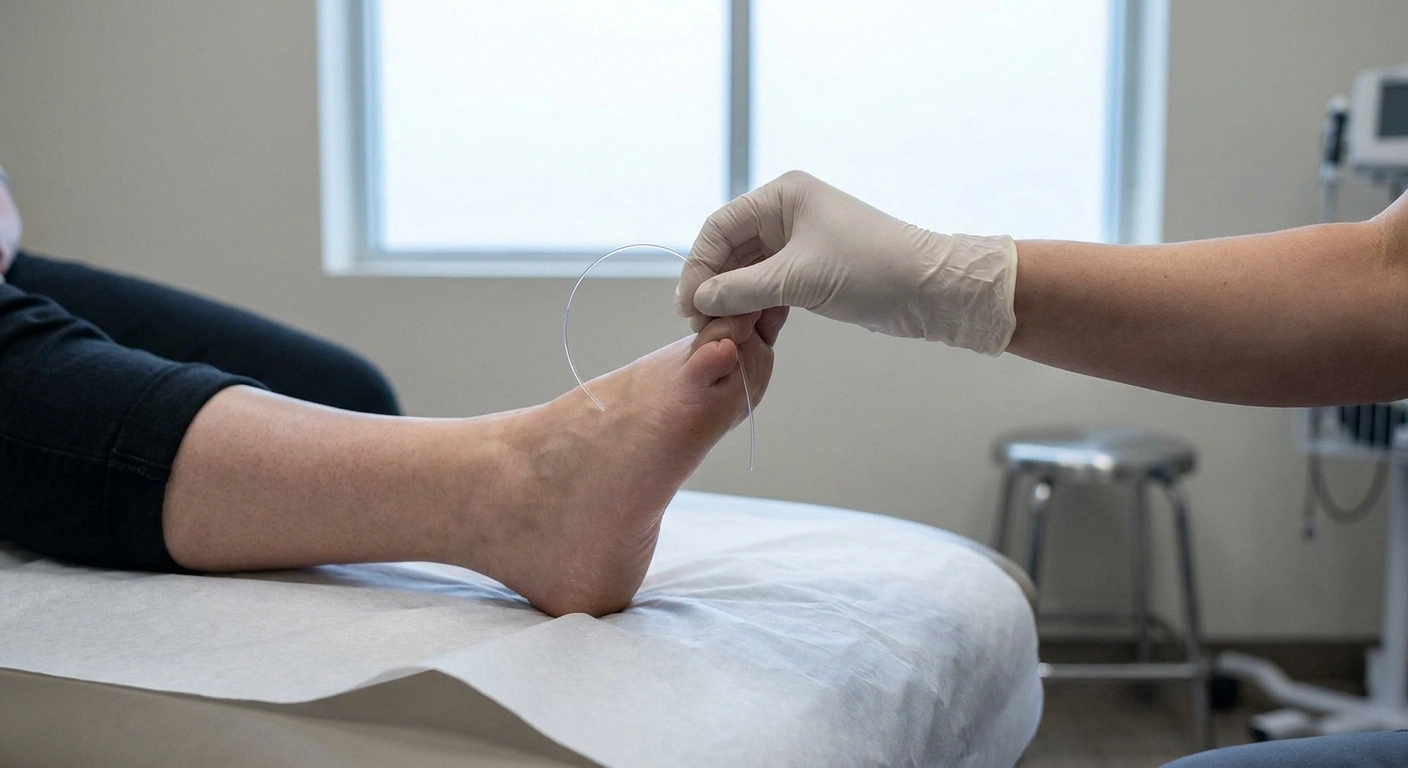
In two large US population studies, peripheral neuropathy showed up in 10.4 percent of middle-aged adults and in 26.8 percent of older adults. A second older cohort came in at 39.2 percent. That is measured neuropathy, found by testing feet with a monofilament, not people who had complained about their feet.
Which means most of the people who had it were walking around not knowing.
Nerve damage is unusually quiet in its early stages, and unusually good at being attributed to something else. Cold feet. Old shoes. Getting older. By the time symptoms are obvious enough to bring someone to an appointment, years of it have often already happened.
The useful move is to work out where you sit before your feet tell you. Most of the major risk factors are checkable with a blood test you can request, and several of them are things you can actually change. Below is a way to find out which ones apply to you, followed by a score and what to do at each level.
Risk Here Stacks Rather Than Switches On
The most common mistake people make with this list is reading it as a set of yes-or-no gates. One box ticked, you are at risk. No boxes ticked, you are fine.
Measured, not reported
Monofilament testing in two US cohorts. These people were tested, not asked whether their feet bothered them.
The jump between the first figure and the last is why age counts twice on the checklist.
That is not how it behaves. Nerve damage accumulates from several directions at once, and the directions are additive.
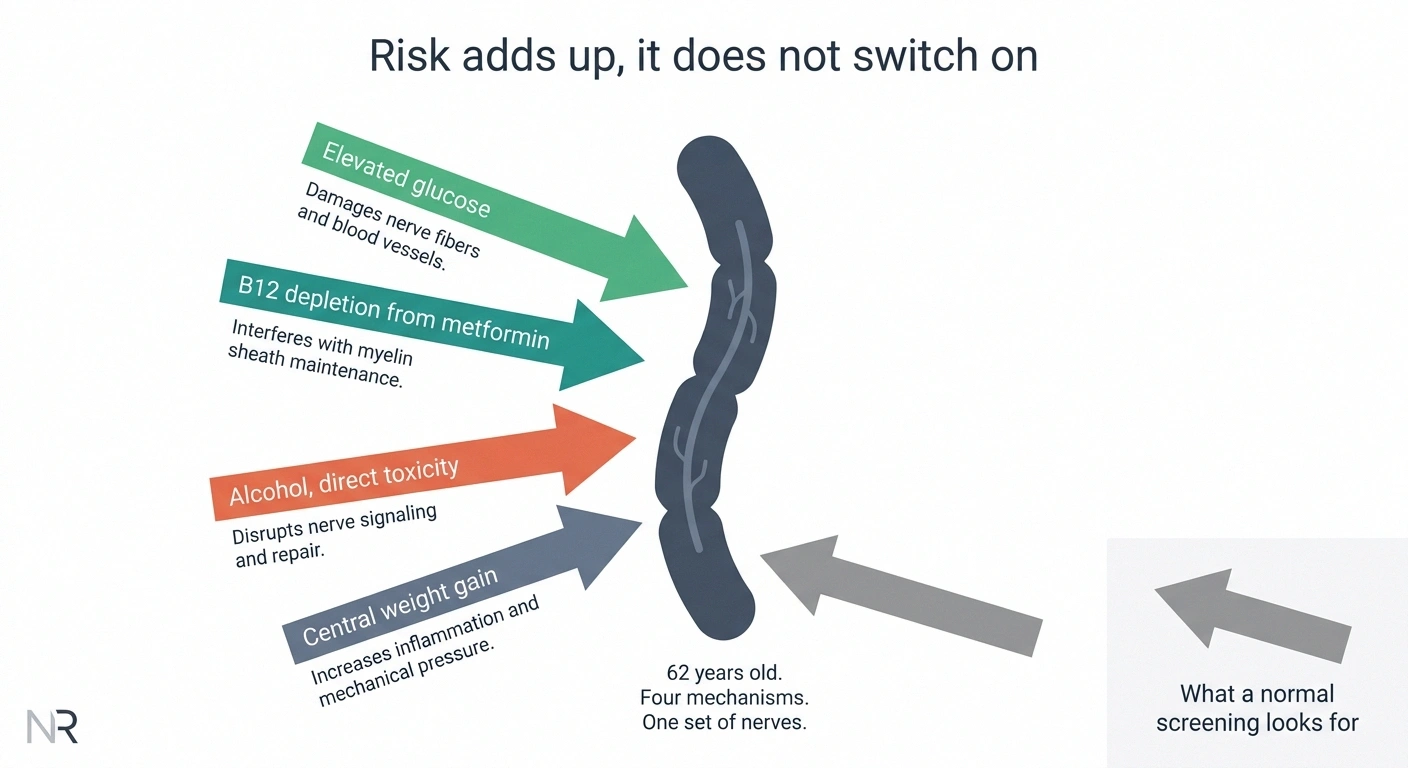
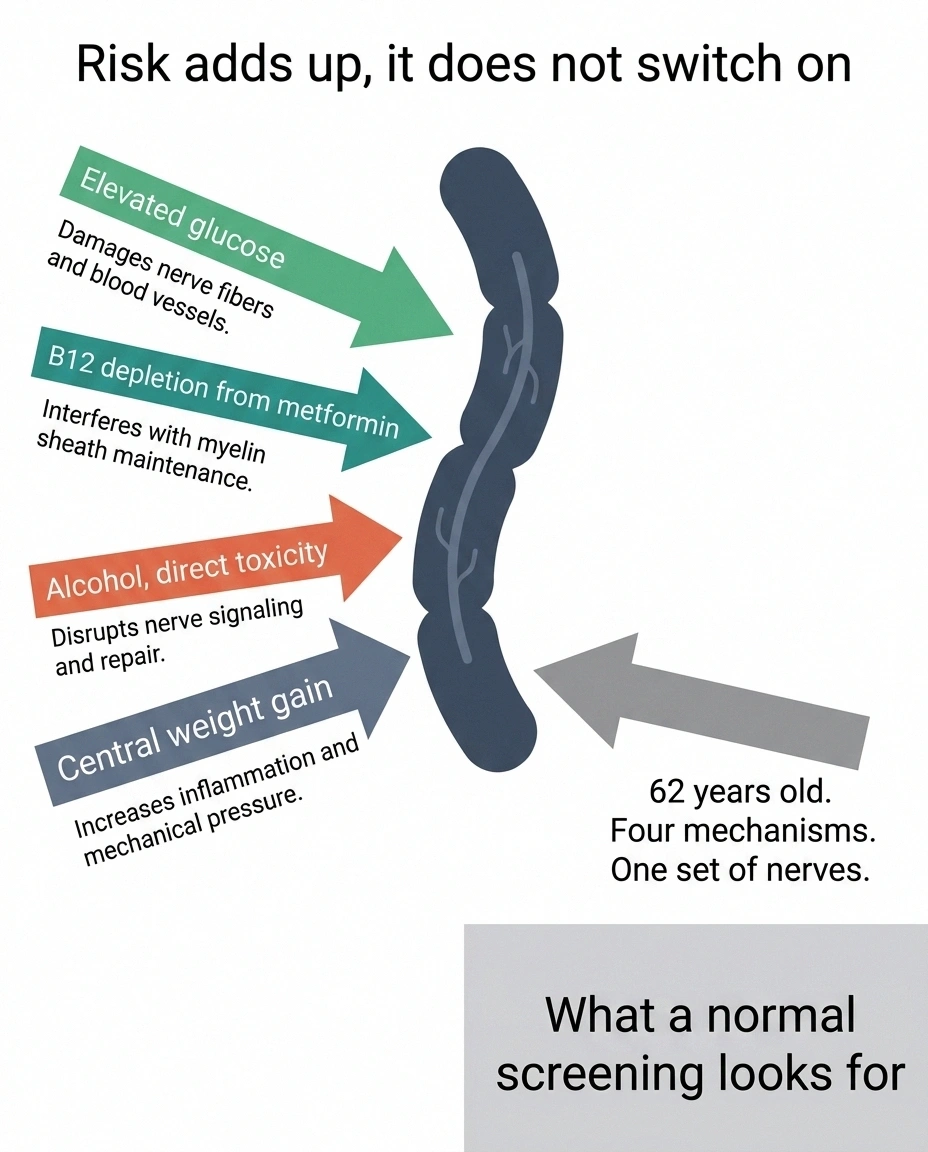
Consider a fairly ordinary situation. A 62-year-old with prediabetes, taking metformin, having two glasses of wine most evenings, carrying extra weight around the middle. No single item on that list would alarm anyone. Together they represent four separate mechanisms working on the same nerve fibers: elevated glucose, a drug that depletes vitamin B12 over years, a direct nerve toxin, and the metabolic profile that amplifies the first one.
Each of those is separately testable. Each is separately addressable. And a person in that position is often told their feet are fine because their fasting glucose came back under the diabetic threshold.
So read the sections below cumulatively. Count everything that applies, even the mild versions.
The Metabolic Block
This is the largest single contributor in high-income countries, and it starts earlier than most people expect.
One ordinary 62-year-old, four active mechanisms
| Prediabetes | Glucose-driven small vessel and nerve injury |
| Metformin, 6 years | Progressive B12 depletion |
| Two glasses of wine nightly | Direct nerve toxicity plus thiamine loss |
| Central weight gain | Amplifies the first mechanism |
Not one item here would alarm anyone on its own. All four are separately testable, and all four are working on the same nerve fibers.
Among newly diagnosed, treatment-naive people with type 2 diabetes, about 20 percent already have peripheral neuropathy at the moment of diagnosis. Nerve damage is not a late complication that arrives after years of poor control. It is frequently present on day one, because the metabolic problem long preceded the diagnosis.
More striking: about 12.3 percent of people with prediabetes have measurable peripheral neuropathy. Blood sugar that has never once crossed the diabetic line is still damaging nerves in roughly one in eight people.
Count each of these that applies to you:
- Diagnosed type 1 or type 2 diabetes, at any duration
- Prediabetes, impaired fasting glucose, or impaired glucose tolerance
- HbA1c above 5.7 percent, even without a diagnosis
- Body mass index in the obese range, or substantial abdominal weight
- High triglycerides or high total cholesterol
- High blood pressure, treated or untreated
- Protein in the urine (albuminuria) on any recent test
- Existing diabetic eye or kidney complications
That last item carries more weight than its position suggests. Retinopathy and nephropathy are damage to small blood vessels, and the small vessels feeding your peripheral nerves are subject to the same process. If a retinal exam has flagged changes, the nerves have been exposed to the same conditions.
Worth knowing: research on early nerve damage has found HbA1c, BMI, total cholesterol, albuminuria and hypertension all independently associated with it. This is not simply a blood sugar story. It is a whole metabolic profile, which is also why prevention efforts that only target glucose tend to underperform.
Nutrients Your Nerves Cannot Run Without

Deficiency-driven neuropathy is the category most worth finding, because correcting a deficiency is one of the few interventions that can genuinely halt and sometimes partly reverse the damage. Caught late, the losses become permanent.
The deficiencies established as causing nerve damage: vitamin B12, vitamin B6, vitamin B1 (thiamine), vitamin E, folate, copper, and phosphate.
Vitamin B12 deserves particular attention. In one hospital-based cross-sectional study, 48.2 percent of patients with diabetic peripheral neuropathy were B12 deficient. Nearly half. It is entirely possible for someone to carry a diabetic neuropathy diagnosis while a second, correctable cause sits underneath it untreated.
The American Diabetes Association’s Standards of Care flags B12 specifically in people on long-term metformin. The drug interferes with B12 absorption, the effect compounds over years, and the resulting neuropathy is easily mistaken for the diabetic neuropathy the person was already expected to develop. If you have taken metformin for more than a few years, this is a specific test to ask for by name.
Vitamin B6 is the strange one, because it causes neuropathy in both directions. Too little damages nerves. So does too much. B6 toxicity from supplements is a real and under-recognised cause, and people usually acquire it innocently, from a B-complex, an energy drink and a fortified cereal all contributing at once.
Count each that applies:
- Metformin for more than three years
- A proton pump inhibitor or other acid-reducing medication long term
- Vegan or strictly vegetarian diet without reliable B12 supplementation
- Previous gastric bypass, sleeve, or other bariatric surgery
- Crohn’s disease, coeliac disease, or another malabsorption condition
- Pernicious anaemia, or a family history of it
- Taking more than 50 mg of vitamin B6 daily from any combination of sources
- Age over 60 with no recent B12 test
Drugs and Exposures Worth Auditing
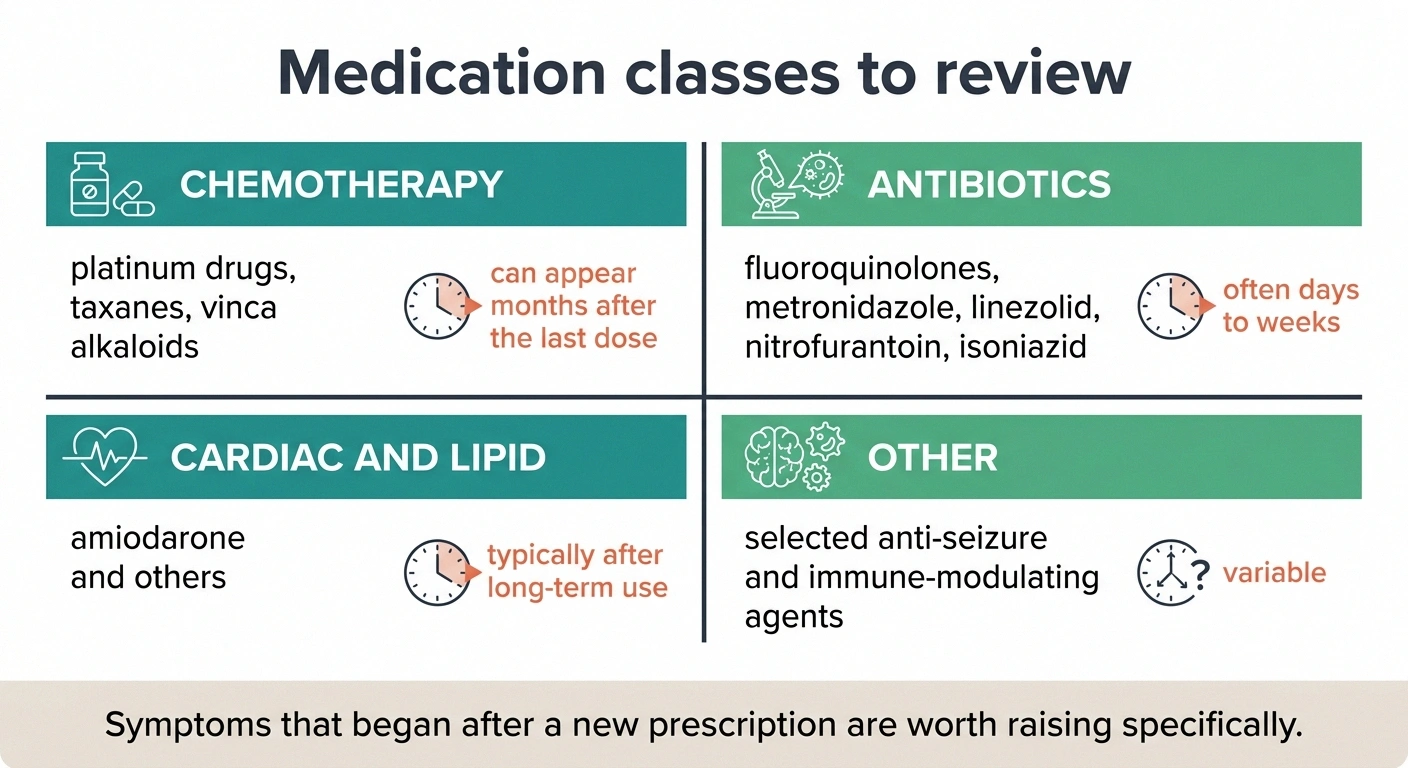
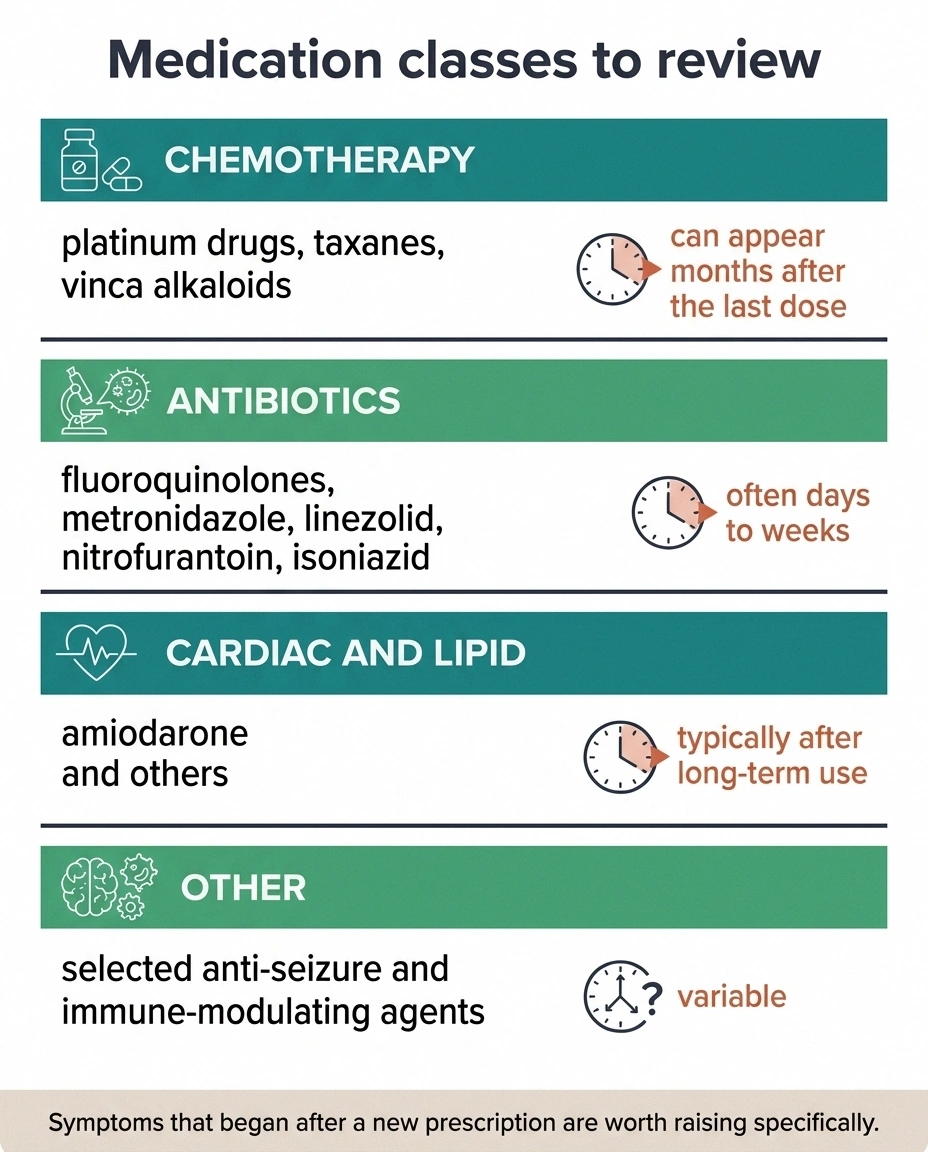
A surprising number of ordinary prescriptions carry nerve damage as a recognised effect. The Standards of Care explicitly direct clinicians to consider neurotoxic medications before settling on a diabetic explanation.
The categories to review:
- Chemotherapy agents, particularly the platinum drugs, taxanes and vinca alkaloids. Damage can appear months after treatment finishes and sometimes continues to worsen briefly after the last dose.
- Certain antibiotics, notably the fluoroquinolones, along with metronidazole, linezolid, nitrofurantoin and isoniazid.
- Some cardiac and cholesterol drugs, including amiodarone.
- Anti-seizure and immune-modulating agents in specific cases.
Our full list of medications that can cause neuropathy goes through these individually with the typical timelines.
Alcohol belongs in this section rather than a lifestyle one, because it is directly toxic to nerve tissue and it also drives thiamine deficiency, which damages nerves through a second mechanism. Alcohol-related neuropathy does not require anything resembling severe alcoholism. Sustained daily drinking well within what many people consider normal is enough over a long enough period.
Also count exposure to heavy metals through occupation or environment, specifically lead, arsenic, mercury and thallium, and long-term solvent exposure in trades such as painting, printing and auto body work.
Count each that applies:
- Past or current chemotherapy
- Any course of a fluoroquinolone antibiotic that was followed by new symptoms
- Long-term amiodarone, or another medication on the recognised list
- More than 7 drinks a week for women or 14 for men, sustained over years
- Occupational solvent or heavy metal exposure
- Current smoking, which damages the small vessels supplying the nerves
Conditions That Go After Nerves Directly
These are less common individually and collectively account for a large share of cases that get labelled unexplained.
Thyroid disease, both underactive and overactive, is associated with neuropathy and is one of the simplest things to rule out.
Autoimmune conditions including rheumatoid arthritis, lupus, Sjögren’s syndrome, coeliac disease and vasculitis. Sjögren’s is notable for sometimes causing neuropathy as its earliest presenting sign, before the dry eyes and dry mouth are ever noticed.
Kidney and liver disease, where neuropathy develops from accumulated metabolic waste.
Infections including shingles, Lyme disease, HIV, hepatitis B and hepatitis C, and leprosy in endemic regions.
Blood and plasma cell disorders, particularly monoclonal gammopathy of undetermined significance, multiple myeloma and amyloidosis.
Inherited conditions, most commonly Charcot-Marie-Tooth disease. Family history matters here, though it is often invisible because earlier generations were told they simply had bad feet or were clumsy.
Count each that applies:
- A diagnosed autoimmune condition of any kind
- Thyroid disease, treated or suspected
- Chronic kidney disease at any stage
- Liver disease or cirrhosis
- A history of shingles, Lyme disease, HIV or hepatitis
- Any blood or plasma cell disorder, including MGUS
- A parent, sibling or child with unexplained foot problems, high arches, hammer toes, or difficulty walking that started young
The Ones You Cannot Change
These still count, because they determine how much the modifiable factors matter.
Age over 50 is the single strongest non-modifiable predictor. The prevalence jump from 10.4 percent in middle age to 26.8 percent in older adults is largely this. Nerves are the longest cells in the body, repair capacity declines, and decades of exposure accumulate. Our guide on what changes after 60 covers what is normal aging and what is not.
Greater height. Genuinely a risk factor, and it makes mechanical sense. Longer nerves have longer axons to maintain, and the fibers running to the feet are the most metabolically demanding in the body. They fail first, which is also why symptoms almost always begin in the toes.
Female sex specifically for painful diabetic neuropathy. Not for neuropathy overall, but for the painful presentation of it.
Count each that applies:
- Age over 50
- Age over 65 (count this as a second point)
- Height above roughly 5 foot 10 for women or 6 foot 1 for men
Add It Up
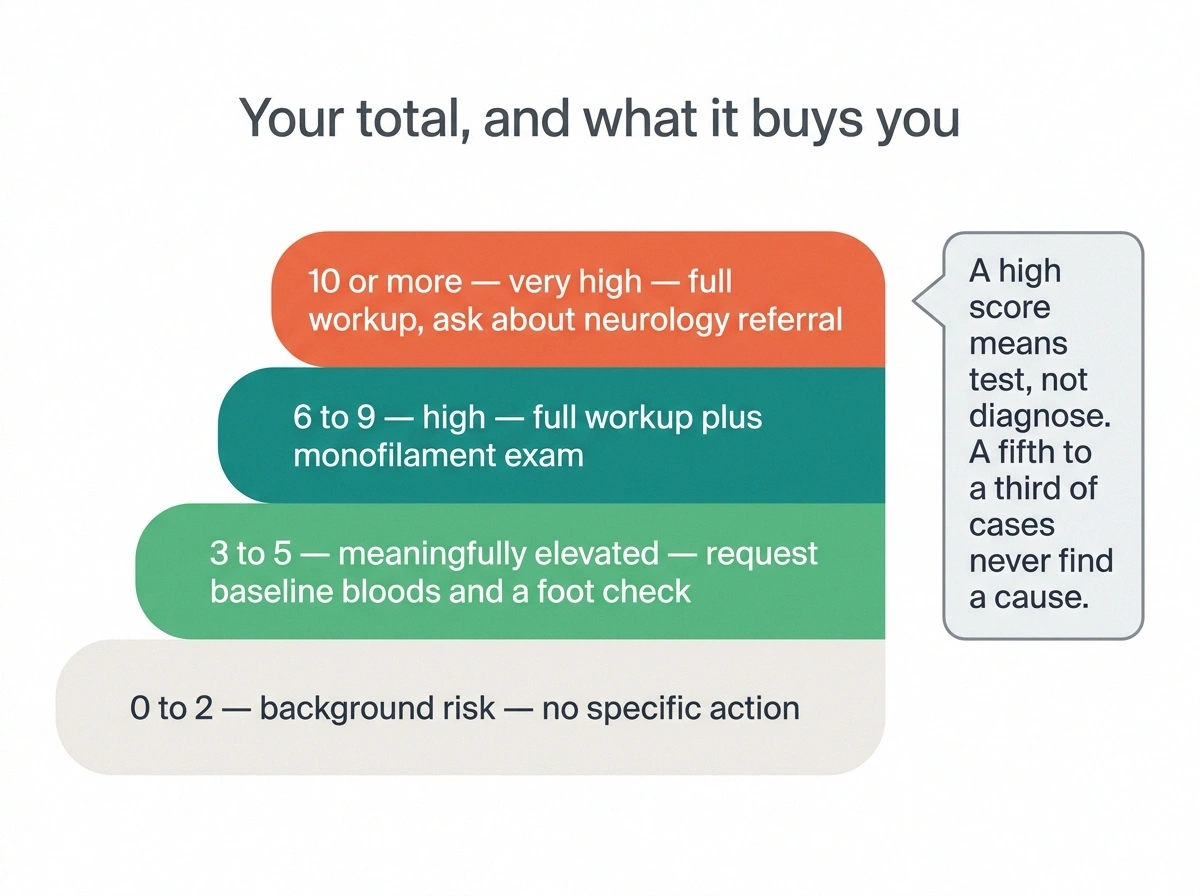
Count one point for every item you ticked across all five sections. There is no upper limit and no clever weighting, because the underlying research does not support a precise weighting for individuals.
| Total | Where that puts you | The reasonable next step |
|---|---|---|
| 0 to 2 | Roughly background risk for your age. | No specific action. Mention any foot symptoms at your next routine appointment. |
| 3 to 5 | Meaningfully elevated. Several mechanisms are plausibly active. | Request a baseline blood panel. Ask for a foot sensation check at your next visit even without symptoms. |
| 6 to 9 | High. This is the range where undiagnosed early neuropathy is common. | Ask for a full workup and a monofilament examination. Bring the specific list below. |
| 10 or more | Very high, usually with at least one strong driver plus several amplifiers. | Same workup, and worth asking whether a neurology referral is warranted rather than waiting for symptoms. |
Read this before you use your score
A high score does not mean you have neuropathy, and a score of zero does not rule it out. Roughly a fifth to a third of cases have no identifiable cause after a genuinely thorough investigation, and some people with long lists of risk factors never develop it. This checklist decides which tests are worth requesting. It does not decide anything else. Numbness, burning or weakness that is spreading, worsening quickly, or affecting your hands and feet at the same time needs medical assessment regardless of what you scored.
The Tests to Ask For

If you scored 3 or above, this is a reasonable list to bring. Most of it is inexpensive, and most of it is routine.
- HbA1c, not just fasting glucose. Fasting glucose misses a lot of prediabetes.
- Vitamin B12, and if the result lands in the low-normal grey zone, methylmalonic acid as a follow-up, because it detects functional deficiency that a normal B12 level hides.
- Folate and thiamine where the history supports it.
- Full thyroid panel, not TSH alone.
- Kidney function and liver function.
- Full blood count and inflammatory markers.
- Serum protein electrophoresis with immunofixation, which is the test for a paraprotein. It gets skipped routinely and it matters.
- Copper if there is bariatric surgery, malabsorption, or heavy zinc supplementation in the history.
Our fuller guide to neuropathy blood work covers what each result means and which ones are commonly missed.
Alongside the bloods, ask for a monofilament test. It takes under two minutes, requires a plastic filament and nothing else, and it detects loss of protective sensation before you would ever notice it yourself. That gap between measurable loss and felt loss is exactly where prevention still works.
Where the Leverage Actually Is

Look back at what you ticked and separate the fixed items from the movable ones.
Fixed
- Age
- Height
- Sex
- Family history
- Past chemotherapy
Movable
- HbA1c and glucose
- Weight, blood pressure, lipids
- Alcohol intake
- Smoking
- B12 status
- Excess B6 intake
- Sometimes the medication itself
Lost fibers do not generally regenerate, so the value of the right column is highest before the left column has done its work.
Age and height are not negotiable. Nearly everything else on the metabolic and exposure lists is, to some degree. Glucose control, weight, blood pressure, lipids, alcohol intake, smoking, a B12 level, an unnecessary high-dose B6 supplement, sometimes a substitutable medication.
Two things are worth being clear about. The nerve fibers already lost do not generally come back, so this is about slowing what is ongoing rather than restoring what is gone. And the earlier in the sequence you intervene, the more there is left to protect, which is the entire argument for checking at prediabetes rather than waiting for a diabetes diagnosis.
The reason to do this now, while your feet feel fine, is that the window where changes still matter most is the window before anything hurts.
Frequently Asked Questions
What are the biggest risk factors for peripheral neuropathy?
Diabetes and prediabetes are the largest identified contributors in high-income countries, followed by age over 50, vitamin B12 deficiency, sustained alcohol use, chemotherapy and other neurotoxic medications, and autoimmune or thyroid disease. Risk accumulates rather than switching on, so several moderate factors together can matter more than one severe factor alone.
Can you have neuropathy risk factors without any symptoms?
Yes, and this is common. In population studies using monofilament testing, peripheral neuropathy was found in 10.4 percent of middle-aged adults and 26.8 percent of older adults, most of whom had not sought care for it. Loss of protective sensation is measurable before it is noticeable, which is why a foot examination is worthwhile even when nothing feels wrong.
Does prediabetes really cause nerve damage?
Research found peripheral neuropathy in about 12.3 percent of people with prediabetes, compared with about 20 percent of people newly diagnosed with type 2 diabetes. Blood sugar that has never crossed the diabetic threshold is associated with measurable nerve damage in roughly one in eight people, which is why waiting for a formal diabetes diagnosis before acting misses a long window.
Should I get my B12 checked if I take metformin?
The American Diabetes Association Standards of Care specifically identify vitamin B12 as something to consider in people on long-term metformin, because the medication interferes with B12 absorption and the effect builds over years. One study found B12 deficiency in 48.2 percent of patients with diabetic peripheral neuropathy. If a B12 result comes back in the low-normal range, a methylmalonic acid test can identify functional deficiency that the standard test misses.
Can too much vitamin B6 cause neuropathy?
Yes. Vitamin B6 is unusual in causing nerve damage from both deficiency and excess. Toxicity typically develops from combined sources rather than one deliberate high dose, such as a B-complex supplement alongside fortified foods and energy drinks. Reviewing the total daily intake across everything you take is worthwhile, particularly if symptoms began after starting a new supplement.
Does being tall increase neuropathy risk?
Greater height is an established non-modifiable risk factor. Longer nerves require more metabolic support to maintain, and the fibers reaching the feet are the longest and most demanding in the body. This is also why symptoms typically begin in the toes and progress upward rather than appearing randomly.
If I have several risk factors, does that mean I will definitely develop neuropathy?
No. Risk factors describe probability across groups, not certainty for an individual. Some people with extensive risk profiles never develop neuropathy, and between a fifth and a third of diagnosed cases have no identifiable cause even after thorough investigation. A high score is a reason to request specific tests, not a prediction.
Which risk factors can actually be changed?
Blood glucose and HbA1c, weight, blood pressure, cholesterol and triglycerides, alcohol intake, smoking, vitamin B12 status, excessive B6 intake, and in some cases the choice of medication. Age, height, sex, family history and past chemotherapy cannot be changed. Because lost nerve fibers do not generally regenerate, the value of addressing modifiable factors is greatest before symptoms appear.
About the Author