One of the things I hear most often in neuropathy support groups is some version of this: “I tried to describe my pain to my doctor and he just didn't get it. He kept asking me to rate it 1 to 10. But the rating isn't the problem. The problem is that my pain is weird. My socks hurt. A hug hurts. A sheet on my feet at night hurts. None of that should hurt. How do I explain that?”
You explain it with two words: hyperalgesia and allodynia.
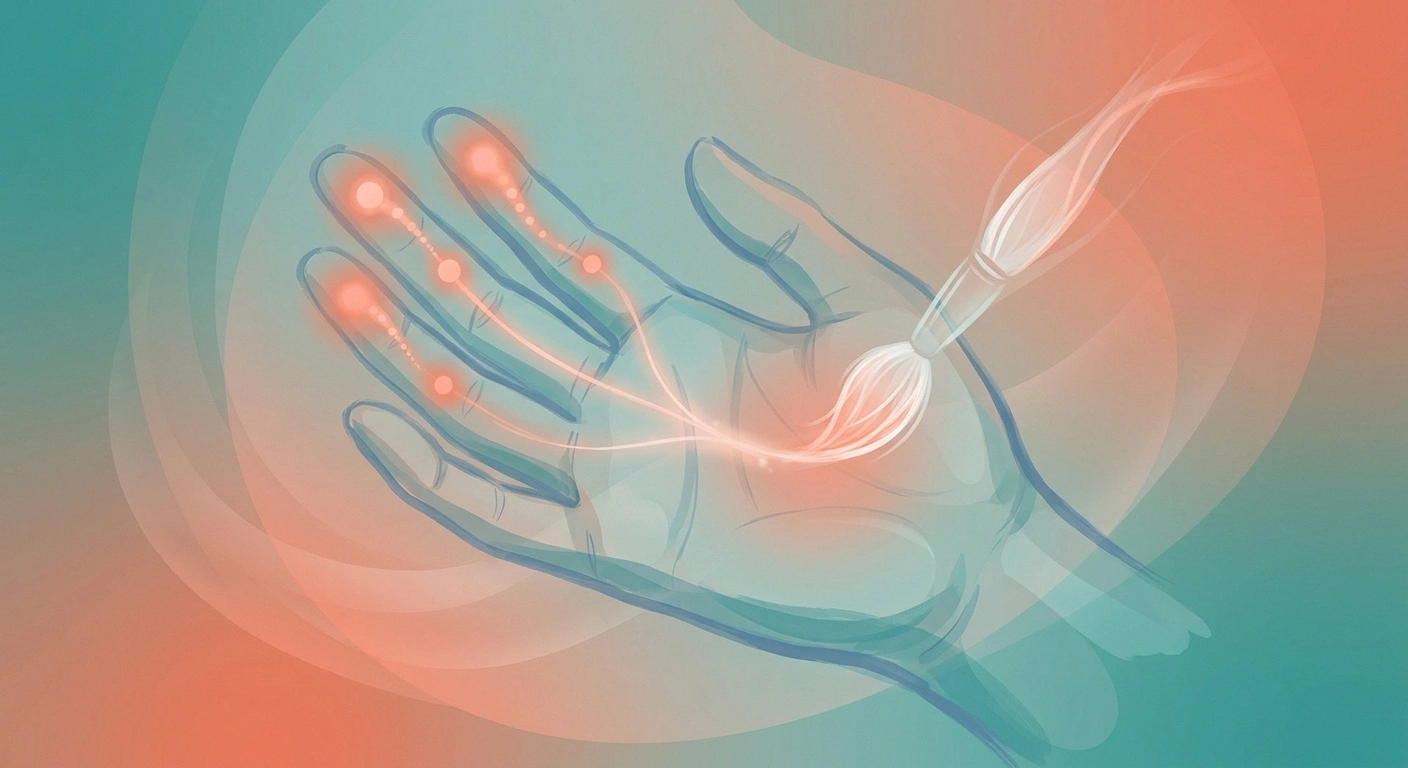
These are the technical terms for two different kinds of “amplified” nerve pain. They are not the same as ordinary pain that just happens to be intense. They are pain signals where the nervous system has rewritten the rules of what counts as painful — turning gentle things into burning, mild pinches into agony, and a sock cuff into something that makes you want to cry.
For people living with peripheral neuropathy, naming these symptoms changes the conversation in three ways. First, it gives you the right vocabulary for the medical office, which usually moves a stalled appointment forward. Second, it changes the treatment options on the table — the medications that work best for hyperalgesia and allodynia are different from the ones that work best for “regular” nerve pain. Third, and maybe most importantly, it tells you that what you're feeling is real, documented, and well-studied. It is not in your head. It has a mechanism, and it has a name.
Let's go through both of them clearly, then walk through what to do about them.
The Quick Definition of Each
Hyperalgesia means that something that should hurt hurts more than it should. A pin prick that would normally feel like a sharp tap feels like an electric jolt. A hot mug that should feel warm and slightly uncomfortable feels like a burn. The painful stimulus is real — it is just being amplified.
Allodynia = “the pain alarm is wrong.” Things that shouldn't hurt at all now do.
Allodynia means that something that should not hurt at all is now painful. A bedsheet brushing your foot. A breeze against your hand. A cold doorknob. The fabric of your sock. A loving touch on your shoulder. None of these are painful stimuli. But to a nervous system in an allodynic state, they trigger pain signals.
The short way to remember it: hyperalgesia is “the pain dial got turned up.” Allodynia is “the pain alarm is triggered by things that shouldn't trigger it at all.”
Both come from the same underlying process — central and peripheral sensitization of pain pathways — but they show up differently in daily life, and they tell your doctor different things about what's happening in your nervous system.
What Hyperalgesia Looks Like in Real Life
If you have hyperalgesia, the following sound familiar:
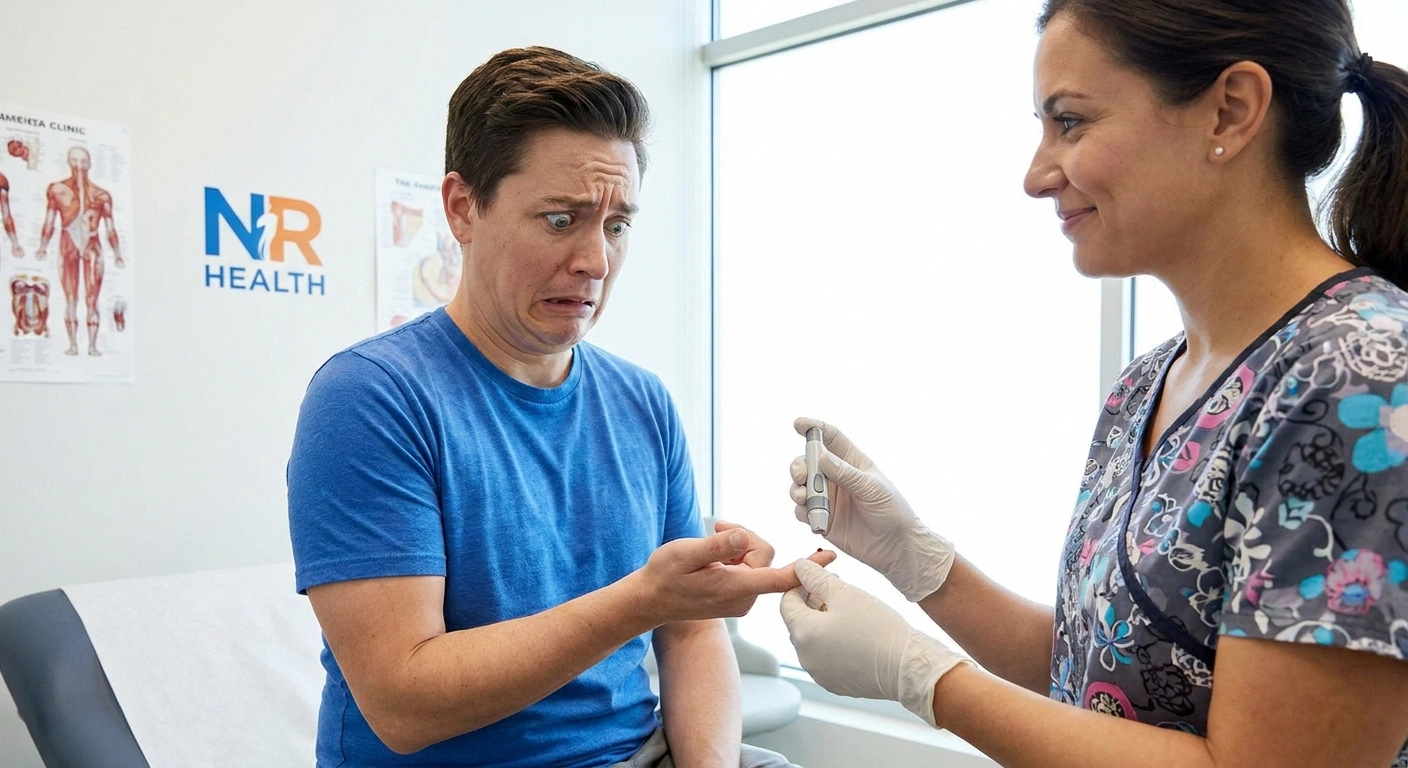
- A blood draw or fingerstick that used to be a brief sting now hurts disproportionately for hours.
- Stubbing your toe causes pain that lingers for the rest of the day instead of fading in a few minutes.
- Cold weather feels actively painful, not just unpleasant.
- A small heat exposure (hot bathwater, a heating pad on its medium setting) feels like a burn.
- Massage that used to feel good feels like pressure that crosses into pain.
- Any genuinely painful event — a cut, a bruise — produces pain out of proportion to the injury.
Hyperalgesia comes in two flavors that researchers separate:
Primary hyperalgesia happens at the site of injury or damage — the actual area where the nerve fibers are affected. In peripheral neuropathy, this is usually the feet first, then the lower legs, then the hands. The damaged small fibers in those areas have a lower firing threshold and produce more intense signals than they should.
Secondary hyperalgesia happens in areas around the damaged zone, sometimes far from it. This is a sign that the central nervous system has been recruited — your spinal cord and brain are now also amplifying signals from the painful region. Secondary hyperalgesia is part of why so many people with foot neuropathy eventually develop calf and shin sensitivity that doesn't seem to correspond to nerve damage in those exact areas.
What Allodynia Looks Like in Real Life
Allodynia is often more disorienting than hyperalgesia, because the things triggering pain are not supposed to be painful at all. People describe it differently depending on which type of allodynia they have. Researchers separate three:
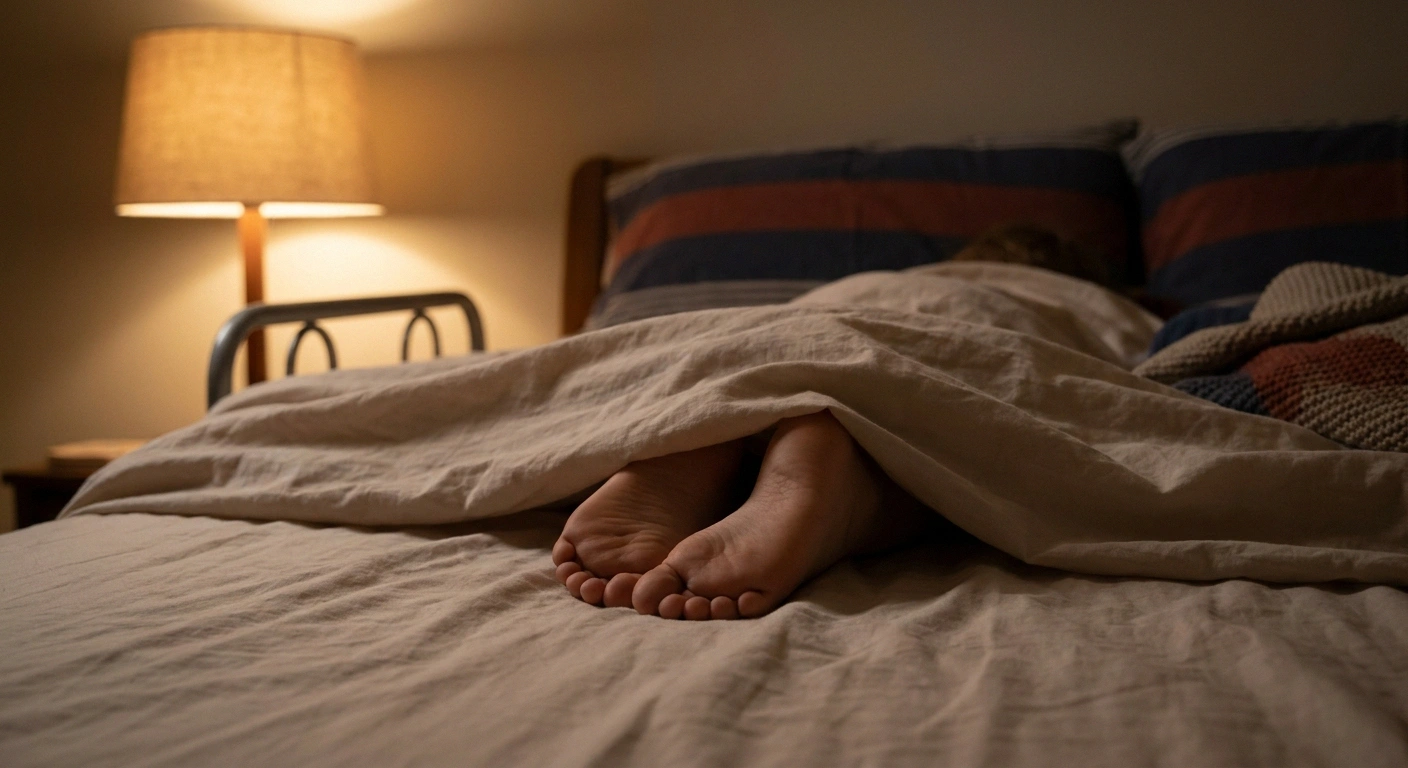
Tactile (mechanical) allodynia is pain triggered by touch — usually light touch. The most common version in neuropathy. Bedsheets, socks, shoe tops, a hand on the shoulder, the brush of clothing, even the air-conditioning vent blowing across exposed skin. People with severe tactile allodynia often sleep with bedsheets propped over a frame so nothing touches their feet, change to seamless socks, cut tags out of clothing, and avoid hugs.
Thermal allodynia is pain triggered by mild temperature changes that should not be painful. A cold bathroom tile floor. A cool breeze. A room-temperature glass of water against the palm. A warm shower at a comfortable temperature. People with thermal allodynia often live in narrow temperature windows.
Dynamic allodynia is the most striking type — pain triggered by something moving across the skin, like a feather, a cotton ball, or a small brush. Dynamic allodynia is often the test used in clinic to confirm allodynia is present: a soft brush stroked across the foot should feel like a brush. If it feels like a burn, allodynia is confirmed.
Allodynia is especially common in three specific conditions: post-herpetic neuralgia (the pain syndrome that can persist after shingles), diabetic peripheral neuropathy in its more advanced stages, and complex regional pain syndrome (CRPS). It also shows up in some autoimmune and chemotherapy-induced neuropathies (CIPN), and in a substantial minority of small fiber neuropathy patients.
Why It Happens: The Sensitization Story
To understand why your nervous system might suddenly classify a bedsheet as painful, you have to look at how pain signaling normally works — and what goes wrong in chronic neuropathy.
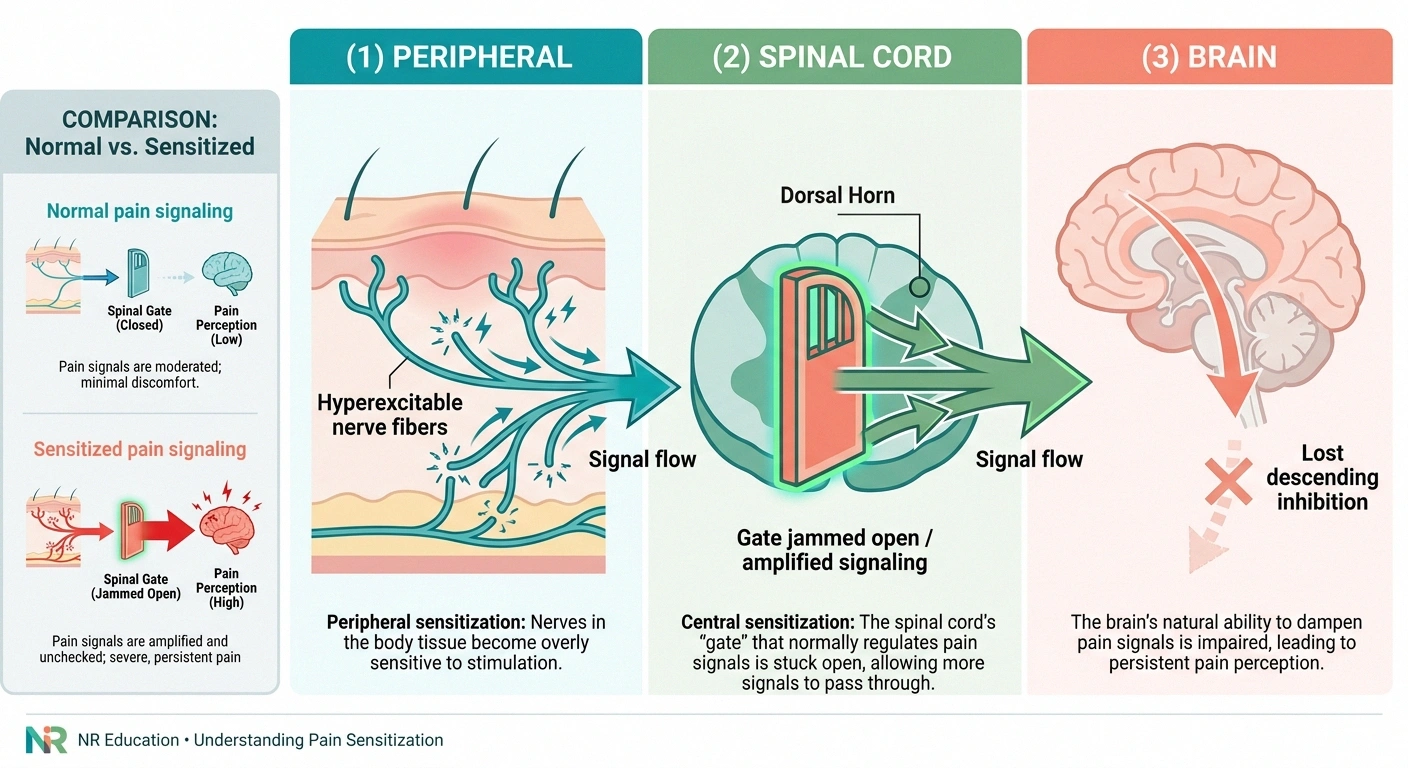
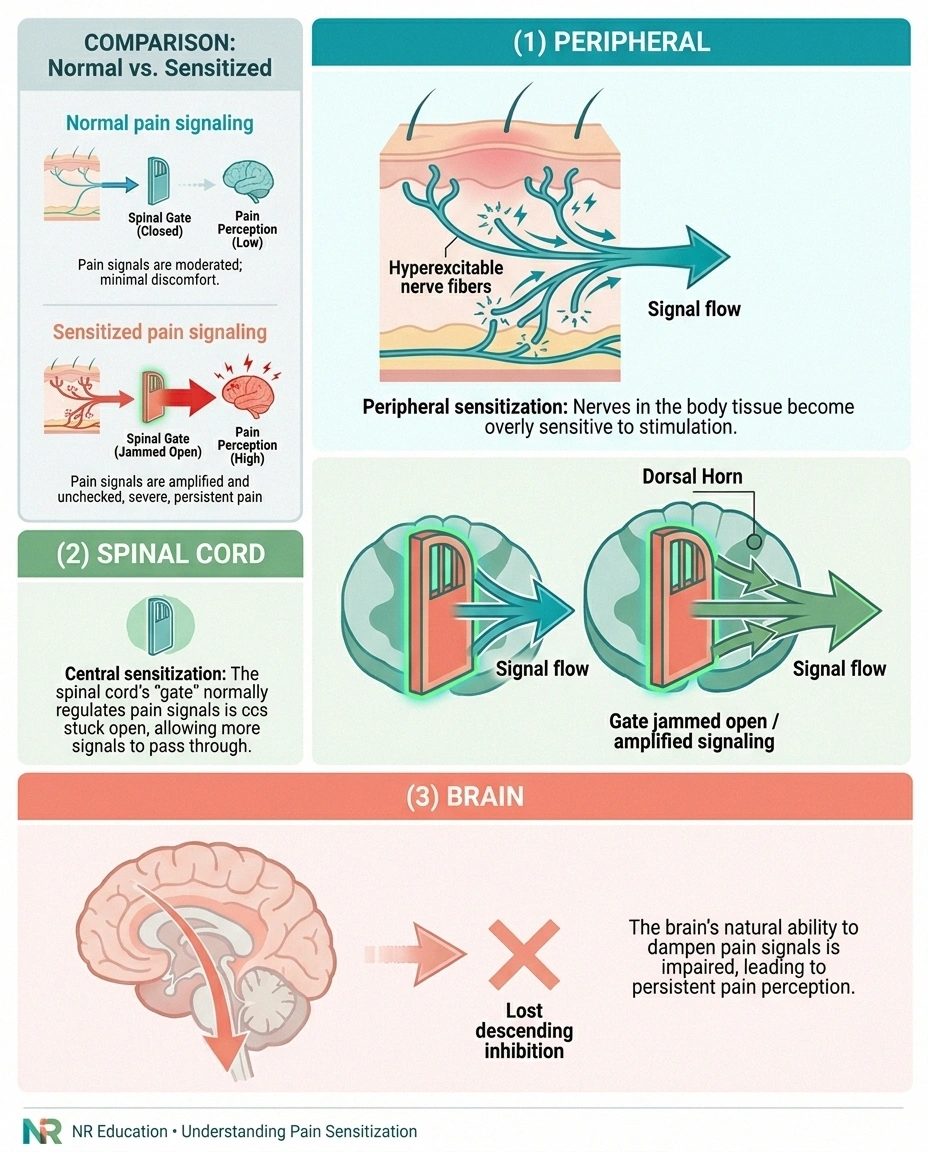
Normally, pain signals start at the end of nerve fibers in the skin (nociceptors). The signal travels up the nerve, into the spinal cord, and up to the brain, which decides “that hurts.” Along the way, the system has multiple checks: thresholds for firing, gates in the spinal cord that filter out low-priority signals, and descending signals from the brain that can turn the volume down when context calls for it.
In chronic neuropathy, three things go wrong with this carefully regulated system:
1. Peripheral sensitization. The damaged nerve fibers in your skin become hyperexcitable. They fire more easily and at lower stimulus intensities. They sometimes fire on their own, with no stimulus at all (this is what produces spontaneous shooting pains and burning at rest). Sodium channels that should be inactive become overactive. TRP channels (which sense temperature) become triggered by temperatures they should ignore.
2. Central sensitization. The spinal cord and brain regions that process pain signals start amplifying everything. The “gate” in the dorsal horn of the spinal cord, which normally filters out low-priority touch signals, gets jammed open. The brain regions that process pain become more reactive. Signals from light touch fibers (which should produce sensations of touch, not pain) start being interpreted as pain — this is the literal mechanism of allodynia.
3. Loss of descending inhibition. Normally, the brain sends signals down to the spinal cord that turn down pain signaling — especially in situations where pain isn't useful (during exercise, during focused activity, during pleasurable experiences). In chronic neuropathy, this descending control weakens. The brakes on the pain system lose grip.
Together, these three changes create a nervous system that is wound too tight. Stimuli that should produce mild sensation produce pain. Stimuli that should produce mild pain produce severe pain. And in the absence of any stimulus, the system sometimes fires anyway, producing the spontaneous burning, electric shocks, and stabbing many neuropathy patients describe.
This is what doctors mean when they call neuropathic pain “central” or talk about “centralized” pain. It is not a metaphor. It is a literal description of where the amplification has migrated.
Why It Matters for Treatment
Once you have the right vocabulary, the treatment conversation can be more precise — because hyperalgesia and allodynia respond preferentially to medications that calm down sensitized pain pathways, more than to medications that just block pain at the source.
The classes that work best:
Gabapentinoids. Gabapentin and pregabalin work by reducing the release of excitatory neurotransmitters in the spinal cord — which directly targets central sensitization. They are first-line for allodynia and for the burning, electric-shock kind of hyperalgesia.
Serotonin-norepinephrine reuptake inhibitors (SNRIs). Duloxetine (and venlafaxine) work by boosting the descending inhibitory pathways from the brain that turn down pain — essentially fixing the lost-brakes problem. First-line for many forms of neuropathic pain, especially in diabetic neuropathy.
Tricyclic antidepressants (TCAs). Amitriptyline and nortriptyline work through multiple mechanisms, including descending inhibition and sodium channel modulation. Effective for both hyperalgesia and allodynia, especially when sleep is also disrupted (TCAs are often given at bedtime).
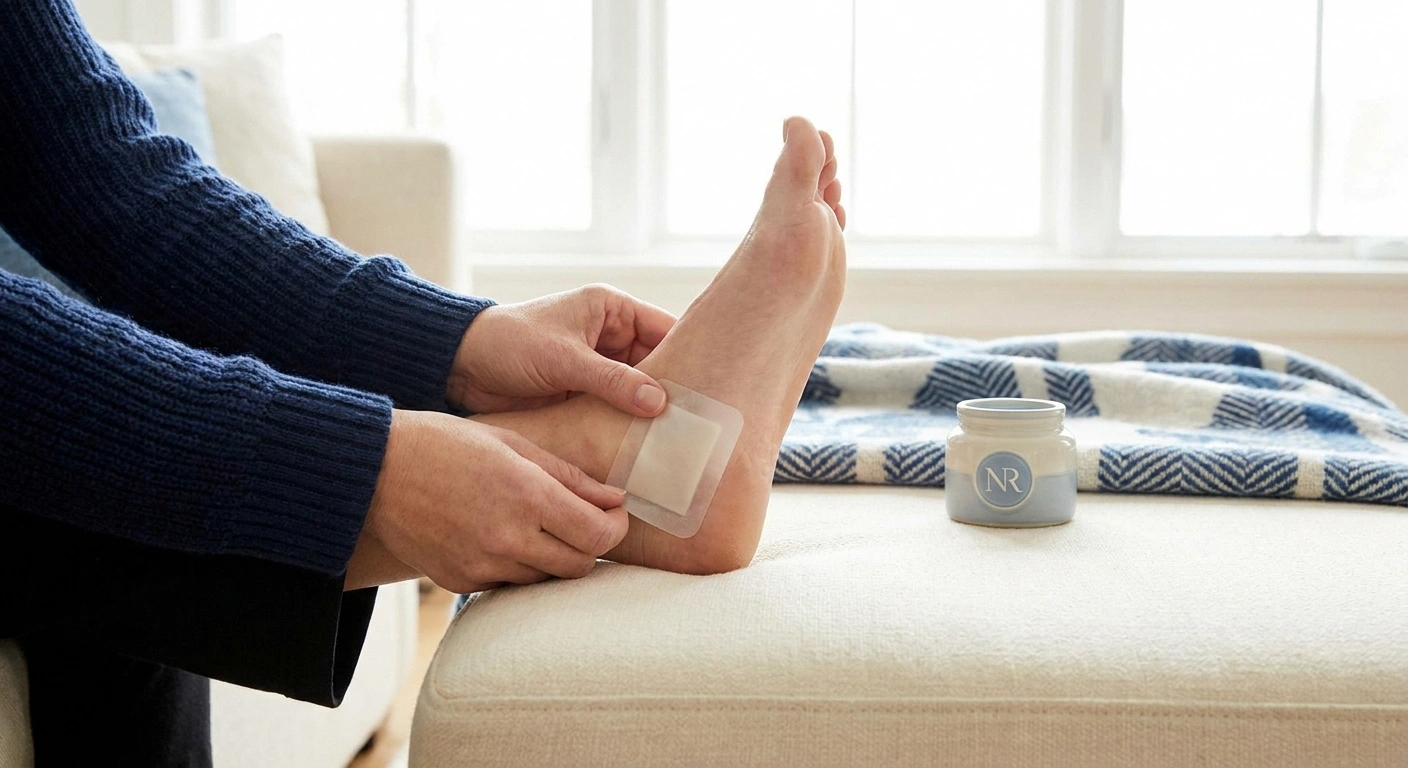
Topical lidocaine. A lidocaine patch (5%) applied directly to an area of allodynia can be remarkably effective by blocking the overactive sodium channels in the skin. Especially useful for focal allodynia from post-herpetic neuralgia.
Topical capsaicin. High-concentration (8%) capsaicin patches applied in a clinic setting can desensitize allodynic skin for weeks to months. Counterintuitive — you apply something burning to stop pain — but it works by depleting the substance P that drives sensitized signaling.
What does not work well for hyperalgesia and allodynia: typical NSAIDs (ibuprofen, naproxen) usually do little. Acetaminophen is mostly ineffective. Short-acting opioids can produce paradoxical worsening over time (a phenomenon called opioid-induced hyperalgesia), and long-term opioid use for neuropathic pain is now generally discouraged.
The non-pharmacologic interventions that have the strongest evidence: TENS units (which can recruit the spinal cord gate to filter pain signals — see TENS units for neuropathy), graded sensory desensitization (slowly retraining the nervous system to tolerate touch), cognitive behavioral therapy for chronic pain, mindfulness-based stress reduction, and aggressive sleep restoration.
How to Talk About It at Your Next Appointment

The biggest single use of these terms is in your medical conversation. A vague description of “weird pain” gets you a vague response. A specific description using clinical terms moves things forward.
Try language like this:
“I'm experiencing what I think is mechanical allodynia — even light touch like bedsheets or socks triggers pain in my feet. And I have hyperalgesia in the same area — anything that does cause normal pain, like stubbing a toe, hurts far more than it should. I'd like to talk about treatment options that target sensitized pain pathways specifically.”
If your provider isn't a pain specialist, asking for a referral is reasonable. Pain medicine specialists, neurologists who focus on neuropathy, and some physiatrists are trained to assess hyperalgesia and allodynia and to choose treatments accordingly. Many large medical centers also have multi-disciplinary chronic pain programs that combine medication management, physical therapy, and behavioral therapy.
A few simple at-home checks that you can describe to your doctor and that will help them confirm what's happening:
- Brush a cotton ball or soft makeup brush across the affected skin. If it feels painful instead of soft, that's dynamic allodynia.
- Press a room-temperature metal spoon against the skin. If it feels burning cold or sharply painful, that's thermal allodynia.
- Test how a pinprick on the affected area compares to the same pinprick on an unaffected area. If the affected area is dramatically more painful, that's hyperalgesia.
These at-home checks aren't diagnostic tools — they're communication tools. They give you concrete examples to share, which helps your provider take the symptoms seriously and choose appropriate treatment.
Living With Sensitized Pain
Treatment helps. So do practical adjustments that reduce daily exposure to triggering stimuli while your nervous system has a chance to calm down.
Bedding and clothing. Seamless socks. Soft, loose fabrics. A bed cradle or sheet-lifter that keeps bedsheets off your feet at night. Looser shoe tops. Some people sleep with their feet outside the covers entirely. (See our night-time symptom guide for more on this.)
Temperature control. Maintain a consistent indoor temperature. Avoid sudden cold (cold floors first thing in the morning, ice in drinks held in numb hands). For thermal allodynia in the feet, slippers from the moment you get out of bed are non-negotiable.
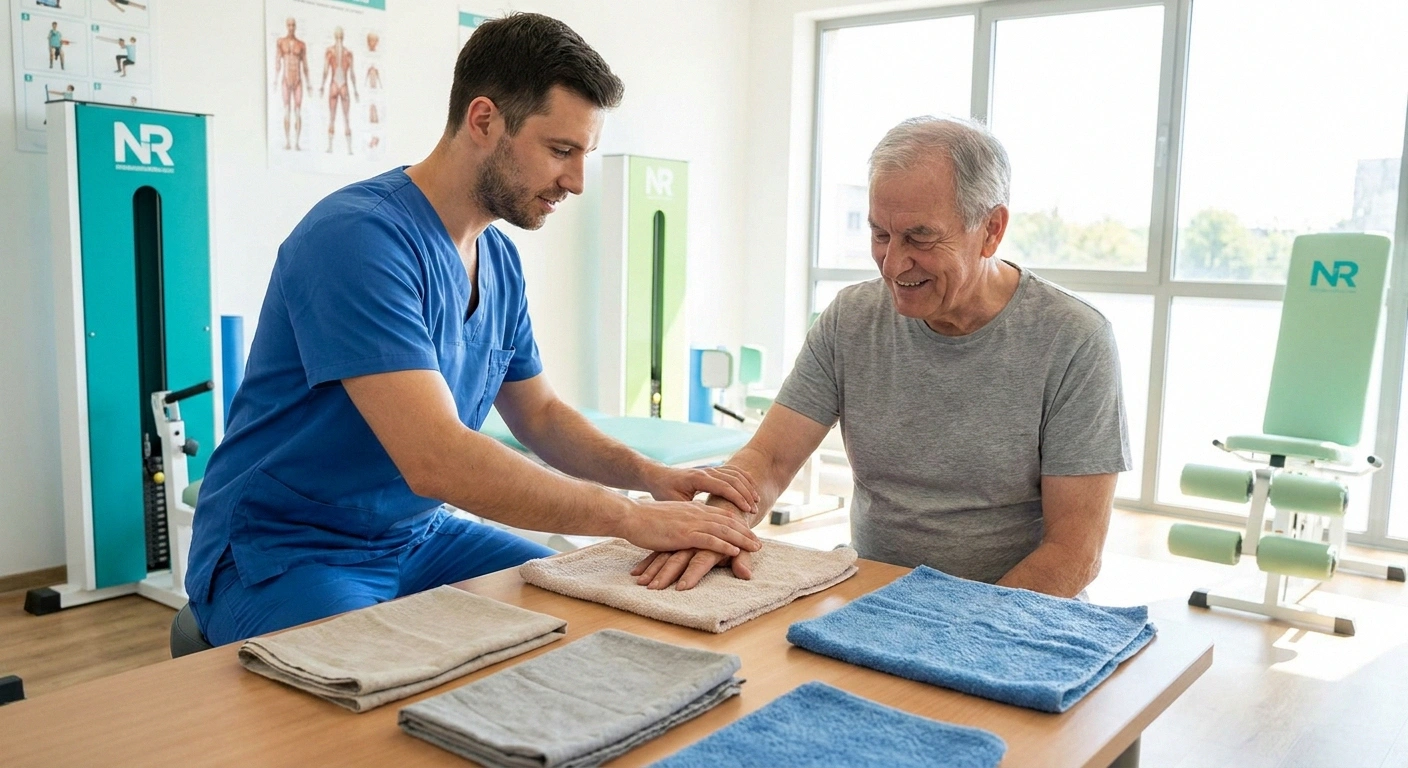
Graded desensitization. A physical or occupational therapist can teach a structured desensitization program — gradually exposing affected skin to a hierarchy of textures (from very soft to slightly rougher) for short periods over weeks. The goal is to slowly retrain the nervous system to interpret touch as touch again.
Sleep aggressively. Sleep deprivation amplifies central sensitization. Restoring sleep is one of the most underutilized interventions for chronic neuropathic pain. Many of the medications discussed above (gabapentinoids, TCAs at bedtime) help with sleep as a side benefit, which compounds the pain improvement.
Stress management. Stress directly amplifies central sensitization through descending pathways. Daily stress relief — whatever form works for you — isn't optional with sensitized pain. It is part of treatment.
Address the underlying neuropathy. All the symptom management in the world has limits if the underlying nerve injury keeps progressing. Whatever caused the neuropathy in the first place — diabetes, autoimmune disease, vitamin deficiency, medications — needs ongoing attention. The underlying-cause conversation matters here.
The Hopeful Part
Central sensitization isn't permanent. The nervous system that wound itself too tight can, with the right combination of treatment and time, unwind. People often see allodynia improve substantially within three to six months of starting an appropriate medication regimen, with continued slow improvement over a year or more. Hyperalgesia tends to follow a similar curve.
That doesn't mean every case fully resolves — some don't. But the trajectory of a sensitized pain system on appropriate treatment is far more hopeful than the trajectory of one that is untreated or treated with the wrong drugs.
The hardest part is often not the treatment itself but the long stretch of being dismissed before someone listens. If your “weird pain” has been minimized by providers, please don't take that as a sign that nothing can be done. Take it as a sign that you have not yet found the right provider. Pain medicine has come a long way in the last twenty years on neuropathic pain specifically. The vocabulary in this article — hyperalgesia, allodynia, central sensitization — is the language that gets you taken seriously by clinicians who actually treat these conditions.
Your socks shouldn't hurt. There's a name for that, a reason for it, and a path through it.
Frequently Asked Questions
What is the difference between hyperalgesia and allodynia in simple terms?
Hyperalgesia is when something that should hurt hurts more than it should — a small pinprick feels like a stab. Allodynia is when something that should not hurt at all becomes painful — a bedsheet, a breeze, or a sock cuff triggers pain. Both come from the same underlying process (a sensitized nervous system), but they show up differently in daily life. You can have one or the other, or both at the same time.
Are hyperalgesia and allodynia signs that my neuropathy is getting worse?
Not necessarily. They are signs that your nervous system has become sensitized — the pain pathways have been amplifying signals over time, often months or years. Sensitization can develop without the underlying nerve damage getting significantly worse. The good news is that sensitization is partly reversible with the right treatment, even if the original nerve damage isn't.
Which medications work best for allodynia specifically?
The strongest evidence is for the gabapentinoids (gabapentin and pregabalin) and for topical lidocaine 5% patches applied directly to the allodynic skin. Tricyclic antidepressants like amitriptyline and nortriptyline are also effective. SNRIs (duloxetine, venlafaxine) help many people. High-concentration capsaicin patches (8%), applied in a clinic, can produce extended relief in focal allodynia. The choice depends on your other medications, side-effect profile, and which type of allodynia you have. Decisions are best made with a clinician who treats neuropathic pain.
Why does light touch hurt me when it shouldn't?
This is dynamic mechanical allodynia, and it happens because the spinal cord pathways that normally separate touch signals from pain signals have been remodeled. Light touch signals are now being routed through the pain pathway. The signals are real, the touch is real — your nervous system is just misinterpreting them. The mechanism is called central sensitization, and it is well-documented and treatable.
Can hyperalgesia and allodynia go away with treatment?
Often substantially, sometimes completely. Most people see meaningful improvement within three to six months of starting appropriate medication, with continued slow improvement over a year or more. Full resolution depends on the underlying cause, how long the sensitization has been in place, and how well the original nerve injury is being treated. Earlier intervention generally produces better outcomes.
Are opioids a good treatment for allodynia and hyperalgesia?
Generally no. Opioids are not first-line for neuropathic pain because their effectiveness is modest, tolerance develops, and a phenomenon called opioid-induced hyperalgesia can actually worsen pain over time. Current pain medicine guidelines emphasize gabapentinoids, SNRIs, TCAs, and topical therapies as first and second-line. Opioids may have a limited role in select cases, but should not be the primary strategy for chronic neuropathic pain.
What is central sensitization?
Central sensitization is the process by which the spinal cord and brain regions that process pain become hyper-reactive over time. Pain signals get amplified, thresholds drop, and stimuli that should not be painful (like light touch) start being interpreted as pain. It is the underlying mechanism behind allodynia and most forms of chronic hyperalgesia. The good news is that the same plasticity that creates sensitization can also reverse it with treatment, time, and reduced exposure to triggering stimuli.
Do I need to see a specialist for hyperalgesia and allodynia?
Many primary care providers can start first-line treatment (gabapentin, duloxetine, topical lidocaine), and that's a reasonable starting point. If symptoms don't improve in 8 to 12 weeks, a referral to a neurologist who specializes in neuropathic pain or to a pain medicine specialist is appropriate. Multi-disciplinary chronic pain programs that combine medication management, physical therapy, and behavioral therapy are especially effective for stubborn cases.
About the Author