
A friend from my support group asked me a question last month that I could not shake. She has had neuropathy for eight years. She said, “Janet, why does my nerve pain feel like it is coming from inside my head sometimes, and not from my feet at all?” She could not point to what she meant, exactly. She just knew that on bad days, the pain seemed to originate somewhere central — that her feet were mostly the destination of the pain, not the source of it.
She was more right than she knew. There is a whole story in neuroscience about how nerve injury in the feet or hands sets off a chain reaction inside the spinal cord and brain that can amplify and sustain the pain long after the peripheral nerve injury itself stabilizes. The main characters in that story are cells you have almost certainly never heard of: microglia. And understanding their role reframes a lot of what “chronic neuropathic pain” actually is — and why treatments that seem unrelated to nerves (anti-inflammatory diet, low-dose naltrexone, curcumin, mindfulness, better sleep) show up in serious neuropathy conversations again and again.
I am Janet Ellis. This is the plain conversation about neuroinflammation, microglia, and the immune side of nerve pain that I wish someone had walked me through years ago. It is a deeper piece than most on this site, but it is worth staying with — because it changes the whole map.
The Immune System Inside Your Nervous System
Here is a fact that surprises most patients when they first encounter it: your brain and spinal cord have their own resident immune system.
Your brain and spinal cord have their own immune system. When peripheral nerves are damaged, resident immune cells called microglia activate inside the spinal cord and amplify pain signals from the outside. This is why chronic neuropathic pain can persist and worsen even when the original nerve injury has stabilized — and why anti-inflammatory lifestyle work, sleep, and targeted supplements matter alongside pain medications.
The rest of your body has white blood cells that circulate through the bloodstream and swarm to sites of injury or infection. Your central nervous system — brain and spinal cord — has something different. It has microglia, specialized immune cells that live permanently inside neural tissue. They do not come from the blood. They arrived in the brain during embryonic development and have been there ever since. Microglia make up about 10 to 15 percent of all cells in your brain and spinal cord.
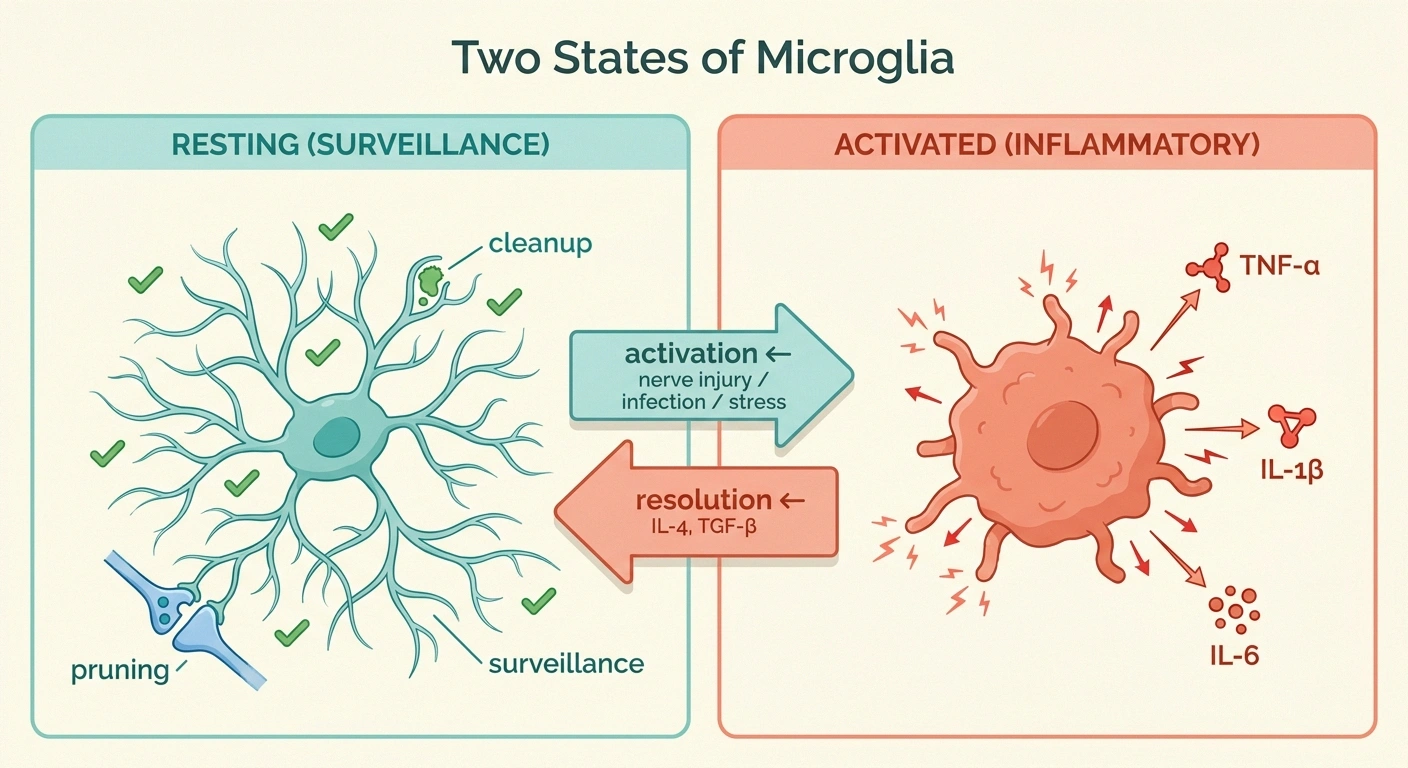
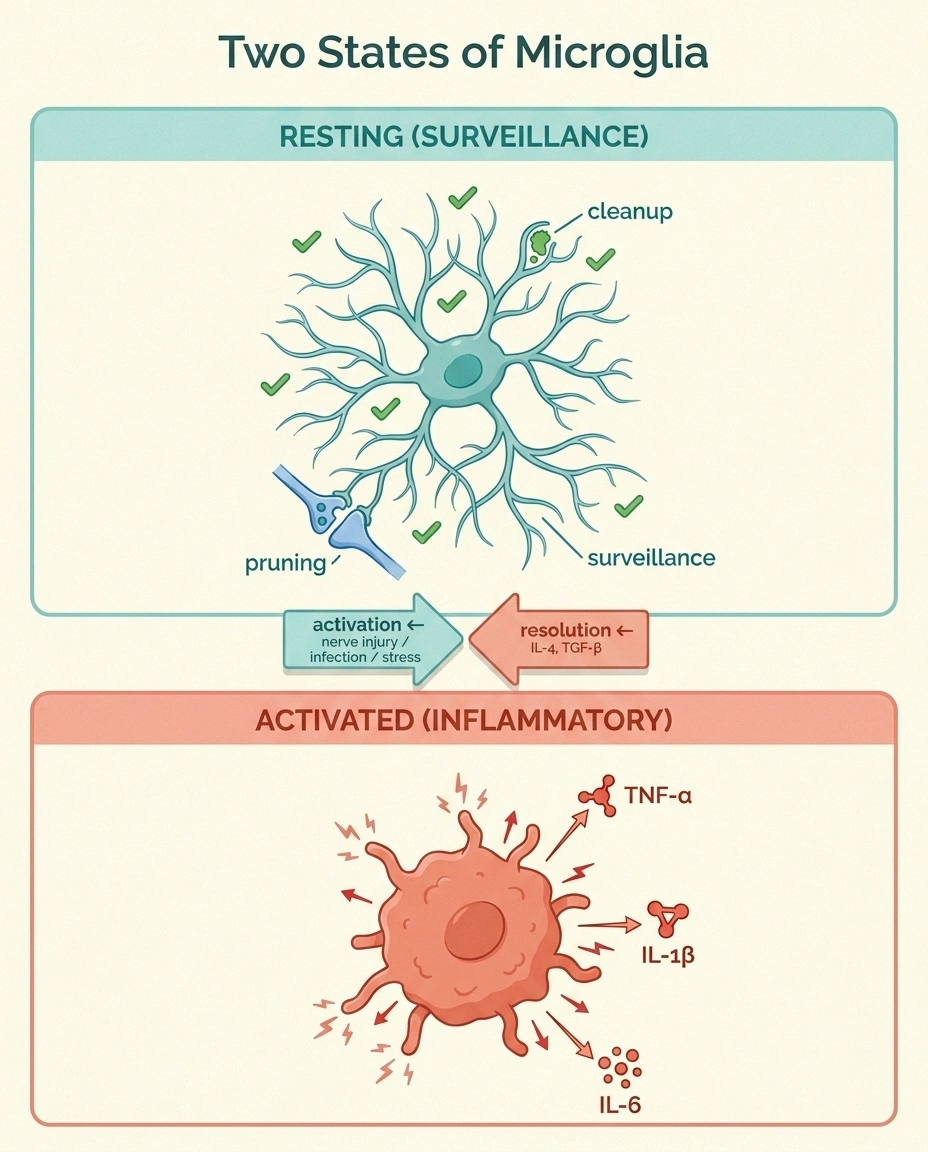
When everything is calm, microglia look almost delicate under a microscope. They have long, thin, branching processes that constantly extend and retract, sampling the environment around every neuron in their neighborhood. They are the surveillance system. They clean up cellular debris. They prune connections that are not being used. They keep the neural environment clean and functional.
When something goes wrong — infection, trauma, chemical injury, or nerve damage — microglia change dramatically. They retract their delicate processes. They take on a rounder, more amoeboid shape. They multiply. They start secreting inflammatory chemicals — TNF-alpha, interleukin-1 beta, interleukin-6, BDNF — that dial up the excitability of nearby neurons. This is microglial activation, and in acute situations it is genuinely helpful. It is how the nervous system fights back against damage.
The problem, for people with chronic neuropathic pain, is that microglia can get stuck in the activated state. And when they do, they can amplify and sustain pain long after the original nerve injury has stabilized.
How Peripheral Nerve Damage Reaches the Spinal Cord
This is the part that reframes everything. When a peripheral nerve gets damaged — say, the small fibers in your feet start dying back from diabetes, or a chemotherapy drug injures your sensory nerves — you might assume the pain lives at the site of the damage. Your feet hurt because the nerves in your feet are broken.
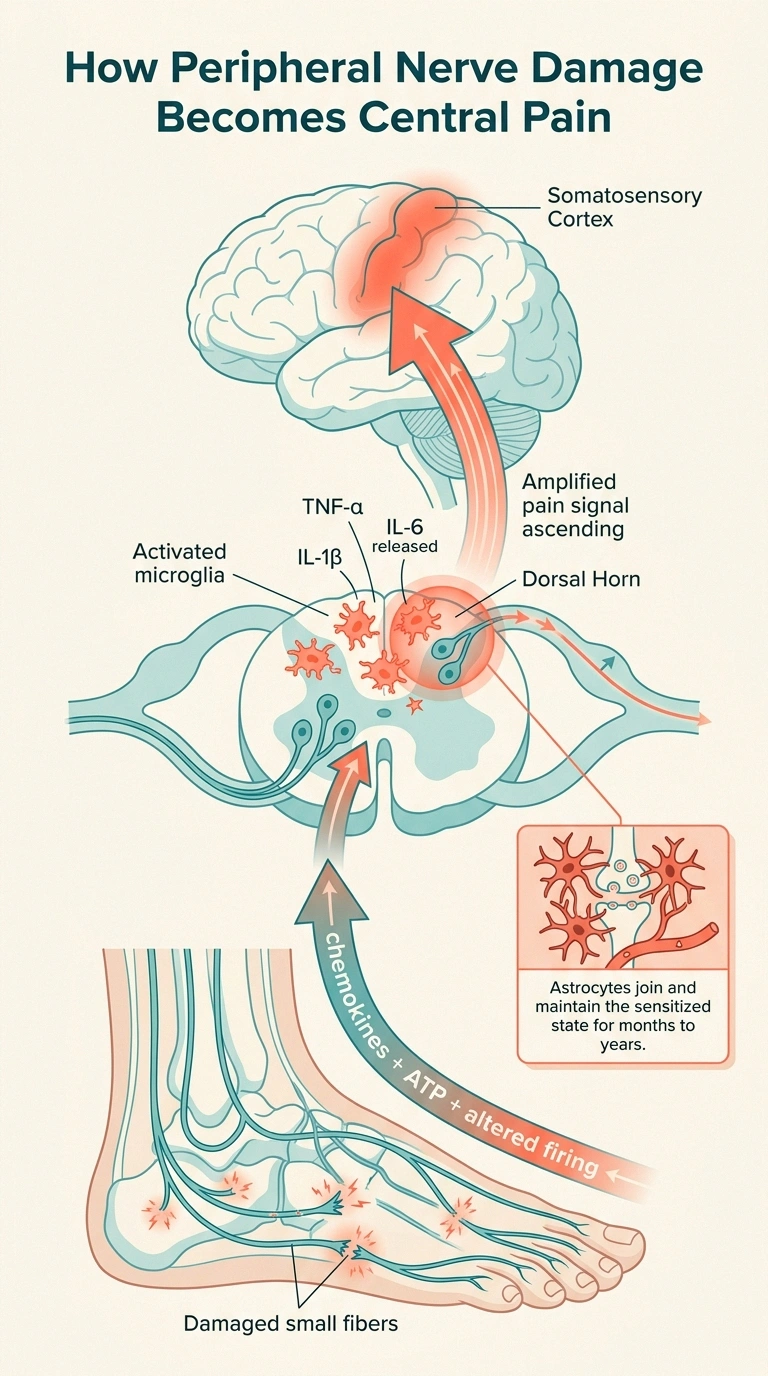
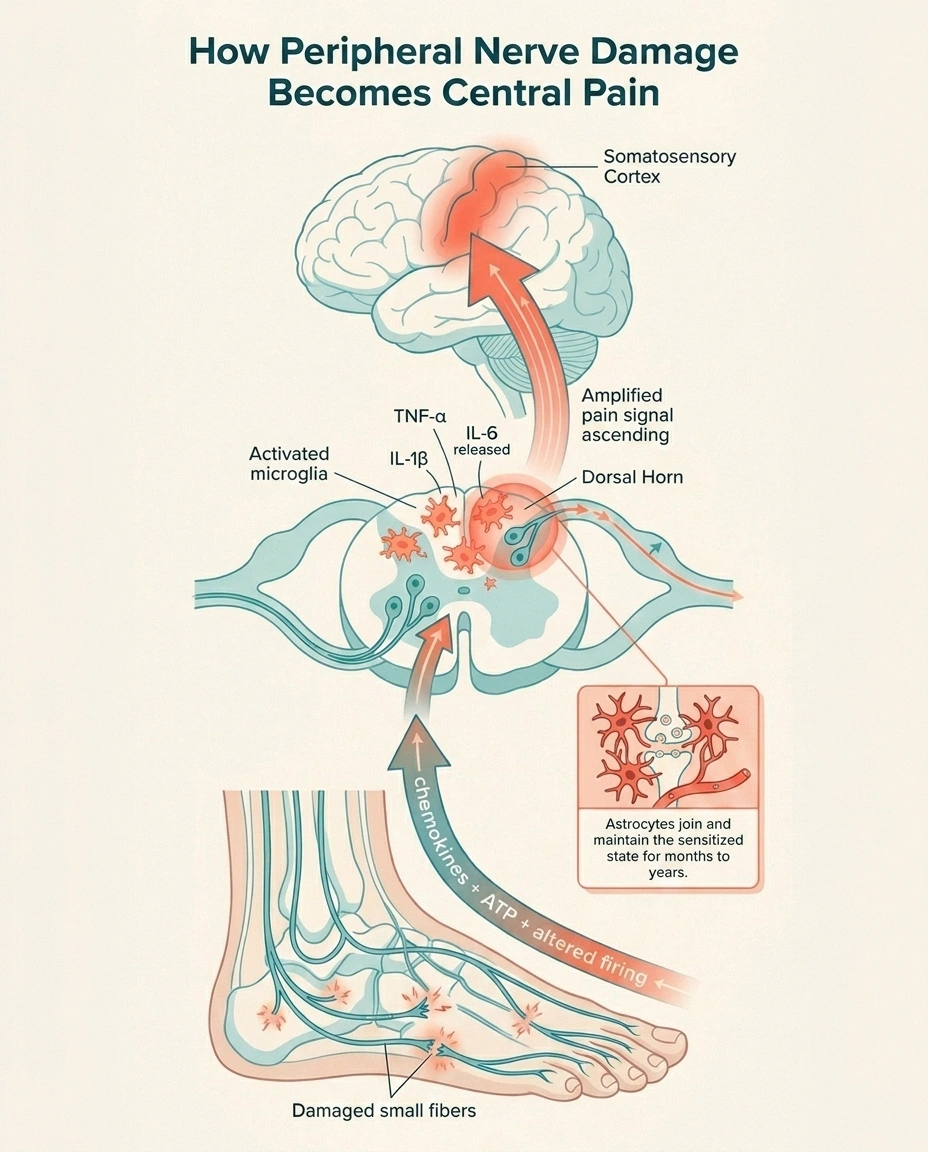
That is partly right. But it is also incomplete. Because the damaged peripheral nerve does not just misfire locally. It sends chemical signals up to the spinal cord — the first relay station where peripheral nerve signals hand off to the central nervous system on their way to the brain.
Specifically, the damaged nerve releases signaling molecules called chemokines (fractalkine and CCL2 are two well-studied ones), releases ATP into the surrounding tissue, and changes the pattern of electrical activity it sends up its axon. These signals travel to the dorsal horn of the spinal cord — the specific area where sensory nerves from the periphery synapse onto second-order neurons that carry pain and touch signals up to the brain.
When these signals arrive at the dorsal horn, they land on microglia that live there. Those microglia recognize the signals as “peripheral nerve injury has occurred.” They activate. They begin secreting the inflammatory chemicals. And those chemicals sensitize the pain-carrying neurons in the spinal cord — making them fire more easily, more strongly, and in response to inputs that would not normally cause pain.
This is the beginning of what neurologists call central sensitization. The pain signal is now amplified in the spinal cord itself, semi-independent of whatever is happening in the injured peripheral nerve.
Why Chronic Pain Can Outlast the Original Injury
Understanding this cascade helps explain something patients often describe and doctors often struggle to explain well: pain that persists or worsens even when the underlying nerve damage has stabilized.
Once microglia and astrocytes (the other main glial cells, star-shaped, that also participate in this cascade) get switched into an activated inflammatory state in the spinal cord, they can maintain that state through their own signaling loops. Microglia release chemicals that keep other microglia activated. Astrocytes hold onto the sensitized state even longer than microglia do. Second-order pain neurons in the spinal cord become chronically hyperexcitable. And the brain regions that receive their signals adapt to the amplified input — remodeling the pain-processing networks in ways that make pain a more persistent, harder-to-turn-off experience.
Research now suggests a two-phase model for chronic neuropathic pain:
- Microglia are the initiators — they get activated first, in the days and weeks after peripheral nerve injury, and drive the transition from acute to chronic pain.
- Astrocytes are the maintainers — they take over the sustained inflammatory state that keeps pain going month after month, year after year.
This is why timing matters in some experimental treatments. Anti-microglial interventions may work best if started early. Anti-astrocyte or general anti-neuroinflammatory approaches may still help in chronic disease, but the mechanisms have shifted somewhat by then.
The M1 and M2 Microglial States
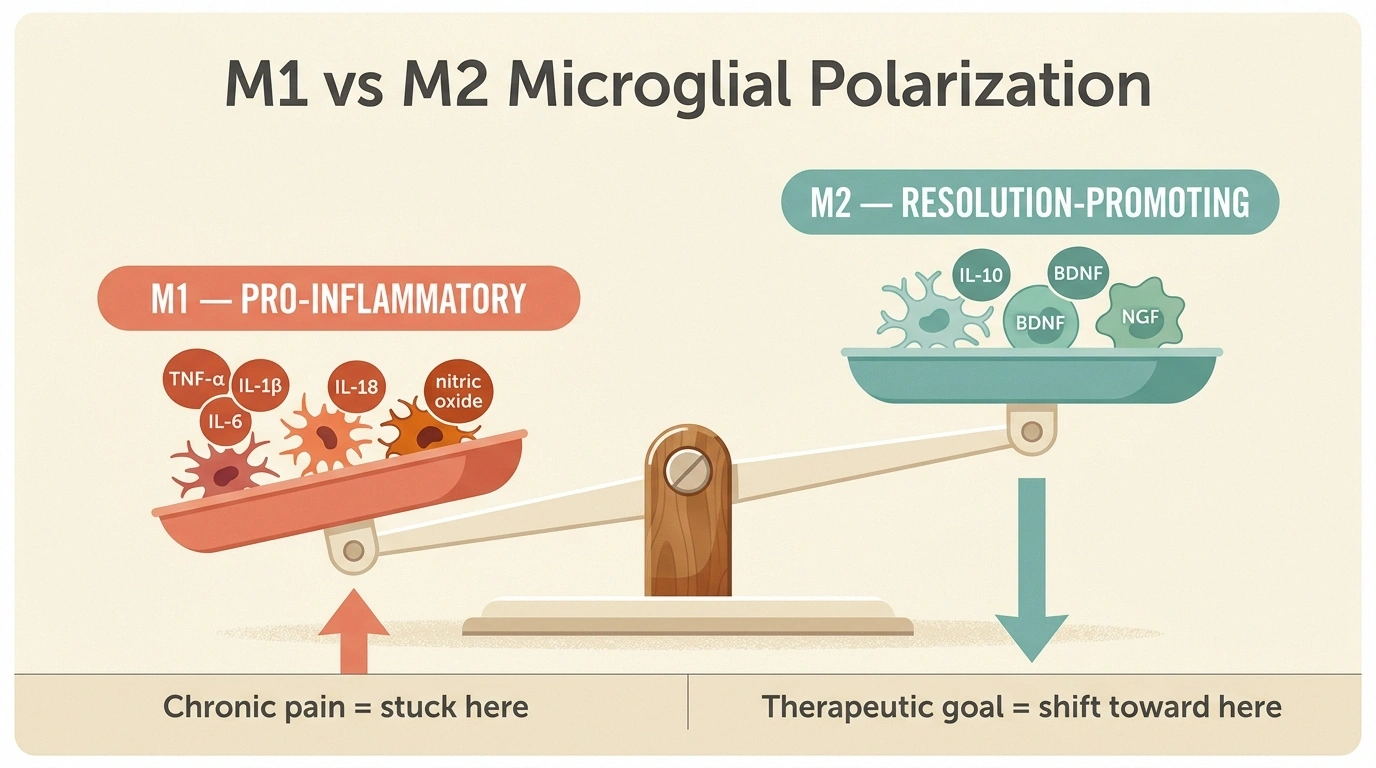
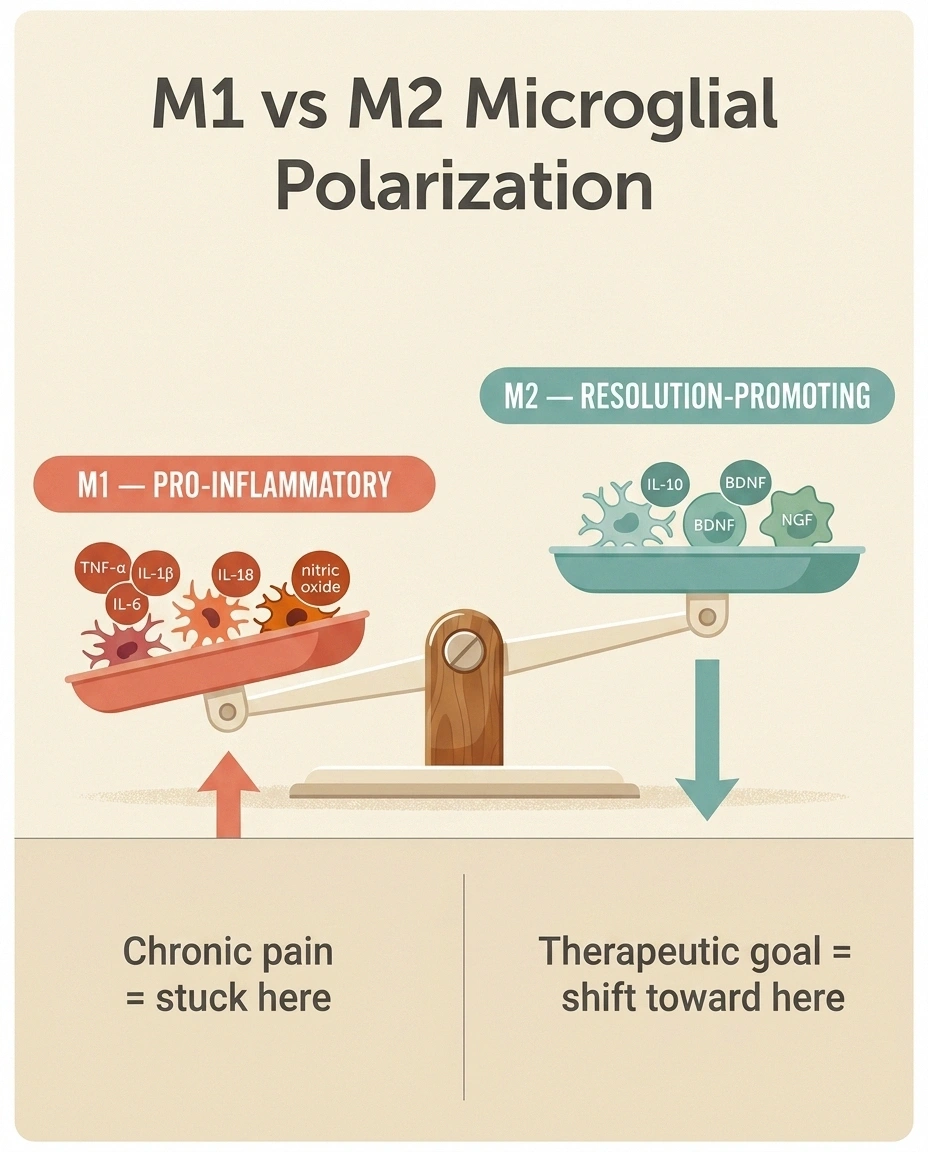
Not all microglial activation is the same. Researchers have identified two broad functional states that microglia can shift between, and understanding them helps explain why some interventions calm neuropathic pain rather than aggravate it.
| Feature | M1 (Pro-Inflammatory) | M2 (Resolution-Promoting) |
|---|---|---|
| Driven by | TNF-alpha, IFN-gamma, LPS | IL-4, TGF-beta |
| Secretes | IL-1β, IL-6, IL-18, TNF-α, nitric oxide | IL-10, BDNF, NGF |
| Effect on nerves | Damage, sensitization, pain amplification | Support, repair, pain resolution |
| Chronic pain state | Stuck ON | Suppressed |
| Therapeutic goal | Shift balance from M1 back toward M2 — not eliminate microglia entirely | |
M1 microglia are the pro-inflammatory state. They are driven into this state by chemicals like TNF-alpha, interferon-gamma, and lipopolysaccharide (a bacterial cell wall component). Once in M1 state, they secrete more pro-inflammatory cytokines — IL-1 beta, IL-6, IL-18, more TNF-alpha, plus nitric oxide. This is the state that sustains and worsens neuropathic pain.
M2 microglia are the resolution-promoting state. They are driven into this state by chemicals like IL-4 and transforming growth factor-beta. Once in M2 state, they secrete anti-inflammatory cytokines — IL-10 — and growth factors like BDNF and NGF that support neural repair rather than damage.
The healthy nervous system shifts microglia dynamically between M1 and M2 as needed, activating them for acute injury response and then bringing them back to resolution mode when the crisis passes. In chronic neuropathic pain, this shift gets stuck. Microglia become locked in a predominantly M1 state, secreting pro-inflammatory chemicals continuously.
The therapeutic goal of many current experimental approaches is not to eliminate microglial activation entirely (you would not want that — you need functioning immune surveillance) but to shift the balance back toward M2. Recent research on GDF11, MFG-E8, and kappa-opioid receptor activation is exploring exactly this — how to nudge microglia out of the stuck M1 state and into resolution mode.
Why This Explains So Many Neuropathy Treatments
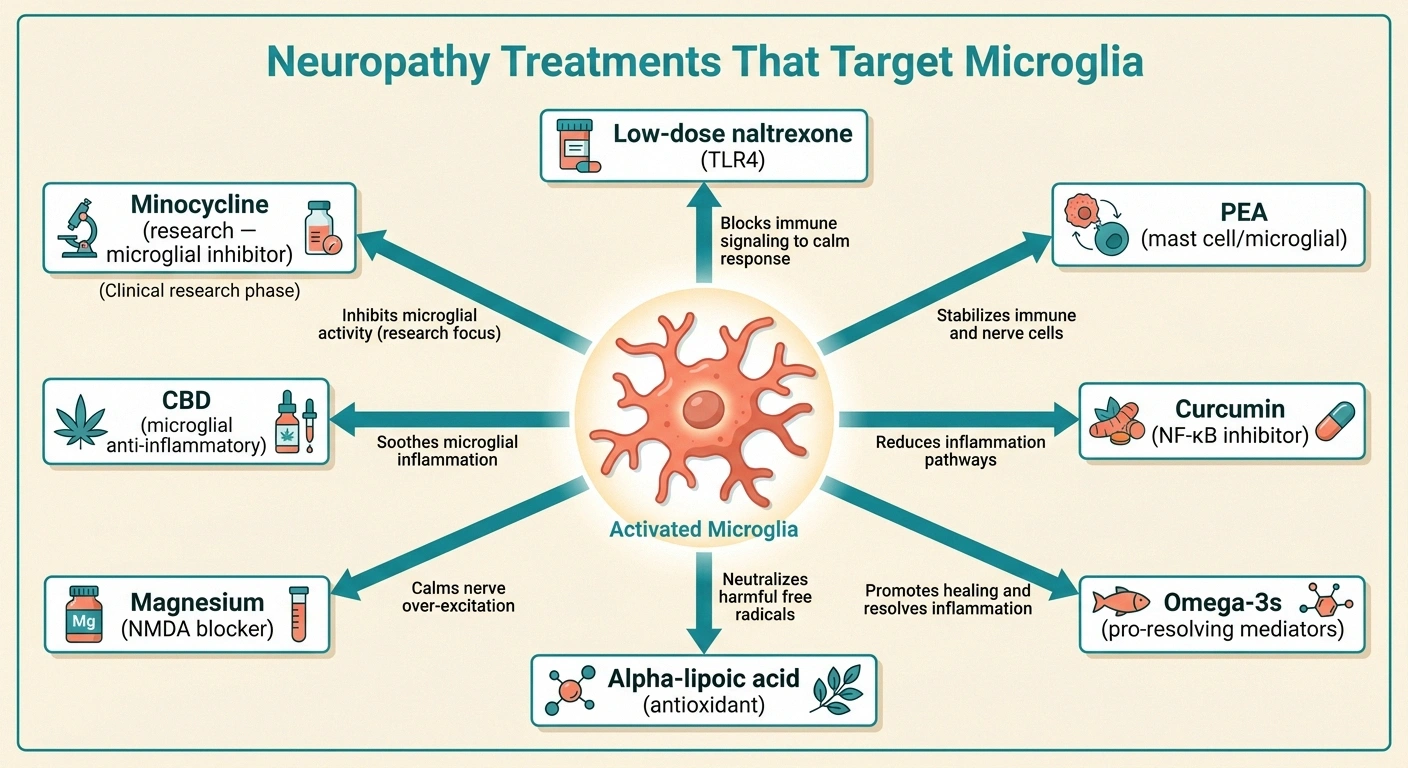
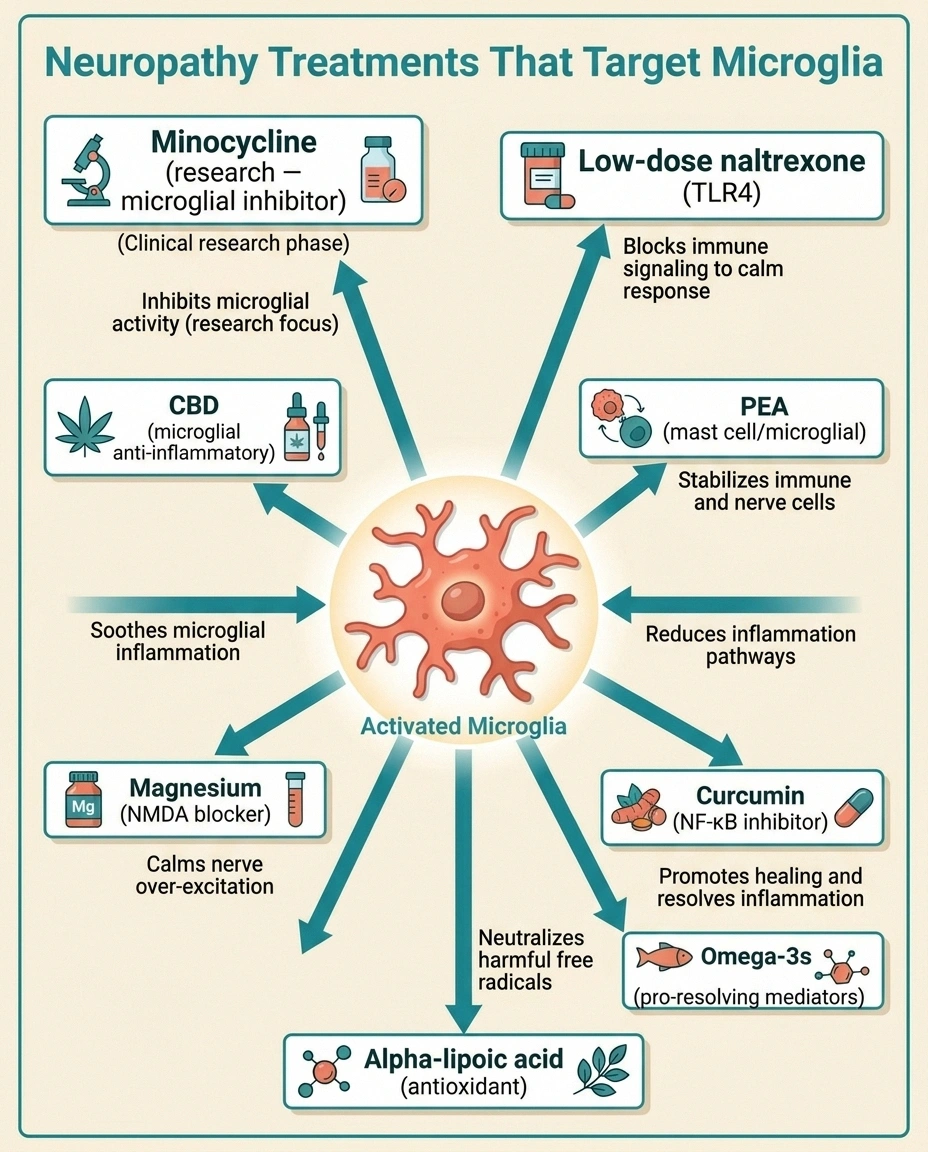
Once you understand the microglia story, a lot of the seemingly-random neuropathy treatments people talk about start to fit into one coherent framework.
Low-dose naltrexone (LDN). Naltrexone at high doses blocks opioid receptors. At very low doses — typically 1.5 to 4.5 milligrams — it appears to modulate microglial activity, downregulating a receptor called TLR4 that is heavily involved in the M1 pro-inflammatory state. This is the leading proposed mechanism for LDN’s use in chronic pain, fibromyalgia, and some neuropathies.
Palmitoylethanolamide (PEA). An endogenous fatty acid amide produced by your body. When supplemented, PEA appears to modulate mast cells and microglia, reducing neuroinflammation. It has been studied for chronic pain conditions including neuropathic pain.
Curcumin and turmeric. Curcumin inhibits NF-kappa-B, a master regulator of inflammatory gene expression that drives microglial M1 polarization. Practical bioavailability is a challenge with curcumin, but the mechanism is a real one. See our page on turmeric and curcumin for nerve pain.
Omega-3 fatty acids. The metabolites of EPA and DHA include specialized pro-resolving lipid mediators (resolvins, protectins) that actively push inflammation toward resolution. This is one reason a Mediterranean-style anti-inflammatory diet keeps showing up in neuropathy research.
Alpha-lipoic acid. A powerful antioxidant. Oxidative stress is upstream of much microglial activation, and reducing it indirectly calms the neuroinflammatory cascade. See our page on alpha-lipoic acid for neuropathy.
Magnesium. Magnesium blocks the NMDA glutamate receptor, a channel that is heavily involved in central sensitization. Magnesium has indirect anti-neuroinflammatory effects and is often deficient in neuropathy patients. See our page on magnesium for neuropathy.
CBD (cannabidiol). CBD has documented anti-inflammatory effects on microglia in animal studies and modest human evidence in chronic pain. See our page on CBD oil for neuropathy.
Minocycline. An old tetracycline antibiotic that also happens to inhibit microglial activation independently of its antibacterial effects. Combined with gabapentin in animal studies, minocycline produces synergistic analgesic effects that neither drug produces alone. Human trials are ongoing.
None of these are cures. Each individually produces modest effects. But the reason they all keep coming up in neuropathy conversations is that they are all, in different ways, targeting the same underlying neuroinflammatory machinery.
Sleep, Stress, and the Glial-Immune Connection

The microglia story extends beyond medications into things that seem too ordinary to matter.
Sleep matters more than most people realize. During sleep, particularly deep sleep, the brain runs a cleaning process called the glymphatic system — cerebrospinal fluid flows through the neural tissue and washes out inflammatory metabolites that accumulated during the day. Chronic sleep deprivation impairs this clearance, leaves inflammatory byproducts sitting in the brain longer, and shifts microglia toward more activated states. This is one reason poor sleep and chronic pain reinforce each other so brutally, and one reason our page on why neuropathy gets worse at night matters for more than just comfort.
Chronic stress dysregulates microglia. Cortisol — the main stress hormone — has complex effects on the immune system. Short bursts of cortisol are anti-inflammatory. Chronic elevation of cortisol over months and years leads to a state of glucocorticoid resistance and, paradoxically, higher baseline inflammation, including in the central nervous system. Chronic stress has been shown in research to shift microglia toward more activated, pro-inflammatory states.
Exercise releases anti-inflammatory cytokines. Regular moderate exercise raises circulating IL-10 and other anti-inflammatory mediators and appears to shift microglial balance toward M2. Our page on does walking help neuropathy covers the practical approach.
Mindfulness and meditation produce measurable effects on inflammatory markers. Not miraculous ones, but real. Regular meditation practice reduces CRP, IL-6, and TNF-alpha over time. The mechanisms include reduced sympathetic nervous system activity and improved sleep, both of which feed back into the microglial system.
Diet matters at a mechanism-relevant level. Diets high in ultra-processed foods, refined sugar, and industrial seed oils generate more inflammatory oxidative stress. Mediterranean-pattern eating, rich in olive oil, fatty fish, vegetables, nuts, and legumes, reduces systemic inflammation and provides the omega-3 fatty acids that produce pro-resolving mediators. Our page on the best neuropathy diet walks through this in more depth.
None of these interventions is a cure. Each one produces modest effects. But together, layered consistently over months, they can shift the neuroinflammatory environment in a meaningful direction — reducing the amplification without which chronic neuropathic pain has less to work with.
Why Anti-Inflammatory Medications Do Not Usually Help Nerve Pain
This is a good place to address a confusion that comes up often. If neuroinflammation drives chronic neuropathic pain, why do standard anti-inflammatory medications — ibuprofen, naproxen, other NSAIDs — usually not help nerve pain much?
Ibuprofen and naproxen target the COX enzyme pathway that drives peripheral joint and tissue inflammation. Microglial neuroinflammation runs on a different biochemistry — and NSAIDs cross the blood-brain barrier poorly anyway.
The interventions that reach CNS neuroinflammation are the LDN, PEA, curcumin, omega-3, sleep, exercise, and stress-reduction ones — not the drugstore anti-inflammatories.
The answer is that NSAIDs target a specific inflammatory pathway (COX enzymes producing prostaglandins) that is heavily involved in the peripheral inflammation of joints, muscles, and injured tissue — but is much less involved in the specific microglial-driven neuroinflammation of the central nervous system. NSAIDs also cross the blood-brain barrier poorly, so even to the extent that some CNS inflammation involves the COX pathway, the drug does not reach it in adequate concentrations.
Corticosteroids, in contrast, are broadly anti-inflammatory and do cross the blood-brain barrier. They can sometimes provide short-term relief in acute inflammatory neuropathies (vasculitic neuropathy, some autoimmune conditions). But long-term steroids create their own harm and are not a chronic-pain solution.
The interventions that actually reach microglial neuroinflammation are the ones I described in the previous section — LDN, PEA, curcumin, omega-3s, sleep, exercise, diet, stress reduction — plus emerging experimental drugs targeting specific microglial receptors like P2X7.
Where the Research Is Going
The neuroinflammation-in-chronic-pain field is one of the most active areas of pain research right now. A few directions worth knowing about, so that when you see them in the news or your specialist mentions them, you have context.
A 2024 review in Frontiers in Molecular Neuroscience characterized microglia as “the primary initiators” of neuropathic pain and astrocytes as “the primary maintainers” of the chronic phase. Combining gabapentin plus minocycline in animal models produces significant synergistic analgesic effects that neither drug produces alone — hinting at where the field is moving.
Translation: current standard neuropathic pain drugs may increasingly be layered with anti-neuroinflammatory agents in coming years. The stacked approach you can build with today’s supplements and lifestyle work is a preview of where medicine is headed.
P2X7 receptor antagonists. The P2X7 receptor sits on microglia and responds to ATP released from injured tissue. It is a key trigger of the M1 pro-inflammatory shift. Drugs that block P2X7 are in various stages of research for chronic pain, and some have shown promise in animal models of neuropathic pain.
Cannabinoid receptor CB2 agonists. CB2 receptors are heavily expressed on microglia. Selective activation appears to shift microglia toward M2 without producing psychoactive effects. This is different from CBD’s mechanism and different from THC’s mechanism.
Toll-like receptor (TLR4) inhibitors. TLR4 is the receptor that recognizes pathogens and also, in the nervous system, recognizes nerve-injury signals. Blocking TLR4 signaling appears to prevent the microglial shift into activated pro-inflammatory state. This is the receptor low-dose naltrexone appears to affect.
Mesenchymal stem cell therapies. Early research suggests mesenchymal stem cells release factors that shift microglia toward M2 and reduce neuroinflammation. This is early-stage work but generating serious research interest.
Combination approaches. The gabapentin-plus-minocycline synergy mentioned earlier is one example of the general research direction: combining a traditional neuropathic pain drug with an anti-microglial agent to get better results than either alone.
None of these are ready for routine use in typical neuropathy patients today. But they are the direction the field is going, and they explain why the current standard neuropathic pain treatments — gabapentin, pregabalin, duloxetine, capsaicin, lidocaine — may increasingly be layered with anti-neuroinflammatory approaches in the coming years.
What This Framework Changes About How You Manage Neuropathy
Understanding the microglia story does not immediately give you a new prescription to fill. But it changes the way you weigh your options and the questions worth asking.
It helps explain why early treatment matters. Once microglia and astrocytes have been locked into activated states for months or years, unwinding them is slower and harder. Getting on top of new-onset neuropathic pain earlier — with medications, with anti-inflammatory lifestyle changes, with treatment of the underlying cause — reduces the window in which central sensitization can consolidate.
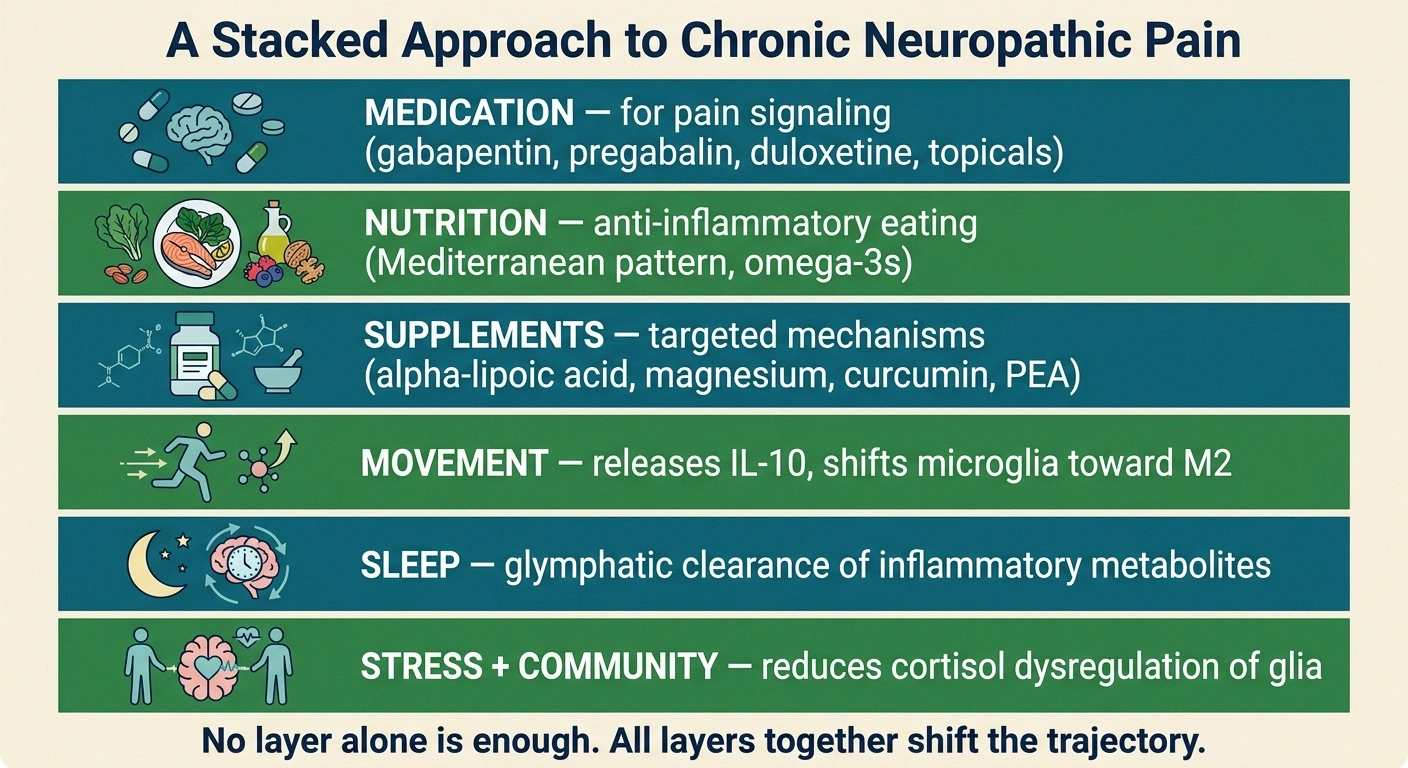
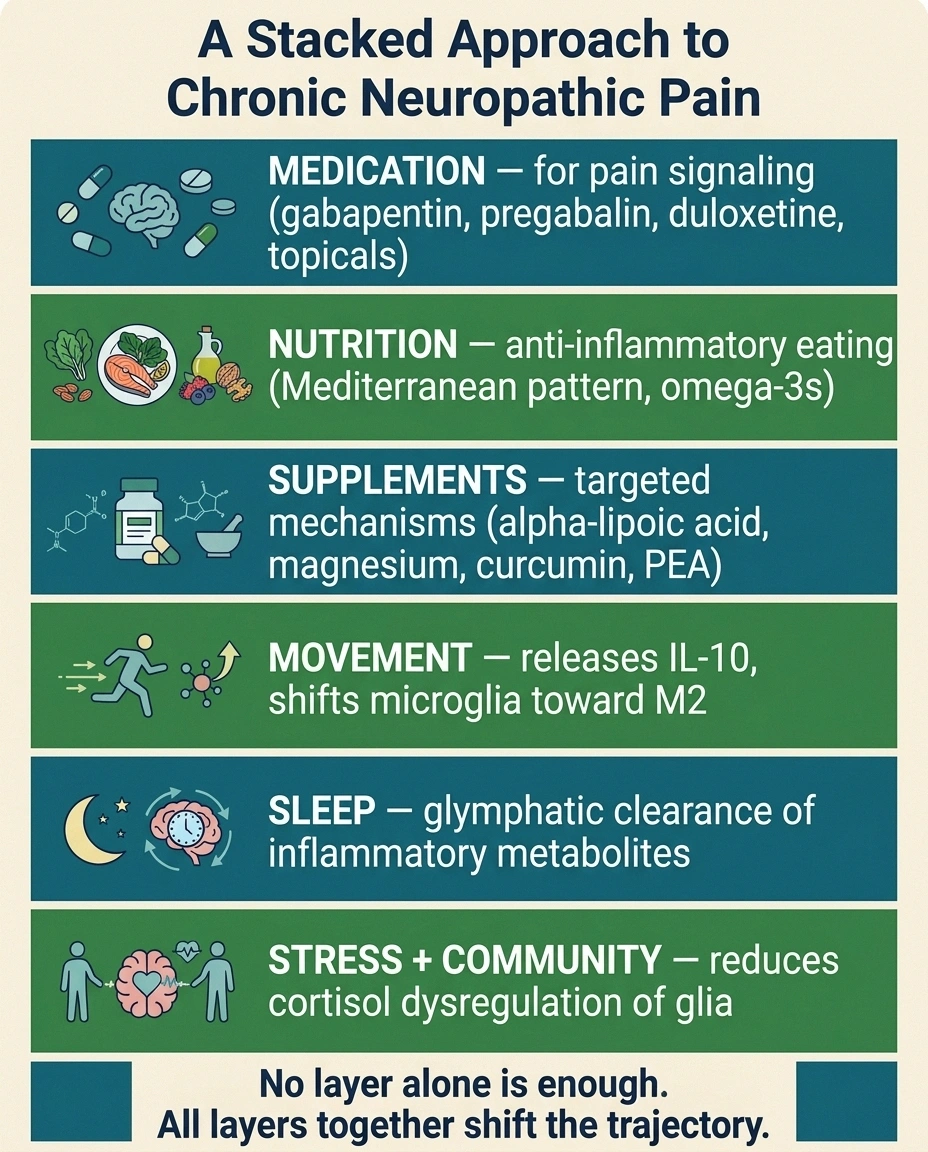
It helps explain why a stacked approach beats a single prescription. Chronic neuropathic pain is not just a nerve problem. It is a nerve-plus-spinal-cord-plus-brain problem, and each layer needs some attention. Medication for the pain signaling. Lifestyle work for the neuroinflammatory environment. Sleep for the glymphatic clearance. Movement for the anti-inflammatory cytokines. Community and stress reduction for the cortisol side. Nutrition for the substrate the whole system runs on.
It helps explain why mental health work is not separate from nerve pain work. The stress-inflammation-sleep-pain loop is a single loop, not four separate ones. Addressing depression and anxiety, working on stress reduction, treating insomnia — these are legitimate neuropathy interventions, not merely emotional coping strategies. Our page on neuropathy and mental health covers this in more depth.
It helps explain why some patients stabilize and others progress despite similar underlying nerve damage. The peripheral injury sets the stage. The neuroinflammatory response determines how much of that peripheral injury becomes chronic amplified pain versus how much resolves back toward baseline. Two people with equivalent diabetic small fiber damage can end up in very different places based on what happens in their spinal cord glial response.
And it helps explain why a hopeful posture is actually the evidence-based one. Neuroinflammation is a target that responds — slowly, incompletely, but genuinely — to interventions that are largely within your control. The nerve damage may not fully reverse. The amplification of it can be dialed down.
Where This Fits in the Bigger Neuropathy Picture
Neuroinflammation is one of several layers in the neuropathy story. It sits alongside the fiber-type layer (which fibers are damaged), the vascular layer (the vasa nervorum and microvascular supply), the metabolic layer (glucose, lipids, vitamin status), the mechanical layer (compression, positioning), and the psychological layer (stress, sleep, pain catastrophizing).
None of these operate in isolation. Managing chronic neuropathy well means recognizing that all of them contribute, and that meaningful work at each layer stacks over time. Our pages on the stages of neuropathy, whether neuropathy can be reversed, and the best supplements for nerve health cover different pieces of that bigger picture.
What I have come to believe, after eight years of my own neuropathy and countless conversations with people further along than I am, is that the patients who do best over the long term are not the ones who find the single perfect treatment. They are the ones who understand the machinery well enough to work on it from multiple angles, patiently, week after week. The neuroinflammation layer is one of the ones we have the most leverage on — and one of the ones the medical system is least likely to help you work on unprompted. Take that on yourself. Your microglia will thank you.
Frequently Asked Questions
What is neuroinflammation?
Neuroinflammation is inflammation occurring in the central nervous system (brain and spinal cord), primarily driven by resident immune cells called microglia and astrocytes. Unlike peripheral inflammation, which involves circulating white blood cells, neuroinflammation is a local process specific to nervous tissue. Chronic neuroinflammation is a major mechanism in chronic neuropathic pain, several neurodegenerative diseases, and long-term brain injury recovery.
What are microglia and why do they matter for nerve pain?
Microglia are the resident immune cells of the brain and spinal cord, making up about 10 to 15 percent of all cells in the central nervous system. When peripheral nerves are damaged, they send signals to microglia in the spinal cord, which activate and release inflammatory chemicals that sensitize pain-signaling neurons. This mechanism helps drive the transition from acute nerve injury to chronic neuropathic pain and helps explain why nerve pain can persist even after the original injury stabilizes.
Can inflammation be treated in the nervous system?
Yes, but not primarily with standard anti-inflammatory drugs like ibuprofen. NSAIDs target a different inflammatory pathway and cross the blood-brain barrier poorly. Interventions that reach neuroinflammation include low-dose naltrexone, palmitoylethanolamide (PEA), curcumin, omega-3 fatty acids, alpha-lipoic acid, magnesium, and lifestyle factors including sleep quality, regular exercise, stress reduction, and Mediterranean-pattern eating. Each produces modest effects individually; stacked consistently, they can meaningfully shift the neuroinflammatory environment.
What is central sensitization?
Central sensitization is the process by which pain-signaling neurons in the spinal cord and brain become hyperexcitable following prolonged peripheral pain input. Once sensitized, these neurons fire more easily and more strongly, and can generate pain in response to inputs that would normally be nonpainful. Microglial activation is a major driver of central sensitization. This is why chronic pain can persist or worsen even when the original peripheral injury has stabilized.
Does stress make neuropathy worse?
Yes, through multiple mechanisms. Chronic stress elevates cortisol, which paradoxically shifts the immune system toward a more pro-inflammatory state over months and years, including in the central nervous system. Stress also disrupts sleep, which impairs the brain’s overnight clearance of inflammatory metabolites. Stress increases sympathetic nervous system activity that amplifies pain signaling. Stress-reduction interventions including mindfulness, meditation, therapy, and community support are legitimate neuropathy interventions, not just emotional coping strategies.
How does low-dose naltrexone help neuropathic pain?
The leading proposed mechanism is that low-dose naltrexone (typically 1.5 to 4.5 milligrams) modulates microglial activity in the central nervous system, primarily by downregulating a receptor called TLR4 that drives microglial shift into the pro-inflammatory activated state. This is different from naltrexone’s opioid-blocking effect at higher doses. Human evidence in chronic pain conditions including fibromyalgia and some neuropathies is modest but promising. It is used off-label and requires a prescription and typically a compounding pharmacy.
Why do curcumin and omega-3s show up so often in neuropathy discussions?
Both target the neuroinflammatory pathways driving chronic neuropathic pain. Curcumin inhibits NF-kappa-B, a master regulator of inflammatory gene expression that drives microglial activation. Omega-3 fatty acids (EPA and DHA) are precursors to specialized pro-resolving lipid mediators (resolvins and protectins) that actively promote inflammation resolution. Neither is a standalone cure, but both are mechanism-relevant additions to a stacked approach.
Can nerve pain get better once microglia are activated?
Yes, though the process is slower than most patients want. Microglia can shift back from the pro-inflammatory M1 state toward the resolution-promoting M2 state, but chronic activation creates self-sustaining loops that take time to unwind. Getting on top of neuroinflammation earlier in the disease is easier than reversing it after years of chronic pain. Sustained anti-inflammatory lifestyle work — good sleep, regular exercise, stress reduction, anti-inflammatory eating, targeted supplements — over months to years does produce meaningful shifts in most patients.
About the Author