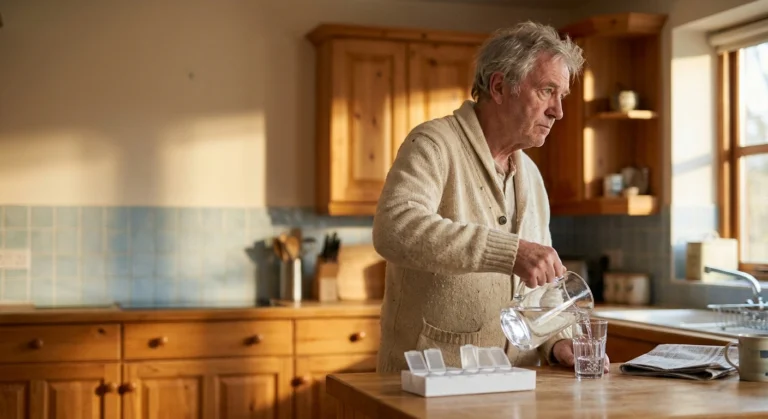
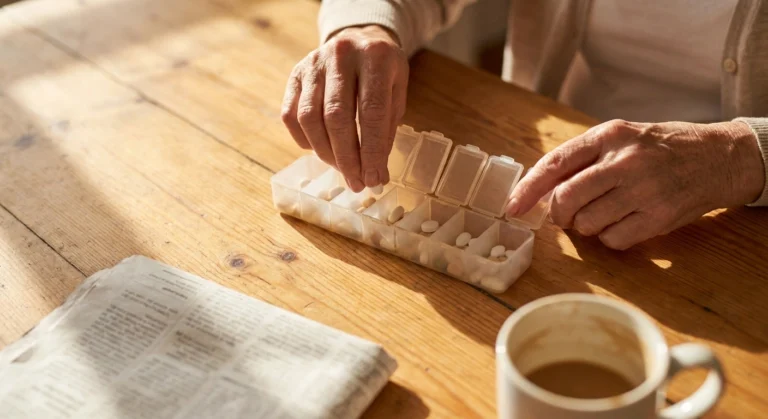
I’ll never forget the woman who showed up to my support group about three years ago. She’d beaten breast cancer — surgery, six rounds of chemo, radiation, the whole brutal marathon. She rang the bell at her cancer center. Her family threw a party. Everyone kept telling her how strong she was, how it was time to get back to normal.
But her hands wouldn’t stop tingling. Her feet burned at night. She’d drop coffee mugs because she couldn’t feel them properly in her grip. And when she tried to explain it to people — even some of her doctors — she got blank stares or vague reassurance that “it should get better with time.”
She sat in my group that first night and said something I’ve heard dozens of times since: “I survived cancer, but nobody warned me about this.”
If you’re dealing with neuropathy from chemotherapy, I want you to know three things. First, you’re not imagining it. Second, you’re not alone — this is one of the most common side effects of chemo, and it’s shockingly under-discussed. And third, there are things you can do about it.
What Is Chemo-Induced Peripheral Neuropathy (CIPN)?
Chemo-induced peripheral neuropathy — CIPN for short — is nerve damage caused by certain chemotherapy drugs. These medications are designed to destroy fast-growing cancer cells, but they can also damage your peripheral nerves, the ones that carry sensation and movement signals between your brain and your hands, feet, and other parts of your body.
The result is tingling, numbness, burning, or pain — usually starting in the fingers and toes and sometimes working its way up. It can show up during treatment, immediately after, or even months later (a frustrating phenomenon doctors call “coasting”).
What percentage of chemo patients get neuropathy?
The numbers are honestly staggering. Research published in the Journal of Clinical Oncology (2014) found that up to 68% of patients experience CIPN in the first month after chemotherapy, and about 30% still have symptoms six months later. Some studies put the number even higher depending on the drug regimen.
of chemo patients experience CIPN in the first month — yet it’s rarely discussed before treatment begins
That means if you’re in a room with ten chemo patients, roughly six or seven of them will deal with some degree of nerve symptoms. Yet it often comes as a complete surprise. I’ve talked to so many cancer survivors who say their oncologist mentioned neuropathy as a “possible side effect” in passing but never explained what it would actually feel like or how long it might last.
Which Chemotherapy Drugs Cause Neuropathy?
Not all chemo drugs carry the same risk. The ones most commonly linked to CIPN include:
- Platinum-based drugs — cisplatin, carboplatin, and especially oxaliplatin (used for colorectal cancer). Oxaliplatin is notorious for causing acute cold sensitivity and long-term numbness.
- Taxanes — paclitaxel (Taxol) and docetaxel (Taxotere). These are workhorses in breast and ovarian cancer treatment, and they carry significant neuropathy risk.
- Vinca alkaloids — vincristine, vinblastine. Often used in blood cancers and lymphomas.
- Bortezomib (Velcade) — used for multiple myeloma. Can cause painful neuropathy that limits dosing.
- Thalidomide and lenalidomide — also used in myeloma treatment.
The risk generally increases with higher cumulative doses — the more rounds you get, the greater the chance. This is why some oncologists reduce doses or switch drugs mid-treatment if neuropathy symptoms become significant.
What CIPN Feels Like (Patient Experience Perspective)
The medical textbooks describe CIPN in clinical terms — “paresthesia,” “dysesthesia,” “sensory neuropathy.” That doesn’t capture what it’s actually like to live with it.
Here’s what people in my support group describe:
How CIPN Patients Describe the Feeling
“Wearing invisible gloves and socks” — A numbness that makes everything feel muffled, like there’s a layer between you and the world.
“Walking on marbles“ — That awful feeling of the ground being unstable under your feet, even on flat surfaces.
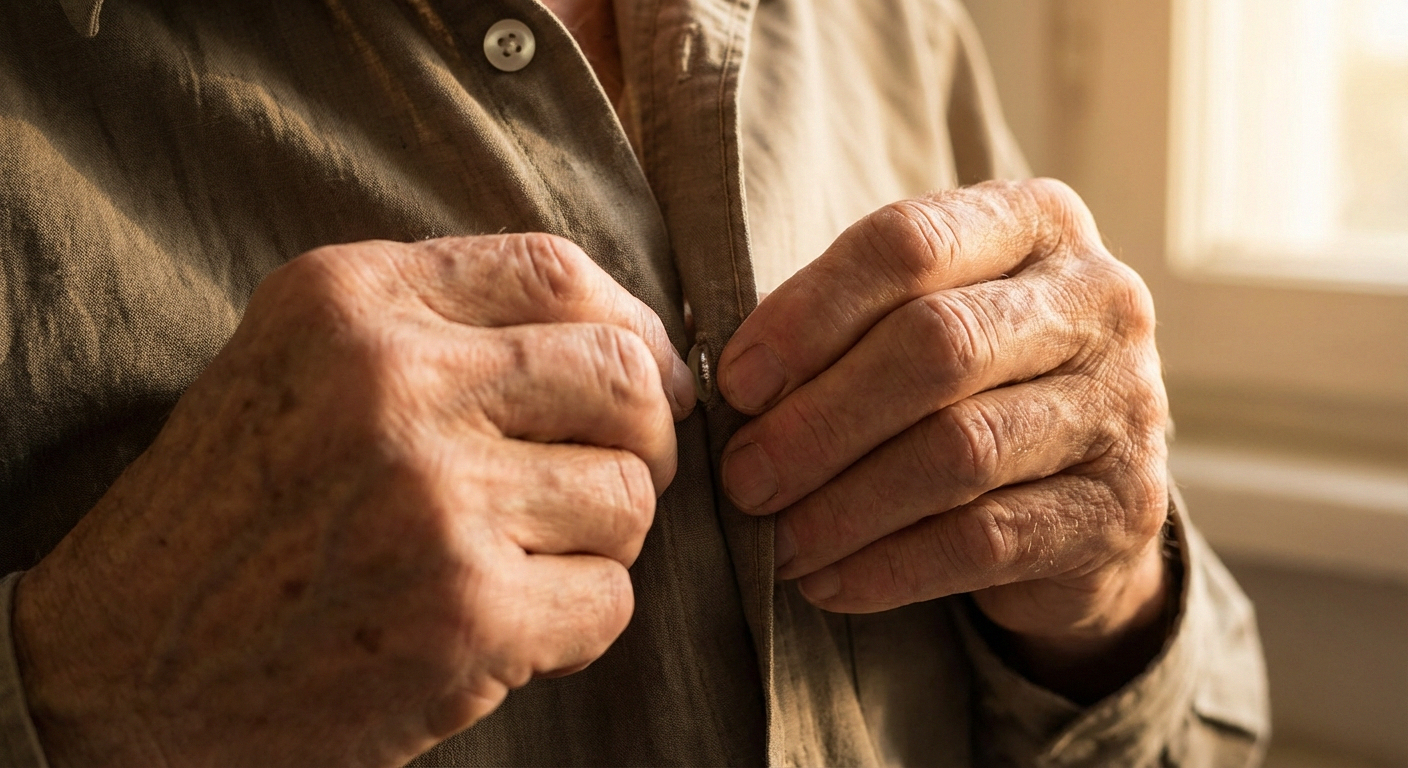
“Hands that can’t be trusted” — Dropping things, fumbling with buttons, struggling with zippers. One woman told me she cried the first time she couldn’t open her grandson’s juice box.
“Feet on fire at night” — Burning that ramps up when you’re trying to sleep, turning bedtime into something you dread. If this is hitting you hard, I wrote about why neuropathy gets worse at night — understanding the reasons can help.
“Electric shocks out of nowhere” — Sharp, shooting pains that come without warning and take your breath away.
What makes CIPN especially frustrating is the emotional context. You’ve just been through one of the hardest experiences of your life. You’re supposed to be recovering, celebrating, moving forward. Instead, you’re dealing with a new problem that nobody seems to fully understand.
Your pain is real. Your frustration is valid. And there are paths forward.
Does Chemo Neuropathy Go Away? (Honest Timeline)
This is the question I get asked more than almost anything else, and I want to be straight with you — because I think you deserve honesty more than empty reassurance.
How long does neuropathy last after chemo?
For some people, it does improve significantly. A study in Supportive Care in Cancer (2017) found that the majority of patients saw some improvement within 6–12 months of finishing chemotherapy. Mild cases often resolve within a few months as nerves slowly repair themselves.
For others, it becomes a long-term companion. Research suggests that roughly 30–40% of patients still have clinically significant neuropathy two or more years after treatment ends. Certain drugs (especially oxaliplatin and paclitaxel at high cumulative doses) are more likely to cause persistent symptoms.
The honest timeline looks something like this:
CIPN Recovery Timeline After Chemo Ends
0–3 Months After Chemo Ends
Symptoms may initially worsen (“coasting”) — this is alarming but normal. The drugs continue affecting nerves even after the last infusion.
3–6 Months
Many people start noticing gradual improvement. Nerves begin slowly repairing — at roughly an inch per month.
6–12 Months
The window where the most recovery typically happens. This is when targeted treatment makes the biggest difference.
Beyond 12 Months
Improvements can still occur, but the pace slows. About 30–40% of patients manage symptoms long-term. “Better” remains a very real and worthwhile goal.
Can you reverse chemo-induced neuropathy?
Partial reversal is absolutely possible, especially in the first year. Nerves do regenerate — slowly, at about an inch per month — but the degree of recovery depends on how much damage was done. If you want a deeper dive into nerve recovery, I’ve covered the science in can neuropathy be reversed.
I’ve seen people make meaningful improvements even two or three years out. It’s not common for severe CIPN to completely resolve, but “better” is a very real and very worthwhile goal.

Why Some People Get It Worse Than Others
If you’re wondering why your chemo buddy sailed through treatment with barely a tingle while you can’t feel your toes six months later — you’re not doing anything wrong. Several factors influence CIPN severity:
- The specific drug and cumulative dose. Higher total doses consistently correlate with worse neuropathy.
- Pre-existing neuropathy. If you already had nerve damage from diabetes, vitamin deficiencies, or other causes before chemo, you’re starting from a disadvantage. Understanding the stages of neuropathy can help you assess where you started.
- Age. Older adults tend to be more susceptible, likely because nerve repair mechanisms slow with age.
- Genetics. Emerging research is identifying genetic variations that predispose some people to more severe CIPN.
- Nutritional status. Deficiencies in B vitamins, particularly B12 and folate, make nerves more vulnerable.
- Other health conditions. Diabetes, kidney disease, and autoimmune disorders all increase risk.
- Alcohol use. Even moderate alcohol intake during or after treatment may compound nerve damage.
None of this is your fault. But some of these factors — nutrition, alcohol, managing other conditions — are things you can address going forward.
Treatment Options for CIPN (Medications, Therapies, Supplements)
Here’s where things get both frustrating and hopeful. Frustrating because there’s no single magic bullet for CIPN. Hopeful because there are multiple approaches that can genuinely help, especially in combination.
What is the best treatment for chemo neuropathy?
There’s no single “best” treatment — what works varies from person to person. But here’s what has the most evidence behind it:
Medications:
- Duloxetine (Cymbalta) is currently the only medication with strong clinical trial evidence specifically for CIPN. A landmark study in JAMA (2013) showed it significantly reduced pain compared to placebo. It’s the one I hear the most positive feedback about in my support group.
- Gabapentin and pregabalin are frequently prescribed, though the evidence specifically for CIPN is more mixed than many people realize.
- Tricyclic antidepressants (like nortriptyline) are sometimes used, particularly for burning pain.
- Topical treatments — prescription lidocaine patches or compounded creams can provide localized relief without systemic side effects.
Research Says
A randomized, placebo-controlled trial published in JAMA (2013) found duloxetine produced clinically meaningful pain reduction in CIPN patients — the first drug to achieve this in a rigorous clinical trial. It remains the strongest evidence-backed medication option for this specific type of neuropathy.
Does gabapentin help chemo neuropathy?
This is a nuanced one. Gabapentin helps some CIPN patients, and it’s widely prescribed for neuropathic pain in general. However, a randomized trial in Journal of Clinical Oncology (2014) found gabapentin was not significantly better than placebo for CIPN pain. Individual responses vary — some people in my group swear by it — but duloxetine has stronger evidence for this specific type of neuropathy.
Physical therapy and exercise:
- Structured exercise programs have shown real benefits for CIPN. A study in Cancer (2019) found that exercise significantly reduced neuropathy symptoms and improved balance.
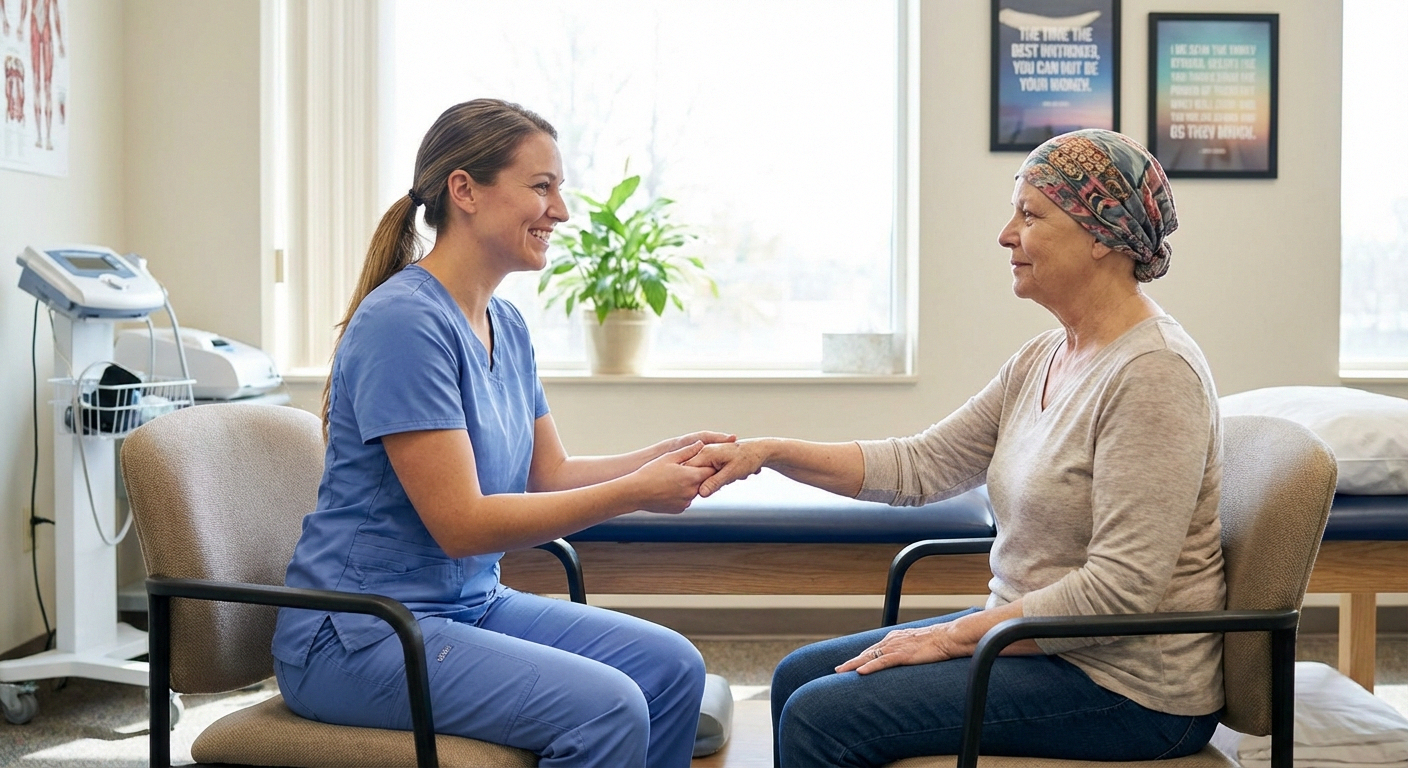
- Physical therapy focusing on balance, strength, and coordination can help compensate for nerve damage. Check out exercises that help with neuropathy for some practical starting points.
- Occupational therapy can help with fine motor tasks that CIPN makes difficult.
Other therapies:
- Acupuncture has shown promise in several trials for CIPN symptom relief
- Scrambler therapy (a specialized electrical stimulation) is gaining attention
Natural Remedies That May Help
I always want to be careful here — “natural” doesn’t automatically mean effective, and I never want to oversell something. But there are some approaches with genuine research support:
Supplements with evidence for nerve health:
- Alpha-lipoic acid (ALA) — a powerful antioxidant that’s been studied for various types of neuropathy. Some research suggests it may help protect nerves during chemo and support recovery after. I’ve done a deep dive on alpha-lipoic acid for neuropathy if you want the details.
- Acetyl-L-carnitine — supports nerve cell energy production. Some studies show benefit, though results are mixed — discuss with your oncologist.
- B vitamins — especially B12, B6, and B1. Deficiencies are common during cancer treatment, and correcting them supports nerve repair. I cover this in my guide to the best supplements for neuropathy.
- Glutamine — some evidence suggests it may help prevent CIPN during taxane-based chemo.
Important note: Always talk to your oncologist before starting any supplement, especially if you’re still in active treatment. Some supplements can interfere with chemotherapy effectiveness.
Key Takeaway
Among supplements, alpha-lipoic acid and B vitamins (especially B12) have the most research support for nerve health after chemo. Start with these before exploring less-studied options — and always clear them with your oncologist first, especially if still in active treatment.
Other natural approaches:
- Warm foot soaks — can improve circulation and provide temporary relief
- Gentle massage — improves blood flow and may reduce pain perception
- Mindfulness and meditation — won’t cure neuropathy, but research shows they can meaningfully reduce the suffering component of chronic pain
Tips for Living With CIPN Day to Day
The big-picture treatments matter, but so do the small daily adjustments that make life more manageable. These tips come straight from the collective wisdom of my support group — real strategies from people who are living with this every day:
For your hands:
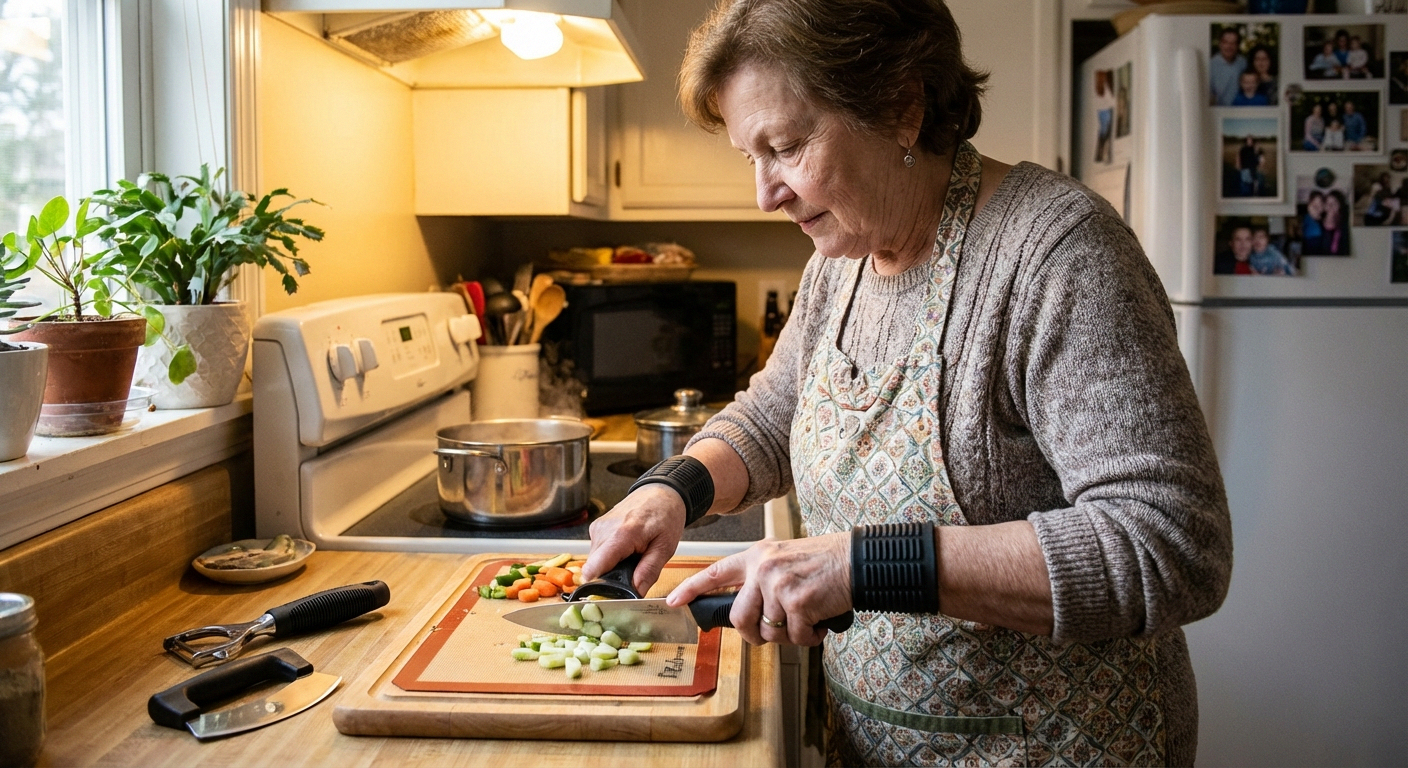
- Use jar openers, rubber grips, and adaptive utensils
- Switch to button-free clothing when possible (magnetic closures are a game-changer)
- Wear gloves when handling cold or hot items — you may not feel temperature accurately
- Use a textured phone case so your phone doesn’t slip
For your feet:
- Check your feet daily for cuts, blisters, or sores you might not feel
- Wear well-fitting, supportive shoes at all times — no barefoot walking
- Use nightlights to prevent falls during middle-of-the-night bathroom trips
- Consider a shower chair if balance is an issue
For sleep:
- Keep sheets loose over your feet (a bed cradle can help)
- Try cooling or warming your feet before bed to see which helps
- Establish a consistent sleep routine — neuropathy pain feeds off fatigue
For your emotional well-being:
- Join a support group — there’s nothing like talking to someone who truly gets it
- Let go of the guilt about not bouncing back faster
- Celebrate small improvements — they matter more than you think
When to Talk to Your Oncologist About Nerve Symptoms
I want to be really clear about this: don’t tough it out. I’ve met too many cancer patients who didn’t report their neuropathy symptoms because they didn’t want to seem like they were complaining, or because they were afraid the oncologist would change their treatment.
Talk to Your Doctor — Don’t Wait
Contact your oncologist as soon as you notice any of these signs — catching CIPN early allows for dose modifications that can prevent permanent damage while still treating cancer effectively:
- Tingling, numbness, or pain — even if it seems minor
- Symptoms getting worse between treatment cycles
- Dropping things or having trouble with balance
- Symptoms appearing or worsening after treatment has ended
- Current symptom management isn’t working
Your oncologist needs accurate information to make good decisions. But they can’t help if they don’t know what you’re feeling.
You fought hard to beat cancer. You deserve the best possible quality of life on the other side of it. Managing CIPN — whether it means adjusting treatment, starting targeted supplements, working with a physical therapist, or simply having someone acknowledge what you’re going through — is a critical part of your survivorship.
Take care of yourself, Janet
Frequently Asked Questions
About the Author