Browse all our living with neuropathy guides for more articles like this one.
If you’re living with neuropathy and your sex life has changed, you are not broken, and you are definitely not alone. This is one of the least discussed parts of nerve conditions, even though it can affect confidence, closeness, sleep, and overall quality of life. Many people suffer quietly because they feel embarrassed, or because they think their symptoms are “just aging.” In reality, nerve-related sexual changes are common enough that clinicians who treat neuropathy see them regularly.
And here’s the part that matters most: these symptoms are worth bringing up. They can offer clues about autonomic nerve involvement, circulation, medication side effects, blood sugar issues, mood changes, and more. When you talk about sexual symptoms, you are not being “off topic.” You are sharing an important health signal.
Quick truth: Sexual dysfunction can be part of neuropathy in both men and women, and help is available.
How Neuropathy Can Affect Sexual Function
Sexual function depends on several systems working together: nerve signaling, blood flow, hormones, mood, and relationship safety. Peripheral neuropathy can interfere with that chain in more than one place.


- Sensory nerve changes may reduce or distort sensation, making touch feel dulled, delayed, or uncomfortable.
- Autonomic nerve involvement may affect erection, lubrication, arousal, and orgasm timing.
- Pain and fatigue can reduce desire and make intimacy physically draining.
- Medication effects (including some pain or mood medicines) may contribute to low libido or performance changes.
A population analysis of US men in NHANES data found a meaningful association between peripheral neuropathy and erectile dysfunction, including in men without diabetes (OR 1.68 in the non-diabetic subgroup), supporting what many clinicians already observe in practice (study details).
It’s Not Only Erectile Dysfunction — Women Are Affected Too
Most online content focuses on erectile function, but neuropathy-related sexual dysfunction is broader than that. A clinical review describing peripheral nervous system lesions notes problems can include reduced genital sensitivity, lubrication changes, orgasm difficulties, and changes in desire in both genders (review summary).
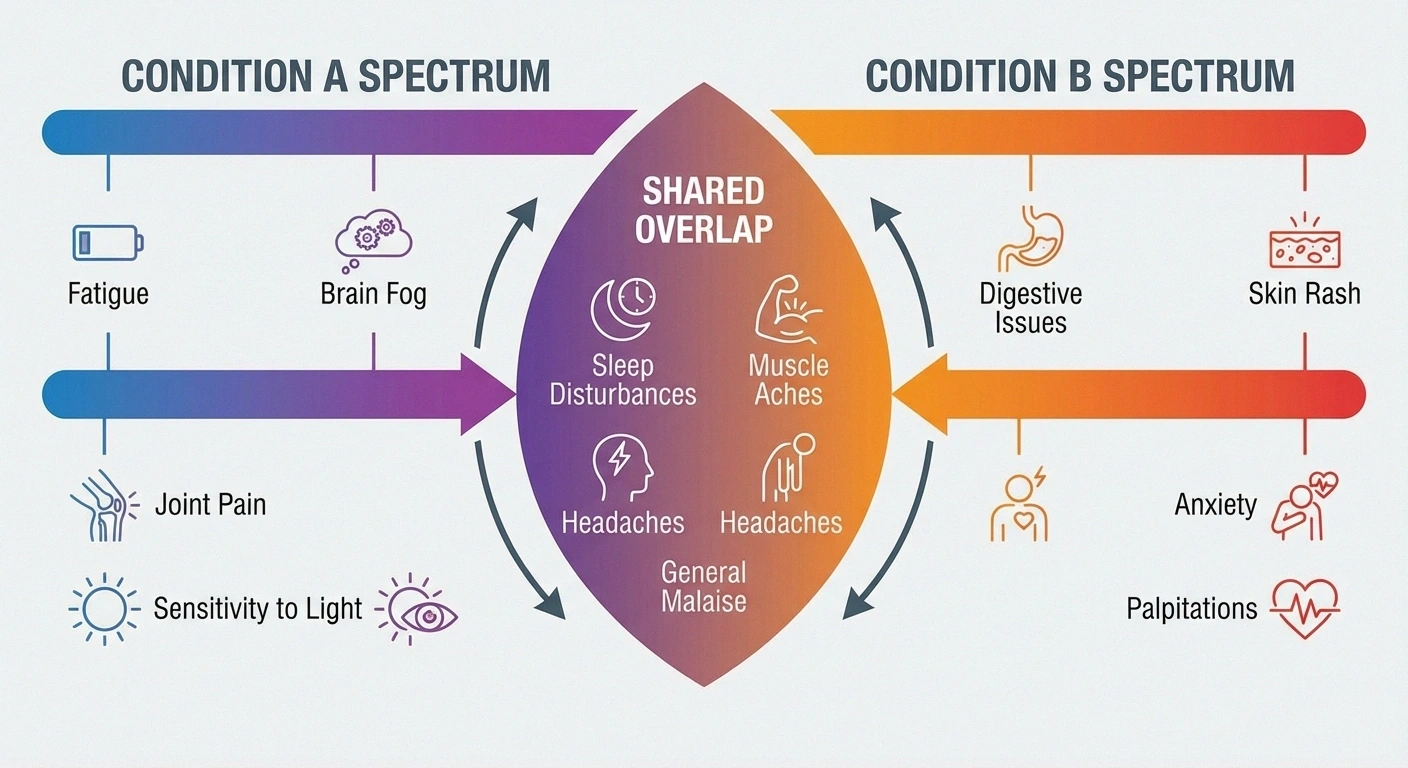
In other words, this is not a “men-only” issue, and it’s not a character flaw. It is often a neurophysiologic issue layered with stress, pain, and relationship strain.
Symptoms people often describe
When Sexual Symptoms Might Signal Autonomic Neuropathy
Autonomic nerves help regulate blood pressure, heart rate, sweating, bowel/bladder function, and sexual response. The NHS symptom guide for peripheral neuropathy includes sexual dysfunction as part of autonomic symptom patterns (NHS overview).

If sexual symptoms show up with dizziness when standing, bowel or bladder changes, unusual sweating, or persistent rapid heartbeat, tell your clinician. These clusters can change how your care team evaluates your neuropathy pattern.
What Evaluation Usually Looks Like
A good first step is usually your primary care clinician, neurologist, gynecologist, or urologist—whoever you can access fastest. The goal is not a single “magic test.” It’s a layered review of nerve, vascular, hormonal, medication, and mental health contributors.
- Symptom timeline (what changed, when, and how quickly)
- Neuropathy history (diagnosis, progression, triggers)
- Medication review (pain meds, antidepressants, blood pressure meds, etc.)
- Metabolic labs when relevant (for example, glucose control)
- Focused neurologic and vascular assessment
- Referrals for pelvic floor therapy, sexual medicine, or counseling if needed
Bring this to your visit: a short symptom log, medication list, and one sentence describing your main goal (for example, “I want less pain and more comfort with intimacy”).
Treatment Options: Usually a Combination Plan
Most people do better with a layered plan than with one intervention alone. Treatment depends on your specific pattern and underlying causes.
- Address underlying drivers: glucose control, alcohol reduction, medication adjustments, vascular risk management.
- Targeted sexual function therapies: PDE5 inhibitors for some men, lubricants/moisturizers, pelvic floor therapy, and specialized sexual medicine guidance.
- Pain and sleep support: better pain timing and sleep quality often improves intimacy readiness.
- Communication and counseling: relationship-focused counseling can reduce fear and performance pressure.
If one strategy doesn’t work quickly, that does not mean you’re out of options. Neuropathy-related sexual dysfunction often improves with iterative adjustments over weeks to months.
How to Start the Conversation (Without Freezing)
Here are plain-language scripts you can use right away:

- With a clinician: “Since my neuropathy symptoms worsened, my sexual function changed too. Can we include this in my treatment plan?”
- With a partner: “I still want closeness, but my body feels different lately. Can we slow down and experiment with what feels comfortable?”
- If you feel embarrassed: “This is hard to talk about, but it matters to my quality of life.”
Many couples benefit from reducing pressure around performance and prioritizing comfort, connection, and communication while medical treatment progresses.
Related Resources You May Find Helpful
- Autonomic Neuropathy
- diabetes and peripheral neuropathy
- Neuropathy and Mental Health
- Neuropathy Diagnosis: Tests Your Doctor May Order
Why This Topic Gets Missed in Real Appointments
Most neuropathy appointments are short and symptom-heavy. People come in focused on pain, balance, sleep, medications, and lab results. Sexual symptoms often get pushed to the bottom of the list, even when they are deeply distressing. Many patients also worry that bringing up intimacy will be dismissed as “not urgent.”
In reality, clinicians usually appreciate direct symptom reporting. Sexual changes can point toward autonomic involvement, medication burden, vascular risk, mood strain, and endocrine factors. Even when there is no emergency behind them, these symptoms matter because they affect function, relationships, and motivation to continue treatment.
If time is limited, try this one-line opener: “I have sexual symptoms that started around the same time as my neuropathy changes, and I’d like them included in today’s plan.” That one sentence can redirect the visit in a useful way without derailing the rest of your care.
Medication Review: A Practical, Non-Judgmental Step
Medication effects are common and often reversible contributors. A review is not about blame—it is about matching your treatment plan to your real priorities. Some medicines that help pain, mood, blood pressure, or sleep can also affect arousal, lubrication, erection quality, orgasm timing, or desire. That does not mean you should stop them suddenly. It means your prescribing team may be able to adjust timing, dosage, or alternatives.

- Ask whether your current regimen has known sexual side effects.
- Ask if dosing time can be shifted to reduce impact during preferred intimacy windows.
- Ask whether a slower titration or alternative medicine might preserve symptom control with fewer side effects.
- Never stop prescription medicines abruptly without medical guidance.
People are often surprised how much improvement can come from relatively small medication adjustments. Even partial change can restore confidence and reduce anticipatory anxiety around intimacy.
A 4-Week Support Plan You Can Start Now
While medical evaluation is in progress, many people benefit from a structured home plan. The goal is not perfection. The goal is reducing pressure, tracking patterns, and building momentum.
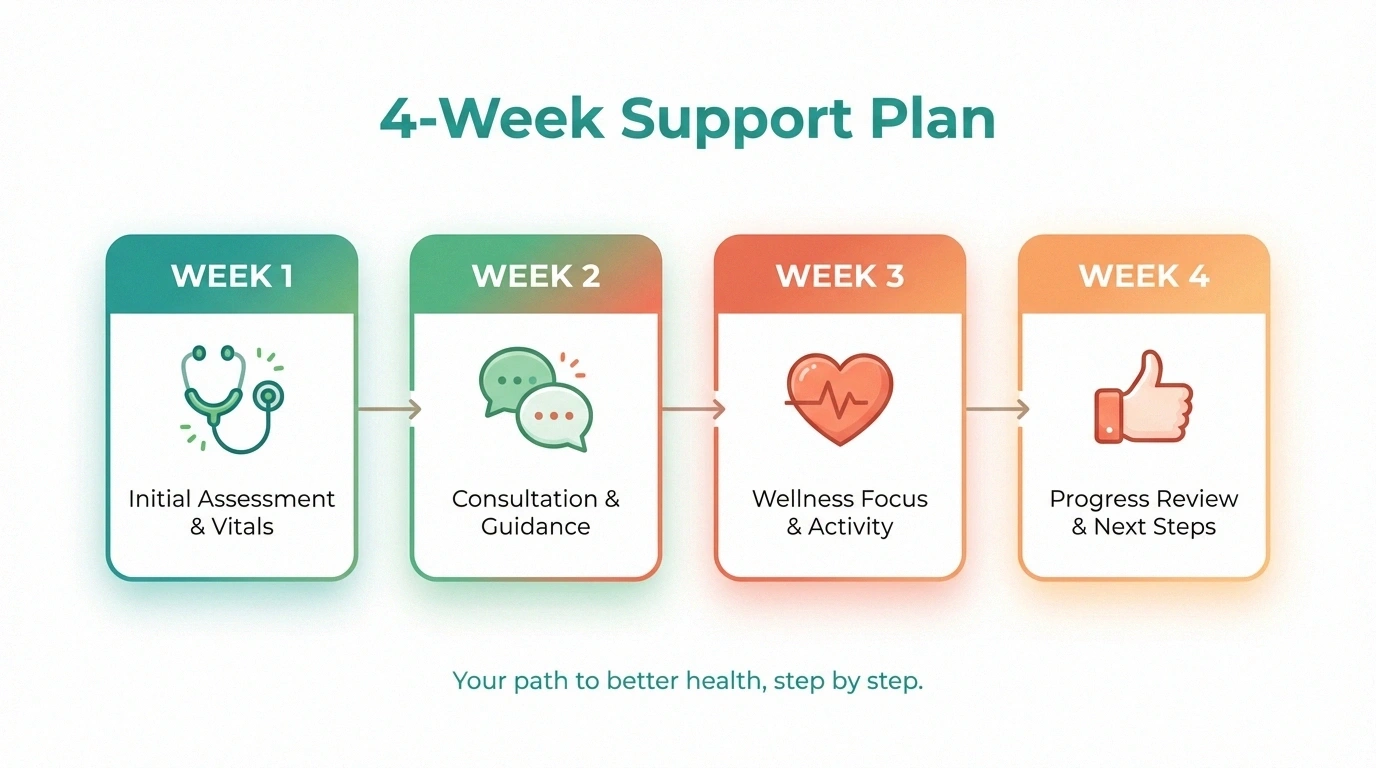
Week 1: Observe and Track
Keep a short log: pain level, fatigue, sleep quality, arousal changes, medications taken, and emotional state. You’re looking for patterns, not proving anything.
Week 2: Reduce Nervous-System Load
Prioritize pacing, hydration, and regular sleep timing. If symptoms flare in the evening, consider scheduling intimacy during your better energy window instead of late at night.
Week 3: Expand Comfort, Not Pressure
Focus on touch and closeness without performance goals. This helps retrain safety and lowers fear-based cycles that can worsen symptoms.
Week 4: Bring Data to Care Team
Share your symptom log and ask for targeted next steps: medication review, hormonal/lab workup, pelvic floor referral, sexual medicine consult, or counseling support.
Partner Communication: What Helps Most
When neuropathy changes sexual response, couples often misread each other. One partner may interpret withdrawal as rejection. The other may avoid intimacy from fear of pain or “failing.” Naming this pattern early can prevent resentment from building.
- Use “we” language: “How can we make this feel safer and more comfortable?”
- Name what still works, not only what changed.
- Set a flexible plan with permission to pause.
- Separate closeness from performance goals.
- Consider brief couples counseling if communication repeatedly stalls.
Many couples report that honest communication improves connection before physical symptoms fully improve. That emotional safety can also make treatment adherence easier.
When to Escalate Care Quickly
Most neuropathy-related sexual symptoms are addressed in outpatient care, but some clusters warrant faster escalation. Contact your clinician promptly if symptoms worsen rapidly, become painful enough to disrupt daily life, or appear alongside significant bladder, bowel, dizziness, or cardiac symptoms.

- Sudden neurologic decline (new weakness, severe numbness spread)
- Bladder retention, bowel incontinence, or repeated near-fainting episodes
- Chest symptoms, severe blood pressure swings, or persistent tachycardia
- New pelvic pain with neurologic symptoms after injury/surgery
When in doubt, err on the side of evaluation. It is always reasonable to ask whether your symptom pattern suggests broader autonomic or neurologic involvement.
Detailed Self-Advocacy Checklist for Better Care
If you want faster progress, come to visits with a short, structured summary. You do not need a perfect journal—just enough data to help your clinician connect patterns. A practical one-page note can save time and improve treatment precision.
- Symptom pattern: when symptoms are best/worst, and whether they are constant or variable.
- Function impact: what has changed in desire, arousal, sensation, comfort, or orgasm.
- Context: pain scores, sleep quality, stress levels, and relationship strain level.
- Medication timing: exact times and doses, including over-the-counter supplements.
- Goals: one or two clear priorities for the next 4-8 weeks.
Ask your clinician which change is most likely to improve quality of life first. Sometimes that is pain control; sometimes it is medication adjustment; sometimes it is sleep or anxiety support. Sequence matters. Trying to change everything at once can make it hard to see what actually helps.
It also helps to set realistic timelines. Nerve-related sexual symptoms often improve gradually, and expecting overnight results can increase discouragement. Many people do better when they monitor “direction of change” (slightly better, stable, worse) rather than chasing perfect outcomes every week.
Finally, remember this conversation belongs in routine care. If your concern is minimized, seek a second opinion. You deserve a plan that treats intimacy, comfort, and emotional wellbeing as legitimate health priorities.
FAQ
Can neuropathy cause erectile dysfunction even without diabetes?
Yes. Diabetes is a major risk factor, but nerve-related erectile symptoms can occur in people without diabetes too.
Can neuropathy affect women’s sexual function too?
Yes. Neuropathy may affect arousal, lubrication, sensation, and orgasm in women, especially when autonomic or sensory nerves are involved.
Is neuropathy-related sexual dysfunction reversible?
Sometimes partially, sometimes substantially, and sometimes mostly manageable rather than fully reversible. The outcome depends on cause, severity, and treatment timing.
What doctor should I see first?
Start with whichever clinician you can access quickly: primary care, neurology, gynecology, or urology. They can coordinate referrals if needed.
Are ED medications still useful if neuropathy is involved?
They may help some people, but many need a broader plan that also addresses nerve health, pain, emotional factors, and relationship communication.
When should this be treated as urgent?
If sexual symptoms appear with sudden neurologic changes, severe bladder or bowel problems, fainting, chest symptoms, or rapidly worsening weakness, seek urgent medical care.
Takeaway
Sexual dysfunction in neuropathy is common, real, and treatable. You deserve care that includes this part of your life, not silence around it. Bring it up early, document your symptoms, and work with your clinician to build a plan that supports both health and intimacy. This article is educational and not a diagnosis—please talk with your doctor for personalized guidance.
About the Author