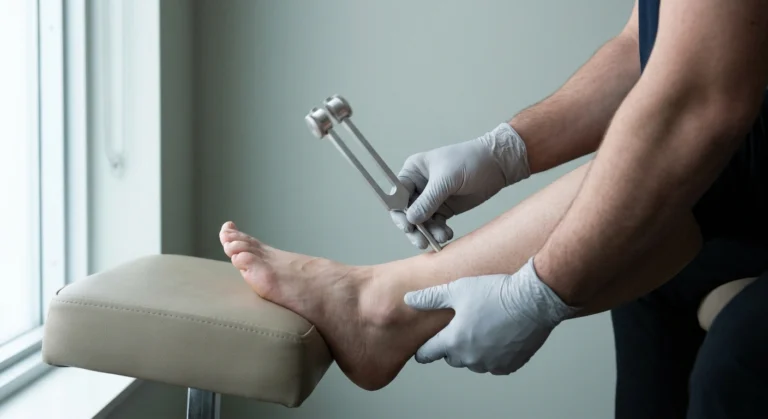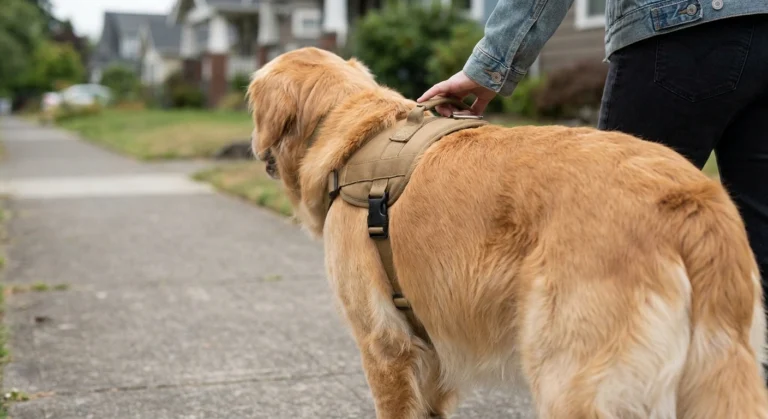
Mornings used to be the hardest part of my day. The first few minutes after waking — that disorienting transition from sleep when neuropathy symptoms seem to announce themselves loudest — felt like a test I hadn’t studied for. Burning feet, stiff joints, the particular challenge of getting out of bed without knowing exactly where the floor was beneath me.
But over time, I discovered something that I think anyone living with chronic neuropathy symptoms eventually figures out: the morning sets the tone for everything that follows. A rushed, unplanned morning leaves you already behind — reactive rather than proactive. A gentle, intentional morning routine creates a foundation that actually makes the rest of the day more manageable.
The habits in this article are ones that emerged from my own experience and from years of conversations with others in the neuropathy community. They’re practical, gentle, and based on what we know about how movement, nutrition, sensation, and mental state interact with nerve pain. None of them require fancy equipment or a lot of time. They just require consistency.
Habit 1: Give Yourself a Transition Period Before Getting Up
The single most important thing you can do for your mornings costs nothing and takes five minutes: stop getting out of bed immediately when you wake up.
Key Takeaway
A deliberate morning routine doesn’t cure neuropathy — but it creates a daily foundation that reduces fall risk, stabilizes blood sugar, supports nerve health, and lowers the baseline pain amplification that comes from rushing. The best habit to start with: a slow, staged transition from lying down to standing.
When you’ve been lying down for hours, your circulatory system has adjusted. Blood pressure regulation shifts when you move to upright, and if you’re on medications like gabapentin, pregabalin, or tricyclics, you’re also working with a pharmacological layer that can affect blood pressure and coordination. Going from horizontal to vertical too quickly is one of the most common causes of falls — and for people with neuropathy who are already dealing with reduced proprioception, it’s genuinely risky.
Instead, build in a transition:
- When you wake, lie still for a few minutes. Wiggle your toes and feet gently. Do a few ankle circles. This begins circulation without demanding your balance.
- Roll to your side slowly before sitting up — never swing straight up from lying flat, which strains the lower back and rushes circulation change.
- Sit on the edge of the bed for 30-60 seconds before standing. Let your blood pressure regulate. Let your eyes focus. Let your feet get acquainted with the floor.
- When you stand, have something stable to hold — a bedside grab bar, headboard, or sturdy nightstand.
This isn’t laziness. It’s neurologically intelligent behavior.
Habit 2: Foot Inspection First Thing
If you have significant neuropathy — particularly diabetic neuropathy — daily foot inspection isn’t optional. It’s medically recommended and genuinely protective.
The 10-Habit Neuropathy Morning Routine
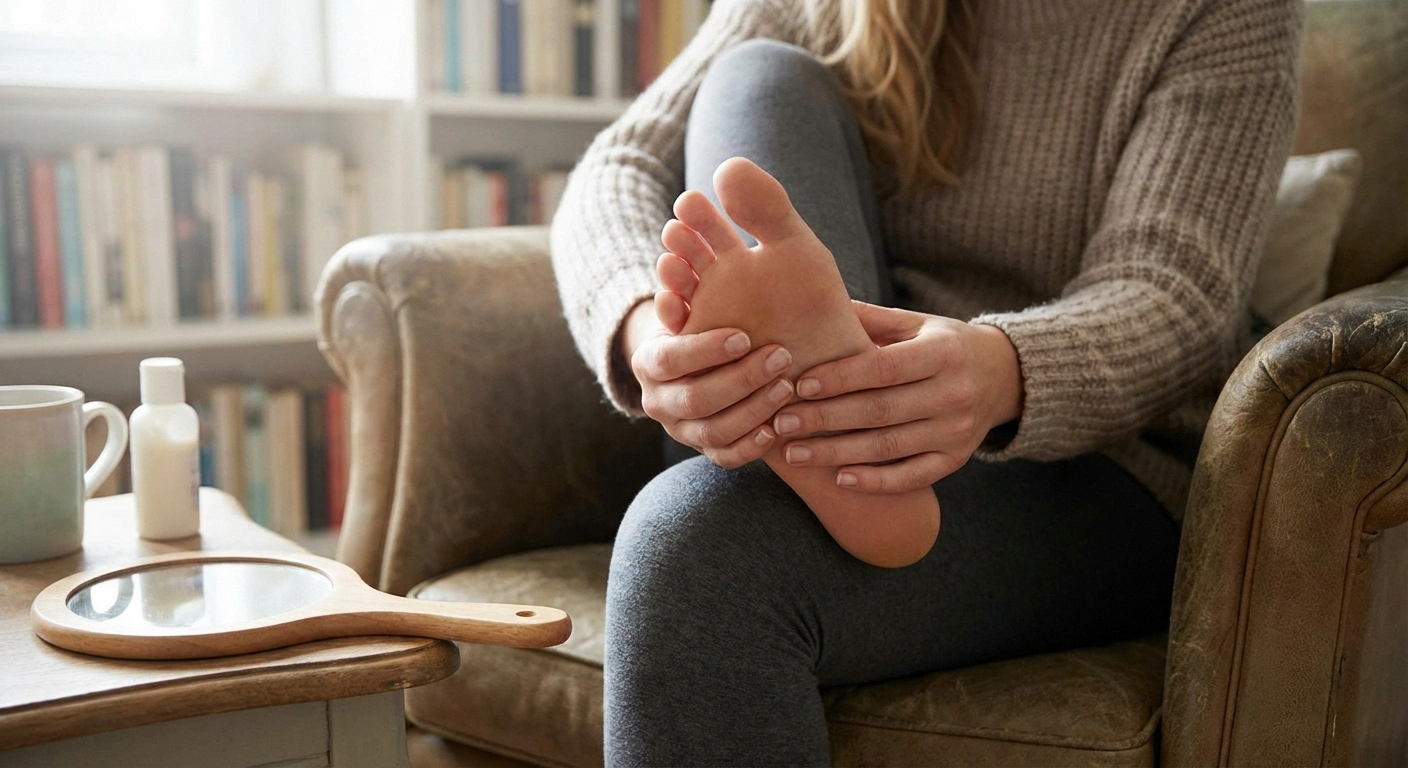
Because reduced sensation means you may not feel cuts, blisters, pressure sores, or skin changes developing on your feet, these injuries can progress to serious infections before you’re even aware of them. Making foot inspection the very first act of your day (before you put on shoes or slippers) builds in the check at a moment when you can’t miss it.
Check between toes as well as the soles and tops of your feet. Use a mirror or a dedicated foot inspection mirror if you have difficulty bending to see the bottom of your feet. Look for: redness, cuts or abrasions, blisters, swelling, skin color changes, or any new callus formation. If you find something new or concerning, contact your healthcare provider rather than waiting to see if it resolves.
The full approach to daily neuropathy foot care covers moisturizing, toenail care, and footwear selection — all of which play into keeping your feet as healthy as possible.
Habit 3: Put On Your Footwear Before Doing Anything Else
Walking barefoot when you have neuropathy — even on familiar surfaces in your own home — removes one of the few sources of sensory feedback that help your nervous system navigate safely. It also exposes your feet to undetected hazards: a dropped object you didn’t feel, a rough transition between surfaces, temperature extremes on the floor.
Make it a non-negotiable rule: feet get covered before they touch the floor. Keep slippers directly beside the bed — not across the room, not in the closet. Right there, reachable without standing first. Slippers with non-slip soles and some structure are vastly better than thin-soled, floppy ones. The goal is sensory input and protection, not just warmth.
If you’re heading out during the morning, choosing the right footwear matters enormously for how you’ll feel throughout the day. Stiff-soled, supportive shoes with enough room for any swelling and good ankle stability make a real difference in fall risk and fatigue. The guide to best shoes for neuropathy covers what to look for specifically.
Habit 4: Morning Gentle Stretch Routine (10 Minutes)
Neuropathy and morning stiffness often go together. While you slept, your body has been still for hours — joints have tightened, muscles have shortened, and circulation to the extremities has been minimal. A gentle morning stretch addresses all of this before you ask your body to do the more demanding work of the day.

Research Says
Regular exercise — even gentle, consistent movement — has been shown in multiple studies to reduce neuropathic pain over time, preserve nerve function, and improve balance in people with peripheral neuropathy. The mechanism isn’t fully understood, but nerve growth factor (NGF) upregulation appears to play a role. Morning movement is particularly protective because it establishes the habit at the most predictable point of the day.
The key word is gentle. This is not a workout. Vigorous exercise first thing in the morning can be jarring for a body managing chronic nerve symptoms. Instead, think of this as a warm-up for your nervous system — a slow, deliberate reintroduction to movement.
A simple 10-minute sequence that works well for most people with neuropathy:
- Seated ankle pumps and circles (2 minutes): While still sitting on the bed edge, flex and extend each ankle 10 times, then make 10 circles each direction. This stimulates circulation in the lower legs before you’re weight-bearing.
- Calf raises (seated or standing, supported, 1 minute): Raises while holding a stable surface activate the calf pump that helps blood return from the legs. Even small raises are effective.
- Seated forward lean (1 minute): From a chair, hinge forward from the hips (keeping back straight) until you feel a gentle stretch in the lower back and hamstrings. Hold 30 seconds each side.
- Neck and shoulder rolls (1 minute): Gentle slow circles release tension that often accompanies disrupted sleep from pain.
- Standing balance practice (5 minutes): Stand near a counter or stable surface with one hand available for support. Shift weight from foot to foot slowly. Try standing on one foot for a few seconds at a time (holding support as needed). This is actual balance training disguised as a morning habit.
Research on exercise and neuropathy consistently shows that regular movement — even gentle, consistent movement — can reduce pain over time, preserve nerve function, and improve balance. The morning is when this habit is easiest to protect from the interruptions of the day.
Habit 5: A Nerve-Nourishing Breakfast
What you eat in the morning matters for nerve health, energy regulation, and inflammation levels throughout the day.

⚠ Breakfast Blood Sugar Warning
High-sugar, refined-carbohydrate breakfasts (white toast, pastries, sugary cereal) cause blood sugar spikes that directly worsen neuropathy symptoms for many people — even those without diabetes. The spike and subsequent crash amplifies nerve pain and fatigue. Choose protein + healthy fats as your breakfast foundation.
The key nutritional priorities for neuropathy:
- Blood sugar stability: Blood sugar spikes and crashes are damaging to nerves and intensify neuropathy symptoms for many people. A breakfast that’s high in refined carbohydrates (white toast, sugary cereal, pastries) creates exactly this pattern. A breakfast anchored by protein and healthy fats with moderate complex carbohydrates keeps blood sugar stable for hours.
- B vitamin sources: Eggs are an excellent breakfast choice for neuropathy — they provide B12, protein, and healthy fats all in one. Other good morning options include Greek yogurt (B12, protein), whole grain options (B1, fiber), and for those who tolerate dairy, cottage cheese.
- Omega-3 fatty acids: Smoked salmon on whole grain toast or a small handful of walnuts with your breakfast add omega-3s that reduce inflammation and support nerve membrane health.
- Adequate hydration: Dehydration amplifies fatigue and can worsen pain perception. Start the morning with a glass of water before coffee or tea.
The full picture of a neuropathy-supportive diet goes well beyond breakfast — the guide to neuropathy diet covers it in detail — but the morning meal is particularly important because it sets your blood sugar baseline and nutritional starting point for the rest of the day.
Habit 6: Take Medications at Consistent Times
If you’re on medications for neuropathic pain — gabapentin, pregabalin, duloxetine, amitriptyline, or others — timing consistency matters more than many people realize.
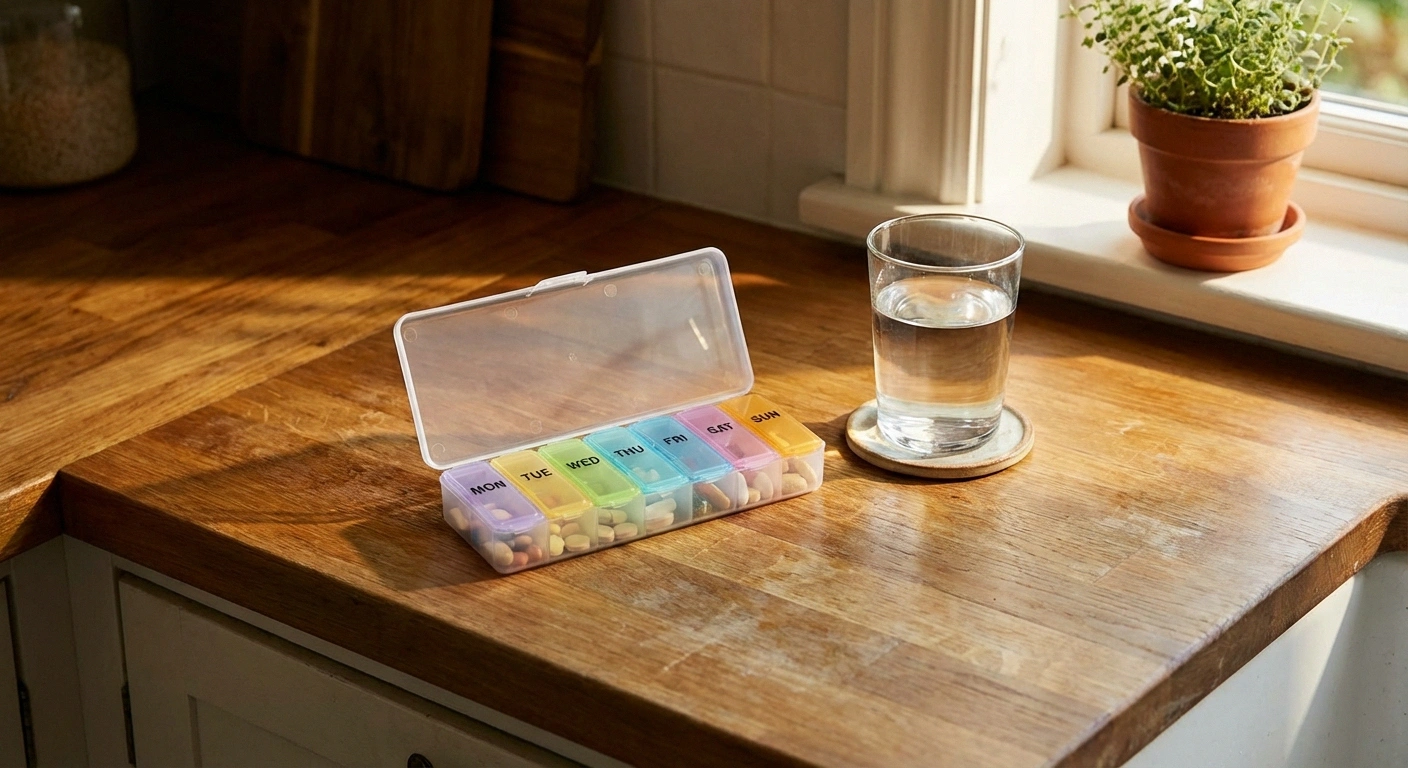
Most neuropathy medications work through a “steady state” mechanism — meaning their effect depends on maintaining a consistent level in your bloodstream, not on taking them right when pain spikes. Taking them at variable times creates troughs (periods of lower drug levels) that may correspond with breakthrough pain. Building medication timing into your morning routine — the same time, every day, linked to a consistent cue like breakfast — helps maintain this steady state.
If you’re on a regimen that involves both morning and evening doses, this morning consistency also positions your evening dose appropriately for nighttime coverage, which matters given that neuropathy often peaks at night.
If you find you’re frequently forgetting morning doses, a weekly pill organizer and a phone reminder are simple solutions that make a real difference in treatment consistency.
Habit 7: Note Your Symptom Baseline
This habit feels like the most “extra” one, but it’s genuinely useful over time: spend 60 seconds each morning noting how you feel.
This doesn’t need to be elaborate. A simple 0-10 pain rating in the notes app on your phone, plus a few words about what’s most prominent today (burning, electric shocks, numbness, balance problems), creates a data set that lets you identify patterns that aren’t visible day to day.
Over weeks, you’ll start to see: Does your pain correlate with how well you slept? With weather changes? With what you ate the day before? With activity levels? With stress events? These patterns are invisible without tracking, but they become actionable once you can see them. And when you see your doctor, three weeks of morning notes gives a far more useful picture than trying to summarize “how you’ve been doing” from memory.
Habit 8: Brief Mindfulness or Breathing Practice (5 Minutes)
Chronic pain activates the sympathetic nervous system (the fight-or-flight system), and the sympathetic nervous system amplifies pain perception. This isn’t psychological weakness — it’s a real physiological loop. Starting the day with five minutes of slow, intentional breathing breaks this loop before it gets entrenched.
The simplest version: sit in a comfortable position, close your eyes, and breathe in for 4 counts, hold for 4, out for 6. The extended exhale activates the parasympathetic system (rest and digest), lowering baseline pain perception and reducing the anxiety that often accompanies anticipation of pain during the day.
Research on mindfulness for neuropathy shows measurable effects on pain perception and quality of life with consistent practice. You don’t need to be a meditator or to sit for long sessions to benefit — five consistent minutes every morning is more valuable than occasional longer sessions.
Habit 9: Lay Out Your Day Thoughtfully
This habit is about energy management, which is a real skill that people living with neuropathy need to develop. Neuropathy doesn’t just cause pain — it causes fatigue, and the fatigue itself amplifies pain.
Spend a few minutes in the morning thinking about your energy for the day and how to distribute it:
- What are the essential things that must happen today?
- What can be delayed if needed?
- Where are the natural rest points in the day?
- Is there anything on today’s schedule that you know from experience tends to exhaust or flare you?
This isn’t giving up on doing things — it’s being strategic about how you do them. Scheduling the most demanding activity for the time of day when you historically feel best (often mid-morning for most people with neuropathy) and protecting rest periods between demanding tasks lets you do more, not less, over the course of the day.
Habit 10: Step Outside or Near a Window for Morning Light
Morning light exposure — even a few minutes — sets your circadian rhythm for the day and night ahead. This matters for neuropathy in a specific way: sleep disruption and neuropathy are deeply intertwined. Poor sleep amplifies pain; pain disrupts sleep. Morning light exposure helps reset the clock that governs sleep-wake cycles, making good sleep more likely at night.

It doesn’t need to be a walk — though if a short walk is manageable, the combination of light, movement, and fresh air is worth more than the sum of its parts. Even sitting near a bright window with your coffee while doing your symptom check covers the key benefit.
Building the Routine: Start Small
Reading through ten habits might feel like a lot. You don’t need to implement them all at once — in fact, trying to do so is a reliable way to implement none of them.
The approach that works: pick two habits that seem most doable and most relevant to your situation, and do those consistently for two weeks. When they feel automatic, add one more. The power of a morning routine isn’t in any individual habit but in the cumulative effect of consistent small actions that put you in a better position to manage the rest of your day.
For most people with neuropathy, the highest-impact starting pair is the bed transition ritual (Habit 1) and footwear before standing (Habit 3) — because they directly address safety, and safety is foundational to everything else.
Frequently Asked Questions
Why are mornings particularly difficult with neuropathy?
Several factors converge in the morning: hours of stillness have reduced circulation to extremities, medications may be wearing off from the previous evening dose, moving from horizontal to upright affects blood pressure, and the nervous system transitions from a lower-pain sleep state to full waking awareness of symptoms. A deliberate morning routine addresses these factors rather than being caught off guard by them.
What is the most important morning habit for someone with neuropathy?
A slow, staged transition from lying to standing — including sitting on the bed edge for at least 30-60 seconds before putting weight on your feet. This single habit prevents the blood pressure drops and loss-of-footing that cause many morning falls in people with neuropathy. Combining this with keeping footwear immediately beside the bed creates a safe morning foundation.
Should I exercise in the morning if I have neuropathy?
Gentle morning movement is beneficial — it improves circulation, reduces stiffness, and begins the day with the kind of physical activity that research shows can reduce neuropathic pain over time. The key is gentle: stretching, balance practice, and light movement rather than vigorous exercise first thing. Save anything more demanding for when your body is fully warmed up, typically mid-morning.
What should I eat for breakfast if I have neuropathy?
Focus on protein and healthy fats to stabilize blood sugar, with B-vitamin-rich foods to support nerve health. Eggs, Greek yogurt, cottage cheese, nuts, and smoked salmon are all good choices. Avoid high-sugar, refined-carbohydrate breakfasts that cause blood sugar spikes and crashes, which worsen neuropathy symptoms for many people.
How can I make a morning routine stick when some mornings are very bad pain days?
Have a “bare minimum” version of your routine for bad days — the two or three habits that are most important and easiest to do even on difficult mornings. The bed transition, footwear on, and medications never get skipped regardless of how bad the day starts. Everything else is adjustable. Having explicit permission to simplify on bad days, rather than abandoning the routine entirely, keeps the foundation intact.
Does a morning routine actually affect neuropathy symptoms throughout the day?
Yes, through several mechanisms: morning movement improves circulation that persists into the day; consistent medication timing maintains therapeutic drug levels; blood-sugar-stable breakfast prevents the symptom amplification from blood sugar swings; and mindfulness practice reduces the baseline sympathetic nervous system activation that amplifies pain. The effects are incremental and cumulative — most people notice the difference after 2-3 weeks of consistency rather than immediately.
About the Author