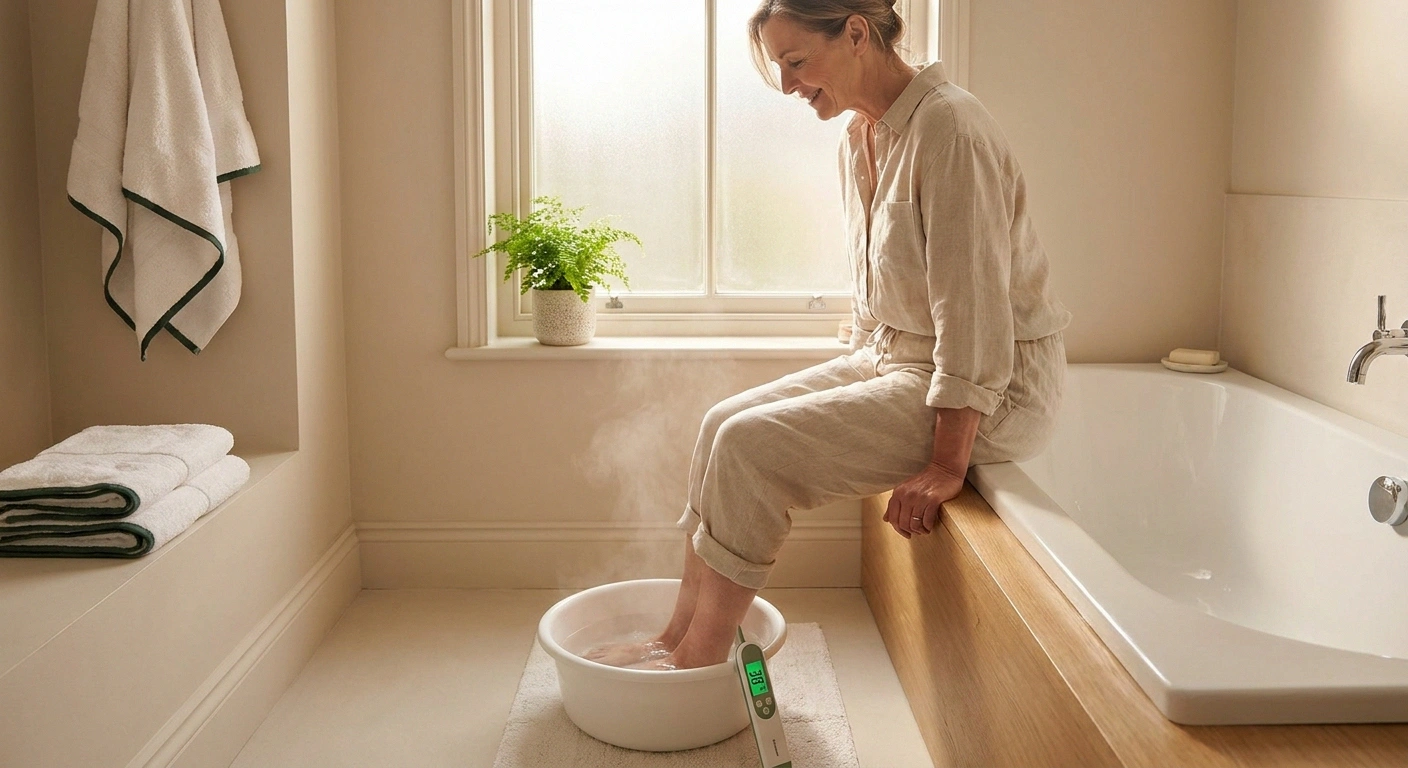
There's something deeply comforting about sinking into a warm bath at the end of a hard day — the heat enveloping sore muscles, the quiet, the moment of stillness. For those of us with neuropathy, that instinct toward warmth and soaking is completely understandable. And for many people, a warm bath genuinely does help nerve pain symptoms.
But here's the thing nobody always tells you upfront: warm baths can also be dangerous for people with neuropathy if you're not careful about how you approach them. The same nerve damage that causes your pain can also affect your ability to sense temperature — meaning you might not realize the water is hot enough to burn you until real damage has already happened.
So the question isn't simply “does soaking help neuropathy?” The real question is: how do you get the benefits safely? Let me walk you through both sides of this, because understanding both is essential.
Why Warm Baths Can Help Neuropathy Symptoms
The potential benefits of warm soaking for neuropathy pain are grounded in real physiology. Here's what's happening when warm water eases your symptoms:
A clinical trial in patients with diabetic peripheral neuropathy found warm salt water foot soaks produced significant, consistent reductions in pain scores. The relief is temporary but real — and building soaks into a routine can make them a meaningful part of daily symptom management.
Improved blood circulation. Warm water causes blood vessels to dilate (vasodilation), which increases blood flow throughout the body — including to the extremities. For people with neuropathy, especially diabetic neuropathy, poor circulation to the feet is a significant problem. Better blood flow means more oxygen and nutrients reaching nerve tissues, which can temporarily relieve cramping and reduce aching.
Muscle relaxation. Neuropathy pain often causes secondary muscle tension — when your feet hurt, your muscles compensate and tighten up. Warm water relaxes those muscles directly, which can reduce the overall pain experience even if the nerve signals themselves haven't changed.
The gate control effect. One of the most useful theories in pain science is gate control — the idea that non-painful sensory input can “close the gate” on pain signals traveling to the brain. Warm water provides rich sensory input (temperature, pressure from the water, the sensation of buoyancy) that can compete with and partially override pain signals. This is also why massage, TENS, and physical touch help some neuropathy patients.
Stress and nervous system calming. Neuropathy pain and stress amplify each other. Warm baths trigger the parasympathetic nervous system (“rest and digest”) and reduce cortisol levels. This calming effect reduces the nervous system's overall sensitivity — which can directly reduce how intensely pain signals are perceived.
Research support. A randomized clinical trial specifically studying warm salt water foot soaks in patients with diabetic peripheral neuropathy found statistically significant reductions in pain scores. The relief was localized and temporary — lasting during and for a period after the soak — but consistent and meaningful to the patients involved.
The Real Safety Risk You Need to Know About
Here's where I need to be direct with you, because this matters.
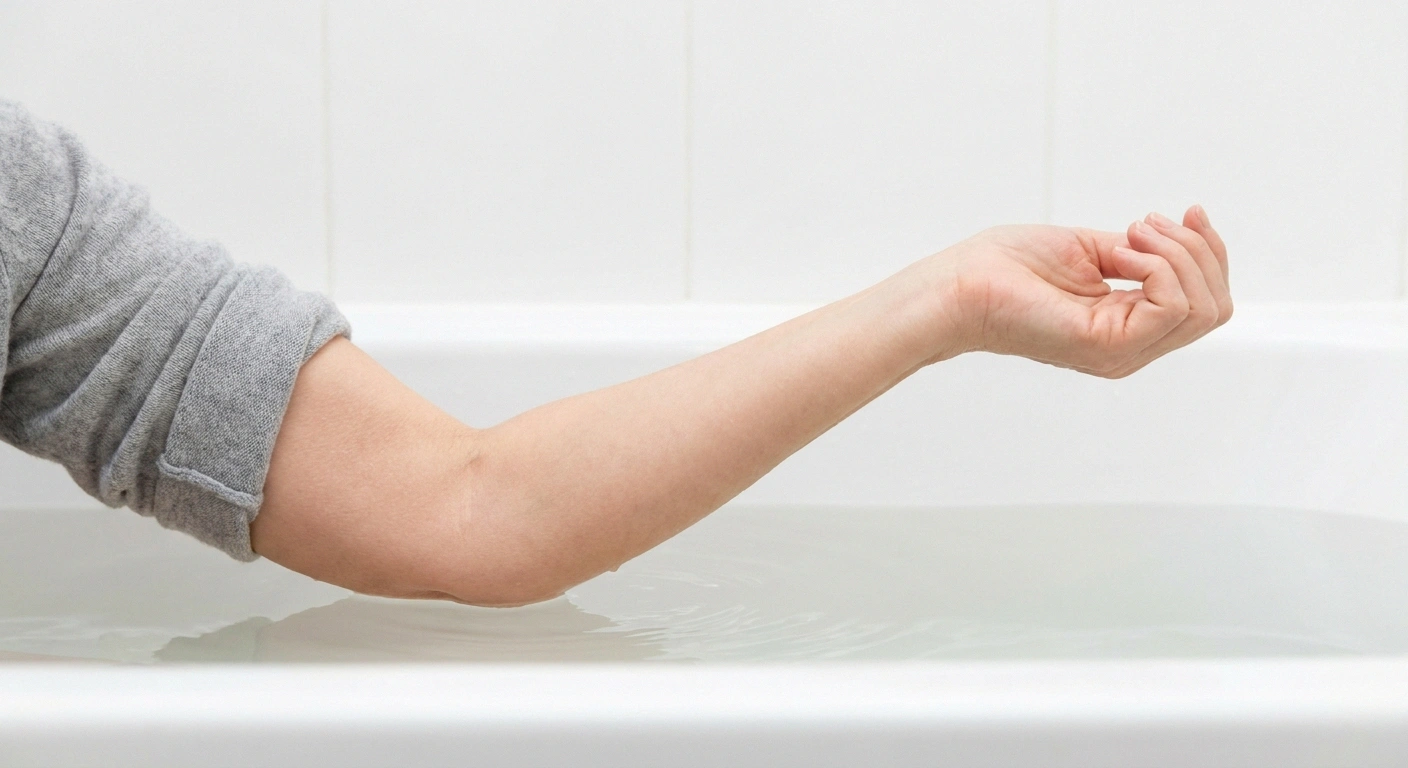
If you have sensory neuropathy, you may not feel how hot the water is. Water that feels “warm” to your affected feet may be hot enough to cause a serious burn. Thermal burns from bath water are a documented complication of diabetic neuropathy.
Always test with your elbow or a thermometer — never rely on your neuropathic feet to gauge temperature.
Peripheral neuropathy damages the nerve fibers responsible for detecting temperature and pain. This means that if you have significant sensory neuropathy — particularly in your feet and legs — you may not be able to accurately feel how hot the water is. Your feet might be in water hot enough to cause a serious burn, and you simply won't get the warning signal you'd normally expect.
This is not a theoretical risk. Thermal burns from bath water are one of the documented complications of diabetic neuropathy, and they can lead to slow-healing wounds, infection, and in serious cases, much worse outcomes — especially for people who also have diabetic foot complications.
The danger is compounded by the fact that as you gradually add hot water to a bath or adjust the temperature, your damaged nerves adapt to the increasing temperature without sending clear alarm signals. What feels “comfortably warm” to your affected feet might objectively be dangerously hot.
Understanding why neuropathy causes temperature sensitivity changes helps explain why this happens — the small nerve fibers responsible for temperature detection are often among the earliest and most severely affected in many types of neuropathy.
How to Soak Safely: The Essential Guidelines
None of this means you have to give up warm baths. It means you need to be deliberate and safe about how you approach them. Here are the guidelines I've learned and that healthcare providers consistently recommend:
Always test the temperature before getting in — and not with your feet. Use your elbow, inner wrist, or a bath thermometer to check the temperature before submerging your feet or lower legs. These areas of your body have more intact sensation than your neuropathic extremities. Your elbow is especially good for this because the skin there is thin and temperature-sensitive.
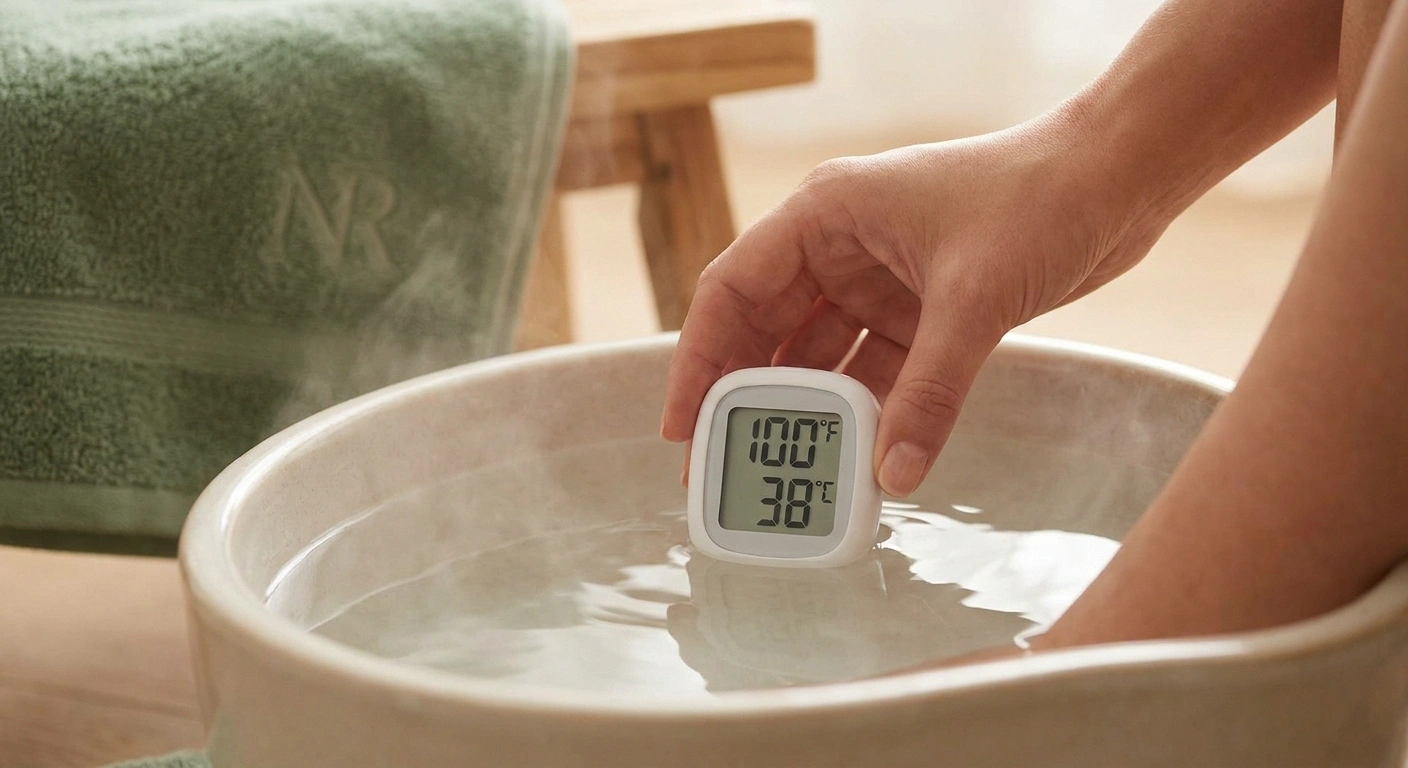
Use a bath thermometer. For absolute certainty, invest in a simple bath thermometer (they cost very little and are widely available). The target temperature is around 100°F (38°C) — warm and comforting, but not hot. The water should never exceed 104°F (40°C). Above that, burn risk increases substantially, especially with prolonged soaking.
Limit soak time. Even at safe temperatures, prolonged soaking softens skin, which increases vulnerability. Aim for 15–20 minutes as a maximum. Longer soaks increase both thermal risk (if the water gradually cools and you add more hot water without checking) and skin maceration risk.
Don't add hot water while you're soaking. Adding hot water from the tap while you're in the bath is how many accidental burns happen. If you want to warm the water, get out first, adjust the temperature, verify it, then get back in.
Never soak if you have open wounds, ulcers, or broken skin. This is especially important for people with diabetic neuropathy, who are at high risk for foot ulcers. Water introduces bacteria, softens tissue around wounds, and can dramatically slow or prevent healing. Soaking with an open wound is a real infection risk.
Inspect your feet carefully after soaking. Because your sensation is reduced, you might not feel a blister forming or notice redness that indicates mild thermal injury. After every soak, dry your feet gently and thoroughly (including between the toes) and check them visually — look for any redness, blistering, unusual color changes, or areas that look different from how they usually do. Good neuropathy foot care includes this kind of regular visual inspection.
Fall prevention matters. Warm baths lower blood pressure and cause vasodilation — which can make you lightheaded when you stand up. Combined with balance issues that often accompany neuropathy, this creates fall risk. Use a non-slip mat, consider a bath bench or shower chair, have something sturdy to hold as you exit, and take your time standing up. Fall prevention strategies are an important part of neuropathy safety overall.
Foot Soaks vs. Full Baths: Is One Safer?
Many neuropathy patients prefer foot soaks — a basin or foot bath rather than a full bathtub — and this approach has some practical safety advantages:
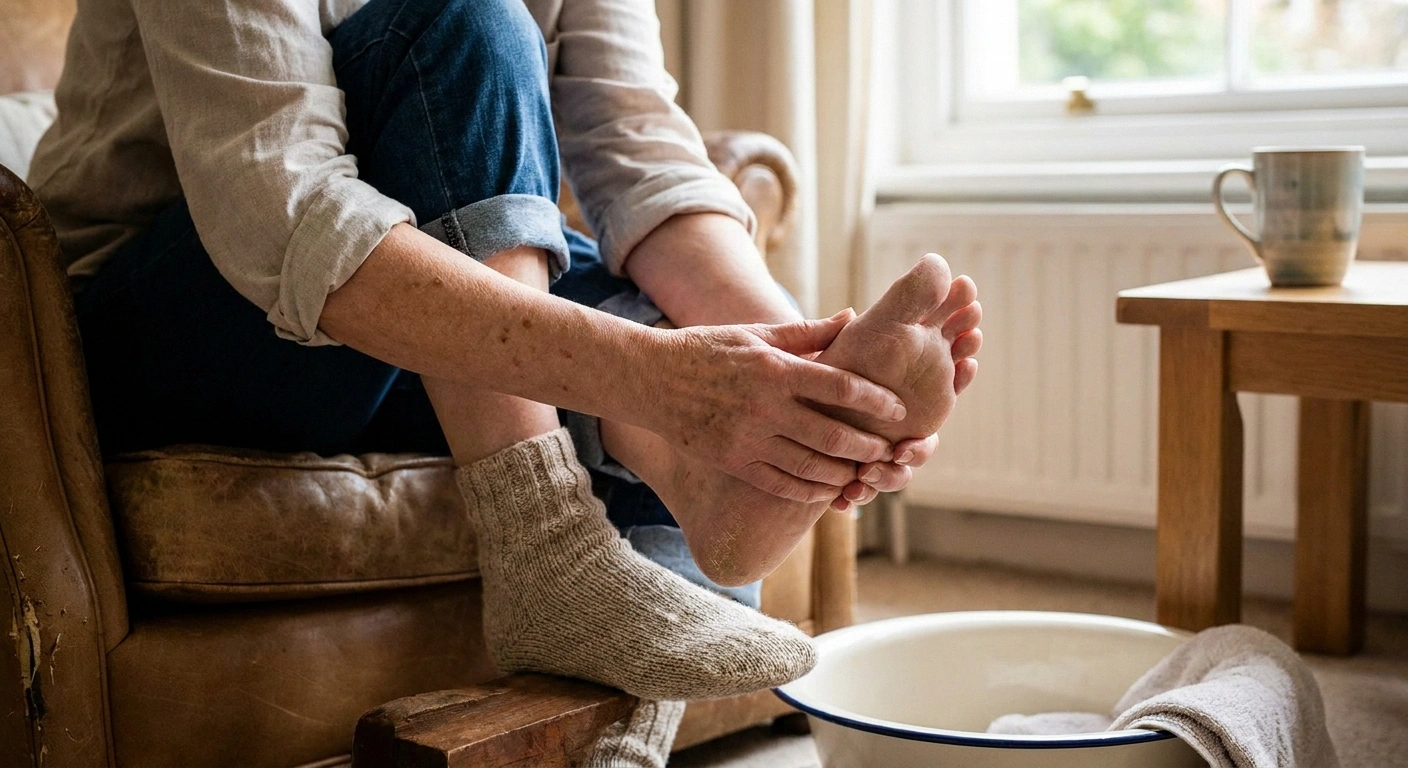
A randomized clinical trial published in Complementary Therapies in Clinical Practice found warm salt water foot soaks produced statistically significant reductions in pain scores in patients with diabetic peripheral neuropathy. Foot soaks also offer a safety advantage over full baths — easier temperature control, no fall risk, and no blood pressure effects from full-body immersion.
- Easier to control and monitor the temperature of a small basin
- No fall risk getting in and out of a tub
- No orthostatic blood pressure changes from full-body immersion
- Easier to inspect feet immediately after
A dedicated foot spa or foot bath basin with a built-in thermometer is a worthwhile investment if foot soaks are part of your routine. Some foot spas have temperature settings and even vibration features, which can add additional sensory input for symptom relief.
The same temperature rules apply to foot soaks as to full baths — 100°F (38°C) is your target, test with your elbow or a thermometer, and keep it to 15–20 minutes.
Should You Add Anything to the Bath?
Some people find that adding certain things to a foot soak enhances the experience or the benefit:
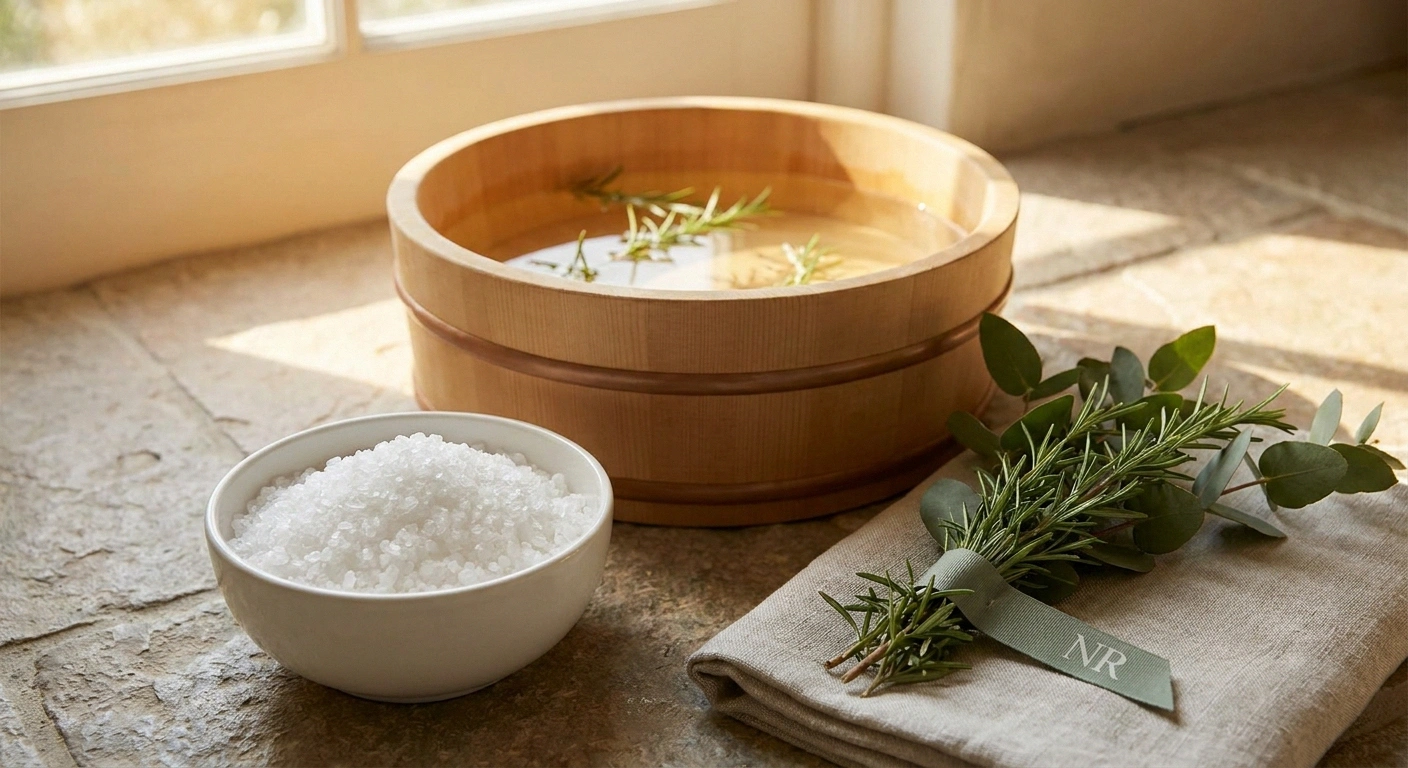
Epsom salt (magnesium sulfate). The most commonly recommended bath additive for neuropathy. The clinical evidence for transdermal magnesium absorption from Epsom salt is limited, but many people report subjective relief. Magnesium plays a role in nerve function, and there's some evidence that magnesium supplementation may help neuropathy pain. Whether Epsom salt specifically contributes via the skin route is uncertain, but it appears safe.
Essential oils. Some people add a few drops of peppermint, lavender, or other essential oils to their soak. Peppermint oil contains menthol, which creates a cooling sensation through TRPM8 receptor activation — potentially creating useful sensory input. Lavender may support relaxation. If you use essential oils, always dilute them in a carrier (like a tablespoon of whole milk or a small amount of liquid soap) before adding to water — undiluted essential oils can irritate sensitive skin.
Plain warm water. Honestly, plain warm water at the right temperature provides the main benefit. Don't feel like you need to add anything for the soak to be worthwhile.
What to avoid: Very concentrated salt solutions (more than a few tablespoons per gallon), bleach-based additives, or anything that could irritate skin. People with compromised skin barrier — which is common in long-standing neuropathy — are more vulnerable to irritation from additives.
When Warm Baths Are Not Recommended
Beyond the general safety guidelines, there are specific situations where warm soaking should be avoided or discussed with your doctor first:
- Active foot ulcers or wounds — as noted above, never soak open wounds
- Severe autonomic neuropathy — if you have autonomic neuropathy affecting blood pressure regulation, full-body warm baths can trigger dangerous drops in blood pressure; discuss with your neurologist
- Recent surgery or skin procedures — allow full healing before resuming soaks
- Conditions that impair wound healing — advanced diabetes, immune compromise, poor circulation — the stakes for any thermal injury are higher
- If you live alone and balance is significantly impaired — consider whether a shower with a bench is safer than a full bath
What About Cold Soaks?
Some neuropathy patients find that cold water — rather than warm — provides better relief for certain symptoms. Burning, heat sensitivity, and inflammation-driven pain sometimes respond better to cold. If your feet feel like they're on fire, a cool (not ice-cold) soak in water around 65–70°F might be more soothing.
The same safety principle applies in reverse: if you have reduced temperature sensation, you may not notice dangerously cold water. Ice bath temperatures can cause cold injuries (frostnip, frostbite) without the usual warning pain. Test with your elbow, use a thermometer, and limit time in cold soaks to 10 minutes or less.
Some people alternate warm and cool soaks (contrast hydrotherapy), which creates a pumping effect on circulation through repeated vasodilation and vasoconstriction. There's some evidence this can help with circulation and edema in the lower extremities — though again, careful temperature testing is essential throughout.
Making It a Consistent Part of Your Routine
If warm soaking helps you, building it into a consistent routine maximizes the benefit. Many people find that an evening foot soak before bed — 15 minutes at a safe temperature, followed by gentle foot massage, moisturizing, and a visual check — becomes a grounding ritual that helps with both pain and sleep.
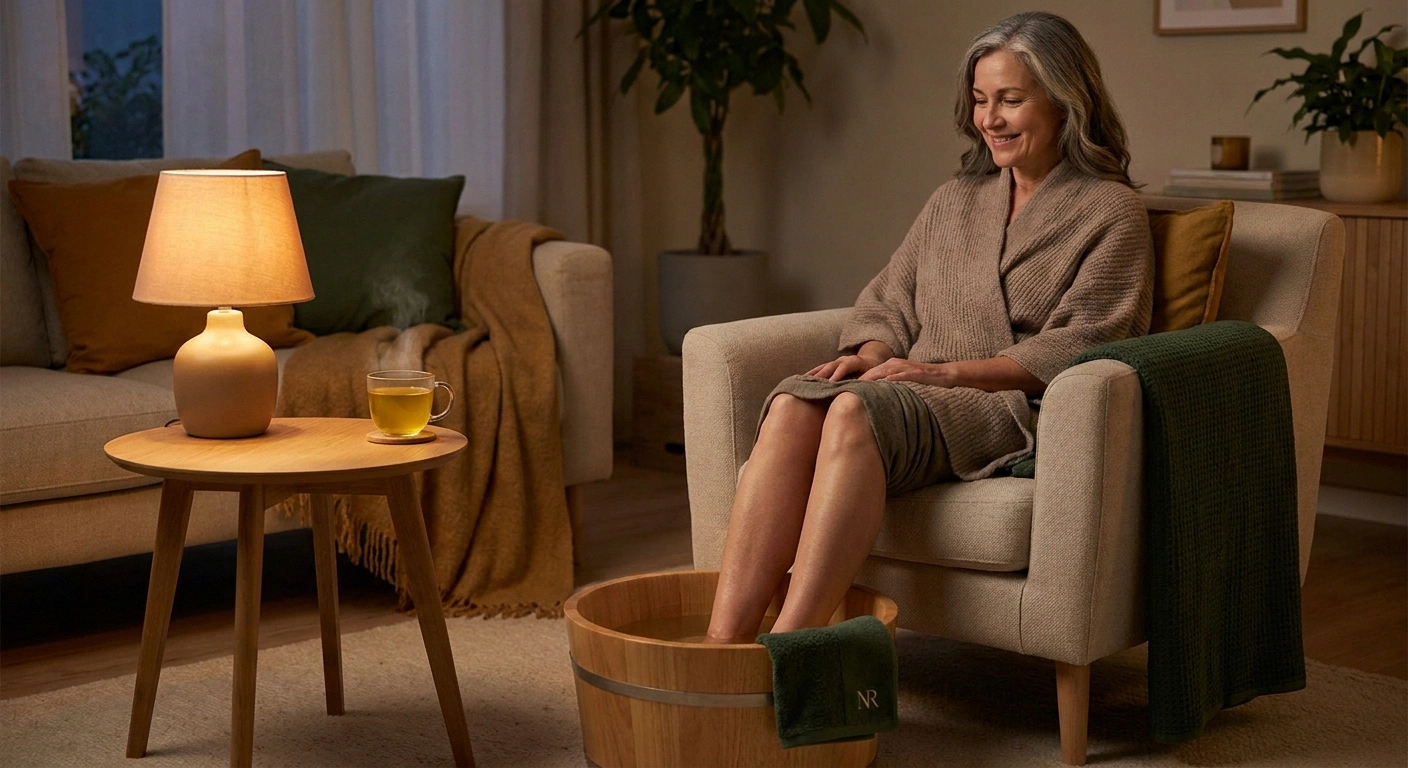
Warm soaking can be a genuinely helpful part of neuropathy self-care — the key is doing it safely. Buy a bath thermometer, test before you soak, keep it to 15–20 minutes at 100°F, and inspect your feet every time. Done right, this simple ritual can provide real, consistent relief.
The ritual aspect matters more than you might think. The quiet, the consistent routine, the moment of caring for yourself — these have their own benefit for the nervous system, separate from the mechanical effects of the warm water. Chronic pain is exhausting and isolating, and small, consistent acts of self-care are part of a sustainable management strategy.
If you want to build a broader nightly routine, consider pairing your soak with a brief foot massage, careful moisturizing (avoiding between the toes, where moisture can promote fungal growth), and perhaps some gentle seated stretches. For ideas, our guide on neuropathy foot care covers the full routine. For general foot massage technique and its benefits, see our piece on foot massage for neuropathy.
Frequently Asked Questions
Does soaking in warm water help neuropathy pain?
For many people, yes. Warm water increases circulation to affected extremities, relaxes muscles that tense up around painful areas, and provides sensory input that can temporarily reduce pain signal intensity through gate control effects. A clinical trial in patients with diabetic peripheral neuropathy found warm salt water foot soaks produced significant reductions in pain scores. Relief is temporary but real and consistent enough to be worth building into a routine for most people who find it helpful.
What temperature should the water be for a neuropathy foot soak?
Around 100°F (38°C) is the recommended target — comfortably warm but not hot. Never exceed 104°F (40°C). Always verify the temperature with your elbow or a bath thermometer before putting your affected feet in, since reduced sensation means you cannot rely on your feet to accurately detect dangerous heat. A simple bath thermometer is a worthwhile safety investment if soaks are a regular part of your routine.
How long should someone with neuropathy soak their feet?
15 to 20 minutes is the recommended maximum. Longer soaks increase the risk of accidentally adding hotter water, and prolonged immersion softens and weakens the skin's protective barrier. After soaking, dry your feet thoroughly (including between the toes) and inspect them carefully for any redness, blistering, or unusual changes before applying moisturizer.
Can someone with diabetic neuropathy take warm baths?
Yes, with careful precautions. Diabetic neuropathy specifically impairs temperature sensation in the feet and lower legs, making burn risk a real concern. Always test bath water with your elbow or a thermometer. Never soak if you have any active foot ulcers, wounds, or broken skin. Keep the temperature at or below 104°F. Inspect feet carefully after every soak. If you have severe autonomic neuropathy affecting blood pressure, discuss full-body baths with your doctor first.
Is Epsom salt good for neuropathy foot soaks?
Many neuropathy patients find Epsom salt soaks soothing, and they appear safe when used in recommended amounts (about 1-2 cups per gallon of water). The evidence for significant transdermal magnesium absorption is limited, so the benefit may be more about the warm water itself than the Epsom salt specifically. That said, if you find it helps, there's no reason not to use it — just maintain safe water temperature regardless of what you add to it.
When should someone with neuropathy avoid soaking their feet?
Avoid soaking if you have any open wounds, ulcers, cracks, or blisters on your feet. Also avoid if you have very severe loss of sensation (you simply cannot safely monitor temperature) without using a thermometer, or if you have autonomic neuropathy with unstable blood pressure. After any surgery or skin procedure on the feet, wait until fully healed before resuming. If you are uncertain whether soaking is safe for your specific situation, ask your doctor or podiatrist at your next visit.
About the Author