If you'd told me ten years ago that the bacteria in my intestines could affect the burning in my feet, I'd have politely nodded and moved on. The connection sounds, at first, like the kind of vague wellness claim that promises everything and proves nothing.
But the science has caught up to the claim — at least partway. Researchers now talk about something called the gut-nerve axis, a real two-way communication system between the trillions of microbes in your digestive tract and the peripheral nerves running through your body. The conversation is real, the molecules carrying it are identifiable, and the implications for neuropathy are starting to be tested.
This article walks through what we actually know, what's still speculative, and what a reasonable person might do today with the current state of the evidence — without pretending probiotics are a cure or dismissing them as snake oil.
What Is the Gut-Nerve Axis?
Inside your intestines lives a community of roughly 100 trillion microorganisms — bacteria, fungi, viruses, archaea — collectively called the gut microbiome. The total mass of these microbes is roughly the same as the mass of your brain, and their combined genome carries about 150 times more genes than your human DNA.
Key Takeaway
The gut-nerve axis is a real, measurable communication system between gut microbes and peripheral nerves. Probiotics are not a cure for neuropathy — but reducing systemic inflammation through diet and microbial support may slow nerve damage and ease pain.
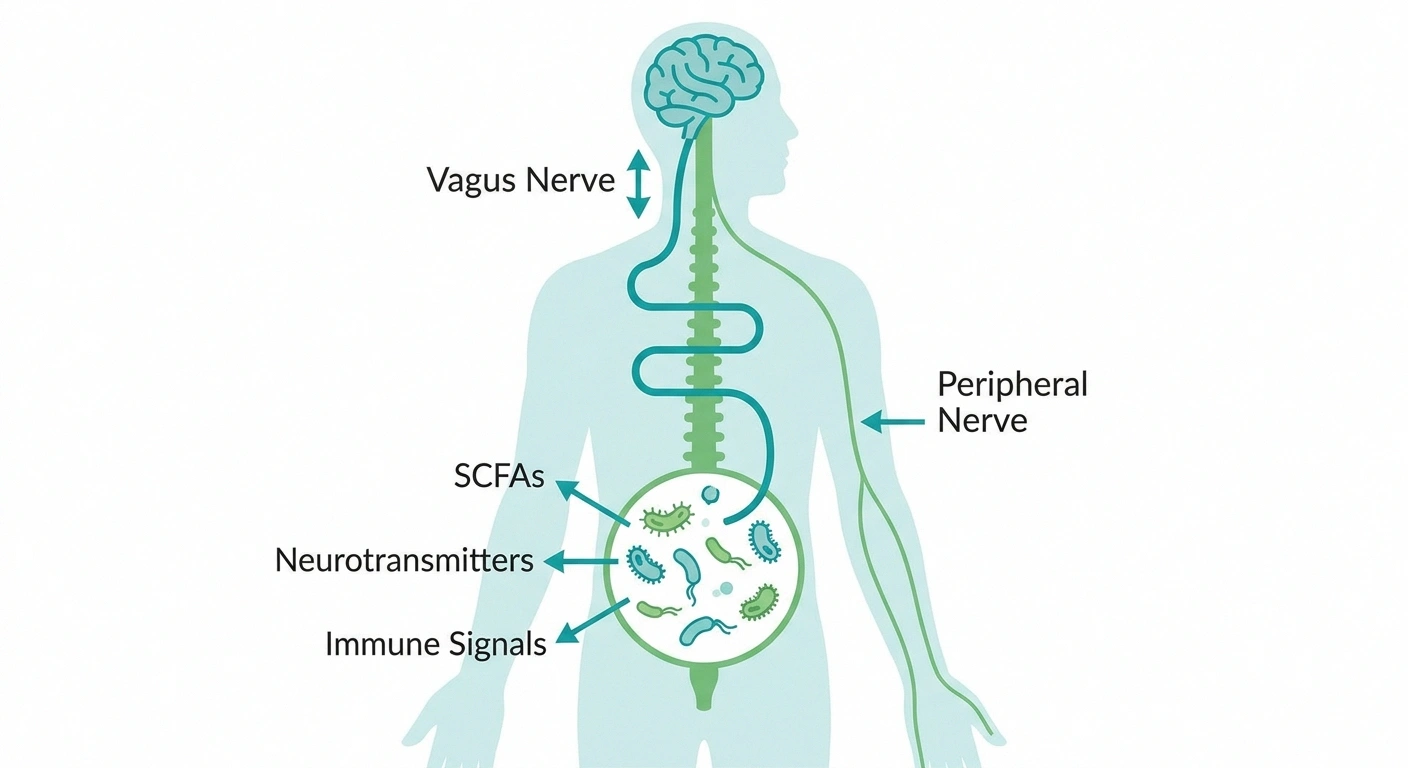
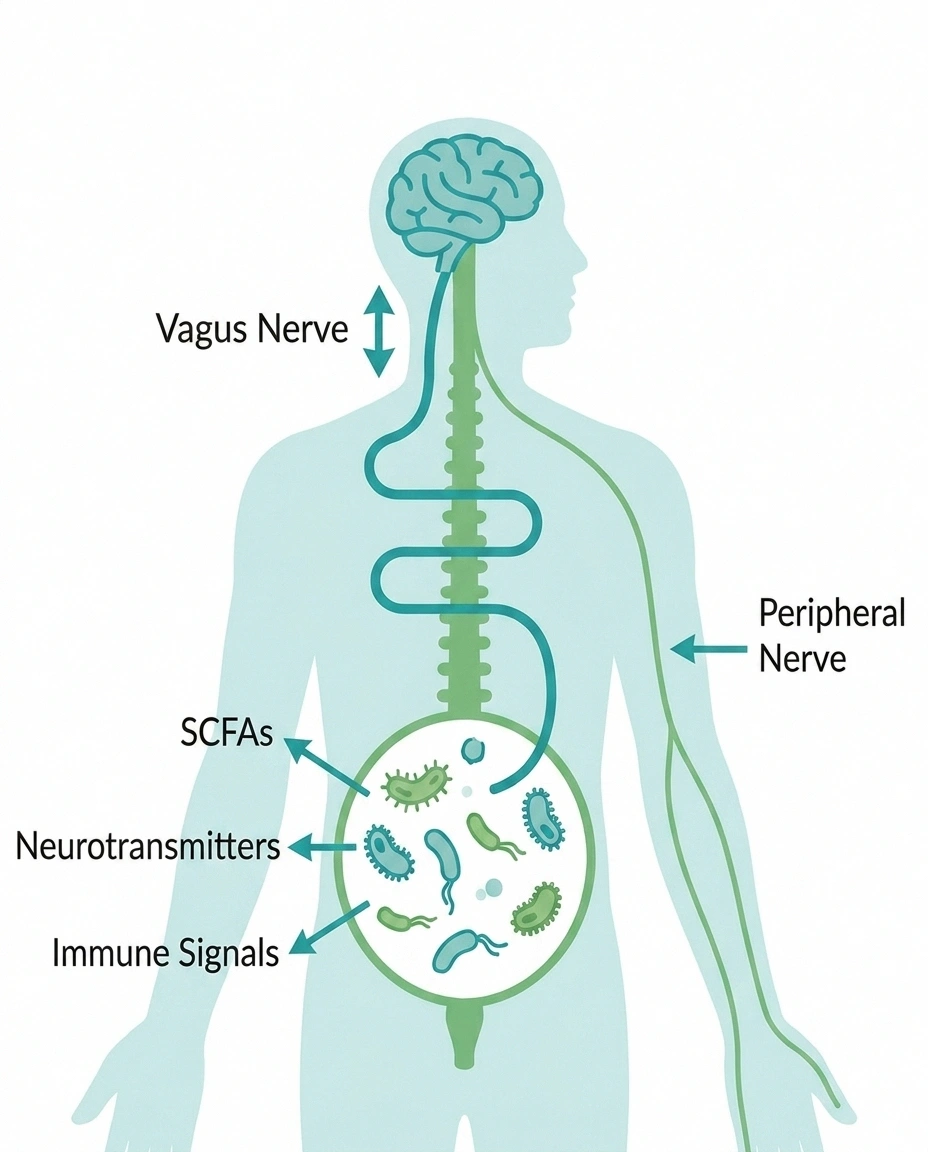
For decades, the medical community treated gut microbes as either invaders or passive passengers. The new picture is very different. Your microbiome actively communicates with the rest of your body through several channels that run directly to your nervous system:
The vagus nerve. This is the body's longest cranial nerve, running from your brainstem down through your chest and into your abdomen, with major branches into the gut. It's a two-way superhighway. Gut microbes can directly influence vagal signaling, and that signaling reaches the brain and the rest of the autonomic nervous system within seconds.
Short-chain fatty acids (SCFAs). When gut bacteria ferment dietary fiber, they produce SCFAs — most importantly butyrate, propionate, and acetate. These molecules cross from the gut into the bloodstream and have powerful effects on inflammation, immune function, and the integrity of the blood-brain barrier and blood-nerve barrier. Butyrate, in particular, has well-documented anti-inflammatory and neuroprotective effects in laboratory studies.
Neurotransmitter production. Many of the same neurotransmitters your brain uses are produced by gut bacteria. About 90% of your body's serotonin is made in the gut. GABA, the brain's main inhibitory neurotransmitter, is also produced by certain bacterial strains. While these microbial neurotransmitters don't all cross the blood-brain barrier directly, they influence local nerve endings and immune cells in ways that ripple throughout the system.
Immune signaling. Roughly 70% of your immune system lives in or around your gut. The composition of your microbiome shapes how your immune cells behave, including the inflammatory tone that drives much of the chronic, low-grade inflammation linked to diabetic neuropathy, chemotherapy-induced neuropathy, and other forms of nerve damage.
Together, these channels form what researchers call the gut-nerve axis. When the system is balanced, the signaling supports healthy nerve function. When the microbiome shifts toward dysbiosis — an imbalanced state — the same channels can drive inflammation, promote nerve sensitization, and worsen neuropathic pain.
What the Research Shows in Neuropathy
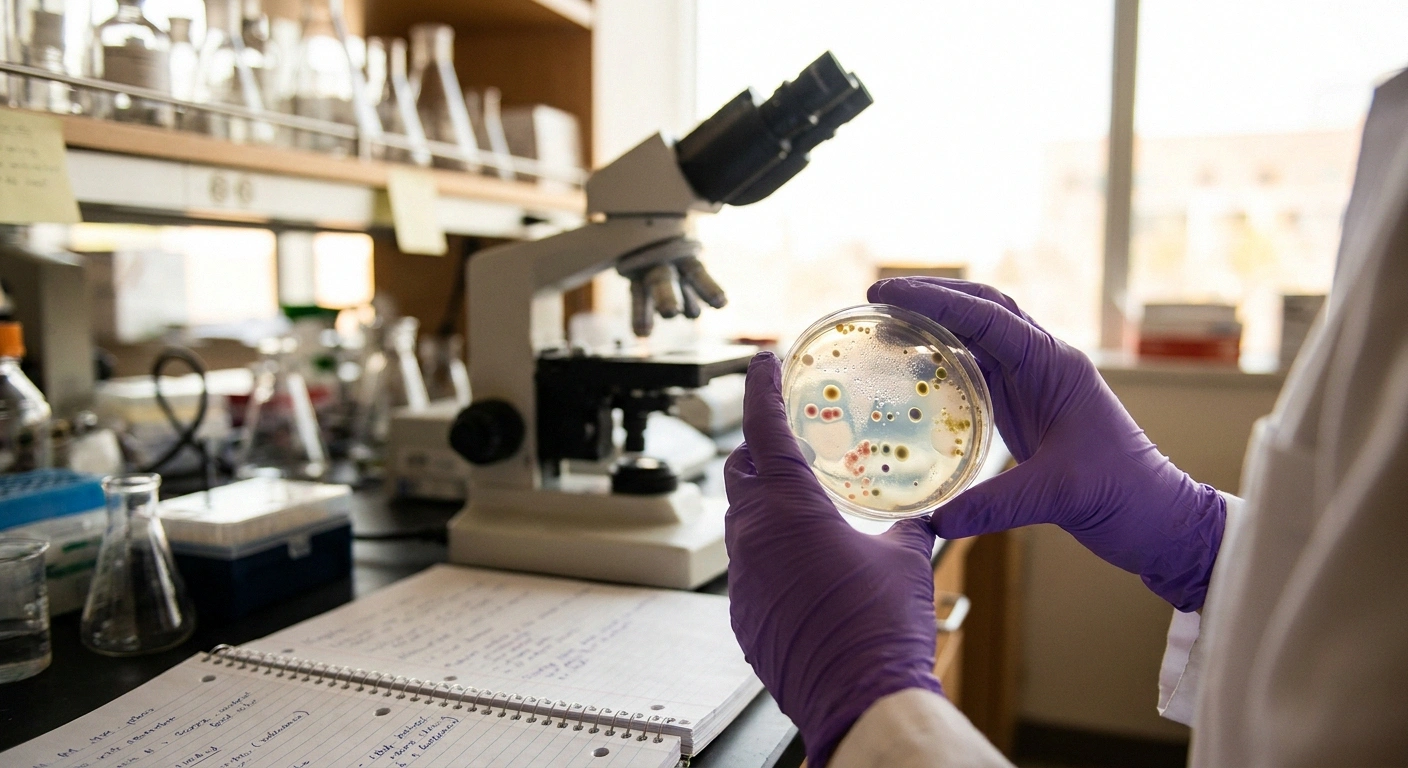
The honest summary: the most exciting findings come from animal studies, with human evidence still in early stages. I'll be specific about what's been shown where, because the difference matters.
How the Gut-Nerve Axis Talks to Your Nerves
Vagus Nerve
Direct two-way signaling between gut bacteria and brainstem within seconds.
Short-Chain Fatty Acids
Butyrate, propionate, acetate — anti-inflammatory and neuroprotective.
Neurotransmitter Production
90% of body's serotonin made in gut. GABA, dopamine precursors too.
Immune Signaling
70% of immune cells live near gut. Microbiome shapes inflammatory tone.
In animal models, the data is genuinely striking. A 2025 study in the Journal of Neuroinflammation reported that 12 weeks of multi-strain probiotic supplementation in rats with painful diabetic neuropathy alleviated pain behaviors, reversed visible damage to peripheral nerve fibers, and restored normal neuronal excitability. The probiotic intervention also normalized the gut microbial composition that had become dysbiotic with diabetes.
A separate line of research using the chronic constriction injury (CCI) model — where the sciatic nerve is partially compressed to induce neuropathic pain — has shown that probiotics reduce pain hypersensitivity and lower oxidative stress markers in nerve tissue. Other studies have demonstrated that nerve injury itself causes the gut microbiome to shift, and that the resulting dysbiosis drives elevated TNF-alpha in the spinal cord, contributing to ongoing pain. In other words: nerve injury changes your gut, and the changed gut feeds back to amplify nerve pain.
In humans, the picture is messier and more preliminary. Several small clinical trials have tested probiotic supplementation in diabetic neuropathy with mixed but generally encouraging results — modest reductions in pain scores, improved metabolic markers, lower inflammatory biomarkers. The trials are small (often under 100 participants), short (8-12 weeks), and use different strains and doses, which makes drawing firm conclusions difficult.
For chemotherapy-induced peripheral neuropathy, a handful of small trials suggest that probiotic support may reduce the severity of symptoms, particularly when started before or alongside chemotherapy rather than after damage is established. Larger, well-designed trials are underway.
What we don't yet have: large randomized controlled trials with standardized strains and durations, head-to-head comparisons of probiotic strains, clear dose-response data, or long-term outcome data. So the field is real, the mechanism is plausible, the early signals are positive — but we're not at the level of evidence that supports something like alpha lipoic acid for diabetic neuropathy or duloxetine for pain.
Which Strains Have the Most Research?
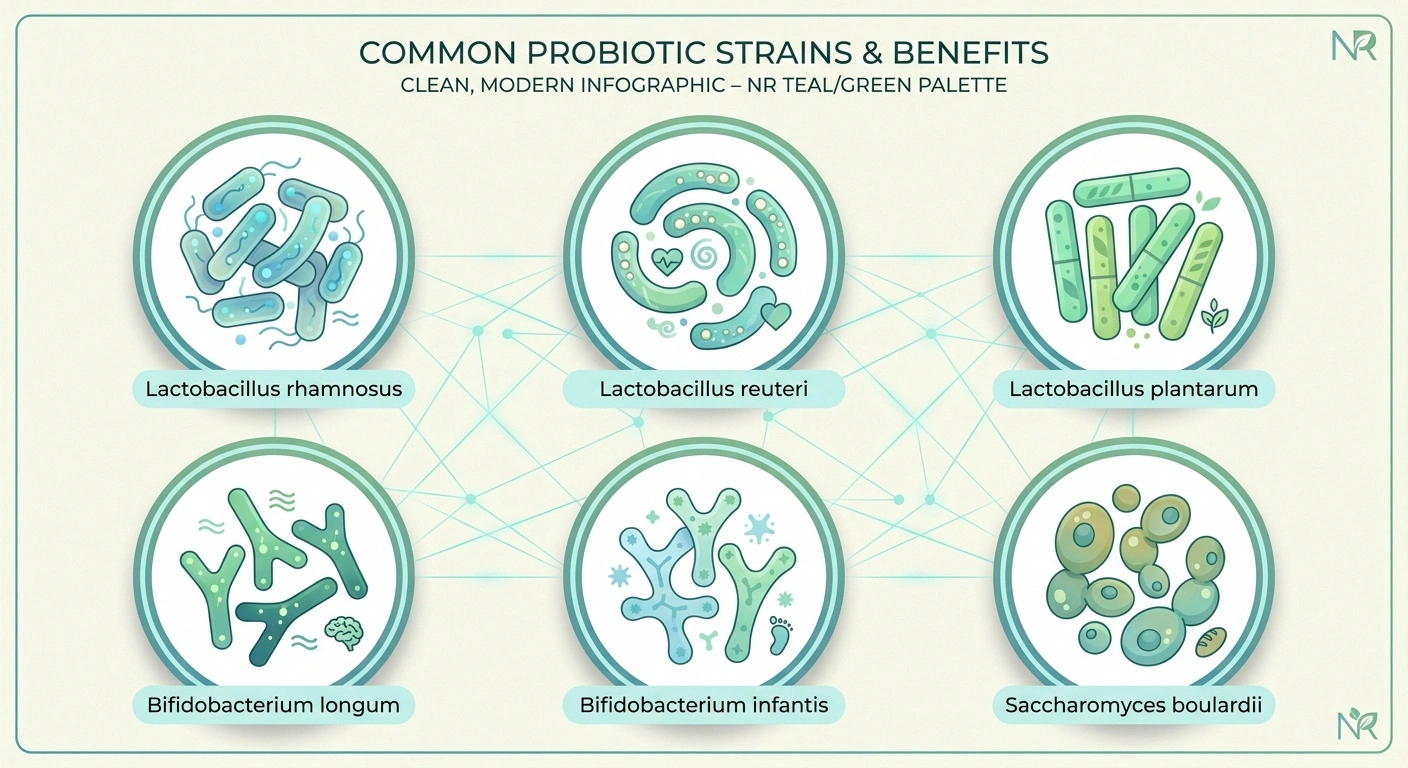
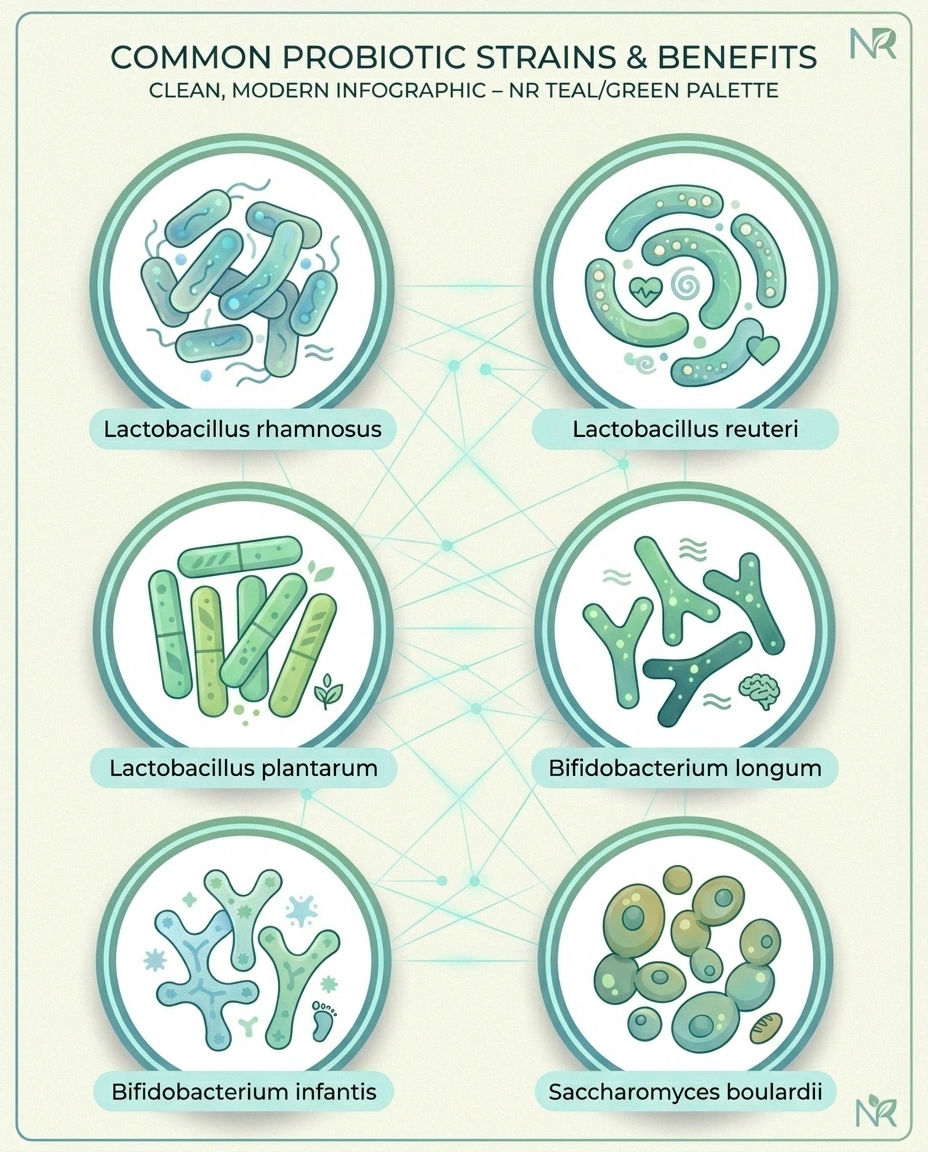
If you walk into a vitamin shop and look at the probiotic aisle, the variety is overwhelming. Hundreds of products, dozens of strains, doses ranging from millions to hundreds of billions of colony-forming units (CFUs). Most of those products were never studied for any specific outcome — they're sold on a general “supports gut health” framing.
🔎 Research Says
A 2025 study in the Journal of Neuroinflammation found that 12 weeks of multi-strain probiotic supplementation in rats with painful diabetic neuropathy alleviated pain, reversed nerve fiber lesions, and restored normal neuronal excitability. Human trials are smaller but show similar trends — modest pain reductions and lower inflammatory markers.
For neuropathy specifically, the strains with the most published research are:
- Lactobacillus rhamnosus — Studied in pain models and metabolic conditions; one of the better-characterized strains for nervous system effects.
- Lactobacillus reuteri — Known to influence vagal signaling and reduce inflammatory markers; some animal evidence in nerve injury models.
- Lactobacillus plantarum — Studied in metabolic and inflammatory conditions including diabetic complications.
- Bifidobacterium longum — Strong animal evidence for effects on the gut-brain axis; some research extending to peripheral nerve outcomes.
- Bifidobacterium infantis — Studied for its effects on serotonin pathways and inflammation.
- Saccharomyces boulardii — A yeast probiotic used during antibiotic courses and chemotherapy; some evidence for nerve-supportive effects through inflammation reduction.
The general pattern in research is that multi-strain products tend to outperform single-strain products. This makes intuitive sense — a healthy ecosystem isn't built from a single species.
The Diet Foundation Comes First
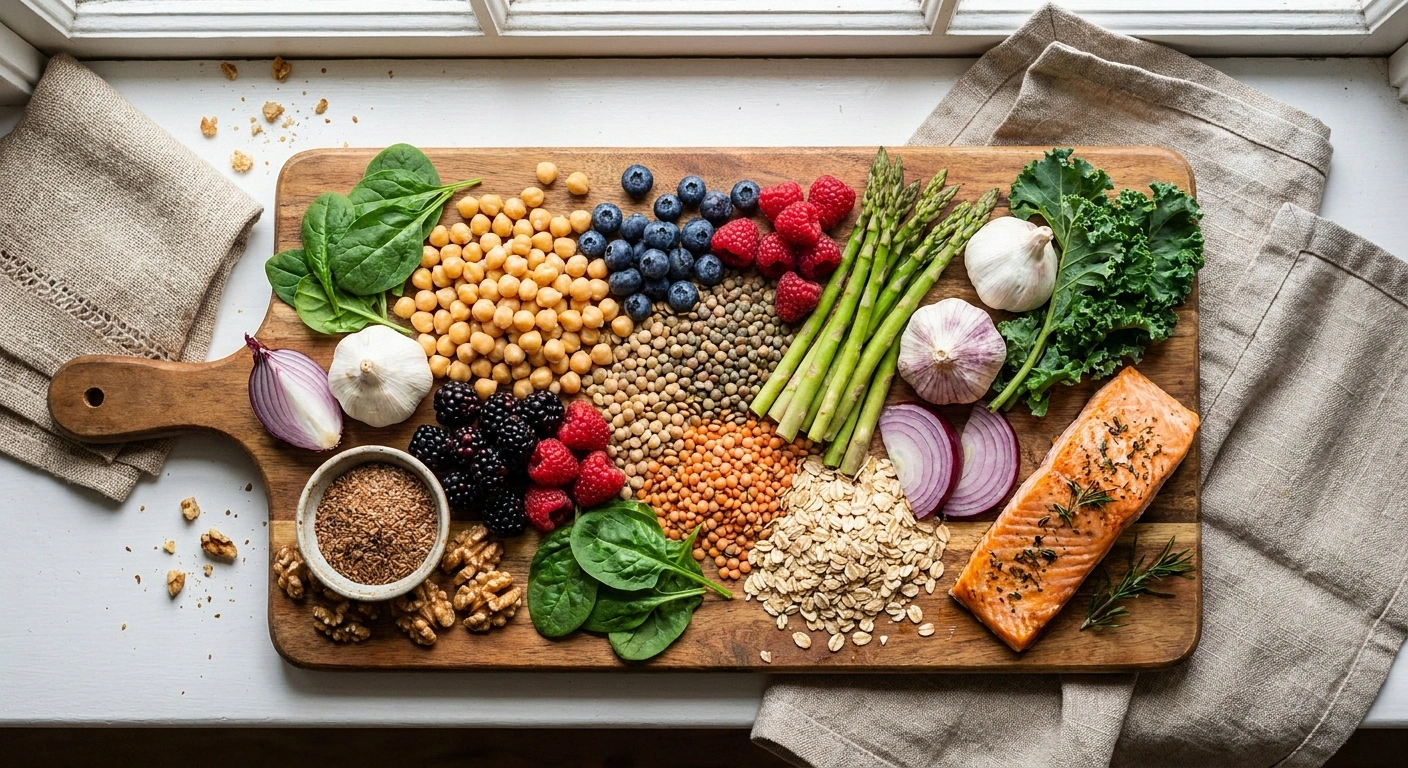
Before you spend a penny on a supplement bottle, the most powerful intervention for your gut microbiome is also the cheapest: what you eat every day.
Daily Foods That Feed a Healthy Microbiome
Fiber-rich plants: vegetables, fruits, beans, lentils, nuts, seeds — aim for 25-35g daily
Fermented foods: live-culture yogurt, kefir, sauerkraut, kimchi, miso, tempeh
Polyphenols: berries, dark chocolate, olive oil, green tea, herbs and spices
Omega-3s: salmon, sardines, mackerel, walnuts, ground flaxseed
Reduce: ultra-processed foods, refined sugars, artificial sweeteners, emulsifiers
Probiotic supplements add billions of bacteria temporarily, but they don't establish permanent residence in most people. The bacteria that actually live in your gut long-term are shaped overwhelmingly by what you feed them. A diet high in refined sugars, processed foods, and low-fiber refined grains favors a microbial community that produces less butyrate, more inflammatory byproducts, and tends toward dysbiosis. The opposite pattern — high in plant fiber, fermented foods, polyphenols, and unsaturated fats — favors the microbial community that produces the anti-inflammatory metabolites linked to better nerve health.
The dietary basics that matter for the gut-nerve axis:
- Fiber from real food. Vegetables, fruits, beans, lentils, whole grains, nuts, seeds. The diversity matters as much as the quantity — different fibers feed different bacteria. Aim for 25-35 grams daily, ideally from varied sources.
- Fermented foods. Yogurt with live cultures, kefir, sauerkraut, kimchi, miso, tempeh. These provide live microbes plus the metabolites those microbes produce during fermentation. Even a few tablespoons of sauerkraut or a small daily yogurt makes a measurable difference.
- Polyphenol-rich foods. Berries, dark chocolate, olive oil, green tea, herbs and spices. These plant compounds feed beneficial bacteria and have direct anti-inflammatory effects.
- Omega-3 fatty acids. Fatty fish (salmon, sardines, mackerel), walnuts, flaxseed. Omega-3s reduce systemic inflammation and support both nerve and gut health. The neuropathy diet built around these principles is consistent with the strongest dietary research for both conditions.
- Reduce ultra-processed foods. The emulsifiers, artificial sweeteners, and refined carbohydrates in ultra-processed foods are increasingly linked to gut dysbiosis. This isn't about perfection — it's about the dominant pattern of your eating.
If You Want to Try a Probiotic Supplement
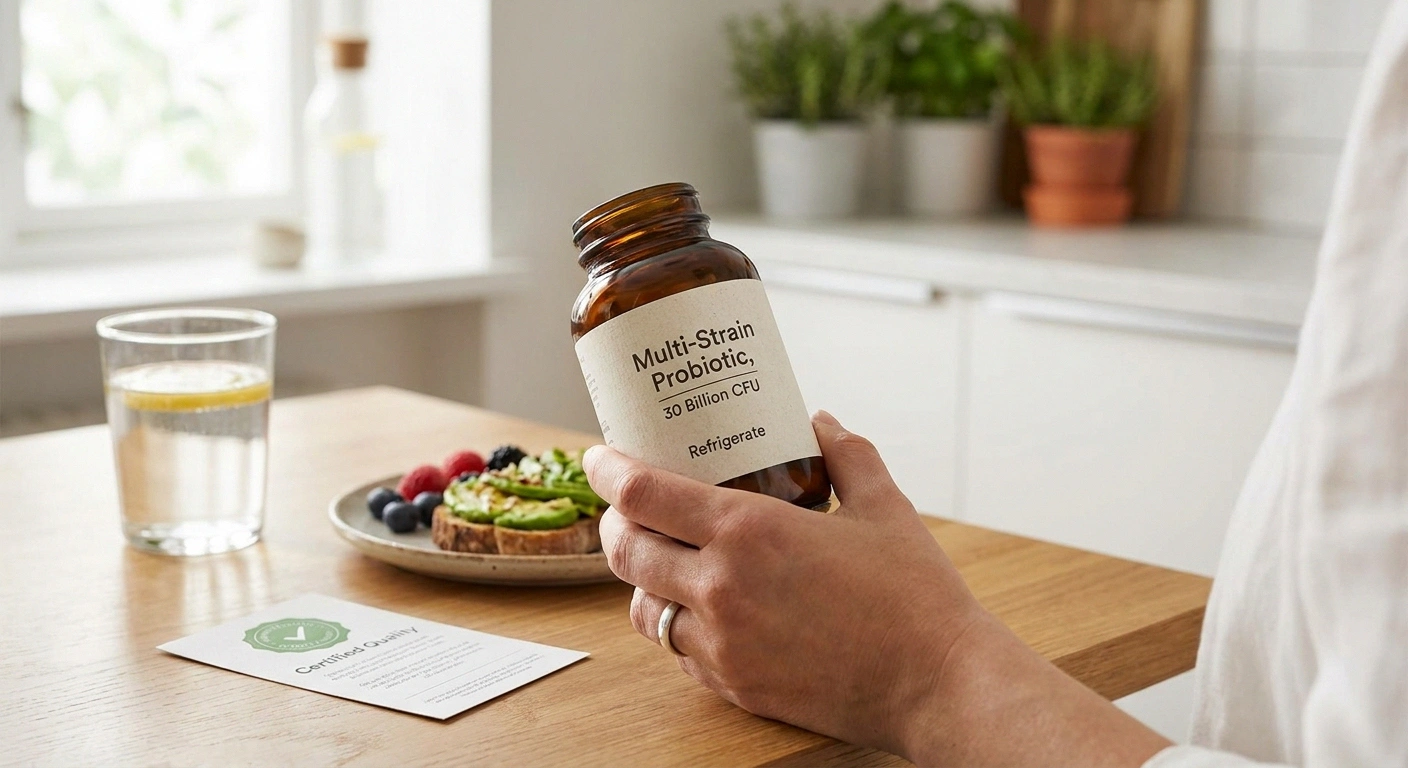
The supplement industry is wildly inconsistent. The FDA doesn't regulate probiotics the way it regulates drugs, which means quality varies enormously between products and even between batches of the same product. If you decide to try a probiotic — and a thoughtful trial is reasonable for many people with neuropathy — these are the criteria that matter:
Choosing a Probiotic — A Quick Checklist
Multi-strain: at least 5-10 different strains
Adequate dose: 10-50 billion CFU per day
Strain-specific labeling: e.g., “Lactobacillus rhamnosus GG”
Third-party tested: USP, NSF, or ConsumerLab verified
Consistency: 8-12 weeks minimum to assess effects
Take with food unless the product specifies otherwise
Multi-strain over single-strain. Look for products that contain at least 5-10 different strains. This more closely mimics a diverse, healthy microbial ecosystem.
Adequate CFU count. Most clinical research uses doses of 10 to 50 billion CFU per day. Less than 5 billion is unlikely to produce meaningful effects; more than 100 billion is rarely needed and may cause more digestive side effects.
Refrigerated storage when possible. Live bacteria are temperature-sensitive. Refrigerated products in the cold section of the store are generally more reliable for live counts. Shelf-stable products can be fine if they use proper encapsulation and are well within their expiration date.
Third-party tested. Look for verification by USP, NSF, or ConsumerLab on the label. This verifies the product actually contains what it claims.
Strain specificity on the label. Reputable products list both species and strain (e.g., “Lactobacillus rhamnosus GG” rather than just “Lactobacillus”). Strain matters — different strains of the same species can have very different effects.
Take consistently for at least 8-12 weeks. Probiotic effects build slowly. Trying a bottle for two weeks and concluding it didn't work isn't a fair test. Commit to a meaningful trial period.
Take with food. Most strains tolerate the journey to the intestine better when buffered by a meal. The exception is some specialized formulations designed to be taken on an empty stomach — follow the product's instructions.
Who Should Be Cautious About Probiotics
Probiotics are generally safe for most adults, but they aren't appropriate for everyone. Talk to your doctor before starting if any of the following apply to you:
Talk to Your Doctor First
Probiotics are generally safe but not for everyone. Discuss with your doctor before starting if you are severely immunocompromised, have a central venous catheter or port, are on active chemotherapy, have recent abdominal surgery, or severe pancreatitis.
- Severely immunocompromised. If you have an active blood cancer, are on high-dose immunosuppressive drugs, or have advanced HIV, even “good” bacteria can occasionally cause serious infections.
- Active chemotherapy. The risk-benefit calculation during chemo is more nuanced. Some studies suggest probiotics help; others raise concerns about bloodstream infections in patients with low white counts. Discuss with your oncologist.
- Central venous catheter or port. These provide a potential route for bacteria to enter the bloodstream. Probiotic-associated bloodstream infections, while rare, are well-documented in this population.
- Recent abdominal surgery or active gastrointestinal disease. The intestinal lining may be more permeable, increasing the chance of translocation.
- Severe pancreatitis. A few studies have raised concerns about probiotic use in this specific setting.
For the vast majority of people with peripheral neuropathy, probiotics are safe to try. Common side effects when starting include mild gas, bloating, and changes in stool patterns — these typically resolve within 1-2 weeks as the gut adjusts.
Beyond Probiotics: The Wider Microbiome Toolkit

Probiotic supplements aren't the only — or even the best — way to support a healthy gut-nerve axis. Several adjacent strategies have growing research support:
Prebiotics. These are specific fibers that selectively feed beneficial bacteria. Inulin (from chicory root, garlic, onions, asparagus), fructooligosaccharides (FOS), galactooligosaccharides (GOS), and resistant starch (cooked-and-cooled potatoes, green bananas, legumes) all qualify. Prebiotics work synergistically with both your existing microbes and any probiotics you take.
Synbiotics. Combination products that include both probiotics and prebiotics in one formulation. Some research suggests these are more effective than either component alone, though the field is still figuring out optimal combinations.
Postbiotics. These are the metabolites — like butyrate — that beneficial bacteria produce. Direct postbiotic supplementation is an emerging area, particularly butyrate supplements, with some early evidence for anti-inflammatory effects relevant to neuropathy.
Fecal microbiota transplantation (FMT). This is the most dramatic intervention — transferring an entire microbial ecosystem from a healthy donor to a patient. FMT is currently approved only for recurrent Clostridioides difficile infection, but trials are underway for diabetic complications and inflammatory conditions. It's not a casual option, but it's a real glimpse of where the field is heading.
Avoiding unnecessary antibiotics. Antibiotics dramatically disrupt the microbiome and can take months to fully recover from. They're sometimes essential — but every unnecessary course is a setback for the gut-nerve axis. If you're prescribed antibiotics, ask whether they're truly needed and consider taking a high-quality probiotic during and for several weeks after the course.
Honest Expectations
I want to close with honesty about what probiotics can and can't do for neuropathy, because I've seen too many people in my support group either dismiss them entirely or expect them to be miraculous.
100 trillion
microbes in your gut — roughly the same mass as your brain
They're not passive passengers. The gut-nerve axis is a real biological conversation, and what you feed them shapes the volume and tone of that conversation every single day.
Probiotics are not a cure for neuropathy. There's no plausible mechanism by which a probiotic supplement reverses established axonal damage from years of poorly controlled diabetes or completes the regeneration of nerve fibers severed by trauma.
What probiotics may do — at the level of evidence we currently have — is reduce inflammatory tone, support better metabolic function, modulate pain signaling at the level of the spinal cord, and possibly slow the progression of nerve damage in conditions like diabetes where chronic inflammation drives the disease forward. They may help with associated symptoms like the digestive issues common in autonomic neuropathy. They may make other interventions work better.
What I tell people in my support group: think of probiotic and dietary work as foundation, not feature. They make the other things you do — your medications, your nerve-supportive supplements, your movement, your sleep — more likely to deliver. And they're one of the few interventions that, even on the off chance the neuropathy benefit doesn't pan out for you personally, will leave you healthier in nearly every other way: better digestion, better immune function, better mood, better cardiovascular markers.
That's a reasonable bet. Make it eyes-open, not as a cure, but as part of a foundation.
Frequently Asked Questions
Can probiotics help with neuropathy pain?
Animal studies show clear pain reduction with multi-strain probiotic supplementation in models of diabetic neuropathy and nerve injury. Human evidence is more preliminary but generally encouraging, with several small trials reporting modest reductions in pain scores. Probiotics work primarily by reducing systemic inflammation and modulating the gut-nerve axis rather than by directly repairing damaged nerves.
What is the best probiotic for neuropathy?
No single product has been established as best. The strongest research uses multi-strain products containing combinations of Lactobacillus and Bifidobacterium species at doses of 10 to 50 billion CFU daily. Look for refrigerated, third-party-tested products that list specific strains rather than just genus names.
How long do probiotics take to work for nerve pain?
Probiotic effects build slowly. Most clinical research uses 8 to 12 weeks of consistent daily supplementation as a minimum trial period. Trying a probiotic for two or three weeks and concluding it does not work is not a fair test. Plan on at least three months of consistent use before judging whether it is helping.
Can fermented foods replace a probiotic supplement?
For many people, yes. A diet that includes daily servings of yogurt with live cultures, kefir, sauerkraut, kimchi, or other traditional fermented foods provides ongoing exposure to live microbes plus the beneficial metabolites of fermentation. Some people prefer the convenience and dosing precision of supplements, particularly during specific therapeutic trials.
Is there a connection between gut health and diabetic neuropathy?
Yes. Diabetes is associated with a characteristic shift in gut microbial composition called dysbiosis, with reduced production of anti-inflammatory short-chain fatty acids and increased systemic inflammation. This dysbiosis appears to contribute to the development and progression of diabetic neuropathy. Restoring a healthier microbiome through diet and probiotics is an active area of research for diabetic neuropathy management.
Can probiotics prevent chemotherapy-induced neuropathy?
Some preliminary research suggests probiotics started before or alongside chemotherapy may reduce the severity of chemotherapy-induced peripheral neuropathy. The evidence is not yet strong enough to make this a standard recommendation, and probiotic use during chemo carries some specific cautions including bloodstream infection risk in immunocompromised patients. Discuss with your oncology team before starting.
Should I take probiotics during antibiotic treatment?
Many gastroenterologists recommend taking a high-quality probiotic during a course of antibiotics and for several weeks afterward to reduce gut microbiome disruption. Saccharomyces boulardii is a particularly popular choice during antibiotics because it is a yeast and is not killed by antibacterial drugs. Take the probiotic at least 2 hours apart from the antibiotic dose.
Are there side effects to taking probiotics?
Most healthy adults tolerate probiotics well. The most common side effects when starting are mild gas, bloating, and changes in stool patterns, which usually resolve within 1 to 2 weeks. Severe side effects are rare. Probiotics should be used with caution in immunocompromised people, those with central venous catheters, severe pancreatitis, or recent abdominal surgery. Discuss with your doctor in these settings.
About the Author