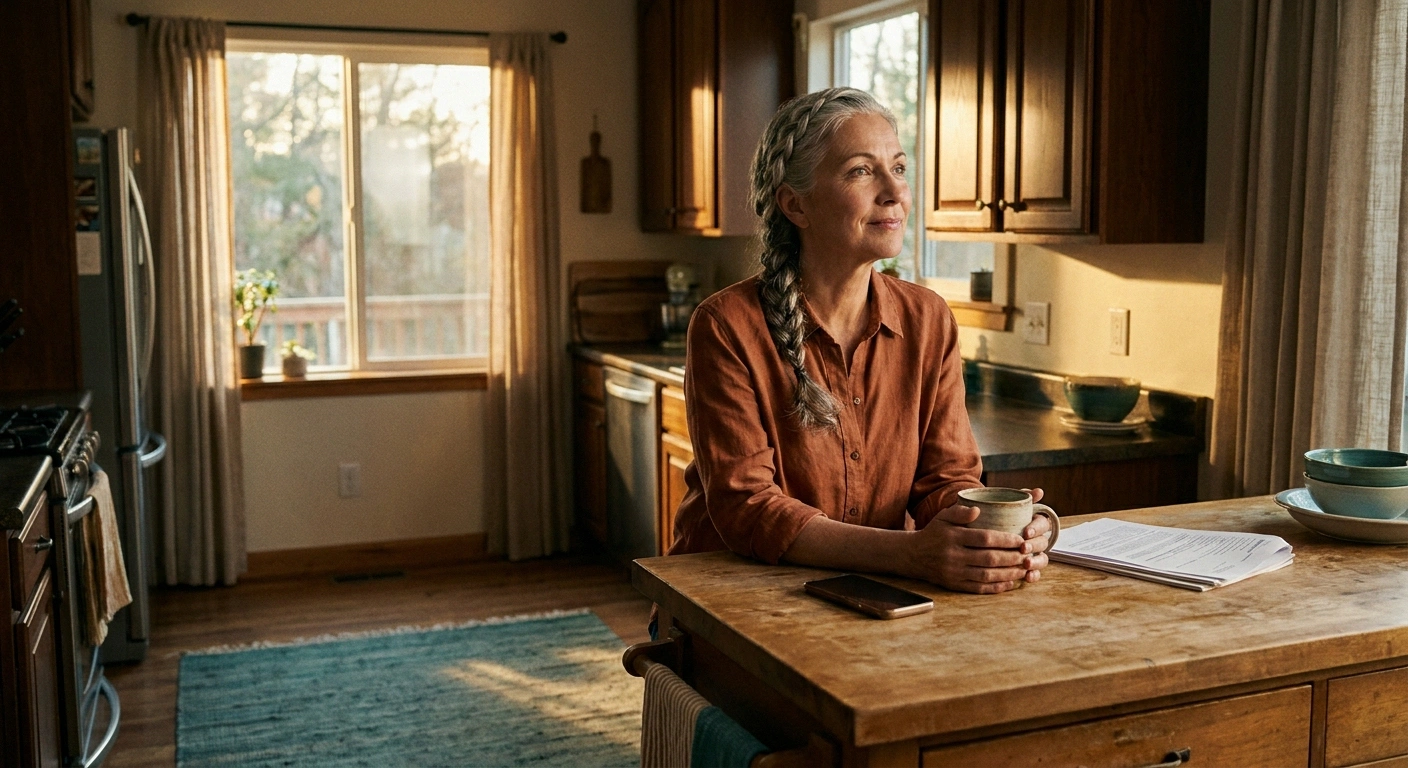
The third time I canceled on my book club, I sat in my kitchen for a long time afterward and watched the late afternoon light go thin against the cabinets. I hadn't told them why. I'd said something vague — “not feeling great today” — and they'd been kind, the way friends are when they sense you don't want to talk about it. The truth was that my feet were burning so badly I couldn't imagine sitting upright in someone's living room for two hours, and I didn't want to be the woman who limped in late and then had to leave early and then ate too few of the snacks because she was distracted by her own body. Easier to stay home. Easier to keep the casserole dish I'd promised to bring on the counter, untouched, and tell myself I'd reschedule.
That was the moment I understood that neuropathy wasn't only a problem in my feet. It had quietly been doing something else, too — pulling me away from the people and the places that made my life feel like mine. Not in a single dramatic break. In small, polite cancellations. One missed Sunday dinner. A birthday card sent instead of attended. A phone that started ringing less because I'd stopped picking up.
If you're reading this and any of that sounds familiar — if you've watched your world get smaller without quite meaning to let it — I want to tell you what I've learned about why that happens, what it does to us, and how to begin coming back. Not in a way that requires you to have the energy you don't have. In small, real, honest steps.
The Quiet Crisis Nobody Names
Loneliness in chronic illness gets talked about much less than the illness itself. We have whole library shelves about pain management, supplement protocols, the latest medication trials. We have very little about the slow withdrawal that happens when your body becomes unreliable and your social life is the first thing to be quietly traded for energy you don't have.
Key Takeaway
Loneliness in neuropathy isn't a soft, optional concern — it physiologically amplifies pain through brain circuits shared between social and physical pain. Treating isolation is part of treating neuropathy, and the first step is much smaller than you think.
And yet, when I started asking other people in neuropathy support groups whether they felt more alone than they used to, almost every hand went up. Some had stopped going to church. Some had quit their volunteer shift at the food pantry. One woman told me she hadn't been to a movie theater in four years — the seats hurt her feet, and she didn't want to ask anyone to leave early on her account.
This is the quiet crisis. It doesn't make headlines. It doesn't show up on a lab report. But it is happening to a lot of people right now, and naming it is the first step in doing something about it. The connection between neuropathy and mental health runs deeper than most of us realize, and isolation sits right at the center of it.
Why Neuropathy Pulls You Inward
Neuropathy is uniquely good at producing isolation, and there's a reason for it that has nothing to do with willpower. Several forces work at the same time:
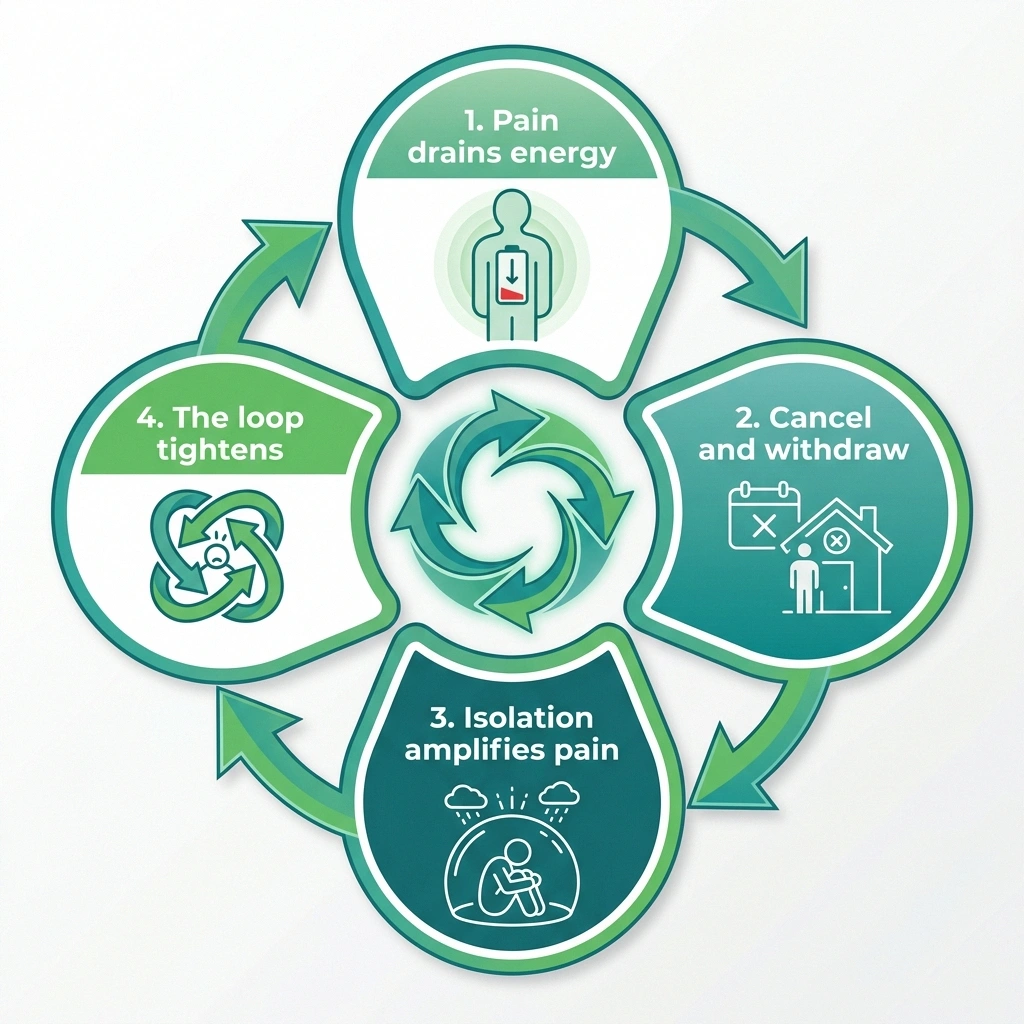
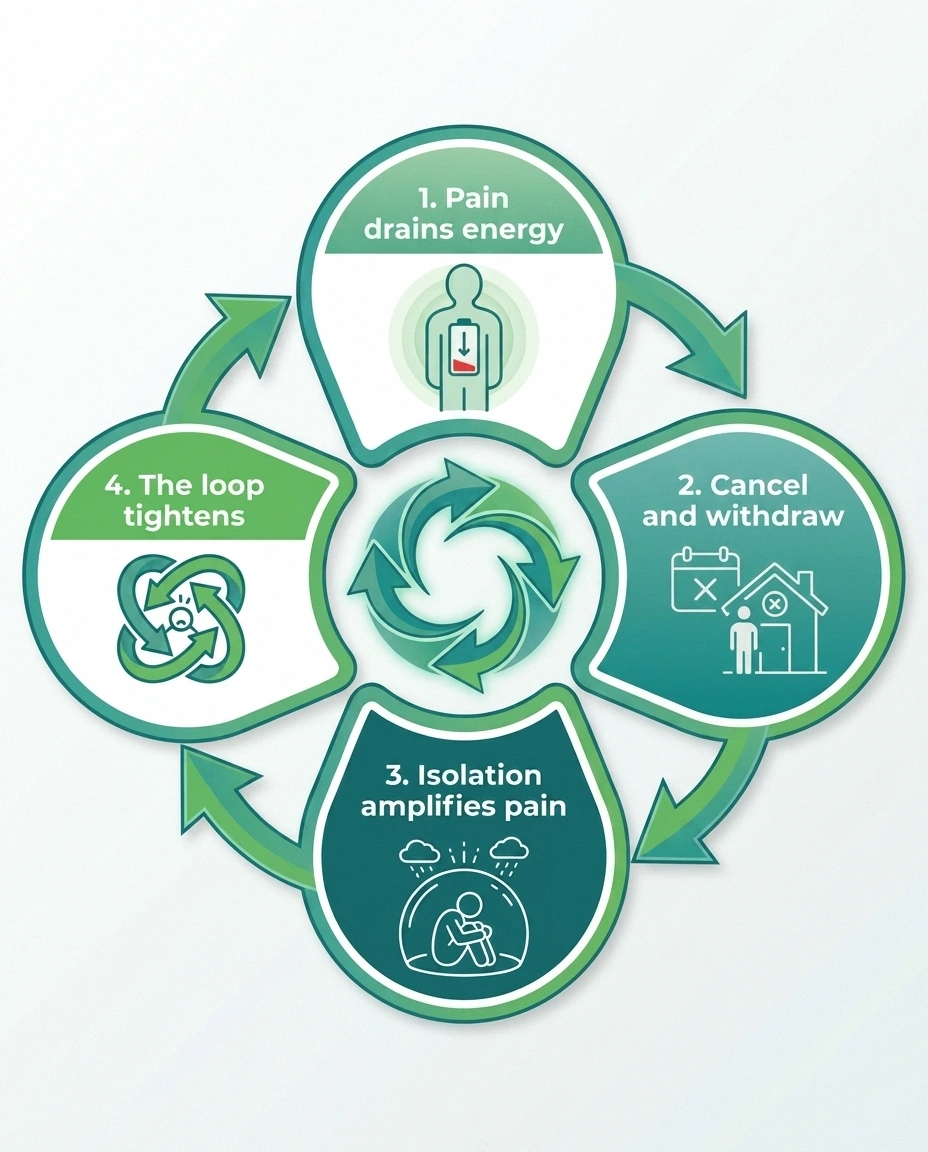
The Pain → Withdrawal Spiral
1. Pain Drains Your Energy
Burning, tingling, and electric jolts consume cognitive bandwidth even when you're not focused on them. Socializing feels impossible.
2. You Cancel and Withdraw
Plans get declined. Friendships go quiet. The world slowly shrinks around the kitchen table.
3. Isolation Amplifies Pain Perception
Social pain and physical pain share brain circuits. Loneliness literally makes the same nerve signals feel more intense.
4. The Loop Tightens
More pain leads to more withdrawal, more withdrawal feeds more pain. Breaking the loop is possible — and starts smaller than you think.
Pain itself is exhausting. Burning, tingling, sharp electric jolts — these consume cognitive bandwidth even when you're not actively focusing on them. By the end of an ordinary day, you've already done the equivalent of a second job just keeping yourself together. The energy required for socializing — getting dressed, getting somewhere, being “on” — feels impossible.
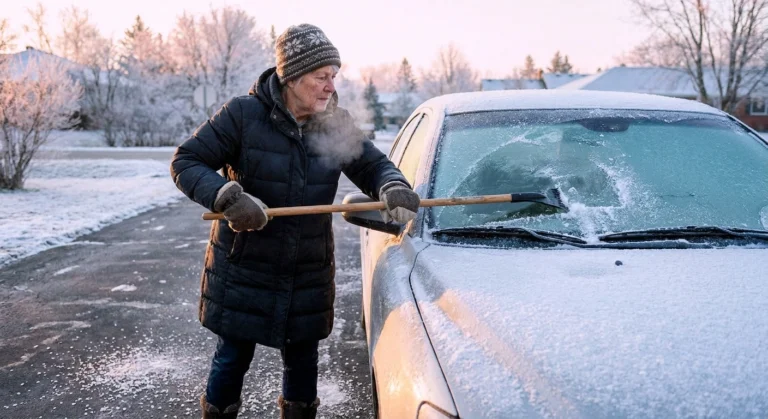
Fall risk and unsteady balance make unfamiliar environments feel hostile. A friend's home with two steps you didn't expect. A restaurant with slick floors. A parking lot in winter. Each of these becomes a quiet calculation: can I do this safely? Often the easier answer is to stay home.
Brain fog and cognitive load from chronic pain make conversation harder than it used to be. You lose words mid-sentence. You can't keep up with a fast-moving group. You leave a gathering thinking, I don't sound like myself anymore.
Fear of being a burden is one of the most universal experiences I hear from people with neuropathy. You don't want to ask people to slow down for you, to choose accessible places for you, to wait while you take a break. So you preemptively remove yourself from the equation.
Here's the cruel part — and it's the part the research is now confirming — this withdrawal doesn't make the pain better. It makes it worse. Pain causes withdrawal, and withdrawal worsens pain perception. It's a loop, not a one-way street. Pain catastrophizing tends to grow in isolation because there's nothing and no one to reframe what you're going through.
The Invisible Illness Problem: When People Can't See What You're Feeling
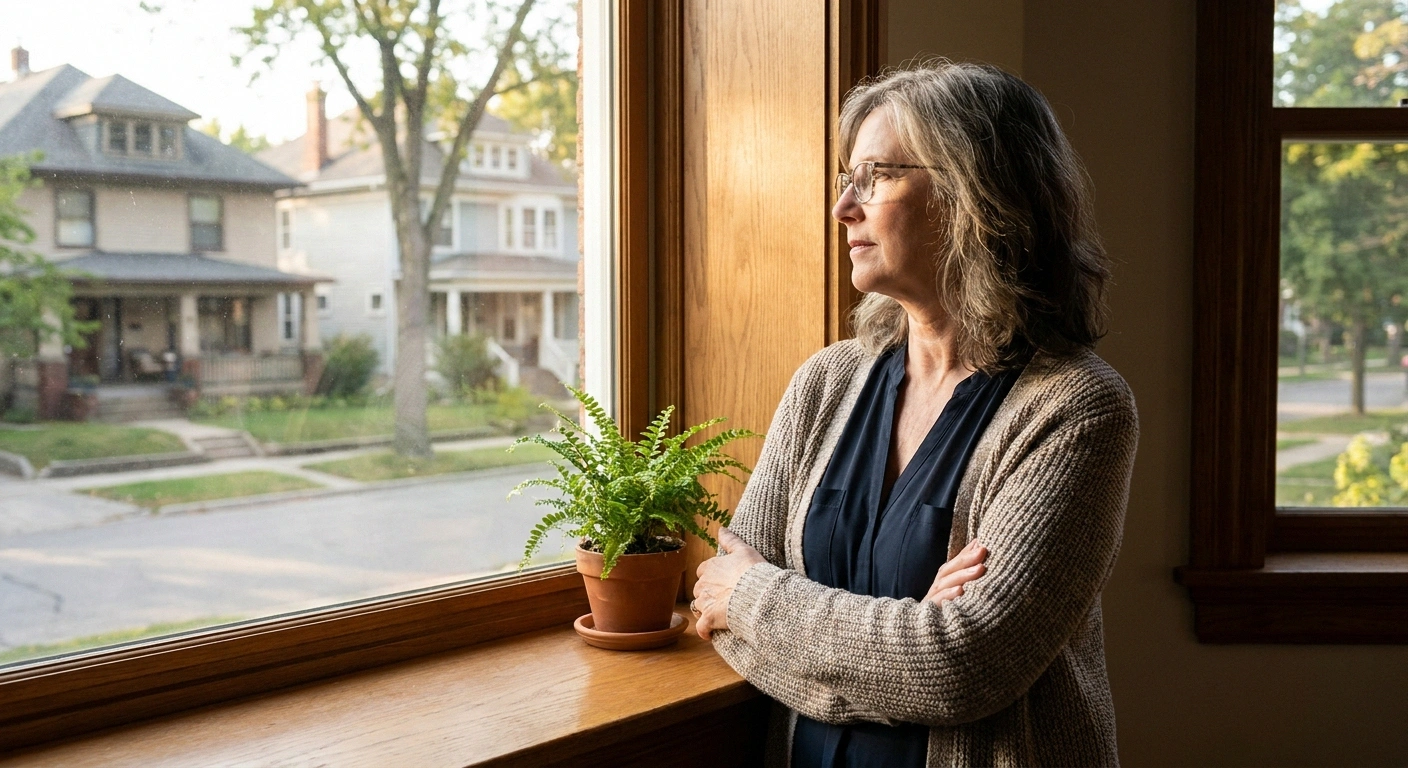
If I had a cast on my leg, people would understand instantly. They'd hold doors. They'd offer chairs. They wouldn't ask me to walk to the third parking lot. Neuropathy doesn't get that grace. From the outside, I look fine. My feet look fine. There's no swelling, no bruise, no visible mark of the burning that's been keeping me up at night.
This is the invisible illness problem, and it's particularly hard with neuropathy because the symptoms are also strange to describe. What neuropathy actually feels like doesn't translate cleanly into words other people can grasp. “It's like walking on broken glass.” “It feels like my feet are on fire and freezing at the same time.” People nod. But they don't really know.
And here's where validation starts to crumble. When you describe an experience that has no visible signature, even kind people can begin to doubt — politely, quietly, but it's there. Is it really that bad? Are you sure you can't come? Over time, you stop trying to explain. And when you stop explaining, you also stop being seen accurately. That's its own kind of loneliness — being among people but feeling deeply unknown.
Some patients I know have started describing their pain in terms that translate better. “Today is a 7 out of 10” gives someone a frame they can grasp. Or, “Imagine wearing socks made of sandpaper all day.” Concrete metaphors land. They give other people a doorway in.
What Loneliness Actually Does to Pain
If you're a person who likes to know why something is happening, this part is important. Loneliness isn't just an emotional weather pattern — it's a physiological one. And it directly amplifies pain.
🔎 Research Says
A 2025 study in Lancet eClinicalMedicine tracked loneliness trajectories around chronic pain onset and found loneliness scores spike when pain becomes chronic — and tend to stay elevated, especially without strong support networks. The researchers framed it as a public health concern, not a private one.
Brain imaging studies have shown that the anterior cingulate cortex — the area that processes physical pain — is also one of the areas activated by social rejection and isolation. The neuroscientist Naomi Eisenberger ran the first studies showing this almost two decades ago, and the research has only gotten stronger since. Social pain and physical pain share circuits. When you feel left out, your brain processes part of it as actual pain.
This means loneliness literally makes neuropathy feel worse. The same nerve signals that would be a 5 out of 10 on a day when you feel connected and supported can land as a 7 or 8 on a day when you feel isolated and unseen. That's not in your head — or rather, it is in your head, in the most concrete, neurobiological way.
A 2025 paper published in Lancet eClinicalMedicine tracked loneliness trajectories across the onset of chronic pain conditions. The pattern was clear — loneliness scores spiked around the time pain became chronic and tended to stay elevated, especially when patients lacked support networks. The researchers framed it as a public health concern, not just a personal one.
The takeaway isn't to feel guilty about being lonely. The takeaway is that addressing isolation isn't a soft, optional, “self-care” piece of pain management. It's a clinically meaningful lever that can change how much pain you actually feel.
Recognizing the Signs You're Slipping Into Isolation
Isolation creeps. It rarely announces itself. By the time you notice you're in it, you've often been there for months. These are signs to watch for in yourself — not to feel bad about, just to notice:
Warning Signs of Isolation
If three or more of these resonate, the gravity of pain has been pulling you somewhere worth noticing:
- You've canceled the last several social plans you'd made
- You've stopped initiating contact with friends
- Most days are spent entirely alone, and the silence has stopped feeling restful
- You've quit a hobby or routine that used to anchor your week
- Phone calls or knocks at the door produce a flicker of dread
- You've stopped explaining your pain because you're tired of doing it
- Small kindnesses — a wave, a friendly clerk — make you unexpectedly emotional
- You've canceled the last two or three social plans you'd made.
- You've stopped initiating contact with friends — you wait for them to reach out, and feel a little hurt when they don't.
- You're spending most days entirely alone and the silence has stopped feeling restful.
- You've quit a hobby, group, or routine that used to anchor your week.
- You feel a flicker of dread when the phone rings or someone knocks at the door.
- You've started sleeping more during the day or staying up later than you want to.
- You've stopped telling people about your pain because you're tired of explaining.
- You've noticed that small kindnesses — a neighbor waving, a clerk being friendly — make you unexpectedly emotional.
If several of those land, you're in the territory. That doesn't mean anything is wrong with you. It means the gravity of pain has been pulling you somewhere most chronic-pain patients drift toward. The next step is gentle — not a giant overhaul, just a slow turn back toward the world.
The Re-Engagement Toolkit: Small Steps That Don't Require a Lot of Energy
Here's where I want to push back against the unhelpful version of this advice. “Just call a friend.” “Just get out of the house.” “Just join a group.” If you're deep in a flare and your battery is at 3%, these suggestions land like being told to climb a mountain in a wheelchair. They aren't wrong, but they're not actionable.
The Low-Energy Re-Engagement Toolkit
Pick one. Just one. The first step is the hardest.
Send one text. Three sentences. “Thinking of you. No need to reply.”
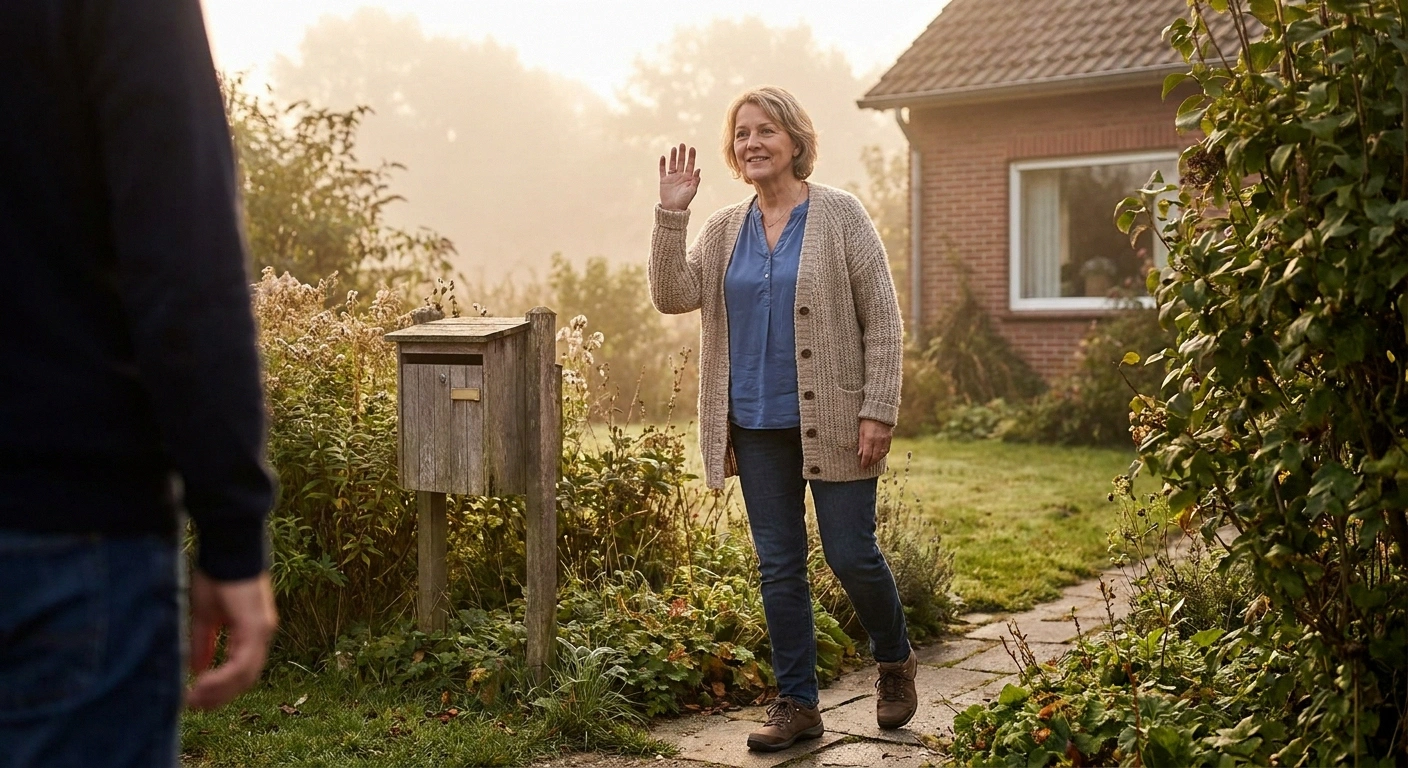
Walk to the mailbox. Wave at one neighbor if you see one.
Reply to one online comment. Real reply, not a like.
Schedule a video call. 20 minutes on the couch with the phone propped up.
Pick one small ritual. Tuesday tea. A weekly call with a sister.
Ask for one tiny thing. “Could you grab milk when you're at the store?”
So let's go smaller. Way smaller. The goal isn't to rebuild your social life this week. The goal is to send one small signal back to the world that you still want to be in it.
Send one text. Not a long one. “Thinking of you. No need to reply.” That's it. You've broken the silence. You haven't committed to a coffee date. You haven't promised to drive anywhere. You've just dropped one small thread into the air and let it sit.
Walk to the mailbox. Or the porch. Or the end of the driveway. Wave at one neighbor if you see one. The point isn't exercise. The point is being a body that exists in the world for two minutes a day. It accumulates.
Reply to a comment online. If you're already scrolling Facebook or Instagram, reply to one person — a real reply, not a like. Tell them what you noticed about their photo. Tell them you remembered something. You've practiced being in conversation, in low-stakes form.
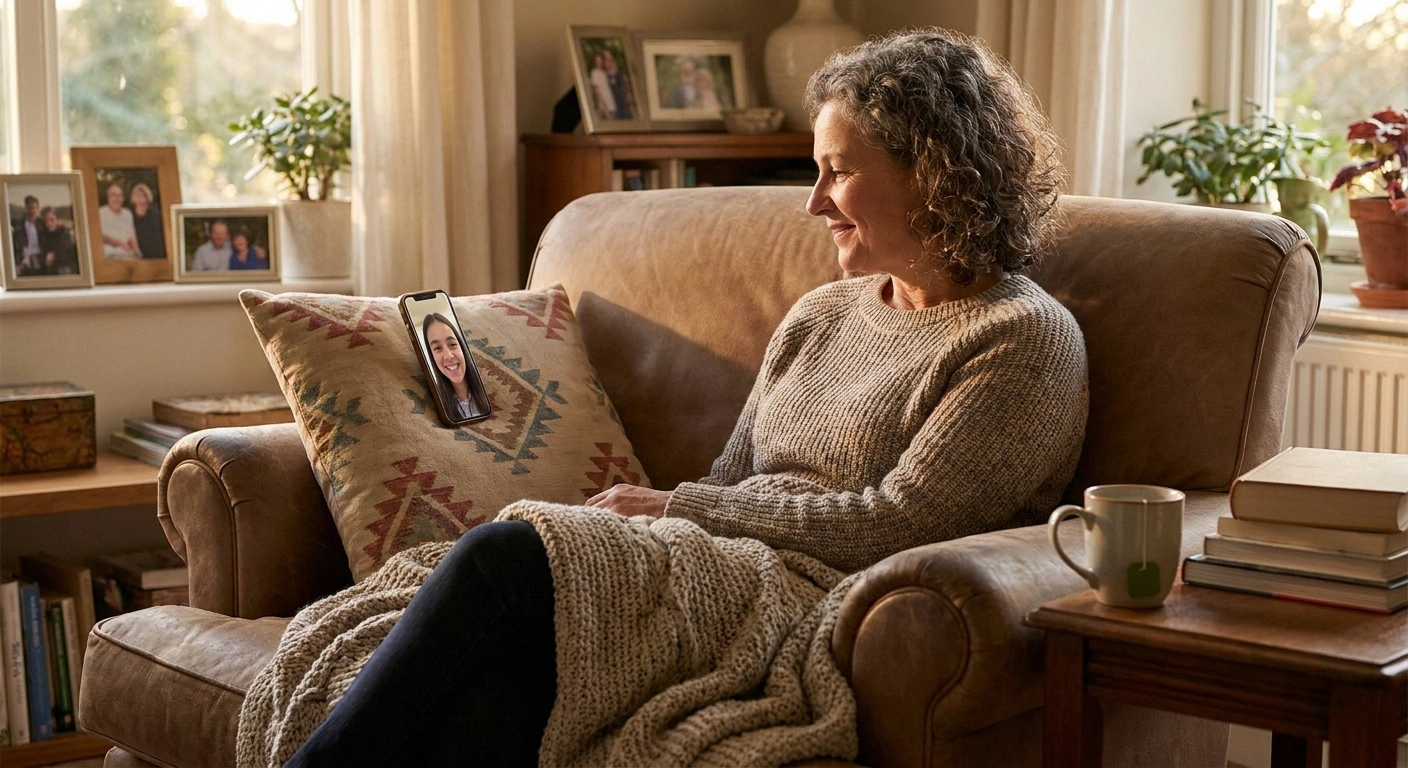
Schedule a video call instead of an in-person visit. A FaceTime with a grandchild or a niece doesn't require getting dressed, leaving the house, or sitting upright for hours. Twenty minutes on the couch with the phone propped up — and you've connected. Don't underestimate this.
Pick one small ritual to invite someone into. Tea on Tuesday afternoons. A weekly phone call with a sister. A standing 15-minute check-in. The structure does the work — you don't have to find the energy to schedule each time.
Let people help with one specific thing. “Could you pick up milk when you're at the store?” is small enough to feel okay to ask and meaningful enough that the helper feels useful, not burdened. Many of us refuse all help because we don't want to ask too much. The fix is asking for tiny things.
If your pain is bad enough that even these feel impossible, choose one. Just one. The first time I made myself send a single text to a friend after a long withdrawal, I cried. It felt enormous. It was three sentences. But it cracked something open.
Online Communities, Peer Support, and Support Groups
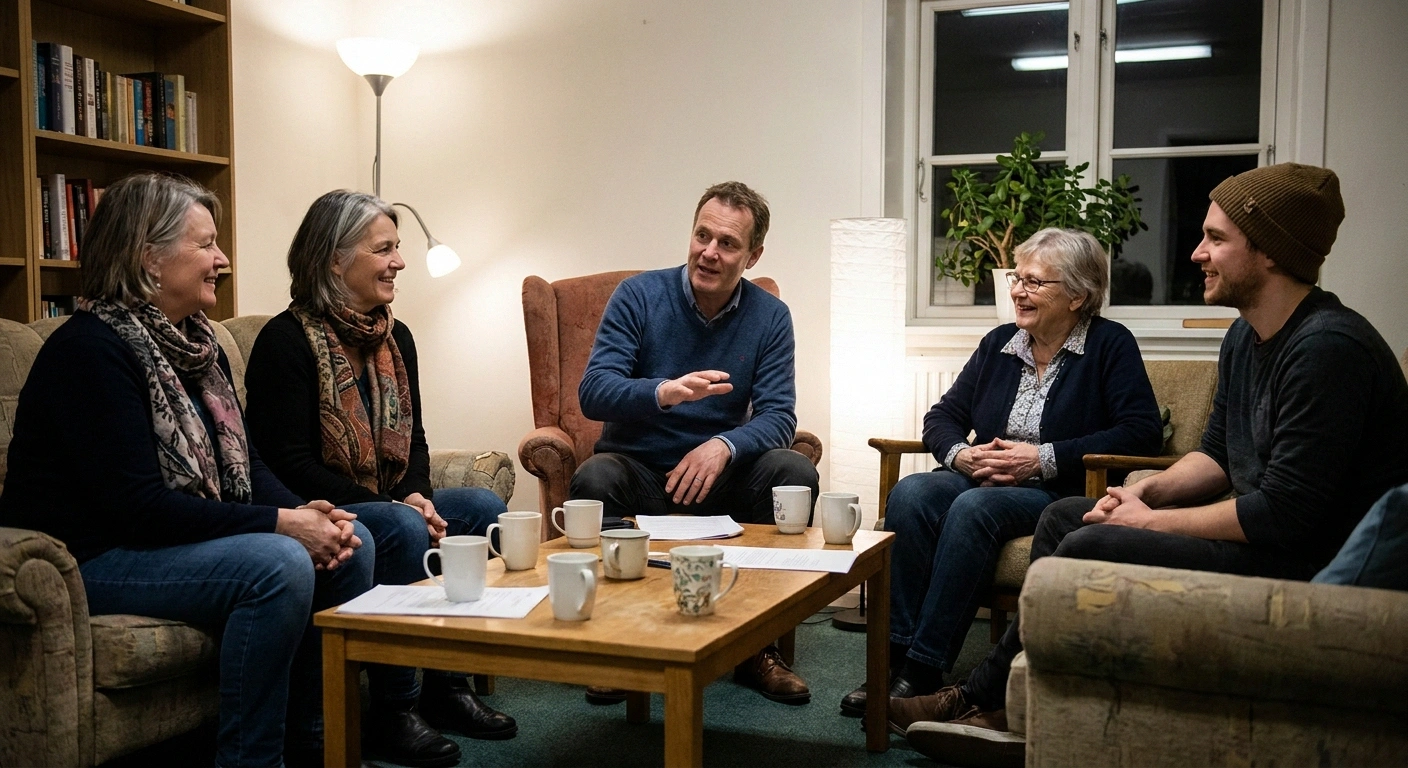
One of the gifts of the last decade is that you don't have to leave your house to find people who get it. Neuropathy support groups exist in a hundred forms now — and the activation energy required to join them is much lower than it used to be.
The Foundation for Peripheral Neuropathy hosts patient forums and listings for in-person and virtual support groups across the country. Their online communities are moderated, generally civil, and full of people who instantly understand “burning feet” without you having to translate.
Facebook groups specific to peripheral neuropathy, diabetic neuropathy, chemotherapy-induced neuropathy, and small fiber neuropathy are easy to join and often very active. They're not perfect — comparison and misinformation can creep in — but the experience of typing “tonight is hard” and getting twenty replies from people who know exactly what you mean is genuinely healing.
Reddit communities like r/Neuropathy, r/ChronicPain, and r/Spoonies are anonymous, which lowers the bar for honesty. People share things in those forums they'd never say at a dinner party — flares, despair, small victories.
Local in-person groups, when you have the energy, are different again. Hearing another voice describe what you're feeling, in person, lands deeper than text on a screen. The Foundation for Peripheral Neuropathy maintains a directory of regional chapters; many libraries and hospitals also host monthly chronic-pain meetings.
If you're new to all of this, start with one online community and read for a week before you post. Lurk. Get the feel. Then reply to one comment when you're ready. The slow door is fine.
When to Reach for Professional Help
I'm not a therapist. I'm a patient advocate, and there are limits to what a community can do. Some of what isolation does to us belongs in the hands of a professional — and there's no shame in that. The bravery of asking for that kind of help is its own kind of recovery.
When to Reach for Professional Help
Some of what isolation does to us belongs in skilled hands. Consider professional support if:
- You've felt persistently hopeless for two weeks or more
- You've stopped finding pleasure in things you used to enjoy
- You've withdrawn so far that basic self-care is slipping
- The thought patterns about being a burden have grown louder
Crisis Support — United States
If you're having thoughts of harming yourself, or thoughts that others would be better off without you, call or text 988 (the Suicide & Crisis Lifeline). Available 24/7. You don't have to be in crisis to call — you can call when you're just hurting.
Cognitive Behavioral Therapy (CBT) has a strong evidence base for chronic pain. It doesn't treat pain by ignoring it; it treats the thought patterns and behaviors that turn pain into a bigger problem than it has to be. CBT for neuropathy can also help with the catastrophizing thoughts that make isolation feel inevitable.
Mindfulness-Based Stress Reduction (MBSR) has preliminary research showing it can reduce loneliness in older adults — and the program structure (eight weeks, group-based, structured practice) gives a built-in social and behavioral container at a time when both are hard to create alone. The MBSR program for neuropathy is increasingly available in virtual formats.
Loving-kindness and compassion meditation are being studied for social engagement in people with chronic pain. Early findings suggest they can soften the protective walls we build during long isolation. The practice is small — five to ten minutes a day, often guided by an app or audio.
A regular therapist, especially one who works with chronic illness, can be one of the most stabilizing relationships in your life. Telehealth has made therapy radically more accessible — many therapists now see patients entirely by video, which removes the energy cost of getting somewhere.
And one important note. If your isolation has tipped into something darker — if you're having thoughts of harming yourself, or thoughts that the people around you would be better off without you — that is not a private problem to manage alone. In the United States, the 988 Suicide & Crisis Lifeline is available 24 hours a day by phone or text. They are trained to listen without judgment. Call or text 988. You don't have to be in a crisis to call. You're allowed to call when you're just hurting.
The anxiety that often accompanies neuropathy, the grief over the life you used to have, the strain on your closest relationships — these are all valid, addressable pieces of the same puzzle. You don't have to carry them in silence.
A Note on Self-Compassion
If you've read this far and a small voice in your head is saying something like, I should have done better, I let things go, I'm the reason I'm alone now — please pause. That voice is wrong, and it's also part of the problem.
You did not invite a chronic nerve condition into your life. You did not choose to have your energy depleted by pain that doesn't show on the outside. You have been doing the best you can with what you have. The fact that you're reading this article — that you're considering, even quietly, that there might be a small step back toward the world — is not a small thing. It's the beginning of the way out.
Be kinder to yourself than you would have been a year ago. The version of you that's still here, after all of this, deserves it.
Frequently Asked Questions
Can chronic neuropathy pain really cause loneliness, or is loneliness a separate problem?
Chronic pain and loneliness are tightly linked, and the relationship runs both ways. Pain reduces the energy and willingness to socialize, and over time the resulting isolation can amplify pain through shared brain pathways. A 2025 paper in Lancet eClinicalMedicine showed loneliness scores tend to rise around the onset of chronic pain and stay elevated. Treating loneliness as part of pain management, not a separate side issue, is increasingly supported by the research.
Why do I feel guilty about canceling plans even when I'm in real pain?
Guilt around canceling is one of the most common experiences in chronic illness. Part of it is internalized — most of us were raised to honor commitments and feel we're letting people down when we can't. Part of it is the invisible illness problem. Without a visible cause, we feel we have to justify why we couldn't come, even to ourselves. Practicing language like, “My body isn't cooperating today, can we reschedule,” and giving yourself permission to use it without further explanation can ease this over time.
How do I explain neuropathy pain to friends and family who can't see it?
Concrete metaphors tend to work better than clinical descriptions. Phrases like “wearing sandpaper socks all day,” “walking on broken glass,” or “my feet feel like they're on fire and freezing at the same time” give people a doorway into the experience. Sharing a number scale — “today is a 7 out of 10” — can also translate well. Most people genuinely want to understand, but they need help building the picture. Repeating the same descriptions across many conversations gradually changes how seen you feel.
Are online support groups really helpful, or is in-person support better?
Both have value, and they serve different needs. Online groups are accessible at 2 a.m. when no one in your house is awake. They lower the activation energy to connect on a hard day. In-person groups offer the deeper experience of being in a room with other bodies that share what yours is going through. For many people, a mix of both works well — an online community for daily contact and an occasional local group for the embodied experience.
What if I'm too tired to even think about reaching out to anyone?
Start smaller than you think. Send one text — three sentences. Reply to one comment online. Wave to one neighbor. The goal isn't to rebuild a social life this week. The goal is to send one small signal that you're still here and still want to be. These tiny actions accumulate. The first time often feels enormous; the second feels lighter. Self-compassion in the meantime is not optional, it's part of the medicine.
Can therapy actually help with the loneliness piece, or only with depression?
Therapy can be very useful for loneliness specifically. Cognitive Behavioral Therapy can address the thought patterns that keep us isolated, like assuming people don't really want to hear from us or that we're a burden. Mindfulness-Based Stress Reduction has preliminary research showing it reduces loneliness in older adults. A therapist who works with chronic illness can also help you build the small, sustainable behaviors that gradually open your world back up. Telehealth has made all of this more accessible than it used to be.
When should I worry that my isolation has become something more serious?
Watch for thoughts that you're a burden to others, that they would be better off without you, or any thoughts of harming yourself. Watch for a sustained inability to feel pleasure, persistent hopelessness, or a complete withdrawal from food, hygiene, or sleep. These are signs that what you're carrying needs professional support, not solo management. In the United States, the 988 Suicide & Crisis Lifeline is available 24 hours a day by phone or text — you can call or text 988 even if you're not in crisis but just hurting badly.
How long does it take to start feeling less alone after I begin reaching out again?
Most people notice small shifts within a few weeks of consistent small steps — a single text a day, one online community visit, one short phone call. Deeper improvements in mood and pain perception often follow over two to three months. The process isn't linear. Some weeks will feel like backsliding, especially during pain flares. The trajectory matters more than any single day. Be patient with yourself; the body and the social muscles you've been resting both need time to rebuild.
About the Author