
Your body already makes a painkiller. It is called anandamide, it binds the same receptors that cannabis does, and it is released on demand at exactly the places where tissue is inflamed or a nerve is firing. The problem is that it does not last. Within minutes of being made, it gets escorted to an enzyme that destroys it.
A drug now in early human trials was built around a simple question. What if you interfered with the escort?
ART26.12, from a small company called Artelo Biosciences, is the first selective FABP5 inhibitor believed to have been given to human beings. Its first target is chemotherapy-induced peripheral neuropathy. It has completed a Phase 1 safety study and has never been tested in a person who actually has neuropathy, which is the fact most coverage buries.
Here is what the drug does, what the evidence currently supports, and where it honestly stands.
The Escort Protein Nobody Was Targeting
Anandamide is fatty. That sounds like a trivial chemical detail and it is actually the whole story.
Where the drug interrupts the chain
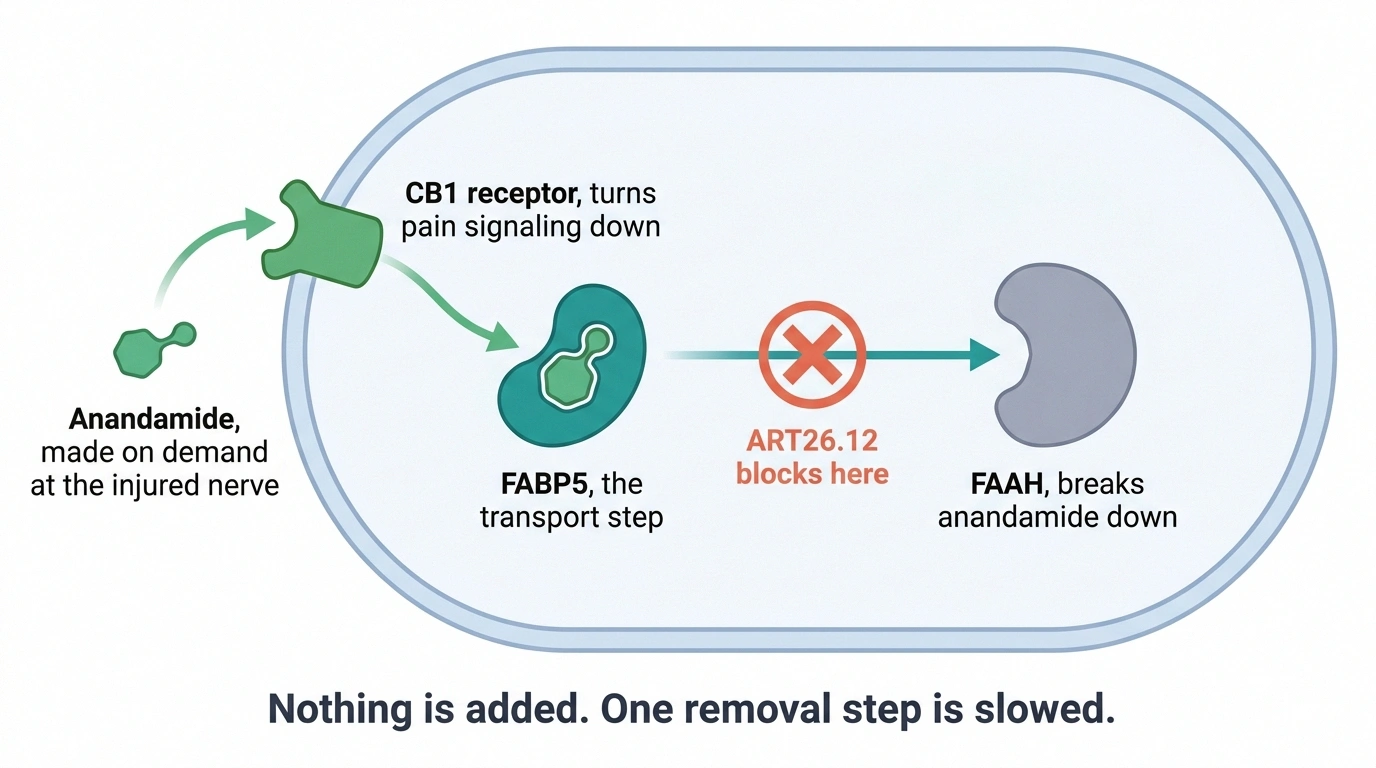
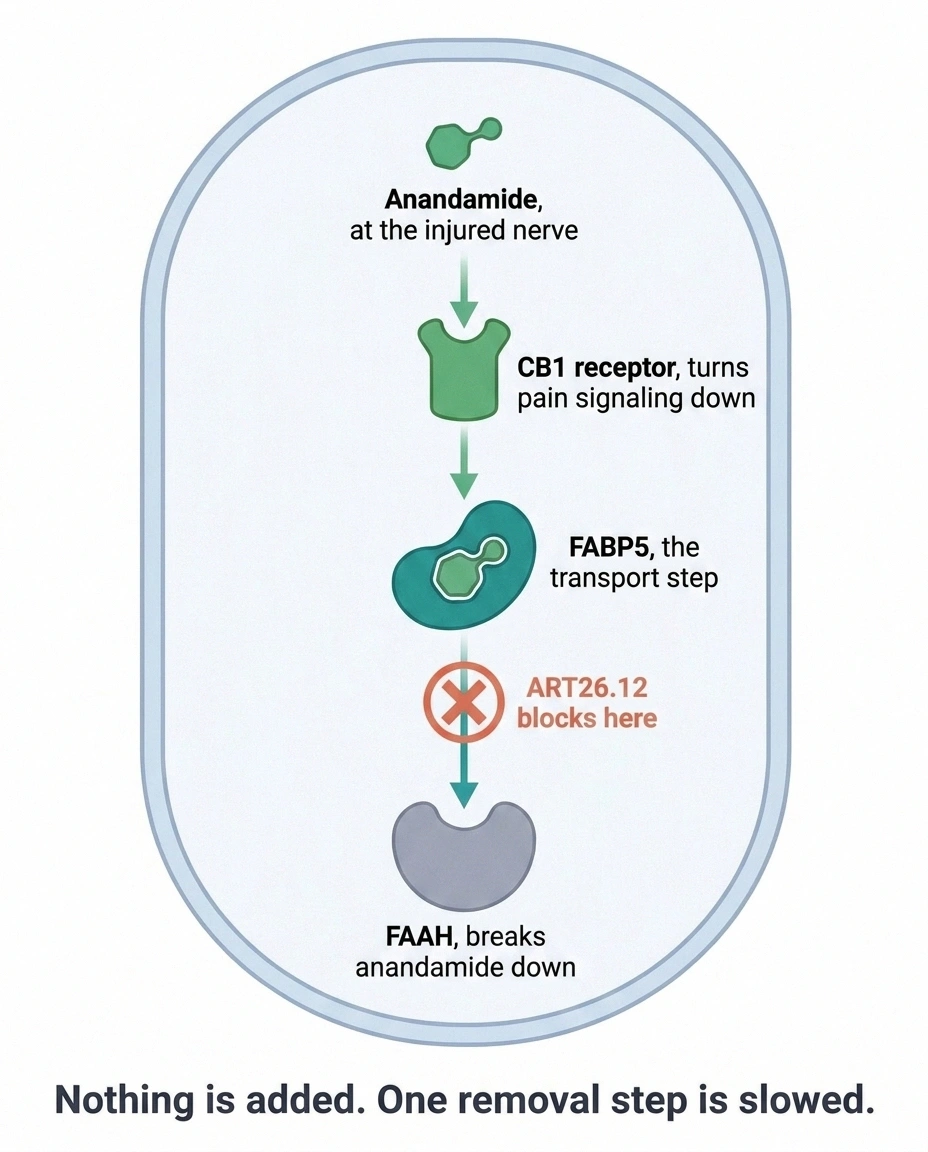
Four steps, and ART26.12 blocks only the third.
STEP 1
Nerve is injured or inflamed. The body makes anandamide on the spot.
STEP 2
Anandamide reaches CB1 receptors and turns pain neurons down.
STEP 3, BLOCKED
FABP5 carries it to the FAAH enzyme for disposal. ART26.12 stops this handoff.
STEP 4
FAAH breaks anandamide down. Relief ends within minutes.
Nothing is added to the system. The drug removes a disposal step, so a molecule you already made lasts longer in the tissue that made it.
The inside of a cell is watery. A fat-soluble molecule cannot simply drift across it any more than a drop of oil disperses through a glass of water. To get anywhere inside a cell, anandamide has to be carried, and the carrier is a family of small proteins called fatty acid binding proteins.
One of them, FABP5, has a specific job. It picks up anandamide and delivers it to an enzyme called FAAH, short for fatty acid amide hydrolase. FAAH breaks anandamide down. That is the disposal route.
So FABP5 is not the accelerator or the brake on pain signaling. It is the delivery truck to the incinerator.
Block the truck, and anandamide sits around longer wherever it was released. Levels rise locally, at the site that produced it, rather than everywhere at once. More anandamide means more signaling at CB1 receptors on pain-sensing neurons, and CB1 signaling turns those neurons down.
There is a second effect that matters more to neuropathy readers than the first. Work published in 2022 showed that removing FABP5 from pain-sensing neurons suppresses sensitization of TRPV1, acting through CB1 and an intermediate called calcineurin. TRPV1 is the heat and capsaicin channel, the same one targeted from the opposite direction by capsaicin creams and by the high-concentration Qutenza patch. Capsaicin overwhelms that channel until the nerve ending retracts. This approach quiets it instead.
Why This Is Not a Cannabis Drug
This question comes up immediately and deserves a direct answer, because the answer is genuinely interesting rather than just reassuring.
ART26.12 contains no cannabinoid. It does not bind CB1 or CB2 receptors. It does not add anything to your system. What it does is slow the removal of a molecule your body was already producing, in the specific tissue that was already producing it.
That distinction has a practical consequence. Taking a cannabinoid drug floods every receptor everywhere, including the ones in the brain responsible for intoxication, sedation, and cognitive effects. Slowing anandamide breakdown raises levels only where anandamide was being made, which in painful neuropathy means the damaged peripheral nerve and the tissue around it.
Artelo describes ART26.12 as peripherally acting, meaning designed to work outside the central nervous system. If that design holds up in larger human studies, the result would be pain relief through the endocannabinoid system without the mental effects people associate with it. That is the bet. It is not yet a demonstrated fact in patients.
Readers who have looked into CBD oil for neuropathy will notice the difference in approach. CBD supplies an external compound and hopes it reaches the right places. This supplies nothing and instead removes a disposal mechanism.
What Happened in Animals
The preclinical package for ART26.12 is broader than most compounds carry into a first human study, and it was published in the peer-reviewed literature rather than only in press releases.
In the European Journal of Pain in 2025, Warren and colleagues reported efficacy across multiple preclinical neuropathy models. A separate 2024 report in the Journal of Pain covered the oxaliplatin model specifically.
The paclitaxel results are the ones worth reading closely. Paclitaxel is a taxane chemotherapy drug and one of the most common causes of chemotherapy-induced peripheral neuropathy. In rats given paclitaxel, ART26.12 reversed mechanical allodynia, the state in which light touch registers as pain, in both males and females. Dosed before paclitaxel in female rats, it prevented the neuropathy from developing at all.
The compound also showed activity in models of painful diabetic neuropathy and cancer-induced bone pain, which suggests the mechanism is not narrowly specific to one kind of nerve injury.
Now the part that has to be said plainly. Reversing allodynia in a rodent is one of the least reliable predictors in all of pain research. Dozens of compounds have cleared that bar and then produced nothing in humans. The gap between a rat withdrawing its paw a bit later and a person with burning feet feeling better is enormous, and the pain field has crossed it far less often than it has failed to.
Strong preclinical data earns a compound a Phase 1 study. It does not earn it a place in your medicine cabinet.
What Happened in People
ART26.12 has been through a Phase 1 single ascending dose study, conducted by Worldwide Clinical Trials at their clinical pharmacology unit in San Antonio, Texas. Results were presented in June 2026 at the annual symposium of the International Cannabinoid Research Society, along with new biomarker analyses.
Reading the June 2026 results correctly
| What was reported | What it establishes |
|---|---|
| No serious adverse events | Safe enough to keep going, at single doses, in healthy adults |
| Linear, dose-proportional pharmacokinetics | Dosing will be predictable, which makes later trials designable |
| Blood levels above the preclinical target | The concentration thought to be needed is physically reachable |
| Absorbed fed or fasted | No mealtime restriction to complicate real-world use |
| Relief of neuropathy symptoms | Not measured. The volunteers did not have neuropathy. |
Single ascending dose means healthy volunteers received one dose each, with each successive small group receiving more than the last, watching for the point at which problems appear.
The reported findings were these. The drug was generally well tolerated. No serious adverse events occurred. Pharmacokinetics were linear and dose-proportional, meaning doubling the dose roughly doubled the blood level, which is a boring result and exactly the one developers want. Plasma concentrations exceeded the levels that preclinical work predicted would be needed for effect. And absorption worked whether volunteers had eaten or not, which removes a real-world dosing headache.
Every one of those is a good result. Not one of them is evidence that the drug relieves neuropathy.
Phase 1 studies in healthy volunteers answer three questions: is it safe enough to continue, does the body handle it predictably, and can we reach the blood levels we think we need. Whether the drug helps a person with damaged nerves is a question Phase 2 asks, in patients, against a comparison group. That study has not happened.
The next step announced is a multiple ascending dose study, where volunteers take the drug repeatedly rather than once, with enrollment targeted to open in the third quarter of 2026. Repeat dosing surfaces problems that single doses hide, particularly accumulation and effects that build over days.
Why Chemotherapy Neuropathy Was Chosen First
Companies pick a lead indication strategically, and the reasoning here is unusually clean.
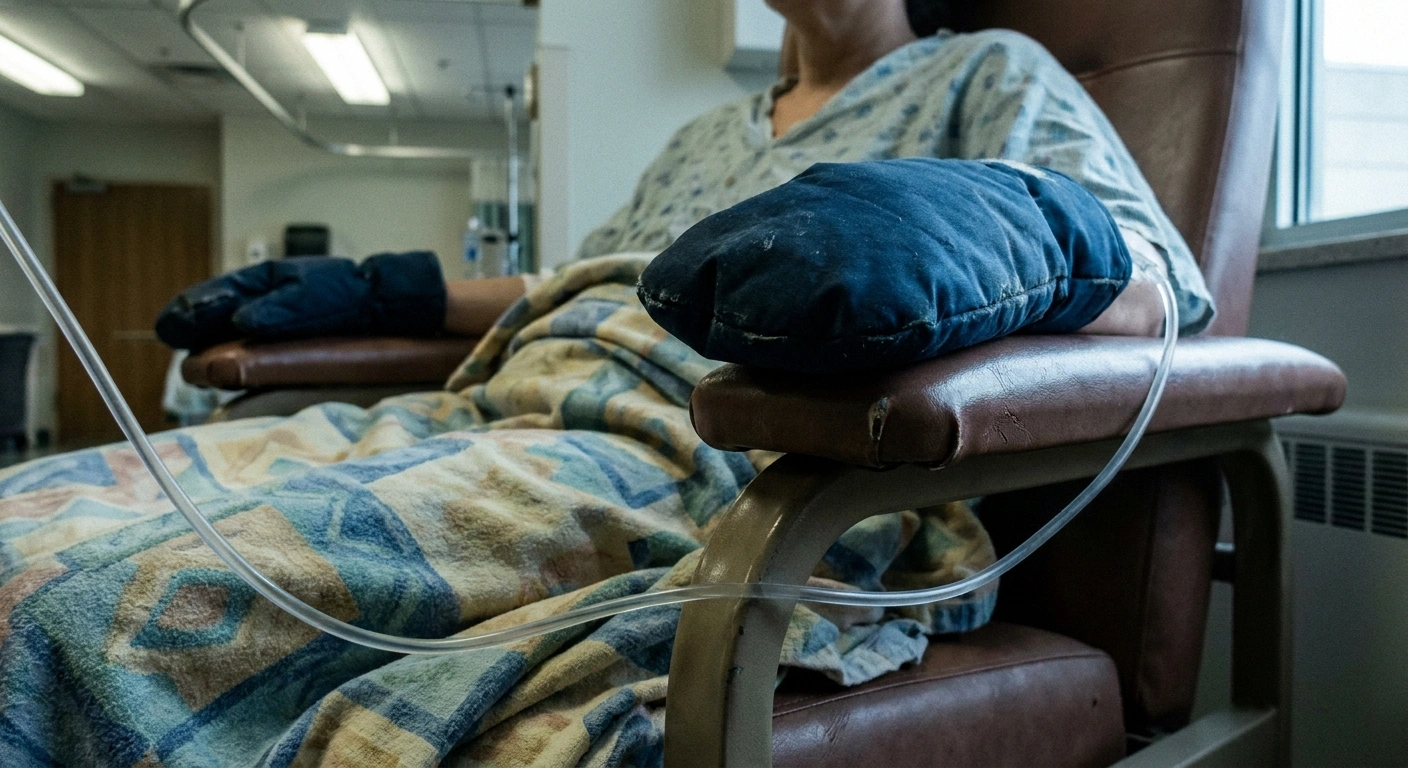
CIPN affects a large share of people treated with taxanes, platinum drugs, and vinca alkaloids. Nothing is approved to prevent it. For treatment of painful CIPN, oncology guidance points to duloxetine as the one agent with a positive randomized trial behind it, and the effect is real but modest.
That means the comparison bar is low, which matters enormously for a small company. A new drug in diabetic neuropathy has to beat gabapentin, pregabalin, duloxetine, and a wall of generic competition on price. A new drug in CIPN prevention has to beat nothing, because nothing exists.
There is also a hard clinical problem underneath it. Neuropathy is one of the main reasons chemotherapy doses get reduced or stopped early. When that happens, cancer treatment itself is compromised. A drug that let people complete their planned chemotherapy would be valuable to oncologists on grounds that have nothing to do with comfort, and that argument opens doors that a pain-relief argument alone does not.
The preclinical finding that pre-dosing prevented neuropathy in female rats maps directly onto this use. Give it alongside chemotherapy, protect the nerves before damage accumulates. Our page on preventing neuropathy during chemotherapy covers what is available now, and our coverage of SP16 for CIPN prevention follows another compound aiming at the same gap.
The Honest Timeline
People read about a promising drug and want to know when they can have it. For ART26.12 in August 2026, the realistic answer is measured in years, and the path is not guaranteed to complete.
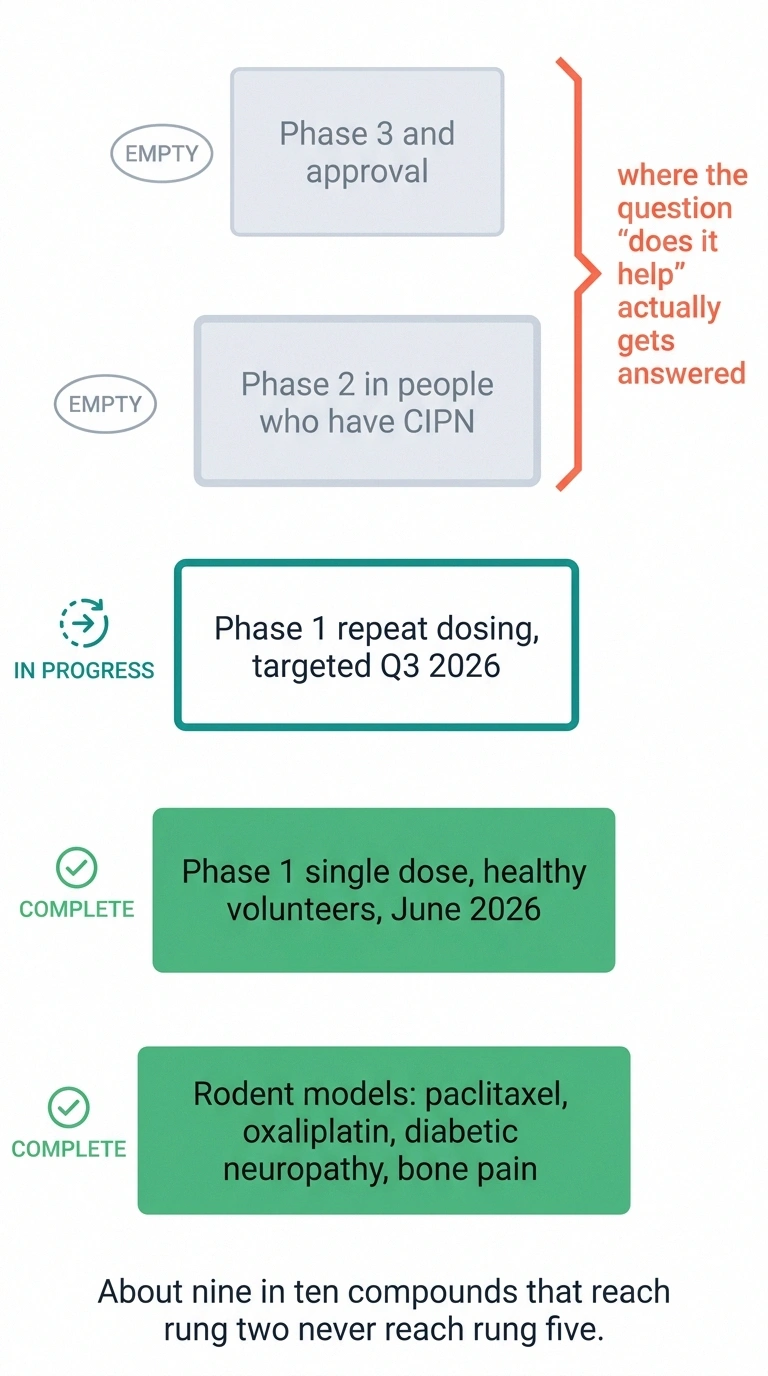
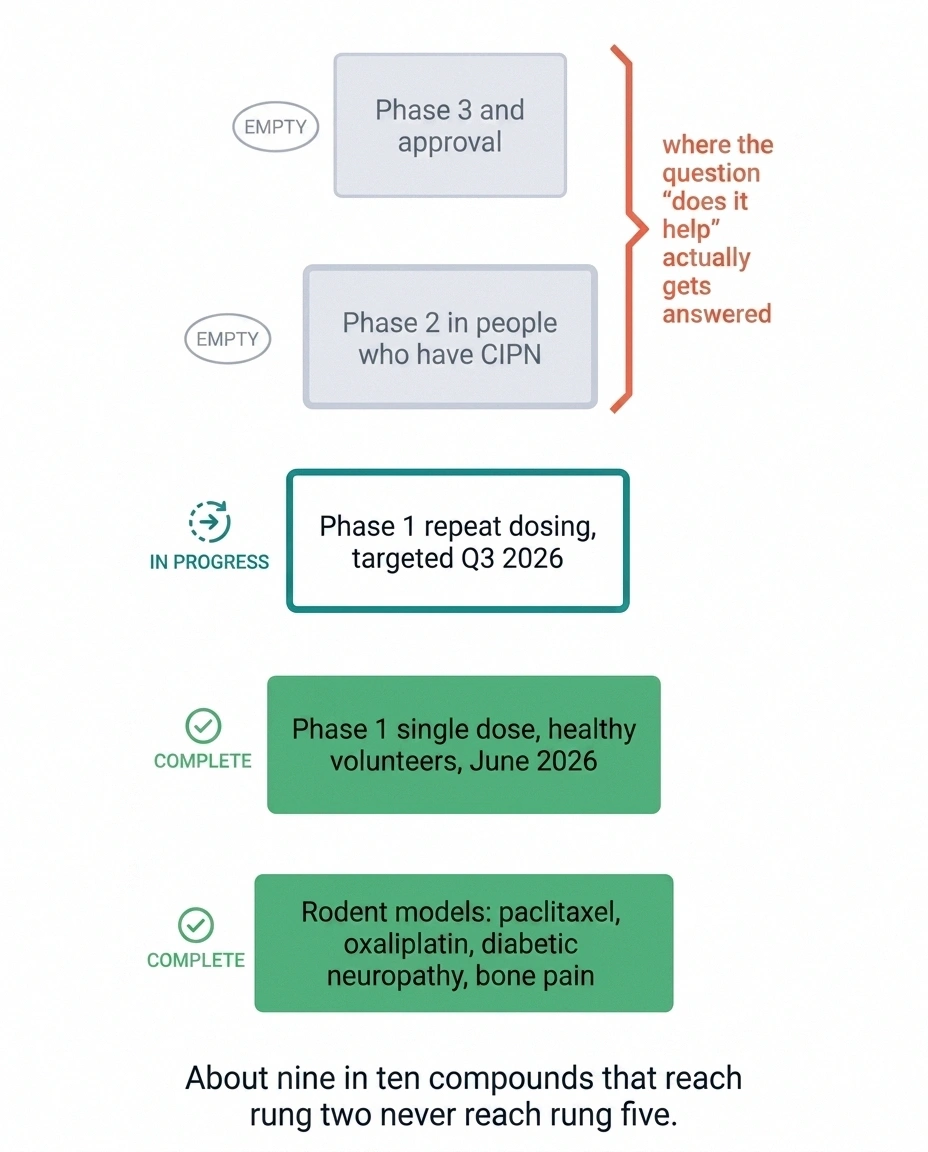
Position on the development path, August 2026
Preclinical
Done
Phase 1 SAD
Done, June 2026
Phase 1 MAD
Targeted Q3 2026
Phase 2
Not announced
Phase 3
Not announced
Approval
Not filed
The first patient with neuropathy will receive this drug at the fourth box, not the third. Roughly nine in ten compounds that reach box two never reach box six.
A single ascending dose study is finished. A multiple ascending dose study was targeted to begin enrolling in the third quarter of 2026. After that comes a Phase 2 study in actual CIPN patients, which typically takes one to two years to run and report. If Phase 2 succeeds, Phase 3 follows, usually two to three years. Then a regulatory filing and review.
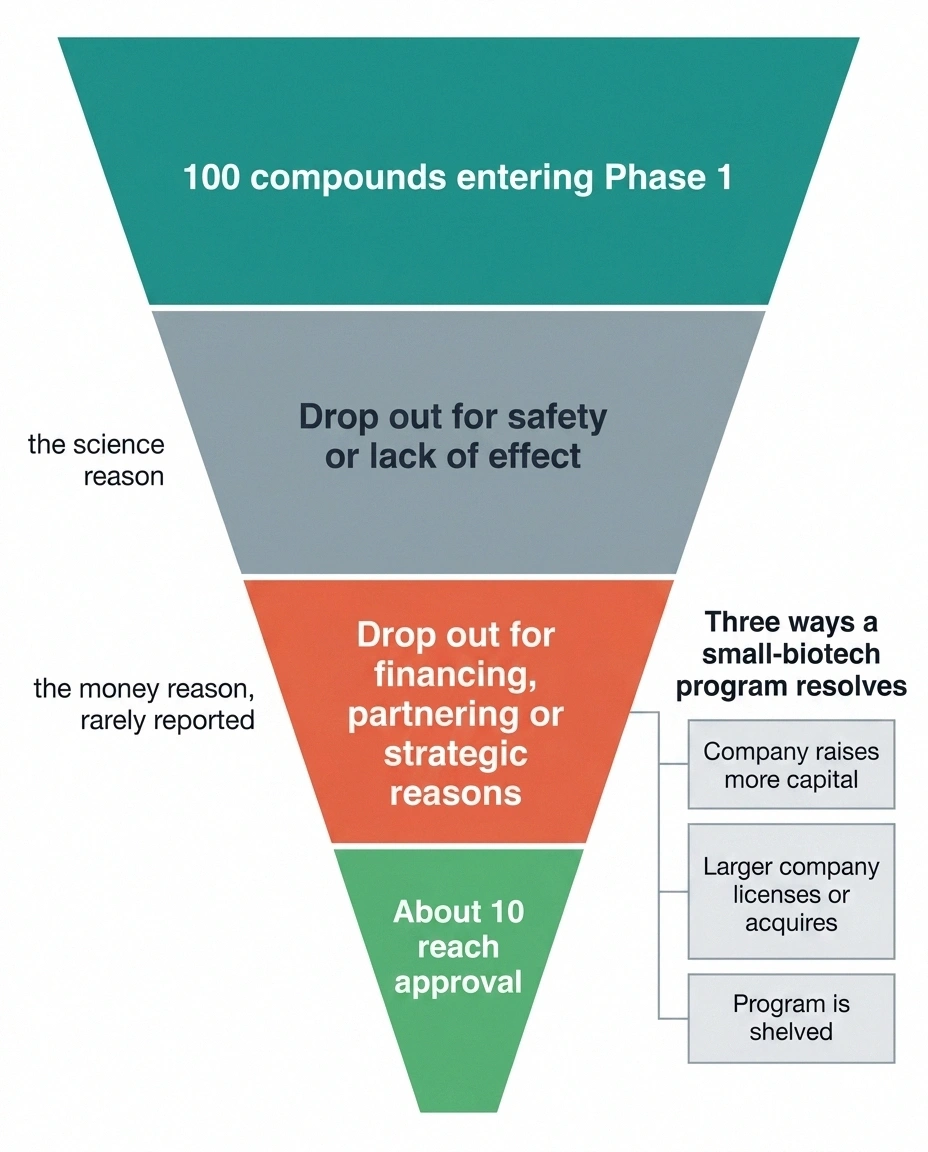
That arithmetic puts the earliest plausible availability somewhere around the end of the decade, assuming nothing goes wrong. Most compounds at this stage do not get there. The failure rate for drugs entering Phase 1 is roughly 90 percent across all fields, and pain has been harder than average.
None of this is a reason to ignore the program. It is a reason to hold it in the right frame: as an interesting mechanism worth following, not as a treatment you should be waiting for.
The Risk That Has Nothing to Do With the Science
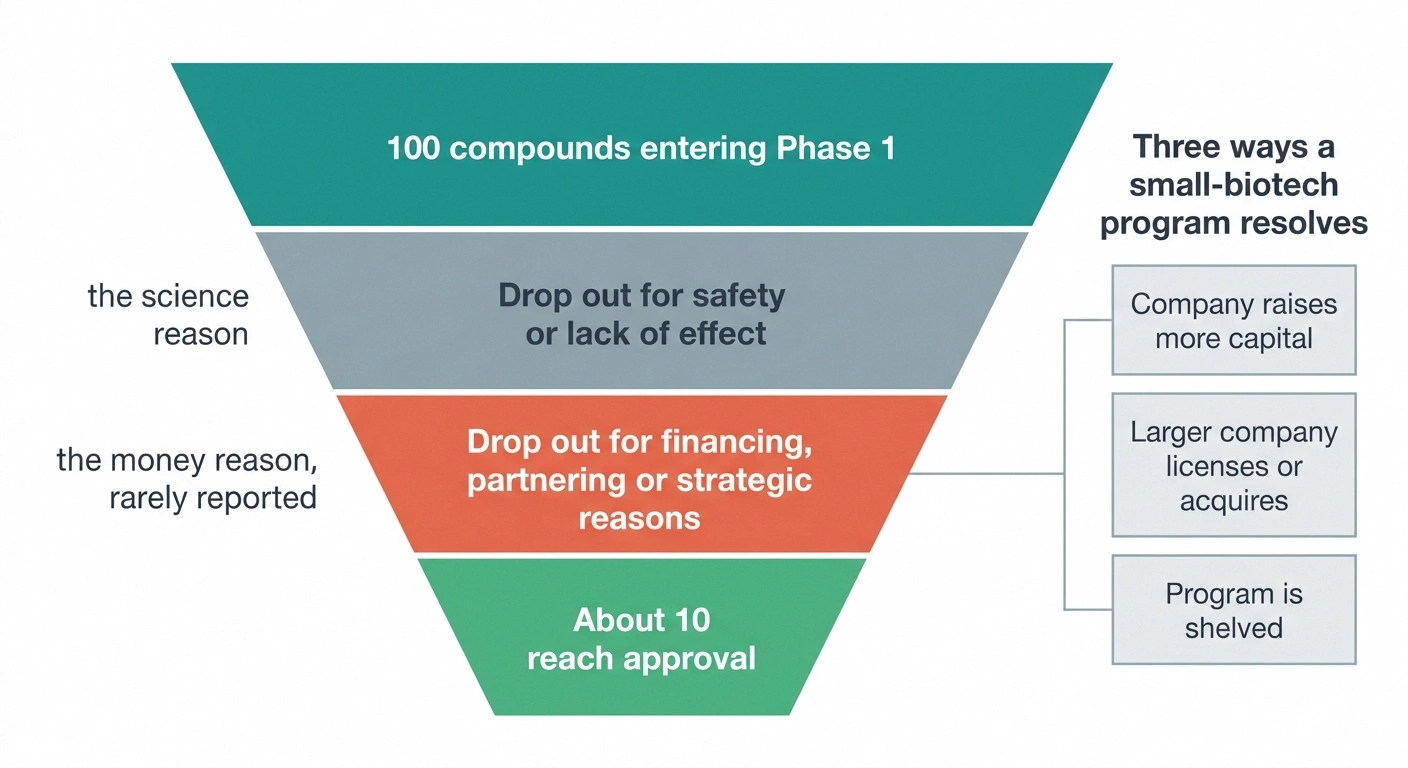
Artelo Biosciences is a very small company. That is a real variable in whether this drug ever reaches anyone, and it is a variable almost no health coverage mentions.
Small biotechs run on raised capital, not revenue. A compound that finishes Phase 1 with clean data still needs tens of millions of dollars to run Phase 2 and far more for Phase 3. Programs at this stage stall for financing reasons routinely, and the science can be perfectly sound while it happens.
There are three ways this typically resolves. The company raises enough to keep going. A larger pharmaceutical company licenses or acquires the program, which usually accelerates it. Or the program is shelved, and the compound sits on a shelf until someone buys it.
When you see news about a small-company drug, the financing announcements are as informative as the clinical ones. A partnership with a large pharmaceutical company is often a stronger signal about a compound’s future than another positive early result.
What to Do About CIPN Now

A drug five years out does not help the person reading this with numb, burning feet after paclitaxel. Here is what is actually on the table today.
Four things on the table this month, not this decade
- Duloxetine. The one agent with positive randomized evidence for painful CIPN. Modest effect, real effect. Ask specifically if it was never offered.
- Reporting symptoms at grade 1. Dose modification only protects nerves that are not yet badly damaged. Precise early reporting is what makes it possible.
- Cooling or compression during taxane infusions. Mixed evidence, low cost, availability varies by infusion center. Worth one question.
- Exercise during and after treatment. Holds up better for balance and function than for pain intensity, and balance is the part that prevents falls.
Duloxetine has the strongest evidence for painful CIPN, and it is the agent oncology guidance names. It is worth a specific conversation if nobody has offered it.
Dose modification is a real intervention, not a failure. Neuropathy severity is graded, and oncologists adjust dose or schedule based on it. Reporting symptoms early and precisely, when they are grade 1 rather than grade 3, is what makes that adjustment possible while it still protects something.
Cryotherapy and compression during infusion, meaning cooled or compressed gloves and socks worn while the drug runs, have mixed but non-trivial evidence in taxane regimens. Availability varies by infusion center. It costs little to ask.
Exercise during and after treatment has held up better than most interventions in this space, particularly for balance and function rather than pain intensity. That connects to a real safety issue, because numb feet plus reduced proprioception is a fall risk long before it is a comfort problem.
Timeline expectations matter too. Some CIPN improves over months after chemotherapy ends, and some does not. Platinum drugs can produce a coasting effect where symptoms worsen for a period after the last dose. Knowing that in advance prevents a normal course from being read as a catastrophe. Knowing how nerve recovery actually proceeds keeps a normal course from being read as a catastrophe.
How to Follow This Without Getting Whiplash
Early-stage drug news is written for investors and reported as if it were medical news. A few habits keep the two apart.
The four questions, applied to the June 2026 ICRS presentation
Same announcement, read two ways. The right-hand column is what a patient can take from it.
Recipients
Healthy adult volunteers in a San Antonio pharmacology unit. Nobody enrolled had nerve damage of any kind.
Measures reported
Tolerability, plasma concentration curves, fed-versus-fasted absorption, and exploratory biomarkers. No pain scale appears anywhere.
Comparison group
Placebo, correctly, but placebo for safety comparison only. There was no condition present for either group to improve from.
The phrase to watch
Biomarkers of target engagement. It confirms the drug reached FABP5 and did something to it, which is necessary and is not relief.
Net reading: a well-run early study that cleared the drug to continue. Anyone describing it as evidence the drug works for neuropathy has skipped all four columns.
Check who received the drug. Healthy volunteers means safety and pharmacology. Patients with the condition means efficacy is on the table. Only the second kind of study can tell you whether something works.
Check what was measured. Blood levels, tolerability, and biomarkers are process measures. Pain scores, function, and impairment scales are outcome measures.
Check whether there was a comparison group. A single-arm study in a fluctuating condition like neuropathy will almost always look encouraging, because symptoms vary on their own and people enroll when they are at their worst.
Watch for the phrase “target engagement”. It means the drug reached its intended molecule and did something measurable to it. That is a genuine and necessary result. It is also entirely compatible with a drug that does not relieve any symptoms.
Our guide to neuropathy clinical trials covers how to find studies that are actually enrolling patients rather than volunteers, which is a different question from which compounds are generating headlines.
Frequently Asked Questions
What is FABP5?
FABP5 stands for fatty acid binding protein 5. It is a small carrier protein inside cells that transports fat-soluble molecules, including the natural cannabinoid anandamide. Its role in pain is that it delivers anandamide to the enzyme FAAH, which breaks it down. Blocking FABP5 slows that delivery, so anandamide persists longer where it was released.
Is ART26.12 a cannabis drug? Will it make me high?
It is not a cannabinoid and does not contain one. It does not bind cannabinoid receptors directly. It slows the breakdown of anandamide, a cannabinoid-like molecule the body makes itself, in the tissue where that molecule is already being produced. It is described as peripherally acting, designed to work outside the brain, which is the basis for expecting no intoxication. That expectation has not yet been tested in a large patient population.
Has ART26.12 been tested in people with neuropathy?
No. It has completed a Phase 1 single ascending dose study in healthy volunteers, with results presented in June 2026. No efficacy study in people who have chemotherapy-induced peripheral neuropathy, or any other neuropathy, has been conducted or reported.
When might ART26.12 be available?
Realistically, not before the end of the decade, and only if every subsequent step succeeds. A multiple ascending dose study was targeted to open enrollment in the third quarter of 2026, followed by Phase 2 in patients, then Phase 3, then regulatory review. Roughly nine out of ten drugs entering Phase 1 never reach approval.
Can I join the trial?
The completed Phase 1 study enrolled healthy volunteers, not patients. The multiple ascending dose study is also expected to use healthy volunteers. The first opportunity for someone with CIPN to participate would come with a Phase 2 patient study, which had not been announced as enrolling as of August 2026.
Does it prevent neuropathy or treat it?
In animal studies it did both. Given after paclitaxel, it reversed established mechanical allodynia in male and female rats. Given before paclitaxel in female rats, it prevented the neuropathy from developing. Neither result has been reproduced in humans, so at present it does neither in people.
What is the best treatment for chemotherapy-induced neuropathy right now?
Duloxetine has the strongest randomized evidence for painful CIPN and is the agent named in oncology guidance, though the benefit is modest. Beyond medication, early and specific symptom reporting enables chemotherapy dose modification while it can still protect nerves, exercise supports balance and function, and cryotherapy or compression during taxane infusions has mixed but real supporting evidence at centers that offer it.
Why is a drug like this being tested in cancer patients rather than diabetic neuropathy?
Because the competitive and regulatory situation is far more favorable. Nothing is approved to prevent CIPN, and only duloxetine has positive randomized evidence for treating it, so a new agent has an unusually low bar to clear. Neuropathy also causes chemotherapy dose reductions and early discontinuation, which gives oncologists a reason to want a preventive drug that goes beyond symptom relief.
About the Author