The holidays are supposed to be joyful — and for those of us with neuropathy, they often are. But they’re also, if we’re honest, exhausting. There’s the standing at kitchen counters, the long hours at crowded gatherings, the cold travel, the disrupted sleep, the dietary temptations, and the social pressure to be “on” when our nervous systems are quietly screaming.
I’ve had Thanksgiving dinners where I had to excuse myself to sit on the stairs because my feet were burning so badly I couldn’t stand at the counter anymore. I’ve had holiday parties where I was calculating my exit from the moment I arrived, not because I didn’t want to be there, but because I was already in a pain flare and couldn’t figure out how to pace myself gracefully.
Over the years, I’ve learned that the holidays don’t have to be something to endure. With the right planning and a willingness to put your own needs into the equation, you can actually enjoy them — on your terms.
This guide is everything I’ve learned about pacing yourself through family gatherings with neuropathy. It’s practical, it’s honest, and it’s written for people who are tired of white-knuckling through the season.
Why the Holidays Are Particularly Hard on Neuropathy
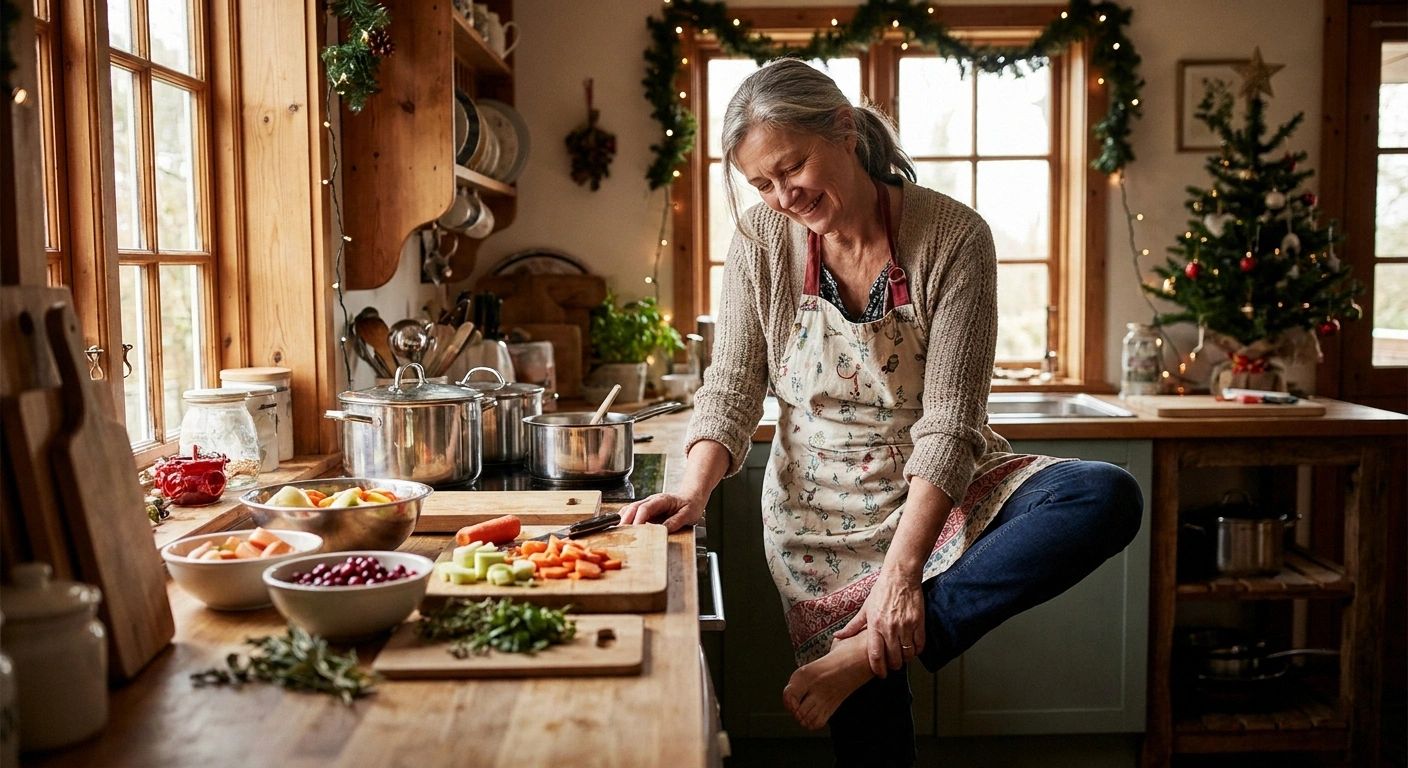
It helps to understand why holidays create the perfect storm for neuropathy flares, so you can address each factor specifically rather than just trying harder to push through.
Why Holidays Are Hard on Nerves
Six compounding factors hit at once: extended standing, cold exposure, elevated stress, disrupted sleep, dietary triggers (sugar, alcohol), and social pressure to push through. Addressing each factor individually — rather than just trying harder — is the key to managing the season.
Extended standing. Holiday cooking, mingling at parties, shopping in stores — all involve long periods on your feet. For people with neuropathy in the feet, extended standing is one of the fastest routes to a flare. The nerves that are already firing improperly get more agitated with prolonged weight-bearing.
Cold exposure. Winter cold intensifies neuropathy symptoms for many people. The blood vessels near the skin constrict in cold temperatures, reducing circulation to already-struggling nerves. Cold weather and neuropathy have a specific relationship — tingling, numbness, and burning can all worsen significantly in low temperatures.
Stress. The nervous system doesn’t distinguish between “good stress” and “bad stress.” Hosting 15 people, managing family dynamics, coordinating logistics — all of it activates the sympathetic nervous system in ways that worsen neuropathy symptoms. Stress is a documented neuropathy trigger that makes existing pain more intense and harder to manage.
Disrupted sleep. Late nights, guests in the house, different schedules, alcohol — all of these fragment sleep. Sleep deprivation amplifies pain perception significantly. The neuropathy that’s manageable when you’re well-rested becomes much harder to tolerate when you’ve slept poorly for three nights running.
Dietary triggers. Sugar spikes worsen diabetic neuropathy. Alcohol directly irritates peripheral nerves. Salty, processed holiday foods cause inflammation. The entire dietary landscape of the holiday season works against nerve health.
Social pressure. Perhaps the subtlest factor: the expectation to participate fully, to not be the person who leaves early, to not be a burden, to not dampen the festivity by saying “I need to sit down.” This pressure can lead us to override our body’s signals until we’re in a flare that takes days to recover from.
Naming these factors is step one. Now let’s talk about what to do about each of them.
The Core Principle: Plan for Rest, Not Just Events
Most people plan their holidays around events: this party on Friday, family dinner Saturday, another gathering Sunday. What people with neuropathy need to do is plan the recovery time with the same intentionality as the events themselves.
The Holiday Energy Budget Framework
Day Before Event: Rest day. Arrive with a full energy account, not a depleted one.
During Event: Take breaks every 30-40 min, seat yourself strategically, wear comfortable shoes, have a planned exit time.
Day After Event: Protected recovery day. Not a light day — a real rest day with minimal obligations.
Think of it as an energy budget. Every event costs energy. Rest replenishes it. If you plan three events in a row without planned recovery days, you’ll end up in debt — and your body will collect that debt in the form of a flare.
A practical framework:
- Preparation day: The day before a major event, do as little as possible. Let yourself arrive with a full energy account, not an already-depleted one.
- Recovery day: Schedule the day after a major event as a rest day. Not a “light day.” A genuine rest day with minimal obligations.
- Buffer between events: Try to keep at least one day between back-to-back gatherings. Two events in one week with a rest day between is very different from two events in three consecutive days.
This might mean you attend fewer events than you’d like. That’s real, and it can be disappointing. But one event you actually enjoyed is worth more than three events you endured in pain and then spent a week recovering from.
Managing Physical Symptoms at Gatherings
Seat Yourself Strategically
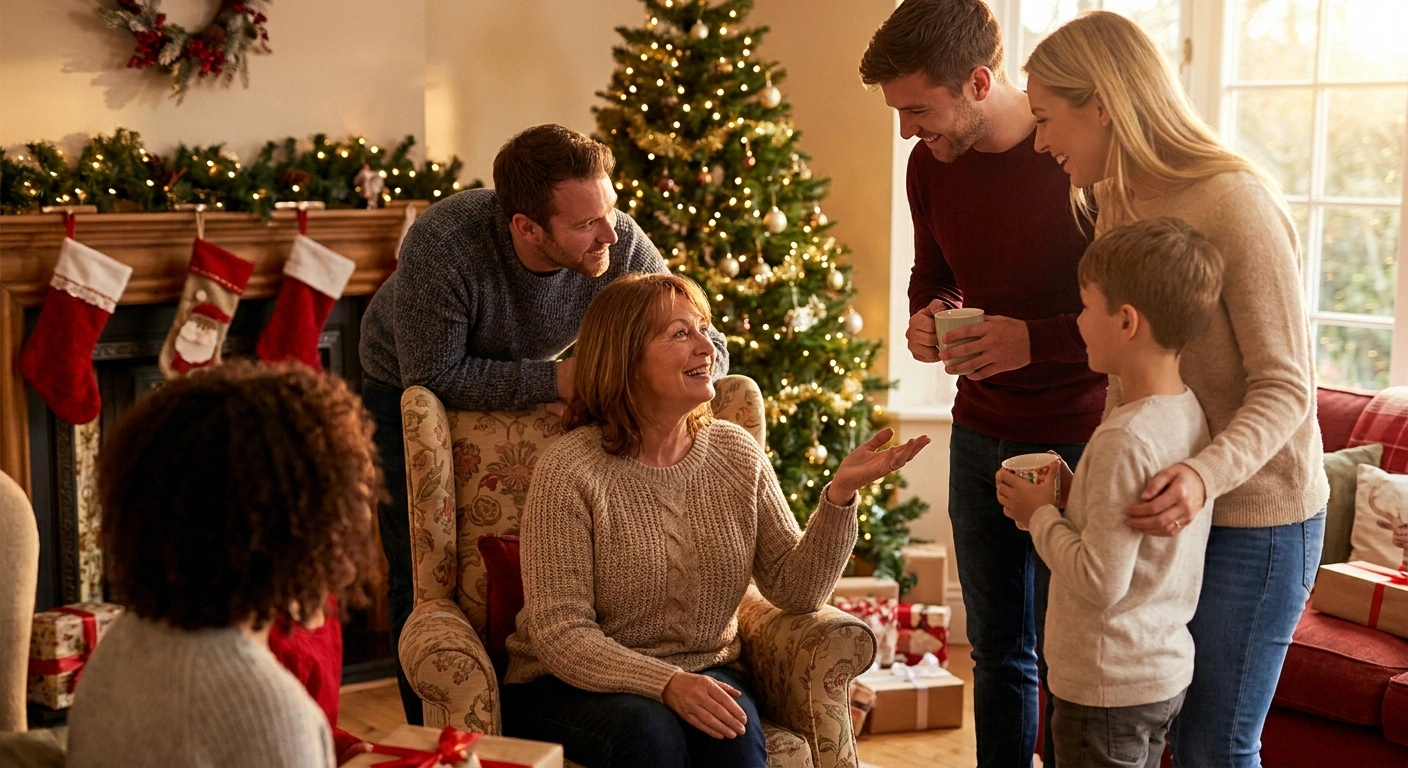
This sounds minor. It’s not. At any gathering, your first task is finding a chair — a real one, with a back, near the action. Don’t accept a standing-only spot. Don’t position yourself at a high-top where there’s no seating. Don’t plan to stand by the appetizers and move to a chair “when you need one.” By the time you need one urgently, all the good chairs will be taken.
Arrive early when possible. Early arrival gives you first pick of the seating. It also allows you to scope out the space: where the bathrooms are, what the flooring is like (slippery? uneven?), whether there are stairs, and where you can go for a quiet moment if needed.
If you’re a guest and you know seating will be limited, it’s completely appropriate to reach out to the host beforehand: “I have a health condition that makes extended standing difficult — is there usually plenty of seating, or should I bring my own chair?” Most hosts are glad to accommodate when asked in advance.
Take Breaks Before You Need Them
The mistake most of us make: we wait until we’re in pain before we rest. By then, the nervous system is already irritated, and rest is damage control rather than prevention.
Set a mental timer. If you’ve been standing or sitting in the same position for 30-40 minutes, take a 10-minute break before symptoms flare. Walk to another room. Sit somewhere different. Elevate your feet for a few minutes. This proactive rhythm — engage, rest, engage, rest — extends how long you can participate comfortably.
Give yourself permission to do this without explanation. You don’t owe anyone a medical history when you excuse yourself to sit for a while.
Dress for Nerve Health, Not Just Appearance
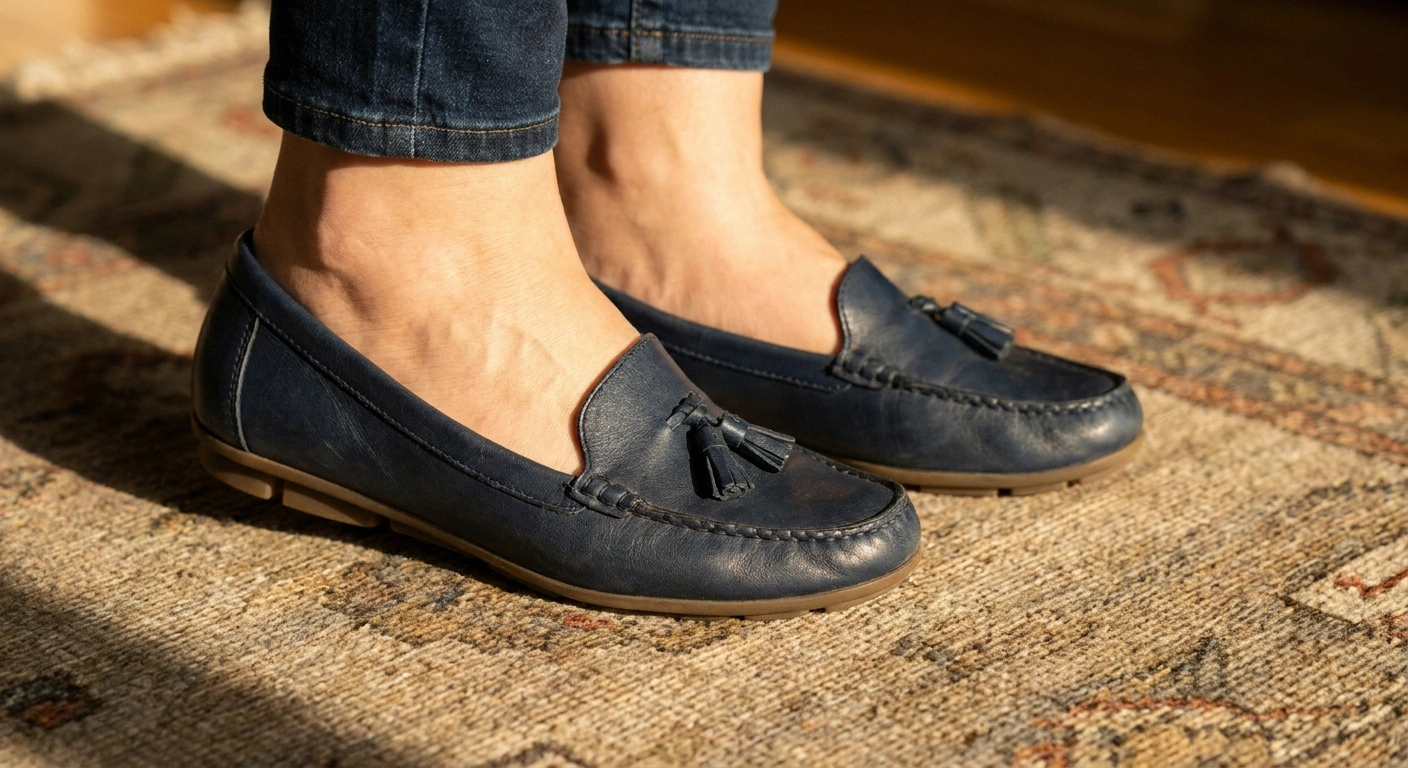
Holiday gatherings often come with a quiet pressure to dress up — and “dressed up” often means shoes that are genuinely harmful for neuropathy. High heels, tight dress shoes, thin-soled flats — all of these can trigger or worsen neuropathy symptoms within an hour of wearing them.
Holiday Shoes Can Trigger a Flare
High heels, tight dress shoes, and thin-soled flats are common neuropathy triggers at holiday events. The pressure and constriction they create can worsen burning, tingling, and numbness within an hour. Prioritize comfortable, supportive footwear even if it’s not the most formal choice — your nervous system will thank you.
Wear shoes that are comfortable, supportive, and appropriate for your neuropathy even if they’re not the most formal choice. Good supportive footwear doesn’t have to look medical. Many people in the neuropathy community have found stylish options that are also foot-friendly — prioritize this. A holiday party where your feet are manageable is better than one where you’re focused entirely on how much your shoes hurt.
Dress warmly if you’ll be spending time in cold environments. Thermal socks, insulated boots, hand warmers, gloves — cold exposure worsens neuropathy, and preventing it is much easier than managing a cold-triggered flare.
Build in Quiet Spaces
At your own home: designate a room as a retreat space where you can go for 10-15 minutes of quiet when you need to reset. A bedroom with the door partially closed. Even a quiet bathroom break where you sit for a few minutes. Noise and stimulation are draining for people with chronic pain conditions, and intentional quiet can reset your energy meaningfully.
As a guest: identify early where you can step away if needed. The goal isn’t to isolate — it’s to preserve enough reserve that you can enjoy the gathering longer.
Food and Drink: Enjoying the Season Without Paying for It Later
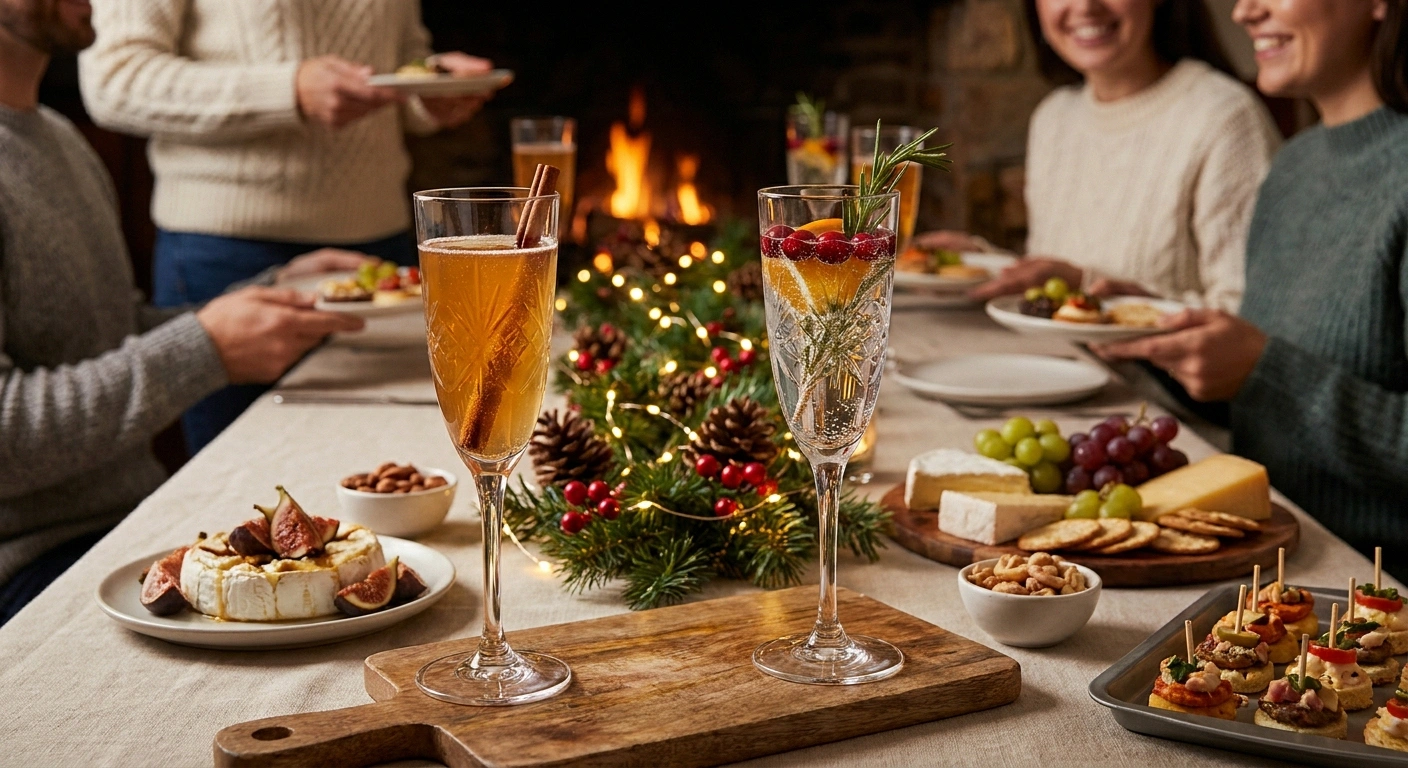
This is where the holidays create a specific challenge for neuropathy, and I want to address it honestly rather than just saying “eat healthy.” The holiday table has meaning — shared food is part of how families celebrate — and the goal isn’t to sit there eating nothing while everyone else enjoys themselves.
🔎 Alcohol and Neuropathy
Alcohol is a direct peripheral nerve toxin — it worsens existing neuropathy regardless of the original cause. Even 1-2 drinks can significantly worsen symptoms for hours and disrupt the sleep quality needed for nerve recovery. This is one of the clearest neuropathy triggers to manage consciously during the holiday season.
Neuropathy-friendly options: sparkling cider, fruit-infused sparkling water, mocktails — many hosts will provide or accommodate if asked in advance.
The goal is informed choices that let you participate without triggering a major flare.
Alcohol: the clearest trigger to manage. Alcohol directly irritates peripheral nerves and can significantly worsen neuropathy symptoms for hours afterward. It also disrupts sleep quality, which compounds the problem. This doesn’t mean you have to abstain entirely if you choose to drink — but understanding that even 1-2 drinks may worsen your symptoms the following day is important. Many people with neuropathy find that holiday-specific non-alcoholic drinks (sparkling cider, specialty mocktails, sparkling water with fruit) let them participate in the toast without the nerve consequences. Understanding your personal alcohol tolerance for neuropathy is worth doing before the season, not during it.
Sugar: particularly important for diabetic neuropathy. Holiday desserts, sweet drinks, candies — blood sugar spikes worsen diabetic peripheral neuropathy. This doesn’t mean no dessert ever, but be mindful of portions and combine sweets with protein to blunt the spike. Monitoring your blood sugar after holiday meals gives you real data about how specific foods affect you.
Stay hydrated. This gets overlooked during social events, especially in heated, dry holiday environments. Dehydration worsens nerve symptoms. Keep water accessible and drink it intentionally even when you’re socializing.
Eat before arriving at parties. Going to a party hungry leads to overeating whatever’s available, including things that will worsen your symptoms. Having a balanced meal before a gathering gives you more control over what you consume there.
Embrace what’s genuinely neuropathy-friendly. Most holiday tables have things that are actually good for nerve health: salmon or other fatty fish (omega-3s), roasted vegetables, nuts, turkey (B vitamins). Fill your plate with these first, then make smaller choices about the trigger foods.
Managing Sleep Through the Holiday Season
Sleep is one of the most powerful tools in neuropathy management — and the holidays systematically destroy it. Late events, guests, different schedules, alcohol — all fragment sleep in ways that amplify pain and fatigue.
Sleep and neuropathy are deeply connected. Pain impairs sleep, and impaired sleep worsens pain. Protecting your sleep during the holidays isn’t a luxury — it’s pain management.
Practical strategies:
- Keep your bedtime as consistent as possible even during holiday disruption. Your nervous system runs on a circadian rhythm, and shifting your schedule dramatically adds to symptom burden.
- Protect your bedroom environment. If you’re hosting guests, ensure your own room remains a comfortable sleep space — quiet, dark, the right temperature for you.
- Have a pre-sleep ritual that calms your nervous system. A warm foot soak, a cup of chamomile tea, gentle stretching — whatever signals to your body that it’s time to wind down.
- Limit alcohol, which fragments sleep even if it initially helps you fall asleep. The second half of sleep is where restorative deep sleep happens, and alcohol consistently disrupts it.
Navigating Family Dynamics and Social Pressure
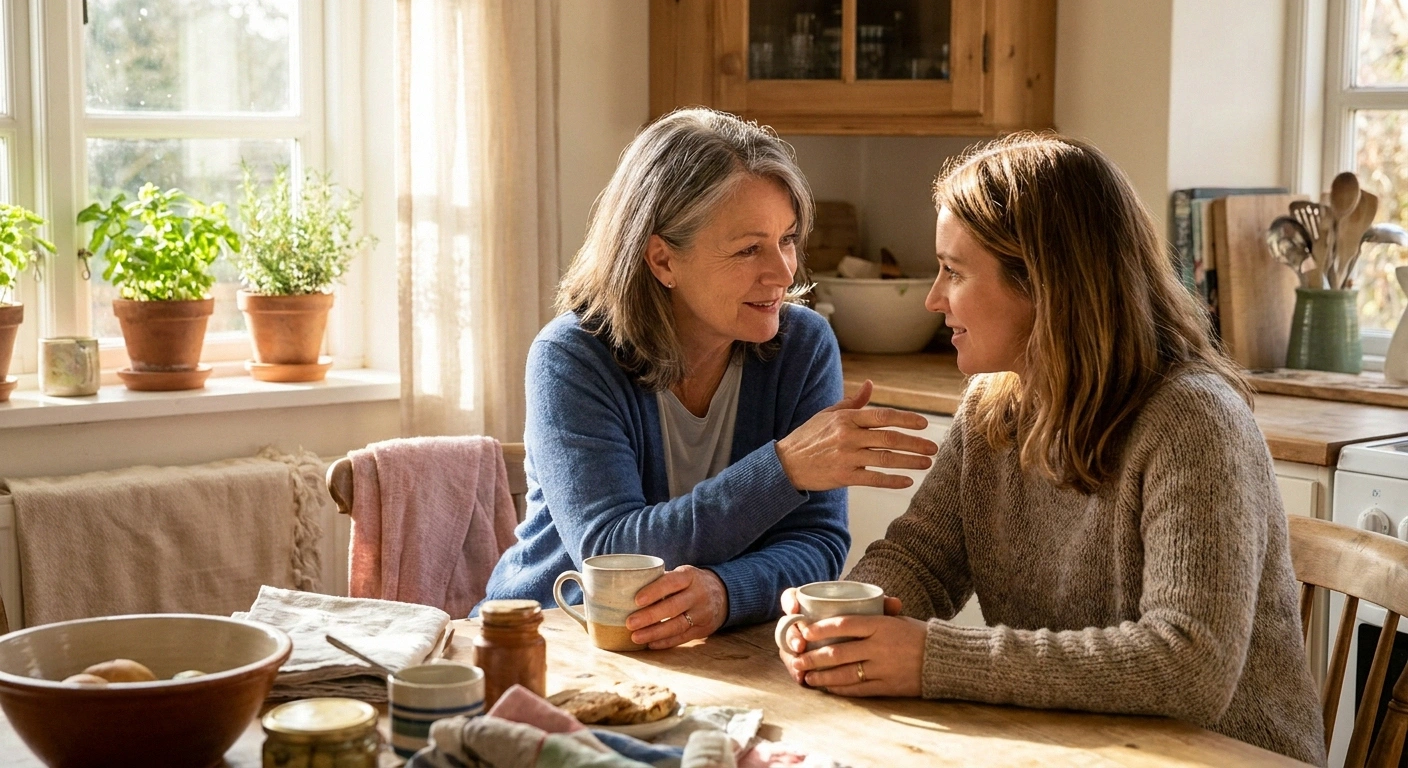
This might be the hardest part, because it’s not about managing symptoms — it’s about managing relationships and expectations.
Many of us feel guilt about our limitations during the holidays. We don’t want to be the person who needs special accommodations. We don’t want family to worry. We don’t want to “ruin” the gathering by needing to leave early or sit while others stand.
Here’s what I’ve learned: communicating your needs before the event is almost always easier than managing the situation in the moment. A brief, matter-of-fact conversation — “I’m dealing with a health condition that means I need to sit more than I used to and may need to leave a bit earlier. It doesn’t mean I don’t want to be there — I just need to manage my energy” — goes a very long way.
Most family members, once they understand, will adjust. They’ll make sure there’s a good chair for you. They’ll not press you to stay when you’re ready to go. They’ll offer to help carry things or do the standing tasks.
The people who love you want to know what you need. Let them.
The graceful early exit: Decide your end time before you arrive. Leave when you intended to, not when you’re already in a flare. A warm goodbye while you’re still feeling relatively okay is so much better than a pained departure after you’ve pushed too far. “I’m going to head out before the drive gets too late — I’ve had a wonderful time” is a perfect exit line that requires no medical explanation.
Asking for help with specific tasks: Cooking for six hours is too much standing for most people with neuropathy. Can someone else handle the dishes? Can you do the tasks that allow for sitting — peeling vegetables, arranging a charcuterie board, managing the timer — while someone else handles the counter work that requires standing? Delegating specific physical tasks is reasonable and doesn’t require a full explanation.
Managing the anxiety that comes with chronic pain during social situations is real. The anticipatory stress of wondering if you’ll flare, whether you can pace yourself, how to handle it if you need to leave — all of this is worth acknowledging. Having a plan (the strategies in this guide) reduces that anxiety because you have a system, not just hope.
A Simple Holiday Checklist for Neuropathy
Before each major holiday event, run through this:
Holiday Event Checklist for Neuropathy
Day Before
- Rest day planned
- Good night’s sleep
- Medications ready
- Comfortable shoes selected
Day Of
- Eat before arriving
- Exit time decided in advance
- Seating identified on arrival
- Mindful of alcohol/sugar
Day After
- Protected recovery day
- Warm foot soak if needed
- Return to normal sleep schedule
- Note what worked
Cold Weather Add-Ons
- Thermal socks
- Warm-up car before walking
- Gloves for hand neuropathy
- Post-event foot soak
Day before:
- Rest day — minimize unnecessary activity
- Good sleep the night before
- Medications taken, including any pain management
- Comfortable footwear selected and ready
Day of:
- Eat a balanced meal before leaving
- Dress warmly including foot coverage if cold
- Plan your exit time in advance
- Identify the seating situation when you arrive
- Have a mindful approach to alcohol and sugar
Day after:
- Protect this as a recovery day
- Warm foot soak if feet are irritated
- Return to normal sleep schedule
- Note what worked and what you’d adjust next time
Frequently Asked Questions
Why does neuropathy flare up during the holidays?
Several factors converge during the holiday season to worsen neuropathy: extended standing at gatherings and cooking, cold weather that constricts circulation to peripheral nerves, elevated stress activating the nervous system, disrupted sleep schedules, and dietary triggers like alcohol and sugar. Understanding these specific triggers allows you to address each one intentionally rather than just trying to push through.
How can I manage neuropathy pain at family gatherings?
The key strategies are: seat yourself strategically as soon as you arrive, take breaks every 30-40 minutes before symptoms flare rather than waiting until you’re in pain, wear comfortable supportive footwear, use proactive temperature management (thermal socks, warm clothing), limit alcohol and sugar, and have a planned exit time that you stick to. Communicating your needs to family before the event reduces in-the-moment pressure significantly.
Is it okay to leave holiday parties early with neuropathy?
Yes, absolutely. Leaving before you’re in a full flare is both better for your health and for the quality of the time you did spend there. Pacing — engaging, resting, engaging — is the sustainable approach to holiday participation with neuropathy. A partial attendance done well is better than a full attendance that costs you days of recovery. Having a predetermined exit time helps you leave gracefully rather than under duress.
How does cold weather affect neuropathy during winter gatherings?
Cold temperature causes blood vessels to constrict near the skin, reducing circulation to peripheral nerves that are already compromised by neuropathy. This typically worsens tingling, numbness, and burning sensations. Preventive measures include wearing thermal or compression socks, insulating footwear, gloves for hand neuropathy, and warming up before any extended cold exposure. A warm foot soak after cold exposure can help settle symptoms.
What foods should neuropathy patients avoid at holiday parties?
Alcohol is the most significant trigger to limit — it directly irritates peripheral nerves and disrupts sleep. For people with diabetic neuropathy, high-sugar foods cause blood sugar spikes that worsen nerve symptoms. Highly processed, salty foods contribute to inflammation. Conversely, foods that are generally neuropathy-friendly include fatty fish, nuts, vegetables, and poultry — many of which appear on holiday tables.
How do I explain my neuropathy limitations to family at the holidays?
Brief, matter-of-fact, and before the event works better than in-the-moment explanations when you’re already in pain. A simple framing: “I have a nerve condition that means I need to sit more than I used to and may need to leave earlier. I want to be there — I just need to manage how long I’m on my feet.” Most family members will accommodate when they understand what’s needed. Specific requests (“Can you make sure there’s a chair near the kitchen?”) are easier to fulfill than general requests for consideration.
About the Author