One question sorts almost every neuropathy appointment correctly: does this visit need somebody’s hands, or does it need somebody’s judgement?
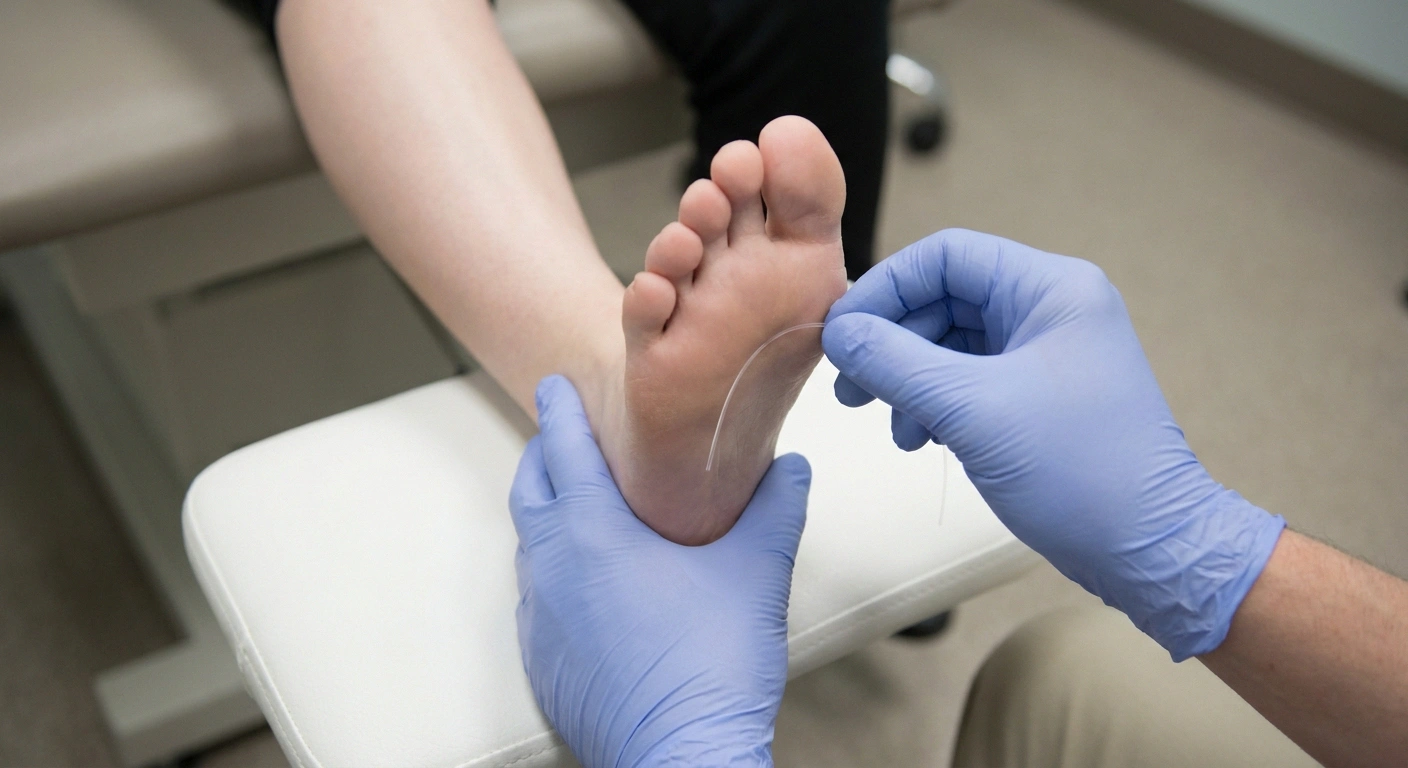
Judgement travels down a video connection perfectly well. Hands do not, and the neuropathy examination is unusually hands-dependent. A neurologist assessing nerve damage presses a nylon filament against your sole, holds a vibrating tuning fork against your ankle bone, touches you with something sharp and something dull, taps your reflexes and feels for the pulse on top of your foot. Not one of those crosses a camera.
So the split is cleaner in this condition than in almost any other. Which means you can sort your own appointments in advance, and stop wasting the virtual slots on things that need a room.
Visits That Genuinely Work Better on Video
Some of these are not merely acceptable virtually. They are better, because they are more frequent, faster to book, and do not cost you a drive on a bad pain day.
Sort your own next four appointments
One question decides each row: does this need somebody’s hands, or somebody’s judgement? The third column is the part that usually gets forgotten.
| The appointment | Book it as | Because |
|---|---|---|
| Dose increase check-in | Video | Ten minutes, no exam, and doing it three times in six weeks beats once in three months |
| Annual neurology review | In person | The sensory testing has to be repeated to compare against last year’s numbers |
| Explaining a nerve conduction result | Video | The test already happened in a building. The explanation does not have to. |
| A red area on the sole | In person, this week | Depth and undermining cannot be assessed from an image at any resolution |
Medication titration. This is the strongest case. Getting a dose of gabapentin, pregabalin or duloxetine to the right level takes weeks of stepwise increases, and each step needs a short conversation about effect and side effects. Those conversations are ten minutes long and contain no physical examination whatsoever. Doing them virtually often means three check-ins in six weeks instead of one in three months, which gets you to an effective dose considerably faster.
Side effect review. Dizziness, swelling, sedation, weight change, mood change. All reportable, none requiring touch.
Results review. Blood work, a nerve conduction report, a biopsy result. The test happened in person. The explanation does not have to.
Second opinions on an existing record. If you have a full workup and a diagnosis and you want another neurologist’s read, they are reading documents. Some of the best access to subspecialists in the country is through record review, and geography stops mattering.
Care planning and referrals. Deciding whether to try physical therapy, which specialist to see next, whether to pursue a particular treatment. Pure judgement.
Mental health support. Well established virtually, and worth naming here because the psychological load of chronic nerve pain is routinely undertreated and the video format removes several of the barriers that keep people from starting.
Therapy check-ins. Once a physical or occupational therapist has assessed you in person, a lot of the follow-up is watching you do the exercises and correcting form, which a camera handles.
What the Camera Cannot Reach
The list of things that require a room is short, specific, and non-negotiable.
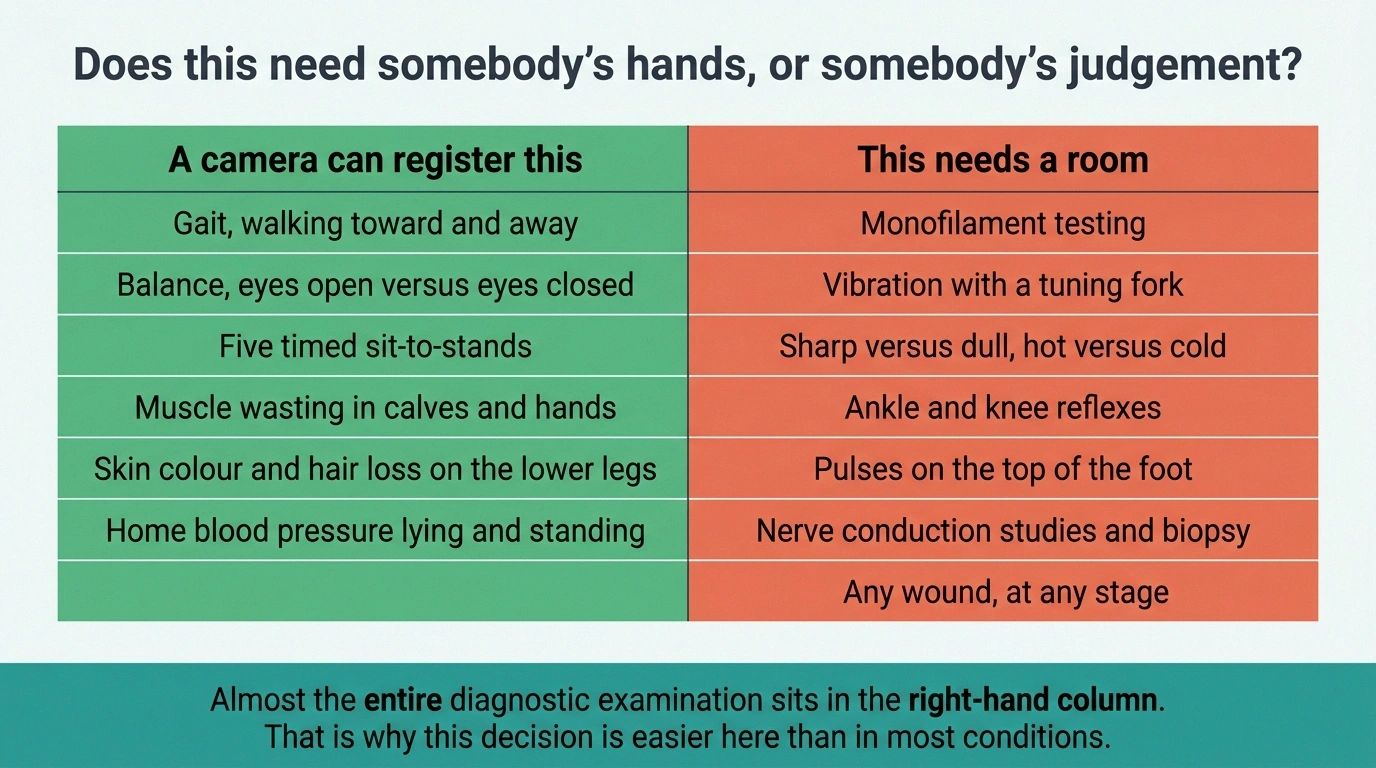
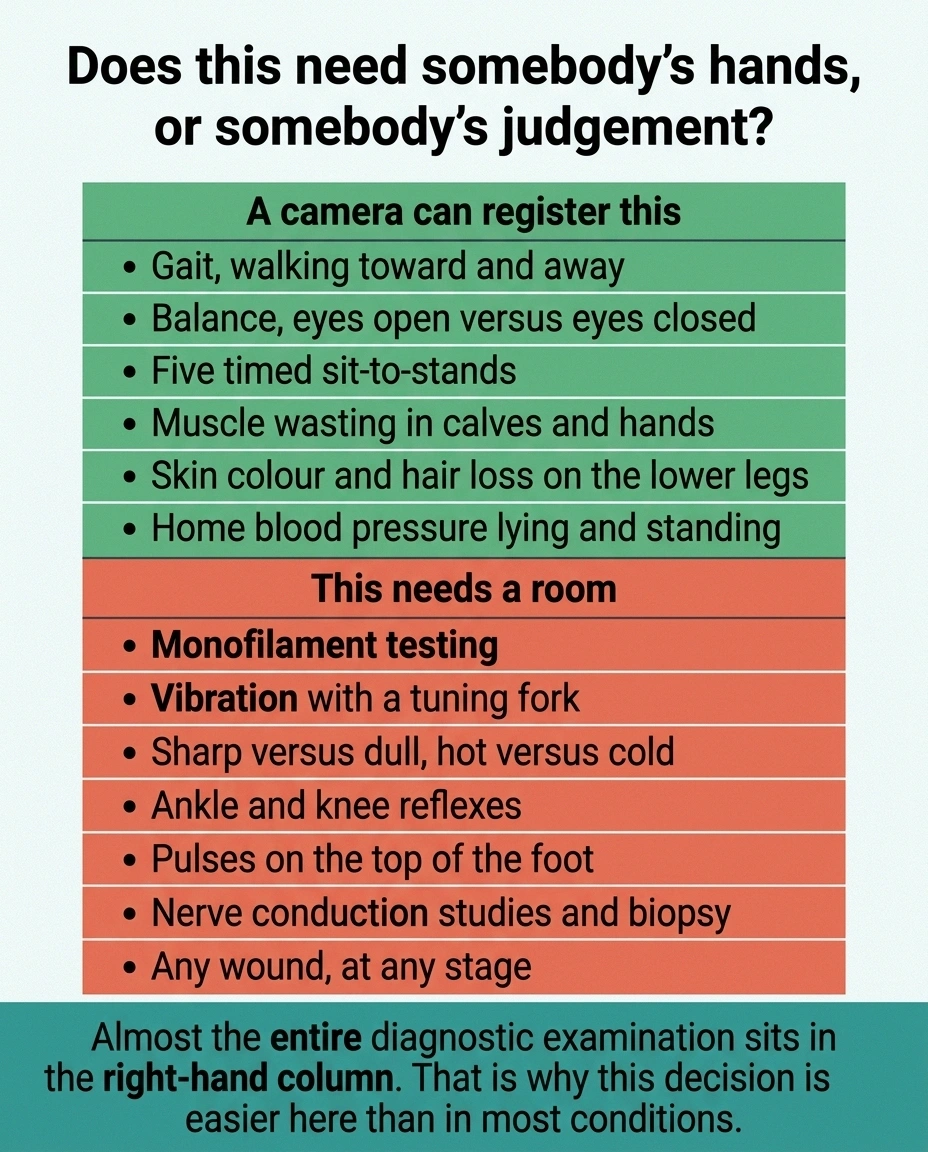
The neuropathy exam, split by what a lens can register
This is why the format question is easier to answer in this condition than in most others. Almost the entire diagnostic examination lives in the right-hand column.
Visible on camera, with setup
- Gait, walking toward and away
- Balance with eyes open versus closed
- Five timed sit-to-stands
- Visible muscle wasting in calves and hands
- Skin colour and hair loss on the lower legs
- Home blood pressure lying and standing
Requires hands in a room
- Monofilament testing for protective sensation
- Vibration testing with a tuning fork
- Sharp versus dull, hot versus cold
- Ankle and knee reflexes
- Pulses on the top of the foot
- Nerve conduction studies, biopsy, blood draws
- Any wound, at any stage
Distinguishing a nerve problem from a circulation problem sits in the right column, and the two produce overlapping symptoms.
The sensory examination itself. Monofilament testing for protective sensation, vibration testing with a tuning fork, sharp versus dull discrimination, hot versus cold. These are the measurements that establish how much sensation is lost and whether it is changing, and they are the core of a proper neuropathy workup.
Reflexes. Somebody has to hold the limb and strike the tendon.
Pulses in the feet, which is how a clinician distinguishes a circulation problem from a nerve problem, and the two produce overlapping symptoms.
Nerve conduction studies and EMG, skin biopsy for small fibre counts, blood draws, imaging. All of these are procedures performed on a body in a building.
And any foot wound. A camera can show you a red area. It cannot tell anyone how deep it goes, whether it is tracking under the skin, or what the tissue at the base looks like when it is debrided. Wounds on an insensate foot are the single clearest case for going in, and it is exactly the situation where people talk themselves into a video visit because getting there is difficult. This is the one place on this page where the wrong choice has real consequences, and it is worth being blunt about it: a new wound on a numb foot is a same-week in-person appointment, not a photograph.
Making the Camera Do More Than It Usually Does
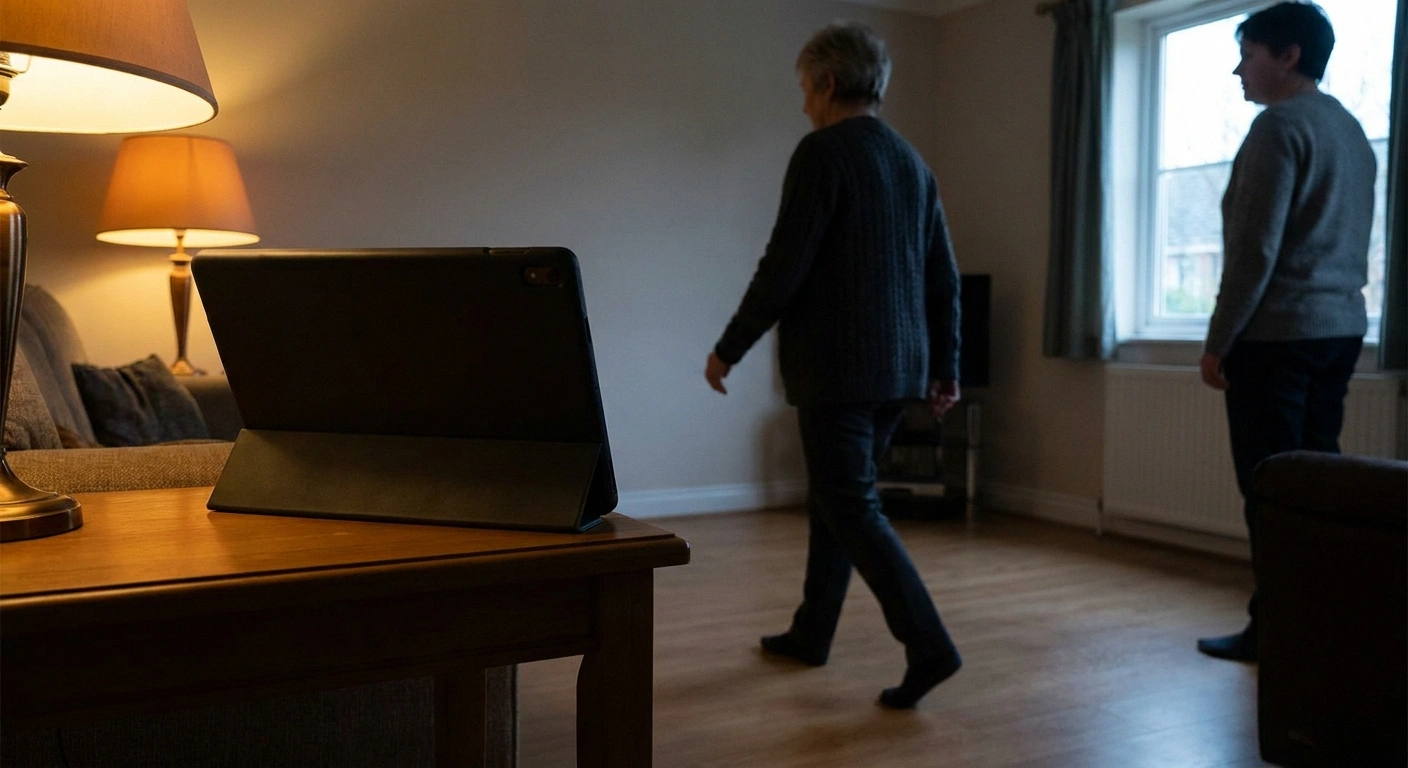
Most virtual appointments are conducted with the patient sitting in a chair, filling the frame from the chest up, for the entire visit. That format throws away most of what a video visit could actually assess.
Ten minutes of setup, in order
Do these before the call connects. Every one of them produces something a clinician can compare against next time, which a chest-up view of you in a chair does not.
- Prop the device so it sees the floor. A stack of books works. Your hands need to be free and the frame needs about eight feet of walkable space.
- Put the light in front of you. A window behind you turns you into a silhouette, and skin colour is one of the few things a camera assesses well.
- Photograph your feet in daylight. Tops, soles, between the toes. Upload through the portal in advance so they arrive full resolution rather than as a compressed video frame.
- Take blood pressure lying, then at one and three minutes standing. Most clinics cannot spare the time to do this properly. You can, for free, and it answers an autonomic question directly.
- Ask somebody to be in the room. They hold the camera while you walk, spot you during the balance test, and remember the plan afterward.
- Test the connection at the same hour as the appointment. Household bandwidth changes with who else is home, which is why the test at nine in the morning proves nothing about four in the afternoon.
With ten minutes of setup, a clinician can observe considerably more:
Your gait. Prop the device so it sees a stretch of floor, and walk across the frame a few times, toward and away. Gait carries a large amount of information, and it is genuinely visible on video.
Standing balance. Feet together, eyes open, then closed, with somebody standing beside you and a wall or counter within reach. The comparison between eyes open and eyes closed is the informative part, because it shows how much you are relying on vision to compensate for position sense you have lost.
Sit to stand, five times. Arms crossed, timed. A simple and widely used measure of lower limb strength that needs nothing but a dining chair.
Your feet, properly lit. Not held up to a laptop camera in a dim room. Take photographs in daylight beforehand, tops, soles and between the toes, and send them through the portal in advance so they arrive at full resolution rather than as a compressed video frame.
Blood pressure lying and standing. If you have a home cuff and any question of autonomic involvement, take a reading after five minutes lying down and again at one and three minutes after standing. That is a measurement most clinics struggle to do properly because it takes time, and you can do it at home for free.
Muscle bulk. Show the backs of the calves and the small muscles between the thumb and index finger. Wasting is visible on camera when it is looked for.
Send anything you can in advance. A photograph or a set of readings that arrives before the appointment gets looked at properly. The same thing held up to a webcam during the visit gets glanced at.
The Prescription Rules That Trip People Up
Two administrative issues cause more failed virtual appointments than any clinical limitation, and neither one is obvious.
Three questions that prevent a cancelled appointment
None of these are clinical. All three end virtual appointments before they start, and all three take under a minute to settle when you book.
“I will be in a different state that week. Is that a problem?” The clinician generally needs a licence where your body is sitting, not where you live or where the clinic is.
“Can my prescription be renewed on a video visit?” Pregabalin is federally Schedule V. Gabapentin is not federally scheduled but several states schedule it themselves, so the answer genuinely differs by where you are.
“How will this visit be billed?” Coverage differs between an established-patient follow-up and a new consultation, and between Medicare, Advantage plans and private insurers.
Controlled substances. Pregabalin is a federally scheduled medication, at Schedule V. Gabapentin is not scheduled federally, but a number of individual states have scheduled it themselves, which is why a friend in another state may describe refill rules that do not match yours. Federal telemedicine flexibilities currently allow scheduled medications to be prescribed by video without a prior in-person visit, and those flexibilities have been extended through the end of 2026. They have been extended repeatedly and could change, so if a scheduled medication is central to your treatment it is worth asking your prescriber directly what happens to your refills if the rules revert.
State licensing. Your clinician generally has to be licensed in the state where you physically are during the appointment. Not where you live, not where the clinic is. Where your body is sitting. This catches people who winter somewhere warm, people visiting family, and anyone who books a virtual visit from a hotel. Tell the office where you will actually be, in advance. It is a five second question that prevents a cancelled appointment.
Coverage is the third variable and the one that moves most. Medicare telehealth rules have changed several times in recent years and private insurers differ from each other. Ask the office what the visit will be billed as before you book, rather than after.
Getting Your Records to Somebody Who Has Never Met You
The second opinion is the use case where telehealth changes what is available to you rather than merely making it more convenient, and it is also the one most often wasted. A subspecialist three states away can review your case, and the entire value of that review depends on what reaches their desk before the call.
Send the numbers, not the conclusions
| Instead of | Request and send this |
|---|---|
| “Testing confirmed peripheral neuropathy” | The nerve conduction report with the raw values, and the biopsy report with the fibre density number |
| “Bloods were normal” | The results with reference ranges printed, so a reviewer can see where in range you sat |
| “I have tried several medications” | Drug, highest dose reached, how long, what happened, why it stopped. Three drugs undertreated reads nothing like three drugs failed. |
| A stack of clinic letters | One page of plain sequence: when it started, where, how it spread, what changed and when. Nobody else holds the whole timeline. |
Start the records request two to three weeks out. Anything that arrives during the appointment does not get read during the appointment.
Request your records early. Two to three weeks, not two days. Release requests move at the speed of a records department, and the appointment does not wait for them.
Ask for the actual reports, not the summaries. The nerve conduction study report with the raw values, the skin biopsy result with the fibre density number, the laboratory results with reference ranges printed. A discharge letter saying testing confirmed peripheral neuropathy tells a reviewing neurologist almost nothing, whereas the underlying numbers tell them a great deal, including whether the pattern is what the previous conclusion assumed.
Include what did not work and at what dose. This is the single most useful thing a patient can supply and it is almost never in the chart properly. Three drugs tried at a dose too low to have worked reads very differently from three drugs tried properly and failed, and it changes what the next recommendation should be. Write it out: drug, highest dose reached, how long, what happened, why it stopped.
Write a one page history in plain sequence. When symptoms started, where they started, how they spread, what changed and when. You are the only person who holds the whole timeline, because it is scattered across several clinicians’ notes and none of them has all of it. This page is often the most valuable document in the file.
Then send it all through the portal several days ahead and confirm it arrived. Records that turn up during the appointment do not get read during the appointment.
Two other things worth checking. Ask whether the review includes a written opinion afterward, because some do and some are conversation only, and the written version is what your own clinician can act on. And ask what happens if they recommend testing, since a specialist in another state can advise but usually cannot order a study near you, which means the recommendation has to route back through somebody local.
Preparing So the Visit Is Worth Having
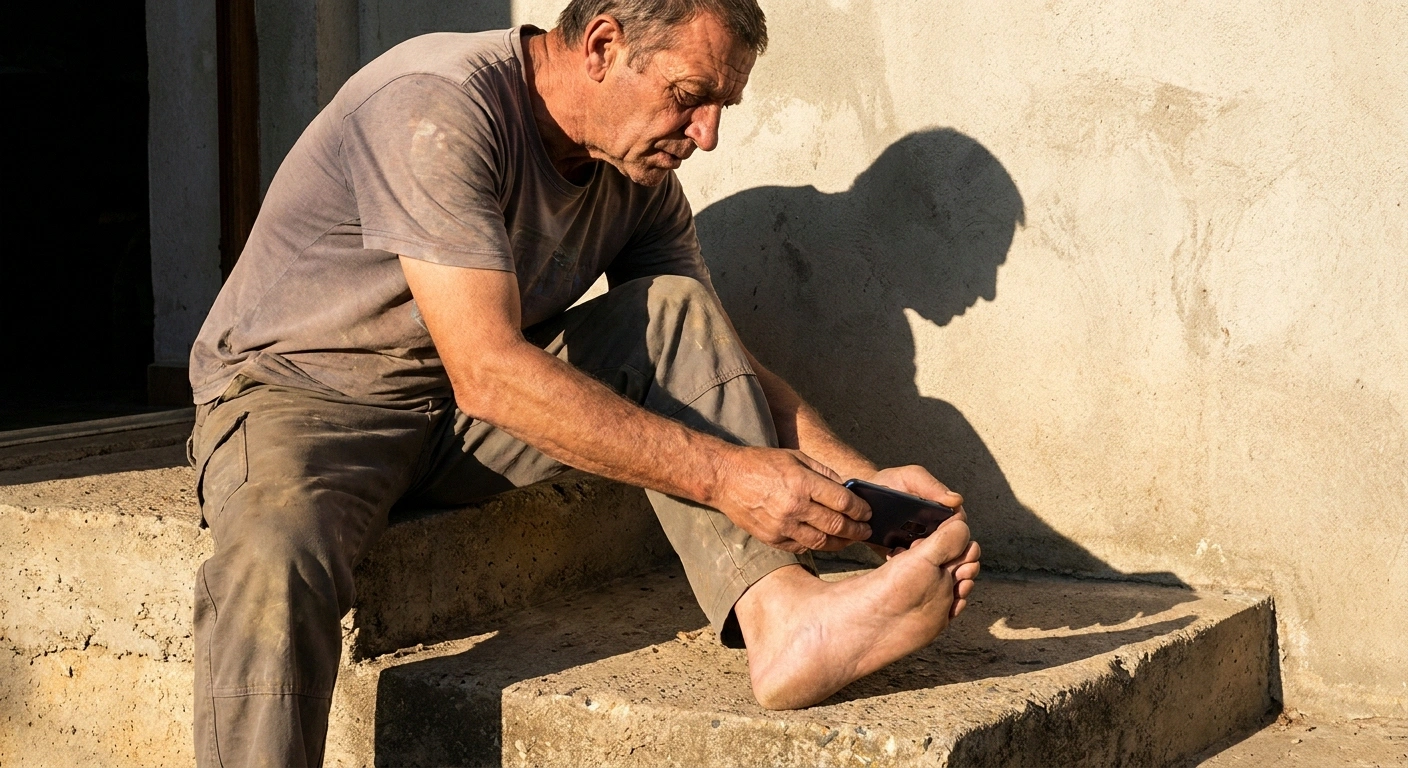
A virtual appointment rewards preparation more than an in-person one does, because nobody is going to fill the silence by examining you.
Write your questions down and rank them. You will get through two or three properly. Decide in advance which two matter.
Have the medication list ready with actual doses and times, including anything you stopped and why. “I take something for the nerve pain, the yellow one” costs several minutes of a fifteen minute appointment.
Bring numbers rather than impressions. Pain scores, how many hours of sleep, how many bad days this month, how far you can walk before you stop. If you have been keeping any kind of symptom record, this is where it earns its keep, and a month of data changes a conversation completely.
Set the room up in advance. A device that stands on its own so your hands are free, a light source in front of you rather than a bright window behind you, and enough space to walk a few steps in view. Test the connection at the same time of day, because household bandwidth changes with who else is home.
Have somebody with you if you can. A second person can operate the camera while you walk, spot you during a balance test, and remember what was said afterward.
And write down the plan before the call ends. What changed, what dose, what happens next, and when. Say it back to the clinician to confirm. Video visits produce more misremembered plans than in-person ones do, largely because there is no printed summary handed over at a desk on the way out.
When to Insist on a Room
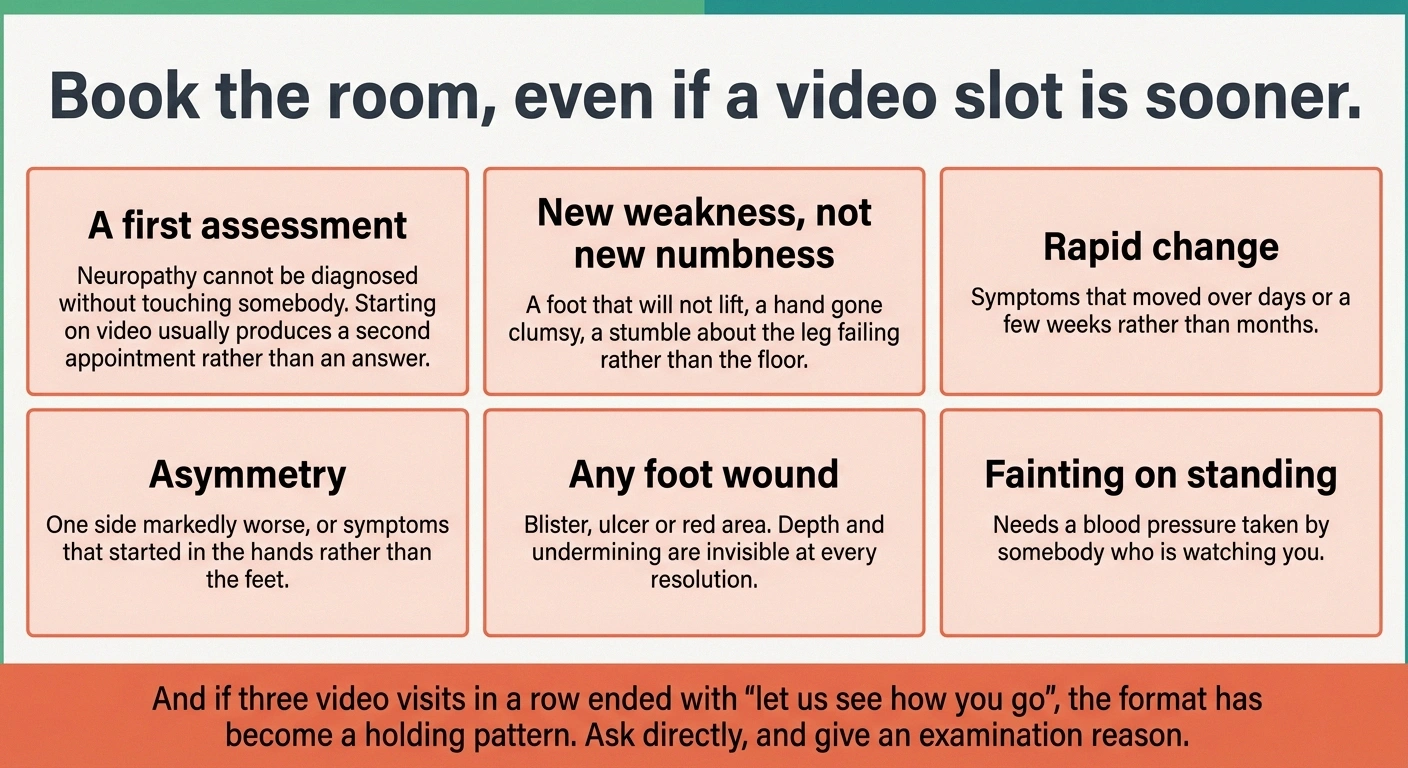
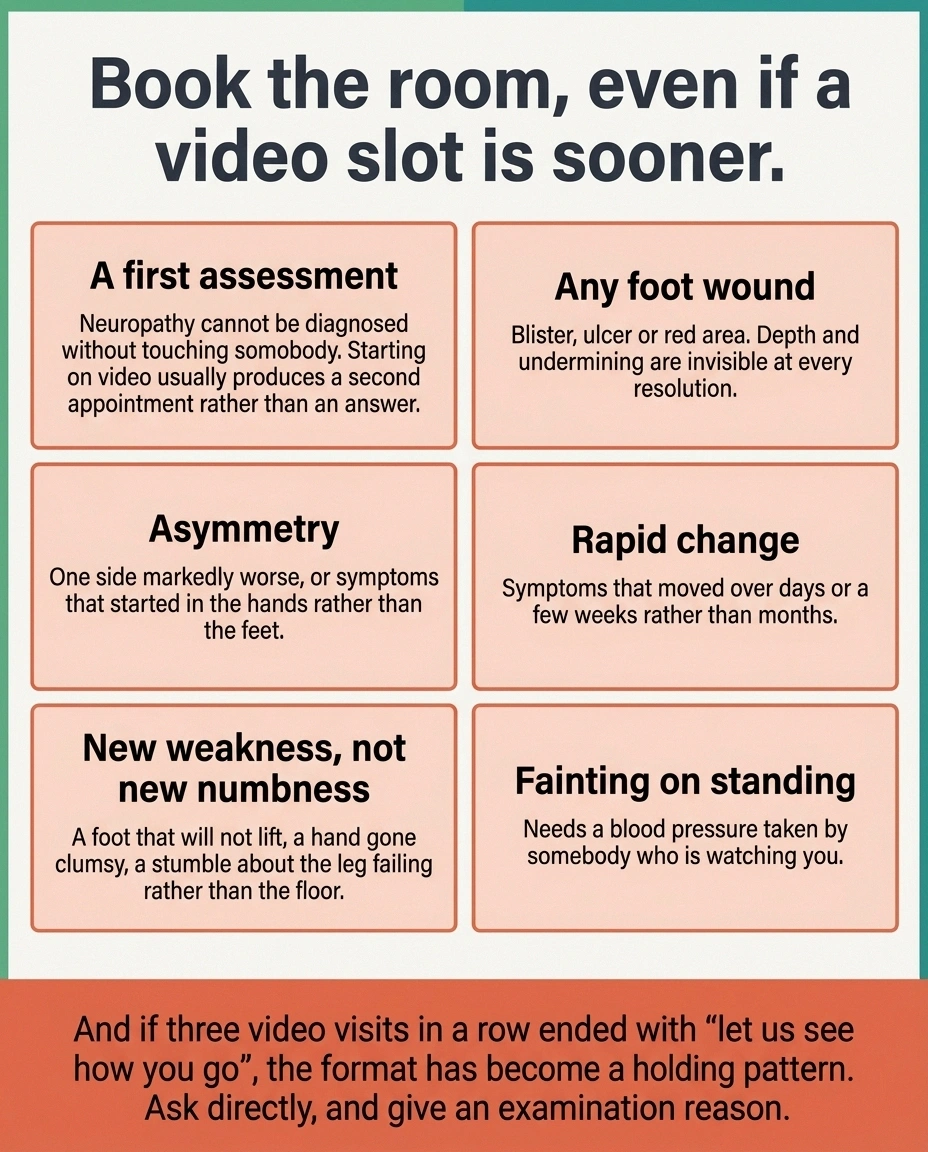
Some situations mean the answer is in person even if a virtual slot is available sooner.
A first assessment of new symptoms, if you have never been formally examined. You cannot diagnose neuropathy without touching somebody, and starting with a video visit here usually produces a second appointment rather than an answer.
New weakness rather than new numbness. Difficulty lifting the front of the foot, a hand that has become clumsy, a stumble that is about the leg not working rather than about not feeling the ground.
Rapid progression. Symptoms that have changed noticeably over days or a few weeks rather than months.
Asymmetry. One side markedly worse than the other, or symptoms that started in the hands rather than the feet, both of which point away from the ordinary length-dependent pattern.
Any foot wound, blister, ulcer or area of redness.
Fainting, or near-fainting on standing, which needs a blood pressure measured by somebody watching you.
And the quiet one: if the last three virtual visits have each ended with “let’s see how you go and speak again in six weeks,” the format has stopped being efficient and has started being a holding pattern. Ask directly for an in-person examination and say why.
Building the Year Rather Than the Appointment
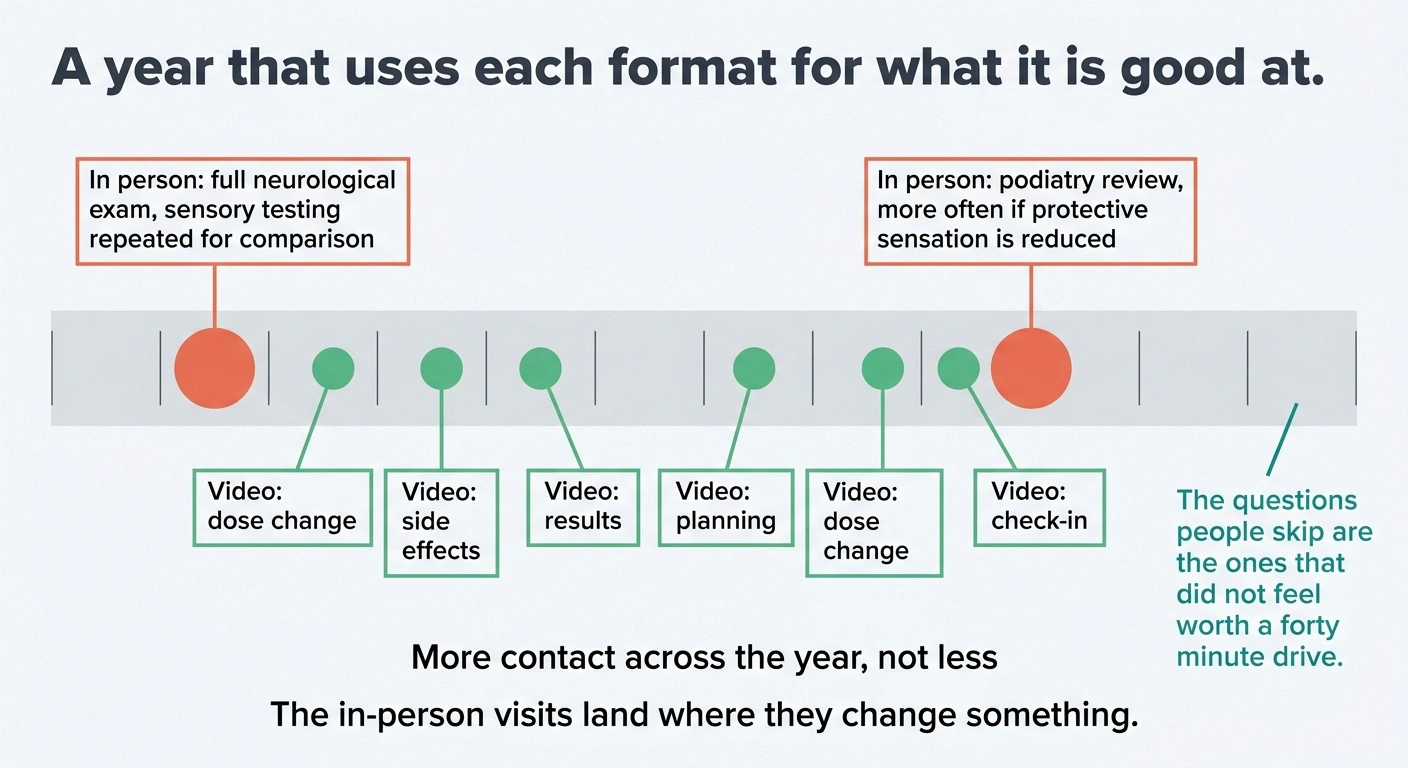
The sensible way to use this is not to choose between formats. It is to plan a year in which each format does what it is good at.
A workable rhythm for stable, established neuropathy looks something like one thorough in-person neurological examination a year, with the sensory testing repeated so there is a comparison against last year. In-person podiatry on whatever schedule your foot risk warrants, which for anyone with reduced protective sensation is more often than people expect. Then everything else virtual: dose changes, side effects, results, planning, and the short conversations that would otherwise wait three months for a slot.
That pattern gets you more contact with your clinicians over the year, not less, and it puts the in-person appointments where they actually change something. It also removes the calculation many people quietly make, where a question goes unasked because it does not feel worth a forty minute drive on a day when your feet are burning. Those unasked questions are where a lot of avoidable deterioration hides.
Frequently Asked Questions
Can a doctor diagnose neuropathy over a video call?
Not properly, no. Diagnosis depends on a sensory examination involving monofilament, vibration and pinprick testing plus reflexes, none of which can be performed remotely, and it usually involves nerve conduction studies or blood work. A video visit can gather history and decide what testing to order, which is useful, but the first assessment of new symptoms should be in person.
Can I get gabapentin or pregabalin prescribed by telehealth?
Usually yes. Pregabalin is federally Schedule V and pregabalin prescribing by video is currently permitted under telemedicine flexibilities that run through the end of 2026. Gabapentin is not federally scheduled, though several states schedule it independently, which is why refill rules vary by state. Ask your prescriber what their process is rather than assuming your state matches somebody else’s.
What should I have ready before a virtual neurology appointment?
A ranked list of two or three questions, your medication list with actual doses, numbers rather than impressions about symptoms, clear daylight photographs of your feet sent through the portal in advance, and a device propped so you can walk a few steps in view. A second person in the room helps more than most people expect.
Can I see a neurologist in a different state?
Generally the clinician must be licensed in the state where you are physically located during the appointment, which is not always the state you live in. Tell the office where you will actually be when you book, especially if you travel or spend part of the year elsewhere.
Is telehealth as good as an in-person visit?
For conversation-driven care such as dose adjustments, side effects, results and planning, it is equivalent and often better because it happens sooner and more often. For anything requiring touch, it is not a substitute at all. The useful comparison is not which format is better overall but which one this particular appointment needs.
How do I show my feet properly on camera?
Do not rely on the live video. Take photographs beforehand in daylight or under a bright lamp, including tops, soles and between the toes, and upload them through the patient portal in advance so they arrive at full resolution. A live webcam view of a foot in a dim room shows very little.
Will Medicare or my insurance cover a virtual visit?
Coverage rules have changed repeatedly and vary between Medicare, Medicare Advantage plans and private insurers. Ask the clinic what the visit will be billed as before booking, since the answer can differ between an established patient follow-up and a new consultation.
My appointment keeps getting pushed to video. How do I ask for an in-person visit?
Ask directly and give a reason tied to examination rather than preference. Saying that your sensory testing has not been repeated in over a year, or that you have new weakness rather than new numbness, gives the scheduler a clinical reason to work with. Vague dissatisfaction usually results in another video slot.
About the Author