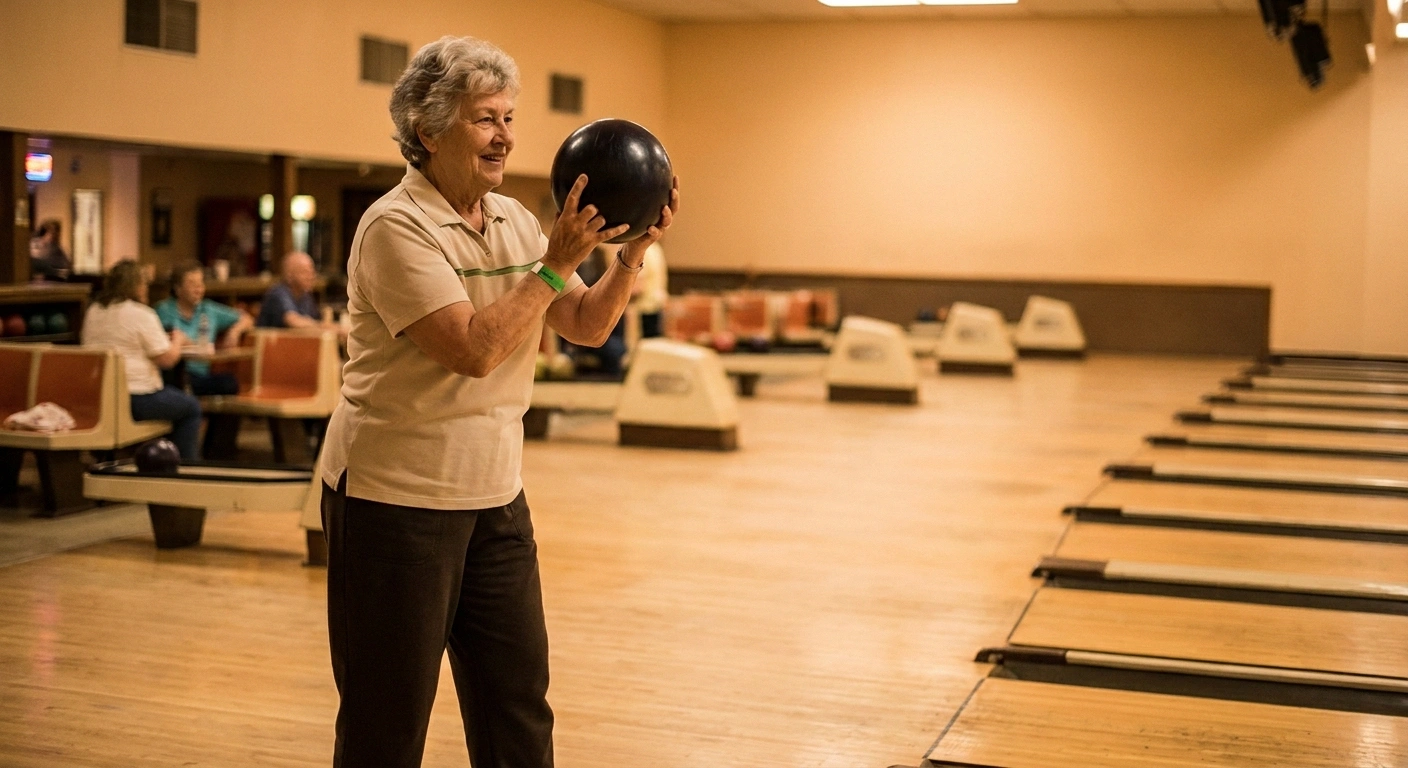
Tuesday nights at Maplewood Lanes used to be the highlight of my week. I'd show up an hour early, catch up with the regulars, roll a 140 average on a good night, and drive home tired in a good way. Then the neuropathy started asking harder questions of my thumb, my toes, and my balance on the approach. I nearly gave the whole thing up.
I didn't, in the end. What I did was rebuild how I bowl, one adjustment at a time — some at the pro shop, some at the shoe store, some in my head about what a “good night” now looks like. Tuesday nights are still the highlight of my week. The score dropped a bit. Everything else got better.
If you're on a league (or want to stay on one) with neuropathy in your hands, feet, or both, here's what has worked for me and the handful of other bowlers in our support group who kept the game.
The Two Big Neuropathy Problems on the Lane
League bowling asks two very specific things of your body that get complicated with neuropathy:
Adapt the equipment first, the technique second, and the ego third.
A re-drilled ball, the right glove, your own shoes, a shorter approach, and a lighter weight will keep you on the lane for years. Fighting your neuropathy on Tuesday nights ends the league early.
Your hand has to release a ten-plus-pound ball at exactly the right moment. With a numb or clumsy thumb, that release becomes unpredictable. The ball hangs on a fraction too long and rolls behind you. Or it lets go too early and drops in the gutter. Either way, you'll know within the first few frames whether your hand is cooperating that night.
Your feet have to slide, plant, and support the rest of your body during a moving, twisting motion. On rented lanes, in rented shoes, this is a lot of trust to place in feet that don't send back reliable information. Numb feet on a slick approach are a recipe for a slip.
Almost every adjustment I'll walk through below is aimed at one of those two problems. Some are cheap and easy (better socks, a bench cushion). Some cost a few bucks at the pro shop (a re-drilled thumb hole). Some are a mental shift about what your game looks like now (a shorter approach, a lighter ball). All of them add up.
Get Your Ball Re-Drilled — Seriously, This One Change
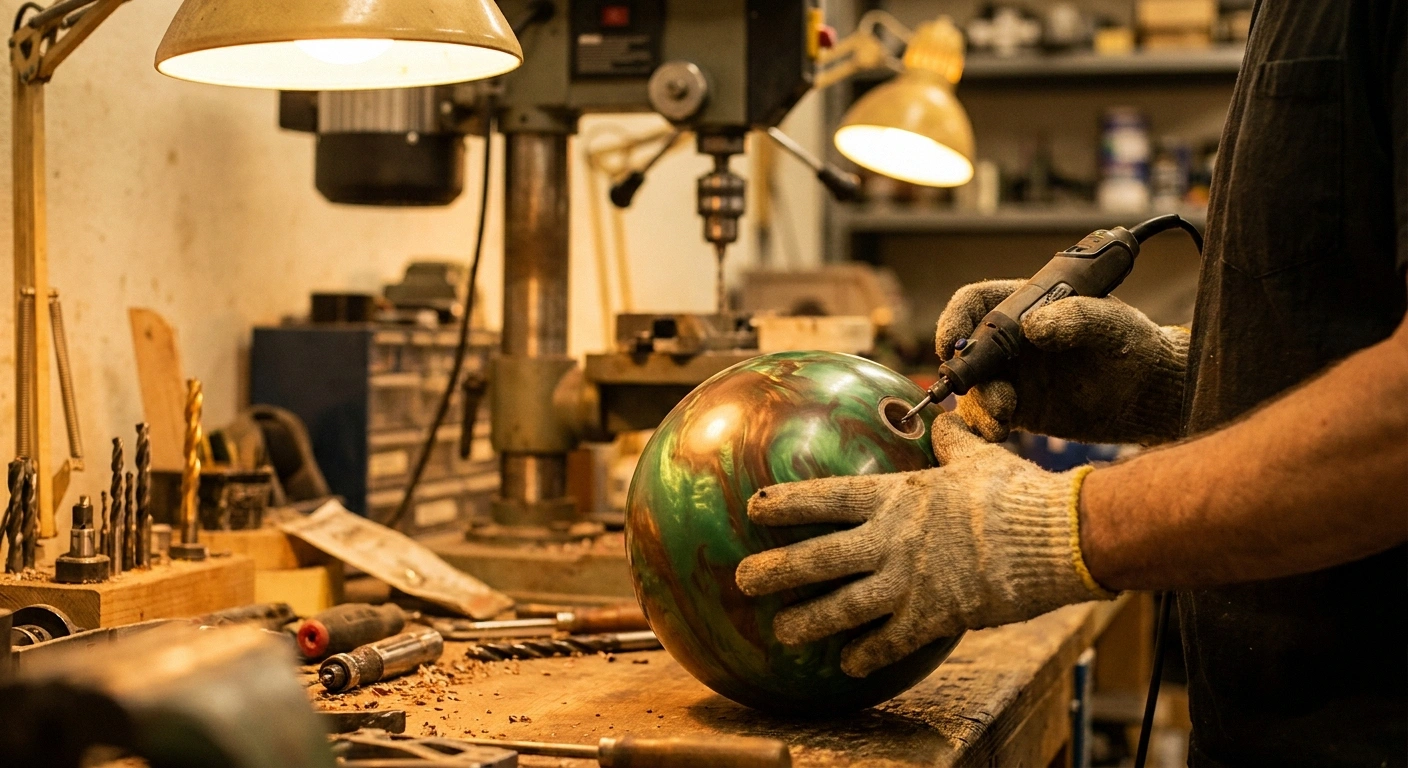
Every bowler I know who kept the game after neuropathy started did this first. Your ball almost certainly needs to be re-drilled if your hand has changed.
Bring your ball to any pro shop and ask specifically for:
- A slightly looser thumb hole — often just 1/64″ wider. Enough that the ball comes off cleanly even when your thumb doesn't grip well. Not so loose that it flies off during the swing.
- Beveled edges on all three holes so nothing catches on numb or dry skin.
- A discussion about switching to a semi-fingertip grip if you're currently on fingertip. Semi-fingertip has your fingers in one knuckle deeper — less lift required, easier release, small loss of hook.
- Interchangeable thumb inserts — sometimes called “switch grips” or “Ultimate Bowling Interchange System.” These let you swap thumb size on humid nights (thumb swells) versus dry nights (thumb shrinks) without a new drill.
A pro shop that specializes in league bowlers has seen this a hundred times. Explain that you have hand neuropathy and your thumb doesn't release the way it used to. Any decent pro shop will spend twenty minutes with you working out what needs to change. Expect to pay somewhere between $10 and $60 depending on how much reshaping is involved. It's the best money you'll spend on your game.
The Right Glove for Numb Fingers
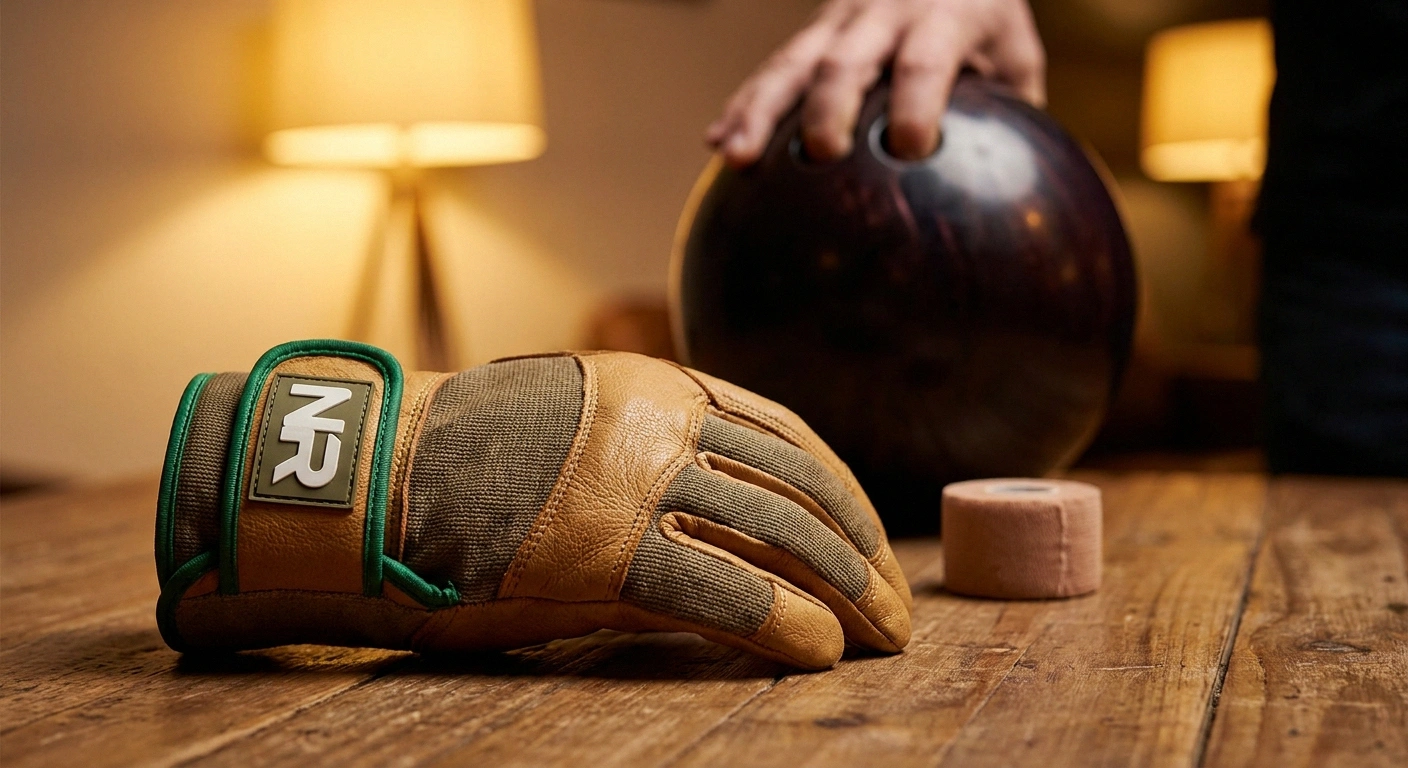
Bowling gloves have quietly become a normal accessory even among non-neuropathy bowlers, mostly because they help with wrist alignment. For neuropathy, they do that AND they give your fingers real tactile boost:
- Positional glove (Storm Xtra-Grip, Master Deluxe, Ebonite React/R). Has a firm wrist support that keeps the wrist from breaking down at release. A tremendous help if hand weakness has entered the picture, and it makes the release more consistent because the ball leaves the hand from the same wrist angle every time.
- Fingerless “grip” glove. Just the palm and back-of-hand support, no fingertips. Adds friction on the ball surface where your thumb sits, which some people with thumb neuropathy find helps them feel where the ball is even when they can't quite feel the thumb.
- Bowling tape or “thumb tape.” Small strips of textured tape inside the thumb hole that adjust fit throughout the night. Cheap, essential. Buy a roll.
Bring two gloves to the lanes. Wet gloves lose grip. After five or six frames swap to a dry one — this makes more difference than most people expect.
The Ball Weight Question (Please Actually Drop Weight)
The single hardest adjustment for most bowlers with neuropathy is accepting a lighter ball. Ego says “I've thrown a 15-pounder for twenty years.” Neuropathy says “your grip strength is 40% of what it was and you're going to drop this thing.”
Drop two pounds, or even three, from whatever you used to throw. If you were on a 15, try a 13. If you were on a 14, try a 12. Your average will dip for a few weeks; then it'll usually come back close to where it was — because you'll be releasing the ball more consistently and staying upright through the shot instead of fighting the weight.
The general rule the coaches teach is that ball weight should be roughly one pound per ten pounds of body weight, with a real cap at what your hand and shoulder can control safely. Neuropathy lowers that cap. Test a few weights in the pro shop before buying.
Shoes: Please, Buy Your Own
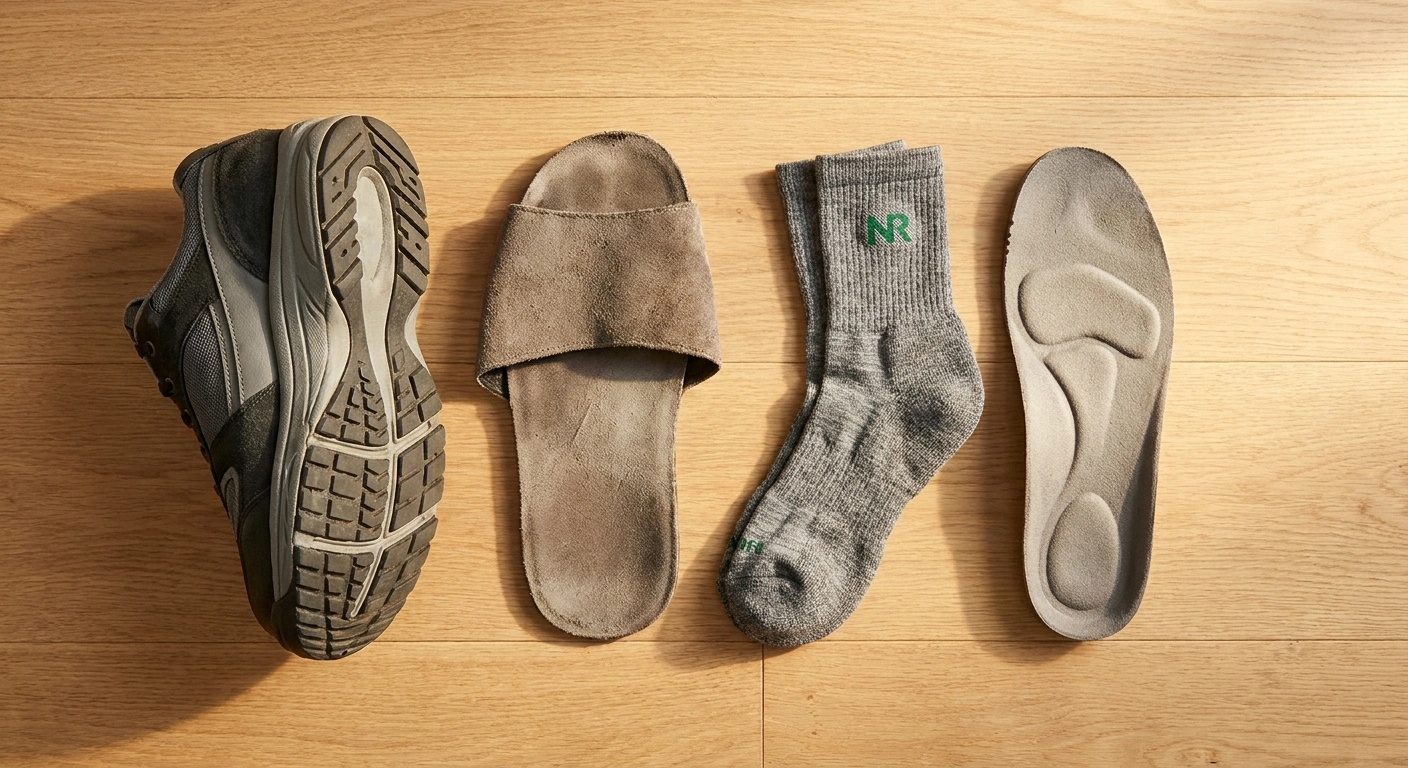
Rental bowling shoes are the enemy of a neuropathic foot. They fit badly, the slide sole is unpredictable, the previous fifty bowlers' sweat is on the insole, and worst of all — the slide characteristics change from pair to pair. A neuropathic foot that can't tell you exactly where the floor is cannot compensate for a shoe whose slide is different from last week's.
Rental slide soles vary week to week. A numb foot cannot feel the difference until you're already sliding too far. This is how league bowlers with neuropathy end up on the floor. Your own well-fitted athletic bowling shoes with a predictable slide are the single quiet safety upgrade with the biggest payoff.
What to buy:
- Bowling shoes with a rubber outsole and a smaller slide pad — sometimes called “athletic” or “casual” bowling shoes. Brunswick, Dexter, and Storm all make lines aimed at recreational bowlers with a more predictable slide.
- Wide toe box. Your toes will thank you across an evening of five to seven games (league plus practice).
- Removable insoles so you can swap in cushioned aftermarket ones. Many bowling shoes ship with basic thin insoles that offer no cushioning at all.
- Velcro or lace-friendly closures depending on which is easier for your hands.
Get fitted in the store if possible. Sizing runs different from street shoes.
Expect to pay $60-$150 for a solid pair. If your league is your regular thing, this will last years. And unlike rentals, your slide will feel the same every single week — the biggest quiet safety upgrade you can make.
If you're building a shoe collection for neuropathy, our broader guide to the best shoes for neuropathy covers the everyday-shoe side.
The Socks Question
Neuropathic feet plus bowling shoes plus five games equals sweaty feet, potential blisters, and phantom sensations by frame six of the third game. Sock choice matters:
- Merino wool or bamboo blend — moisture-wicking, cushioned, comfortable across a long night
- Seamless toe (no bunching seam under your toes during a slide)
- Medium weight — thick enough to cushion, not so thick your foot slides around inside the shoe
- Bring a spare pair — change socks between the second and third game
Small thing, big improvement in comfort. Also — daily foot check when you get home, especially between the toes. Long nights in shoes with reduced sensation are exactly when small blisters and skin breaks happen without warning.
Adjust Your Approach — Shorter, Slower, More Deliberate
The classic four-step or five-step bowling approach is a wonderful thing when everything works. It also asks a lot of coordination — the arm swing timed to the footwork timed to the slide timed to the release.
With reduced foot sensation and possibly reduced hand coordination, that whole sequence gets less reliable. The fix is not to muscle through it. The fix is to simplify:
Try a three-step approach. Start closer to the foul line. Take a small first step, a normal second step, then the slide-plant on the third. Less coordination demand, more consistent release. You'll lose a mile per hour of ball speed and gain three miles per hour of consistency. Good trade.
Consider a two-handed shot for severe hand neuropathy. Yes, the “granny roll” from the free-throw line. It's completely legal, it's how many seniors and kids play, and it uses two hands to control the ball so a bad thumb release doesn't ruin the frame. Some pros use it too — Jason Belmonte has won multiple majors two-handed.
Use a ball ramp for very reduced strength. Also called a “bowling ramp” or “assistive ramp” — a metal or plastic slide that lets you push the ball from a seated or standing position without a full approach. Rec leagues and senior leagues usually welcome them. Ask ahead if your league is competitive.
Bend from the knees, not the waist. With reduced proprioception, hinging at the waist to pick up a ball invites tipping. A shallow knee bend keeps you stacked over your feet. Practice this at home with an empty jug of water.
The Slide That Could Hurt You
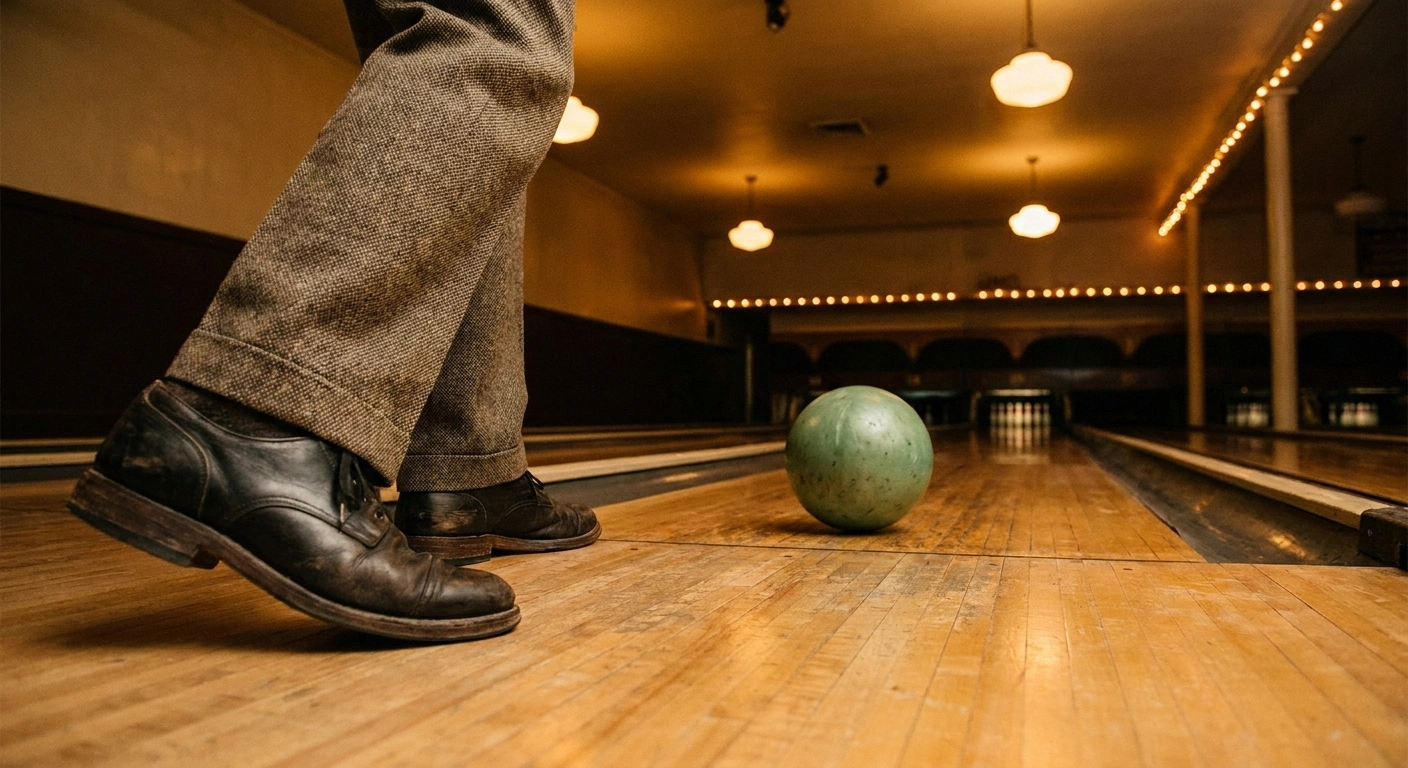
This is the one thing to be genuinely careful about. The slide at the end of a bowling approach is a real fall risk for anyone with reduced foot sensation. On new lanes, on lanes that have been waxed, or when you unexpectedly hit a slick spot, you can slide farther than you meant to and lose your balance.
Two rules that saved me:
Don't slide at all — plant instead. If your neuropathy is significant, learn a “no-slide” approach. Foot comes forward on the last step and plants firmly. The ball still swings and releases; you just don't add the slippery finish. Talk to a coach at your league if you're not sure how — most will show you for free during practice time.
Wear the same shoes every week. A different pair, or a rental, changes your slide by an amount you can't feel with numb feet. Predictability is safety.
If you've had a slip or a fall on the lane already, don't push through — talk to your doctor about your balance, and take a few weeks off league to work on balance exercises. Falls in older adults with neuropathy are how serious injuries happen. Our page on neuropathy balance and fall prevention covers the exercises that help.
Pacing an Entire League Night
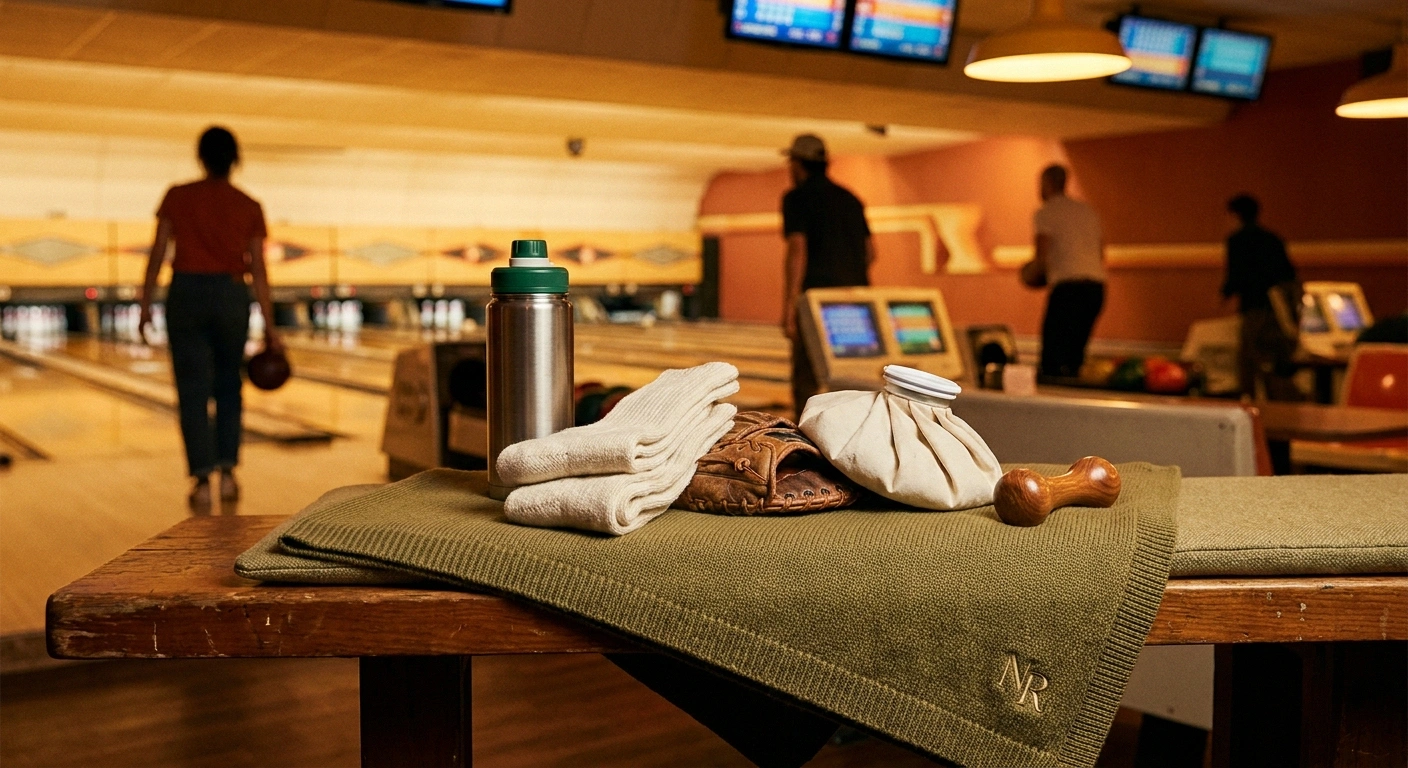
A league night is usually three games over about two hours. That's a lot of standing, walking to the ball return, bending, twisting, and concentrating for anyone. For neuropathic feet and hands, it's a marathon.
- Bench cushion (bowling alley benches are unforgiving hard plastic)
- Spare pair of socks — change between games 2 and 3
- Two gloves — swap when the first gets damp
- Water bottle at your bench, not the counter
- Small cold pack in a plastic bag for hand swelling
- Thumb tape or a switch-grip insert set
- Tennis ball or wooden foot roller for between-turn foot relief
What helps:
- Arrive 30 minutes early. Sit down, stretch calves and hamstrings, warm the shoulders. Two or three easy practice tosses. Your first-game score will thank you.
- Bring a bench cushion. Bowling alley benches are hard plastic. A cushion changes the entire evening.
- Sit between turns — actually sit. Standing at the ball return between shots stacks up standing time you don't need. Sit, sip water, rest the feet.
- Water bottle at the bench, not the counter. One trip fewer per frame.
- Consider a bench-side foot roller. A cheap wooden foot roller or a tennis ball under the foot between turns keeps the soles a little happier.
- The bathroom break is not optional. Standing up between games and walking around resets stiffness.
By the third game, most people with neuropathy notice their scores tapering off. This is normal. Pace so that your game three isn't a disaster — take a full sit between frames, don't chase makeable spares if you're exhausted, and prioritize finishing upright.
When to Consider Different Games

Ten-pin isn't the only game in town. If ten-pin bowling gets too hard on your body but you still love the social side of a league, several variations are worth trying:
Duckpin bowling. Smaller balls (about 3.5 lb), no finger holes. Available across the northeast US and parts of the Midwest. Much easier on hand neuropathy.
Candlepin bowling. Even smaller balls (about 2.5 lb), also no finger holes. Popular in New England and parts of eastern Canada. Very gentle on hands and shoulders.
Nine-pin. Texas and parts of the German-heritage Midwest have nine-pin leagues. Balls are heavier than duckpin but the game is fewer, longer, less-slide-focused shots.
Lawn bowling and bocce. Outdoor, no lane walking, gentler weights. Increasingly popular for seniors with mobility limits. Many communities have bocce or lawn bowling clubs looking for members.
Wii Bowling and virtual reality bowling. If leagues aren't practical anymore, home bowling stays fun. Grandchildren especially will play it with you for hours. No risk of falls, no ball drops, no long night on your feet.
The point of a league was never really the specific game. It was the Tuesday nights, the friends, the small structured competition. If ten-pin gets to be too much, most of those social benefits transfer to whatever version of the game your body can still do.
When to Hang Up the Bowling Shoes
Some of the hardest advice to hear, and I'll give it plainly because someone who loves you will eventually give it if I don't: there are signs that suggest league bowling has become more risk than reward:
- 4:30 pm — Foot and hand check. Anything new gets a decision.
- 5:00 pm — Light dinner, plenty of water. Beer after game three.
- 6:00 pm — Arrive 30 minutes early. Fresh socks, bowling shoes on, bench cushion out.
- 6:05 pm — Ten minutes of stretching (calves, hamstrings, shoulders, wrists).
- 6:15 pm — Two or three easy practice throws at half speed.
- 6:30 pm — League starts. Sit between turns. Drink water. Swap to dry glove at frame 5.
- 9:00 pm — Home. Shoes off. Foot check under a lamp. Feet up 20 minutes. Bed.
- You've fallen on the approach more than once in a season
- You've dropped the ball behind you or into the next lane more than once
- You come home with new pain that lasts more than a day
- Your doctor has flagged balance concerns and asked you to stop high-fall-risk activities
- You've had a serious foot injury from a dropped ball or a slip
- You dread the night instead of looking forward to it
None of these have to be the end of bowling. They may be the end of a full three-game league night, and they may mean switching to open bowling, duckpin, bocce, or Wii on Tuesday nights with the same friends and a shared pizza. Your community doesn't require a strike. It requires you.
Janet's Pre-League Routine
Here's what I do now every Tuesday. It's boring. It works.
4:30 pm — Foot check. Both feet, both hands. Anything new gets a photo and a decision about whether to bowl or sit tonight.
5:00 pm — Light dinner. Not heavy. A sandwich, some fruit, water. Beer is after the third game, not before it.
6:00 pm — Arrive 30 minutes early. Change socks (the ones I wore all day, off; fresh moisture-wicking pair on). Bowling shoes on. Bench cushion out.
6:05 pm — Stretch. Ten minutes of calves, hamstrings, shoulders, wrists. Sitting stretches are fine. A quick walk around the alley.
6:15 pm — Two or three easy practice throws. Half speed. Just get the arm swinging.
6:30 pm — League starts. Sit between turns. Drink water. Change to the dry glove after frame five.
9:00 pm — Home. Shoes off immediately. Foot check under a lamp. Feet up on the ottoman for twenty minutes. Bed.
My score is nothing to brag about anymore. My Tuesday nights are still mine. And that has turned out to be what mattered all along.
Frequently Asked Questions
What ball weight should I use if I have hand neuropathy?
Drop two to three pounds from whatever you comfortably threw before. Test a few weights at the pro shop — the ball should feel controllable through the full swing, not heavy at the top. A 12- or 13-pound ball with a properly drilled thumb often outperforms a 15-pound ball with a bad release. Your average will bounce back within a few weeks.
Should I still bowl if my thumb goes numb during a game?
Numbness that comes on partway through a game is common with hand neuropathy. Change gloves if yours are wet, take a longer sit between frames, and consider stopping for the night if the numbness is bad enough that you're worried about the ball's path. A dropped ball behind you can injure a foot badly. Live to bowl next week.
Are bowling ball ramps legal in leagues?
In most recreational and senior leagues, yes. In competitive USBC-sanctioned leagues, an “assistive delivery device” is usually allowed for bowlers with a documented physical disability. Ask your league secretary — they can tell you the specific rule set. Ramps are a well-accepted accommodation.
Can I bowl with foot drop from peroneal neuropathy?
Sometimes, with care. An AFO brace under your bowling shoe stabilizes the foot but changes the fit and slide characteristics — you'll want to work with a coach and a pro shop to adapt. A shortened approach and a “no-slide” plant technique reduce the fall risk that foot drop adds. If your foot drop is significant and unstable, discuss with your doctor before continuing.
How do I keep my thumb from swelling during a long league night?
Hydration helps more than most people expect. Cool the hand between turns (a small cold pack in a plastic bag on the wrist works well). Use interchangeable thumb inserts so you can switch to a slightly larger insert as the night progresses. Avoid alcohol during the games — it dilates blood vessels and worsens swelling.
What's a good practice routine for staying bowling-ready with neuropathy?
Ten minutes daily of light hand exercises (squeezing a stress ball, finger extensions with a rubber band around the fingers) and balance exercises (single-leg standing near a counter, heel-to-toe walking). Once a week if possible, an open-bowling session where you throw ten to fifteen balls at moderate effort. Skip the intense pre-league practice — save the muscles for league night itself.
Are there bowling leagues designed specifically for seniors or people with mobility issues?
Yes, in most areas. Look for daytime senior leagues (usually mornings), USBC “adaptive” divisions, or ask at your local alley — many have relaxed leagues built around social bowling rather than competitive scoring. If you don't have one nearby, some alleys will help you start one if you can find four or five interested players.
Nothing on this page is medical advice. If you've had falls, injuries, or worsening balance from bowling with neuropathy, please talk to your doctor about whether the activity is still safe for you. Janet writes as a patient advocate who has lived with neuropathy — not as a medical professional.
About the Author


