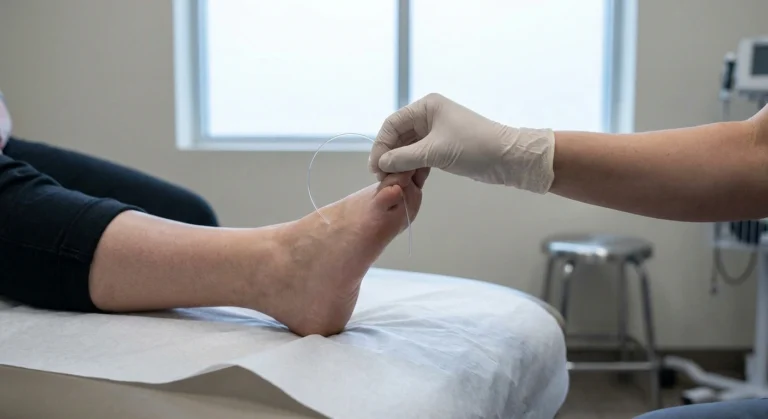
I still remember the moment I realized the pain wasn’t going away. My shingles rash had healed weeks ago — the angry red blisters had crusted over and faded — but the burning along my left ribcage hadn’t faded with them. If anything, it was getting worse. The lightest brush of my shirt against my skin felt like a lit match. Lying in bed at night was agony. I kept waiting for it to stop, kept telling myself it was just part of the healing process. It took me far too long to learn the name for what I was experiencing: post herpetic neuralgia.
If you’re reading this because you’re living with nerve pain after shingles, I want you to know two things right away. First, you’re not imagining it — post herpetic neuralgia is a real, recognized medical condition, and the pain you’re feeling has a cause. Second, there are things that may help, and you don’t have to white-knuckle your way through this alone. Let’s walk through what post herpetic neuralgia actually is, why it happens, and what options you might want to discuss with your doctor.
of people with shingles develop post herpetic neuralgia
What Is Post Herpetic Neuralgia?
Post herpetic neuralgia — often abbreviated as PHN — is the most common complication of shingles (herpes zoster). It’s a type of nerve pain that persists in the same area where you had your shingles rash, long after the rash itself has healed. Most medical sources define PHN as pain that continues for three months or more after the shingles outbreak.
To understand PHN, it helps to know a bit about shingles itself. The varicella-zoster virus — the same virus that causes chickenpox — never fully leaves your body after you recover from chickenpox. It lies dormant in nerve tissue near your spinal cord and brain. Years or decades later, the virus can reactivate and travel along nerve fibers to your skin, causing the painful, blistering rash known as shingles.
For most people, shingles resolves within two to four weeks. But in some cases, the virus damages the nerve fibers so severely during the outbreak that they can’t send signals properly anymore. Those damaged nerves may keep firing pain signals to the brain even after the skin has healed completely. That ongoing misfiring is what we experience as post herpetic neuralgia. If you’re trying to understand where PHN fits in the broader picture of nerve damage, our guide to the stages of neuropathy may give you helpful context.
What Does Post Herpetic Neuralgia Feel Like?
This is a question I get asked a lot, and I think it’s because the pain of PHN is so hard to describe to someone who hasn’t experienced it. It’s not like a headache or a sore muscle. It’s nerve pain — and nerve pain has a character all its own.

The most common symptoms of post herpetic neuralgia include:
- Burning or searing pain — Many people describe it as a constant burning sensation, like someone is holding a flame against the skin. This was my primary symptom, and it was relentless.
- Sharp, stabbing, or shooting pain — Some people experience sudden jolts of pain, almost electric in nature, that come and go unpredictably.
- Extreme sensitivity to touch (allodynia) — This is one of the cruelest aspects of PHN. Even the softest touch — clothing, a bedsheet, a breeze — can trigger intense pain. I couldn’t bear the weight of a cotton t-shirt on my skin for months.
- Deep, aching pain — A heavy, dull ache that settles deep under the skin.
- Itching — Some people experience persistent itching in the affected area, sometimes as intense as the pain itself.
- Numbness or reduced sensation — Paradoxically, the same area that’s hypersensitive to touch can also feel numb or “dead” in spots.
Common PHN Symptoms — Do You Recognize These?
Burning or searing pain that feels like a flame against the skin
Sharp stabbing or shooting pain that comes and goes
Extreme sensitivity to touch (allodynia) — even clothing causes pain
Deep aching pain that settles under the skin
Persistent itching in the affected area
Numbness or reduced sensation in the same area
PHN typically affects a band-like area on one side of the body — most commonly the torso — mirroring the pattern of the original shingles rash. It can also affect the face, neck, and arms. Many people with PHN find that the pain is worse at night, when there are fewer distractions and the sensitivity seems to intensify. The combination of burning, shooting, and touch-sensitive pain is characteristic of what doctors call neuropathic pain, and PHN shares many features with conditions like small fiber neuropathy.
Who Is at Risk for Post Herpetic Neuralgia?
Not everyone who gets shingles will develop PHN. Research suggests that roughly 10 to 20 percent of people with shingles go on to experience post herpetic neuralgia. But the risk isn’t equal for everyone. Several factors increase the likelihood:
- Age — This is the single biggest risk factor. PHN is uncommon in people under 50 but becomes significantly more likely with each passing decade. Some studies suggest that around 60 percent of shingles patients over age 60 develop PHN, and this rises to roughly 75 percent for those over 70.
- Severity of the shingles outbreak — People who experience more severe rashes and more intense pain during the acute shingles phase are more likely to develop PHN afterward.
- Delayed antiviral treatment — Starting antiviral medication within 72 hours of the shingles rash appearing may reduce the risk of PHN. Delays in treatment increase the chance of nerve damage.
- Location of the rash — Shingles affecting the face (particularly near the eye) or the torso seems to carry a higher PHN risk.
- Weakened immune system — People with conditions or treatments that suppress immune function — including certain cancers, HIV, chemotherapy, or long-term steroid use — are more vulnerable.
- Other health conditions — Diabetes and other chronic diseases may increase the risk.
- Family history — Some research suggests that having blood relatives who’ve had shingles may increase your own risk.
Research Says
Around 60% of shingles patients over age 60 develop PHN, rising to roughly 75% for those over 70. Age is the single strongest predictor of whether shingles pain will become chronic.
Understanding your personal risk factors is something worth discussing with your doctor, especially if you’re currently dealing with a shingles outbreak. Early, aggressive treatment during shingles may be one of the best ways to reduce the chance of PHN developing.
How Is Post Herpetic Neuralgia Diagnosed?
One thing that surprised me about PHN is that the diagnosis is usually fairly straightforward — at least compared to many other nerve conditions. If you’ve had a confirmed case of shingles and you’re still experiencing pain in the same area three months or more later, that’s generally enough for a doctor to diagnose post herpetic neuralgia.
There’s no single definitive test for PHN. Your doctor will typically rely on your medical history and a physical examination. They may check the affected area for signs of scarring from the shingles rash, test your sensitivity to touch, and ask about the character and duration of your pain.
In unusual cases — for example, if you had shingles without a visible rash (a rare condition called zoster sine herpete) — your doctor might order blood tests for varicella-zoster virus antibodies, or imaging studies like an MRI. But for most people, the clinical picture is clear. If you’re unsure about the diagnostic process for nerve-related conditions, our overview of neuropathy diagnosis covers what to expect in more detail.
Treatment Options for Post Herpetic Neuralgia
Here’s where I want to be really honest with you: treating post herpetic neuralgia can be challenging. There’s no magic pill that makes it disappear overnight. Research suggests that fewer than half of PHN patients achieve what doctors would call “significant” pain relief from any single treatment. But that’s not the whole story. Many people do find meaningful improvement through a combination of approaches, and the options have expanded considerably over the years.
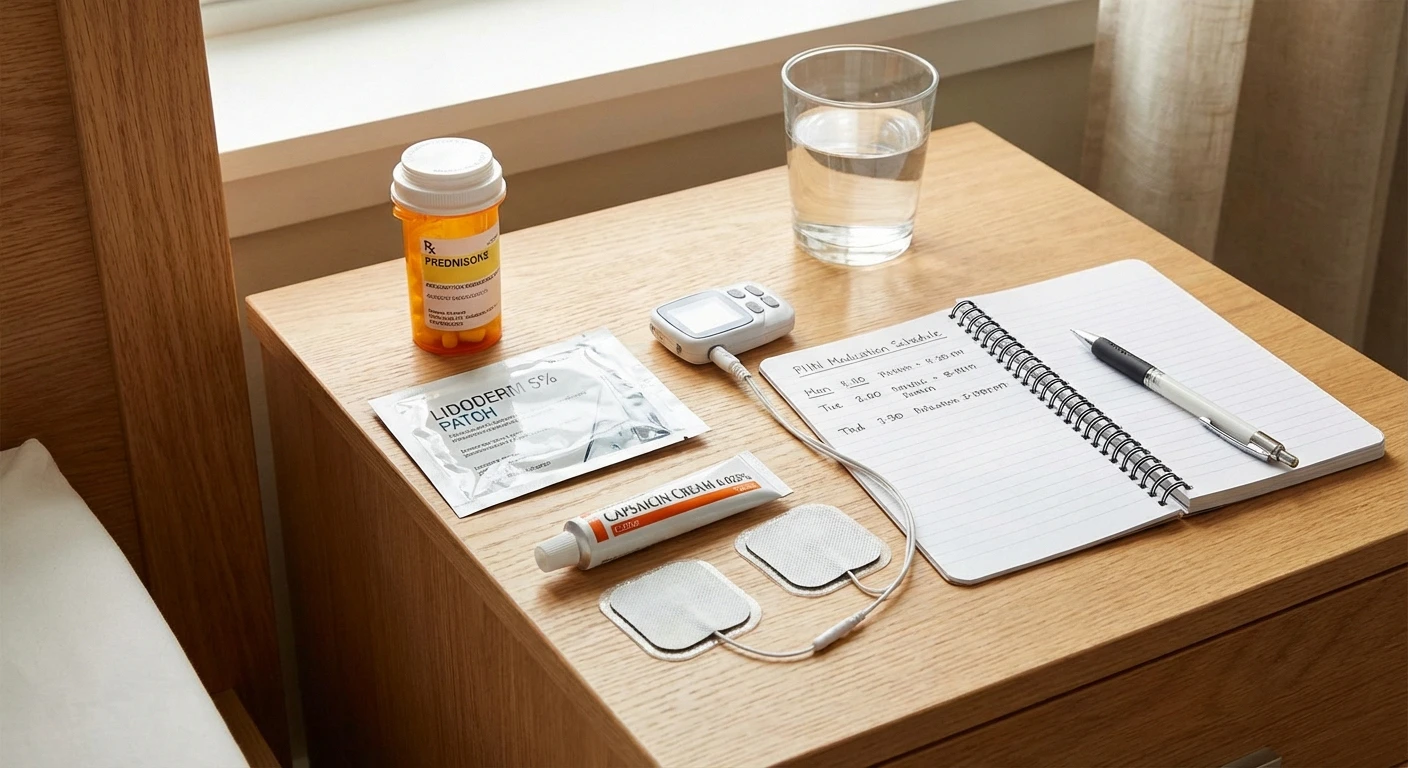
The treatments most commonly used for PHN fall into several categories. Your doctor may recommend starting with one approach and adding others over time — what specialists call “multimodal therapy.”
Medications for Nerve Pain
Several classes of medication are considered first-line treatments for post herpetic neuralgia by major neurology organizations:
- Gabapentin and pregabalin (anticonvulsants) — These are among the most commonly prescribed medications for PHN. Originally developed to treat seizures, they work by calming overactive nerve signals. Many doctors start with gabapentin and adjust the dose gradually. You can learn more about how these medications work for nerve pain in our articles on gabapentin for neuropathy and pregabalin for neuropathy.
- Tricyclic antidepressants — Medications like amitriptyline and nortriptyline are used at lower doses for nerve pain. They can be effective but come with side effects like dry mouth, drowsiness, and blurred vision that may be particularly concerning for older adults.
- SNRIs (serotonin-norepinephrine reuptake inhibitors) — Duloxetine is sometimes used for PHN, though the evidence is stronger for other types of neuropathic pain. Our article on duloxetine for neuropathy discusses what to expect.
- Opioid medications — Tramadol and other opioids may be considered for severe cases, but they’re typically reserved as a later option due to concerns about dependence, side effects, and the current awareness around opioid risks. Most guidelines suggest trying other approaches first.
Topical Treatments
For some people, medications applied directly to the skin provide meaningful relief — and they generally have fewer systemic side effects than oral medications:
- Lidocaine patches (5%) — These numbing patches are applied directly to the painful area and are considered a first-line treatment for PHN. They have a good safety profile, with side effects mostly limited to mild skin reactions at the application site.
- Capsaicin cream or patches — Made from hot chili pepper extract, capsaicin works by desensitizing nerve pain receptors over time. The cream requires multiple daily applications, while a higher-concentration prescription patch (8%) can provide longer-lasting relief from a single application. Fair warning: capsaicin can cause significant burning when first applied. Our guide to the best neuropathy creams covers topical options in more detail.
Other Approaches
Beyond medications, some people find additional relief from:
- Nerve blocks and steroid injections — Corticosteroid injections near the spinal cord or affected nerves may provide temporary relief for some people with severe PHN.
- TENS (transcutaneous electrical nerve stimulation) — This non-invasive approach uses gentle electrical currents to interrupt pain signals. It doesn’t work for everyone, but some people find it helpful as part of a broader pain management strategy. Learn more in our article about TENS units for neuropathy.
- Cognitive behavioral therapy (CBT) — Pain isn’t just physical. CBT can help you develop strategies for coping with chronic pain and may improve your quality of life even when the pain itself hasn’t changed.
💊 Medication Approaches
- Anticonvulsants (gabapentin, pregabalin)
- Antidepressants (duloxetine, amitriptyline)
- Lidocaine patches (topical)
- Capsaicin cream or patches
- Opioids (last resort only)
🌿 Non-Medication Approaches
- TENS therapy (electrical nerve stimulation)
- Nerve blocks & steroid injections
- Physical therapy & gentle exercise
- Relaxation techniques & CBT
- Acupuncture
A word from my own experience: finding the right treatment combination took time. The first medication my doctor tried didn’t help much. The second made me too drowsy to function. But the third, combined with a lidocaine patch, brought my pain down to a level where I could start living again. The process can be frustrating, but don’t give up. Work with your doctor to keep adjusting until you find what works for your body.
How Long Does Post Herpetic Neuralgia Last?
This was the question that haunted me most in those early months: is this forever? The honest answer is that PHN is different for everyone, but the general trajectory is encouraging.
For many people, post herpetic neuralgia improves gradually over time. The NHS notes that recovery can range from a few months to over a year. Research from the NCBI suggests that while about 9 to 14 percent of shingles patients have PHN at one month, this drops to about 5 percent at three months and roughly 3 percent at one year.
However, it’s important to be realistic. Some people — particularly older adults and those who had very severe shingles episodes — may experience PHN that persists for years or, in rare cases, becomes permanent. This is one of the reasons why prevention (which we’ll discuss next) is so critically important.
If your PHN has lasted longer than you expected, don’t hesitate to go back to your doctor. Treatment approaches can be adjusted over time, and new options may have become available since you were last seen. Pain management is a process, not a one-time conversation.
Talk to Your Doctor
PHN can last months to years. If your pain persists beyond 3 months after shingles, or if your current treatment isn’t providing adequate relief, talk to your doctor about adjusting your management plan.
Prevention: The Shingles Vaccine and Early Treatment
If there’s one message I wish I could shout from the rooftops, it’s this: the single most effective thing you can do to prevent post herpetic neuralgia is to prevent shingles in the first place — and the best tool we have for that is the shingles vaccine.

Shingrix, the recombinant zoster vaccine, is more than 90 percent effective at preventing shingles and PHN when given as a two-dose series. The CDC recommends Shingrix for adults aged 50 and older, and for adults 19 and older with weakened immune systems. Even if you’ve already had shingles or received the older Zostavax vaccine, Shingrix is still recommended.
Key Takeaway
The Shingrix vaccine is more than 90% effective at preventing shingles and significantly reduces the risk of developing post herpetic neuralgia. The CDC recommends it for adults 50+ and younger adults with weakened immune systems.
If you do develop shingles despite vaccination (which is uncommon), starting antiviral treatment within 72 hours of the rash appearing may significantly reduce your risk of developing PHN. Antiviral medications like acyclovir, valacyclovir, and famciclovir work by slowing the virus’s replication, which may limit the amount of nerve damage that occurs during the outbreak.
I’ll be honest — I wish I had gotten vaccinated before my shingles episode. It’s one of the biggest “if only” moments of my health journey. If you’re in the recommended age range and haven’t been vaccinated yet, please talk to your doctor about it. It’s one of those rare situations where prevention truly is far better than treatment.
Living with Post Herpetic Neuralgia: Practical Coping Strategies
Medical treatment is essential, but it’s not the only tool in your toolkit. Over the months I spent managing my own PHN, I learned quite a few practical strategies that made a real difference in my day-to-day quality of life:

- Choose your clothing carefully. Loose-fitting clothes made from soft cotton or silk can reduce irritation against sensitive skin. I avoided anything with seams or tags that pressed against my affected area.
- Use protective barriers. Some people find that placing a layer of cling film or a soft bandage over the painful area creates a buffer between the skin and clothing. It sounds unusual, but it can help.
- Try cool compresses. Applying an ice pack or bag of frozen peas wrapped in a thin towel for 15 to 20 minutes at a time may help calm flare-ups.
- Keep a pain diary. Tracking your pain levels, triggers, and the effects of treatments over time gives you and your doctor valuable information. It also helps you notice patterns — and improvements — that you might otherwise miss.
- Prioritize sleep. Chronic pain and sleep disruption feed into each other in a vicious cycle. Talk to your doctor if pain is consistently interfering with your sleep, as addressing sleep may improve your overall pain experience.
- Stay as active as you can. I know this is easier said than done when you’re hurting, but gentle movement and staying engaged with your normal activities — even in modified form — can help prevent the deconditioning and isolation that often accompany chronic pain.
- Connect with others. Whether it’s a support group, a trusted friend, or an online community, talking to people who understand what you’re going through can lighten the emotional burden.
The Emotional Side of Post Herpetic Neuralgia
This is something that most medical websites don’t spend nearly enough time discussing, so I want to give it the space it deserves.
Living with chronic nerve pain takes a toll that goes far beyond the physical. Depression, anxiety, frustration, grief over lost abilities, social isolation — these are all common experiences among people with PHN. Research recognizes that complications of chronic pain conditions like PHN include depression, sleep disturbance, fatigue, and reduced appetite.
I went through a period where I felt angry and hopeless. Why me? Why won’t this stop? Those feelings are normal, and they’re nothing to be ashamed of. But they are something to pay attention to. If you notice persistent sadness, loss of interest in things you used to enjoy, difficulty concentrating, or feelings of hopelessness, please bring these up with your doctor. Your mental health is just as important as managing your physical pain, and treating one often helps the other.
Cognitive behavioral therapy, which we mentioned as a pain management tool, can also be tremendously helpful for the emotional aspects of living with PHN. Our article on mental health and neuropathy explores this connection in much more depth.
Frequently Asked Questions About Post Herpetic Neuralgia
Key Takeaways
Post herpetic neuralgia is a challenging condition, but it’s not one you have to face without support or hope. Here’s what I most want you to take away from this article:
- PHN is the most common complication of shingles, caused by nerve damage during the viral outbreak. It affects roughly 10 to 20 percent of people who get shingles, with significantly higher rates in older adults.
- The symptoms are real and recognized. Burning pain, touch sensitivity, shooting sensations, and numbness are all typical of post herpetic neuralgia.
- Treatment takes patience. Multiple medication classes, topical treatments, and supportive therapies may help, but finding the right combination often takes time and close communication with your doctor.
- Most people improve over time. While PHN can last months or occasionally years, the majority of people see gradual improvement, especially with ongoing treatment.
- Prevention is powerful. The Shingrix vaccine is over 90 percent effective at preventing shingles and PHN. If you’re eligible, getting vaccinated is one of the best decisions you can make.
- Don’t ignore the emotional impact. Chronic pain affects your whole life — mood, sleep, relationships, independence. Addressing the mental health side is just as important as managing the physical pain.
- Talk to your doctor. Whether you’re in the early stages of shingles, noticing pain that isn’t going away, or struggling with long-term PHN that isn’t responding to treatment — your doctor is your most important partner in navigating this.
I know how isolating and exhausting nerve pain can be. I’ve been in that place where you wonder if you’ll ever feel normal again. But I also know that with the right support, the right treatment plan, and a willingness to keep advocating for yourself, life can get better. You deserve to be heard, believed, and helped. Don’t stop looking for the answers that work for you.
About the Author