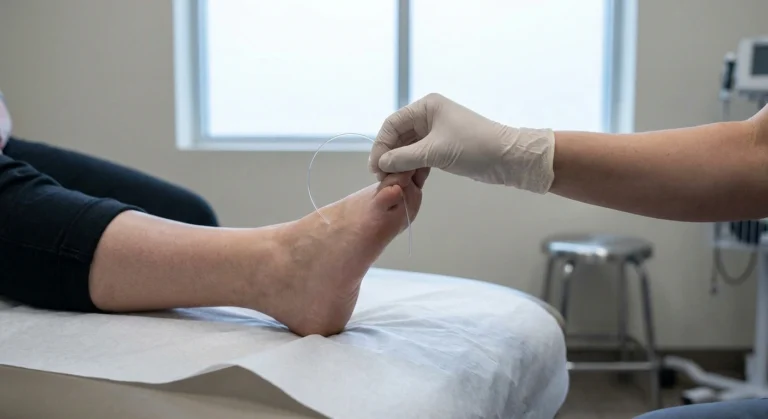
When I first started researching sarcoidosis and its connection to nerve damage, I was struck by how often this link gets overlooked—even by doctors. Most people with sarcoidosis understand that it can affect their lungs, skin, and eyes. What many don’t realize is that when this inflammatory condition turns its attention to the nervous system, the resulting nerve damage can be just as debilitating as any other sarcoidosis complication—and in some ways, even harder to treat.
If you have sarcoidosis and have been experiencing tingling, numbness, weakness, or burning sensations, you’re not imagining things. Neuropathy affects a meaningful portion of sarcoidosis patients, and understanding exactly what’s happening inside your body is the first step toward getting appropriate care.
What Is Sarcoidosis and Why Does It Attack Nerves?
Sarcoidosis is a systemic inflammatory disease in which the immune system forms tiny clusters of inflammatory cells called granulomas. Think of granulomas as the body’s attempt to wall off something it mistakenly identifies as a threat. Under normal circumstances, this response helps fight infection. In sarcoidosis, these granulomas form for reasons that aren’t fully understood—and they can develop in virtually any organ in the body.
Key Takeaway
Sarcoidosis can damage nerves through two distinct mechanisms: granulomas physically compressing or cutting off blood supply to nerve fibers, and an antibody-mediated process targeting small fiber nerves. These two types require completely different treatment approaches — which is why correctly identifying which type you have matters so much.
The lungs are the most commonly affected organ, with about 90% of people with sarcoidosis having pulmonary involvement. But granulomas can also form in the skin, eyes, heart, liver, and, critically, the nervous system.
When sarcoidosis affects the nervous system—a condition called neurosarcoidosis—granulomas infiltrate nerve tissue and cause damage through two main mechanisms:
- Direct compression: Granulomas press on or invade nerve fibers, physically disrupting their ability to carry electrical signals
- Ischemia: Granulomas can occlude the tiny blood vessels that supply nerves, cutting off oxygen and nutrients the nerves need to function
In some patients, nerve damage in sarcoidosis may not come from granulomas at all, but from an antibody-mediated process that targets the small nerve fibers just beneath the skin. This is called sarcoidosis-associated small fiber neuropathy, and it behaves quite differently from granulomatous nerve involvement—a distinction with major treatment implications that we’ll return to later.
How Common Is Neuropathy in Sarcoidosis?
The statistics are worth knowing, because sarcoidosis-related neuropathy is more prevalent than most doctors and patients assume.
5–10%
of sarcoidosis patients develop neurosarcoidosis
40%+
have small fiber neuropathy when specifically tested
71%
respond favorably to corticosteroid treatment
Overall, neurosarcoidosis affects approximately 5–10% of people with systemic sarcoidosis. The global prevalence of neurosarcoidosis is less than 4 per 100,000 people, placing it in the category of rare neurological conditions. Only about 1% of sarcoidosis patients experience neurological involvement as their first or only symptom, which is part of why it can be missed when patients don’t have an established sarcoidosis diagnosis.
But here’s the number that really stands out from recent research: small fiber neuropathy (SFN) has been identified in more than 40% of systemic sarcoidosis patients when specifically tested for. This is far higher than the clinical neurosarcoidosis statistics suggest and indicates that nerve involvement may be significantly underdiagnosed in this population.
Sarcoidosis overall is more common than many realize, affecting roughly 10–35 per 100,000 people in the United States, with significantly higher rates among people of African descent (about 35.5 per 100,000 compared to 10.9 per 100,000 in Caucasians). The condition typically manifests in adults aged 25–50.
Types of Neuropathy Caused by Sarcoidosis
Sarcoidosis doesn’t cause just one type of neuropathy. Understanding which type you have matters enormously because the underlying mechanism, symptoms, and treatment approach differ significantly between them.
⚠ Important Clinical Point
Standard NCS/EMG tests cannot detect small fiber neuropathy. If your nerve conduction study comes back normal but you still have significant burning, tingling, or pain, this does NOT rule out neuropathy. Ask your doctor specifically about a skin punch biopsy to test for small fiber involvement — it’s the only reliable way to confirm SFN.
Cranial Neuropathy: The Most Common Neurological Manifestation
The most frequent neurological complication of sarcoidosis is cranial neuropathy—damage affecting the nerves of the head and face. The facial nerve (cranial nerve VII) is most commonly involved, and facial nerve palsy occurs in approximately 15–20% of neurosarcoidosis cases.
Sarcoid-related facial nerve palsy can look a lot like Bell’s palsy: sudden weakness or paralysis on one side of the face, difficulty closing the eye completely, drooping at the corner of the mouth, or changes in taste. The encouraging news is that this form typically responds well to treatment—most patients show significant improvement within 4–6 weeks of starting corticosteroids.
Other cranial nerves can also be affected, including the optic nerve (causing vision disturbances or loss), the auditory and vestibular nerve (causing hearing loss or balance problems), and nerves controlling eye movement.
Large Fiber Peripheral Neuropathy
When granulomas affect the larger peripheral nerves throughout the body, damage typically presents in one of two patterns:
- Symmetric polyneuropathy: Sensory loss, tingling, and weakness affecting both sides of the body, often starting in the feet and working upward—similar in appearance to diabetic neuropathy
- Mononeuritis multiplex: An asymmetric pattern where individual nerves in different locations are affected in a scattered, non-length-dependent way, often with more abrupt onset
Large fiber neuropathy can cause significant motor weakness in addition to sensory symptoms, making walking and daily activities more challenging. Unlike small fiber neuropathy, large fiber damage will appear on standard nerve conduction studies.
Small Fiber Neuropathy (SFN): The Hidden Epidemic in Sarcoidosis
This is perhaps the most distinctive and clinically challenging form of sarcoidosis-related nerve damage. Small fiber neuropathy selectively affects the tiniest nerve fibers—the Aδ and C fibers that carry pain signals and regulate autonomic functions like blood pressure, heart rate, and digestion.
What makes sarcoid-associated SFN particularly different from other neuropathies is its distribution: rather than starting in the feet as length-dependent neuropathies do, sarcoid SFN often causes pain and dysesthesias in non-typical locations including the face, trunk, and arms. It can also produce prominent autonomic symptoms, including dizziness upon standing, abnormal sweating, and gastrointestinal dysfunction consistent with autonomic neuropathy.
Pain is a hallmark feature—present in approximately 98% of sarcoidosis SFN patients. This can manifest as burning, stabbing, electric shock-like sensations, or extreme sensitivity to touch where even light contact feels painful.
A critical diagnostic point: standard nerve conduction studies and EMG are typically normal in SFN because these tests only measure large fiber function. Specialized testing—specifically skin punch biopsy to count intraepidermal nerve fiber density—is required to confirm the diagnosis.
Recognizing the Symptoms: What to Tell Your Doctor

Sarcoidosis-related neuropathy can produce a wide range of symptoms depending on which nerves and nerve types are involved. Many of these symptoms are also caused by other conditions, which is why clearly communicating your complete symptom picture to your medical team is essential.
Sensory symptoms (most common in all types):
- Tingling or pins-and-needles sensations in hands, feet, or face
- Numbness that may feel like wearing an invisible glove or sock
- Burning pain, often more noticeable at night
- Electric shock-like or stabbing sensations
- Extreme sensitivity to touch (allodynia), where light contact causes pain
Motor symptoms (more common with large fiber or cranial involvement):
- Weakness in hands, arms, legs, or feet
- Foot drop or difficulty lifting the foot when walking
- Facial weakness, drooping, or difficulty closing the eye
- Difficulty with fine motor tasks like buttoning clothing or writing
Autonomic symptoms (more common with SFN):
- Dizziness or lightheadedness when standing up quickly
- Irregular heart rate or palpitations
- Excessive sweating or inability to sweat normally
- Digestive problems—early fullness, gastroparesis, alternating constipation and diarrhea
- Bladder urgency or difficulty emptying the bladder fully
If you have sarcoidosis and are experiencing any of these symptoms, it’s important to bring them to your doctor’s attention specifically. Without a clear index of suspicion for neurosarcoidosis, the connection can easily be missed or attributed to other causes.
How Sarcoidosis Neuropathy Is Diagnosed

Diagnosing neuropathy in sarcoidosis patients requires a combination of clinical assessment and specialized testing. The neuropathy diagnosis process for sarcoidosis patients tends to be more involved than for common causes like diabetes, because the condition is rarer and requires excluding other explanations.
📊 Research Says
A 2025 paradigm shift in sarcoidosis management officially recognized sarcoidosis-associated small fiber neuropathy as a distinct entity unresponsive to corticosteroids — the mainstay of standard sarcoidosis treatment. Research shows that only one-third of neurosarcoidosis patients remain symptom-free after treatment, highlighting the urgent need for targeted approaches beyond immunosuppression alone.
Nerve Conduction Study and EMG
These tests measure how well large nerve fibers transmit electrical signals and how muscles respond to nerve stimulation. They’re valuable for detecting large fiber neuropathy and mononeuritis multiplex—but critically, they will not detect small fiber neuropathy. If your NCS/EMG comes back normal but you’re still experiencing significant symptoms, ask explicitly about SFN testing.
MRI of Brain and Spinal Cord
MRI can reveal granulomatous lesions in the nervous system, meningeal enhancement suggesting leptomeningeal involvement, or changes in specific cranial nerves. These findings strongly support a neurosarcoidosis diagnosis when present, though a normal MRI doesn’t rule out peripheral or small fiber involvement.
Lumbar Puncture
Analysis of cerebrospinal fluid can show abnormalities consistent with neurosarcoidosis, including elevated protein levels, increased white blood cell counts, and sometimes elevated angiotensin-converting enzyme (ACE). Abnormal findings support the diagnosis but are not specific to sarcoidosis.
Skin Punch Biopsy for Small Fiber Neuropathy
For suspected SFN, a tiny 3mm skin sample is taken from the lower leg and examined to count the density of intraepidermal nerve fibers. Reduced density compared to age-matched norms confirms SFN—even when nerve conduction studies are completely normal. This test is painless, leaves a tiny scar, and is the only reliable way to diagnose SFN definitively.
Nerve or Muscle Biopsy
The most definitive evidence for granulomatous neuropathy is biopsy tissue showing noncaseating granulomas—the histological hallmark of sarcoidosis. However, biopsy is invasive and reserved for cases where the diagnosis remains uncertain despite other testing, or where tissue diagnosis is needed to justify aggressive treatment.
Treatment: What Works and What Doesn’t—A Critical Distinction

Treatment of sarcoidosis neuropathy is one area where understanding the specific type of nerve damage you have is not just academically interesting—it’s clinically essential. The two main subtypes require fundamentally different approaches.
Treatment Approach by Type
Granulomatous Neuropathy
Corticosteroids (prednisone) → steroid-sparing agents (methotrexate, azathioprine) → TNF-α antagonists (infliximab) for refractory cases
Small Fiber Neuropathy
Corticosteroids do NOT work → targeted neuropathic pain medications (gabapentin, duloxetine, TCAs) + pain specialist referral
Cranial Neuropathy (Facial Palsy)
Corticosteroids → typically improves within 4–6 weeks (best prognosis of all sarcoidosis neuropathy types)
For Granulomatous Neuropathy: Corticosteroids and Immunosuppression
When granulomas are directly causing nerve damage, suppressing the granulomatous inflammation is the therapeutic goal. Oral prednisone remains the foundation of treatment, often starting at moderate to high doses with gradual tapering over many months.
For severe or treatment-resistant cases, intravenous methylprednisolone pulse therapy (typically 1 gram per week for 8 weeks) can achieve more rapid suppression of aggressive disease.
About 71% of patients show favorable response to corticosteroids, though long-term outcomes are more guarded—only 14% remain relapse-free at 10 years. Most patients require ongoing treatment strategies to manage the chronic, relapsing nature of sarcoidosis.
Because long-term high-dose corticosteroids carry significant side effects, doctors often add steroid-sparing immunosuppressants including:
- Methotrexate: The most commonly used steroid-sparing agent
- Azathioprine: An alternative for patients who don’t tolerate methotrexate
- Mycophenolate mofetil: Sometimes used for more aggressive disease
For patients with granulomatous neuropathy that doesn’t respond adequately to corticosteroids and conventional immunosuppressants, TNF-α antagonists—particularly infliximab—have shown promise in refractory cases. In select situations, IVIG treatment may also be considered, particularly when antibody-mediated mechanisms are suspected to be contributing.
The Critical Point: Standard Treatments Don’t Work for Sarcoidosis-Associated SFN
Here is the most important recent development in this field, validated in a 2025 paradigm shift recognized in the literature: sarcoidosis-associated small fiber neuropathy does not respond to corticosteroids or standard anti-sarcoidosis treatments.
Why? Because SFN in sarcoidosis appears to be driven by a different mechanism—likely antibody-mediated injury to small nerve fibers—rather than direct granulomatous infiltration. Suppressing granuloma formation with prednisone doesn’t address the underlying process causing the SFN, which is why many sarcoidosis patients continue to experience significant neuropathic pain even when their systemic disease seems well-controlled.
This has major clinical implications: if you have sarcoidosis and significant neuropathy pain that isn’t responding to your immunosuppressive treatment, your neuropathy may be SFN-type, and you may need additional targeted therapies for nerve pain management—the same approaches used for other forms of painful neuropathy.
Symptomatic Pain Management
Regardless of the underlying mechanism, controlling neuropathic pain is an essential component of care. Medications commonly used for neuropathic pain in this context include:
- Gabapentin or pregabalin: Often the first choice for neuropathic pain regardless of underlying cause. Gabapentin is frequently used and generally well-tolerated
- Duloxetine or venlafaxine: SNRI-class medications with good evidence for neuropathic pain and the added benefit of addressing mood-related impacts of chronic pain
- Tricyclic antidepressants: Amitriptyline and nortriptyline are effective but carry more side effects in older patients
- Topical therapies: Lidocaine patches or capsaicin cream for localized areas of pain, with the advantage of minimal systemic side effects
Prognosis: Long-Term Outlook for Sarcoidosis Neuropathy

The long-term outlook for sarcoidosis neuropathy varies substantially based on the type and severity of nerve involvement, the speed of diagnosis, and the response to treatment.
- Cranial neuropathy (especially facial palsy): Generally the best prognosis—most patients recover significant facial function within 4–6 weeks of starting corticosteroids
- Granulomatous polyneuropathy: Can improve with treatment, but tends to follow a chronic, relapsing course; complete remission is possible but uncommon
- Small fiber neuropathy: The most challenging to treat; pain management rather than cure is often the realistic goal given poor response to standard anti-sarcoidosis therapies
A population-based study of neurosarcoidosis patients found 89% 10-year survival—a reassuring figure. However, functional disability can be substantial even in survivors, particularly when nerve damage is severe or long-standing before diagnosis.
Factors associated with worse prognosis include older age at onset, higher baseline neurological disability, seizure activity, and involvement of multiple neurological systems simultaneously. Earlier diagnosis and treatment consistently correlate with better outcomes, underscoring the importance of evaluating neuropathy symptoms promptly in any sarcoidosis patient.
Understanding whether neuropathy can be reversed is a question many patients ask, and the answer for sarcoidosis-related damage depends significantly on the type of involvement, duration of injury, and treatment response. Early intervention gives the best chance of meaningful recovery.
Sarcoidosis Neuropathy in Context: The Autoimmune Nerve Disease Landscape
Sarcoidosis is one of several inflammatory conditions that can attack the peripheral nervous system. Others include lupus, vasculitis, Sjögren’s syndrome, and rheumatoid arthritis—all sharing the theme of immune dysregulation causing tissue damage, including nerve damage.
Understanding how sarcoidosis neuropathy fits into this broader landscape can be helpful. Lupus-related neuropathy and vasculitic neuropathy share some features—including asymmetric patterns and the need for immunosuppression—while differing in mechanism and treatment protocols. Multiple myeloma neuropathy also presents some overlapping features as another rare inflammatory nerve disorder.
What these conditions share: all benefit from early diagnosis, appropriate immunosuppressive management, and careful attention to neuropathic pain as a distinct symptom requiring its own treatment strategy—not just a symptom that automatically resolves when the underlying disease is controlled.
Living Day to Day with Sarcoidosis Neuropathy

A diagnosis of neurosarcoidosis—on top of already navigating sarcoidosis—can feel genuinely overwhelming. But there are practical approaches that help many people maintain meaningful quality of life.
Bottom Line
If you have sarcoidosis and neuropathy symptoms, ask your neurologist specifically whether you have granulomatous neuropathy, small fiber neuropathy, or both — because these types require completely different treatment strategies. Pain that isn’t responding to your sarcoidosis treatment may be SFN-type and needs its own dedicated management plan.
Build a coordinated specialist team. Neurosarcoidosis is complex enough that most patients benefit from coordinated care between their pulmonologist or rheumatologist (managing the sarcoidosis) and a neurologist comfortable with neuromuscular disease. Don’t assume one specialist will address everything.
Track symptoms systematically. Keeping a detailed record of when symptoms started, how they’ve evolved, and how they respond to treatment changes helps your doctors make better decisions. Note whether pain is improving, stable, or worsening—this information directly informs treatment adjustments.
Ask explicitly about small fiber neuropathy testing. Given that SFN is now recognized as far more common in sarcoidosis than previously understood—and requires different treatment—make sure your evaluation specifically includes this possibility. If your NCS/EMG is normal but you’re still in pain, push for a skin biopsy.
Address pain management proactively. Neuropathic pain from sarcoidosis doesn’t have to be accepted as an inevitable consequence. Effective medications exist, and working with a pain specialist or neurologist who can tailor a specific pain management strategy can meaningfully improve daily functioning.
Protect yourself from autonomic-related risks. If you have autonomic neuropathy features, practical adaptations help—staying well hydrated, rising slowly from seated or lying positions, avoiding prolonged standing in heat, and wearing compression stockings if orthostatic symptoms are prominent.
Sarcoidosis neuropathy is genuinely challenging, but it is also genuinely treatable—especially when the specific type of nerve involvement is correctly identified and matched to the right treatment approach. The science in this field is advancing rapidly, and the increasing recognition of SFN as a distinct and common sarcoidosis complication has opened new therapeutic possibilities that offer real hope to people who previously had nowhere to turn.
Frequently Asked Questions
What percentage of sarcoidosis patients develop neuropathy?
About 5-10% of sarcoidosis patients develop neurosarcoidosis with clinically apparent nerve damage. However, recent research suggests small fiber neuropathy may be present in over 40% of systemic sarcoidosis patients when specifically tested for, indicating nerve involvement is significantly underdiagnosed.
What is the difference between neurosarcoidosis and sarcoidosis-associated small fiber neuropathy?
Neurosarcoidosis typically refers to granulomatous infiltration of the nervous system, causing damage through direct nerve compression and ischemia. Sarcoidosis-associated SFN involves damage to tiny pain-sensing nerve fibers, likely through an antibody-mediated mechanism rather than granulomas. This distinction is clinically critical because SFN does not respond to the corticosteroids used to treat classic granulomatous neurosarcoidosis.
Can sarcoidosis neuropathy be cured?
Complete cure is uncommon. About 71% of patients respond favorably to corticosteroids, but only 14% remain relapse-free at 10 years. Cranial nerve palsy, especially facial nerve, has the best recovery prospects. For most patients, the goal is long-term disease management and symptom control rather than complete resolution.
Why won’t my neuropathy pain improve even though my sarcoidosis is being treated?
If you have sarcoidosis-associated small fiber neuropathy, standard anti-sarcoidosis treatments including corticosteroids may not address your neuropathic pain—because SFN in sarcoidosis operates through a different mechanism than granulomatous nerve damage. Talk to your doctor about targeted neuropathic pain management alongside your sarcoidosis treatment.
What tests are used to diagnose neuropathy in sarcoidosis patients?
Diagnosis typically requires nerve conduction studies and EMG for large fiber damage, MRI of the brain and spinal cord, lumbar puncture, and sometimes skin punch biopsy for small fiber neuropathy confirmation or nerve biopsy. Standard NCS/EMG will miss small fiber neuropathy—specifically request skin biopsy if large fiber testing is normal but significant symptoms persist.
Is sarcoidosis neuropathy an autoimmune condition?
Sarcoidosis itself is an inflammatory condition driven by an abnormal immune response, though it is not classified as a classic autoimmune disease in the same way as lupus or rheumatoid arthritis. The nerve damage can result from granulomatous inflammation and, in the case of SFN, from possibly antibody-mediated mechanisms that more closely resemble autoimmune processes.
How does sarcoidosis neuropathy compare to diabetic neuropathy in terms of symptoms?
Both can cause tingling, burning, and numbness, but there are key differences. Diabetic neuropathy typically follows a length-dependent pattern starting in the feet. Sarcoidosis-associated SFN often causes pain in atypical locations including the face, trunk, and arms. Cranial nerve involvement and autonomic dysfunction are more characteristic of sarcoidosis than of typical diabetic neuropathy.
About the Author