Browse all our types and causes of neuropathy guides for more articles like this one.
I’ll never forget the first time someone in my neuropathy support group mentioned thyroid problems. She’d been dealing with tingling and numbness in her feet for over a year, had seen two neurologists, and the cause remained a mystery. Then a routine blood test revealed her thyroid was barely functioning. Within months of starting thyroid medication, her neuropathy symptoms began to improve. It was a connection nobody had thought to look for.
Thyroid disorders and peripheral neuropathy share a relationship that often flies under the radar — both for patients and sometimes for doctors. If you’re dealing with unexplained nerve symptoms, understanding this connection could be an important piece of your puzzle.
How Your Thyroid Affects Your Nervous System
Your thyroid is a small, butterfly-shaped gland at the base of your neck, and it punches well above its weight. The hormones it produces — primarily T3 (triiodothyronine) and T4 (thyroxine) — act on nearly every cell in your body, including nerve cells. These hormones regulate metabolism, energy production, and cellular repair processes that are critical for nerve health.
When thyroid hormone levels fall too low (hypothyroidism) or climb too high (hyperthyroidism), the ripple effects can reach your peripheral nerves. According to research, neuromuscular disorders may occur in as many as 20% to 60% of people with thyroid disorders. Neuropathy appears to be more commonly associated with hypothyroidism than hyperthyroidism, though both conditions can contribute to nerve damage.
of people with thyroid disorders may develop neuromuscular problems
Hypothyroidism and Neuropathy: The Most Common Connection
Hypothyroidism — an underactive thyroid — is the thyroid condition most frequently linked to peripheral neuropathy. The Mayo Clinic notes that long-term, untreated hypothyroidism can cause damage to peripheral nerves, though it acknowledges the condition is “a possible but not common cause” of peripheral neuropathy.
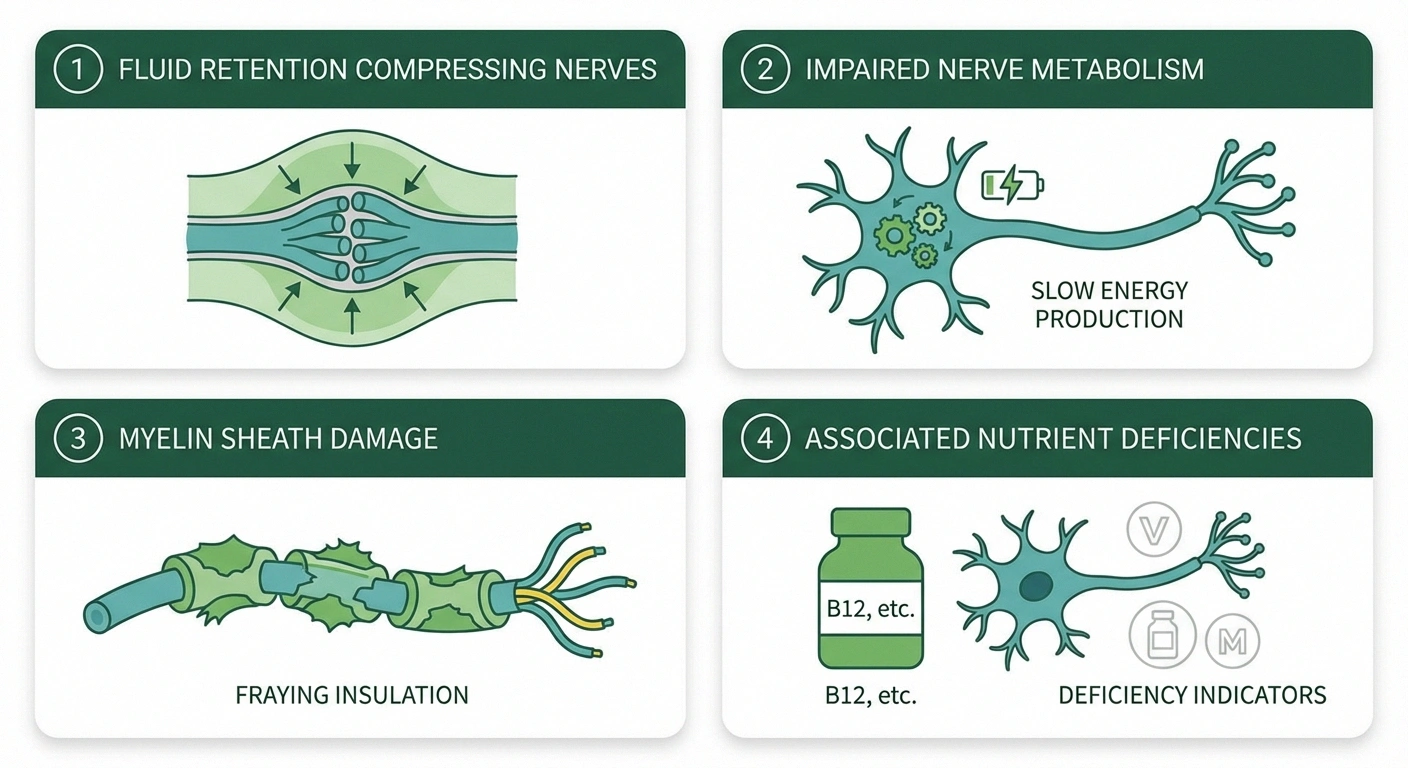
Several mechanisms explain how an underactive thyroid may harm your nerves:
Fluid Retention and Nerve Compression
Hypothyroidism commonly causes the body to retain fluid, leading to tissue swelling (known as myxedema). This swelling can put direct pressure on peripheral nerves, compressing them in the narrow passages where they travel through your body. The most well-known example is carpal tunnel syndrome — the median nerve in the wrist gets squeezed by swollen surrounding tissues, causing pain, numbness, and tingling in the hand. But this compression can happen elsewhere too, including the feet and ankles.
Impaired Nerve Metabolism
Thyroid hormones are essential for normal nerve cell metabolism. When levels are too low, nerve cells may not produce enough energy to maintain their structure and function. This metabolic slowdown can lead to gradual nerve degeneration, particularly in the longest nerves — those that run to your feet and hands.
Myelin Sheath Damage
Some research suggests that hypothyroidism may affect the myelin sheath — the protective insulation around nerve fibers that allows signals to travel quickly and efficiently. When myelin is damaged, nerve signals slow down or become disrupted, leading to symptoms like numbness, weakness, and impaired reflexes.
Associated Nutrient Deficiencies
People with hypothyroidism, particularly those with autoimmune thyroid disease (Hashimoto’s thyroiditis), are more likely to have other autoimmune conditions and nutrient absorption issues. Vitamin B12 deficiency is notably more common in people with thyroid disorders and is itself a well-established cause of peripheral neuropathy. This overlap means your neuropathy could stem from the thyroid problem directly, from an associated nutrient deficiency, or from both.
Symptoms: When Thyroid and Neuropathy Overlap
One of the challenges with thyroid-related neuropathy is that the symptoms of hypothyroidism and peripheral neuropathy can mimic each other, making it hard to know where one condition ends and the other begins:

Symptoms they share:
- Numbness and tingling in hands and feet
- Muscle weakness and cramping
- Fatigue and sluggishness
- Sensitivity to cold temperatures
- Slowed reflexes
- Difficulty with fine motor tasks
Neuropathy-specific symptoms to watch for:
- Burning or stabbing pain, especially in the feet
- Balance problems and increased risk of falls
- A feeling of wearing invisible gloves or socks
- Sharp, electric-shock sensations
- Symptoms that worsen at night
Hypothyroidism-specific symptoms:
- Unexplained weight gain
- Dry skin and hair
- Constipation
- Depression or mood changes
- Puffy face and swollen joints
- Elevated cholesterol levels
- Heavy or irregular menstrual periods
If you’re experiencing neuropathy symptoms alongside any of these hypothyroidism signs, it’s worth asking your doctor to check your thyroid function — even if you’ve never been diagnosed with a thyroid condition before.
Research Says
Both hypothyroidism and hyperthyroidism can cause symptoms that overlap with neuropathy — including numbness, tingling, weakness, and cold sensitivity. A comprehensive thyroid panel can help determine whether your thyroid is contributing to your nerve symptoms.
Subclinical Hypothyroidism: The Hidden Trigger
Here’s something that often surprises people: you don’t need to have full-blown hypothyroidism to develop thyroid-related neuropathy. Research has shown that even subclinical hypothyroidism — where thyroid hormone levels are still technically within the normal range but TSH (thyroid-stimulating hormone) is elevated — may contribute to nerve damage.
A study from Iran evaluating 154 patients found that the severity of neuropathy was higher in those with subclinical hypothyroidism compared to people with normal thyroid function. A separate case study of a 60-year-old woman with burning feet found that her sensory neuropathy was associated with subclinical hypothyroidism, and both conditions improved when thyroid treatment was initiated.
This is particularly relevant because subclinical hypothyroidism affects an estimated 4-10% of the general population and is even more common in older adults — the same demographic most affected by peripheral neuropathy. If your standard blood work comes back “normal” but your TSH is in the higher-normal range, it may be worth discussing further evaluation with your doctor.
Hyperthyroidism and Neuropathy: Less Common but Still Possible
While hypothyroidism gets most of the attention when it comes to thyroid-related neuropathy, hyperthyroidism (an overactive thyroid) can also affect peripheral nerves. The mechanisms are somewhat different:
- Hypermetabolic state: When thyroid hormone levels are too high, your body burns through energy at an accelerated rate. This hypermetabolic state may deplete nerve cells of essential nutrients, contributing to nerve dysfunction.
- Muscle involvement: Hyperthyroidism commonly causes muscle weakness, which can overlap with and complicate neuropathy symptoms.
- Graves’ ophthalmopathy: In people with Graves’ disease (the most common cause of hyperthyroidism), swelling around the eyes can compress the optic nerve, potentially leading to vision-threatening optic neuropathy.
However, neuropathy from hyperthyroidism is considered an uncommon complication. If you have an overactive thyroid and develop nerve symptoms, your doctor will likely want to investigate other potential causes as well.
Getting the Right Diagnosis
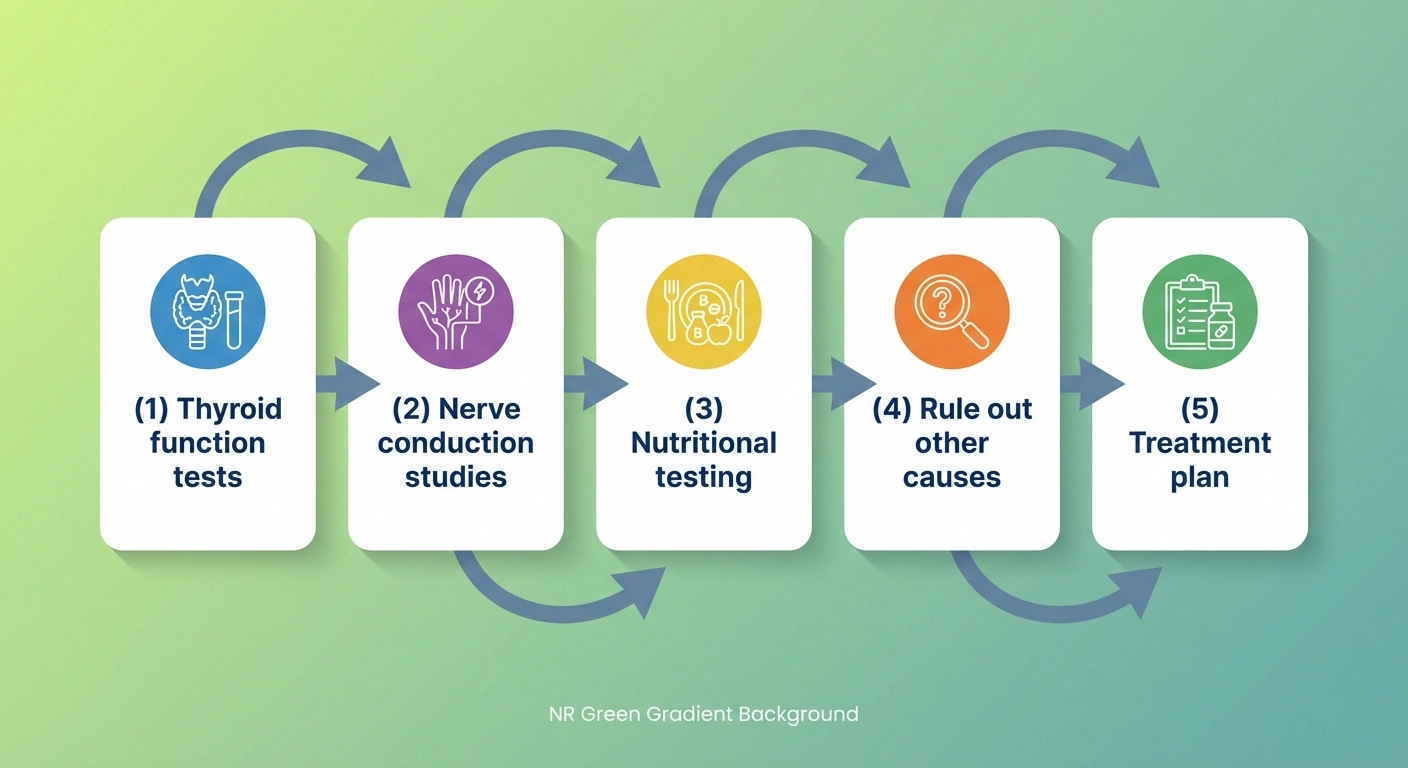
If you suspect a thyroid-neuropathy connection, the diagnostic process typically involves several steps:
Thyroid Function Tests
A comprehensive thyroid panel should include TSH, free T4, free T3, and thyroid antibodies (to check for autoimmune thyroid disease like Hashimoto’s). Don’t settle for just a TSH test — a full panel gives a much more complete picture of thyroid health.
Nerve Conduction Studies and EMG
These electrodiagnostic tests measure how well your nerves conduct electrical signals. Research published in the Annals of Indian Academy of Neurology emphasizes the importance of nerve conduction studies in both motor and sensory nerves of the upper and lower extremities to properly evaluate thyroid-related neuropathy.
Nutritional Testing
Because thyroid disorders often coexist with nutrient deficiencies that independently cause neuropathy, your doctor should check B12, folate, vitamin D, and iron levels. Addressing these deficiencies alongside thyroid treatment can significantly improve outcomes.
Ruling Out Other Causes
Since many people with thyroid problems also have other neuropathy risk factors (diabetes, autoimmune conditions, medication use), a thorough evaluation helps ensure you’re treating the right cause — or all the causes, if multiple are contributing.
Treatment: Addressing Both Conditions
The good news about thyroid-related neuropathy is that treating the underlying thyroid disorder often leads to improvement in nerve symptoms. Here’s what treatment typically looks like:
Thyroid Hormone Replacement
For hypothyroidism, levothyroxine (Synthroid, Unithroid) is the standard treatment. As your thyroid hormone levels normalize, fluid retention decreases, metabolism improves, and the conditions contributing to nerve damage begin to resolve. Improvement in neuropathy symptoms may take weeks to months as nerve tissue gradually recovers.
Managing Neuropathy Symptoms
While waiting for thyroid treatment to take effect, you may need additional support for nerve pain. Options include medications like gabapentin or duloxetine, topical treatments, and physical approaches like TENS therapy.
Carpal Tunnel Interventions
If hypothyroidism has caused carpal tunnel syndrome, wrist splints (especially at night) can help relieve pressure on the median nerve while thyroid treatment reduces the underlying swelling. The Mayo Clinic notes that this combination approach is often effective.
Nutritional Support
Address any concurrent nutrient deficiencies — B12 supplementation is particularly important for people with burning feet differential diagnosis disorders and neuropathy. alpha-lipoic acid for neuropathy and magnesium may also provide supportive benefits for nerve health.
Lifestyle Modifications
Regular exercise helps both thyroid function and nerve health by improving circulation and metabolism. A nerve-supportive diet rich in anti-inflammatory foods, omega-3 fatty acids, and adequate protein supports overall recovery. Maintaining a healthy weight reduces stress on both your endocrine system and your nerves.
Can Thyroid-Related Neuropathy Be Reversed?
This is one of the more hopeful aspects of thyroid-related neuropathy. Because the nerve damage is often caused by compression (from fluid retention) or metabolic dysfunction (from inadequate thyroid hormones) rather than structural nerve destruction, many people see significant improvement once thyroid levels are properly managed.

Case studies have documented meaningful recovery in both neuropathy symptoms and nerve conduction test results following thyroid treatment. However, the degree of recovery depends on several factors:
- Duration of untreated thyroid disease: The longer the thyroid problem went undiagnosed, the more time nerve damage had to accumulate
- Severity of the neuropathy: Mild to moderate cases tend to respond better than severe ones
- Contributing factors: If other neuropathy causes (diabetes, B12 deficiency) are also present, they need to be addressed simultaneously
- Consistency of treatment: Taking thyroid medication consistently and maintaining optimal hormone levels is essential for continued improvement
Learn more about the potential for nerve recovery in our article on whether neuropathy can be reversed.
The Autoimmune Connection: Hashimoto’s and Beyond
If your thyroid disorder is autoimmune in nature — as is the case with Hashimoto’s thyroiditis (the most common cause of hypothyroidism) or Graves’ disease — there’s an additional wrinkle to consider. Autoimmune conditions tend to cluster: people with one are more likely to develop others. This means you may be at increased risk for autoimmune-mediated neuropathies independent of your thyroid hormone levels.
If standard thyroid treatment isn’t fully resolving your neuropathy symptoms, your doctor may want to investigate whether an autoimmune process is directly attacking your nerves, separate from the thyroid’s influence. This is another reason why thorough diagnostic testing matters.
Frequently Asked Questions
Can thyroid problems cause tingling in hands and feet?
Yes, both hypothyroidism and hyperthyroidism have been linked to peripheral neuropathy, which can cause tingling, numbness, and pain in the hands and feet. Hypothyroidism is the more common culprit, and the tingling may result from fluid retention compressing nerves, metabolic changes affecting nerve function, or associated vitamin deficiencies.
How is thyroid-related neuropathy diagnosed?
Diagnosis typically involves a combination of thyroid function blood tests (TSH, free T4, free T3, thyroid antibodies), nerve conduction studies to confirm and characterize the neuropathy, and blood work to rule out other common causes like diabetes and vitamin deficiencies. The timeline of symptom onset relative to thyroid disease progression is also important.
Will treating my thyroid fix my neuropathy?
Many people experience significant improvement in neuropathy symptoms once their thyroid levels are properly managed with medication. However, recovery takes time — often weeks to months — and may not be complete, especially if the thyroid condition was undiagnosed for a long period. Addressing coexisting nutrient deficiencies can improve outcomes.
Can subclinical hypothyroidism cause neuropathy?
Research suggests yes. Studies have found that even mildly elevated TSH levels with technically normal thyroid hormone levels can be associated with increased severity of neuropathy. This is an important finding because subclinical hypothyroidism is quite common and not always treated aggressively.
Should I ask for thyroid testing if I have unexplained neuropathy?
Absolutely. Thyroid function testing should be part of a standard neuropathy workup. If your previous testing only included a basic TSH level, consider requesting a full thyroid panel including free T4, free T3, and thyroid antibodies. This is especially important if you also have symptoms like unexplained fatigue, weight changes, cold intolerance, or dry skin.
Is thyroid neuropathy the same as diabetic neuropathy?
They are different conditions with some overlapping symptoms. Diabetic neuropathy is caused by high blood sugar damaging nerves over time, while thyroid neuropathy relates to hormonal and metabolic disruptions from thyroid dysfunction. However, the two can coexist — diabetes and thyroid disorders frequently occur together, and both can independently cause peripheral neuropathy.
Key Takeaway
Thyroid-related neuropathy is one of the more treatable forms of nerve damage. Because the underlying cause (abnormal thyroid levels) can often be corrected with medication, many people see meaningful improvement in their neuropathy symptoms — especially when the thyroid problem is caught early.
Taking Action: What You Can Do Today
The thyroid-neuropathy connection is one of those areas where a little awareness can make a big difference. If you’re dealing with unexplained neuropathy symptoms, or if your neuropathy hasn’t responded as expected to treatment, thyroid dysfunction deserves a place on your list of things to investigate.
Start by talking to your healthcare provider about comprehensive thyroid testing. Keep track of all your symptoms — even the ones that seem unrelated to your nerves, like fatigue, weight changes, or cold sensitivity. And remember that subclinical thyroid problems can still affect your nerves, so don’t dismiss borderline test results too quickly.
The relationship between your thyroid and your nerves is just one example of how interconnected our bodies truly are. Understanding these connections doesn’t just help us find answers — it helps us advocate for the thorough, whole-person care that everyone with neuropathy deserves.
About the Author