
I’d been having a pretty good week. My feet felt almost normal — well, as normal as they get these days — and I was actually starting to think I’d turned some kind of corner. Then, out of nowhere on Thursday morning, it hit. That familiar burning, the tingling that crawls up from my toes, and a heaviness in my legs that made me want to cancel everything on my calendar.
If you live with peripheral neuropathy, you know exactly what I’m talking about. Those unpredictable stretches where your symptoms suddenly get worse — sometimes for hours, sometimes for days — even when you’ve been doing everything “right.”
In my support group, flare-ups are probably the single most frustrating thing people talk about. Not the baseline symptoms (though those are no picnic), but the unpredictability. The feeling that you can’t plan your life because you never know when your nerves are going to stage a rebellion.
After years of living with neuropathy and talking with hundreds of people who share this experience, I’ve learned that flare-ups aren’t as random as they seem. There are real, identifiable triggers — and once you know what they are, you can start taking steps to reduce how often they happen and how bad they get.
Browse all our neuropathy symptoms guides for more articles like this one.
What Exactly Is a Neuropathy Flare-Up?
A neuropathy flare-up is a temporary worsening of your existing nerve symptoms. It’s not the same as your neuropathy getting permanently worse — it’s more like your nerves being pushed past their already-compromised threshold by some internal or external factor.
During a flare-up, you might experience:
- Intensified burning, tingling, or “pins and needles” sensations
- Sharper or more frequent shooting pains
- Increased sensitivity where even light touch or bedsheets feel uncomfortable
- Deeper numbness than usual
- Worse balance and coordination
- More difficulty sleeping due to heightened symptoms
As Dr. Mary Vo, a neurologist at Houston Methodist who specializes in neuropathy, explains: “You don’t see as acute of flare-ups with neuropathy as with lupus or inflammatory arthritis, but there are certain times and conditions that can certainly make symptoms worse.” She notes that while a flare-up isn’t necessarily a sign that your neuropathy is progressing, it can greatly disrupt daily life.
How Long Do Neuropathy Flare-Ups Last?
This is the question I hear most often, and unfortunately there’s no single answer. Flare-ups vary enormously from person to person — and even from episode to episode in the same person.
Some people experience flare-ups that last just a few hours. Others deal with heightened symptoms for several days or even a couple of weeks. In my experience, most flare-ups in our support group fall somewhere in the 2-5 day range, though I’ve certainly had some that lasted longer.
What determines the duration often comes down to what triggered it. A flare-up caused by a single night of poor sleep might resolve in a day or two. One caused by a week of high blood sugar or an infection could linger much longer. The underlying cause of your neuropathy, your overall health, and how quickly you address the trigger all play a role.
Research Says
The duration and severity of neuropathy flare-ups depend on multiple factors including the underlying cause, overall health status, and how quickly the triggering factor is addressed. Chronic conditions like poorly managed diabetes tend to produce longer-lasting flare-ups than acute triggers like weather changes.
The 8 Most Common Neuropathy Flare-Up Triggers
Through my own experience and years of conversations with fellow neuropathy patients, I’ve identified the triggers that come up again and again. Your damaged nerves are already operating with a reduced margin — any additional stressor can push them over the edge into a full-blown flare-up.
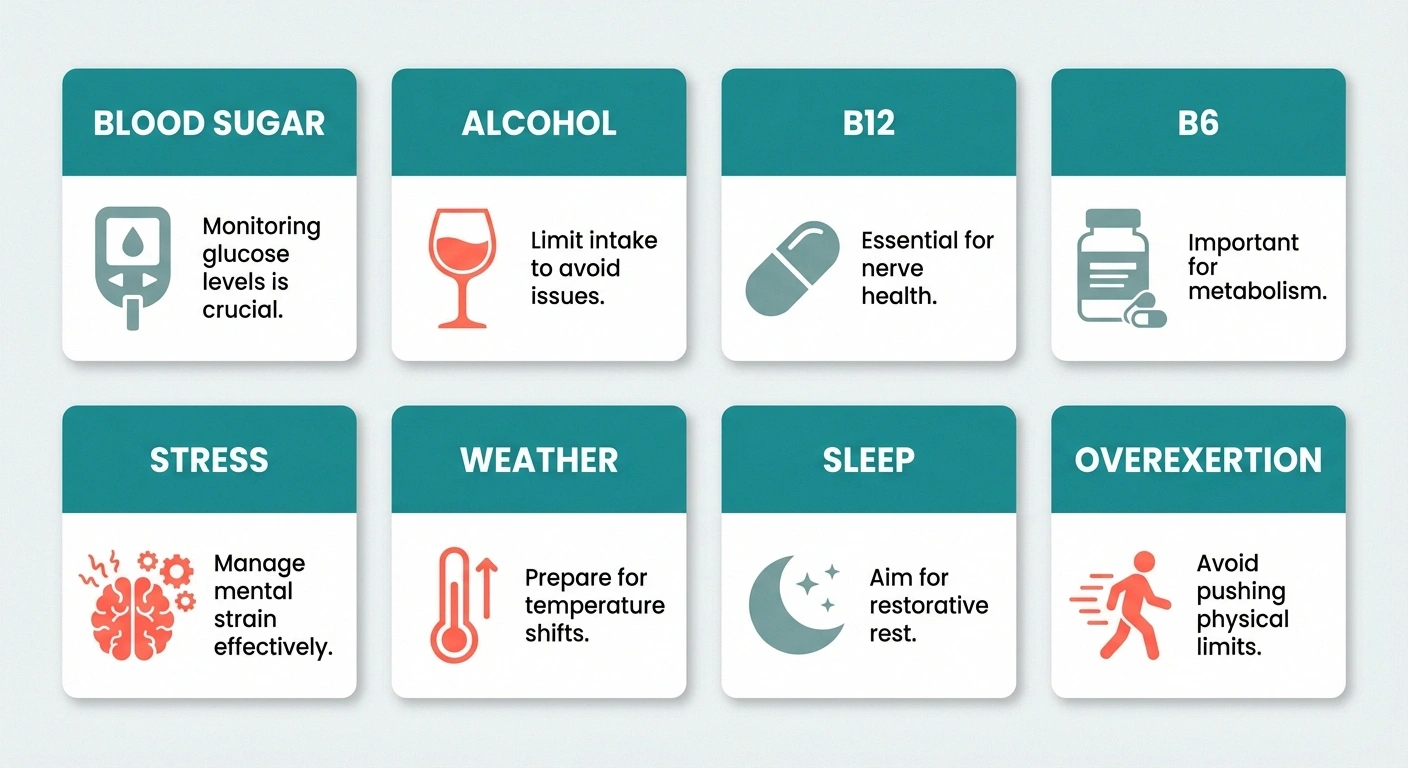
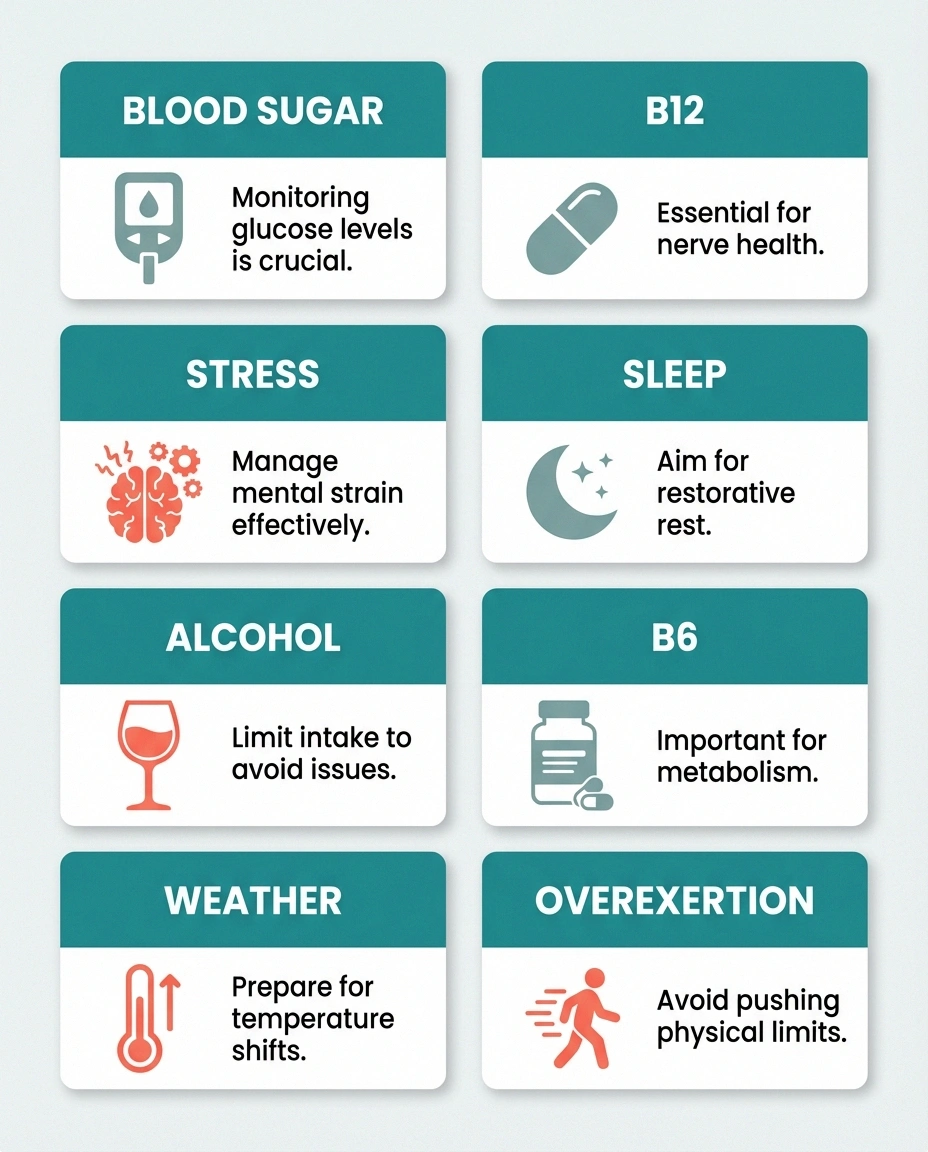
1. Poorly Controlled Blood Sugar
If you have nerve damage from diabetes, this is the single biggest trigger to watch. Blood sugar spikes — and sustained periods of elevated glucose — directly damage nerve fibers and intensify existing symptoms. Even people with prediabetes or metabolic syndrome can experience blood sugar-related flare-ups.
“One of the most common reasons for neuropathy to become aggravated is poor glycemic control,” says Dr. Vo. “Patients with either a long history of diabetes and those with very high hemoglobin A1c develop more severe, painful neuropathy.”
2. Alcohol Consumption
Alcohol is directly toxic to nerve tissue, and it also interferes with your body’s ability to absorb essential B vitamins — particularly B12 — that your nerves desperately need. Even moderate drinking can trigger a flare-up in someone with established neuropathy. If you have alcoholic neuropathy, even small amounts can set off symptoms. In our support group, several members have noticed that even a single glass of wine can bring on tingling within hours.
3. Vitamin B12 Deficiency
Your nerves need B12 to maintain the myelin sheath that protects and insulates them. When B12 levels drop — whether from diet, medication side effects (metformin and proton pump inhibitors are common culprits), or absorption problems — your nerves become more vulnerable, and flare-ups become more frequent. Getting your levels tested is straightforward, and addressing a deficiency can make a real difference. Read more about how vitamin deficiencies affect neuropathy.
4. The Vitamin B6 Trap
This one catches a lot of people off guard. While B6 deficiency can worsen neuropathy, taking too much B6 can actually cause it. Many over-the-counter “nerve support” supplements contain high doses of B6, and people unknowingly make their symptoms worse by taking them daily without monitoring their levels.
“This is important to understand because many of the supplements purported to treat neuropathy are full of vitamin B6, and people unknowingly make their neuropathy worse,” warns Dr. Vo. The safe upper limit for B6 is generally considered to be 100mg per day, but toxicity symptoms can appear at even lower doses in some individuals.
Important Warning
Before taking any “nerve support” supplement, check the B6 content. If you’re taking multiple supplements that each contain B6, the cumulative dose could be triggering your flare-ups. Ask your doctor to check your B6 levels — both deficiency and excess can worsen neuropathy.
5. Stress and Emotional Distress
This is the trigger that’s hardest to control and the one people often underestimate. Emotional stress, anxiety, and even periods of intense frustration can amplify pain signaling and lower your pain threshold. Your nervous system is already compromised — add the fight-or-flight response on top of that, and your nerves can go haywire.
I’ve noticed in my own experience that stressful weeks almost always coincide with worse neuropathy symptoms. It’s not in your head — stress genuinely amplifies nerve pain through well-documented neurological pathways. Managing your mental health isn’t just about emotional wellbeing; it directly affects your physical symptoms too.
6. Weather and heat-related neuropathy flare-ups
This is one of the most common complaints in our support group, especially during seasonal transitions. Cold weather, sudden drops in temperature, and high humidity can all affect how your nerves fire. Cold temperatures reduce blood flow to your extremities — exactly where most neuropathy symptoms concentrate — while barometric pressure changes may affect nerve sensitivity. If you’ve noticed your symptoms worsen in winter, you’re not imagining it.
7. Poor Sleep
This trigger creates an especially vicious cycle. Neuropathy symptoms often worsen at night, which disrupts your sleep. Poor sleep then lowers your pain threshold and increases inflammation, which makes your neuropathy worse, which disrupts your sleep even more. Breaking this cycle is one of the most important things you can do for flare-up management.
8. Physical Overexertion and Prolonged Pressure
Spending too long on your feet, sitting in one position for hours, or pushing too hard during exercise can all trigger flare-ups. Your damaged nerves don’t recover from physical stress as well as healthy nerves do. This doesn’t mean you should avoid activity — in fact, regular gentle exercise is one of the best things for neuropathy — but it does mean you need to pace yourself and listen to your body.
Common Flare-Up Triggers Checklist
Blood sugar running higher than usual
Recent alcohol consumption
Haven’t checked B12 or B6 levels recently
Under unusual emotional stress
Weather recently changed (cold snap or pressure drop)
Sleeping poorly or irregularly
Been on feet for prolonged periods without breaks
Started a new supplement without checking vitamin levels
How to Manage a Flare-Up When It Hits
Even when you know your triggers, flare-ups will still happen sometimes. Having a plan for when they do can make the difference between a miserable week and a manageable one.

Immediate Relief Strategies
Temperature therapy: Many people find that cool (not cold) compresses help with burning sensations, while warm compresses can ease deep aching. Experiment to see what works for your particular symptoms. A lukewarm foot soak can also provide temporary relief.
Gentle movement: It sounds counterintuitive when you’re in pain, but light walking or gentle stretching can actually help by improving circulation to your extremities. The key word is gentle — this isn’t the time for a vigorous workout.
Topical relief: Over-the-counter neuropathy creams containing capsaicin, lidocaine, or menthol can provide localized relief during flare-ups. Some people in our group keep a tube in their nightstand for those middle-of-the-night episodes.
Distraction and positioning: Elevating your feet, wearing loose clothing, and engaging in an absorbing activity can help take the edge off. I know it sounds simple, but sometimes putting on a good audiobook and propping up my feet on a pillow makes a real difference.
Breaking the Flare-Up Cycle
Identify the trigger: As soon as you notice a flare-up starting, go through the checklist above. Did anything change in the past 24-48 hours? Addressing the trigger early can shorten the flare-up significantly.
Prioritize sleep: During a flare-up, getting quality sleep becomes even more critical. Keep your bedroom cool, use comfortable bedding that doesn’t irritate your feet, and consider your doctor’s recommendations about sleep-supportive medications if nighttime symptoms are severe.
Manage your stress response: Deep breathing, gentle meditation, or even just stepping outside for fresh air can help calm your nervous system. Remember that pain and stress feed each other — breaking the stress side of that cycle can help the pain side too.
Your Flare-Up Action Plan
Identify the Trigger
Review what changed in the last 24-48 hours. Check blood sugar, sleep, stress, weather, diet, and any new supplements.
Apply Immediate Relief
Temperature therapy, topical creams, elevate feet, and gentle movement. Use whatever has worked for you before.
Protect Your Sleep
Stick to your sleep schedule. Cool room, comfortable bedding, and calming pre-bed routine. Poor sleep extends flare-ups.
Track and Learn
Note the trigger, severity, and what helped. Over time, patterns emerge that help you prevent future flare-ups.
Long-Term Strategies to Reduce Flare-Up Frequency
Managing individual flare-ups is important, but the real goal is to have fewer of them in the first place. These long-term strategies have made the biggest difference for me and the people in our support community.
Keep Blood Sugar Stable
If diabetes or prediabetes is part of your picture, tight glucose control is the single most impactful thing you can do. Even small, consistent improvements in your A1c can translate to fewer and less severe flare-ups. Work closely with your doctor on this — it’s worth the effort. A well-planned neuropathy-supportive diet can help significantly.
Exercise Regularly (But Wisely)
“One of the most important things you can do is exercise regularly and focus on balance exercises,” says Dr. Vo. She specifically recommends Pilates, yoga, and Tai Chi for their ability to strengthen your core, challenge your balance, and promote proper neuromuscular alignment.
Regular exercise improves circulation, reduces inflammation, and strengthens the muscles that support your compromised nerves. The key is consistency and moderation — gentle exercise done regularly will do far more than intense workouts done sporadically. Even daily walking can make a meaningful difference.
Build a Sleep Routine That Works
Go to bed and wake up at the same time every day — even on weekends. Keep your bedroom cool and dark. Develop a calming pre-sleep routine that doesn’t involve screens. If nighttime neuropathy pain is disrupting your sleep despite good sleep hygiene, talk to your doctor about additional options.
Track Your Triggers
One of the most powerful things you can do is keep a simple flare-up journal. Note when flare-ups happen, what you ate and drank in the preceding 24 hours, your stress level, sleep quality, weather conditions, and activity level. Within a few months, you’ll start seeing clear patterns that are unique to you.

You can use a notebook, a notes app on your phone, or one of the health-tracking apps that let you log symptoms and triggers. The method doesn’t matter — what matters is consistency.
Address Nutritional Gaps
Get your B12 and B6 levels tested regularly. If you’re deficient in B12, work with your doctor on supplementation — whether oral or via B12 injections. If you’re taking any supplements, review them with your doctor to make sure nothing is contributing to your symptoms rather than helping.
Choose Your Footwear Carefully
Dr. Vo recommends shoes with a wider toe box and good support, but warns against shoes with high midsole cushioning — these can actually be a trip hazard for someone with neuropathy who can’t feel where their feet are in space. You don’t need expensive orthopedic shoes; just smart choices. Our guide to the best shoes for neuropathy covers what to look for.
When to Call Your Doctor About a Flare-Up
While most flare-ups resolve on their own once the trigger is addressed, some situations warrant a call to your healthcare provider:
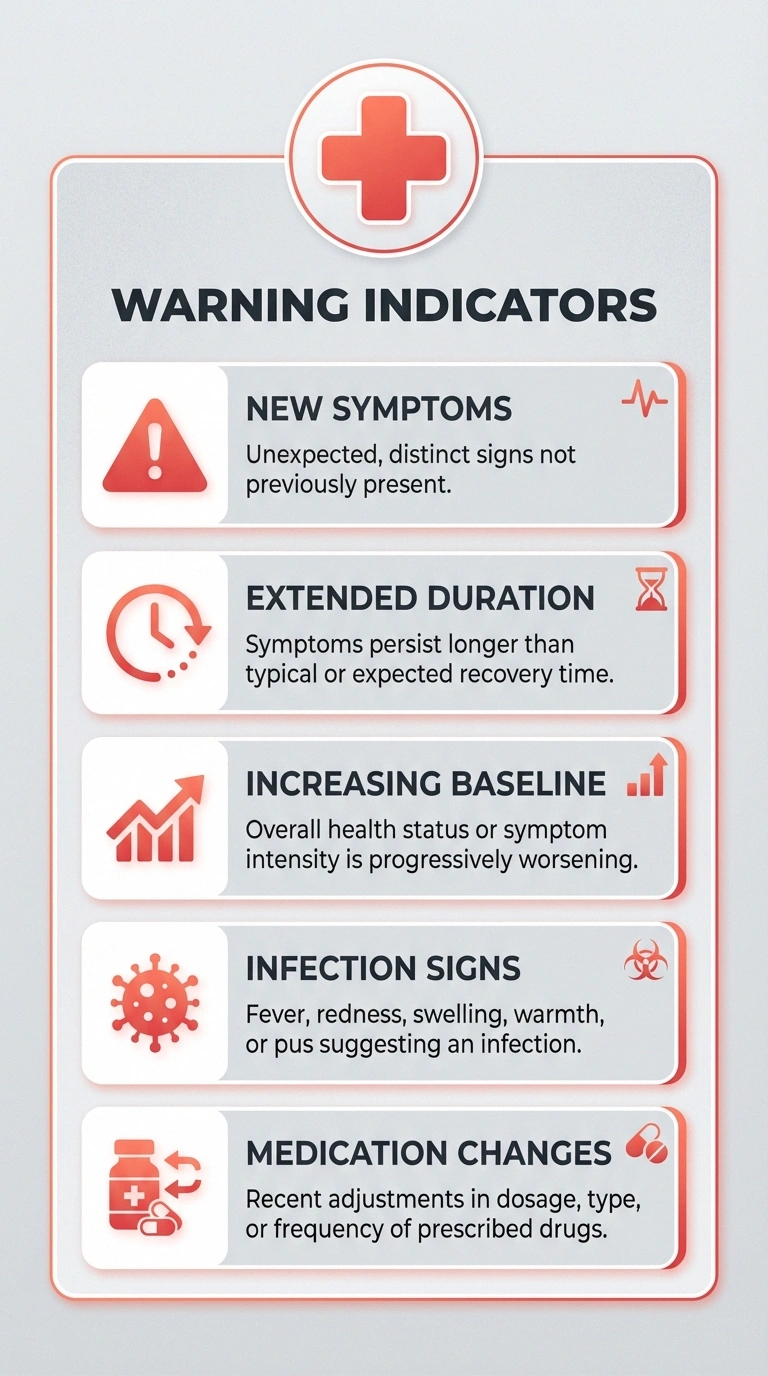
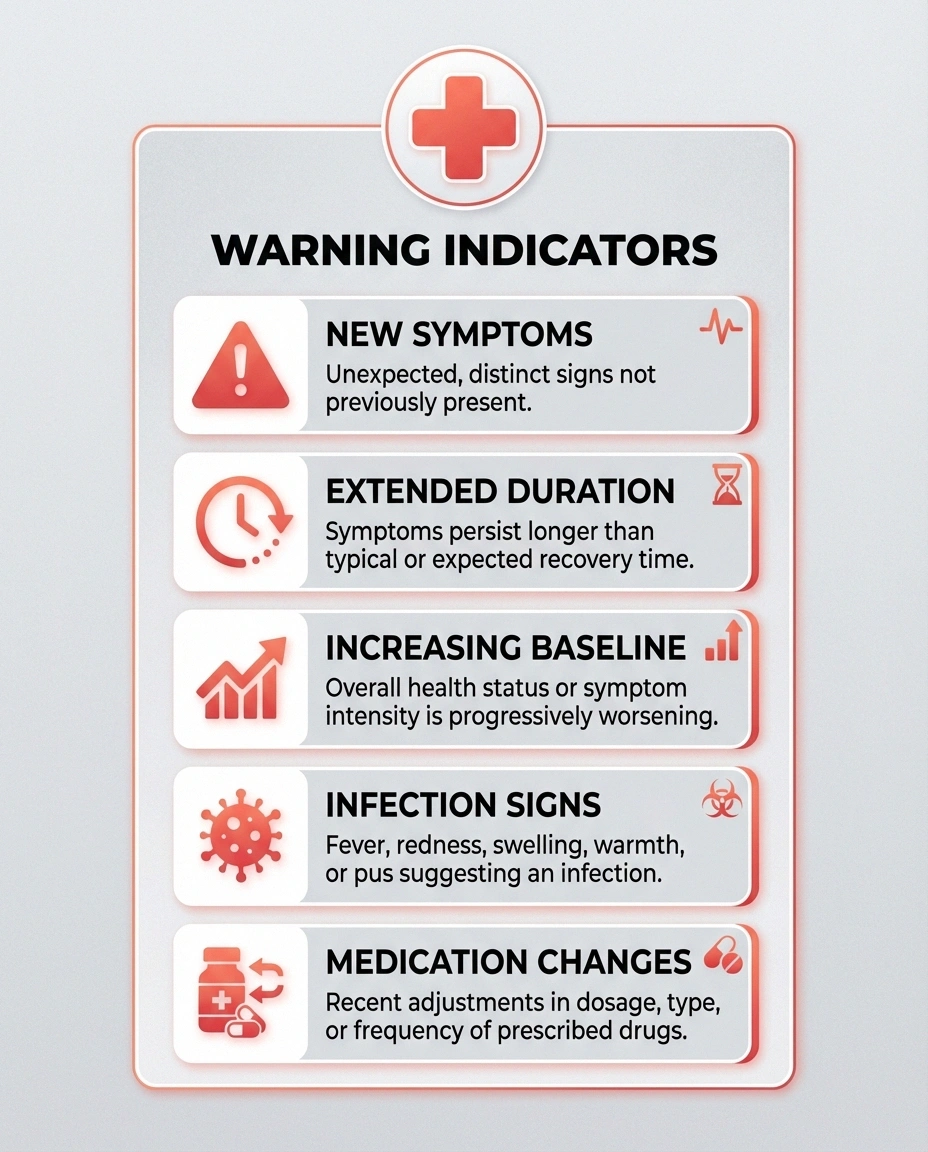
- New symptoms: If your flare-up includes symptoms you’ve never experienced before, like sudden weakness or loss of function
- Extended duration: If a flare-up lasts more than two weeks without improvement
- Increasing baseline: If each flare-up seems to leave you at a slightly worse baseline than before
- Infection signs: If you notice redness, swelling, or warmth that could indicate an infection — especially in your feet where sensation is reduced
- Medication changes: If a flare-up began shortly after starting or stopping a medication
Talk to Your Doctor
If your flare-ups are becoming more frequent or more severe over time, this could indicate that your underlying condition needs attention. Don’t wait — early intervention can make a significant difference in slowing neuropathy progression. A thorough diagnostic workup can help identify treatable causes.
Living Well Between Flare-Ups
Here’s something I wish someone had told me earlier: the time between flare-ups matters just as much as how you handle the flare-ups themselves. Every good day is an opportunity to build your resilience — to strengthen your body, manage your stress, optimize your nutrition, and put systems in place that reduce your vulnerability.
I won’t pretend that flare-ups stop being frustrating. After all these years, a bad one can still ruin my mood for a day. But the difference between now and those first overwhelmed years is that I understand what’s happening, I usually know why it’s happening, and I have a toolkit of strategies that actually help.
You’ll build that toolkit too. It takes some patience and some experimentation, but most people in our support group reach a point where flare-ups shift from being terrifying to being manageable. They’re still unwelcome visitors — but they’re visitors you know how to handle.
Frequently Asked Questions
The Bottom Line
Neuropathy flare-ups are one of the most challenging aspects of living with this condition, but they don’t have to control your life. By understanding your personal triggers, building a response plan, and investing in long-term prevention strategies, you can significantly reduce both the frequency and severity of your flare-ups.
Start with the basics — blood sugar management, good sleep hygiene, regular gentle exercise, and nutritional optimization. Track your symptoms and triggers so you can spot patterns. And most importantly, don’t try to power through alone. Talk to your doctor, connect with others who understand (support groups can be a lifeline), and give yourself grace on the tough days.
You’re not imagining it. Your pain is real, your frustration is valid, and with the right approach, better days are absolutely possible.
Key Takeaway
Neuropathy flare-ups have identifiable triggers — blood sugar spikes, alcohol, vitamin imbalances, stress, weather changes, poor sleep, and overexertion are the most common. Keeping a trigger journal, addressing issues early, and building consistent healthy habits are the most effective long-term strategies for reducing flare-up frequency.
About the Author