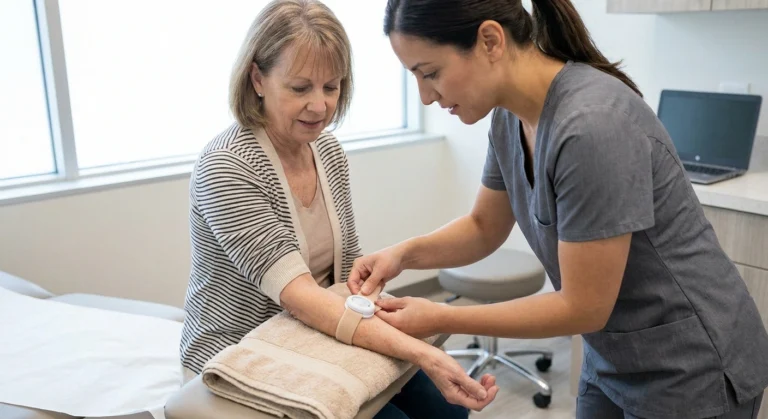
When Richard first came to our support group, he had two questions: why was his neuropathy getting worse despite controlling his diabetes, and why hadn’t anyone mentioned that his pack-a-day habit might be part of the problem? His doctor had talked about blood sugar. His endocrinologist had adjusted his medications. But nobody had directly connected his smoking to the numbness creeping up from his feet.
That conversation gap is more common than it should be. Smoking is an independent risk factor for peripheral neuropathy — meaning it damages nerves on its own, not just through its connection to diabetes or vascular disease. A 2015 systematic review and meta-analysis of 38 studies found that smoking was associated with a 42% increased risk of diabetic peripheral neuropathy. And for people who already have neuropathy risk factors, tobacco use acts as an accelerant, making nerve damage worse and faster.
This article covers exactly how tobacco damages your peripheral nerves, what the research shows about the relationship, and what happens to your nerves when you quit. If you’re a smoker with neuropathy — or at risk for it — understanding this connection could change your approach to treatment entirely.
How Smoking Damages Peripheral Nerves
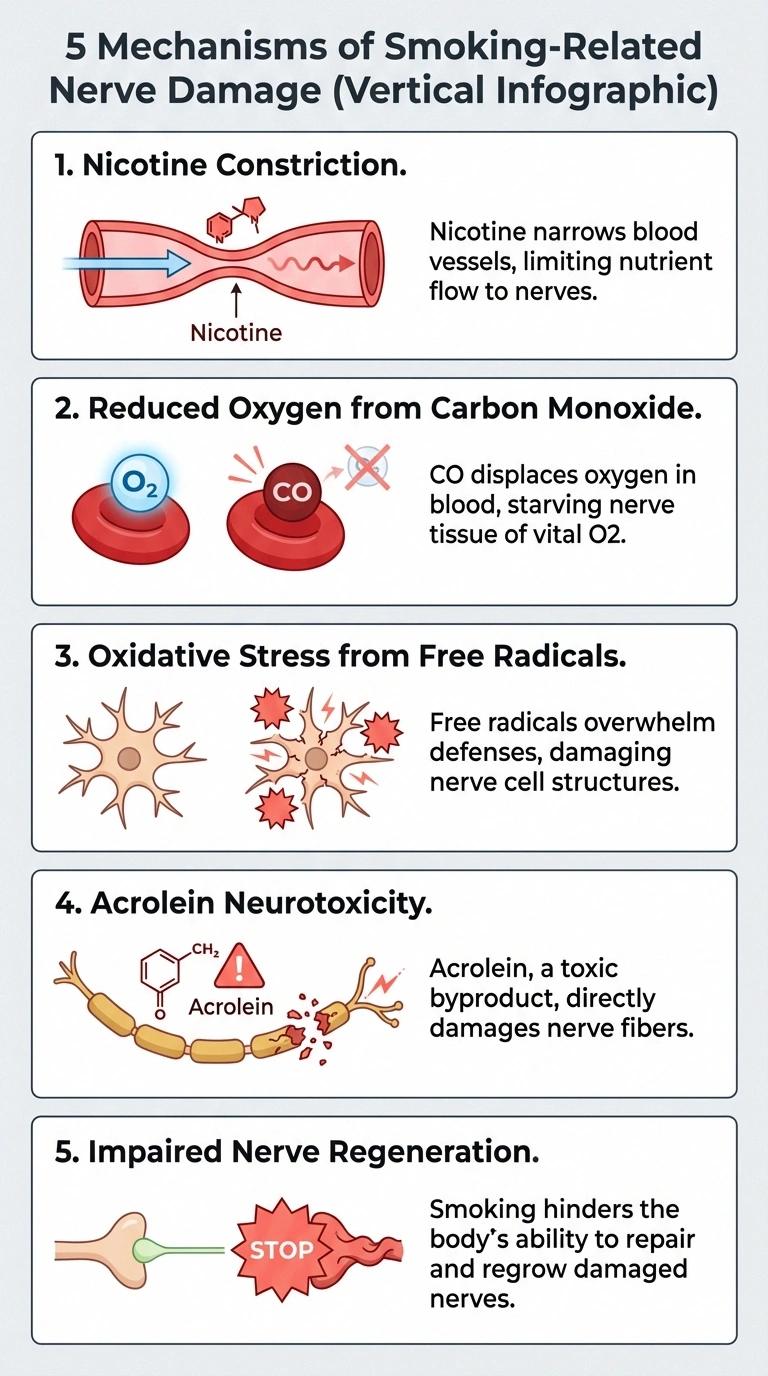
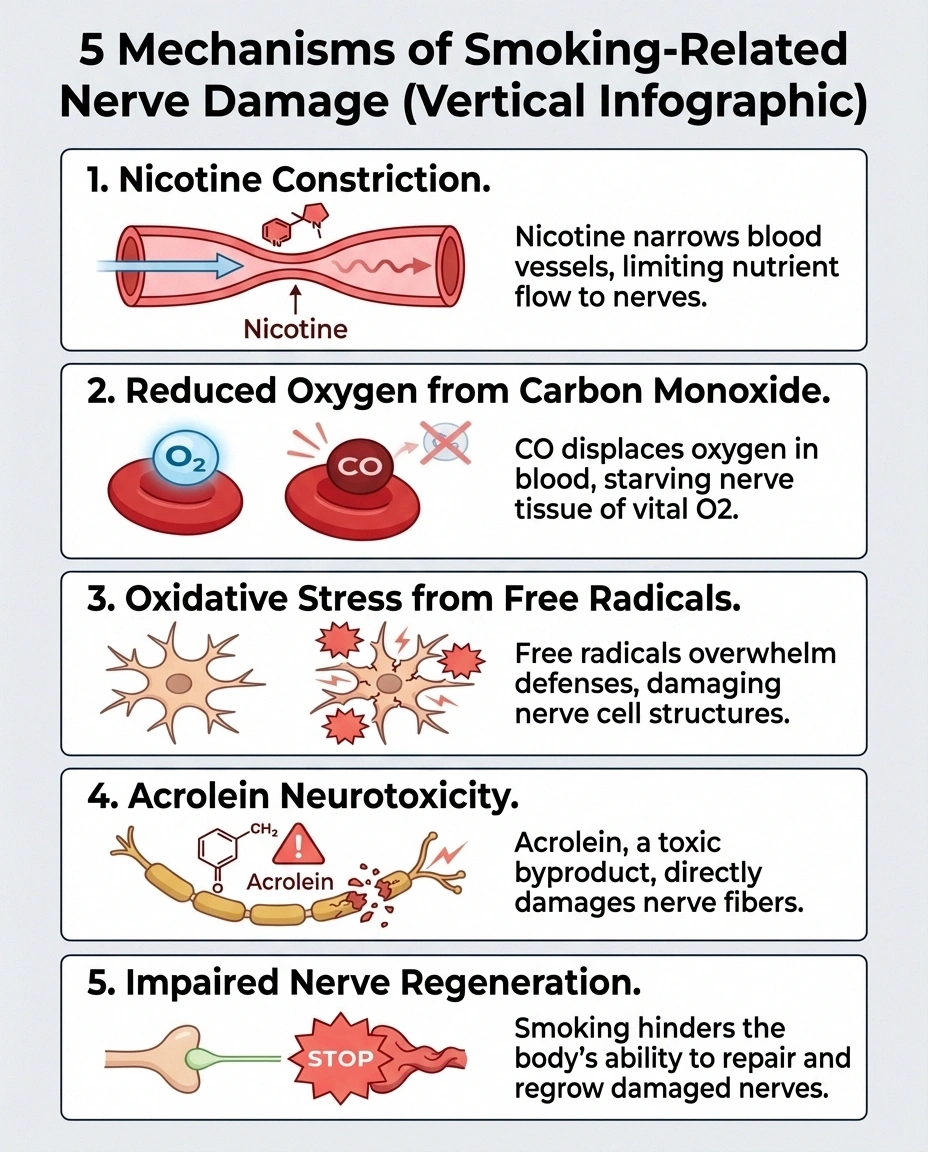
Tobacco smoke contains over 7,000 chemicals, and several of them attack your peripheral nervous system through distinct mechanisms. It’s not just one pathway — it’s a multi-front assault on nerve tissue.
Chemicals in cigarette smoke — several directly attack your nerves
Higher neuropathy risk in smokers with diabetes (meta-analysis of 38 studies)
Carbon monoxide binds to hemoglobin 200× stronger than oxygen — starving your nerves
1. Vascular constriction (nicotine). Nicotine is a powerful vasoconstrictor — it narrows blood vessels, reducing blood flow to peripheral tissues. Your peripheral nerves depend on tiny blood vessels called vasa nervorum for oxygen and nutrient delivery. When nicotine constricts these vessels, the nerves downstream are starved of the resources they need to function and repair. This mechanism is similar to what happens in the larger blood vessels that feed your heart, but the vasa nervorum are even smaller and more vulnerable. The Calgary Neuropathy Association notes that “smoking constricts blood vessels, making them smaller, resulting in less blood and nutrients being delivered to the peripheral nerves.”
2. Reduced oxygen delivery (carbon monoxide). Carbon monoxide in cigarette smoke binds to hemoglobin with an affinity roughly 200 times greater than oxygen. This means smokers have less oxygen circulating to their tissues, including their nerves. Endoneurial hypoxia — low oxygen levels within the nerve tissue itself — is a recognized contributor to nerve fiber degeneration. Every cigarette temporarily reduces your blood’s oxygen-carrying capacity.
3. Oxidative stress and free radical damage. Smoking dramatically increases oxidative stress throughout the body. The reactive oxygen species (ROS) generated by tobacco smoke damage nerve cell membranes, mitochondria, and the myelin sheath that insulates nerve fibers. A 2020 review in the Journal of Orthopaedic Science documented that tobacco’s oxidative effects impair peripheral nerve regeneration at the cellular level.
4. Acrolein toxicity. Acrolein is an α,β-unsaturated aldehyde present in cigarette smoke — and it’s a direct neurotoxin. Research from Purdue University found that acrolein exacerbates neuropathic pain and contributes to ongoing nerve damage. Unlike nicotine, which primarily affects blood vessels, acrolein damages nerve tissue directly.
5. Impaired nerve regeneration. A 2023 study published in eNeuro demonstrated that nicotine activates the PTEN pathway and downstream inflammatory cascades, which actively suppress peripheral nerve regeneration. This means smoking doesn’t just damage nerves — it prevents them from healing. Smokers have measurably slower nerve recovery after injury compared to non-smokers.
What the Research Shows
The evidence linking smoking to neuropathy has grown substantially over the past two decades:
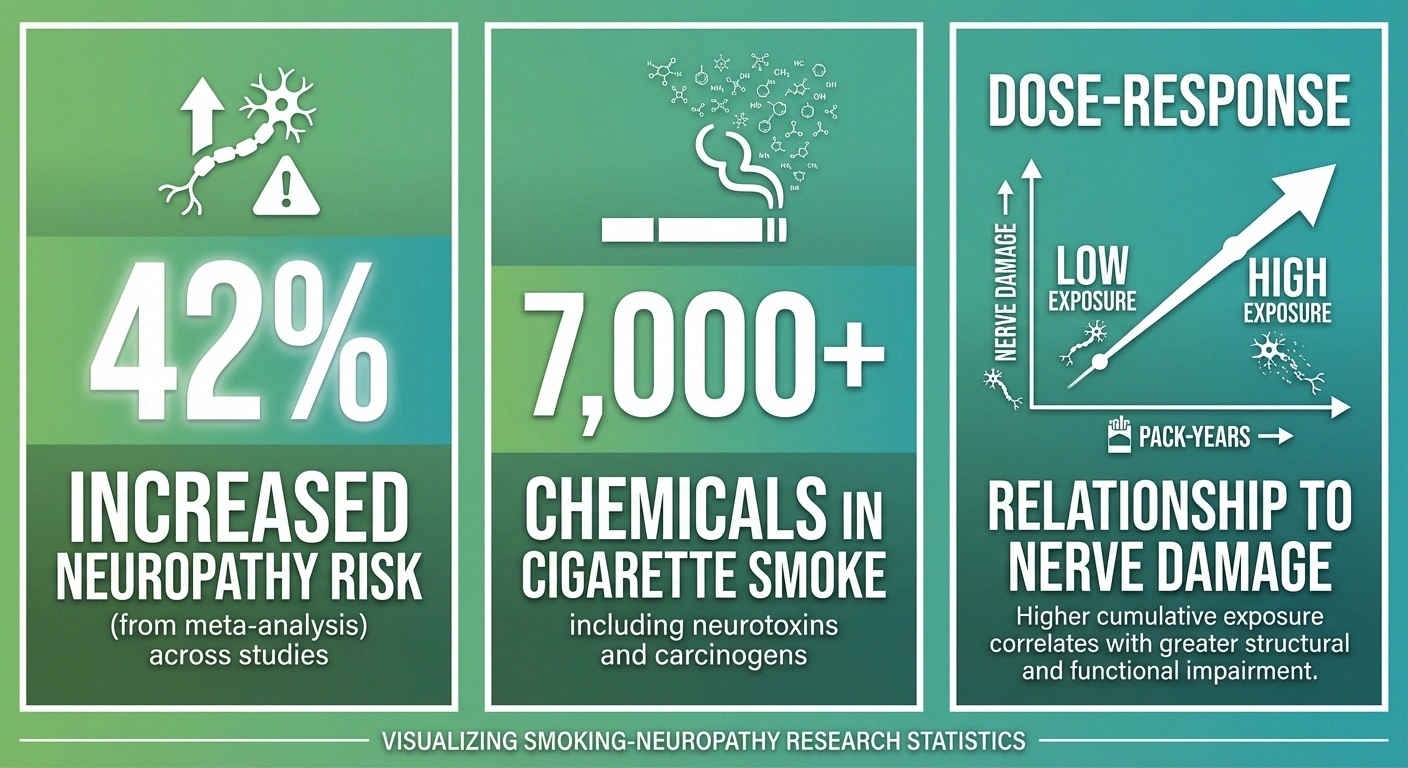
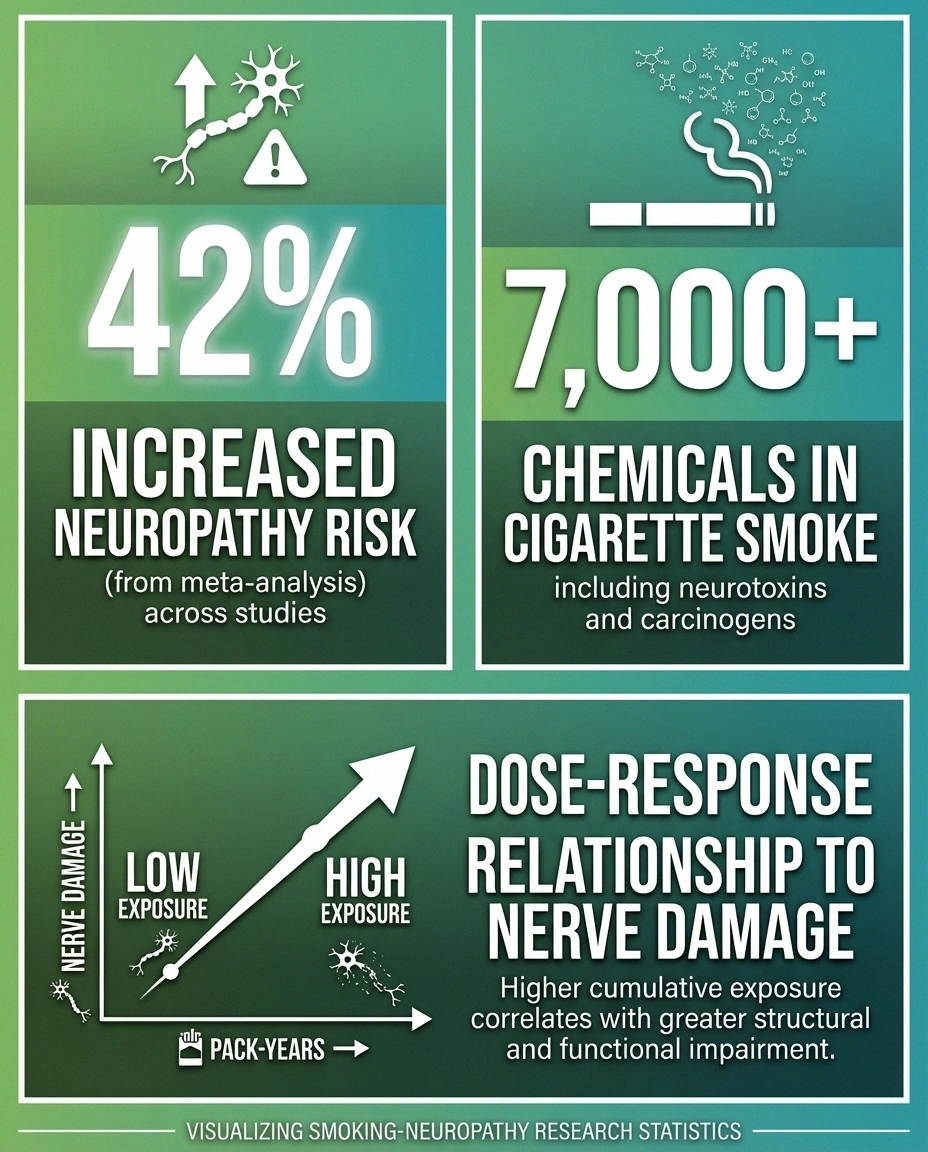
- Meta-analysis (2015, 38 studies): Cross-sectional studies showed a pooled odds ratio of 1.42 for diabetic peripheral neuropathy in smokers versus non-smokers. Higher-quality prospective studies with longer follow-up showed an even stronger association.
- Dose-response relationship: A 2017 study published in Agri (Turkish Pain Journal) found that the risk of neuropathic pain increased with both the duration of smoking and the addiction level, confirming a dose-response relationship — more smoking means more nerve damage.
- Effect in diabetes: In people with diabetes, smoking approximately doubles the rate at which neuropathy progresses. The vascular damage from diabetes and the vascular damage from smoking compound each other.
- Independent of diabetes: Research shows smoking increases neuropathy risk even in people without diabetes, through direct vascular and oxidative mechanisms. A study in the Journal of Neurology found elevated peripheral neuropathy rates in smokers without other traditional risk factors.
Smoking and Diabetic Neuropathy: A Dangerous Combination
If you have diabetes and you smoke, the two conditions multiply each other’s damage to your nerves. Diabetic neuropathy is caused primarily by hyperglycemia damaging the vasa nervorum. Smoking constricts those same blood vessels and reduces the oxygen they carry. The result is that nerves receive less blood flow, less oxygen, and more oxidative stress than either condition would cause alone.
Dangerous Combination
Diabetes damages the blood vessels feeding your nerves. Smoking constricts those same vessels and reduces the oxygen they carry. Together, they create a compounding effect — nerves receive less blood flow, less oxygen, and more oxidative stress than either condition alone.
The systematic review mentioned above found that in studies with better methodology and longer follow-up, the association between smoking and diabetic neuropathy was even stronger than in shorter, less rigorous studies — suggesting that the true risk may be underestimated in much of the existing research.
For people with pre-diabetes, smoking makes the transition to full diabetes more likely, which in turn makes neuropathy more likely. Quitting smoking and managing blood sugar are the two highest-impact prevention strategies available.
Does Vaping Damage Nerves Too?
E-cigarettes and vaping devices still deliver nicotine — the primary vasoconstrictor that reduces blood flow to peripheral nerves. While vaping eliminates combustion byproducts like carbon monoxide and acrolein, the nicotine itself continues to constrict blood vessels, reduce nerve perfusion, and impair nerve regeneration through the PTEN pathway.
Vaping vs. Smoking
Vaping eliminates carbon monoxide and acrolein but still delivers nicotine — the primary vasoconstrictor that reduces blood flow to your nerves. Switching may reduce some damage, but nicotine-free is the target for nerve protection.
The long-term neurological effects of vaping are not yet well-studied (the technology is too new for long-term data), but the known vascular effects of nicotine are reason enough for concern. Switching from cigarettes to vaping may reduce some nerve-damaging exposures, but it doesn’t eliminate the primary mechanism of nicotine-driven vascular constriction. If your goal is to protect your nerves, nicotine-free is the target.
What Happens to Your Nerves When You Quit
The good news: quitting smoking produces measurable improvements in vascular function relatively quickly, which directly benefits your peripheral nerves.
❌ While Smoking
Constricted blood vessels starve nerves. Reduced oxygen delivery. Active oxidative damage to myelin and nerve fibers. Nerve regeneration actively suppressed by nicotine.
✓ After Quitting
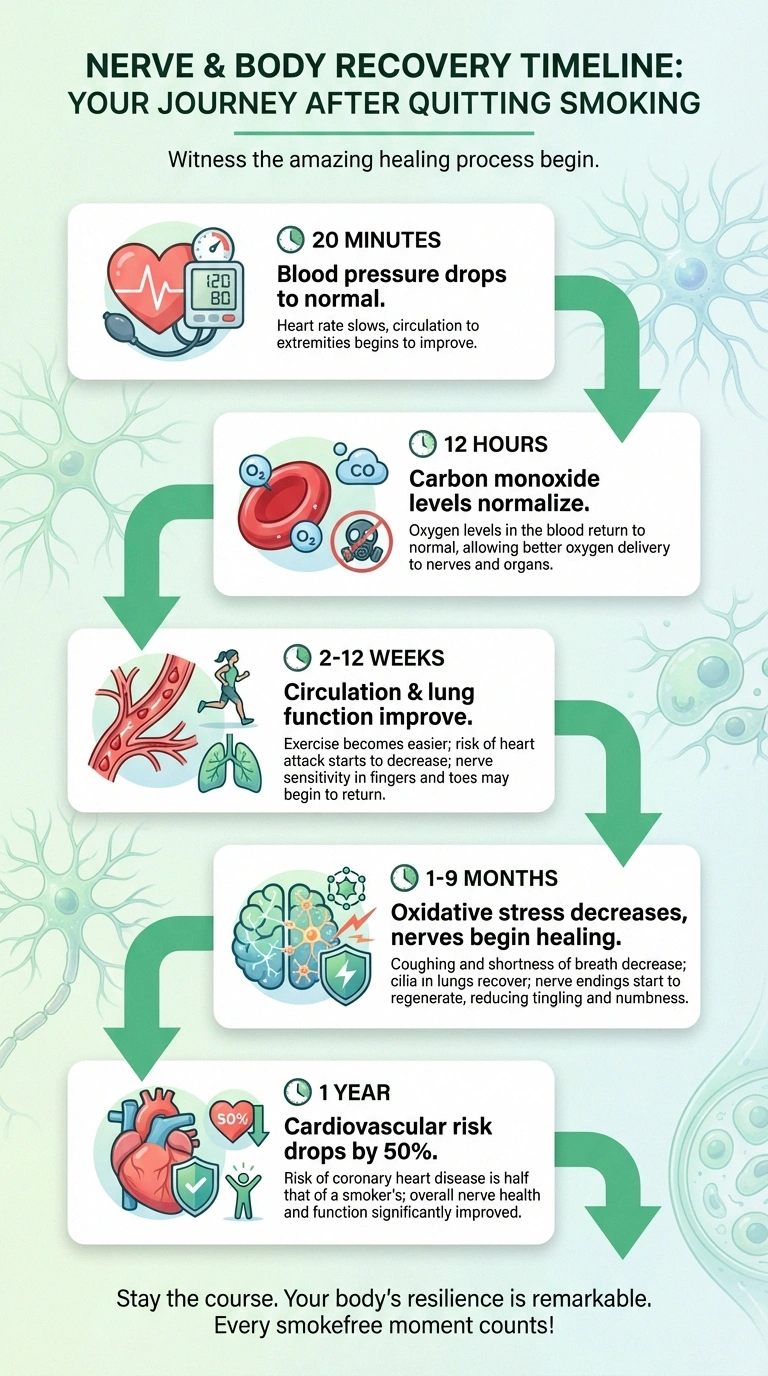
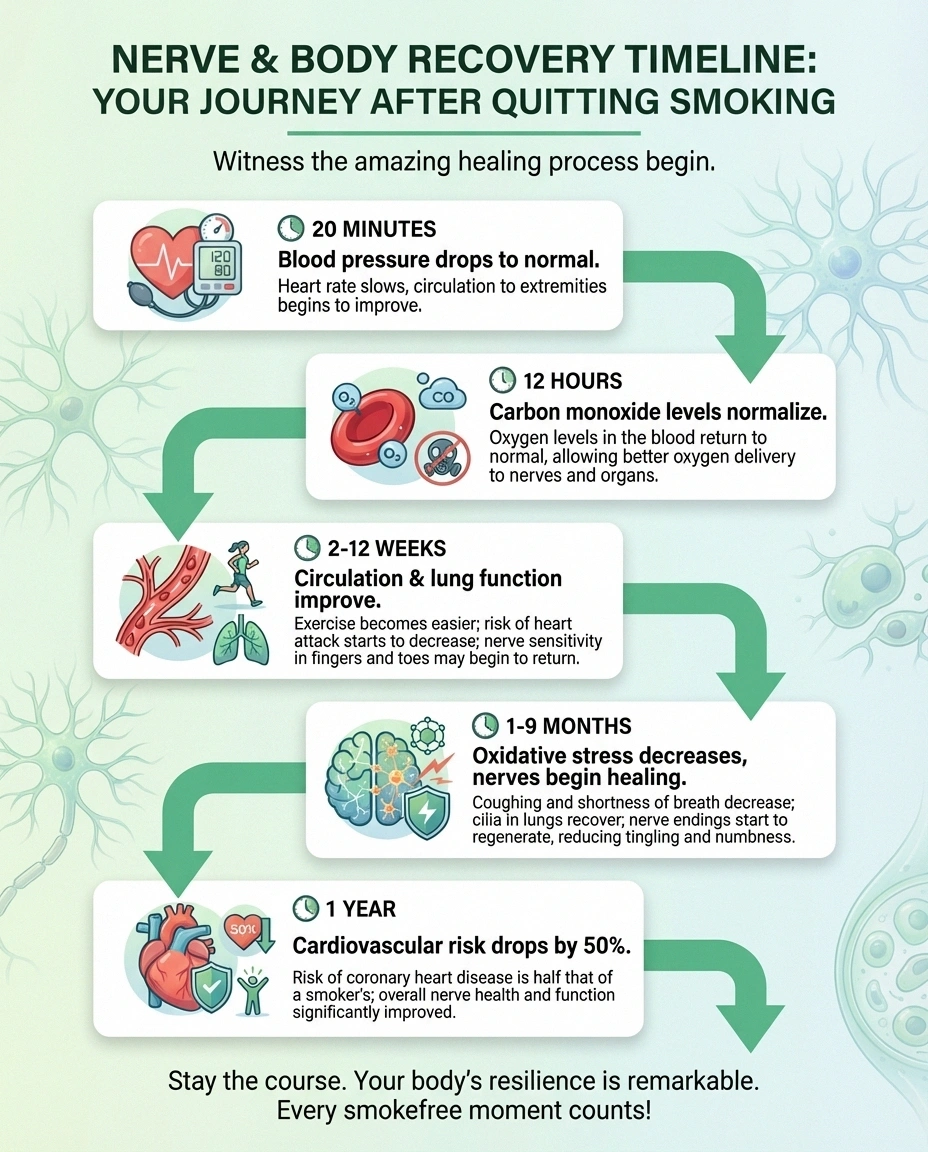
Blood vessels begin to relax within minutes. Full oxygen capacity restored in 12 hours. Circulation improvements in 2-12 weeks. Nerve repair processes reactivate over months.
- Within 20 minutes: Heart rate and blood pressure drop. Blood vessel constriction begins to ease.
- Within 12 hours: Carbon monoxide levels in the blood return to normal, restoring full oxygen-carrying capacity.
- Within 2-12 weeks: Circulation improves significantly. Blood flow to peripheral nerves increases as vascular function normalizes.
- Within 1-9 months: The ongoing oxidative stress from tobacco exposure decreases. Nerve repair processes that were suppressed by nicotine’s PTEN pathway activation begin to function more normally.
- After 1 year: The excess risk of cardiovascular disease (which shares risk pathways with neuropathy) drops by approximately half compared to current smokers.
For neuropathy specifically: quitting smoking doesn’t reverse nerve damage that has already occurred (damaged nerve fibers regenerate slowly and incompletely). But it stops the ongoing vascular and oxidative damage that was accelerating nerve loss, and it restores the body’s ability to repair nerve tissue to whatever degree is biologically possible. The sooner you quit, the more nerve function you preserve.
Quitting Strategies That Work
If you have neuropathy or are at risk for it, quitting smoking moves to the top of your treatment priority list. The most effective approaches combine multiple strategies:
Most Effective Approach
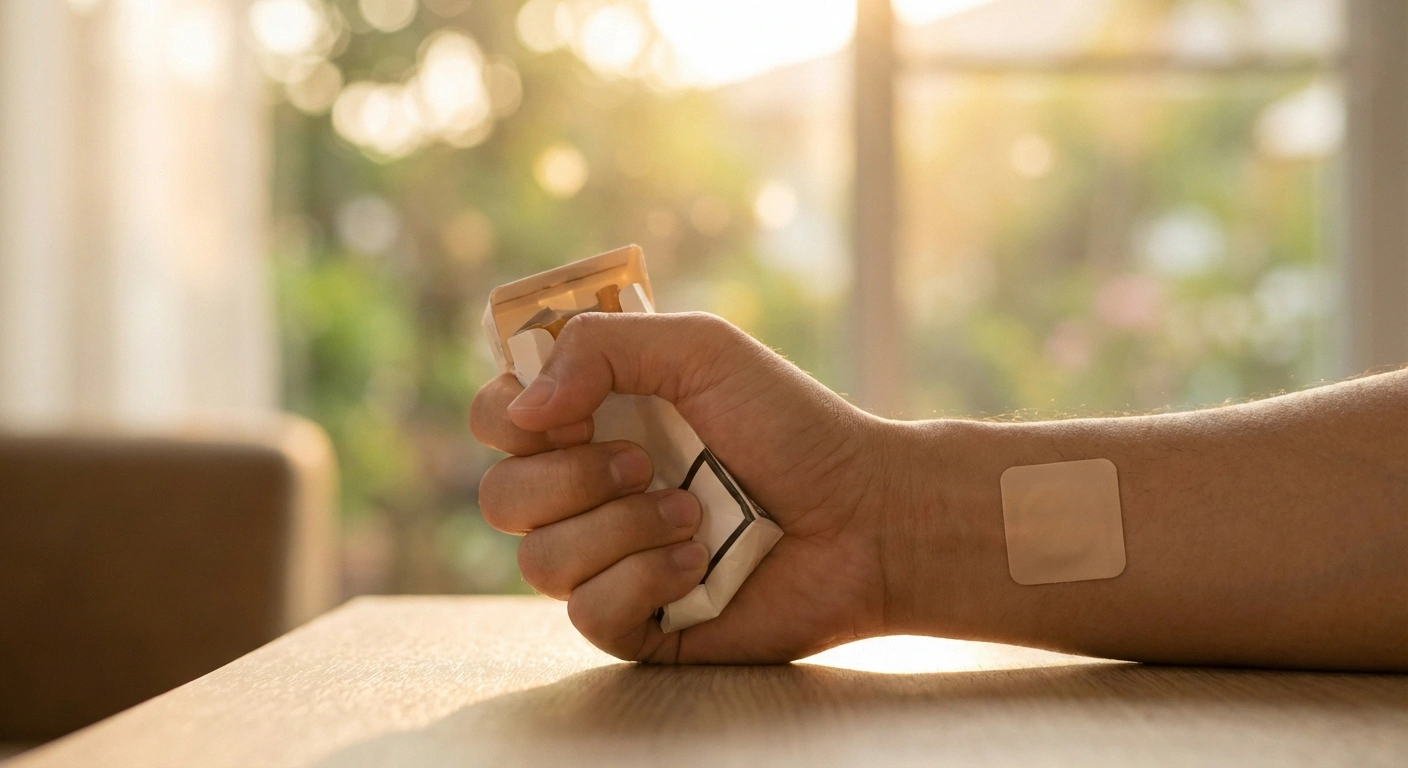
Combining nicotine replacement therapy or prescription medication with behavioral support produces quit success rates 3-4 times higher than any single approach alone. Talk to your doctor about which combination fits your situation.
Nicotine replacement therapy (NRT): Patches, gum, lozenges, nasal spray, and inhalers deliver controlled nicotine doses without the combustion byproducts. NRT roughly doubles quit success rates compared to willpower alone. While NRT still delivers nicotine (which affects blood vessels), eliminating the other 7,000+ chemicals in smoke significantly reduces nerve-damaging exposure during the weaning process.
Prescription medications: Varenicline (Chantix) and bupropion (Wellbutrin/Zyban) are FDA-approved smoking cessation aids. Varenicline blocks nicotine receptors in the brain, reducing cravings and the rewarding effects of smoking. Discuss options with your doctor, noting any other medications you take for neuropathy — some combinations require careful management.
Behavioral support: Counseling, support groups, and cognitive behavioral therapy significantly improve quit rates when combined with pharmacological aids. The 1-800-QUIT-NOW hotline provides free coaching in all U.S. states.
Combining approaches: Research consistently shows that combining NRT or prescription medication with behavioral support produces the highest success rates — up to 3-4 times higher than any single approach alone.
Secondhand Smoke and Neuropathy Risk
While the research specifically on secondhand smoke and neuropathy is limited, the vascular effects of passive smoking are well-documented. Secondhand smoke exposure reduces blood vessel function, increases inflammation, and contributes to oxidative stress — all mechanisms that affect nerve health. If you have neuropathy, minimizing exposure to secondhand smoke is a reasonable precaution, particularly in enclosed spaces with poor ventilation.

Talking to Your Doctor
If you smoke and have neuropathy (or risk factors for it), bring this up explicitly with your healthcare provider. Many doctors focus on blood sugar, medications, and supplements when discussing neuropathy management, but may not proactively address smoking cessation as a nerve-protection strategy. Knowing how to frame this conversation can ensure you get comprehensive care.

Ask specifically: “How much of my neuropathy progression might be related to smoking?” and “What’s the most effective quit method given my current medications?” Your doctor can help you choose cessation aids that don’t interact with any neuropathy medications you’re taking.
For more strategies on protecting your nerves, explore our understanding neuropathy resources.
Frequently Asked Questions
Can quitting smoking reverse neuropathy that already exists?
Quitting smoking cannot fully reverse nerve damage that has already occurred, because peripheral nerves regenerate slowly and incompletely. However, quitting stops the ongoing vascular and oxidative damage that was accelerating nerve loss. Many people experience stabilization of symptoms and slower progression after quitting. Combined with other treatments, some symptom improvement is possible as blood flow to nerves improves.
How many cigarettes per day is “safe” for nerve health?
There is no established safe threshold for smoking and nerve health. The dose-response data shows that risk increases with both the number of cigarettes and the duration of smoking. Even light smoking (fewer than 5 cigarettes per day) reduces blood flow and increases oxidative stress. For nerve protection, the evidence supports complete cessation rather than reduction.
Does marijuana or CBD smoking carry the same nerve risks?
Marijuana smoke contains many of the same combustion byproducts as tobacco smoke, including carbon monoxide and particulate matter, which can affect blood vessel function and oxygen delivery. However, marijuana does not contain nicotine, so it lacks the primary vasoconstriction mechanism. The research on marijuana and peripheral neuropathy specifically is very limited. CBD products that are ingested orally rather than smoked do not carry combustion-related risks.

If I switch to vaping, will my neuropathy improve?
Switching from smoking to vaping eliminates exposure to combustion byproducts like carbon monoxide and acrolein, which may reduce some nerve-damaging effects. However, most vaping products still deliver nicotine, which constricts blood vessels and impairs nerve regeneration. Switching to vaping is likely better than continued smoking but worse than complete nicotine cessation for nerve health.
My neuropathy started before I began smoking. Can smoking still make it worse?
Yes. Regardless of the original cause of your neuropathy — whether it’s diabetic, idiopathic, autoimmune, or related to another condition — smoking adds additional vascular and oxidative damage on top of whatever is already affecting your nerves. Quitting smoking removes this additional burden and allows your other treatments to work more effectively.
Does smoking affect neuropathy medications?
Smoking can affect the metabolism of certain medications through its effects on liver enzymes (specifically CYP1A2). This can potentially alter the effectiveness or side effects of some drugs, though the specific impact on common neuropathy medications like gabapentin, pregabalin, and duloxetine varies. If you quit smoking while taking neuropathy medications, inform your doctor — dosage adjustments may be needed as your liver enzyme activity normalizes.
About the Author