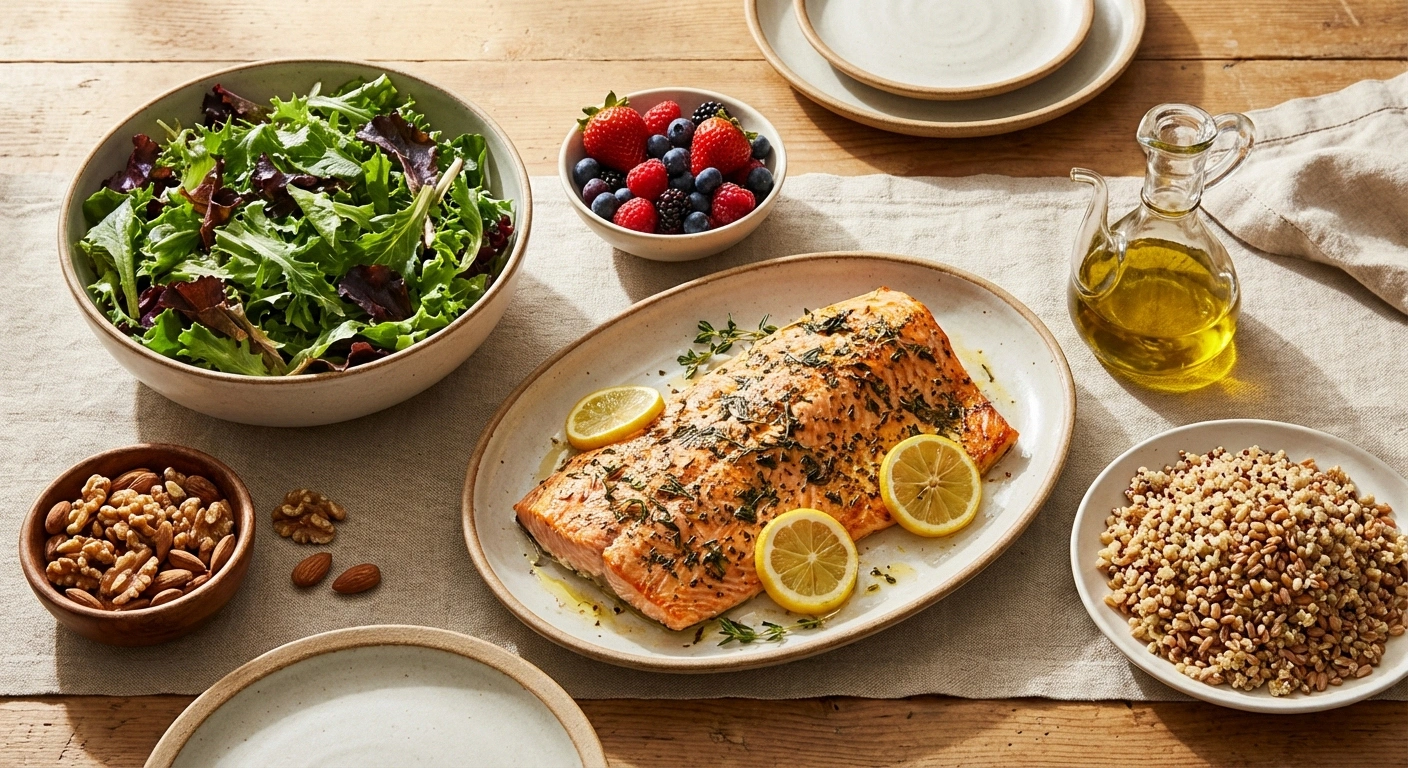
A reader named Margaret wrote to me recently with a question that stopped me in my tracks: “Janet, my mother had diabetic neuropathy for twenty years before she passed. My doctor says my blood sugar is creeping up. Is there anything I can eat to keep this from happening to me?” The short answer is yes — what you eat has a direct, measurable impact on whether your peripheral nerves stay healthy or start to deteriorate.
This isn't about following a trendy diet or buying expensive superfoods. It's about understanding which nutrients your nerves physically require to function, which dietary patterns create the conditions for nerve damage, and how to build eating habits that protect your nervous system over the long term. The research is clear: dietary choices influence every major risk factor for peripheral neuropathy — blood sugar levels, inflammation, oxidative stress, and nutrient availability.
Whether you're trying to prevent neuropathy because of family history, pre-diabetes, or simply because you want to protect your nerve health as you age, this guide covers the specific foods and eating patterns that the evidence supports. For a broader look at all prevention strategies, see our complete neuropathy prevention guide.
How Food Affects Your Peripheral Nerves
Your peripheral nerves are metabolically demanding structures. They require a constant supply of glucose (but not too much), oxygen delivered through tiny blood vessels called vasa nervorum, specific vitamins for myelin sheath maintenance and repair, and protection from oxidative damage. Food influences every one of these requirements.
Key Takeaway
What you eat influences every major neuropathy risk factor — blood sugar levels, inflammation, oxidative stress, and nutrient availability. A nerve-protective diet isn't about restriction. It's about consistently providing what your nerves physically require to function.
Blood sugar regulation: Sustained high blood sugar — even at pre-diabetic levels — damages the small blood vessels that feed your nerves. A 2014 review in Frontiers in Cellular Neuroscience documented that hyperglycemia triggers oxidative stress, polyol accumulation, and advanced glycation end products (AGEs), all of which directly damage nerve fibers. Diet is the primary lever for blood sugar control.
Inflammation control: Chronic low-grade inflammation damages peripheral nerves by producing reactive oxygen species and disrupting repair processes. The foods you eat either fuel this inflammation or help suppress it. Research published in the British Journal of Nutrition found that dietary inflammatory index scores correlated with peripheral neuropathy prevalence — meaning people who ate more inflammatory diets had higher rates of nerve damage.
Nutrient supply: Specific B vitamins, antioxidants, and fatty acids are required for nerve structure and function. Without them, nerves cannot maintain their myelin insulation, repair damage, or transmit signals properly. Vitamin deficiency is a direct cause of neuropathy — and it's entirely preventable through diet.
Essential Nutrients for Nerve Protection
These are the nutrients that research has most consistently linked to nerve health and neuropathy prevention. For each one, I've included the best food sources and what the evidence says about dosing.
Vitamin B12
B12 is arguably the single most important nutrient for peripheral nerve health. It's essential for myelin synthesis — the fatty sheath that insulates nerve fibers and enables rapid signal transmission. B12 deficiency directly causes neuropathy, and it's more common than most people realize: an estimated 6% of adults under 60 and nearly 20% of those over 60 have insufficient B12 levels, according to the National Institutes of Health.
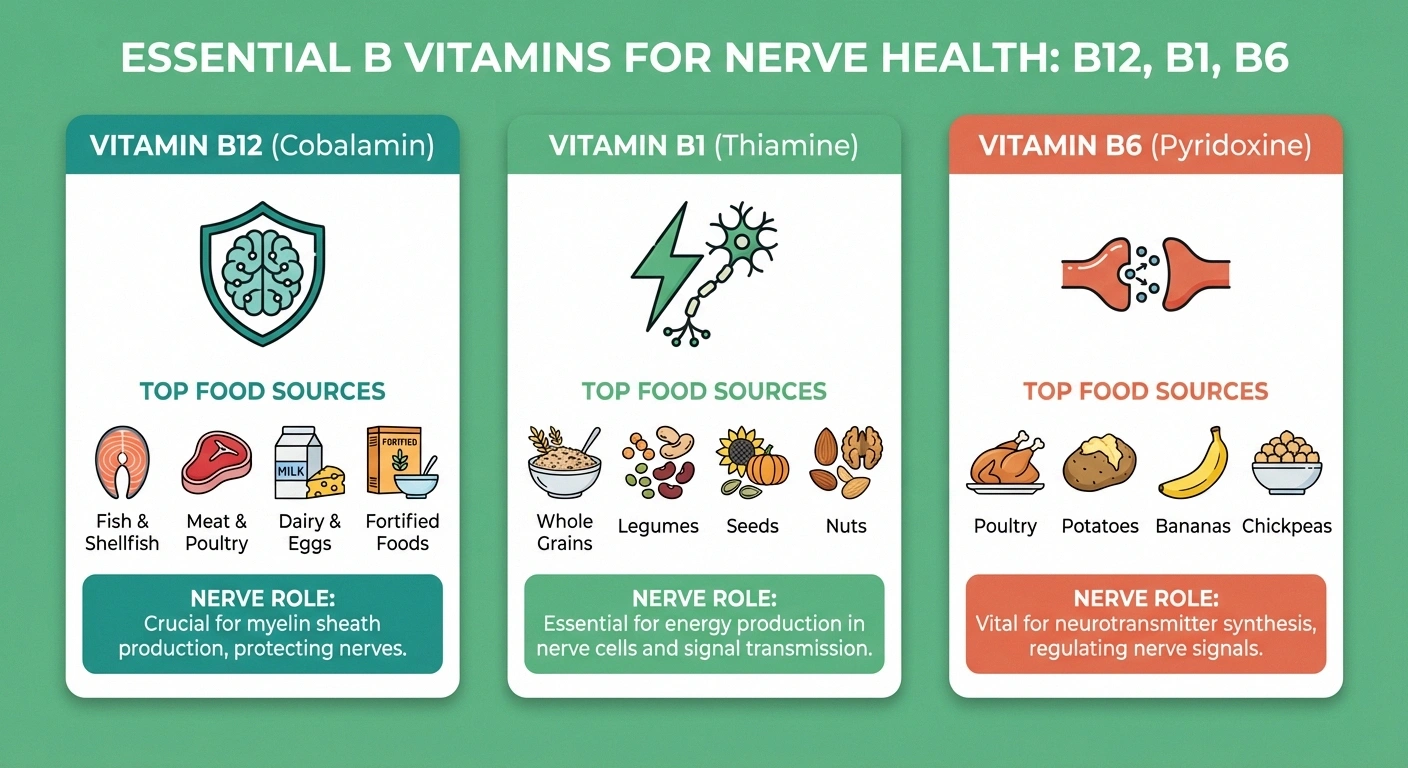
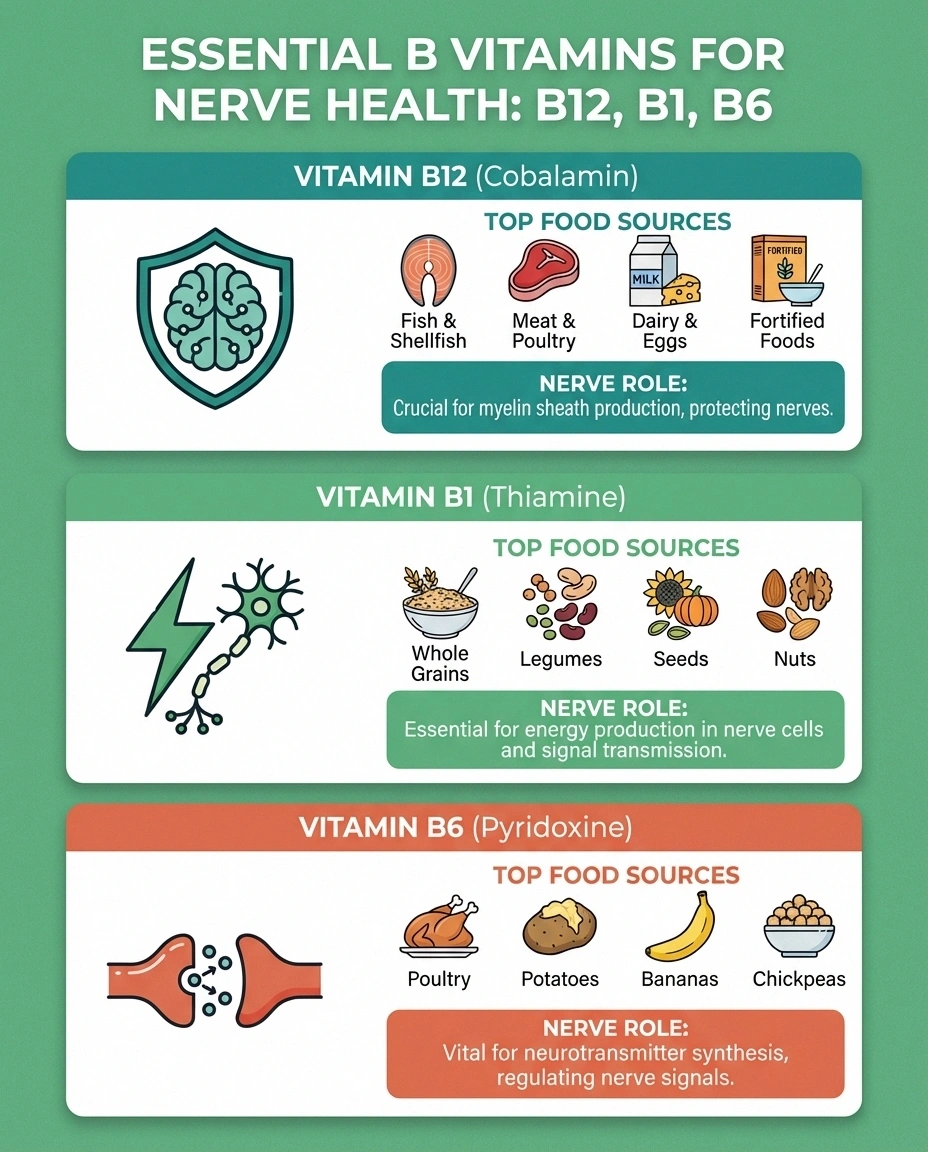
Best food sources: Clams and shellfish (highest concentration), liver, sardines, salmon, tuna, beef, milk, yogurt, eggs, fortified cereals. Vegetarians and vegans should supplement, as B12 is found almost exclusively in animal products.
At-risk groups: Adults over 50 (reduced absorption), vegans and vegetarians, people taking metformin or proton pump inhibitors (both reduce B12 absorption), and anyone who's had bariatric surgery.
Vitamin B1 (Thiamine)
Thiamine deficiency causes beriberi, one of the oldest recognized forms of neuropathy. It's critical for glucose metabolism in nerve cells — without it, nerves can't properly use the energy they need to function. Thiamine deficiency is particularly common in people with alcohol use disorder and those with poor dietary variety.
Best food sources: Pork, sunflower seeds, macadamia nuts, black beans, lentils, green peas, enriched rice and bread, oats, and asparagus.
Vitamin B6
B6 supports neurotransmitter synthesis and nerve signal transmission. However, there's an important paradox: both deficiency and excess of B6 can cause neuropathy. Supplementation above 200mg daily for extended periods has been documented to cause sensory neuropathy. This is why getting B6 from food is generally safer than high-dose supplements.
B6 Paradox
Both deficiency and excess of vitamin B6 can cause neuropathy. Supplementation above 200mg daily for extended periods has been documented to cause sensory neuropathy. Get B6 from food first — chickpeas, tuna, salmon, chicken, potatoes, bananas.
Best food sources: Chickpeas, tuna, salmon, chicken breast, potatoes, bananas, turkey, and fortified cereals.
Omega-3 Fatty Acids
Omega-3s are structural components of nerve cell membranes and the myelin sheath. They also have powerful anti-inflammatory effects that protect nerves from inflammatory damage. A 2017 study in Prostaglandins, Leukotrienes and Essential Fatty Acids found that omega-3 supplementation improved nerve conduction velocity and reduced neuropathic pain scores in participants with diabetic neuropathy.
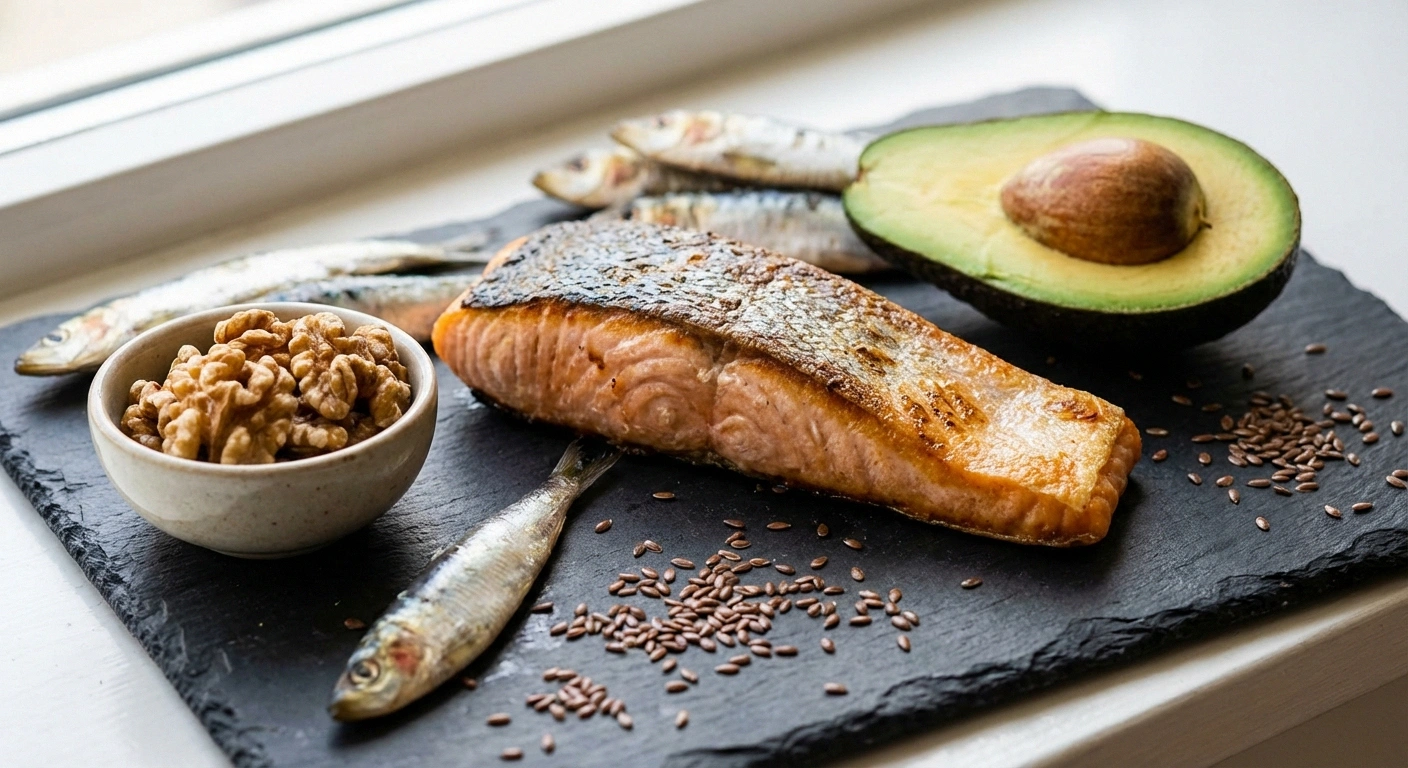
Best food sources: Fatty fish are the gold standard — salmon, mackerel, sardines, herring, and anchovies provide EPA and DHA (the forms your body uses directly). Plant sources like walnuts, flaxseeds, chia seeds, and hemp seeds provide ALA, which your body must convert to EPA and DHA (conversion is limited, roughly 5-10%).
Vitamin D
Multiple studies have linked vitamin D deficiency to increased neuropathy risk, particularly in people with diabetes. Vitamin D supports nerve cell survival and has anti-inflammatory properties. A study published in Diabetes Care found that diabetic patients with vitamin D deficiency had significantly higher rates of neuropathy than those with adequate levels.
Best food sources: Fatty fish (salmon, sardines), egg yolks, fortified milk and orange juice, mushrooms exposed to UV light. Sun exposure is the most efficient source — 10-30 minutes of midday sun several times per week, depending on skin tone and latitude.
Vitamin E and Antioxidants
Vitamin E protects nerve cell membranes from oxidative damage. Studies have shown that vitamin E supplementation at 300-600mg daily may reduce the incidence and severity of chemotherapy-induced neuropathy. Other antioxidants — including vitamins A and C, selenium, and plant polyphenols — also contribute to nerve protection by neutralizing free radicals.
Best food sources: Almonds, sunflower seeds, hazelnuts, spinach, avocado, sweet potatoes, butternut squash. For broader antioxidant coverage: berries (blueberries, strawberries, blackberries), dark chocolate, artichokes, and colorful vegetables.
Magnesium
Magnesium regulates nerve signal transmission and helps control inflammation. Deficiency is surprisingly common — an estimated 50% of Americans don't meet the recommended daily intake — and has been linked to increased neuropathic pain and nerve excitability.
of Americans don't meet the recommended daily magnesium intake — and deficiency is linked to increased neuropathic pain
Best food sources: Pumpkin seeds, almonds, spinach, cashews, black beans, dark chocolate, avocado, and whole grains.
Foods That Protect Your Nerves
Beyond individual nutrients, certain food categories consistently show up in research as nerve-protective:
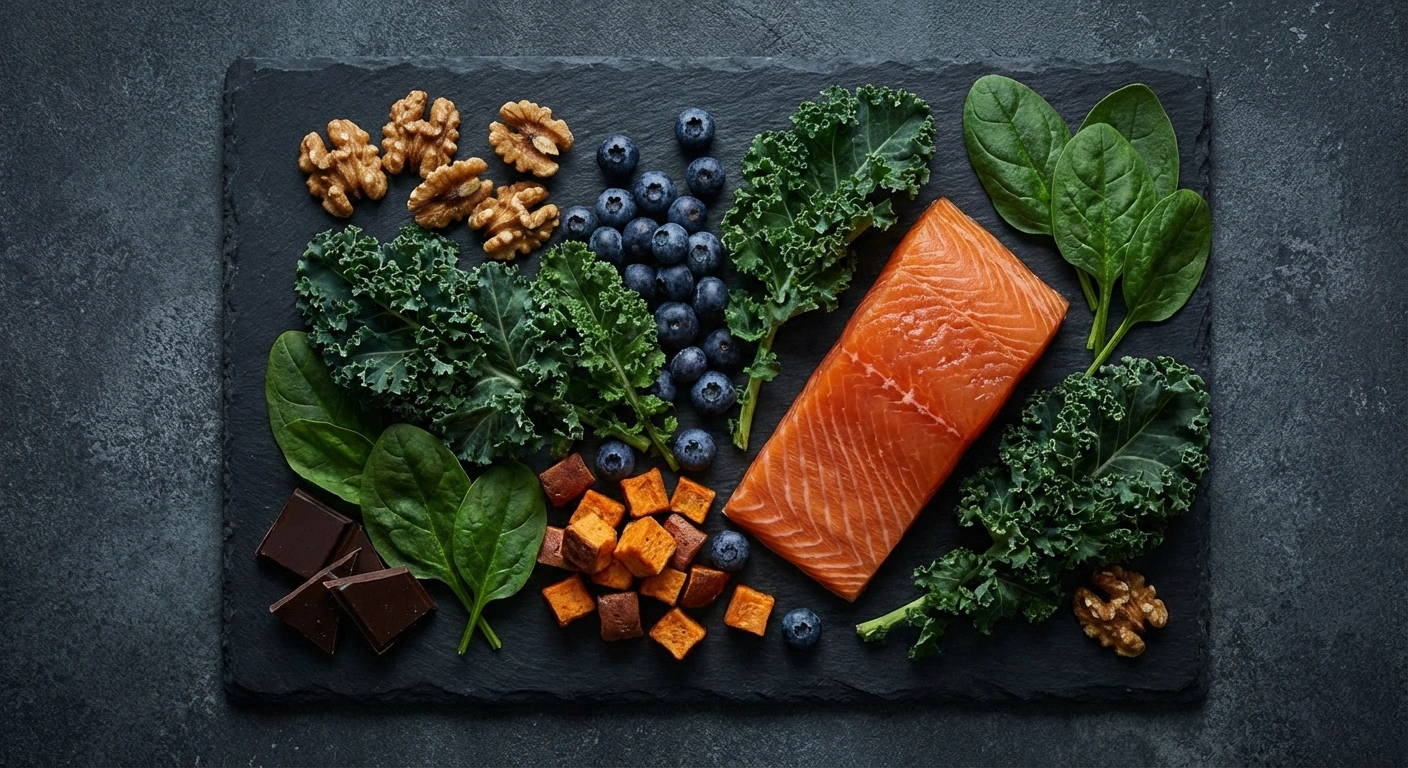
Fatty fish (2-3 servings per week): Salmon, mackerel, sardines, and herring deliver omega-3s, vitamin D, and B12 in a single food. The Foundation for Peripheral Neuropathy recommends eating fatty fish at least twice per week for nerve health. Wild-caught salmon is particularly nutrient-dense.
Leafy greens (daily): Spinach, kale, Swiss chard, and collard greens are loaded with folate, magnesium, vitamin K, and antioxidants. They're also among the most anti-inflammatory foods available. A single cup of cooked spinach provides nearly 40% of your daily magnesium needs.
Berries (3-4 servings per week): Blueberries, strawberries, blackberries, and raspberries contain anthocyanins — powerful antioxidants that cross the blood-nerve barrier and reduce oxidative stress directly at the nerve level. Research from Loma Linda University Health highlighted berries as one of the top plant-based foods for fighting nerve pain.
Nuts and seeds (daily handful): Almonds, walnuts, pumpkin seeds, sunflower seeds, and flaxseeds provide vitamin E, magnesium, healthy fats, and anti-inflammatory compounds. Walnuts are particularly beneficial because they also contain ALA omega-3s.
Legumes (3-4 servings per week): Black beans, lentils, chickpeas, and kidney beans are excellent sources of B vitamins, magnesium, fiber, and plant protein. Their high fiber content helps regulate blood sugar — a critical factor for neuropathy prevention. The slow-digesting carbohydrates in legumes prevent the blood sugar spikes that damage nerve tissue.
Whole grains: Oats, quinoa, brown rice, and farro provide B vitamins, fiber, and sustained energy without blood sugar spikes. They're far preferable to refined grains, which cause rapid glucose elevation.
Eggs: A complete source of B12, B6, vitamin D, and choline (which supports nerve cell membranes). Two eggs provide roughly 46% of the daily B12 requirement.
Foods That Damage Your Nerves
Just as certain foods protect nerves, others actively contribute to the conditions that cause neuropathy. Reducing these isn't about perfection — it's about shifting the balance so your dietary pattern supports nerve health rather than undermining it.
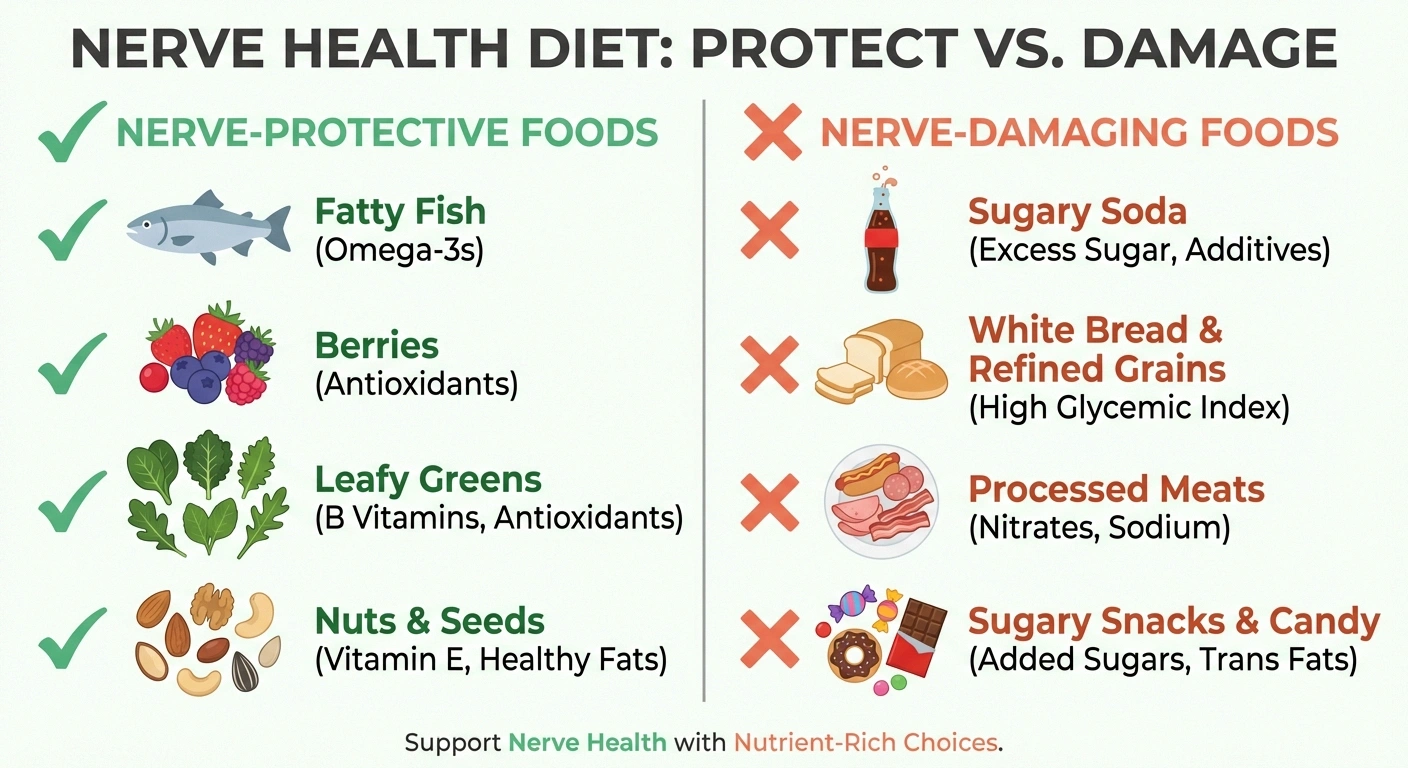
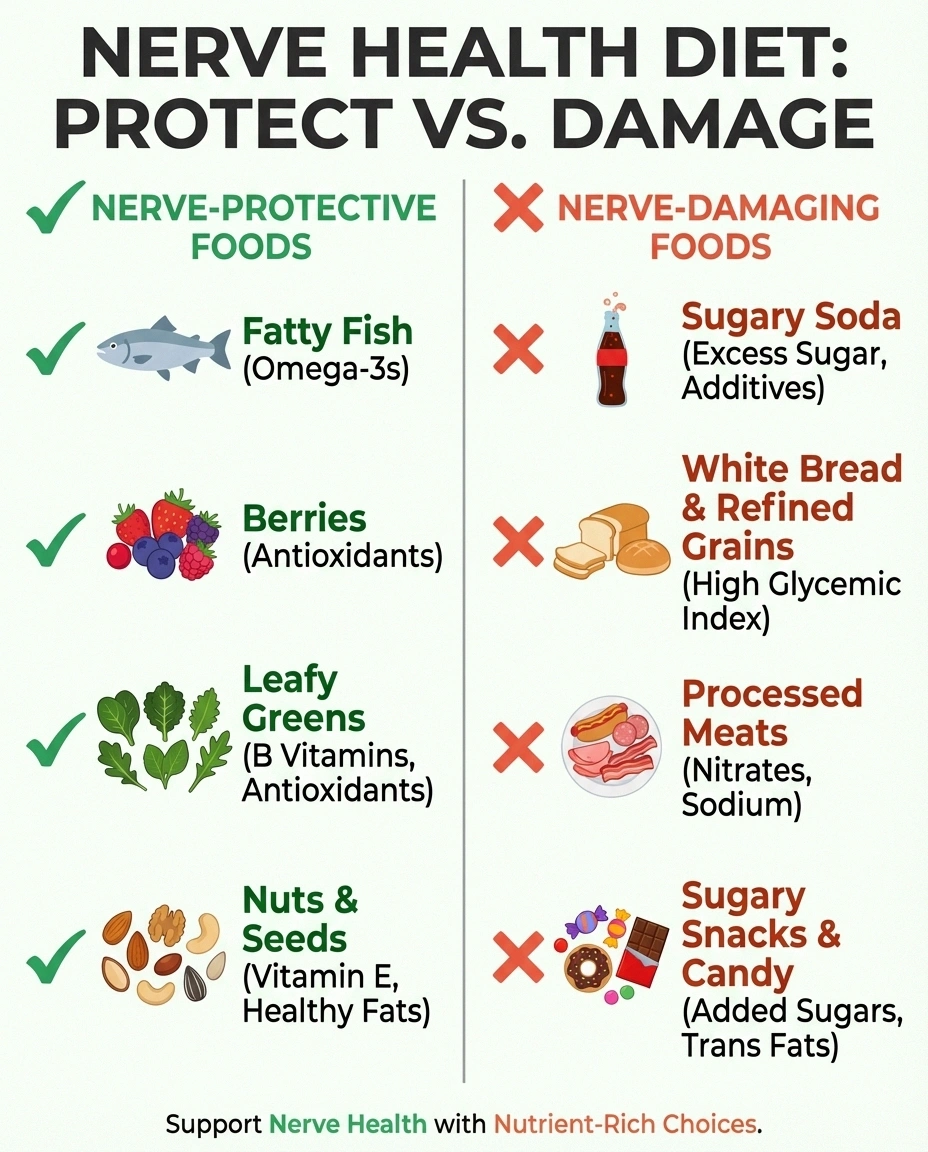
Added sugars and refined carbohydrates: White bread, pastries, sodas, candy, and sugary cereals cause rapid blood sugar spikes that damage the small blood vessels feeding your nerves. Even in people without diabetes, repeated glucose spikes trigger oxidative stress and AGE formation. Research shows that reducing refined sugar intake is one of the most impactful dietary changes for nerve protection.
Trans fats and excessive saturated fat: Trans fats (found in some processed foods, fried foods, and margarine) increase systemic inflammation and impair blood vessel function. High saturated fat intake from fatty meats and full-fat dairy has also been linked to increased inflammation and insulin resistance — both neuropathy risk factors.
Excessive sodium: High sodium intake raises blood pressure, which reduces blood flow to peripheral nerves. The American Heart Association recommends limiting sodium to 2,300mg daily (ideally 1,500mg for those at risk). Processed foods are the primary culprit — a single fast-food meal can contain over 2,000mg of sodium.
Alcohol: Alcohol is directly toxic to nerve tissue and depletes the B vitamins nerves depend on. Even moderate alcohol consumption can contribute to nerve damage over time, particularly when combined with other risk factors. If you have any neuropathy risk factors, minimizing or eliminating alcohol is one of the highest-impact changes you can make.
Gluten (for sensitive individuals): For people with celiac disease or non-celiac gluten sensitivity, gluten triggers an immune response that can damage peripheral nerves. If you have unexplained neuropathy, asking your doctor to test for celiac disease is worthwhile — gluten-related neuropathy is often reversible when gluten is eliminated.
The Best Dietary Pattern for Nerve Protection
Rather than focusing on individual foods in isolation, the strongest evidence supports adopting an overall dietary pattern that combines multiple nerve-protective elements. The Mediterranean dietary pattern is the most studied and best-supported approach for neuropathy prevention.
Research Says
The PREDIMED trial found that a Mediterranean diet reduced cardiovascular events by 30%. Vascular health directly impacts nerve health — the same blood vessels that feed your heart feed your peripheral nerves.
The Mediterranean diet emphasizes vegetables, fruits, whole grains, legumes, nuts, olive oil, and fatty fish — while limiting red meat, processed foods, and refined sugars. A growing body of research connects this pattern to reduced neuropathy risk:
- A 2019 study in Nutritional Neuroscience found that higher adherence to a Mediterranean diet was associated with lower prevalence of diabetic neuropathy
- The diet's combination of anti-inflammatory fats, antioxidants, and blood-sugar-stabilizing fiber addresses multiple neuropathy risk factors simultaneously
- The PREDIMED trial demonstrated that a Mediterranean diet supplemented with extra-virgin olive oil or mixed nuts reduced cardiovascular events by 30% — and vascular health directly impacts nerve health
For a deeper dive into the anti-inflammatory approach, our upcoming guide on the anti-inflammatory diet for neuropathy will cover meal planning and specific recipes. For the existing overview, see our general neuropathy diet guide.
Blood Sugar Control Through Diet
Since diabetes is the leading cause of neuropathy, any prevention diet must prioritize blood sugar stability. This doesn't mean eliminating carbohydrates — it means choosing the right ones and managing when and how you eat them.
Glycemic index matters: Low-glycemic foods (most vegetables, legumes, whole grains, berries) are absorbed slowly and cause gradual, moderate blood sugar rises. High-glycemic foods (white bread, white rice, potatoes, sugary drinks) cause rapid spikes. The Loma Linda University Neuropathic Therapy Center recommends building meals around foods that are “more slowly absorbed into the blood stream — fruits, vegetables, nuts and beans.”
Practical strategies:
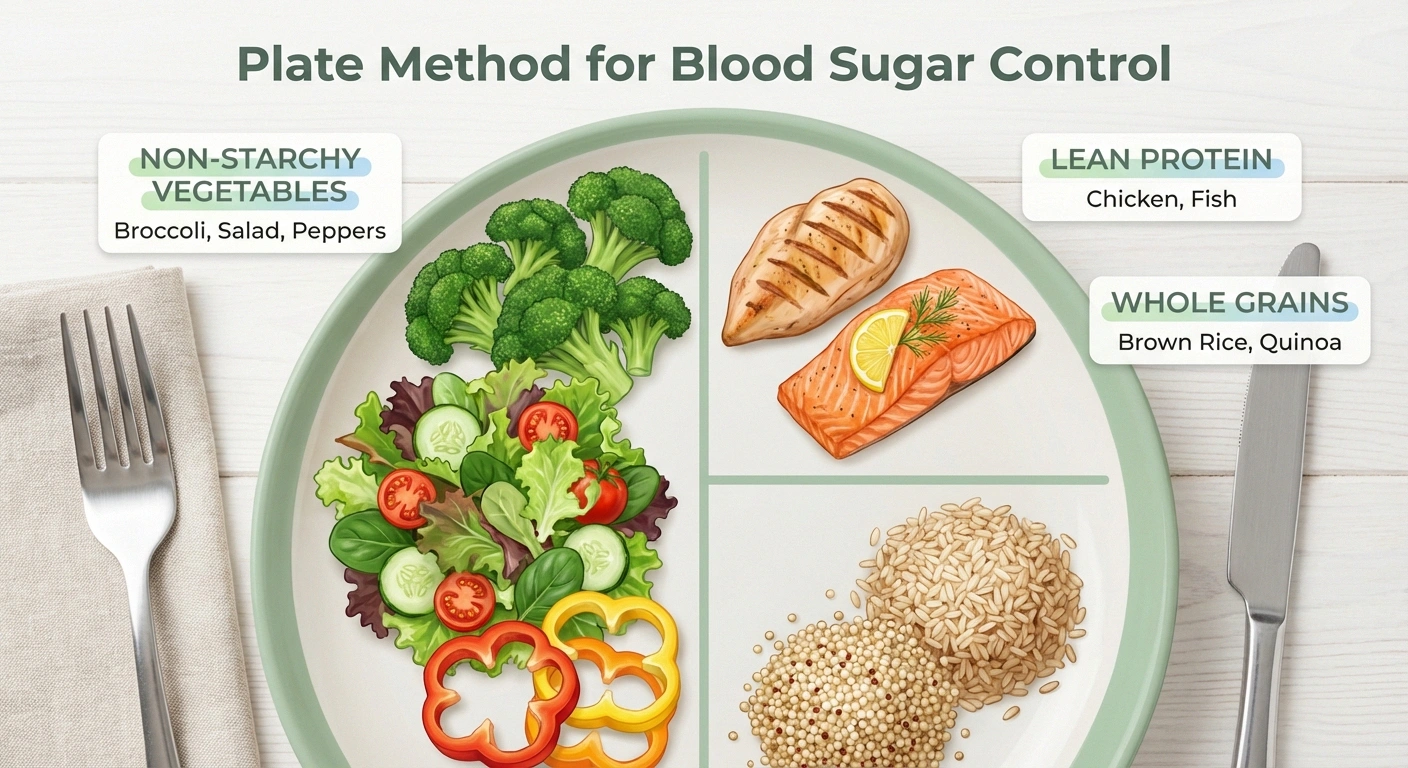
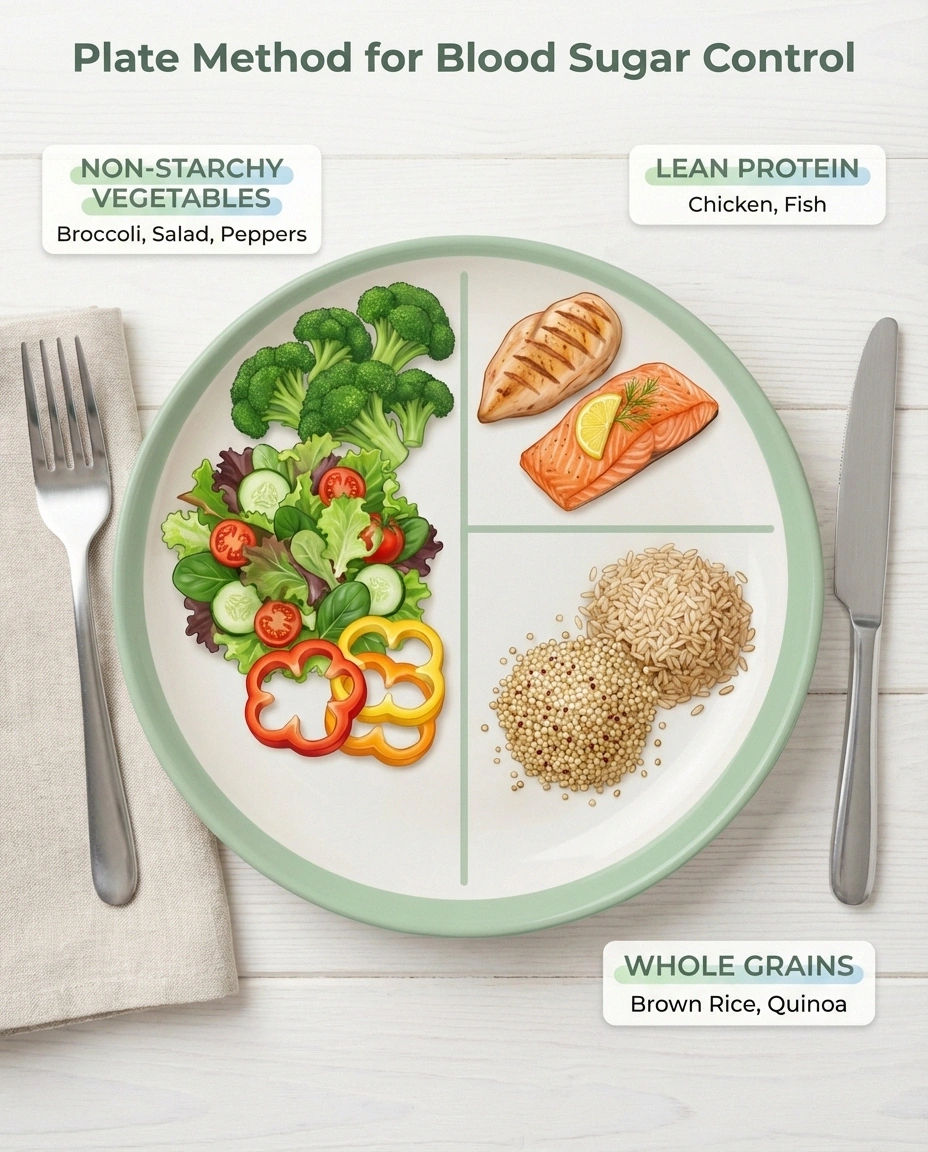
- The plate method: Fill half your plate with non-starchy vegetables, one quarter with lean protein, and one quarter with whole grains or starchy vegetables
- Pair carbs with protein or fat: Eating an apple with almond butter causes a much smaller blood sugar spike than eating the apple alone
- Spread intake across the day: Three moderate meals plus 1-2 small snacks prevents the large blood sugar swings that damage nerves
- Post-meal movement: A 10-minute walk after meals significantly reduces blood sugar peaks — combining dietary prevention with exercise-based prevention
Sample Nerve-Protective Meal Plan
Here's what a day of nerve-protective eating might look like. This isn't a rigid prescription — it's a template showing how to build meals around the foods and principles discussed above.
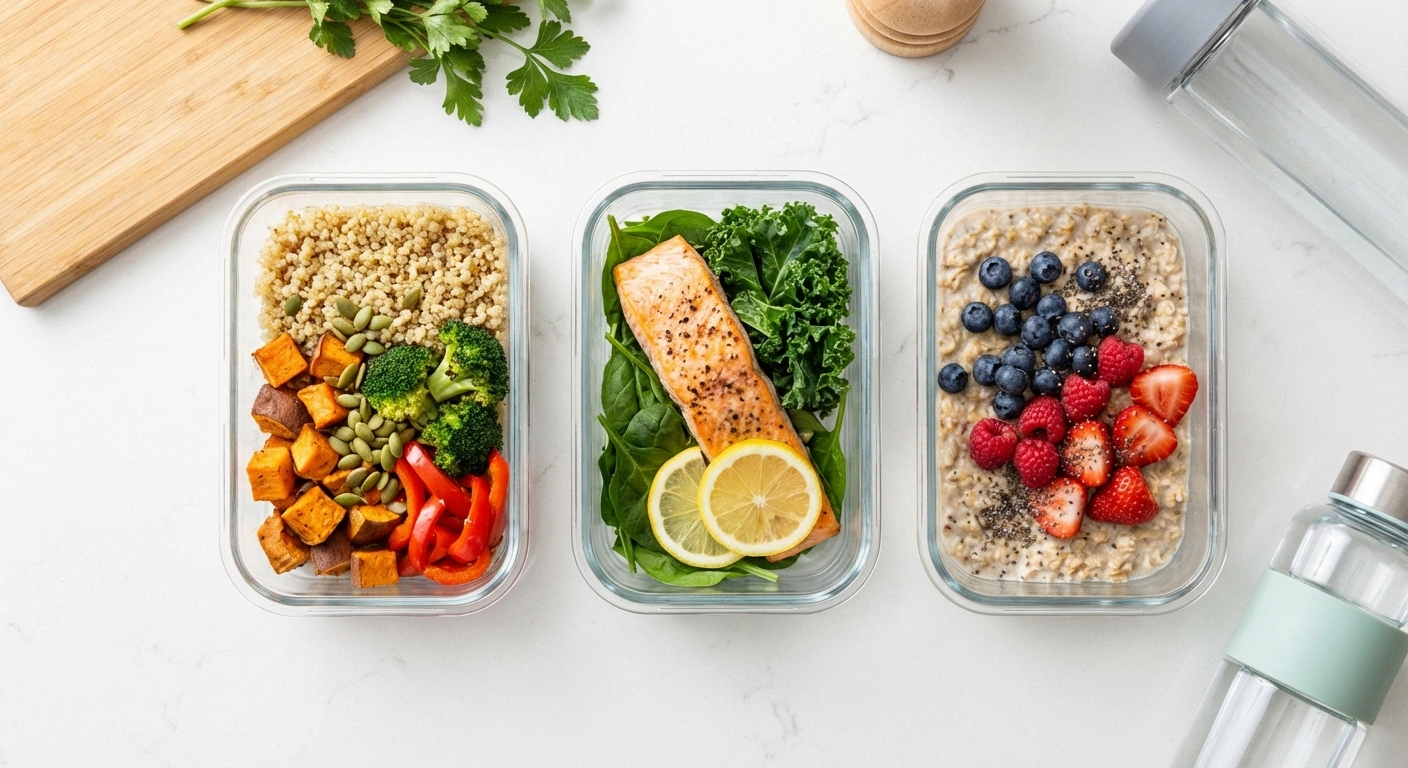
Breakfast: Oatmeal topped with blueberries, walnuts, and ground flaxseed. A side of two eggs scrambled with spinach. (Provides: B vitamins, omega-3s, antioxidants, protein, fiber)
Lunch: Large salad with mixed greens, chickpeas, avocado, cherry tomatoes, pumpkin seeds, and grilled salmon. Olive oil and lemon dressing. (Provides: Omega-3s, magnesium, vitamin E, B12, folate, antioxidants)
Afternoon snack: A handful of almonds with an apple. (Provides: Vitamin E, magnesium, fiber, paired carb+fat for blood sugar stability)
Dinner: Baked mackerel with roasted sweet potatoes, steamed broccoli, and brown rice. (Provides: Omega-3s, B12, vitamin D, beta-carotene, vitamin C, fiber)
Evening snack (optional): Greek yogurt with a few strawberries. (Provides: B12, calcium, probiotics, antioxidants)
When to Consider Supplements
Food should always be your first source of nerve-protective nutrients. But supplements may be warranted in specific situations — always based on testing, not guesswork.

Test Before You Supplement
Supplementing blindly isn't always helpful — and as with B6, some supplements can harm nerves at high doses. Ask your doctor to test your B12, folate, vitamin D, and magnesium levels before starting supplements. Target real deficiencies, not guesswork.
- B12: Supplement if testing shows deficiency or insufficiency, or if you're vegan/vegetarian, over 50, or taking metformin or PPIs. Injections may be needed if absorption is compromised.
- Vitamin D: Supplement if your blood level is below 30 ng/mL. Most people in northern latitudes benefit from 1,000-2,000 IU daily, especially in winter.
- Omega-3s: If you don't eat fish at least twice weekly, a high-quality fish oil supplement providing 1,000-2,000mg combined EPA/DHA is reasonable.
- Alpha-lipoic acid: Research suggests 600mg daily may have neuroprotective effects, particularly for diabetic neuropathy. Discuss with your doctor.
- Magnesium: If your diet is low in nuts, seeds, and leafy greens, or if you have muscle cramps or poor sleep, a magnesium supplement may help.
Critical caution: Do NOT take high-dose vitamin B6 supplements without medical guidance. Doses above 200mg daily over extended periods can cause neuropathy — the very condition you're trying to prevent. For a comprehensive look at the evidence, visit our neuropathy supplements guide.
Making Dietary Changes That Stick
The best neuropathy prevention diet is one you can maintain long-term. Dramatic overhauls rarely last. Instead, focus on sustainable shifts:

- Start with one change per week. Week one: add a serving of fatty fish. Week two: swap your afternoon snack for nuts and fruit. Week three: replace white bread with whole grain.
- Don't aim for perfection. An 80/20 approach — nerve-protective foods most of the time, with room for less-ideal choices — is sustainable and effective.
- Keep a simple food diary for two weeks. Track what you eat and how you feel. This reveals patterns (blood sugar crashes, inflammation triggers) that guide better choices.
- Stock your kitchen strategically. If nerve-healthy foods are easily accessible and junk food isn't, your default choices improve automatically.
Remember: dietary prevention is cumulative. Each meal that delivers the nutrients your nerves need and avoids the substances that damage them is a small investment in long-term nerve health. Over months and years, those small investments compound dramatically.
Browse all our nutrition and supplement resources for more detailed guides on specific nutrients and dietary strategies.
Frequently Asked Questions
Can diet alone prevent neuropathy?
Diet is one of the most powerful prevention tools, but it works best as part of a comprehensive approach that includes regular exercise, blood sugar management, limiting alcohol, and managing underlying health conditions. For people whose primary neuropathy risk factor is nutritional deficiency or pre-diabetes, dietary changes alone can be transformative. For those with more complex risk profiles, diet is a critical piece of a larger prevention strategy.
How quickly can dietary changes improve nerve health?
Blood sugar improvements from dietary changes can occur within days to weeks. Correcting vitamin deficiencies like B12 may take 2-6 months to show nerve function improvements. Reducing inflammation through an anti-inflammatory diet typically takes 4-8 weeks to show measurable changes in inflammatory markers. The protective effect of a consistently nerve-healthy diet compounds over time, meaning the benefits grow the longer you maintain good eating habits.
Is there a specific diet that reverses existing neuropathy?
No diet has been proven to reverse established neuropathy in all cases. However, if your neuropathy is caused by a nutritional deficiency (B12, thiamine, folate), correcting that deficiency through diet and supplementation can partially or fully reverse the damage, especially when caught early. For diabetic neuropathy, tight blood sugar control through diet may slow or halt progression and improve symptoms, though nerve fiber regeneration is limited.
Should I avoid all sugar if I want to prevent neuropathy?
You do not need to eliminate all sugar. Natural sugars in whole fruits are packaged with fiber, water, and antioxidants that slow absorption and provide nerve-protective nutrients. The sugars to minimize are added sugars in processed foods, sugary drinks, candy, and baked goods — these cause rapid blood sugar spikes that damage nerves. The World Health Organization recommends limiting added sugars to less than 25 grams per day for optimal health.
Are organic foods better for nerve health than conventional?
There is no strong evidence that organic foods provide significantly more nerve-protective nutrients than conventional foods. The most important factor is eating the right types of foods — vegetables, fruits, whole grains, lean proteins, and healthy fats — regardless of whether they are organic or conventional. If pesticide exposure is a concern for you, prioritizing organic versions of the most pesticide-heavy produce (the “dirty dozen”) is reasonable but not essential for neuropathy prevention.
About the Author