One of the most common questions I hear from people in my support group is some version of: “Is anything new actually happening with neuropathy treatment?” After years of being offered the same medications — gabapentin, pregabalin, duloxetine — with limited success, it's understandable to feel like research has stalled.
But the truth is, 2025 and 2026 have brought genuine movement in the neuropathy treatment landscape. A new class of non-opioid pain drugs just reached the market. Noninvasive nerve stimulation devices are gaining regulatory clearance. And several promising approaches are advancing through clinical trials that could change care meaningfully over the next five years.
This article is my honest attempt to sort through what's real, what's promising, and what's still too early to get excited about — as of 2026.
Why Neuropathy Has Been Hard to Treat (and Why That's Changing)
To understand why new treatments matter, it helps to understand why existing ones fall short. Current first-line neuropathy medications — gabapentin, pregabalin, duloxetine, tricyclic antidepressants — were all developed for other conditions and repurposed for nerve pain. They're thought to work mainly through central nervous system mechanisms, which is why they carry side effects like sedation, cognitive fog, and weight gain.
The field has also been hampered by our incomplete understanding of exactly how different types of nerve damage produce different pain experiences. That's starting to change, with researchers identifying specific ion channels, signaling pathways, and immune mechanisms that could become more precise therapeutic targets.
Suzetrigine (Journavx): The First Genuinely New Mechanism in Decades
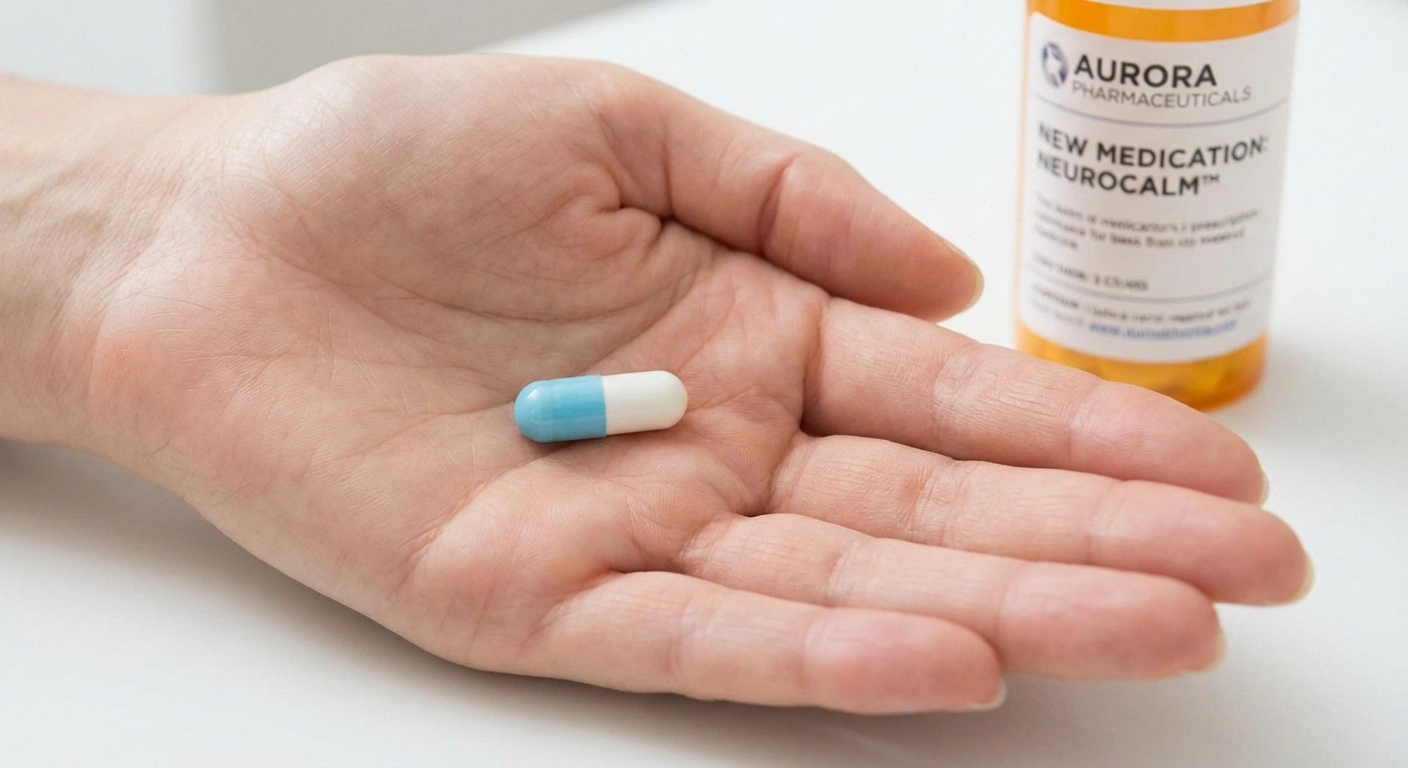
The most significant recent development in neuropathic pain treatment is suzetrigine — sold under the brand name Journavx — which received FDA approval in January 2025 for moderate to severe acute pain. This is notable not just as a new drug but as a new mechanism: suzetrigine is the first selective Nav1.8 sodium channel blocker approved for pain treatment.
Why Nav1.8 Matters
Nav1.8 is a voltage-gated sodium channel that's expressed almost exclusively in peripheral sensory neurons — the exact neurons involved in neuropathic pain signaling. By selectively blocking Nav1.8, suzetrigine can dampen pain signals at the peripheral nerve level without causing opioid-like side effects.
This is genuinely novel. The usual nerve pain pills work mainly in the brain and spinal cord, which is why they can cause the cognitive and sedation side effects many patients hate. A peripherally-acting, non-opioid pain drug that targets the specific sodium channels driving neuropathic pain represents a real scientific advance.
Key Takeaway
2025–2026 marks genuine progress in neuropathy treatment. Suzetrigine (Journavx) — the first selective Nav1.8 sodium channel blocker — received FDA approval in January 2025. It represents the first truly new pain mechanism to reach clinical use in decades, and Phase 3 trials for chronic neuropathic pain are underway.
Where Suzetrigine Stands for Neuropathy Specifically
The initial FDA approval was for acute (short-term) pain, but Vertex Pharmaceuticals has been actively studying suzetrigine for chronic neuropathic pain conditions. Phase 2 trial results for diabetic peripheral neuropathy pain showed positive results and a well-tolerated profile. As of 2026, Phase 3 trials in neuropathic pain are ongoing, and this could become an important option for chronic neuropathy pain within the next few years.
We already have a full article on this: Suzetrigine (Journavx) for Neuropathy. But it belongs in any 2026 treatment overview because it represents the most significant pharmacological development in neuropathy in a long time.
Axon Therapy: FDA-Cleared Noninvasive Magnetic Nerve Stimulation
Neuralace Medical received FDA clearance for Axon Therapy — a noninvasive treatment for painful diabetic neuropathy that uses magnetic peripheral nerve stimulation (mPNS). Unlike transcutaneous electrical nerve stimulation (TENS) or spinal cord stimulation, Axon Therapy uses focused magnetic fields to stimulate peripheral nerves without requiring implanted hardware.
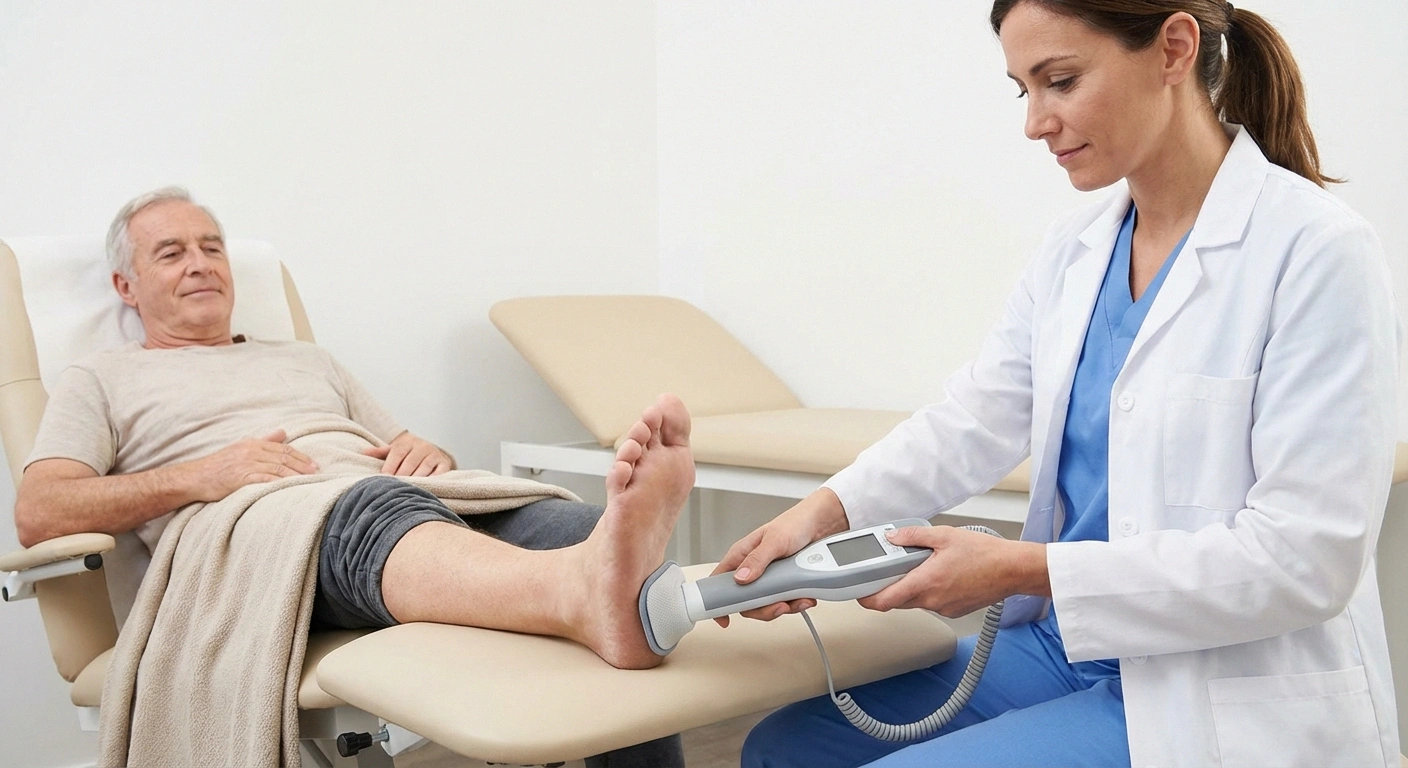
The device delivers targeted magnetic pulses to peripheral nerves in the affected area. Early clinical data showed meaningful pain reduction in patients with painful diabetic neuropathy, and the device is FDA-cleared under the 510(k) pathway. Availability is still expanding through specialty pain practices and neurology clinics as of early 2026.
This is worth watching for people who haven't responded to medications or want to avoid systemic drug side effects. For context on existing electrical stimulation options, our guide on TENS units for neuropathy covers the landscape of home-use devices.
Spinal Cord Stimulation: Stronger Evidence, Expanded Use
Spinal cord stimulation (SCS) isn't new, but the evidence base for neuropathy specifically has strengthened significantly in recent years. Medtronic received FDA approval for its SCS systems specifically for painful diabetic neuropathy — a more specific indication than general chronic pain — and long-term follow-up studies show that many patients achieve at least 50% pain relief that persists over time.
Why Nav1.8 Is Different
Nav1.8 sodium channels are expressed almost exclusively in peripheral sensory neurons — the exact neurons involved in neuropathic pain. Blocking them specifically targets the source of the signal without the central nervous system sedation and cognitive effects of gabapentin and pregabalin. Phase 2 trials in diabetic peripheral neuropathy showed positive results. (Source: FDA, Vertex Pharmaceuticals)
SCS involves implanting a small device that delivers electrical pulses to the spinal cord, interrupting pain signal transmission. The newer “DTM SCS” (differential target multiplexed) programming approach appears to offer improved outcomes over traditional SCS for neuropathic pain.
Who is it for? SCS is typically reserved for people with severe neuropathic pain who haven't responded adequately to multiple medications. The procedure involves a trial period before permanent implantation to confirm effectiveness. For a full breakdown, see our article on spinal cord stimulation for neuropathy.
GLP-1 Drugs and Neuropathy: An Emerging Investigation
The explosive growth of GLP-1 receptor agonists (semaglutide/Ozempic, tirzepatide/Mounjaro) for diabetes and weight management has created an interesting side question: do these drugs affect neuropathy? Early signals are genuinely intriguing.
Some observational data suggests that people on GLP-1 drugs experience improvements in neuropathy symptoms beyond what would be expected from weight loss and blood sugar control alone. The proposed mechanisms involve GLP-1 receptors on peripheral nerves and anti-inflammatory effects. However, there's also early concern that the rapid weight loss caused by these medications could, in some cases, worsen nerve compression (as protective fat pads around nerves diminish).
As of 2026, this is an active area of investigation. Prospective clinical trials are being designed to study GLP-1 effects on diabetic neuropathy specifically. We've covered the current state in detail in our article on Ozempic and GLP-1 drugs and neuropathy.
FABP5 Inhibitors for Chemo Neuropathy: Still in Phase 1
Artelo Biosciences received FDA clearance for an Investigational New Drug application for ART26.12, a selective fatty acid binding protein 5 (FABP5) inhibitor, for chemotherapy-induced peripheral neuropathy. So far the drug has only been tested in healthy volunteers. A first single-dose study in 49 people finished in 2025, and Artelo is preparing a repeat-dose study, again in healthy volunteers, to start in late 2026.
2026 Treatment Landscape at a Glance
Suzetrigine (Journavx) — acute pain; neuropathy Phase 3 ongoing
Axon Therapy (Neuralace) — noninvasive magnetic nerve stimulation
ART26.12 (Artelo) — FABP5 inhibitor for CIPN
Photobiomodulation / Red light therapy — RCTs showing positive results
Scrambler therapy — growing clinical adoption for CIPN and nerve pain
Stem cell therapy — promising animal models, a few small human trials so far
Why is this interesting? FABP5 is involved in endocannabinoid and lipid signaling pathways that modulate pain and inflammation. FABP5 inhibitors may reduce neuropathic pain through a mechanism distinct from existing treatments and without the psychoactive effects associated with cannabinoids. It's early-stage, but CIPN is an area with enormous unmet need — chemotherapy-induced neuropathy affects 30–40% of people treated with neurotoxic chemotherapy and has very limited treatment options.
Scrambler Therapy: Growing Clinical Adoption
Scrambler therapy (also called MC5-A Calmare therapy) has been around for over a decade, but clinical adoption has been growing. The device delivers electrical stimulation through skin electrodes that “scrambles” pain signals — essentially sending the nervous system “non-pain” information over the same neural pathways that are carrying pain signals.
It's a noninvasive outpatient treatment requiring a series of sessions (typically 10–14). Multiple small clinical trials and case series have shown meaningful pain reduction, particularly in CIPN and post-surgical neuropathic pain. The evidence base isn't as robust as some would like, but patient-reported outcomes have been consistently positive enough that more pain centers are offering it.
See our detailed breakdown: Scrambler Therapy for Neuropathy.
Photobiomodulation / Red Light Therapy: Expanding Evidence
Low-level laser therapy and red light therapy — collectively called photobiomodulation (PBM) — have accumulated a growing body of clinical evidence for neuropathic pain over the past several years. The proposed mechanism involves light energy stimulating mitochondrial activity in nerve cells and reducing inflammation.

⚠ Buyer Beware
Many clinics currently offer “stem cell therapy” for neuropathy for fees of $5,000–$25,000 or more. The evidence does not yet support this as an established treatment. These offerings are not FDA-approved for neuropathy, not covered by insurance, and have limited to no clinical trial evidence. If a clinic is charging large out-of-pocket fees for unproven treatments, seek a second opinion from an academic medical center.
A 2025 systematic review and several randomized controlled trials have shown statistically significant improvements in pain scores, nerve conduction velocity, and quality of life in diabetic neuropathy patients treated with PBM. Effect sizes vary, but the safety profile is excellent and the treatment is well-tolerated.
This is one area where I've seen a lot of hope in our support group — partly because home devices are becoming more accessible and affordable. Our detailed analysis: Red Light Therapy for Neuropathy.
Stem Cell Therapy: Promising Preclinical Results, Still Early
Mesenchymal stem cell therapy has shown promising results in preclinical (animal) models for both diabetic and chemotherapy-related neuropathy. The proposed mechanism involves stem cells releasing growth factors and anti-inflammatory molecules that support nerve repair and regeneration.
A handful of small human trials in diabetic neuropathy have also been done, mostly in China, and a 2024 review found the results promising. But as of 2026 this remains early-stage research, and a larger randomized trial in China didn't start recruiting until October 2025. The honest assessment: stem cell therapy for neuropathy is not a current clinical option, but could become one in 5–10 years if trials proceed well.
Don't be misled by clinics currently offering “stem cell therapy” for neuropathy for large out-of-pocket fees — the evidence doesn't yet support this as an established treatment, and the FDA warns that these offerings are often marketed illegally.
Nerve Regeneration Research: Understanding the Biology Better
Separate from specific drugs or devices, there's meaningful progress in understanding the basic biology of nerve regeneration — which is foundational to developing better treatments. Research from Northeastern University published in 2025 identified new mechanisms behind how certain compounds with strong preclinical efficacy in nerve pain work, potentially laying groundwork for clinical development.
≥50%
Pain relief reached by many patients in long-term follow-up studies of spinal cord stimulation for painful diabetic neuropathy, and this effect persists over time according to multi-year data. (Source: SENZA-PDN trial; Petersen et al., Diabetes Care 2022 and Diabetes Research and Clinical Practice 2023)
Better understanding of why peripheral nerves regenerate slowly, what blocks recovery in chronic neuropathy, and how to promote remyelination may eventually translate into targeted interventions. This is slow science, but it's the right science — without understanding mechanism, drug development is guesswork.
What's NOT New: Managing Expectations
It's equally important to be clear about what hasn't changed and isn't likely to change soon:
- There is still no approved treatment that reliably reverses established nerve damage in most common neuropathy types. The new treatments above are focused on pain management, slowing progression, or improving quality of life — not regenerating already-dead axons.
- Gabapentin, pregabalin, and duloxetine remain the first-line options for most patients, and this isn't changing imminently. Suzetrigine may join this list for chronic neuropathy if Phase 3 trials succeed, but that likely means 2027–2028 at the earliest for a neuropathy-specific indication.
- Alpha-lipoic acid and B vitamins remain the most evidence-supported supplements — there are no supplement breakthroughs in the near-term pipeline.
How to Access Newer Treatments
If you're interested in newer treatment options, here's a practical path forward:
- Talk to your neurologist or pain specialist — not all primary care doctors are up to date on emerging treatments
- Explore clinical trials at ClinicalTrials.gov — many trials need participants, and participation gives you access to cutting-edge treatments under careful medical supervision. Our article on neuropathy clinical trials explains how to find and evaluate them
- Ask specifically about newer devices — Axon Therapy and scrambler therapy are available at some specialty centers right now
- Document your symptoms carefully — having a clear symptom history makes you a better candidate for clinical trials and helps doctors match you to appropriate treatments
Frequently Asked Questions About New Neuropathy Treatments
What is the newest treatment for neuropathy pain in 2026?
Suzetrigine (Journavx) is the most significant new development — a first-in-class Nav1.8 sodium channel blocker approved for acute pain in January 2025, with Phase 3 trials ongoing for chronic neuropathic pain. FDA-cleared Axon Therapy (magnetic peripheral nerve stimulation) is also newly available for painful diabetic neuropathy.
Is there a cure for neuropathy being developed?
Not imminently. Stem cell research and nerve regeneration biology are making progress, but current clinical pipelines are focused on better pain management and slowing progression rather than reversing established nerve damage. A genuine regenerative cure for most common neuropathy types remains a long-term research goal, not a near-term clinical reality.
When will suzetrigine be available for neuropathy pain specifically?
It's already approved for acute pain (since January 2025). For chronic neuropathic pain as a specific FDA-approved indication, Phase 3 trial results are expected in 2026–2027, which would need to be followed by FDA review. Realistically, a chronic neuropathic pain indication may come in 2027–2028 if trials succeed.
Practical Advice
Don't wait for future treatments while neuropathy progresses. Engage with current best practices now — address underlying causes, optimize medication, add evidence-supported complementary approaches. Stay informed about what's coming, but don't put current care on hold. Nerve damage that accumulates while waiting is damage that's harder to reverse later.
What's new for chemotherapy-induced neuropathy specifically?
CIPN has been a particularly underserved area. In 2026, the most notable development is ART26.12 (Artelo Biosciences), a FABP5 inhibitor in early Phase 1 testing. Scrambler therapy has growing evidence for CIPN specifically. GLP-1 drug research may also have relevance for CIPN in the longer term. For now, duloxetine is the one medication with enough evidence behind it to be used for CIPN pain that's already set in, and even there the benefit is limited, so the field urgently needs better options.
Are any new neuropathy treatments available right now without going to a specialist?
Most of the newer treatments — Axon Therapy, advanced SCS systems — require specialist evaluation. Home-use options that have improved in recent years include more sophisticated TENS devices and red light therapy devices, which can be purchased directly. However, results vary widely and none of these replace appropriate medical management of underlying neuropathy causes.
Does red light therapy really help neuropathy?
There is genuine emerging evidence — multiple randomized controlled trials and systematic reviews support its use for painful diabetic neuropathy specifically, showing improvements in pain scores and in some studies, nerve function measures. It's not a cure, but it appears to provide meaningful symptom relief for a significant portion of users. The safety profile is excellent, which makes it a reasonable addition to a comprehensive treatment approach.
Should I wait for new treatments or use what's available now?
Don't wait. Existing treatments — both pharmaceutical and non-pharmaceutical — can provide real benefit, and addressing the underlying cause of your neuropathy (if treatable) is critically important right now. Waiting for future treatments while neuropathy progresses is not a good strategy. Engage with current best practices while staying informed about what's coming.
The Bigger Picture
After years of relatively slow progress in neuropathy treatment, the field is genuinely beginning to move. The Nav1.8 mechanism opens a new chapter for non-opioid peripheral pain management. Device-based treatments are expanding. And the biological research is beginning to produce hypotheses specific to neuropathy that could eventually lead to disease-modifying treatments rather than just symptom management.
For people who've spent years cycling through medications that provide incomplete relief with difficult side effects, this is real reason for cautious optimism. Not “a cure is coming next year” — but “the science is finally targeting the right things.” That matters.
In the meantime, the best current approach remains a combination of addressing underlying causes, optimizing conventional medications, and adding evidence-supported complementary approaches like physical therapy, certain supplements, and newer device-based options. Our overview of neuropathy types and neuropathy medications guide are good companions to this article if you're trying to build a comprehensive picture of your treatment options.
About the Author