The first time I heard someone in our support group mention platelet-rich plasma for their neuropathy, I had to look it up. PRP is one of those treatments that's been around for decades in sports medicine — professional athletes get it for tendon injuries, orthopedic surgeons use it to accelerate healing after procedures — but its application to neuropathy pain is more recent and, I'll be honest, a little more complicated to evaluate.
What I found when I dug into the research was more encouraging than I expected, with some important caveats about where the evidence is strong and where it's still developing. PRP isn't a magic cure, but for certain types of nerve compression and neuropathic pain, there's a growing body of clinical evidence worth understanding.
What Is Platelet-Rich Plasma (PRP)?
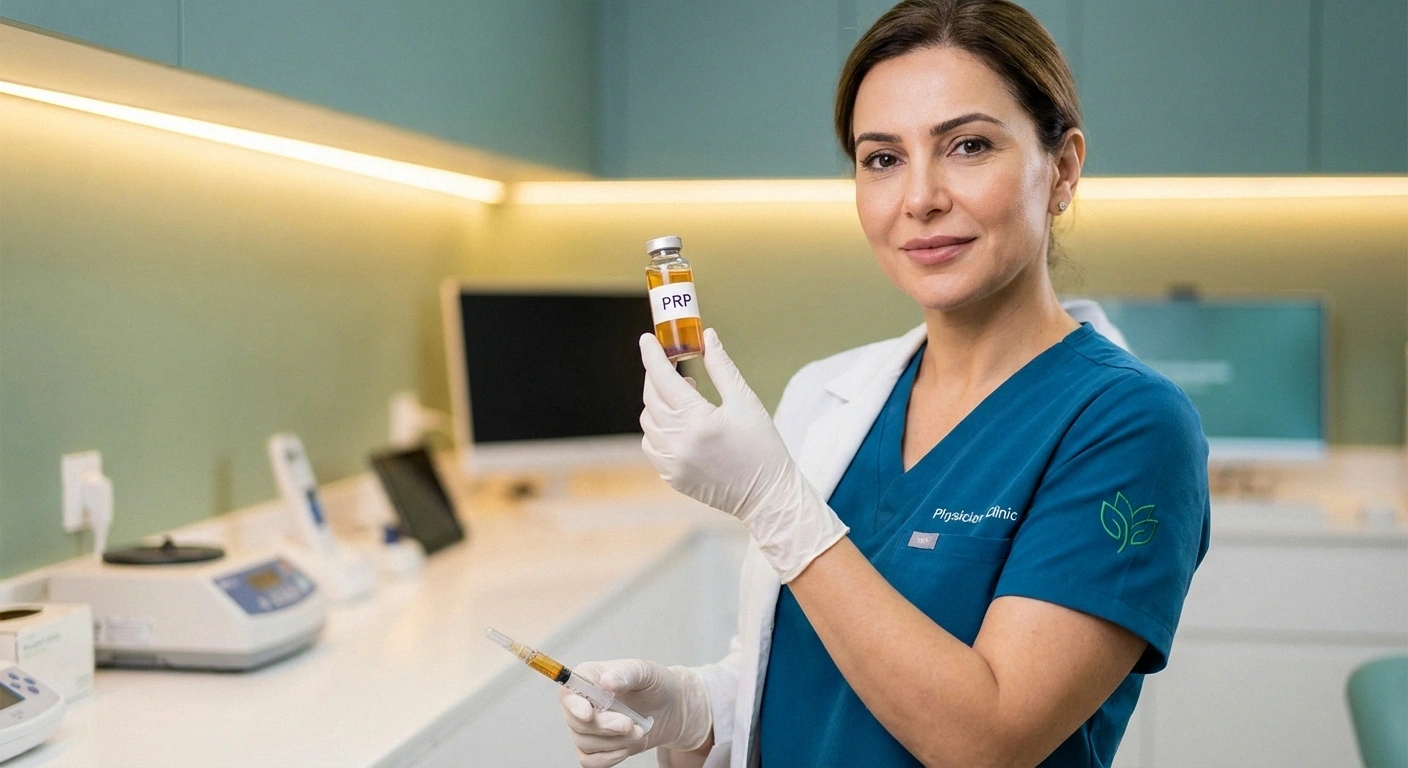
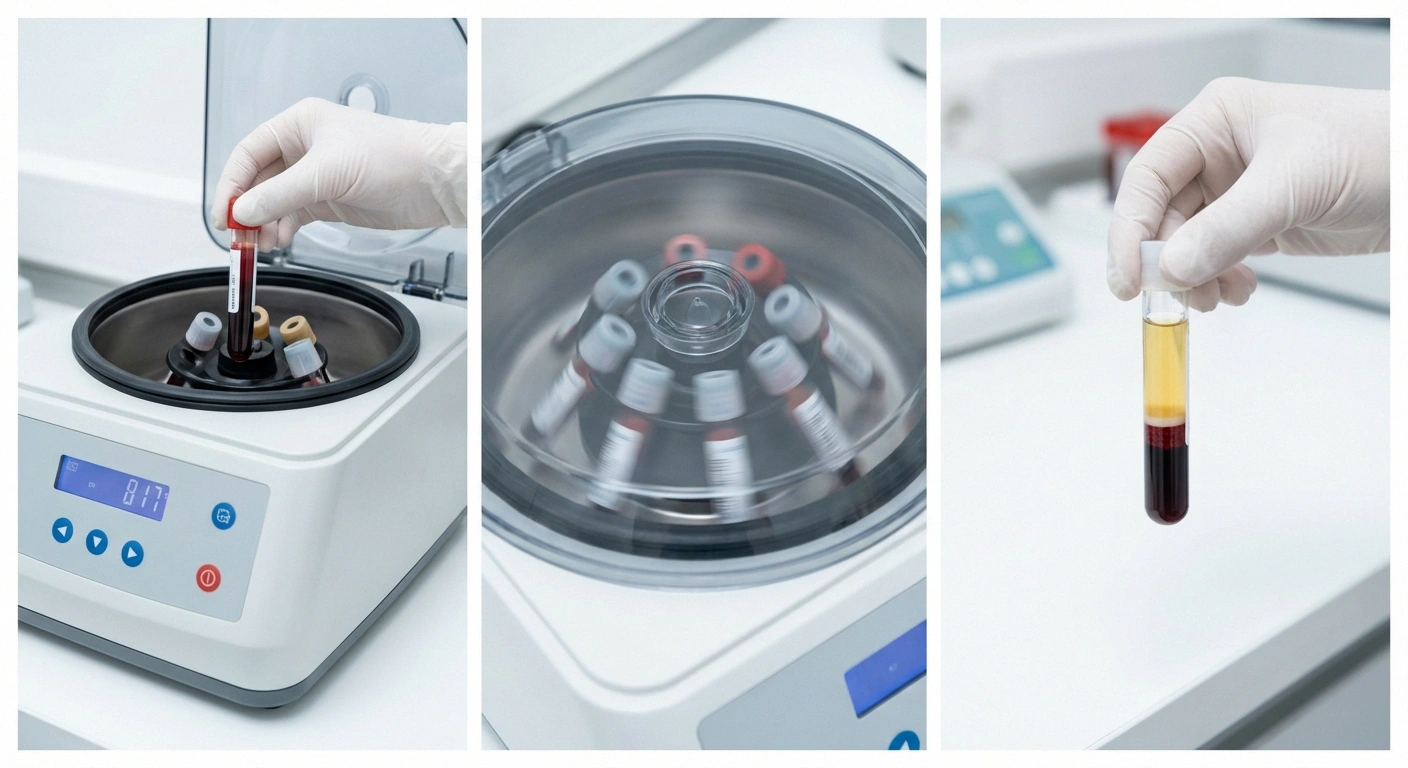
PRP is derived from your own blood. Here's the basic process: a practitioner draws a sample of your blood, then spins it in a centrifuge to separate the components. The centrifuge concentrates the platelets into a small volume of plasma, creating a solution with a much higher platelet concentration than normal blood — typically three to seven times higher, though this varies with the preparation method.
Platelets are best known for their role in clotting, but they also contain hundreds of growth factors and bioactive proteins stored in tiny granules. When platelets are activated (by injury, or deliberately in a clinical setting), they release these growth factors into the surrounding tissue.
The growth factors most relevant to nerve health include:
- PDGF (Platelet-Derived Growth Factor) — stimulates cell proliferation and tissue repair
- VEGF (Vascular Endothelial Growth Factor) — promotes new blood vessel formation, improving blood supply to damaged tissue
- TGF-β (Transforming Growth Factor-beta) — modulates inflammation and supports tissue repair
- IGF-1 (Insulin-like Growth Factor 1) — promotes axonal growth and Schwann cell function
- NGF (Nerve Growth Factor) — directly supports nerve survival and regrowth
That last one — NGF — is particularly relevant. We know from nerve regeneration research that NGF is central to peripheral nerve repair. PRP delivers a concentrated dose of growth factors that stimulate this repair process directly at the injection site.
How PRP Affects Nerve Tissue
The mechanisms by which PRP supports nerve repair are now reasonably well-described in the research literature:
Axonal Growth Promotion
PRP creates a local environment that supports axonal regeneration — the regrowth of the nerve fiber extensions that carry signals. In animal models, PRP-treated nerve injuries consistently show greater axonal density and faster functional recovery than untreated controls.
Key Takeaway
PRP uses concentrated growth factors from your own blood to stimulate nerve repair at a specific injection site. The strongest evidence is for carpal tunnel syndrome and focal nerve compression. For diffuse peripheral neuropathy, it's most useful when a specific, accessible nerve target exists. It's a procedural complement to — not a replacement for — treating the underlying cause of neuropathy.
Schwann Cell Stimulation
Schwann cells are the specialized cells that wrap around peripheral nerve fibers to form myelin — the protective insulating sheath. Schwann cells play a critical role in nerve repair by guiding regenerating axons and producing neurotrophic factors. PRP growth factors, particularly IGF-1 and PDGF, stimulate Schwann cell proliferation and activity.
Inflammation Modulation
Chronic nerve inflammation is a driver of neuropathic pain. PRP modulates the local inflammatory environment through TGF-β, reducing the inflammatory signals that amplify pain while maintaining the productive inflammatory processes needed for repair. This is different from simply suppressing inflammation — it's a more nuanced biological rebalancing.
Vascular Support
Peripheral nerves depend on their own blood supply (the vasa nervorum). When this blood supply is compromised — as it is in diabetic neuropathy and some inflammatory conditions — nerves suffer from ischemia (insufficient oxygen). VEGF from PRP promotes new blood vessel formation around the injection site, potentially restoring the nutritional blood flow nerves need to survive and repair.
What the Clinical Research Shows
The research on PRP for neuropathy has grown substantially in recent years, with several systematic reviews and randomized controlled trials now available.
Carpal Tunnel Syndrome
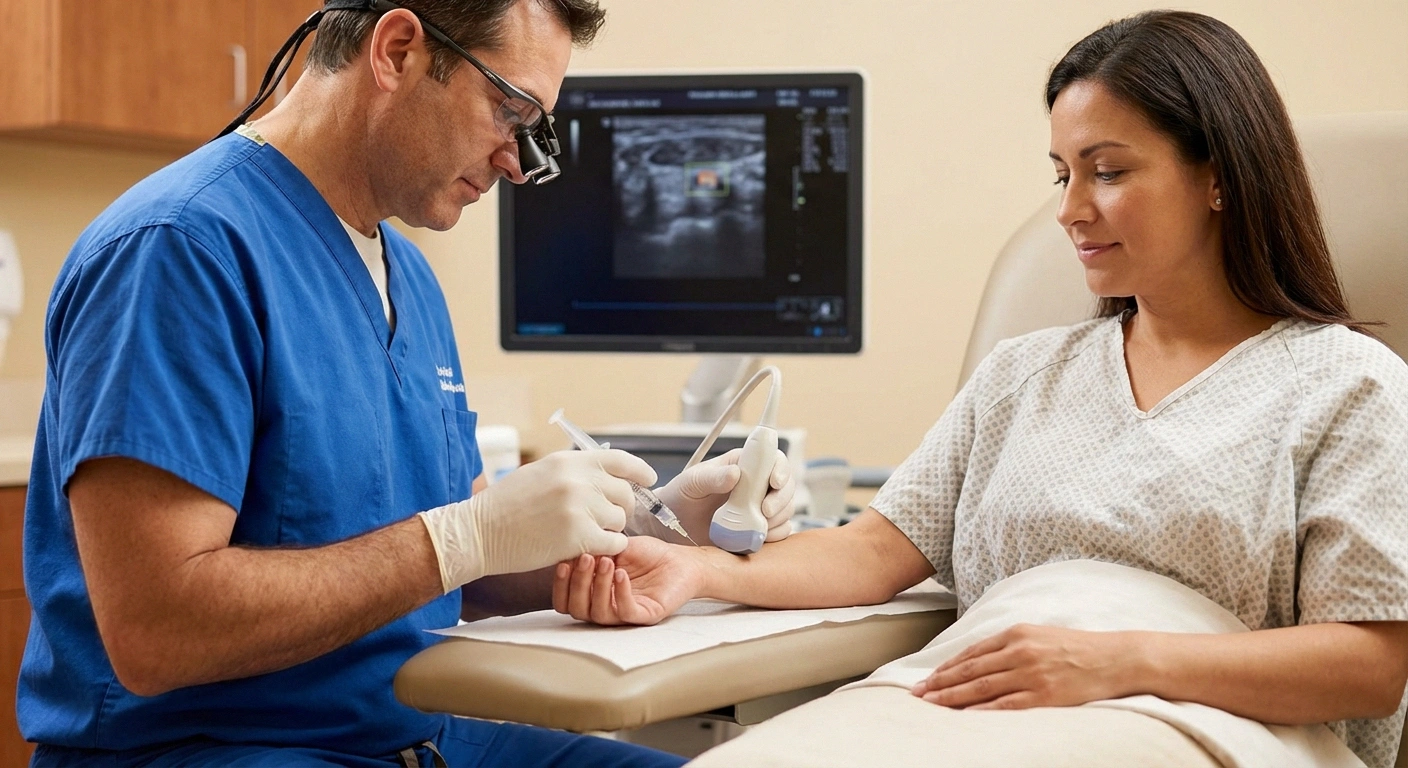
This is the condition with the strongest PRP evidence. Carpal tunnel syndrome involves compression of the median nerve at the wrist — technically a form of nerve compression neuropathy rather than diffuse peripheral neuropathy. Multiple randomized controlled trials, including a prospective trial published in Scientific Reports, have found that PRP injections provide significant and durable pain relief compared to control interventions, with improvements lasting at least six months. The 2025 systematic review of PRP for peripheral neuropathic pain specifically cited carpal tunnel as showing “significant improvements in pain and functional scores compared to control groups at six months.”
How PRP Is Prepared and Delivered
Blood draw — 20–60ml taken from your arm (similar to routine bloodwork)
Centrifuge separation — blood is spun to concentrate platelets (3–7× normal blood levels)
Injection under ultrasound guidance — precise delivery near the affected nerve (~30–45 min total visit)
Recovery period — 2–5 days of soreness/flare expected; avoid NSAIDs for 1–2 weeks after
Evaluate at 6–12 weeks after initial series of 2–4 injections spaced 3–6 weeks apart
Diabetic Peripheral Neuropathy
For diabetic neuropathy, the evidence is emerging but promising. Studies using acupuncture point injection of PRP (combining the PRP delivery with acupoint locations) in diabetic neuropathy patients documented significant improvements in pain scores and sleep quality compared to control groups. A 2025 systematic review by PMC found PRP “markedly enhances nerve regeneration, improves recovery of sensory and motor functions, and alleviates neuropathic pain across various nerve injuries.”
Peripheral Nerve Injuries
For discrete nerve injuries — such as traumatic injury to a named nerve or post-surgical nerve damage — PRP has shown consistent benefits in accelerating recovery and improving both sensory and motor outcomes. A comprehensive review published in Experimental Biology and Medicine (2025) described PRP as having “remarkable potential” for peripheral nerve injury repair based on the consistent direction of findings across multiple studies.
Ulnar Neuritis and Peroneal Nerve Palsy
Beyond carpal tunnel, PRP has shown promise in other nerve compression syndromes including ulnar neuritis (affecting the funny bone nerve) and common peroneal nerve palsy (affecting foot and ankle function). These represent targeted applications where PRP can be delivered close to a specific, accessible nerve.
The Honest Caveat
Here's what the 2025 systematic review authors also said: “The studies were very different from one another, making it hard to combine results into a single clear answer, and researchers still need better-designed trials before firm clinical rules can be made.” This reflects a real issue with PRP research: preparation methods vary, injection techniques vary, platelet concentrations vary, patient populations vary. It's hard to standardize, and that makes interpreting the overall body of evidence challenging.
For diffuse small fiber neuropathy or length-dependent diabetic neuropathy affecting both legs, PRP faces practical limitations — you can't practically inject the entire peripheral nervous system. The strongest evidence is for discrete nerve compression syndromes and focal nerve injuries where PRP can be delivered close to the affected nerve.
What PRP Treatment Actually Involves
If you're considering PRP for a nerve-related condition, here's what to expect from the process:
PRP Evidence by Condition
| Condition | Evidence Level | Practical Fit |
|---|---|---|
| Carpal Tunnel Syndrome | Strongest | Multiple RCTs, 6-month durable benefit |
| Peripheral Nerve Injuries | Strong | Consistent animal + clinical data for discrete injuries |
| Diabetic Neuropathy (focal) | Emerging | Promising pain + sleep quality improvement in trials |
| Ulnar Neuritis / Peroneal Palsy | Moderate | Promising for accessible nerve compression syndromes |
| Diffuse Polyneuropathy | Limited | Not practical — cannot inject entire peripheral nervous system |
Blood Draw and Preparation
A standard blood draw is taken, typically 20–60ml depending on the protocol. The blood is centrifuged (spun) to separate components. The platelet-rich plasma layer is extracted — this produces roughly 3–8ml of PRP. The whole process takes about 30–45 minutes at the clinic.
Injection
The PRP is injected near the affected nerve, typically under ultrasound guidance to ensure precise placement. Ultrasound guidance is standard for nerve-targeted PRP and significantly improves accuracy compared to landmark-based injection. A local anesthetic may be used around the injection site.
The injection itself can cause a brief intense ache or pressure — more than a standard cortisone shot, because the volume and the platelet activation response can cause a temporary inflammatory reaction. Most patients describe it as uncomfortable but manageable.
Post-Injection Period
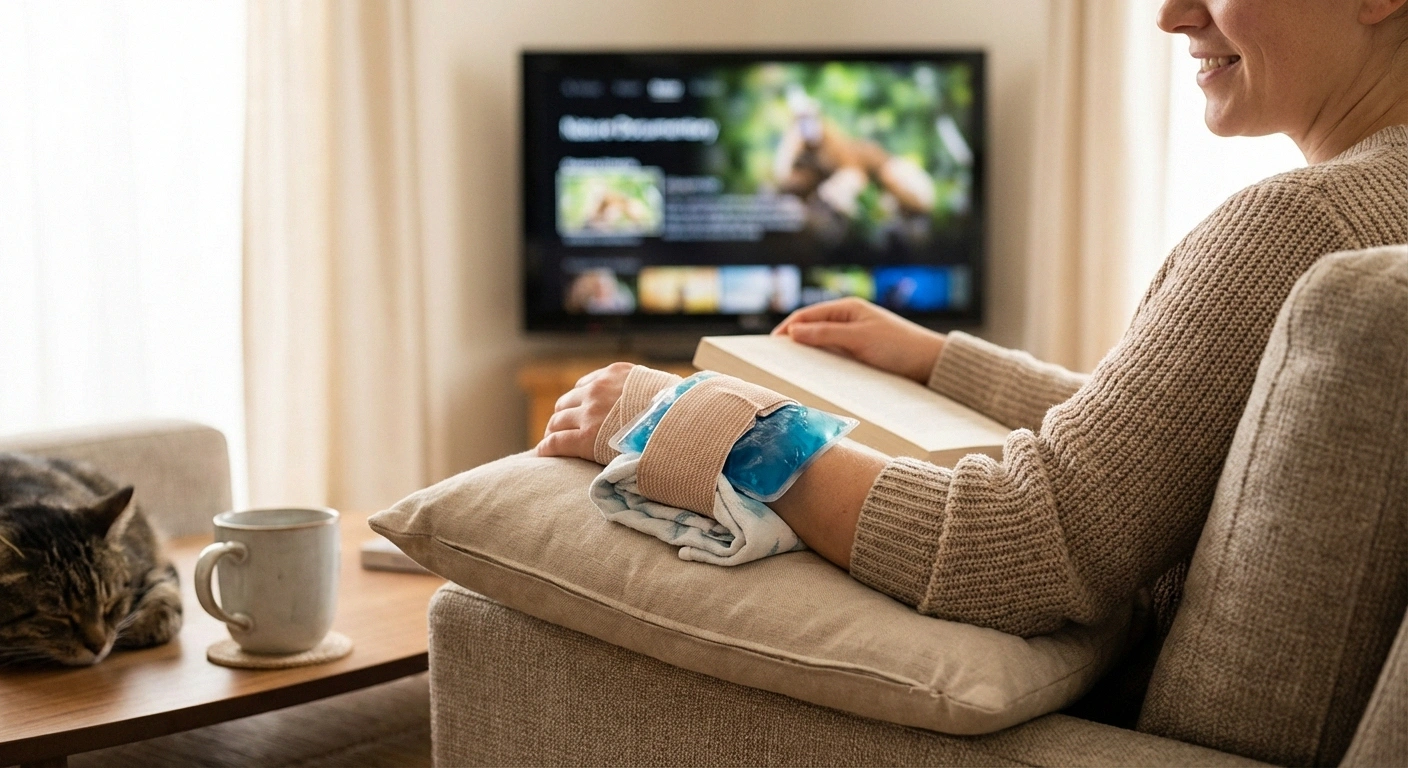
Expect soreness and possible worsening of symptoms for two to five days after injection. This is the expected inflammatory response as growth factors are released. Most protocols recommend avoiding anti-inflammatory medications (NSAIDs, ibuprofen) for at least a week after PRP, as these can interfere with the platelet-mediated healing process. Ice can be used for comfort.
Timeline and Series
Most protocols involve an initial series of injections — often two to four injections spaced three to six weeks apart. Meaningful improvement is typically assessed at six to twelve weeks after the series. Some patients receive a maintenance injection if symptoms recur.
Research Says
A 2025 systematic review found that PRP “markedly enhances nerve regeneration, improves recovery of sensory and motor functions, and alleviates neuropathic pain across various nerve injuries.” For carpal tunnel specifically, multiple RCTs show significant improvements in pain and functional scores versus controls at six months, with no serious complications reported.
Who Is a Good Candidate for PRP?
PRP is most likely to be helpful for:

- Carpal tunnel syndrome — especially for patients seeking to avoid surgery or as an intermediate step
- Focal nerve compression syndromes (ulnar neuropathy, tarsal tunnel, etc.) where PRP can be delivered near the compressed nerve
- Peripheral nerve injuries from trauma or surgery, particularly early in recovery
- Diabetic neuropathy — emerging evidence, especially for pain in specific areas
- Post-surgical nerve pain where a specific nerve is accessible
PRP is less likely to be practical or beneficial for:
- Diffuse length-dependent polyneuropathy affecting both legs in a symmetric pattern — too widespread to treat with injections
- Neuropathy with severe established nerve loss where there's little remaining nerve structure to stimulate
- Patients on anticoagulant therapy (need physician clearance)
- Active infection at or near the injection site
- Active cancer — growth factor stimulation is generally contraindicated
Cost and Insurance Coverage
This is a significant practical issue. PRP is generally not covered by insurance for neuropathy-related indications, because it's still categorized as experimental or investigational for most nerve conditions. Out-of-pocket costs vary widely by location and provider, but typical pricing for a single PRP injection ranges from $400 to $1,200. A series of three injections can easily run $1,200 to $3,500 or more.
Some pain management clinics and regenerative medicine specialists offer packages, and prices are often negotiable or offer a first-injection discount. Get a clear itemized estimate before committing.
For carpal tunnel syndrome specifically, some insurers cover PRP as an alternative to surgery — it's worth calling your insurer directly to ask, as coverage policies evolve as evidence accumulates.
Finding a Qualified Provider
PRP for nerve conditions should be performed by a physician with experience in both nerve anatomy and ultrasound-guided injection techniques. Appropriate specialties include:
Cost and Insurance Reality Check
$400–$1,200
per single injection (out of pocket)
2–4
injections in typical initial series
Usually not
covered by insurance for nerve pain
- Pain management physicians with regenerative medicine focus
- Physical medicine and rehabilitation (PM&R) physicians
- Orthopedic surgeons or sports medicine physicians experienced in PRP
- Interventional neurologists at larger medical centers
Red flags to watch for: any provider who promises dramatic results, downplays the evidence limitations, or proposes treating widespread neuropathy with multiple injections without a clear rationale for each site. PRP is promising, but no reputable provider should be claiming it's a cure for peripheral neuropathy.
PRP vs. Other Neuropathy Treatments
How does PRP fit alongside the broader landscape of neuropathy treatment options?
PRP is best understood as a targeted, procedural intervention — not a replacement for addressing the underlying cause of neuropathy or for systemic treatments. It doesn't address blood sugar in diabetic neuropathy, correct vitamin deficiencies, or treat autoimmune disease. Think of it as potentially useful for a specific nerve target when you have one — not as a standalone neuropathy treatment.

It's also distinct from TENS therapy, supplements, or medications in being an active biological intervention that delivers growth factors directly to tissue. The mechanisms are genuinely different.
For people with both focal nerve compression (like carpal tunnel) and broader systemic neuropathy, addressing both simultaneously makes sense — PRP for the focal component, systemic management for the broader condition.
After PRP: Avoid Anti-Inflammatory Medications
NSAIDs (ibuprofen, naproxen, aspirin) blunt platelet activation — the mechanism that makes PRP work. Avoid them for 1–2 weeks before and after each injection. If you take aspirin for heart health, discuss with your prescribing doctor before stopping it. Ice can be used for post-injection soreness instead.
Frequently Asked Questions
Is PRP safe for neuropathy treatment?
PRP has a good safety record. Because it's derived from your own blood, immune rejection or allergic reactions are not concerns. The most common adverse events are post-injection soreness, temporary symptom flare, and very rarely infection at the injection site. The 2025 systematic review specifically noted that serious PRP-related complications were not reported across the trials reviewed.
How quickly does PRP work for nerve pain?
Most patients notice meaningful improvement six to twelve weeks after an initial series. Some people feel improvement sooner, others take longer. Unlike a cortisone shot (which can provide relief within days), PRP works through biological repair processes that take time. Patience is necessary — and the expected temporary worsening in the first week after injection is a normal part of the process, not a sign it isn't working.
How many PRP injections will I need?
Most protocols use two to four injections in an initial series, spaced three to six weeks apart. After evaluating response at three months, some patients need a follow-up injection six to twelve months later if symptoms recur. There's no established maintenance protocol — it depends on individual response and the underlying condition.
Can PRP help with numbness, or only with pain?
The research shows improvement in both pain and sensory function in some patients. Improvement in numbness tends to be more gradual and less complete than pain relief, because numbness reflects actual nerve fiber loss and repair is slow. Some patients report partial improvement in sensation over six to twelve months; others see pain reduction but persistent numbness. Set realistic expectations — sensation recovery depends on how much actual nerve fiber loss has occurred.
Will my insurance cover PRP for neuropathy?
Generally, no — most insurance plans classify PRP as experimental for nerve pain indications and don't cover it. Carpal tunnel syndrome is an exception with some insurers, particularly if surgery is being considered. Always call your insurance company with the specific procedure codes your provider plans to use before committing to treatment.
Is PRP the same as stem cell therapy?
No. PRP uses your own platelets and growth factors — no stem cells are involved. Some regenerative medicine practices offer both, and the terms can get confused in marketing. PRP is better studied, standardized, and regulated than most stem cell offerings for neuropathy. Be particularly cautious about clinics advertising stem cell injections for neuropathy — the evidence base is much weaker and the practices are more variable.
Can I take my neuropathy medications while receiving PRP treatment?
Most neuropathy medications (gabapentin, pregabalin, duloxetine, amitriptyline) don't interfere with PRP and can be continued. Anti-inflammatory medications (NSAIDs like ibuprofen or naproxen) should be avoided for one to two weeks before and after each injection, as they can blunt the platelet activation that makes PRP work. If you're on aspirin for heart health, discuss with your prescribing physician before stopping it. Anticoagulants (warfarin, direct oral anticoagulants) require physician review before PRP.
About the Author