“Living well with neuropathy” can sound fake when your feet burn, your balance feels unreliable, and simple errands take more energy than they used to. So let’s define it properly.
Living well with neuropathy does not mean pretending the condition is minor. It means building a life that is safer, less painful, less chaotic, and more functional than the one you get by winging it. That usually comes from systems, not heroics: better routines, better setup, better pacing, better conversations with doctors, and fewer daily mistakes that keep flaring symptoms.
What Living Well Actually Means with Neuropathy
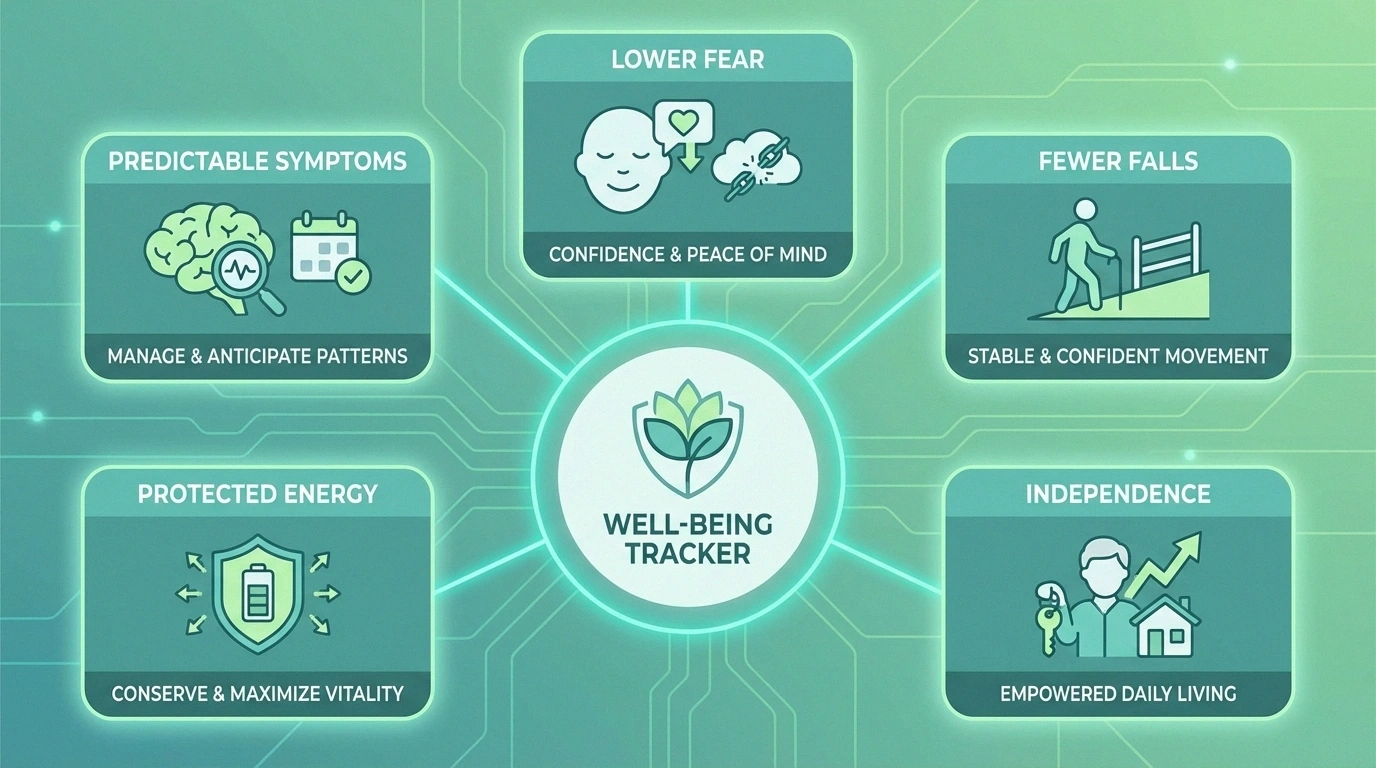
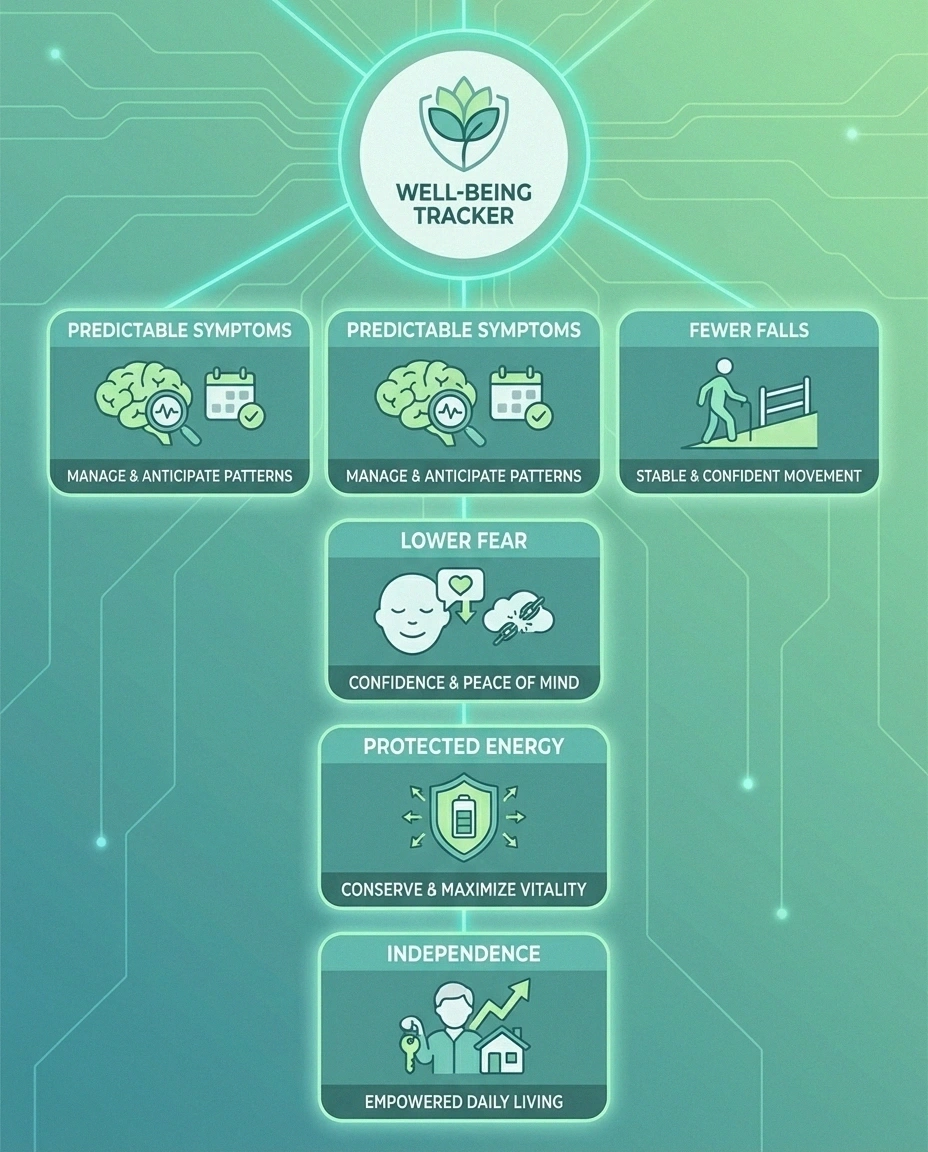
Quality of life with neuropathy usually improves when five things get steadier:
Key Takeaway
Quality of life improves when symptoms are more predictable, falls go down, energy is protected, and daily tasks are engineered to be easier.
- Symptoms feel more predictable
- Falls, injuries, and flare-up triggers go down
- You conserve energy for what matters instead of wasting it on preventable friction
- You stay more independent in daily life
- You stop making every decision from a place of fear
That is why a good lifestyle plan matters just as much as medications or supplements. If your home setup is unsafe, your sleep is wrecked, your feet are poorly protected, and every outing becomes an endurance event, no single treatment will feel like enough.
Build Your Symptom-Control Foundation
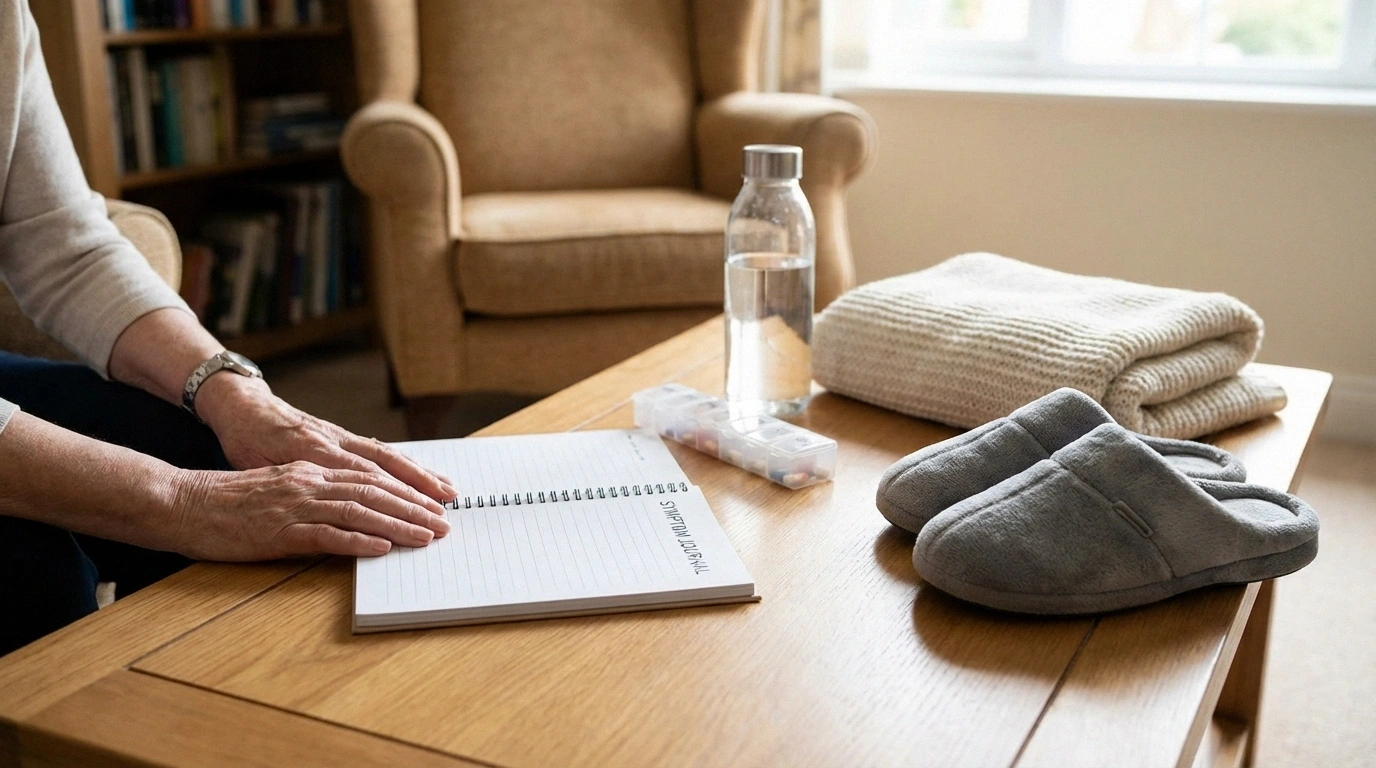
The first job is reducing daily volatility. Neuropathy becomes much easier to live with when symptoms are less random. That usually means paying attention to a few high-impact basics:
Daily Foundation Checklist
Protect sleep and reduce night flares
Move often enough to prevent symptom build-up
Use supportive footwear and protect numb feet
Track symptom triggers instead of guessing
- Protect sleep: night flares make everything harder the next day. If symptoms are worst after dark, study your nighttime triggers instead of just enduring them.
- Support circulation and movement: long periods of sitting often make symptoms worse. Short movement breaks beat heroic workouts you cannot sustain.
- Watch temperature sensitivity: some people flare in cold, others in heat. Build around your pattern.
- Use footwear and surfaces strategically: bad shoes and hard floors can quietly multiply pain and fatigue.
- Track patterns: if you never log flare triggers, meals, activities, and sleep retirement adjustments for neuropathy, you stay stuck in guesswork. A symptom journal makes hidden patterns visible.
This is not glamorous, but it is leverage. When you lower the number of bad-input days, you get back cognitive space and confidence.
Protect Mobility and Prevent Falls
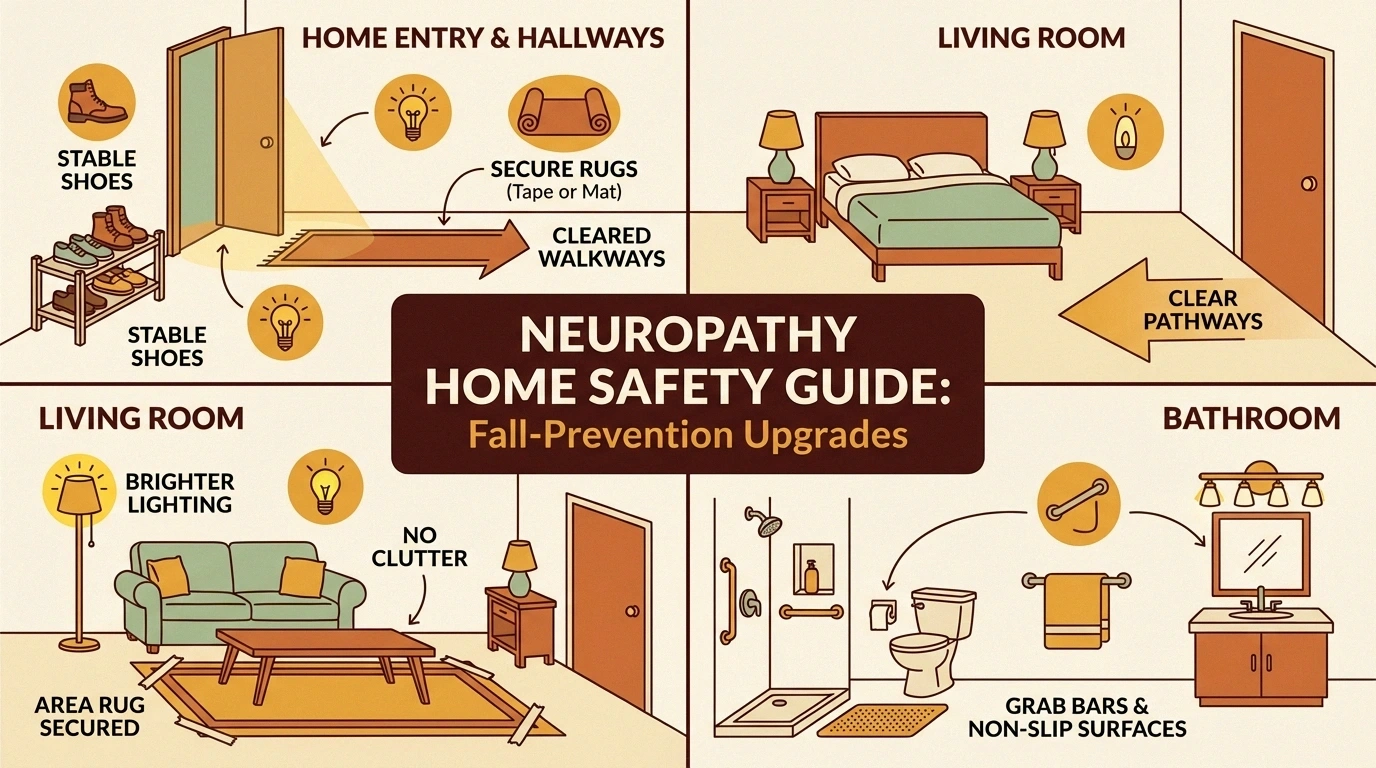
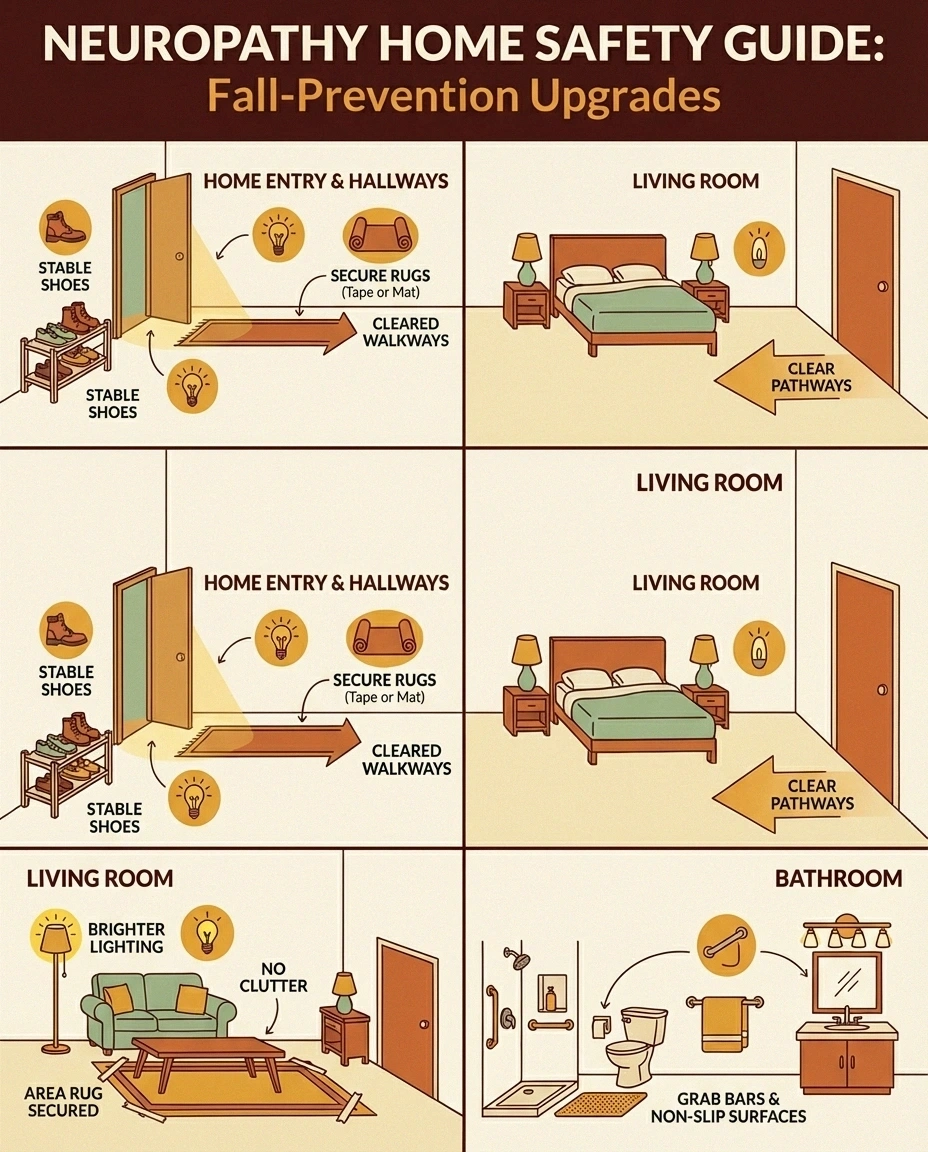
Mobility is one of the biggest quality-of-life multipliers because it affects everything else: errands, exercise, confidence, social life, and independence. If neuropathy is affecting your gait or balance, treat that as a systems problem, not a willpower problem.
❌ Reactive Approach
Wait for a fall, near-fall, or public scare before changing anything.
✓ Protective Approach
Adapt footwear, lighting, mobility tools, and therapy support before one bad moment changes everything.
Start with the obvious but important moves: stable shoes, fewer trip hazards, better lighting, and a serious look at your home layout. Then go one layer deeper. If you hesitate on stairs, avoid uneven ground, or feel mentally exhausted by walking in busy places, that is useful data. It may be time for occupational therapy, physical therapy, a walking aid, or a more deliberate fall-prevention plan.
Our balance guide and footwear guide go deeper here, but the high-level rule is simple: if balance is becoming a tax on your entire day, solve the balance problem directly instead of pretending it is “just part of getting older.”
Make Daily Life Easier at Home and Outside
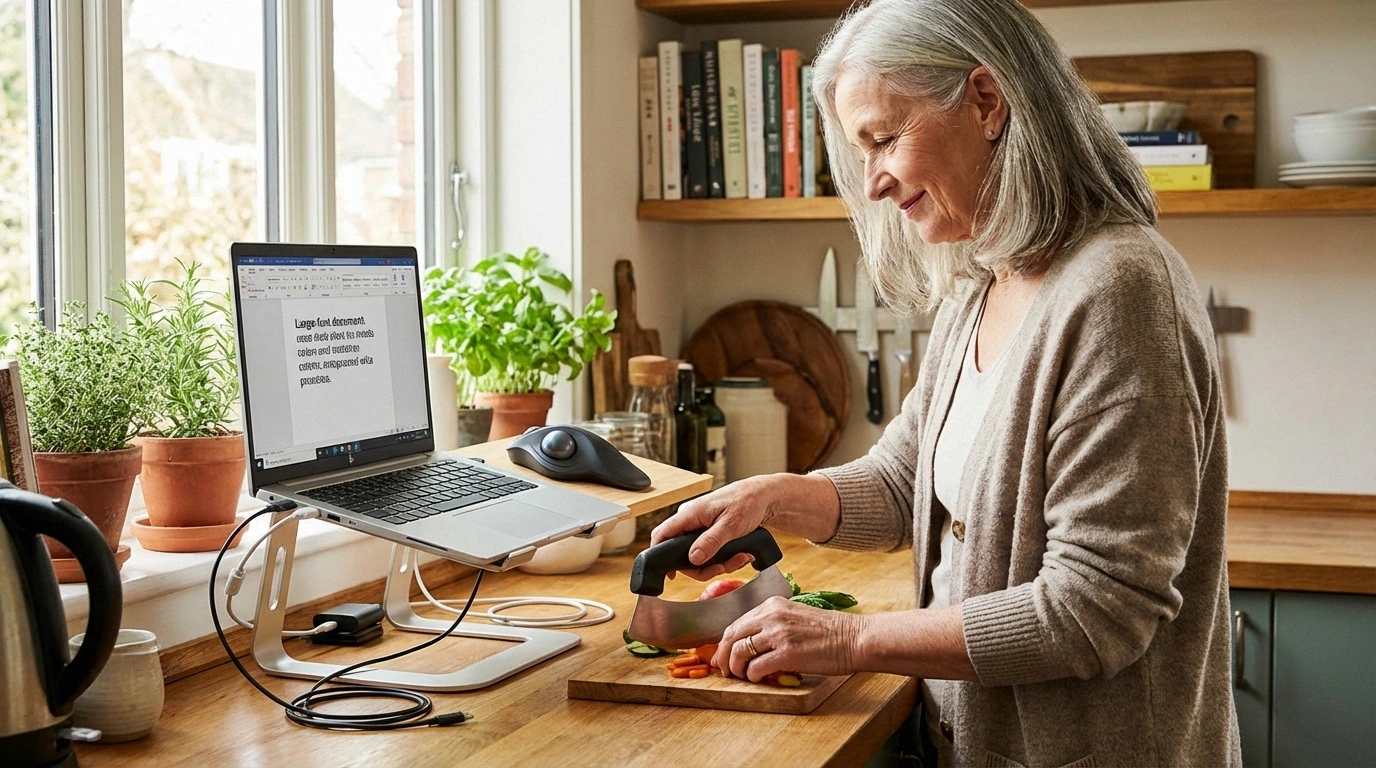
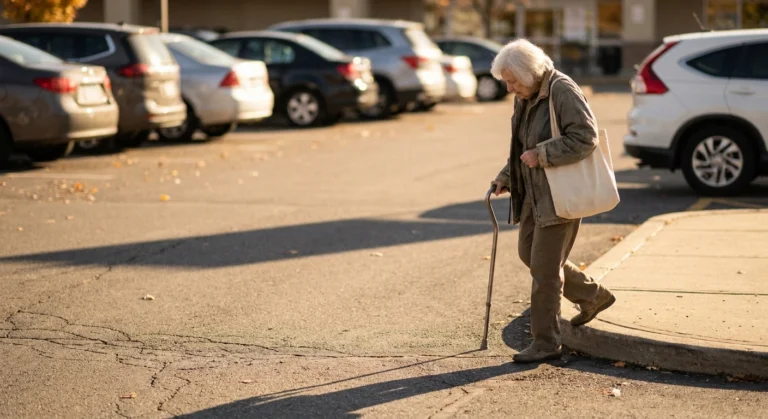
Neuropathy creates friction in small places first: typing, cooking, driving, standing in line, shopping, getting through airports, opening jars, handling stairs, navigating cold floors, walking through parking lots. The mistake is waiting until each annoyance becomes a crisis.
This is where adaptation is underrated. Small changes preserve independence:
- Use adaptive kitchen tools if numbness or grip weakness makes cooking risky
- Rework your desk if hand symptoms make computer time miserable
- Plan transportation and pacing for bigger outings instead of “pushing through”
- Accept mobility assistance in airports, events, or long-distance settings when it saves energy for the part that matters
- Keep your home lighting, floor transitions, bathroom grip points, and bedroom setup honest and safe
That is not “giving in.” It is engineering your environment so neuropathy takes less from you. If you are still doing everything the hard way out of pride, neuropathy is winning more than it has to.
Protect Sleep, Mood, and Relationships
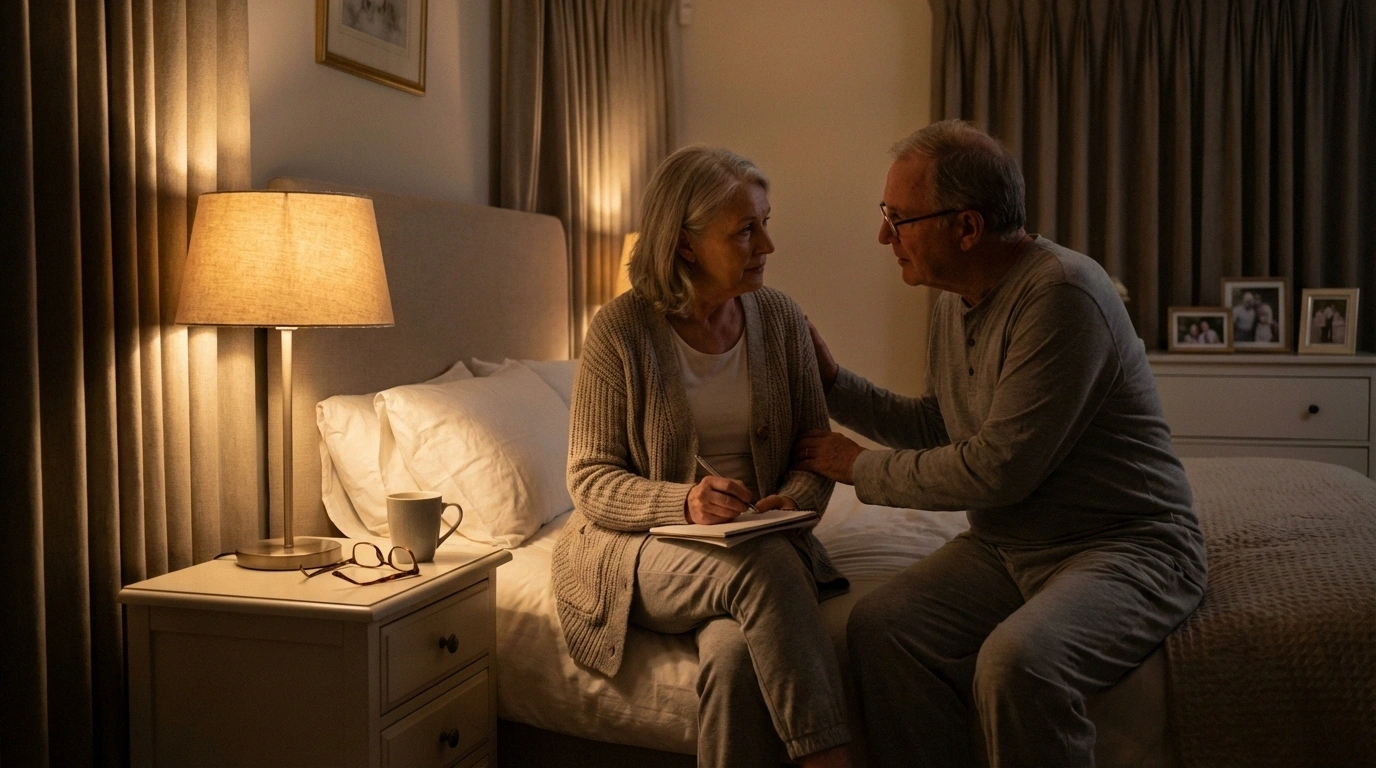
Quality of life collapses faster from isolation, bad sleep, and emotional exhaustion than most people expect. Chronic pain narrows life quietly. You stop going places. You become harder to live with because you are tired and overstimulated. Other people stop understanding what is happening because you “look fine.”
That is why emotional support is not optional fluff. It is part of disease management. For some people that means a support group. For others it means a therapist, better communication at home, or finally talking about the emotional side of neuropathy with the same seriousness as the physical side. Our resources on mental health, support groups, and other daily-life topics exist for a reason: untreated emotional fallout makes pain harder to carry.
The same goes for relationships. You do not need a dramatic speech. Often you just need better translation: what symptoms feel like, what helps, what does not, and why some days require a smaller range of motion than others.
Create a Sustainable Care Plan
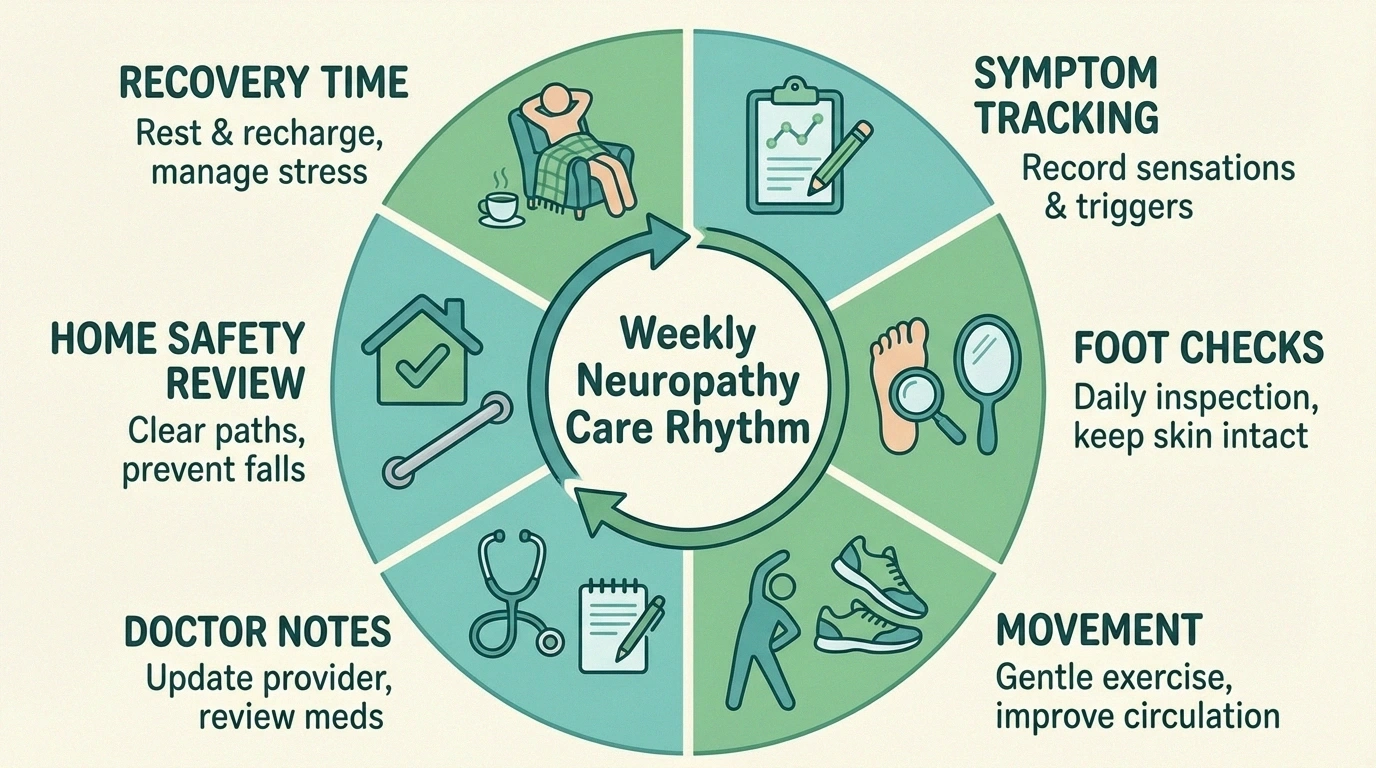
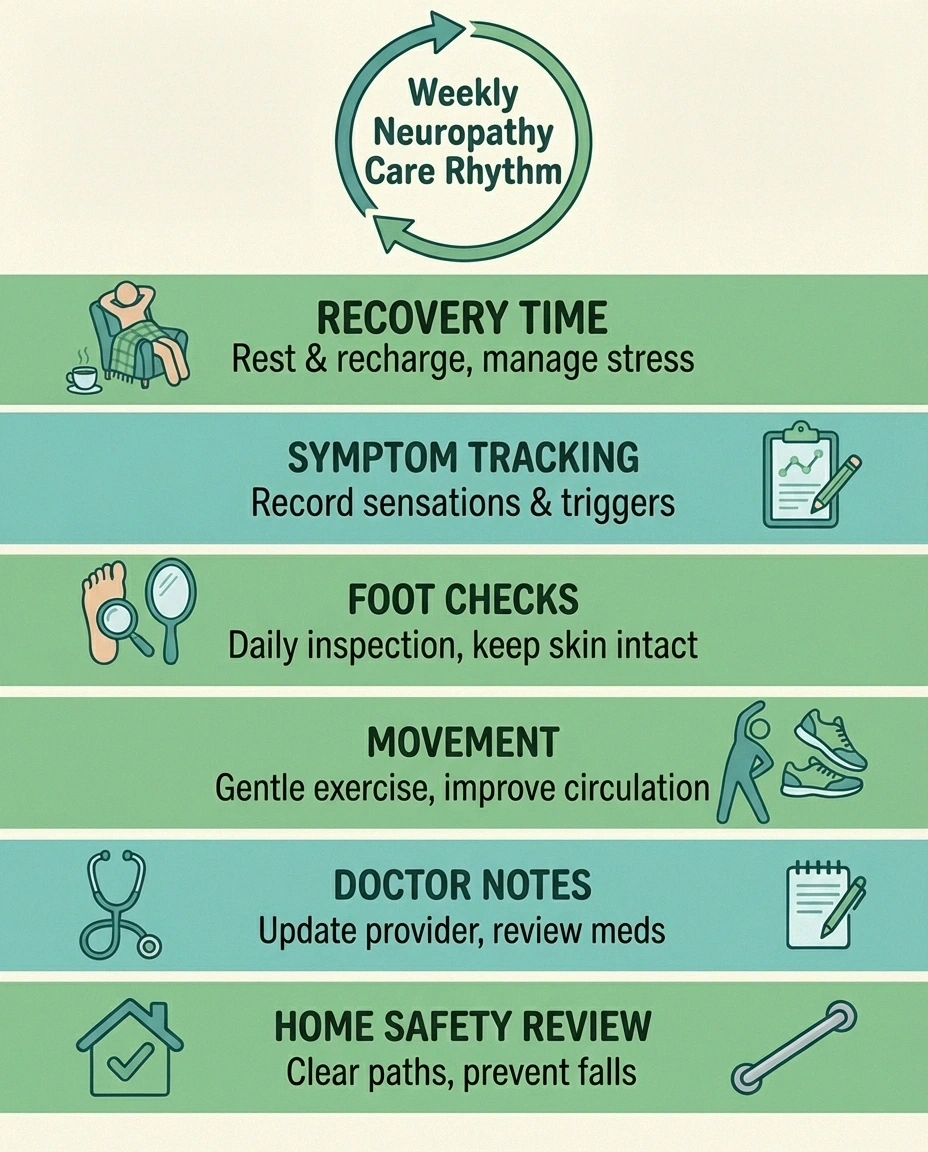
The highest-leverage mindset shift is this: stop treating neuropathy as an occasional emergency and start treating it as an ongoing operating environment. That means a repeatable care plan.
A Sustainable Neuropathy Care Rhythm
Notice patterns
Track symptoms, triggers, sleep, and activity honestly.
Adapt the environment
Fix the home, shoes, work setup, and travel routines that create preventable friction.
Review and adjust
Revisit the plan before function slips, not after.
- Know your core symptom triggers
- Know what a reasonable flare-up plan looks like
- Keep foot checks and skin protection routine if sensation is reduced
- Keep doctor questions written down instead of relying on memory
- Review medications, supplements, and treatment goals periodically
- Update your home and mobility supports as your needs change
Living well is rarely about one huge breakthrough. It is about stacking enough small wins that the condition stops dominating every day. That may include treatment changes later, but the day-to-day architecture still matters right now.
Frequently Asked Questions
Can you still live a normal life with neuropathy?
Many people can still live a full and meaningful life with neuropathy, but “normal” often needs to be redesigned. The biggest gains usually come from better routines, safer mobility, smarter pacing, and more realistic support systems.
What helps quality of life the most with neuropathy?
The highest-impact moves are usually sleep protection, fall prevention, foot care, supportive shoes, daily symptom pattern tracking, and adapting home and travel routines so you burn less energy on preventable friction.
How do you stay independent with neuropathy?
Independence improves when you adapt early instead of waiting until daily tasks become dangerous. That may include therapy, adaptive tools, safer footwear, better home lighting, mobility aids, or transportation planning.
Does neuropathy always keep getting worse?
No. Some neuropathies stabilize, some improve when the cause is treated, and some progress more slowly than feared. The course depends on the cause, not just the symptom label.
When should I ask for more support?
If falls, driving, cooking, walking, sleep, or mood are getting meaningfully worse, that is a good time to ask for more help. The earlier you adapt, the more independence you usually keep.
The Bottom Line
Living well with neuropathy is not about pretending everything is fine. It is about reducing chaos, protecting function, and making your life work better on purpose.
Do that, and neuropathy may still be present — but it stops being the architect of every day.
This article is for educational purposes only and does not constitute medical advice. Consult your healthcare provider about symptoms, safety issues, and treatment planning.
About the Author