I've written a lot about what foods help neuropathy and which foods to avoid. But here's the feedback I keep getting: “That's great, Janet — but what do I actually cook?”
Fair enough. A list of nutrients doesn't put dinner on the table. And when your hands are tingling or your feet are burning, the last thing you need is a complicated recipe that has you standing in the kitchen for an hour, chopping a dozen ingredients with fingers that won't cooperate.
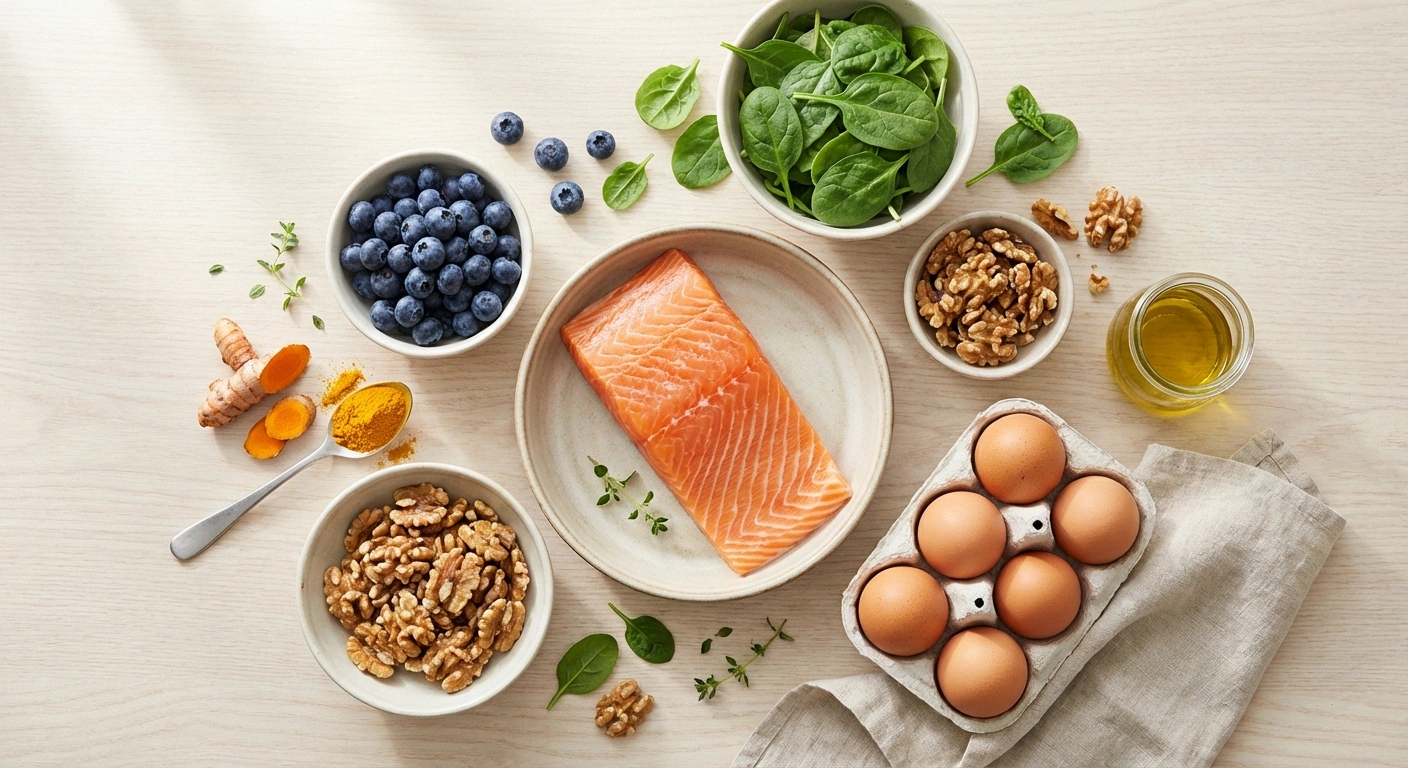
So I put together this collection of simple, nerve-friendly recipes — each one designed around the nutrients that matter most for neuropathy. Every recipe is built on the science of what actually supports nerve health: B vitamins for myelin repair, omega-3 fatty acids for reducing neuroinflammation, antioxidants for protecting nerve cells from oxidative stress, and anti-inflammatory compounds for calming overactive pain signals.
And because I know that neuropathy can make cooking physically challenging, I've focused on recipes that are manageable — short prep times, minimal chopping, and techniques that don't require a lot of hand strength or fine motor control. Let's eat.
The Nutrients That Drive These Recipes
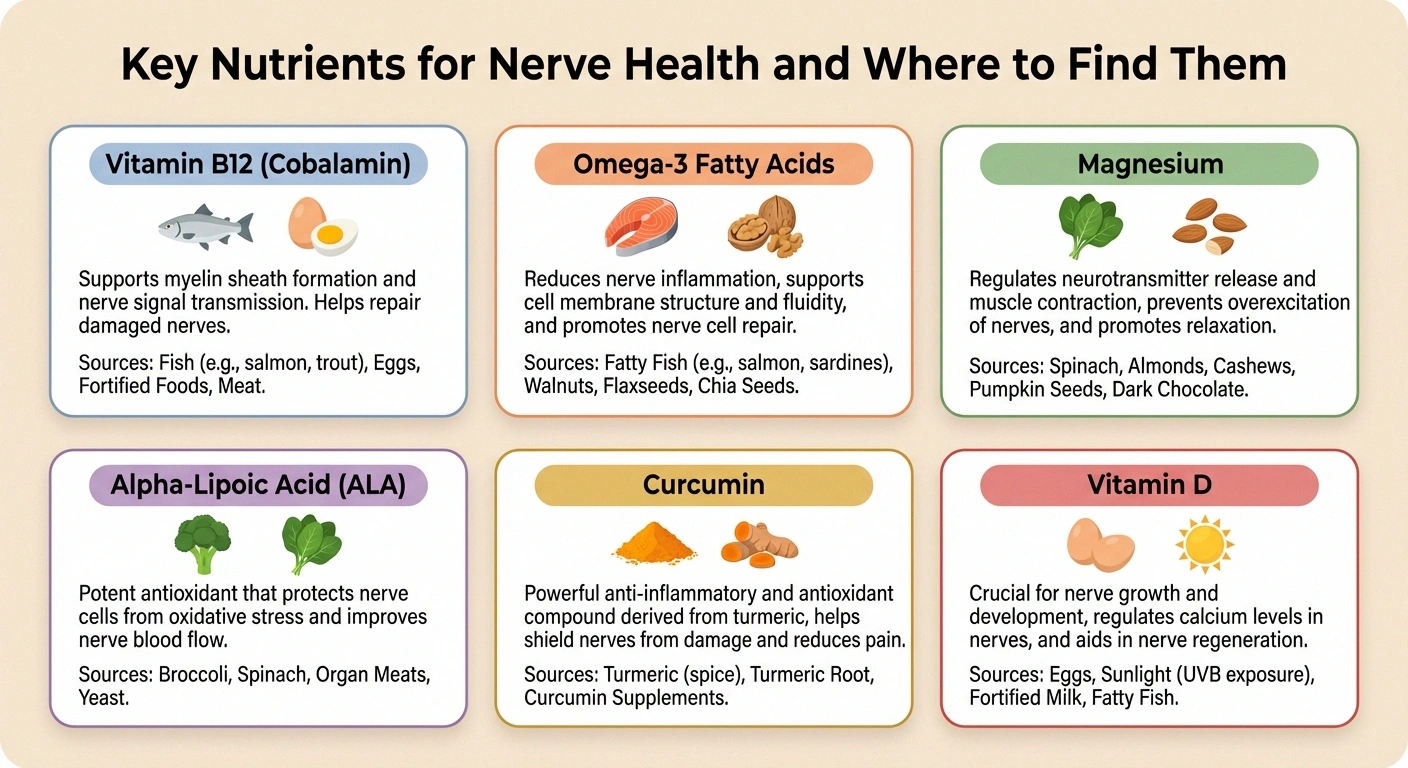
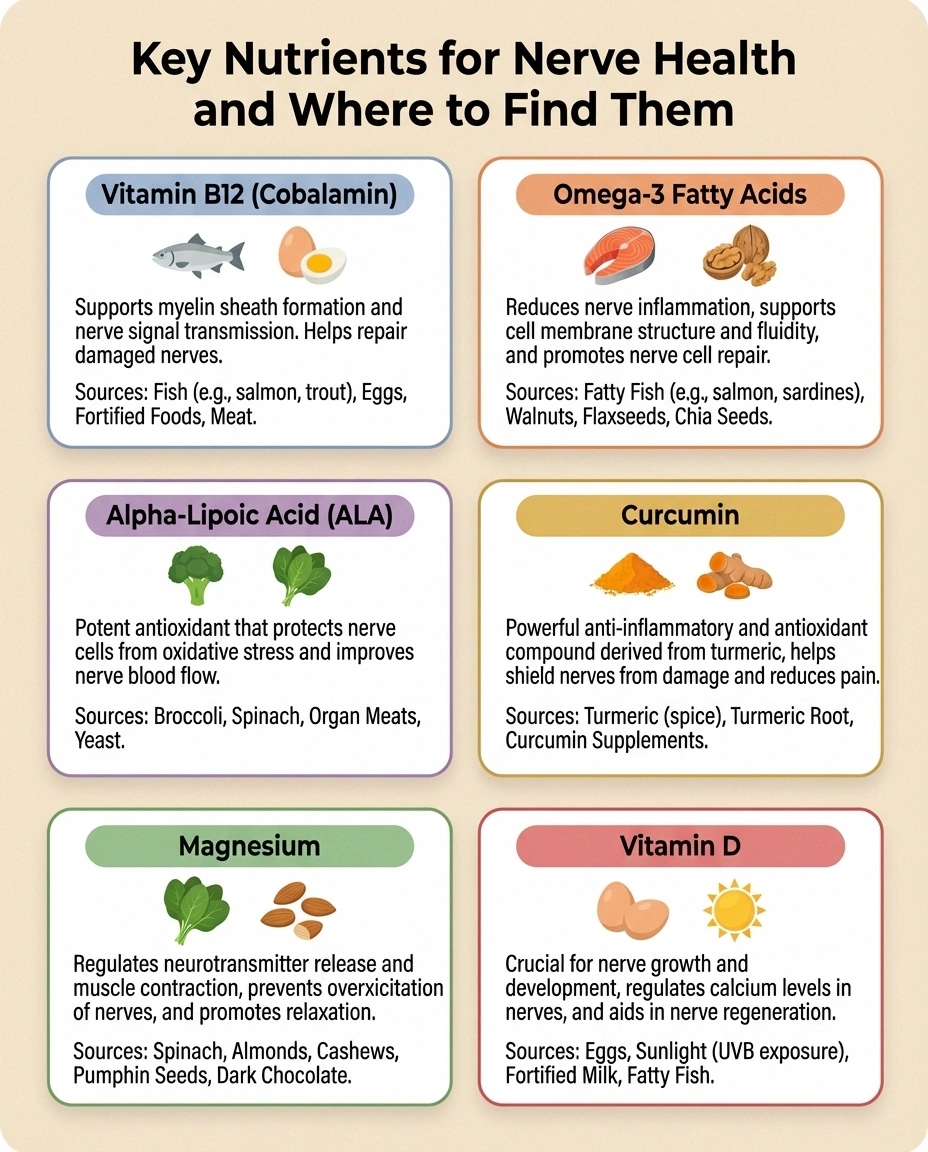
Before we dive into the recipes, a quick primer on why these specific ingredients keep showing up. Each recipe is designed to deliver meaningful amounts of one or more of these nerve-supporting nutrients:
🥗 The Nerve-Friendly Pantry: 6 Nutrients You Need
Vitamin B12
Role: Myelin sheath repair
Best sources: Salmon, eggs, sardines
Omega-3 (EPA/DHA)
Role: Nerve regeneration, anti-inflammatory
Best sources: Salmon, mackerel, walnuts
Magnesium
Role: Calms overexcited nerves
Best sources: Spinach, almonds, pumpkin seeds
Curcumin
Role: Anti-inflammatory (blocks NF-κB)
Best sources: Turmeric + black pepper
Alpha-Lipoic Acid
Role: Antioxidant, nerve conduction
Best sources: Spinach, broccoli
Vitamin D
Role: Nerve growth, immune function
Best sources: Eggs, sunlight, fortified foods
- Vitamin B12 (methylcobalamin) — essential for maintaining the myelin sheath that insulates your nerves. Deficiency is one of the most common reversible causes of neuropathy. Found in fish, eggs, and fortified foods.
- Omega-3 fatty acids (EPA/DHA) — promote nerve regeneration and reduce neuroinflammation. Cold-water fish like salmon and sardines are the best sources.
- Magnesium — regulates nerve impulse transmission and helps calm overexcited nerves. Found in leafy greens, nuts, and seeds. We've covered magnesium for neuropathy in depth.
- Alpha-lipoic acid — a powerful antioxidant found in spinach and broccoli that may improve nerve conduction. Read more about alpha-lipoic acid for neuropathy.
- Curcumin — the anti-inflammatory compound in turmeric that blocks NF-κB, a key driver of neuroinflammation. See our turmeric for neuropathy guide.
- Vitamin D — supports nerve growth and immune function. The sunshine vitamin that most neuropathy patients are low in.
Now, onto the food.
Breakfast Recipes
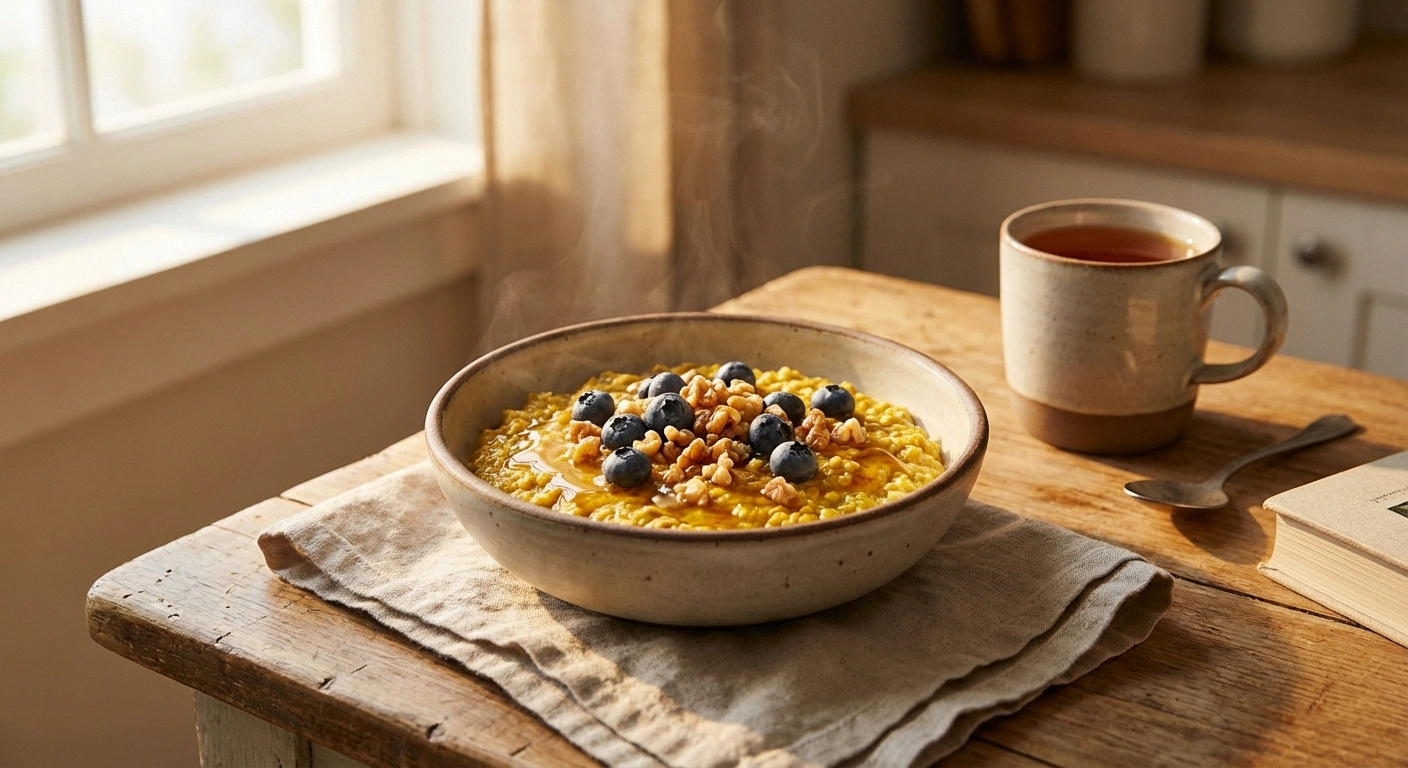
Anti-Inflammatory Golden Oatmeal
Why it helps: Turmeric delivers curcumin for inflammation control, while oats provide steady-release carbohydrates that won't spike blood sugar — important for anyone managing diabetic neuropathy. Walnuts add omega-3s, and the black pepper makes curcumin up to 2,000% more bioavailable.
Top Pick: Overnight Berry Parfait
The easiest nerve-friendly breakfast — zero cooking, minimal prep, and loaded with polyphenols, B12, and omega-3s. Make it the night before when your hands feel good, and it's ready when you wake up.
Ingredients:
- 1 cup rolled oats
- 2 cups water or unsweetened almond milk
- 1 teaspoon ground turmeric
- ½ teaspoon cinnamon
- Pinch of black pepper
- 1 tablespoon ground flaxseed
- Handful of walnuts, roughly crushed
- ½ cup blueberries (fresh or frozen)
- Drizzle of honey or maple syrup (optional)
Directions: Combine oats and liquid in a pot over medium heat. Stir in turmeric, cinnamon, and black pepper. Cook for 5 minutes, stirring occasionally. Remove from heat, top with flaxseed, walnuts, and blueberries. Drizzle with honey if desired.
Prep adaptations: If hand stiffness is an issue, use pre-crushed or chopped walnuts from the bag. Frozen blueberries require no prep — just scatter them on top and they'll thaw in the warmth of the oatmeal.
B12 Power Scramble
Why it helps: Eggs are one of the best food sources of B12, and the spinach adds magnesium and alpha-lipoic acid. This combination directly targets myelin health and nerve signaling.
Ingredients:
- 3 large eggs
- 2 large handfuls of baby spinach
- ¼ cup crumbled feta cheese
- 1 tablespoon olive oil
- Salt and pepper to taste
- ½ avocado, sliced (for healthy fats that help absorb fat-soluble vitamins)
Directions: Heat olive oil in a nonstick pan over medium heat. Add baby spinach and stir until just wilted — about 1 minute. Pour in beaten eggs and scramble gently until cooked through. Sprinkle with feta and serve with avocado slices.
Prep adaptations: Baby spinach requires zero chopping. If cracking eggs is difficult with numb fingers, try an egg cracker tool — they're inexpensive and make one-handed cracking easy.
Overnight Berry Nerve-Repair Parfait
Why it helps: Berries are packed with polyphenols that combat oxidative damage to nerves. Chia seeds provide plant-based omega-3s. Greek yogurt adds B12 and protein. Zero cooking required — you make it the night before.
Ingredients:
- ½ cup plain Greek yogurt
- ¼ cup rolled oats
- 1 tablespoon chia seeds
- ½ cup mixed berries (blueberries, raspberries, strawberries)
- ½ cup almond milk or regular milk
- 1 teaspoon honey (optional)
- Sprinkle of ground cinnamon
Directions: The night before, combine yogurt, oats, chia seeds, and milk in a jar or container. Stir, cover, and refrigerate. In the morning, top with berries, cinnamon, and honey. That's it.
Prep adaptations: This recipe is specifically designed for mornings when your hands don't cooperate. Everything is dump-and-stir. If opening jars is painful, keep a rubber grip opener handy.
Lunch Recipes
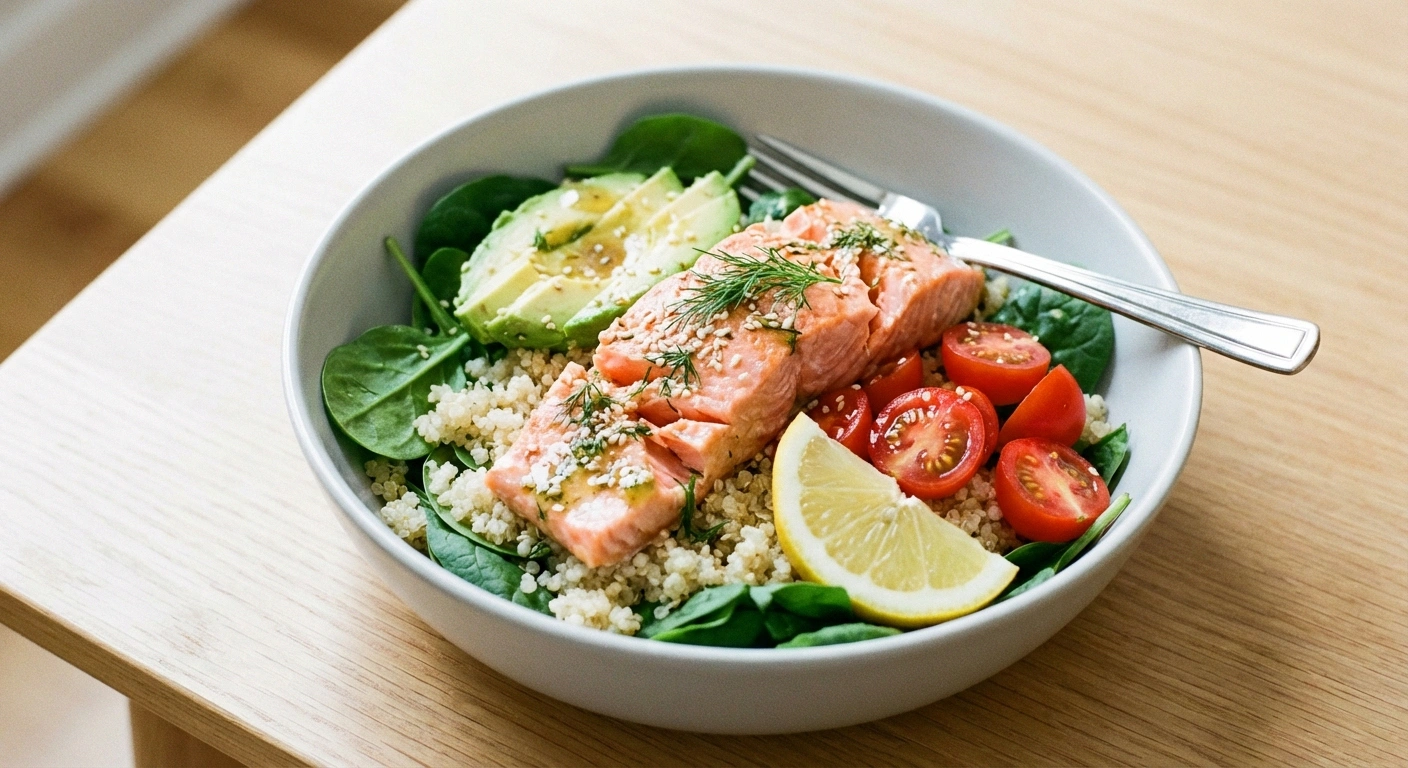
Salmon and Spinach Power Bowl
Why it helps: This is arguably the single best neuropathy meal you can eat. Salmon delivers omega-3s (EPA and DHA) that promote nerve regeneration and reduce neuroinflammation. Spinach provides magnesium and alpha-lipoic acid. Quinoa is a low-glycemic whole grain that keeps blood sugar stable.
Ingredients:
- 1 salmon fillet (about 6 ounces, fresh or frozen)
- 1 cup cooked quinoa
- 2 cups baby spinach
- ½ avocado, sliced
- ¼ cup cherry tomatoes, halved
- 1 tablespoon olive oil
- Juice of half a lemon
- Salt, pepper, and a pinch of garlic powder
Directions: Season salmon with garlic powder, salt, and pepper. Bake at 400°F for 12 to 15 minutes or pan-sear in olive oil for 4 minutes per side. Arrange spinach in a bowl, top with quinoa, flake the cooked salmon over the top, and add avocado and tomatoes. Drizzle with lemon juice and olive oil.
Prep adaptations: Buy pre-cooked quinoa pouches that microwave in 90 seconds. Frozen salmon fillets bake beautifully without thawing — just add 5 minutes to the cook time. Pre-halved cherry tomatoes are available at most grocery stores.
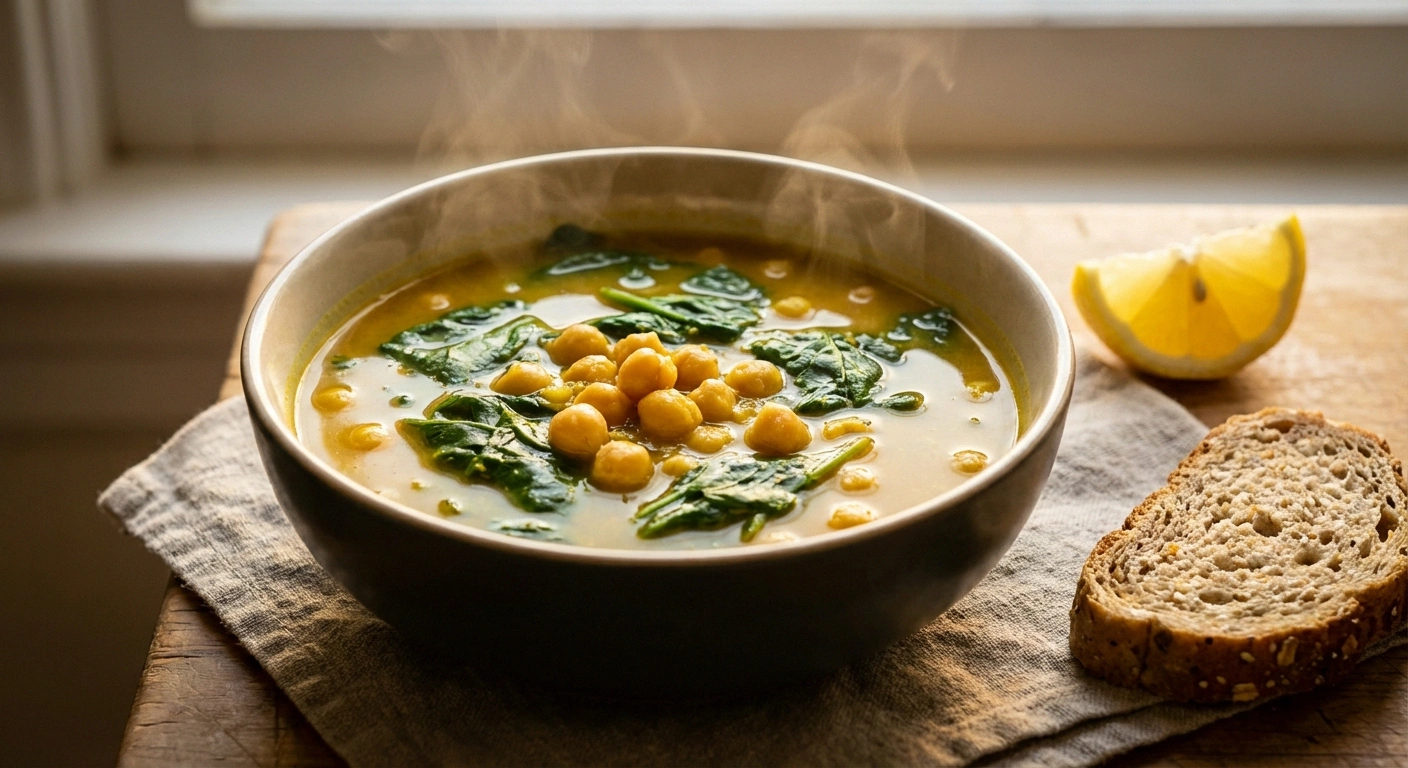
Chickpea and Turmeric Soup
Why it helps: Chickpeas provide B6 (critical for nerve function), fiber for blood sugar control, and plant-based protein. Combined with turmeric's anti-inflammatory curcumin and garlic's allicin (another anti-inflammatory compound), this is a bowl of concentrated nerve support.
Ingredients:
- 2 cans (15 oz each) chickpeas, drained and rinsed
- 4 cups low-sodium vegetable broth
- 1 can (14 oz) diced tomatoes
- 3 cloves garlic, minced (or 1 teaspoon garlic paste)
- 1 teaspoon ground turmeric
- ½ teaspoon cumin
- 2 large handfuls of kale or spinach
- 2 tablespoons olive oil
- Juice of half a lemon
- Salt, pepper, and pinch of black pepper (for curcumin absorption)
Directions: Heat olive oil in a large pot over medium heat. Add garlic and cook 1 minute. Add turmeric, cumin, and black pepper, stirring for 30 seconds. Pour in broth, tomatoes, and chickpeas. Bring to a simmer and cook 15 minutes. Stir in greens and cook until wilted, about 2 minutes. Finish with lemon juice. Makes 4 servings — refrigerates well for up to 4 days.
Prep adaptations: Use jarred minced garlic or garlic paste to avoid chopping. Canned chickpeas just need opening and rinsing. Baby spinach requires no chopping. This is a one-pot recipe with minimal hands-on time.
Mediterranean Sardine Toast
Why it helps: Don't dismiss sardines — they're one of the most nutrient-dense foods you can eat for nerve health. They provide omega-3s, B12, vitamin D, and calcium in a single serving. Sardines are also one of the lowest-mercury fish available, making them safe for frequent consumption.
Ingredients:
- 1 can sardines in olive oil, drained
- 2 slices whole-grain bread, toasted
- ½ avocado, mashed
- Squeeze of lemon
- Red pepper flakes (optional)
- Fresh parsley if you have it
Directions: Spread mashed avocado on toast. Top with sardines, breaking them up with a fork. Squeeze lemon over the top. Add red pepper flakes if you like heat. Total time: 3 minutes.
Prep adaptations: This is as simple as it gets. Pull-tab sardine cans eliminate the need for a can opener. If spreading avocado is difficult, just place thin slices on the toast instead.
Dinner Recipes
One-Pan Turmeric Chicken with Sweet Potatoes
Why it helps: Chicken provides B vitamins (especially B6 and B12) and lean protein for nerve repair. Sweet potatoes offer vitamins A and C — potent antioxidants for nerve cell protection — plus potassium for proper nerve transmission. Turmeric adds anti-inflammatory curcumin. One pan, minimal cleanup.
Ingredients:
- 4 boneless chicken thighs
- 2 medium sweet potatoes, cubed (about 1-inch pieces)
- 2 cups broccoli florets
- 3 tablespoons olive oil
- 1 teaspoon ground turmeric
- 1 teaspoon garlic powder
- ½ teaspoon smoked paprika
- Salt, pepper, and pinch of black pepper
Directions: Preheat oven to 425°F. Toss sweet potatoes in half the olive oil with turmeric, garlic powder, and paprika. Spread on a sheet pan and roast for 15 minutes. Push sweet potatoes to one side, add chicken thighs and broccoli, drizzle with remaining oil, season. Roast another 20 to 25 minutes until chicken is cooked through. Serves 4.
Prep adaptations: Many grocery stores sell pre-cubed sweet potatoes. If cubing is hard on your hands, buy them pre-cut or use canned sweet potatoes (rinse off any syrup). Broccoli florets from a bag require no prep.
Baked Mackerel With Lemon and Herbs
Why it helps: Mackerel is one of the richest sources of omega-3 fatty acids — even more than salmon. It also provides significant B12, vitamin D, and selenium. Pairing it with a simple salad of dark greens adds magnesium, folate, and additional antioxidants.
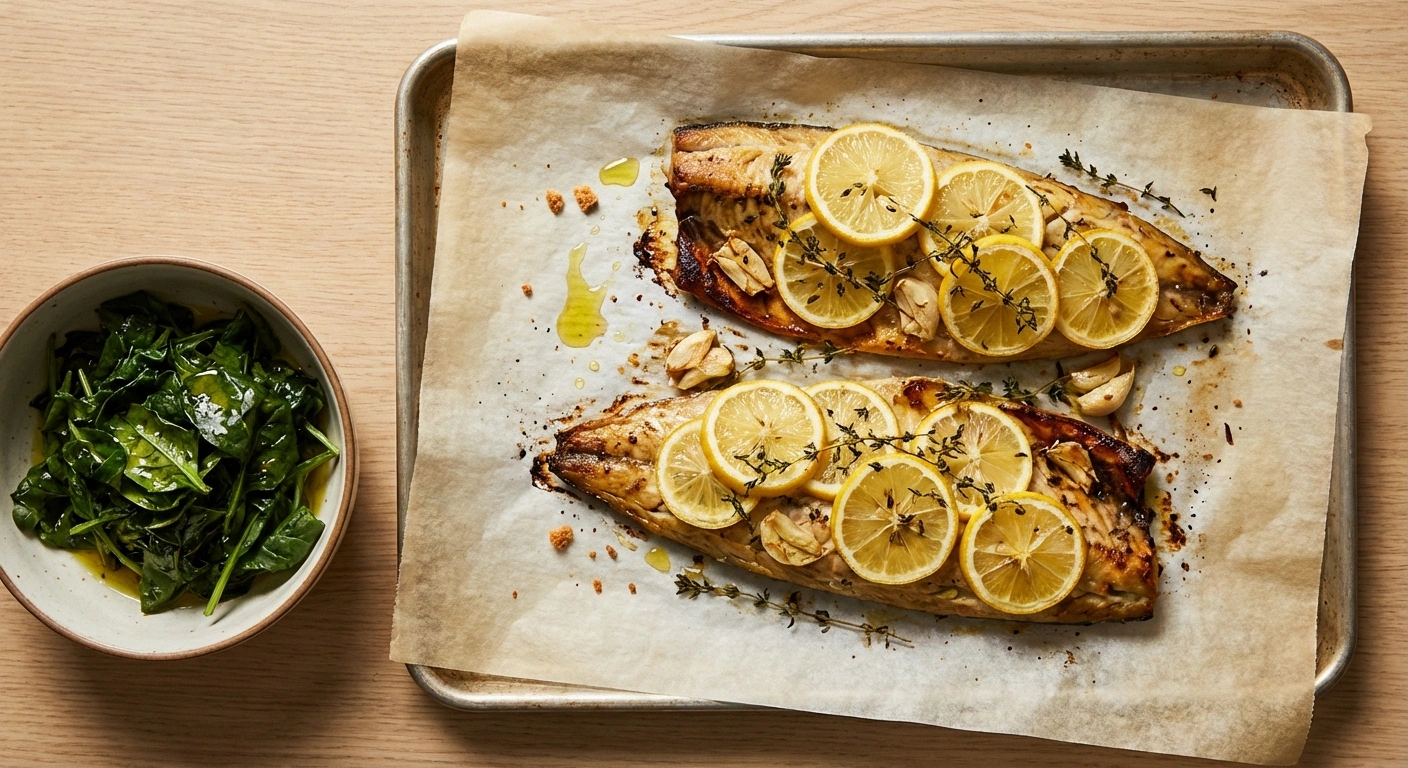
Ingredients:
- 2 mackerel fillets
- 1 lemon, sliced
- 2 cloves garlic, smashed
- 2 tablespoons olive oil
- Fresh or dried thyme
- Salt and pepper
- Side: 4 cups mixed greens with olive oil and lemon dressing
Directions: Place mackerel fillets on a lined baking sheet. Drizzle with olive oil, arrange lemon slices and garlic on top, sprinkle with thyme, salt, and pepper. Bake at 400°F for 15 to 18 minutes. Serve alongside a simple salad of mixed greens dressed with olive oil and lemon juice.
Prep adaptations: The only prep is slicing a lemon and smashing garlic (use the flat side of a knife or even the bottom of a jar). Everything else goes directly on the pan.
Slow Cooker Lentil and Vegetable Stew
Why it helps: Lentils are packed with folate (B9), iron, and fiber for blood sugar control. This recipe is specifically designed for the slow cooker — meaning five minutes of prep in the morning and a ready meal by evening. Perfect for days when neuropathy fatigue hits.
Ingredients:
- 1½ cups dried green or brown lentils, rinsed
- 1 can (14 oz) diced tomatoes
- 4 cups low-sodium vegetable broth
- 2 large carrots, peeled and sliced
- 2 celery stalks, sliced
- 1 teaspoon turmeric
- 1 teaspoon cumin
- ½ teaspoon garlic powder
- 2 large handfuls of spinach (added at the end)
- Salt and pepper to taste
Directions: Combine everything except the spinach in a slow cooker. Cook on low for 7 to 8 hours or high for 3 to 4 hours. Stir in spinach during the last 10 minutes. Season to taste. Makes 6 servings and freezes beautifully.
Prep adaptations: This is the ultimate low-effort meal. If slicing carrots and celery is difficult, buy pre-cut mirepoix (carrot, celery, and onion mix) from the produce section. Everything goes in at once — then you walk away.
Snacks and Smoothies
Nerve-Support Smoothie
Why it helps: This smoothie packs B12 (from yogurt), omega-3s (from flaxseed), magnesium (from spinach and banana), and antioxidant polyphenols (from berries) into a single glass. If you're not getting enough of these nutrients from meals, a daily smoothie is an easy way to fill the gaps.
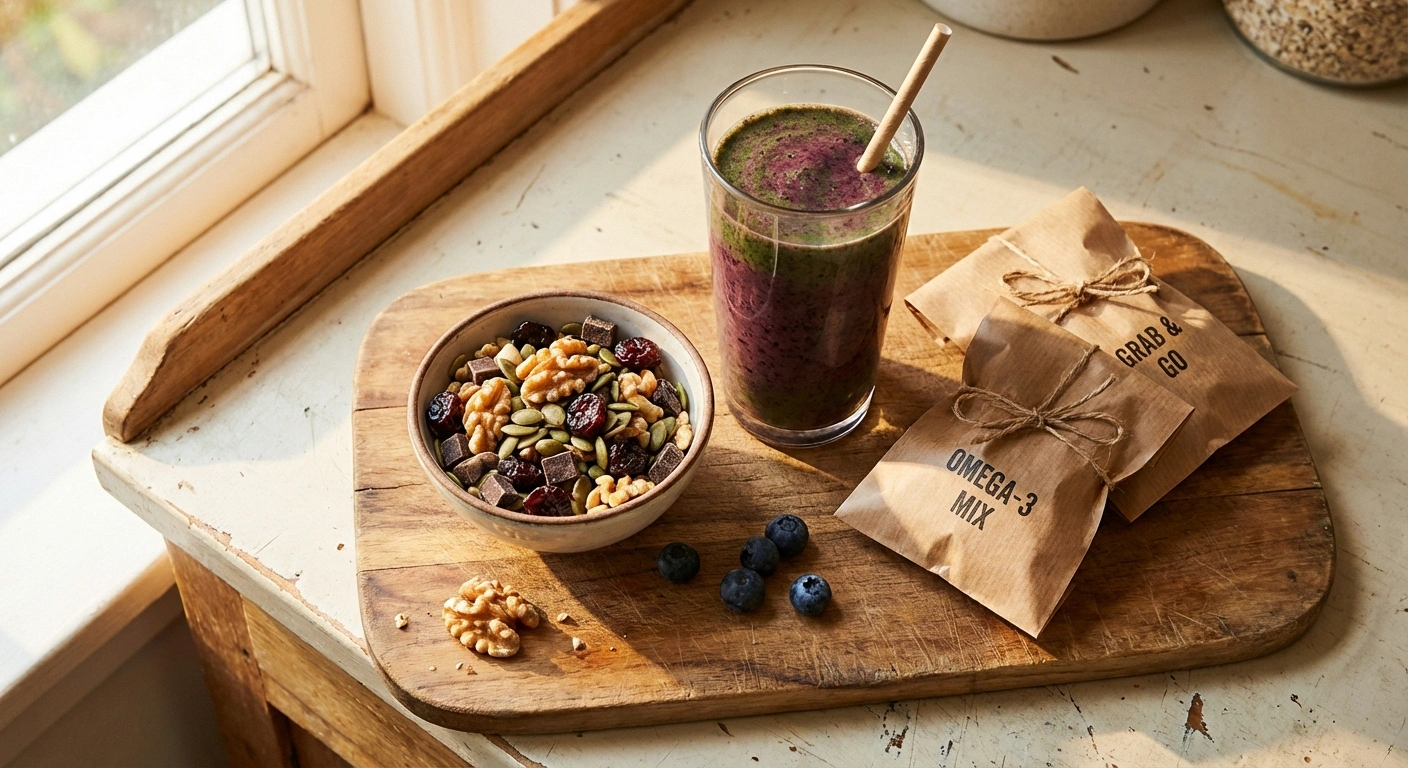
Ingredients:
- 1 cup frozen mixed berries
- 1 large handful of baby spinach
- ½ banana
- ½ cup plain Greek yogurt
- 1 tablespoon ground flaxseed
- 1 cup almond milk or water
- ½ teaspoon turmeric (optional)
Directions: Blend everything until smooth. If too thick, add more liquid. Drink immediately — the nutrients begin degrading once blended.
Prep adaptations: Keep frozen berries and pre-washed spinach on hand. This requires almost no manual dexterity — just open bags, scoop, and push a button.
Omega-3 Trail Mix
Why it helps: Walnuts are the only tree nut with significant omega-3s. Combined with pumpkin seeds (magnesium and zinc) and dark chocolate (flavonoids and magnesium), this trail mix is a concentrated nerve-support snack.
Ingredients:
- 1 cup raw walnuts
- ½ cup pumpkin seeds (pepitas)
- ¼ cup dark chocolate chips (70% cacao or higher)
- ¼ cup dried tart cherries (anti-inflammatory anthocyanins)
Directions: Mix together. Store in an airtight container. Portion into small bags or containers for grab-and-go snacking. A quarter-cup serving is about 200 calories.
Prep adaptations: No prep needed. If opening bags is difficult, transfer the full batch to a large container with an easy-open lid.
A 7-Day Nerve-Friendly Meal Plan
Here's how to put these recipes together into a practical week of eating. Mix and match based on what you enjoy and what's manageable on any given day.
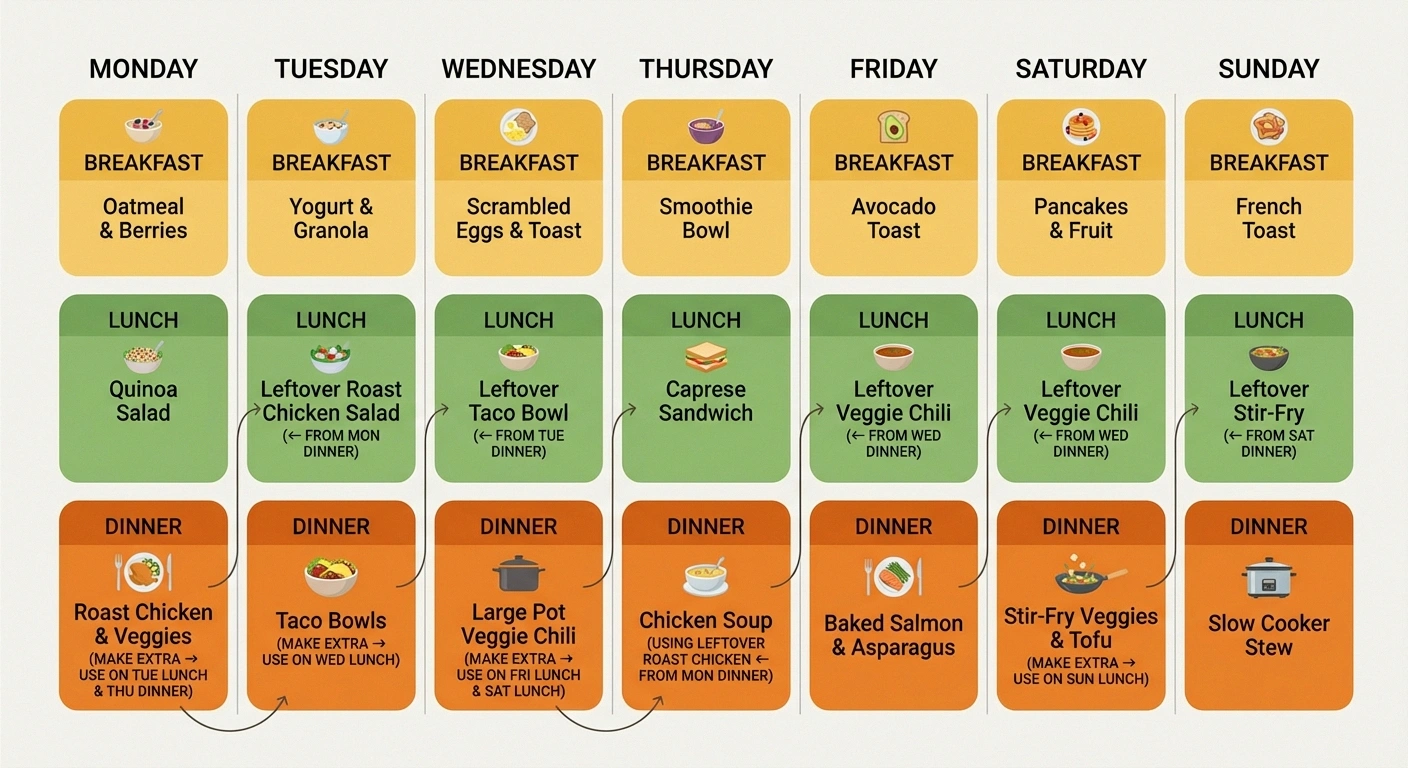
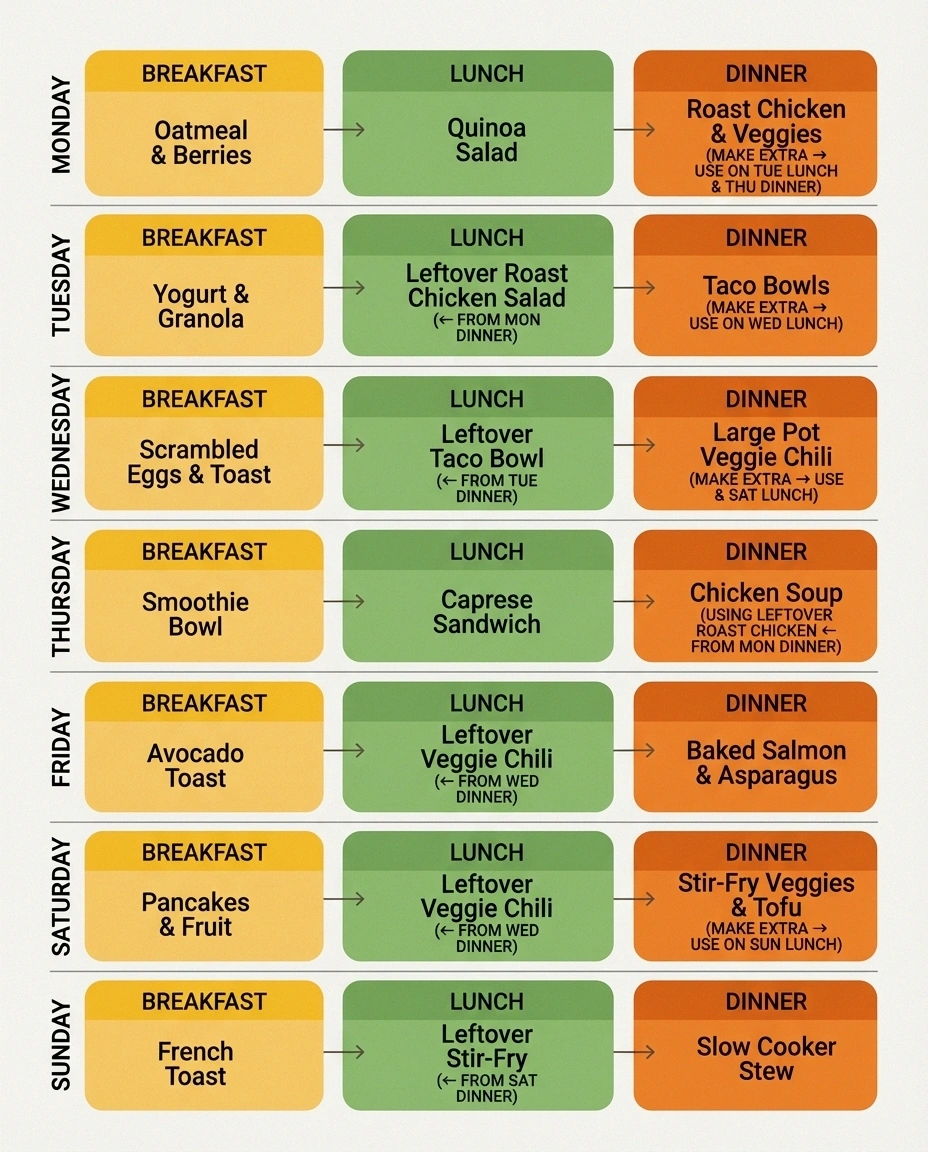
The Batch Cooking Strategy
Cook on good days. Eat well on bad days. Here's the batch plan built into this meal schedule:
- Monday: Double-batch Chickpea Soup → eat fresh + refrigerate for Thursday
- Wednesday: Slow Cooker Lentil Stew → eat Wed/Thu/Fri (freeze extra for next week)
- Weekend: Prep Omega-3 Trail Mix for the whole week + make Overnight Parfait
3 cooking sessions = 7 days of nerve-friendly eating. That's the real recipe.
Monday: Golden Oatmeal → Chickpea Turmeric Soup (make a double batch) → One-Pan Turmeric Chicken with Sweet Potatoes
Tuesday: B12 Power Scramble → Leftover soup → Baked Mackerel with Lemon and Herbs
Wednesday: Overnight Berry Parfait (prep tonight) → Salmon Power Bowl → Slow Cooker Lentil Stew (start in the morning)
Thursday: Golden Oatmeal → Sardine Toast → Leftover Lentil Stew
Friday: B12 Power Scramble → Leftover Lentil Stew → One-Pan Turmeric Chicken (use leftover sweet potatoes)
Saturday: Overnight Berry Parfait → Salmon Power Bowl → Baked Mackerel with mixed greens
Sunday: Nerve-Support Smoothie → Chickpea Soup (reheat from freezer) → Choose your favorite dinner and prep meals for the week
Daily snacks: Omega-3 Trail Mix, fresh fruit, or a Nerve-Support Smoothie if you didn't have one for breakfast.
Notice the intentional pattern: I've built in leftovers and batch cooking. Making double batches of soup on Monday and stew on Wednesday means you always have a ready meal in the fridge for low-energy days. This isn't aspirational cooking — it's realistic meal planning for people whose bodies don't always cooperate.
Cooking With Neuropathy: Practical Kitchen Tips
The recipes are one thing — the physical act of cooking with neuropathy is another. Here's what I've learned from people in my community who've found ways to keep cooking despite their symptoms:
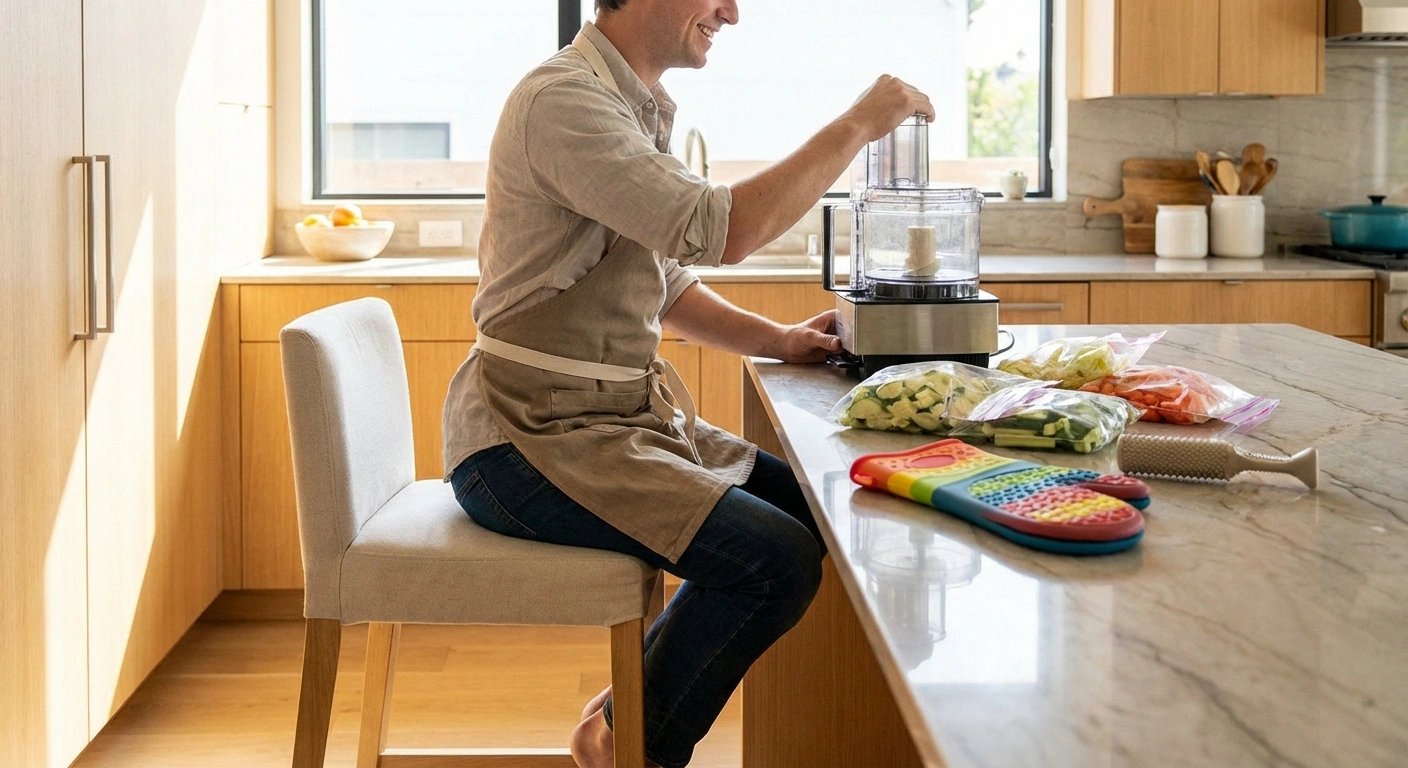
🛠️ Kitchen Adaptations at a Glance
Skip the Knife
Food processor for chopping. Buy pre-cut veggies.
Protect Your Hands
Silicone mitts for grip + burn protection with numb fingers.
Sit to Cook
High stool at counter height. No standing required.
Check Temps
Use thermometers. Test water with your elbow, not hands.
- Invest in a good food processor. If chopping vegetables with tingling or numb fingers is difficult, a food processor eliminates that step entirely. Most of the recipes above can use food-processor-prepped ingredients.
- Use silicone oven mitts. They provide a better grip than cloth mitts and protect hands that may not accurately sense temperature — a real concern when neuropathy affects temperature perception.
- Pre-cut and pre-prepped ingredients are worth the extra cost. Bagged baby spinach, pre-cut vegetables, jarred garlic, and canned beans aren't “cheating” — they're smart adaptations. Your nerve health doesn't depend on whether you personally diced the onion.
- Sit while you prep. A high stool at the kitchen counter takes the standing and balance demand out of cooking. If foot symptoms make standing painful, don't fight it — sit down.
- Temperature-check everything. If your hands have reduced temperature sensation, use a kitchen thermometer for hot beverages and food. Test dishwater with your elbow instead of your hands. These aren't overcautious habits — they prevent real burns.
- Batch cook on good days. Everyone with neuropathy knows some days are worse than others. When flare-ups hit, having pre-made soup, stew, or trail mix in the fridge means you can still eat well without cooking from scratch.
- Weighted utensils help with tremor and grip. If neuropathy affects your hand coordination, weighted or built-up utensils (available from occupational therapy supply catalogs) can make stirring, serving, and eating easier.
Foods That Do the Most Work for Your Nerves
If you're going to focus on adding just a few things to your regular eating habits, these are the highest-impact choices:
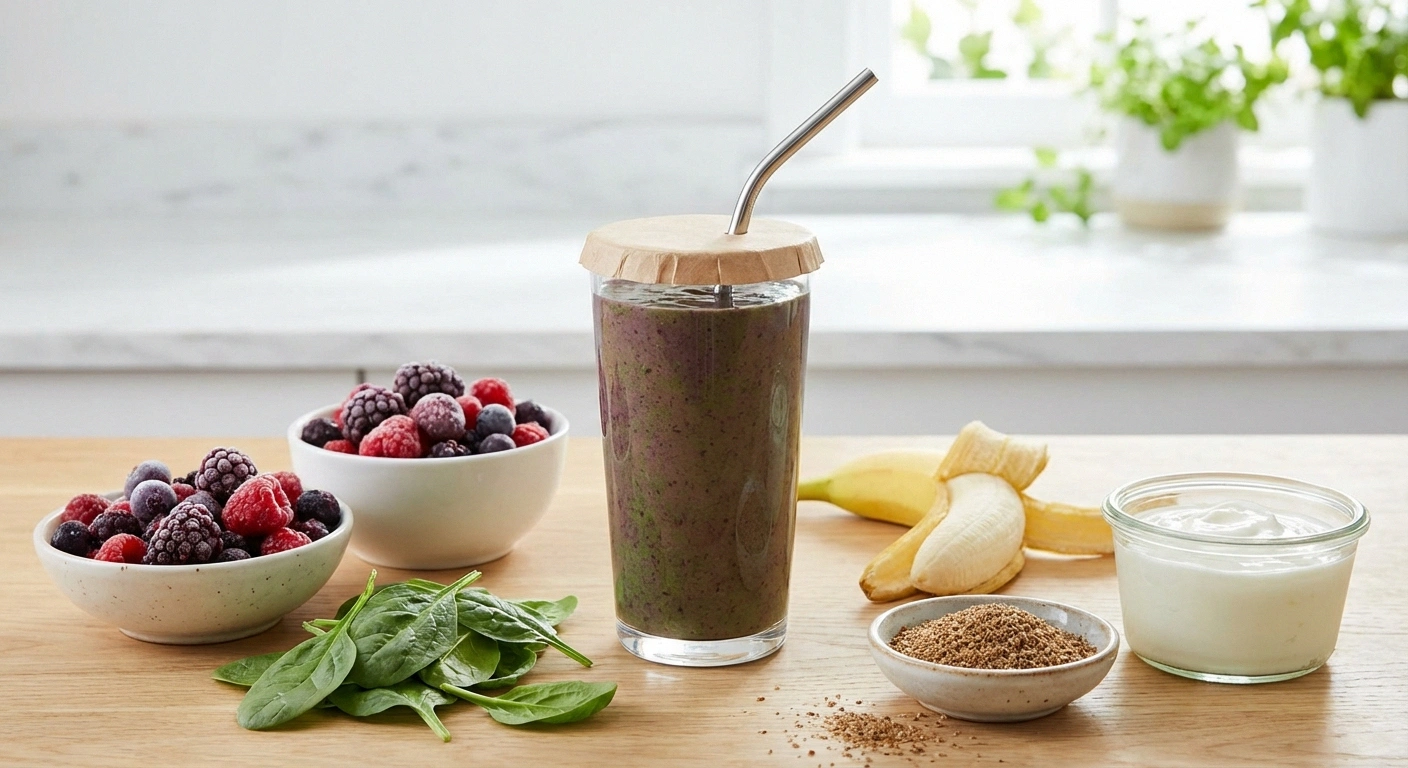
Fatty fish (salmon, mackerel, sardines) 2 to 3 times per week. This is the single most impactful dietary change for neuropathy. The omega-3 fatty acids EPA and DHA are directly involved in nerve membrane integrity and reducing neuroinflammation. If you eat fish regularly, you're covering your most important nutritional base.
Dark leafy greens daily. Spinach, kale, and Swiss chard deliver magnesium, folate, alpha-lipoic acid, and vitamin K. A handful thrown into a smoothie, scramble, or soup counts — you don't need to eat massive salads.
Berries most days. Blueberries, raspberries, and strawberries are loaded with polyphenols and anthocyanins — compounds that protect nerve cells from oxidative stress. Fresh or frozen — the nutritional value is essentially the same.
Turmeric with black pepper regularly. Even a teaspoon of turmeric added to soups, oatmeal, or smoothies delivers meaningful anti-inflammatory benefits. The black pepper is important — piperine increases curcumin absorption dramatically.
Nuts and seeds as daily snacks. Walnuts (omega-3s), almonds (magnesium and vitamin E), and pumpkin seeds (zinc and magnesium) are the most nerve-friendly options. A quarter cup as a daily snack is enough.
What to Minimize
I've written about this in detail in my foods that trigger neuropathy article, but the short version:
- Added sugars and refined carbohydrates — they spike blood sugar, which damages nerves over time. This matters even if you don't have diabetes.
- Alcohol — depletes B vitamins and directly damages nerve fibers. Even moderate consumption can worsen neuropathy. We covered this in neuropathy and alcohol.
- Trans fats and heavily processed foods — promote inflammation and increase neurotoxic compounds like acrolein.
- Excess sodium — can worsen fluid retention and circulation problems that affect nerve health.
This doesn't mean you can never have bread, dessert, or a glass of wine. It means making nerve-friendly choices most of the time, so the occasional indulgence doesn't matter. Perfection isn't the goal — consistency is.
Supplements vs. Food: Which Matters More?
People ask me this constantly, and my answer is always: food first, supplements to fill gaps.
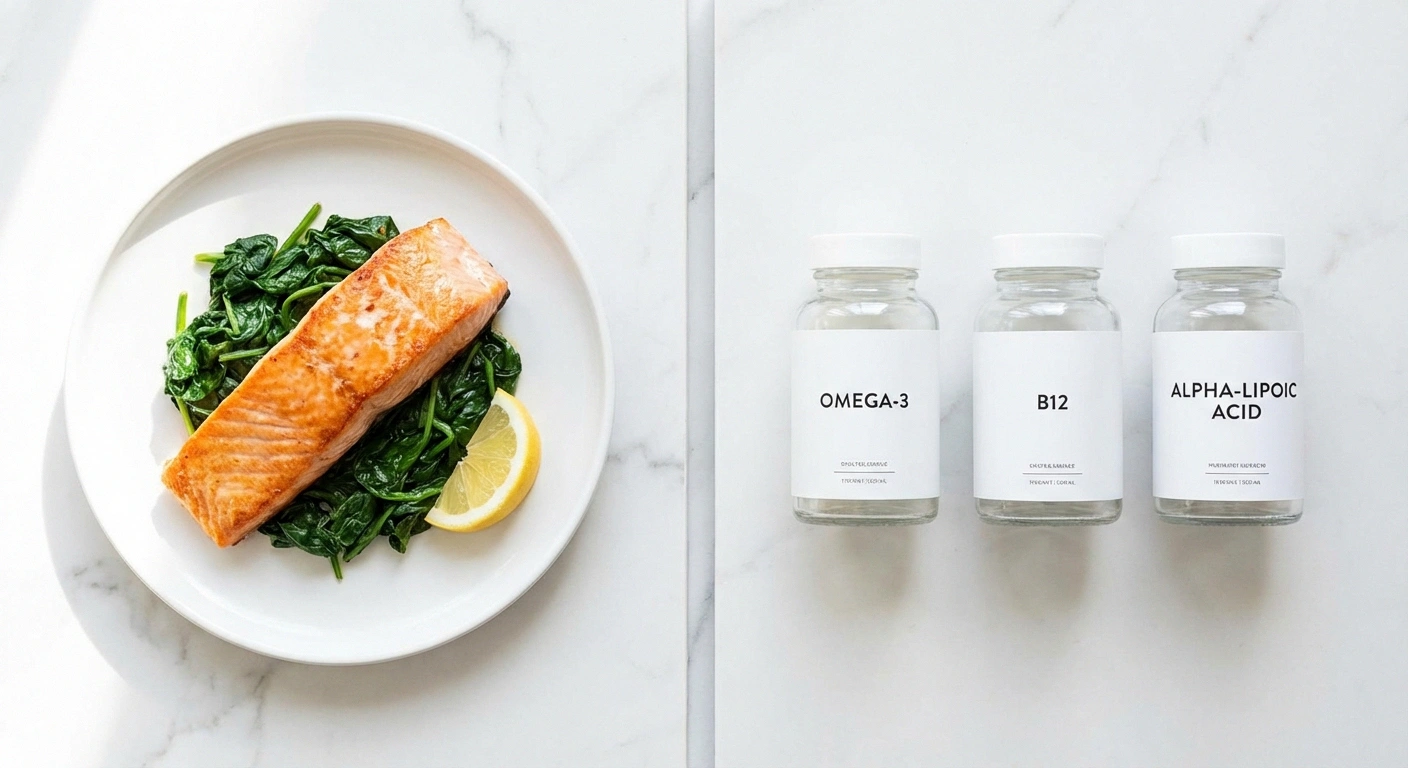
Food provides nutrients in their natural matrix — alongside cofactors, fiber, and other compounds that enhance absorption and provide additional benefits. A salmon fillet gives you omega-3s, B12, vitamin D, selenium, and protein all at once. A fish oil capsule gives you omega-3s alone.
That said, some neuropathy patients have needs that food alone can't reliably meet:
- If you have documented B12 deficiency, therapeutic doses through injections or high-dose supplements may be necessary — food sources alone may not correct a true deficiency.
- Alpha-lipoic acid at therapeutic doses (600 mg daily, the amount studied for neuropathy) is essentially impossible to get from food alone.
- If you avoid fish entirely, an omega-3 supplement (fish oil or algae-based) fills a critical gap.
Check out our comprehensive guide to neuropathy supplements for evidence-based recommendations on what's worth taking.
Frequently Asked Questions
Can diet alone reverse neuropathy?
Diet alone is unlikely to reverse established nerve damage, but it can absolutely slow progression and improve symptoms. In cases where neuropathy is caused by a specific nutritional deficiency, such as B12 or thiamine deficiency, correcting the dietary problem can lead to significant improvement or even reversal. For most people, diet works best as part of a comprehensive approach that includes appropriate medical treatment and exercise.
How long before I notice a difference from changing my diet?
Most people report noticing subtle improvements in energy and overall wellbeing within two to four weeks of consistent dietary changes. Nerve-specific benefits such as reduced pain or tingling may take longer, typically two to three months of consistent eating. Nerve tissue regenerates slowly, so patience is important. Keep a symptom journal to track changes that might be too gradual to notice otherwise.
Are these recipes safe for people with diabetes?
Yes. Every recipe in this collection emphasizes low-glycemic ingredients that support blood sugar stability. The whole grains, legumes, lean proteins, and healthy fats used here are consistent with diabetes management guidelines. If you have diabetes, you should still monitor your blood sugar response to new foods and adjust portion sizes as needed, especially for carbohydrate-containing recipes like the oatmeal and lentil stew.
What if I can't eat fish?
If you avoid fish due to allergies, dietary preferences, or simply not liking it, focus on plant-based omega-3 sources like walnuts, flaxseed, chia seeds, and hemp seeds. These provide ALA, which your body can partially convert to EPA and DHA. Consider an algae-based omega-3 supplement for the EPA and DHA that plant sources lack. The non-fish recipes here, particularly the lentil stew, chickpea soup, and trail mix, are designed to provide complementary nerve-supporting nutrients.
Do I need to follow this meal plan exactly?
Not at all. The meal plan is a template showing how these recipes fit together. Use the recipes you enjoy and skip the ones you don't. The key principles matter more than any specific recipe. Eat fatty fish two to three times per week, include leafy greens and berries daily, add turmeric when you can, choose whole grains over refined ones, and snack on nuts instead of processed foods. If you follow those guidelines with whatever recipes you like, you're supporting your nerve health.
Can I freeze these recipes?
The chickpea soup and lentil stew freeze beautifully for up to three months. The trail mix stores in an airtight container at room temperature for weeks. Cooked salmon, chicken, and quinoa can be frozen in portions and reheated. The overnight parfait, smoothie, and scramble are best made fresh. Batch cooking and freezing is one of the most practical strategies for eating well when neuropathy makes daily cooking difficult.
Nourishing Your Nerves, One Meal at a Time
I know that changing how you eat can feel overwhelming — especially when you're already dealing with pain, fatigue, and all the other challenges neuropathy brings. But here's what I want you to take away from this: you don't have to overhaul everything at once.
Start with one recipe. Make the smoothie tomorrow morning. Try the salmon bowl this week. Swap your afternoon chips for the trail mix. Small, sustainable changes compound over time — and every meal that nourishes your nerves instead of inflaming them is a step in the right direction.
Your nerves are working hard to heal. Feed them what they need, and give your body the best possible chance to do its job. That's not a cure — but it's one of the few things that's entirely within your control.
About the Author